

Croatia Combined Country Tours
40+ tours & activities
Free Cancellation
8 Days Best of Croatia Tour
Free Cancellation
Adriatic Sea Tour 21 Day

Free Cancellation
Private tour package 9 days in Croatia +Bosnia and Herzegovina

Free Cancellation
Private tour package 7 days in Croatia +Bosnia and Herzegovina

PopularFree Cancellation
19 Days Europe Balkan Countries Tour

PopularFree Cancellation
21 Day Europe Balkan Combined Tour

Free Cancellation
16 Days Grand Balkan Countries Tour

Free Cancellation
23 Days Balkan Countries Combined Tour

Free Cancellation
24 Days Europe Balkan Countries Tour

Free Cancellation
23 Days Asia Europe and Balkan Countries Tour

Free Cancellation
Three Countries in On Day Tour (It Slo Cro)
Free Cancellation
8 days on Western Balkans

Free Cancellation
Central Europe & Italy Discovery: 5 Countries in 9 Days
Free Cancellation
19 Day Grand Balkan Combined Country Tour
Free Cancellation
10 Days Slovenia & Croatia Tour
Free Cancellation
Bosnia & Croatia & Montenegro
Explore Croatia Combined Country Tours
 Ultimate GuideBest Time to Visit Croatia
 Road tripsSet-Jetting: Why Movies, Books & TV Series Inspire Our Travel Choices
 Blue CruiseExperience Blue Cruise Croatia Turkey & Greece
 Where to visit?Best Places to Visit in Croatia
 Travel Tips7 Things You Should Know Before Booking a Mediterranean Cruise
 Ultimate GuideTop 10 Things to Do in Europe
About Croatia Combined Country Tours
Croatia Combined Country Tours connect Croatia's Adriatic coastline, historic cities and national parks with destinations across Central and Southeastern Europe. Travelers can combine Dubrovnik, Split, Zagreb and Plitvice Lakes National Park with neighboring countries such as Slovenia, Italy, Bosnia and Herzegovina, Montenegro and Serbia.
Multi-country itineraries range from short trips covering two neighboring countries to extended European journeys through the Balkans. Popular routes include Croatia and Slovenia tours, Croatia, Slovenia and Italy packages, and Balkan itineraries connecting Dubrovnik with Mostar, Sarajevo and Kotor.
Croatia Multi-Country Tour Packages
Croatia Multi-Country Tour Packages combine sightseeing across two or more European countries within one itinerary. Croatia's geographical position between Central Europe and the Balkan Peninsula makes it a practical destination for regional journeys that include historical cities, UNESCO World Heritage Sites, national parks and Adriatic coastal towns.
Many itineraries begin in Zagreb, Croatia's capital, before continuing to Ljubljana and Lake Bled in Slovenia. Others start in Dubrovnik or Split and connect Croatia's southern coastline with Bosnia and Herzegovina or Montenegro. The route depends on the countries included, available transportation and the number of travel days.
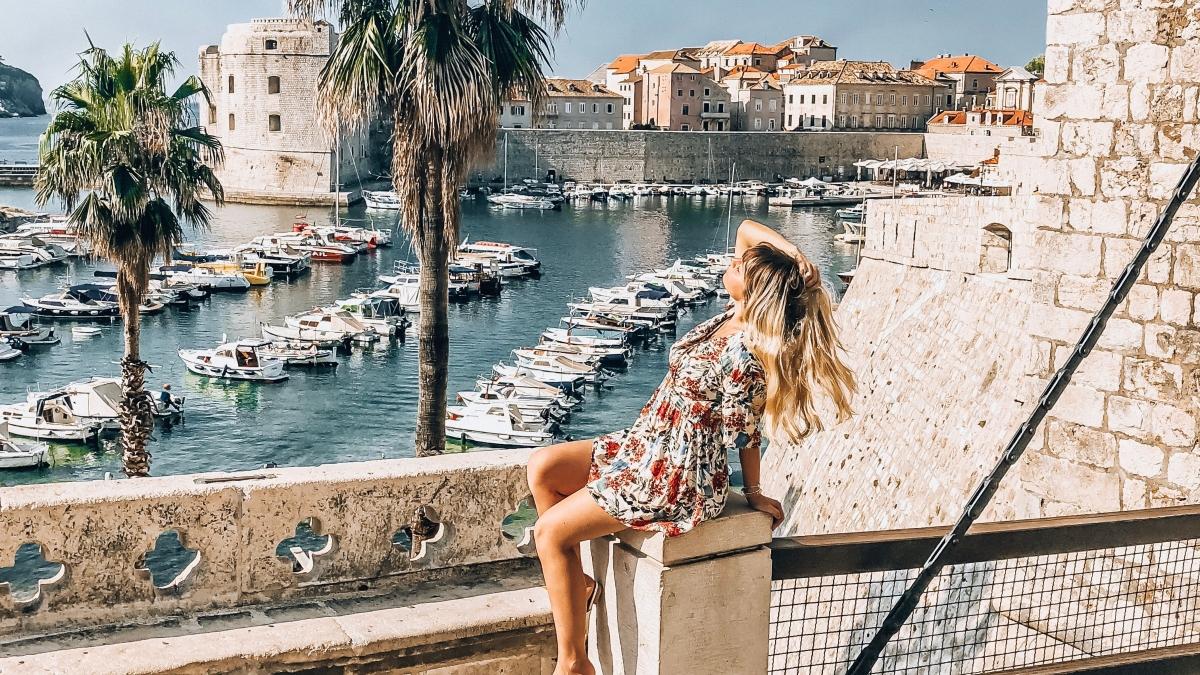
Travelers interested in cultural heritage can explore Dubrovnik's medieval Old Town, Diocletian's Palace in Split and the historic centre of Zagreb before continuing to neighboring destinations. Natural attractions such as Plitvice Lakes National Park, Slovenia's Lake Bled and Montenegro's Bay of Kotor are also frequently included in regional itineraries.
Croatia is particularly suitable for combining coastal sightseeing with inland European destinations. A journey may begin along the Adriatic Sea and continue through Slovenia's alpine landscapes, northern Italy's historic cities or the cultural centres of the Western Balkans.
Shorter multi-country packages generally focus on two countries and selected destinations, while longer itineraries may include three to five countries. Approximately seven to ten days can be suitable for visiting Croatia and one or two neighboring countries, depending on the route. More extensive Balkan journeys often require ten to fourteen days or longer.
Organized packages may include hotel accommodation, intercity transportation, professional guides, scheduled sightseeing excursions and selected entrance tickets. Ferry services, meals, airport transfers and optional activities vary between itineraries. Travelers should review border-crossing requirements and the time allocated to each destination before selecting a tour.
Croatia, Slovenia & Italy Tours
Croatia, Slovenia and Italy Tours connect three neighboring European countries known for their historical cities, cultural heritage and natural landscapes. These itineraries are particularly suitable for travelers who want to explore the northern Adriatic region and Central Europe within one journey.
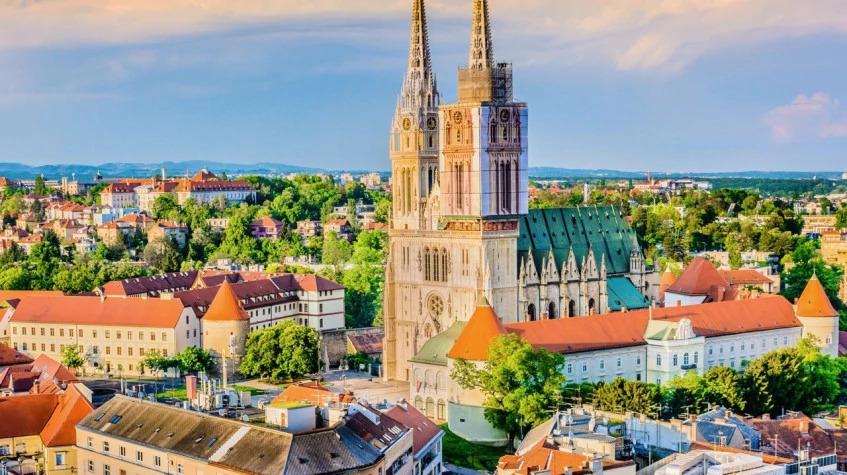
A common route begins in Zagreb, where visitors can explore St. Mark's Church, Ban Jelačić Square, Zagreb Cathedral and the historic Upper Town. The Croatian capital provides convenient road connections to Slovenia, making it a frequent starting or ending point for combined tours.
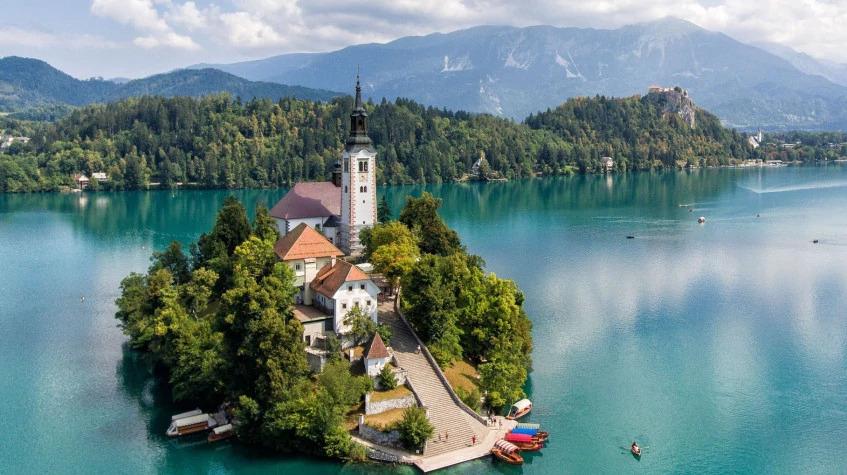
In Slovenia, Ljubljana is one of the main destinations. The city is known for Ljubljana Castle, the Triple Bridge, Prešeren Square and its historic riverside centre. Many itineraries also include Lake Bled, an alpine lake recognized for its island church, medieval castle and surrounding mountain scenery.
Travelers may continue toward Postojna Cave and Predjama Castle, two important Slovenian attractions. Postojna Cave contains an extensive underground cave system, while Predjama Castle is built into a cliffside cave entrance.
From Slovenia, tours can enter northeastern Italy, where Trieste and Venice are popular destinations. Trieste is known for Piazza Unità d'Italia, Miramare Castle and its Austro-Hungarian architectural heritage. Venice offers landmarks such as St. Mark's Basilica, the Doge's Palace, Rialto Bridge and the Grand Canal.
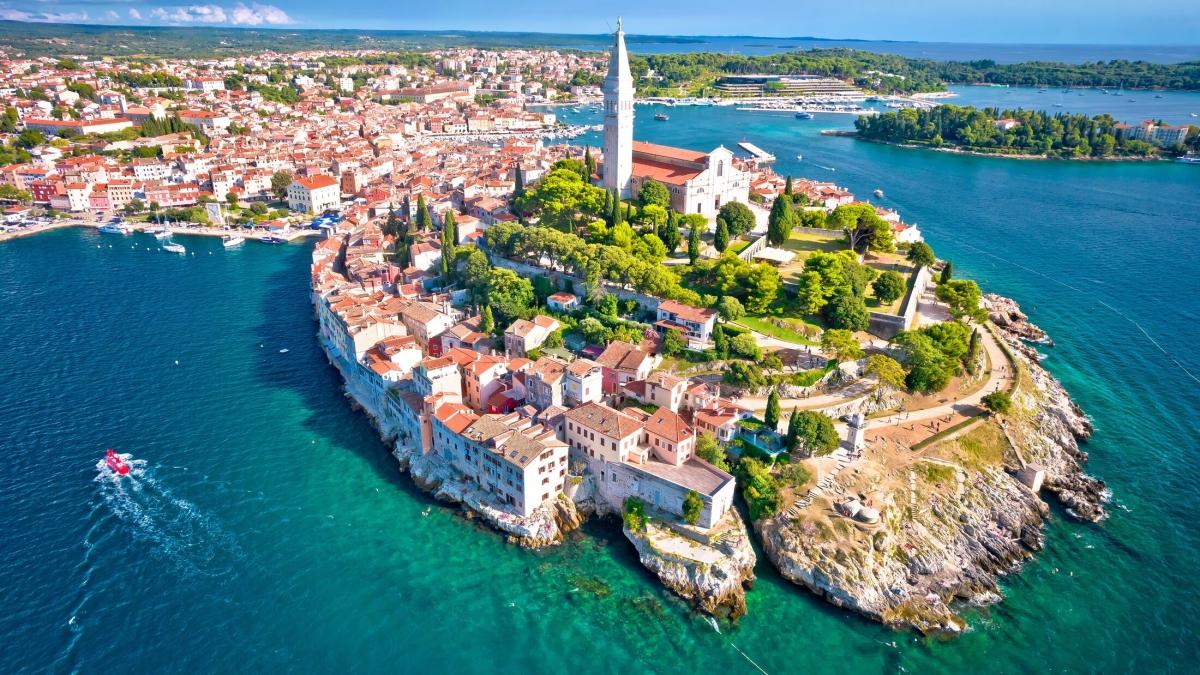
Longer itineraries may extend to Verona, Florence or other Italian cities, depending on the package duration. Some routes also include the Croatian Istrian Peninsula, where Rovinj and Pula provide opportunities to explore Venetian-influenced coastal towns and Roman archaeological sites.
Pula is particularly recognized for its Roman amphitheatre, while Rovinj is known for its historic waterfront and Church of St. Euphemia. These destinations can be combined with Slovenia and northeastern Italy without requiring extensive travel across Croatia's southern coastline.
Croatia, Slovenia and Italy tours commonly require approximately seven to twelve days for a selection of major destinations. Travelers who want to include Dubrovnik, Split and the Dalmatian Coast alongside Slovenia and Italy should allow additional time because of the distances involved.
All three countries belong to the Schengen Area, which can simplify border travel for eligible visitors. However, travelers must still meet the applicable passport, visa and entry requirements.
Croatia & Balkan Countries Tours
Croatia & Balkan Countries Tours connect the country's Adriatic destinations with historical cities, natural attractions and cultural landmarks across Southeastern Europe. Popular combinations include Croatia with Bosnia and Herzegovina, Montenegro, Serbia, Albania and North Macedonia.
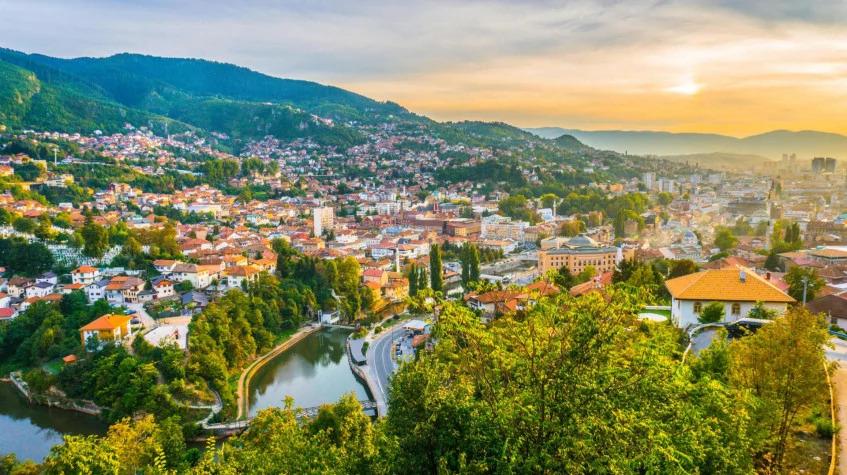
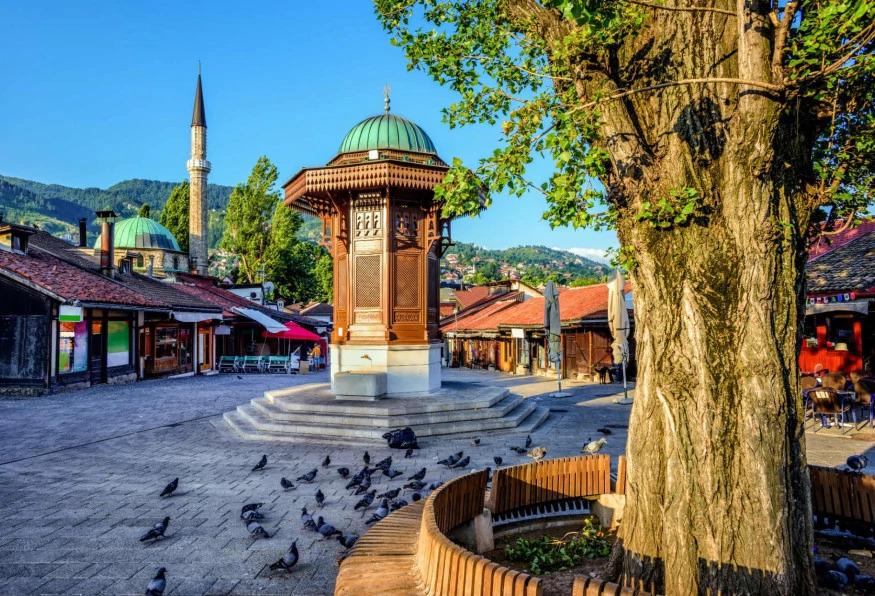
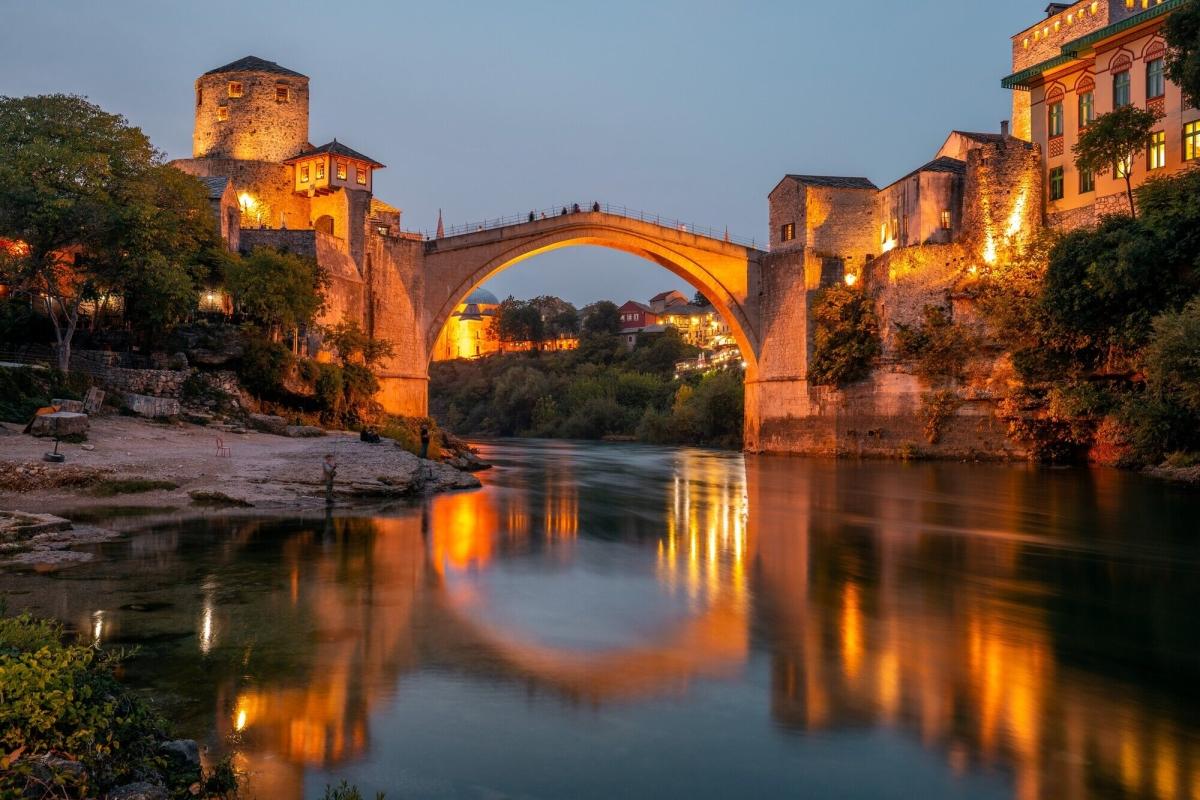
One of the most common regional routes connects Dubrovnik with Mostar and Sarajevo in Bosnia and Herzegovina. Mostar is known for its UNESCO-listed Old Bridge, Ottoman-era architecture and historic streets along the Neretva River. Sarajevo, the country's capital, offers attractions such as Baščaršija, the Latin Bridge and buildings associated with Ottoman and Austro-Hungarian history.
Croatia and Montenegro tours are another popular option, particularly for travelers staying in Dubrovnik. The Bay of Kotor is located south of the Croatian border and is known for its coastal settlements, mountain scenery and historic architecture. Kotor's UNESCO-listed historic area preserves medieval streets, churches and defensive walls, while nearby Perast is known for its waterfront and island churches.
Extended itineraries may continue along Montenegro's Adriatic coastline toward Budva, a coastal town recognized for its fortified Old Town and beaches. Some tours then travel into Albania, visiting destinations such as Shkodër, Tirana and Berat.
Travelers interested in the history of the former Yugoslavia can combine Croatia with Serbia, including Belgrade and Novi Sad. Belgrade is known for its fortress overlooking the confluence of the Sava and Danube rivers, St. Sava Temple and historic city centre. Novi Sad is associated with Petrovaradin Fortress and its location along the Danube.
Longer Balkan itineraries may also include North Macedonia, particularly Skopje and Ohrid. Skopje contains Ottoman-era landmarks, the Stone Bridge and the Old Bazaar, while Ohrid is recognized for its historic churches and UNESCO-listed cultural and natural heritage.
A regional journey can begin in Zagreb, continue through Plitvice Lakes National Park and Split, and then reach Dubrovnik before crossing into Bosnia and Herzegovina or Montenegro. Other routes connect several Balkan capitals, allowing travelers to explore the region's Roman, Byzantine, Ottoman and modern historical influences.
Multi-country Balkan tours generally require careful planning because travel times can be affected by mountainous roads, seasonal traffic and border procedures. Croatia belongs to the Schengen Area, while Bosnia and Herzegovina, Montenegro, Serbia, Albania and North Macedonia maintain separate immigration rules. Travelers should confirm the entry requirements for every country included in their itinerary.