Free Cancellation

-high.jpg&w=1920&q=75 "4 Days Sail Blue Cruise Croatia Split to Dubrovnik")
-high.jpg&w=1920&q=75 "23 Days Asia Europe and Balkan Countries Tour")
-high.jpg&w=1920&q=75 "13 Days Yugoslavia Long Tour")
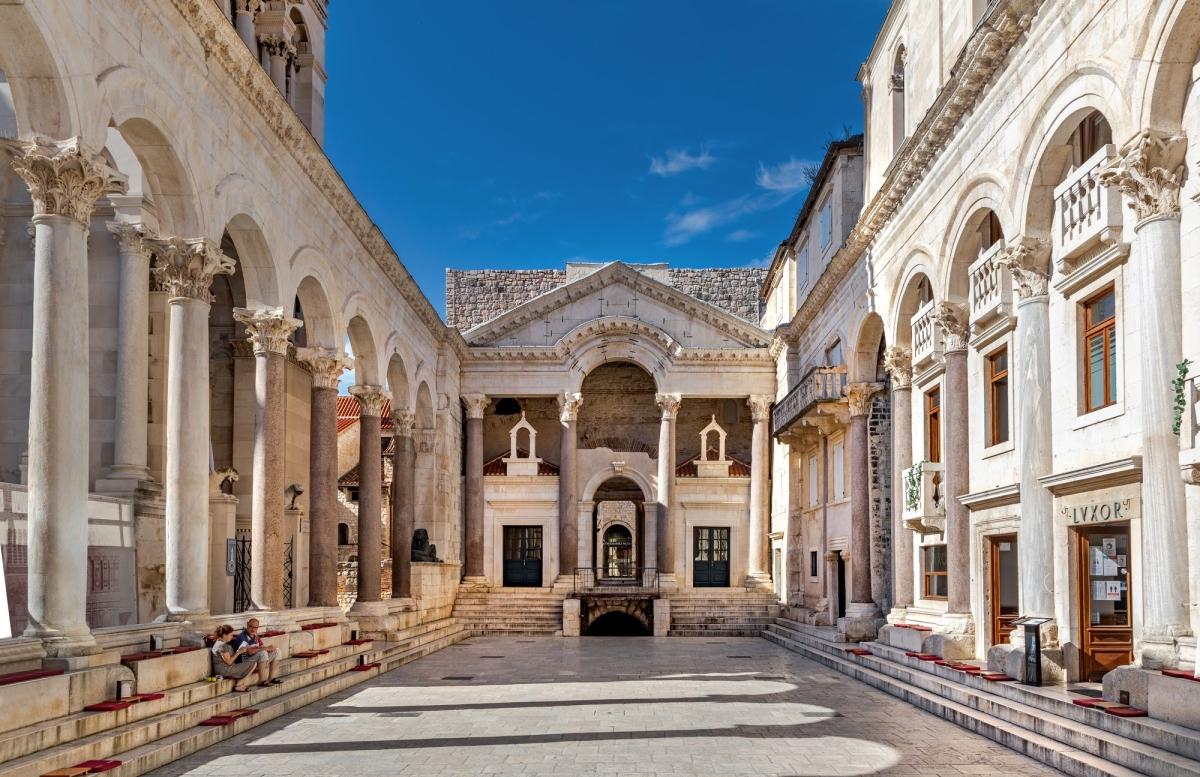
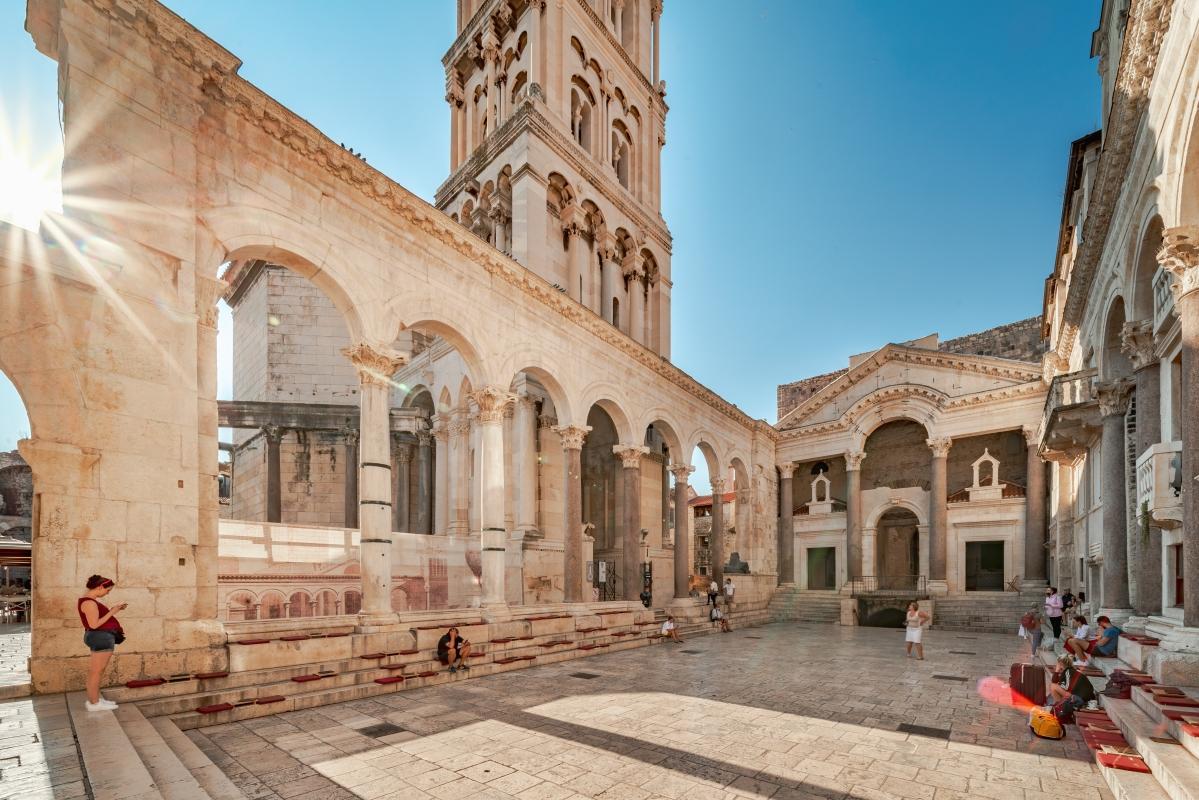
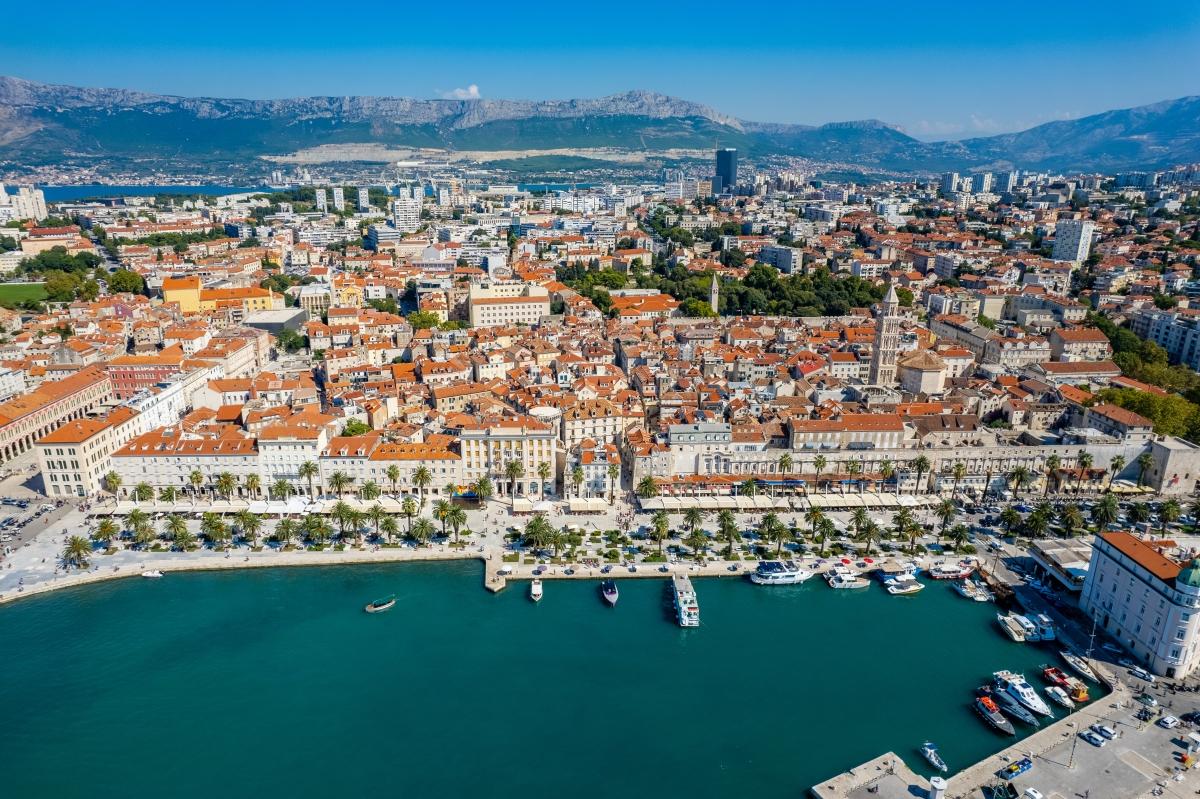
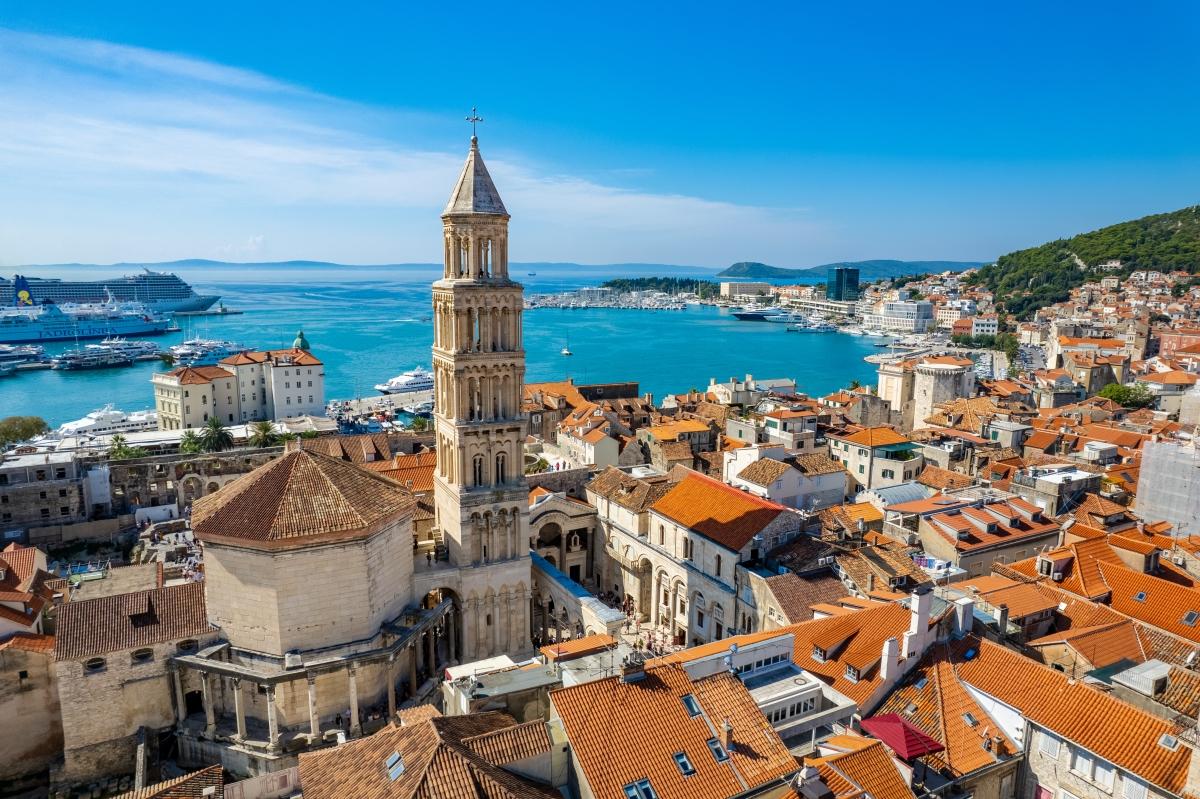
Split Tours center on one of the more unusual city centers in Europe: a historic core built directly inside the walls of a Roman emperor's retirement palace. Diocletian ordered the complex raised on the Dalmatian coast around 305 AD, and rather than falling into ruin, the palace was gradually settled by Split's residents over the following centuries, so its corridors, cellars and colonnades are now lined with cafes, boutiques and apartments rather than kept behind museum glass. The result is a living old town where daily life plays out among Roman stonework nearly 1,700 years old.
Split also serves as the main gateway to the central Dalmatian islands, and many visitors treat the city as a base for day trips as well as a destination in its own right. Split sits within reach of a wider Croatia itinerary that can extend north to Zadar and Zagreb or south along the coast toward Dubrovnik.
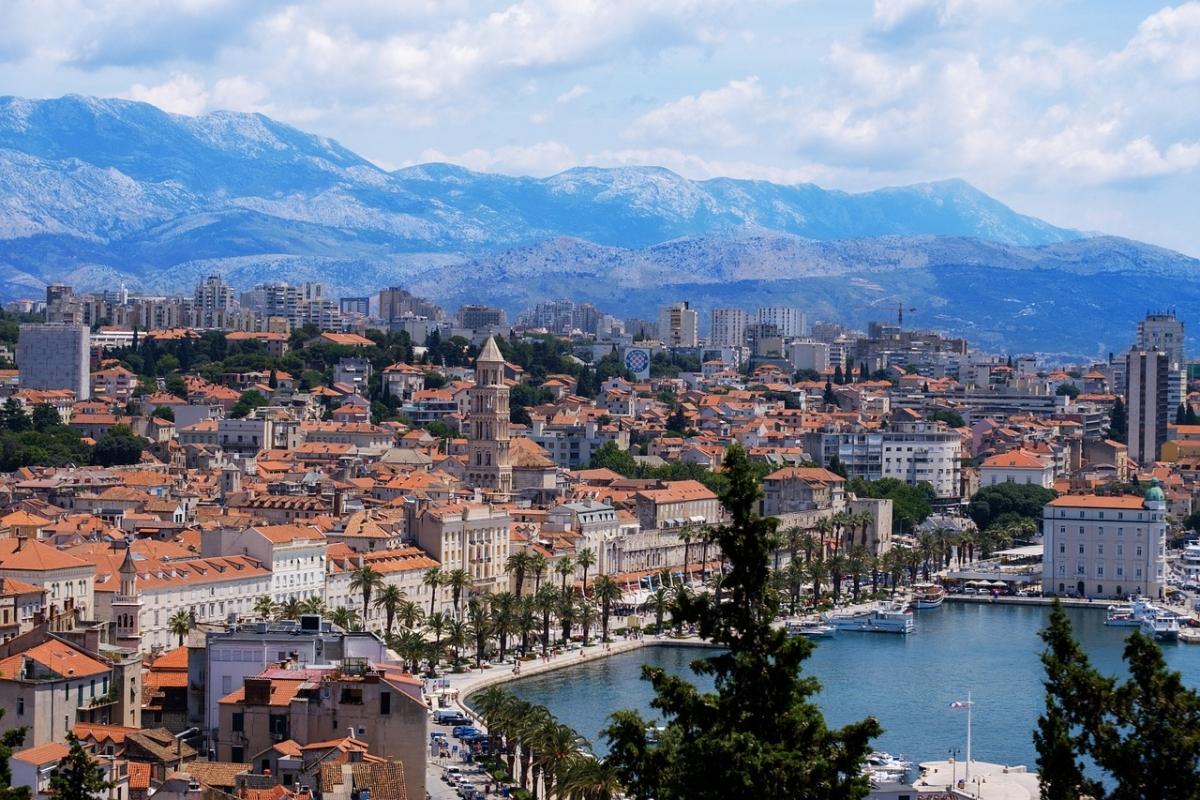
The Peristyle, an open colonnaded square at the palace's center, remains the old town's main gathering point. On its edge stands the Cathedral of Saint Domnius, converted from Diocletian's own octagonal mausoleum in the 7th century, making it one of the oldest cathedrals in continuous use anywhere. Its bell tower, added later, can be climbed for views over the terracotta rooftops and the harbor.
Beneath the palace's former residential wing, a network of vaulted stone cellars survives largely intact and now houses stalls and small exhibits. These substructures once supported Diocletian's private quarters above and give visitors one of the clearest impressions of the original Roman construction. The Bronze Gate, once the palace's harbor entrance, opens directly onto the Riva.
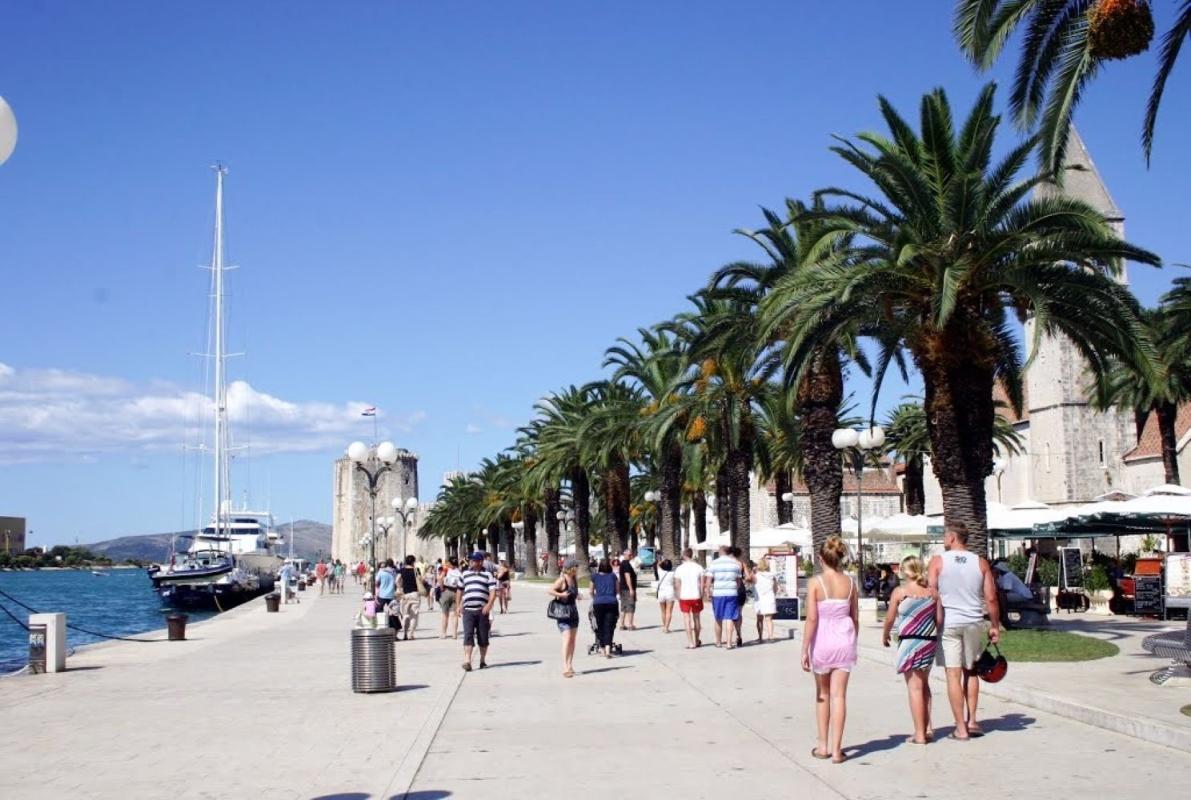
Split's palm-lined Riva waterfront runs along the harbor just outside the palace walls and functions as the city's promenade, filled with cafes and the arrival point for ferries. Rising behind the old town, the wooded Marjan peninsula offers walking and cycling trails, small stone chapels and viewpoints over the Adriatic, a quieter contrast to the density of the historic center.
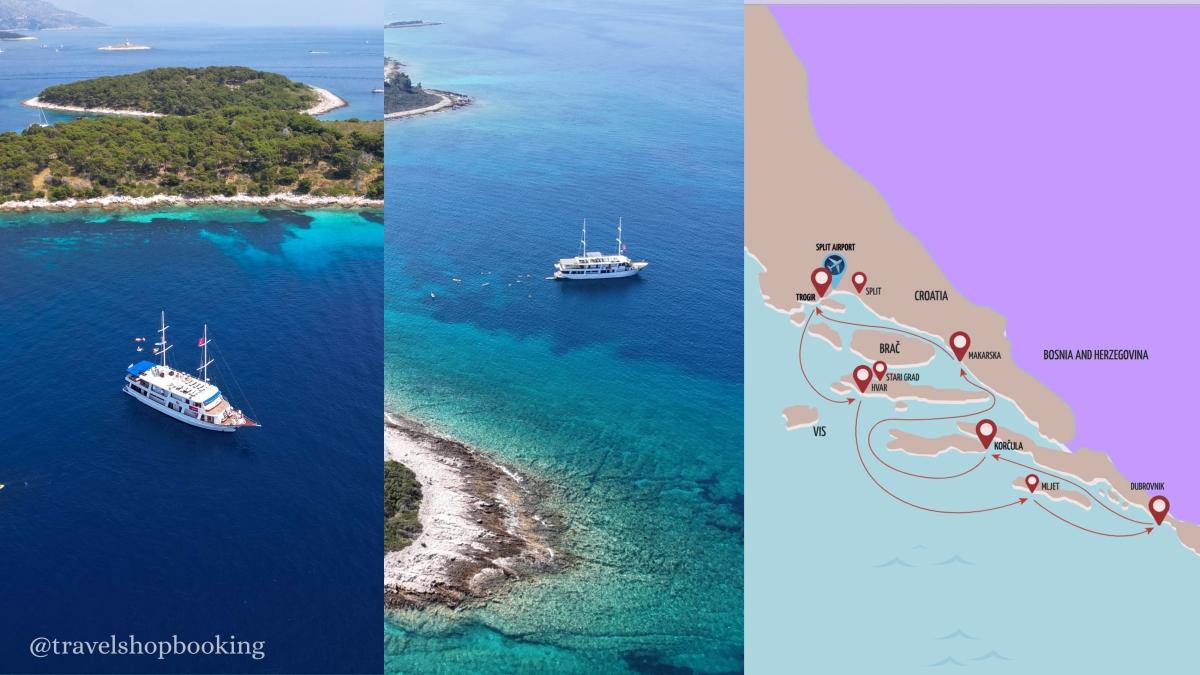
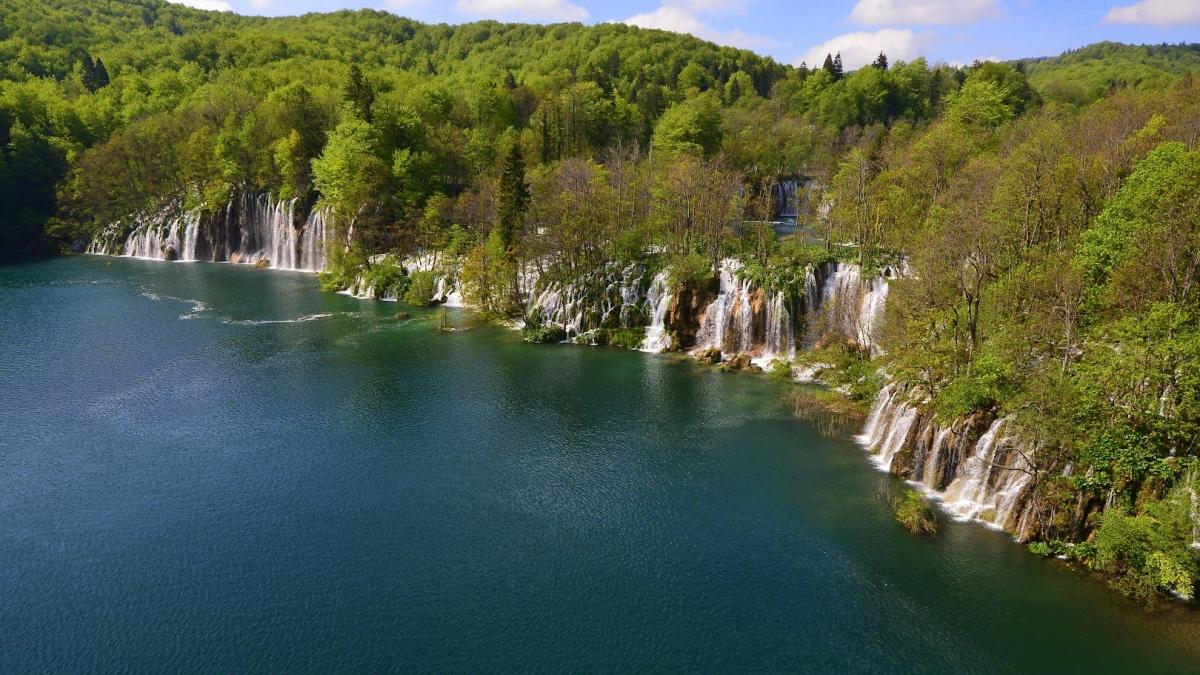
Split Tour Packages typically combine a guided walk through Diocletian's Palace with excursions to the surrounding islands or inland attractions such as Krka National Park and its waterfalls. Boat trips from the harbor reach Hvar, Brač and Vis within a day, while multi-day itineraries often pair Split with Dubrovnik or Plitvice Lakes further inland.
Split Walking Tour & Uje Olive Experience pairs a guided tour of the old town with a tasting of Dalmatian olive oil, a format that reflects how many Split tours mix history with local food culture.
Split's position on the coast makes it a practical base for day trips. Klis Fortress, a hilltop stronghold overlooking the city that dates back to antiquity and later served as a filming location for a well-known television series, sits a short drive inland. Trogir's walled old town lies about half an hour west, and the Blue Cave on Biševo island, reachable by speedboat, draws visitors for its sunlit turquoise water. Further inland, the waterfalls and travertine lakes of Krka National Park make for a popular full-day excursion outside the summer swimming season, when access to the falls themselves is restricted.
Dalmatian cuisine leans heavily on the Adriatic, and Split's restaurants serve grilled fish, octopus salad and black risotto colored with cuttlefish ink alongside dishes brought from the surrounding hill country, including cured ham and hard sheep's cheese from the islands. The Pazar green market, just outside the palace's Silver Gate, sells produce, cheese and cured meats each morning and remains a working part of local life rather than a tourist stop. Wine from the Dalmatian coast, particularly reds made from the Plavac Mali grape, appears on most restaurant lists around the old town.
Late spring and early autumn bring warm but manageable temperatures for walking the old town and taking ferries to the islands. July and August are the busiest and hottest months, with the Riva and beaches at their most crowded, while winter is quiet, mild by northern European standards, and better suited to exploring the palace's interior than swimming.