
Free Cancellation
-high.jpg&w=1920&q=75 "City Tour Cusco by Bicycle")
-high.jpg&w=1920&q=75 "Cusco City Half Day Tour Cathedral Qorikancha Inca Sites")

-high.jpg&w=1920&q=75 "Sacred Valley ATV Tour to Maras and Moray from Cusco")
-high.jpg&w=1920&q=75 "Machu Picchu Full Day Tour from Cusco - Train & Tickets Included")
-high.jpg&w=1920&q=75 "Machupicchu Magic 5Days - Humantay Lake")

-high.jpg&w=1920&q=75 "Rainbow Mountain Tour from Cusco | Vinicunca Full Day Hike")

-high.jpg&w=1920&q=75 "Machupicchu Full Day")
Cusco sits at 3,400 meters in the Peruvian Andes and functions as the practical starting point for almost every trip into the Sacred Valley and to Machu Picchu. Beyond its role as a transit hub, the city is ringed by four Inca sites within a short drive of the center, and its own streets sit directly over Inca stonework still visible in several colonial buildings. These Peru tours use Cusco as a base for exploring the wider region, from the valley towns to the trek routes leading to Machu Picchu.
Most visitors spend at least a day or two in Cusco itself before heading out, partly for acclimatization to the altitude and partly because the surrounding sites reward unhurried visits. A standard sightseeing route covers the four ruins closest to the city, the Temple of the Sun in the center, and then extends into the Sacred Valley towns of Pisac and Ollantaytambo before continuing on to Machu Picchu.
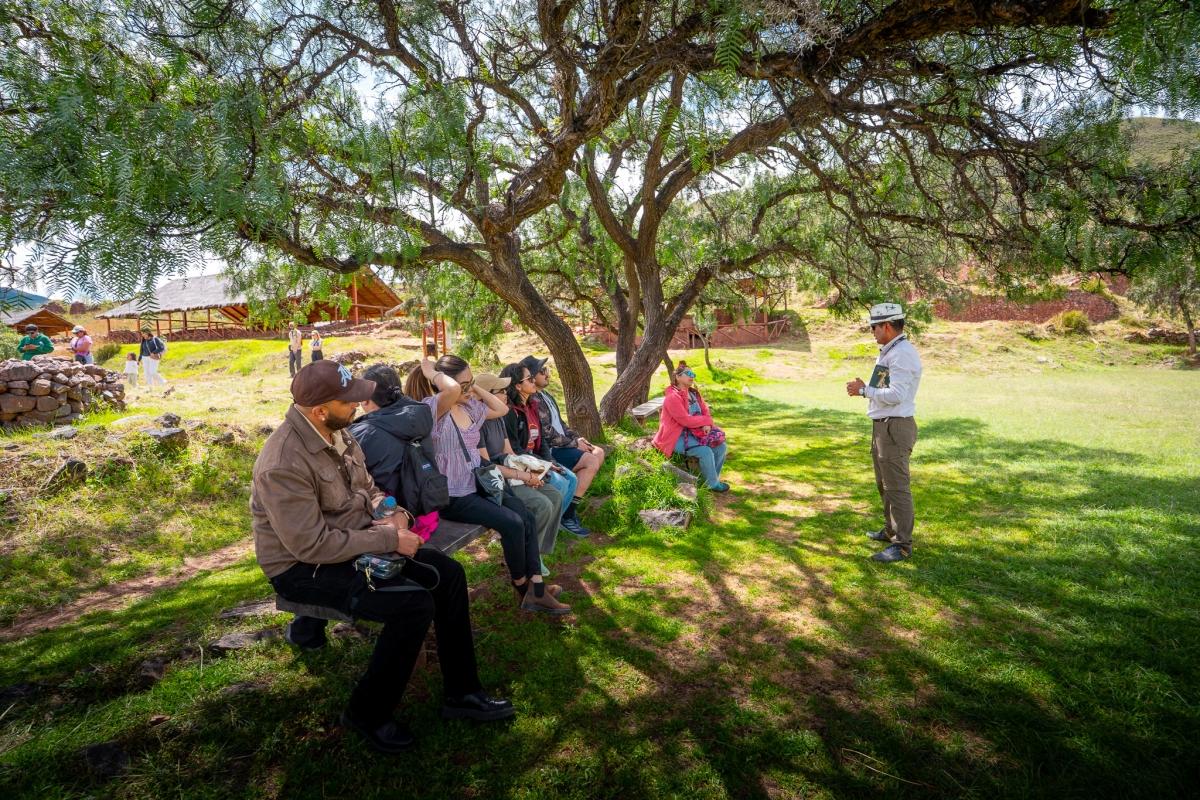
Sacsayhuamán, the largest of the four sites, sits on a hill above Cusco and is known for its zigzag defensive walls built from stone blocks weighing up to 100 tons, fitted together without mortar. Qenqo, a smaller site a short drive further, centers on a carved limestone outcrop with channels believed to have been used in ritual ceremonies. Puca Pucara, a compact structure of reddish stone, likely served as a checkpoint or resting station along the old Inca road, while Tambomachay, the furthest of the four, holds a series of stone aqueducts and fountains still carrying water today. A combined ticket, the Boleto Turístico, covers entry to all four sites along with several others in the region.
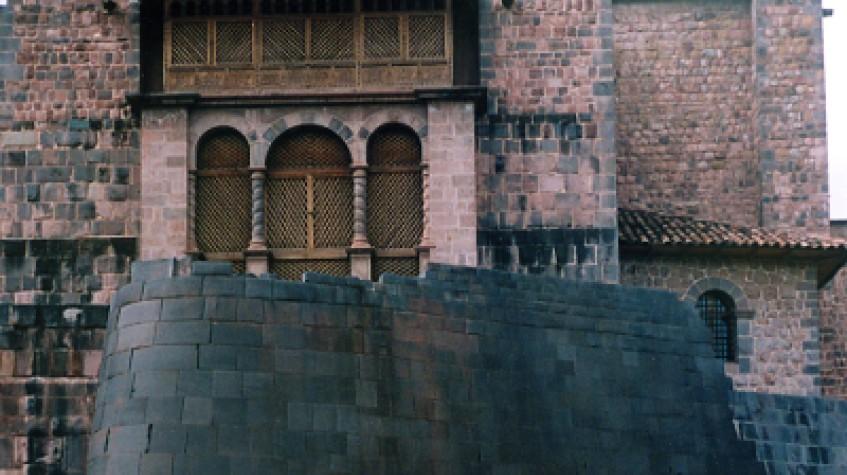
Koricancha was the most important religious site in the Inca empire, once covered in gold sheeting before Spanish conquest, and its foundations now support the colonial Convent of Santo Domingo built directly on top. The curved stone wall on the temple's exterior, visible from the street, is considered some of the finest stonework surviving from the Inca period. Inside, the contrast between the Inca masonry and the Spanish colonial architecture built over it gives a direct look at how the city layered one era onto another.
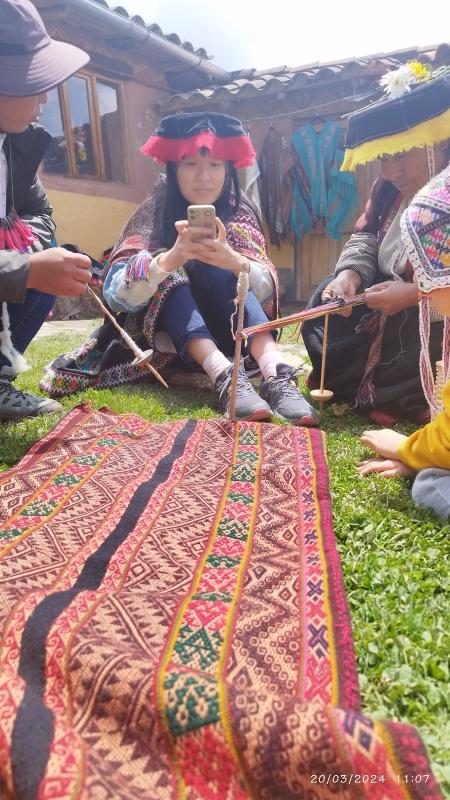
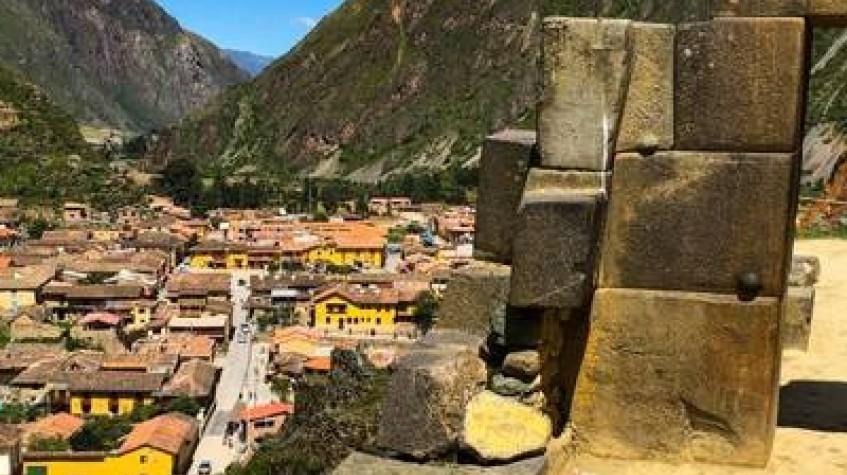
Pisac, about an hour from Cusco, holds one of the region's largest markets, running alongside its own hillside ruins with agricultural terraces still visible above the town. The market draws vendors from across the valley selling textiles, ceramics, and produce, busiest on Sundays, Tuesdays, and Thursdays. Ollantaytambo, further along the valley, combines a still-inhabited Inca town grid with a steep fortress complex of terraces and temple stone above it, and the town also serves as the main departure point for trains to Machu Picchu. Its grid of narrow stone-walled streets, still following the original Inca layout, gives one of the clearest views anywhere in Peru of what an Inca town looked like as a functioning settlement rather than a ruin alone.
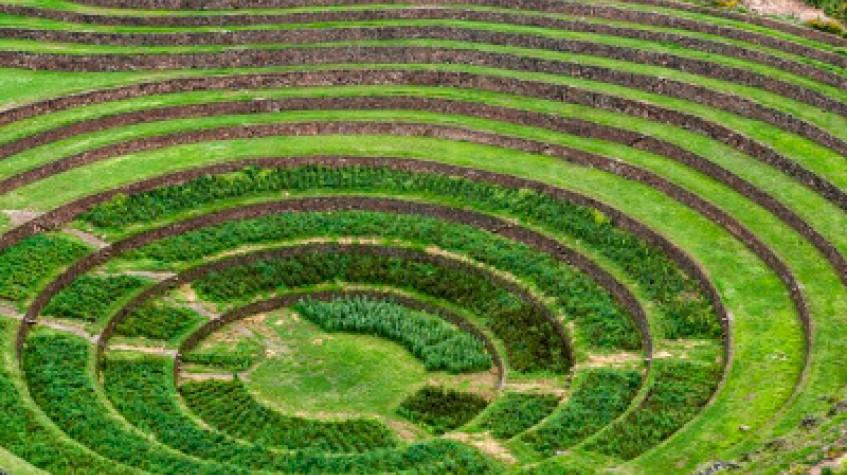
Maras holds thousands of small salt pools cut into a hillside, fed by a saline spring and still worked by local families using methods dating to before the Inca period. A short drive away, Moray's concentric circular terraces descend into a natural depression, with each level thought to have functioned as a controlled climate zone for testing crops at different elevations and temperatures. Both sites sit along the same road between Cusco and the Sacred Valley, making them a natural stop on the way to or from Ollantaytambo.
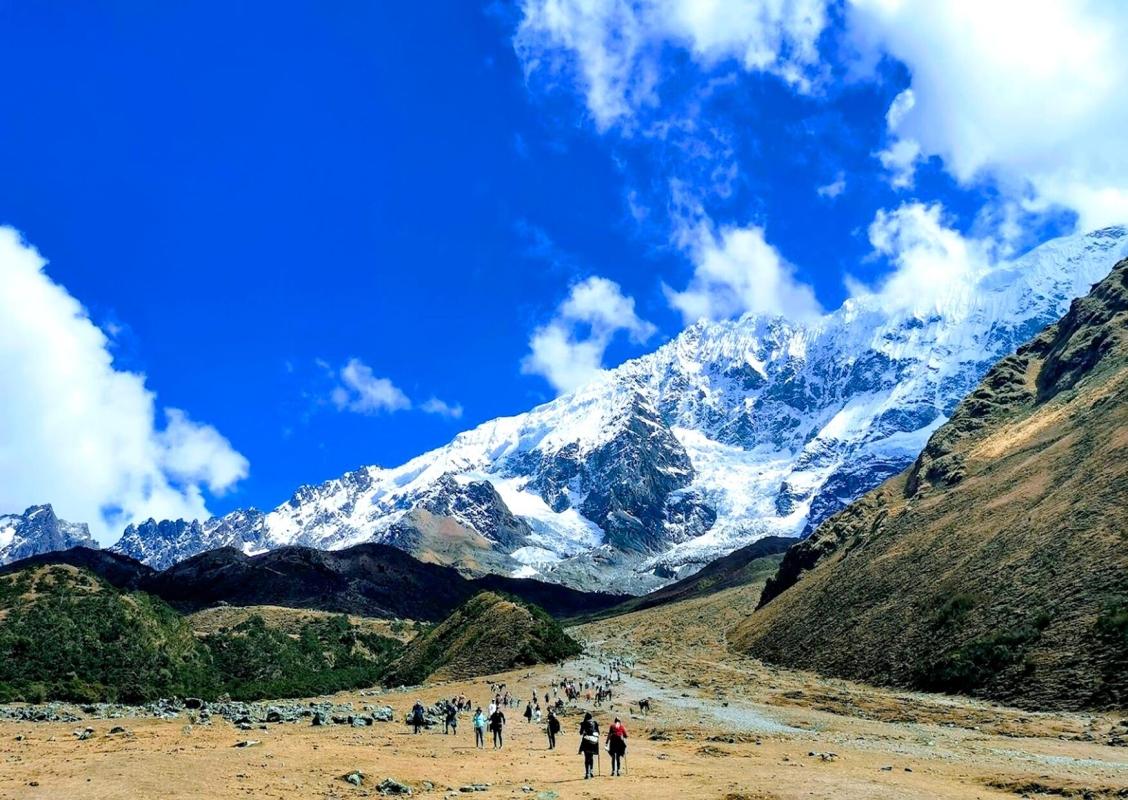
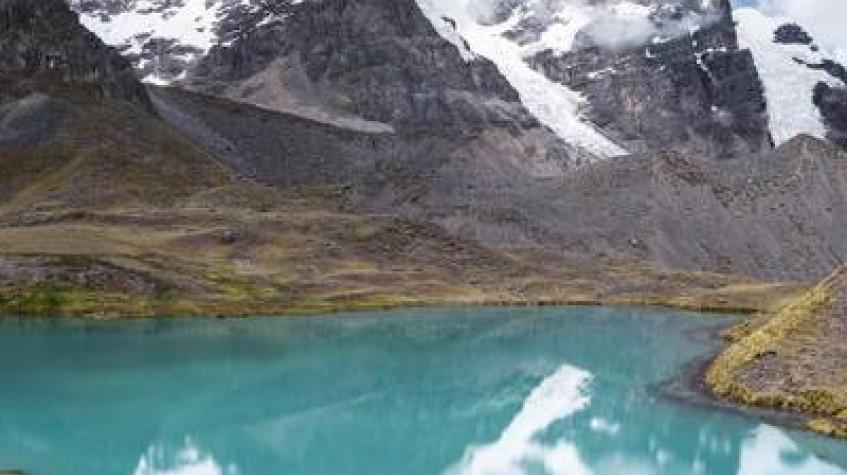
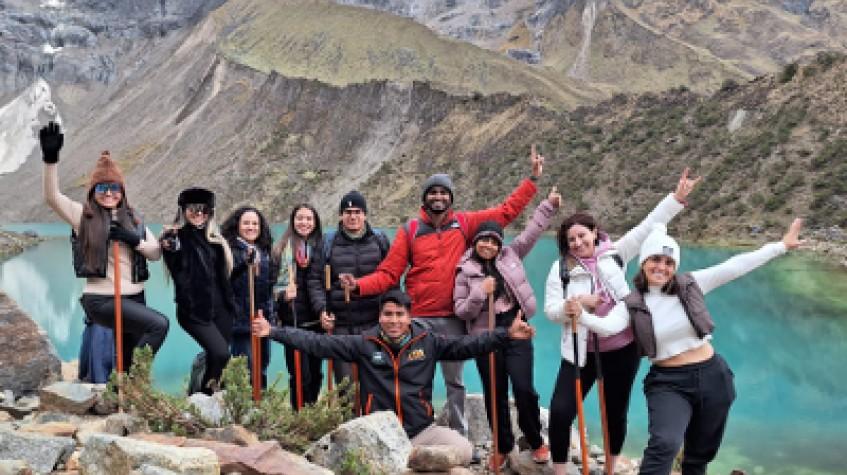
Nearly every route to Machu Picchu begins in Cusco, whether by train from the city or from Ollantaytambo, or on foot via the Inca Trail and its alternative trekking routes. Train services run through two operators, with departures from both Cusco's Poroy station and Ollantaytambo, and travel times vary depending on which station a trip starts from. The Inca Trail requires permits booked well in advance due to a daily hiker limit, while alternative treks such as the Salkantay route need no permit and offer a different approach through high mountain passes. Humantay Lake, a turquoise glacial lake reached by a steep half-day hike from the Salkantay trailhead, has become a popular add-on for visitors extending beyond the standard ruins circuit.
San Pedro Market, just west of the historic center, remains a working market rather than a tourist stop, with vendors selling fresh produce, cheese, and fruit juices blended to order alongside sections devoted to herbal remedies. It gives a more everyday view of the city than the restaurants around the center and stays busy from early morning through the afternoon. Each June 24, Sacsayhuamán hosts Inti Raymi, the Inca festival of the sun, reenacted today with hundreds of performers in a ceremony that draws large crowds to the same terraces used for the original Inca celebration centuries ago.
Given how much sits within a short radius of the city, most visitors combine Cusco, the Sacred Valley, and Machu Picchu into a single multi-day itinerary rather than treating each as a separate trip. The 6-Day Cusco & Machu Picchu Tour links the city sites, the Sacred Valley, the Maras salt pans and Moray agricultural terraces, Humantay Lake, and Machu Picchu itself into one route, which suits travelers who want the core Cusco experience without piecing together transport and permits separately.