
Peru Lima Tours
100+ tours & activities
Free Cancellation
Lima, Historical & Culinary: Market, Chinatown, Center & Barranco
Free Cancellation
Lima: Pre-Inca Temple of Pachacamac
Free Cancellation
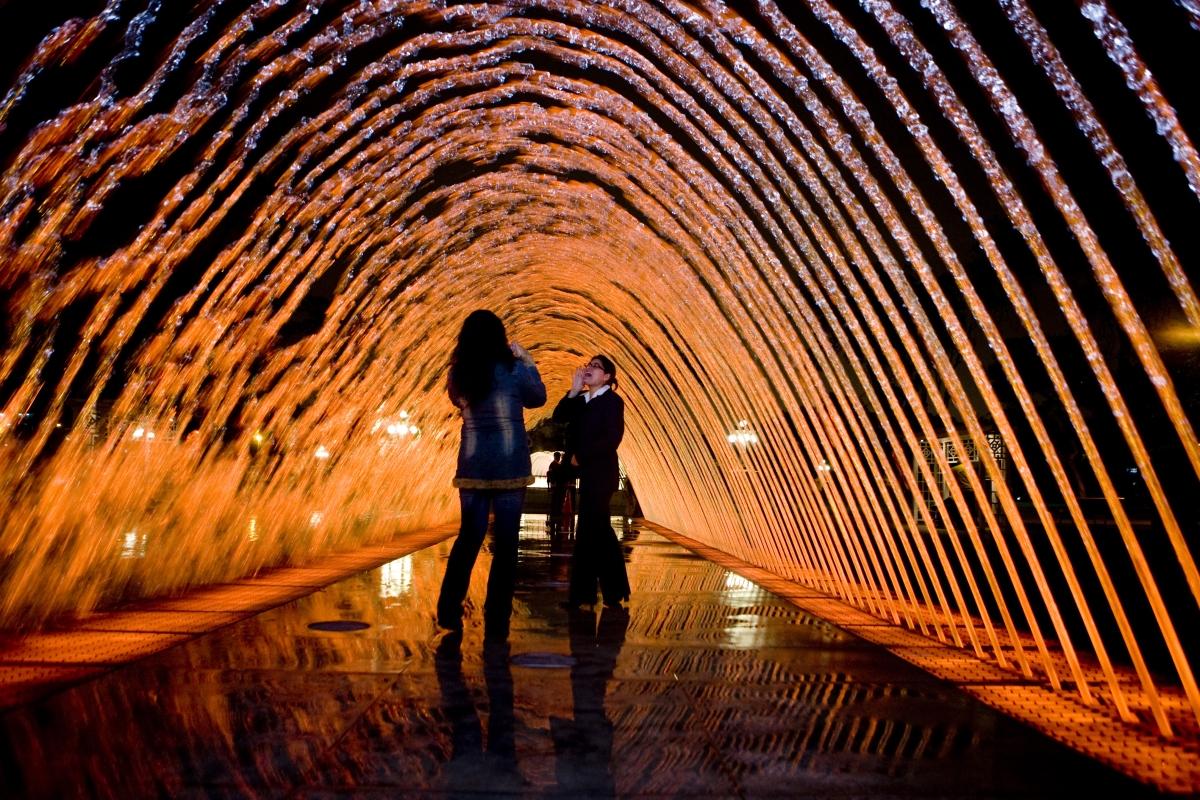
Larco Museum, Pisco Tavern & Magic Water Circuit Evening Tour
-high.jpg&w=1920&q=75 "6 Days Peru’s Flavors & Wonders")
Free Cancellation
6 Days Peru’s Flavors & Wonders
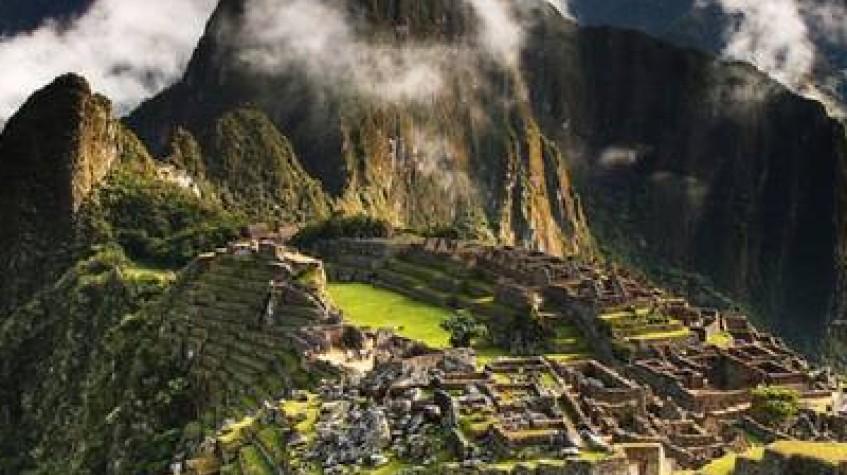
Free Cancellation
Peru Express 5 Days Tour
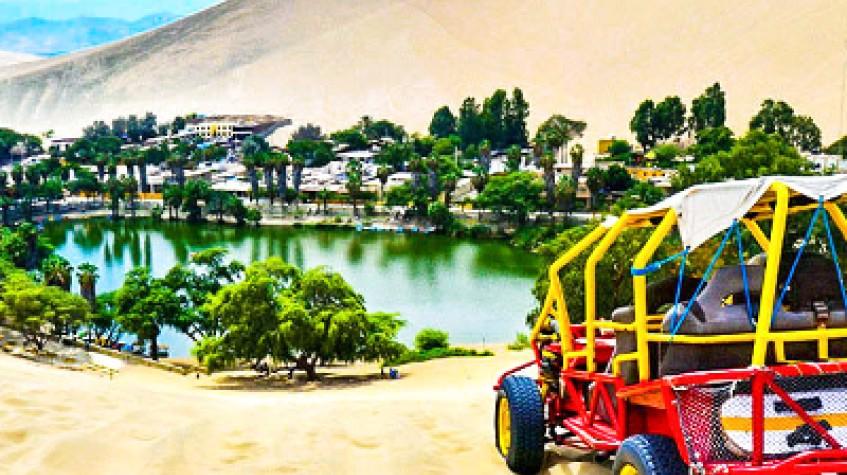
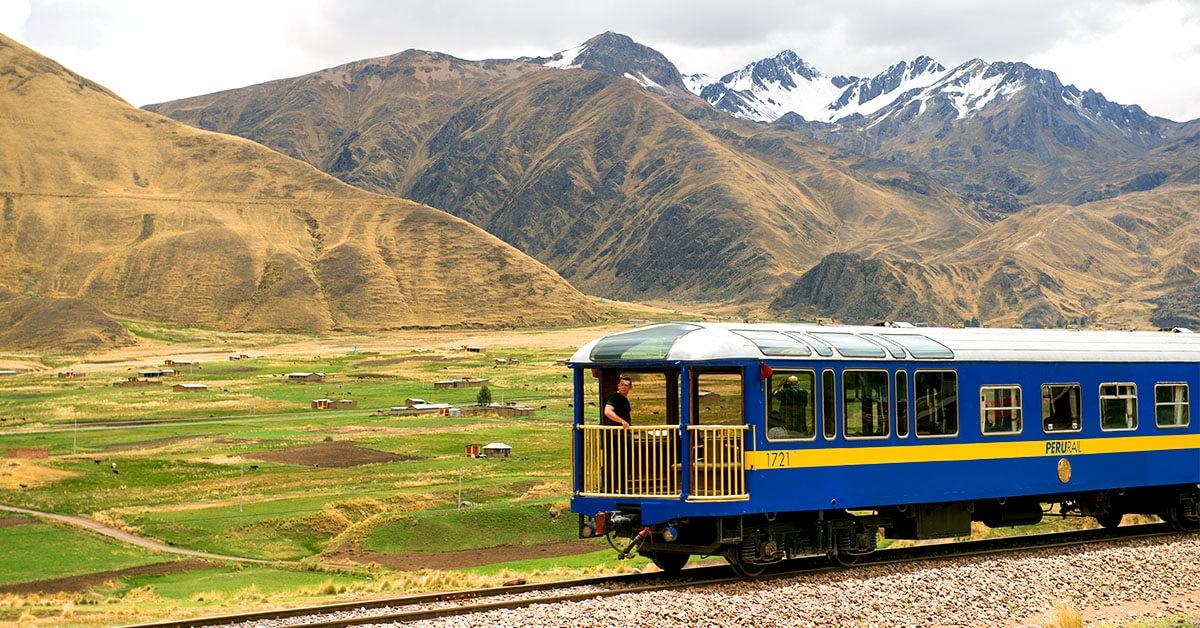
Free Cancellation
8 Days in Lima, Puno & Cusco with Machu Picchu
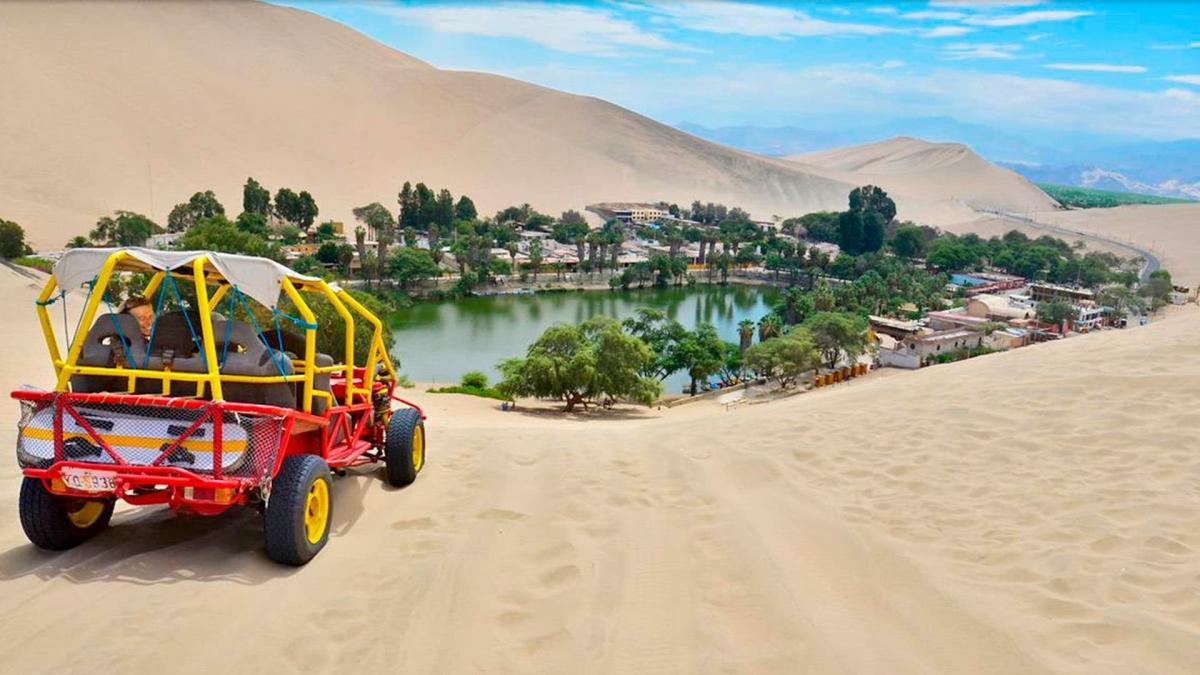
Free Cancellation
8 Days Peru's Ultimate Adventure: From Desert Dunes to Machu Picchu
Free Cancellation
Peru and Galapagos Tour Islands and Andes Experience
-(Large)-high.jpg&w=1920&q=75 "8 Days From Titicaca to Machu Picchu")
Free Cancellation
8 Days From Titicaca to Machu Picchu
-high.jpg&w=1920&q=75 "8 Days From Cusco to Machu Picchu: A Week of Adventure in Peru’s Sacred Land")

Free Cancellation
9 Days - Peru’s Treasures: Machu Picchu & Rainforest
Free Cancellation
7 Days - Lima, Nazca and Machu Picchu
-(Large)-(1)-high.jpg&w=1920&q=75 "7 Days Journey Through the Peruvian Wonders")
Free Cancellation
7 Days Journey Through the Peruvian Wonders
-high.jpg&w=1920&q=75 "Tour Lima 11 Days (Lima, Cusco, Puno, Machu Picchu)")
Free Cancellation
Tour Lima 11 Days (Lima, Cusco, Puno, Machu Picchu)
Free Cancellation
9 Days Treasures of Northern Peru and the Sacred Andes
-(Large)-(1)-high.jpg&w=1920&q=75 "10 Days Treasures of Southern Peru")
Free Cancellation
10 Days Treasures of Southern Peru
Free Cancellation
9 Days From Inca Ruins to the Rainforest
Explore Peru Lima Tours
About Peru Lima Tours
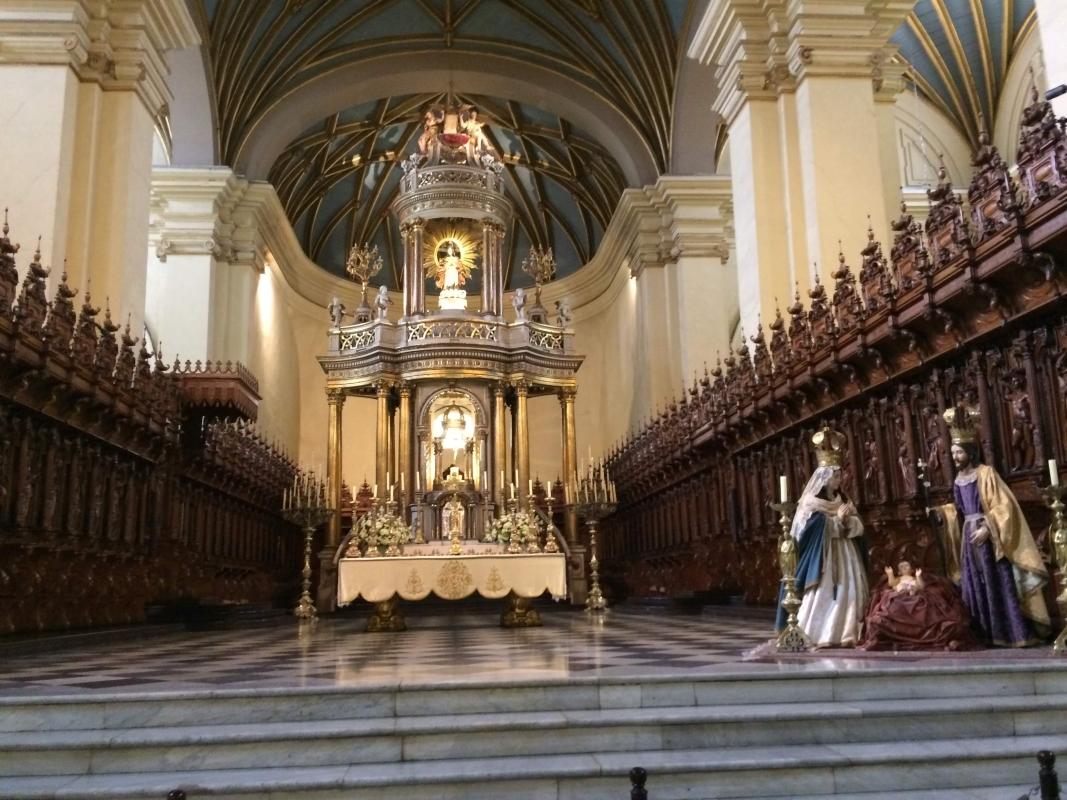
Lima's historic center holds one of the largest collections of colonial architecture in the Americas, a status recognized by its inscription as a UNESCO World Heritage Site. Plaza Mayor, the city's founding square, is lined by the Government Palace, the Archbishop's Palace and the Cathedral of Lima, all built on the site laid out by Francisco Pizarro in 1535, when the city was founded under the name Ciudad de los Reyes. Wooden balconies overhang several of the surrounding streets, a colonial building style still visible across the historic core today. The city is now home to more than 10 million residents, making it one of the largest capitals in the Americas and the political and economic center of the country. Visitors exploring the capital can also branch out to other Peru tours departing from Lima toward Cusco, the Sacred Valley and beyond.
Just off the plaza, the Convent of Santo Domingo houses the remains of Peruvian saints and a library of colonial manuscripts, along with cloisters decorated in Sevillian tiles. A short drive from downtown, the Larco Museum displays one of the country's most complete collections of pre-Columbian art and ceramics, with more than 45,000 pieces of pottery and metalwork spanning several pre-Inca civilizations, set inside an 18th-century viceroyalty building surrounded by gardens.
Touring Lima's Historic Center
A typical half-day itinerary links the Cathedral, the Convent of Santo Domingo and the Larco Museum into a single guided route through the city's colonial core and its pre-Columbian collections. This Lima city tour covers all three stops with transport included, a practical option for travelers with limited time in the capital before or after a flight. A few blocks away, the Monastery of San Francisco holds an underground network of catacombs believed to contain the remains of as many as 25,000 people, arranged in patterns within circular pits beneath the church. Its library contains thousands of antique texts, some predating the founding of the city, alongside a courtyard built in Mudejar style.
Pachacamac
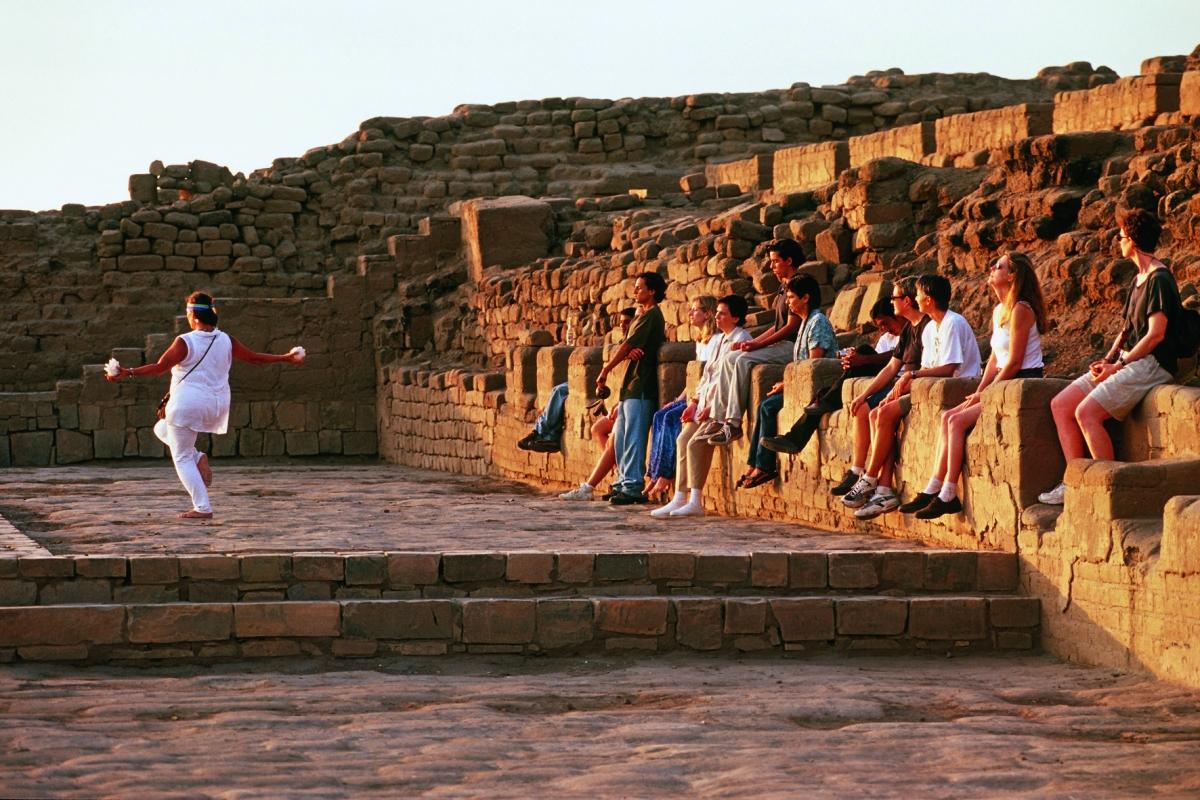
Pachacamac, an archaeological complex about 40 kilometers south of Lima, contains pyramids and temple platforms built up over centuries by several pre-Inca cultures before the site came under Inca control. The complex functioned as a major pilgrimage destination in pre-Columbian Peru, and a site museum near the entrance displays artifacts recovered during excavation. Excavations continue at parts of the site, with new areas periodically opened to visitors as archaeological work progresses. Day tours from Lima typically pair the ruins with a stop along the southern coastline.
Miraflores and Barranco
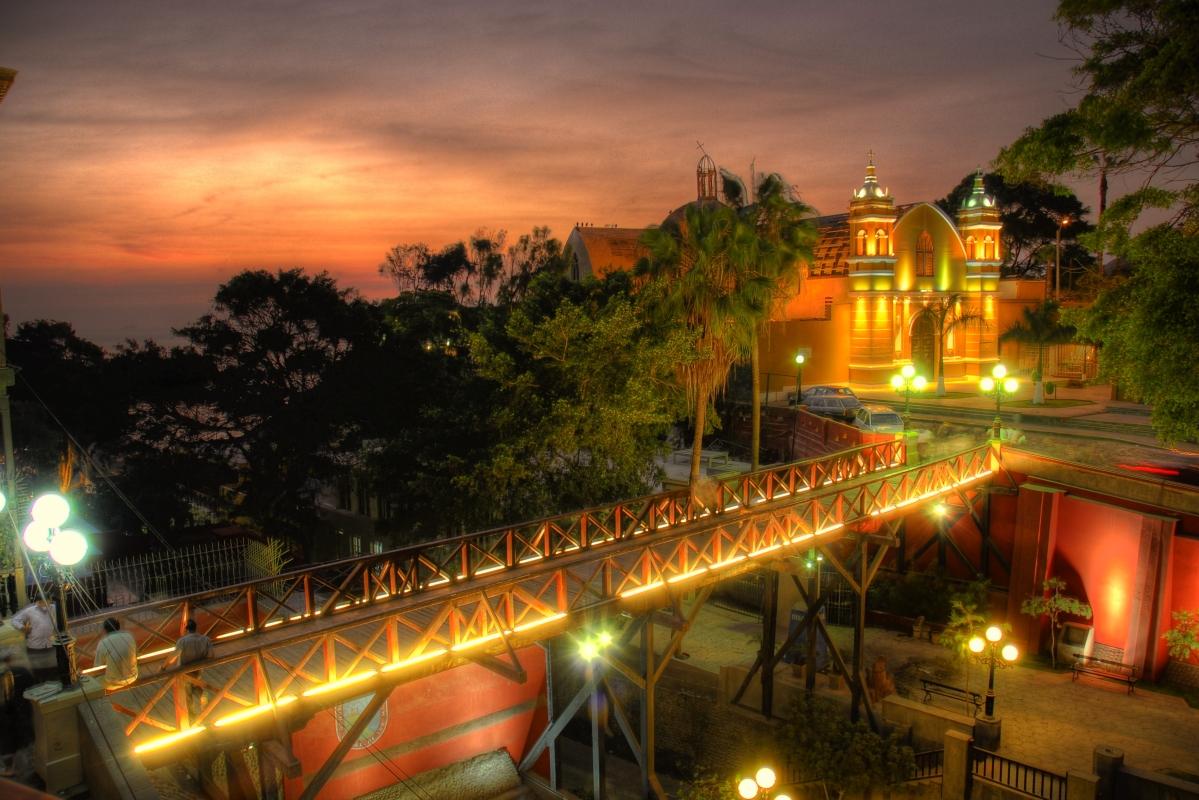
Miraflores forms Lima's modern center, with parks running along the clifftop Malecon above the Pacific and a shopping and dining district set back from the coast. Huaca Pucllana, an adobe and clay pyramid complex built around 500 CE, sits within the district itself, predating the Inca empire by centuries and offering a contrast to the surrounding towers. Paragliders often launch from the ridge near Parque del Amor, adding views over the ocean to an already popular strip of parkland. Barranco, a former beach resort turned artistic quarter, keeps its 19th-century mansions, murals and the Bridge of Sighs, a wooden footbridge tied to local legend. The district's galleries and the Museum of Contemporary Art draw visitors interested in Peru's current art scene, a contrast to the colonial collections found downtown. Traffic between these coastal districts and the historic center can add significant time to short trips during peak hours, so many visitors base themselves in Miraflores or Barranco and treat downtown as a single guided outing.
Lima as Peru's Gateway
Jorge Chavez International Airport, on the western edge of the city, serves as the main point of entry for international visitors to Peru, with most flights to Cusco, Arequipa and other regional airports connecting through Lima. Many travelers spend a night in the capital before or after visits to Machu Picchu or the Sacred Valley, using the stopover to see the historic center or the coastal districts. Direct flights link Lima to major cities across the Americas and Europe, with connecting service to destinations throughout South America.
Peru's Food Capital
Lima is widely regarded as the culinary capital of Peru, home to ceviche, the country's national dish, alongside causa, lomo saltado and a growing number of restaurants that have earned international recognition. Central Market and smaller neighborhood markets supply the ingredients behind this reputation, from Pacific seafood to Andean potatoes and Amazonian fruit. Chifa restaurants, a fusion born from 19th-century Chinese immigration, add another layer to the city's food scene, alongside pisco sour, the national cocktail made from grape brandy. Nikkei cuisine, a fusion born from Japanese immigration in the early 20th century, has become closely associated with Lima's contemporary restaurant scene, particularly dishes built around raw fish. Food tours built around Lima typically combine market visits with tastings across several districts.
Best Time to Visit Lima
Lima's summer, from December to April, brings warm temperatures and the clearest skies of the year, making it the busiest season for both the historic center and the coastline. Winter months from June to September bring a persistent gray overcast known locally as garua, with cooler temperatures and little rainfall despite the cloud cover. Shoulder months in April, May, October and November offer a middle ground, with fewer clouds than deep winter and smaller crowds than the summer peak. Museums and indoor sites like the Larco Museum and Convent of Santo Domingo stay comfortable to visit in any season.