
-high.jpg&w=1920&q=75 "Cusco, Machu Picchu, Rainbow Mountain and Humantay Lake 7-Day Tour")
Free Cancellation


-high.jpg&w=1920&q=75 "6 Days Peru’s Flavors & Wonders")
-high.jpg&w=1920&q=75 "Sacred Valley ATV Tour to Maras and Moray from Cusco")
-high.jpg&w=1920&q=75 "Machu Picchu Full Day Tour from Cusco - Train & Tickets Included")
-high.jpg&w=1920&q=75 "Machupicchu Magic 5Days - Humantay Lake")


-high.jpg&w=1920&q=75 "Sacred Valley Tour Full Day from Cusco")
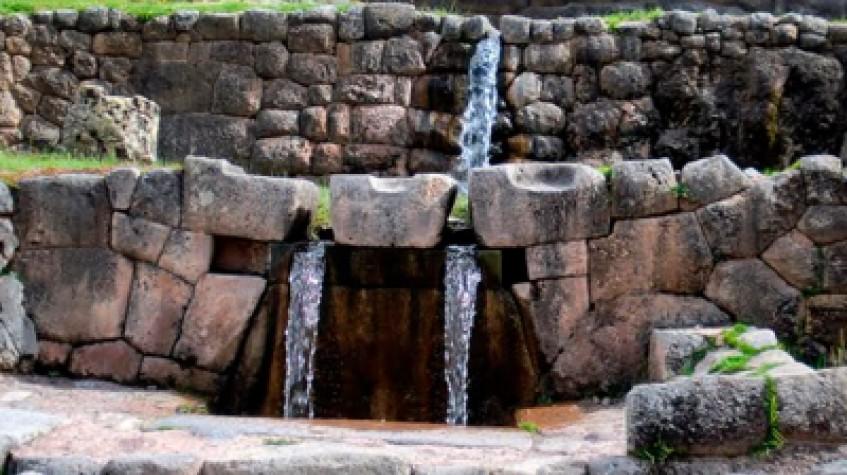

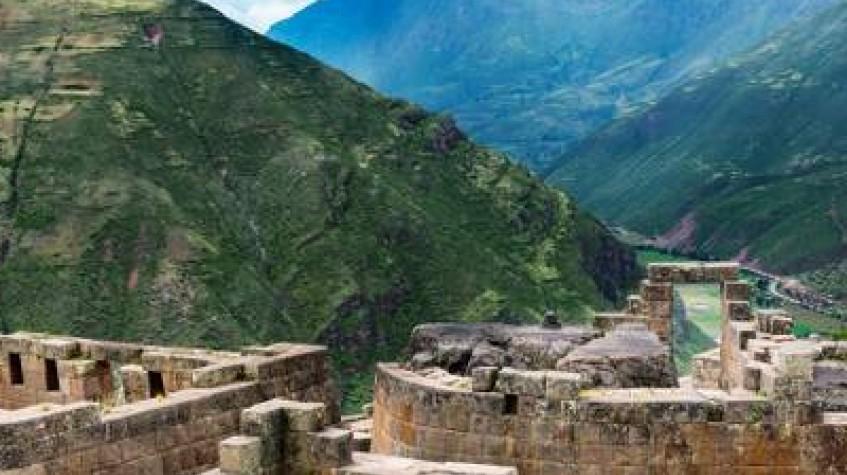
Urubamba sits on the floor of Peru's Sacred Valley, between Cusco and Machu Picchu, at an elevation lower and warmer than the city above it. The Urubamba River, which gives the town its name, runs through the valley past Inca terracing, small agricultural villages and the road that eventually climbs toward Ollantaytambo and the train line to Machu Picchu. Tours based here connect naturally to the wider set of Peru tours covering Cusco and the Sacred Valley.
At around 2,870 meters, Urubamba sits roughly 700 meters lower than Cusco, which makes it a common stop for travelers looking to acclimatize before or after high-altitude days elsewhere in the region. Corn, a crop the valley has grown since Inca times, still covers much of the surrounding farmland, and the wide, flat valley floor is a change from the steep terrain closer to Cusco.
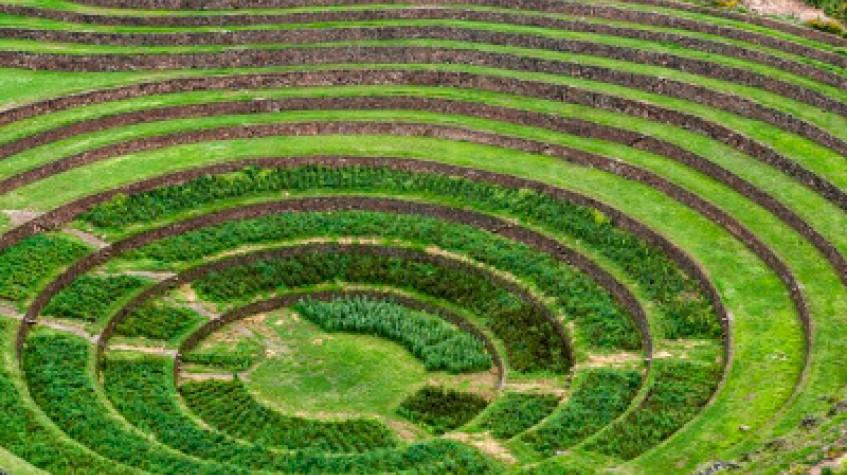
Moray, a set of concentric circular terraces cut into a natural depression, sits a short drive from Urubamba and is believed to have functioned as an agricultural testing site under the Inca, given the temperature difference between its upper and lower rings. Nearby, the salt pans of Maras hold thousands of small pools that have been worked since pre-Inca times, fed by a natural spring and still harvested by local families today. Both sites are commonly paired on a single half-day route from Urubamba.
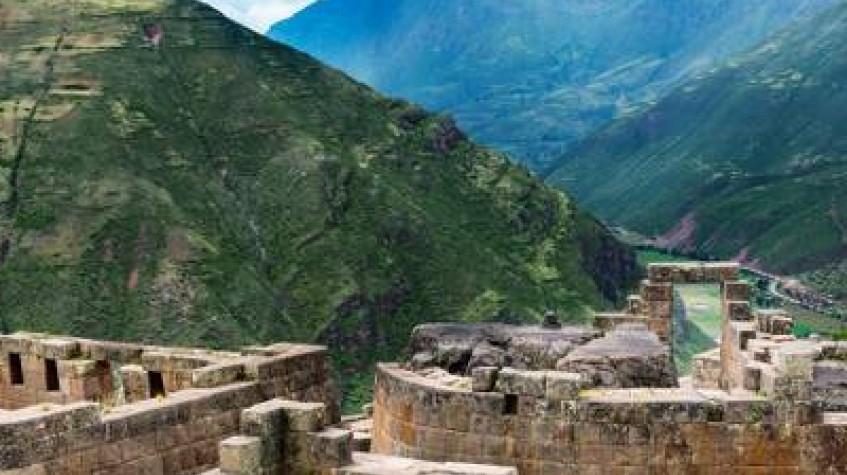
Chinchero, a village above the valley known for handwoven textiles, hosts weavers who still use natural dyes and drop-spindle techniques passed down through generations. Pisac, at the opposite end of the valley, runs a market selling crafts, ceramics and produce alongside Inca ruins terraced into the hillside above the town. Urubamba's own market and central plaza offer a quieter, less touristic version of the same valley culture.
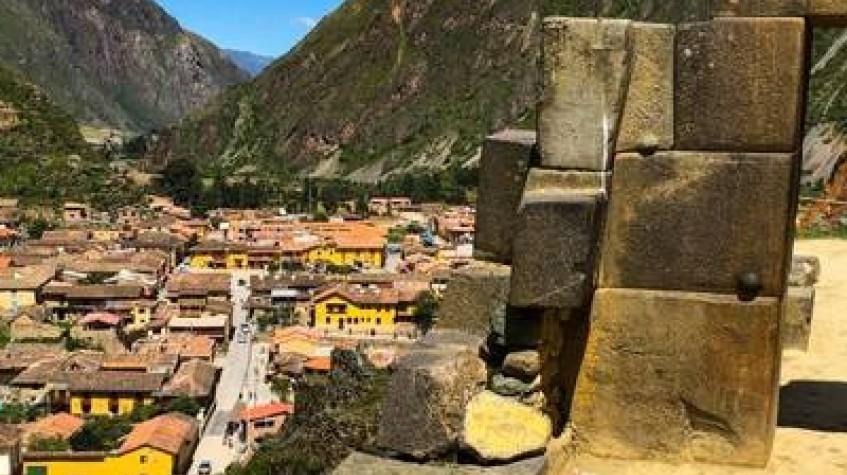
The town's mild climate and central position in the valley make it a common overnight base for travelers spreading a Machu Picchu visit across several days rather than a single rushed trip from Cusco. From here, the train to Aguas Calientes departs from nearby Ollantaytambo, and many multi-day itineraries route through Urubamba on the way to the ruins. Ollantaytambo itself preserves one of the few Inca town plans still inhabited today, with a hillside fortress of massive stone terraces overlooking the station used for the final leg to Aguas Calientes. A 10-day Peru itinerary covering the Sacred Valley and Machu Picchu illustrates how Urubamba fits into a longer trip through the region.
Dry season from May to September offers the clearest skies for viewing the terraces at Moray and the salt pans at Maras. Wet season from November to March brings more rain to the valley floor, though the warmer elevation keeps conditions milder than in Cusco or Huaraz during the same months. Harvest season around June adds corn and other crops to the fields visible from the road between Urubamba and its neighboring villages.