

Free Cancellation


Huaraz sits in a high valley of the Peruvian Andes, between the Cordillera Blanca and Cordillera Negra ranges, about 400 kilometers north of Lima. At an elevation near 3,050 meters, the city works as the main staging point for treks, climbs and day tours into some of the highest peaks in the country, including Huascaran, Peru's tallest mountain. Huaraz itself is home to roughly 120,000 residents and serves as the capital of the Ancash region, with most hotels, gear shops and tour operators concentrated within a few blocks of the main plaza. Tours based here link to the wider set of Peru tours covering the northern Andes.
Much of modern Huaraz was rebuilt after a major earthquake in 1970, and the city today functions less as a sightseeing stop and more as a base camp with acclimatization time built into most visits. The same earthquake triggered a catastrophic landslide that buried the nearby town of Yungay, now preserved as a memorial site known as Campo Santo. Huascaran National Park, a UNESCO Biosphere Reserve surrounding the city, protects glaciers, high lakes and the trailheads used for the region's most established routes. Buses connect Huaraz to Lima along a paved road that climbs from the coast through the Callejon de Huaylas, a trip that typically takes seven to eight hours each way.
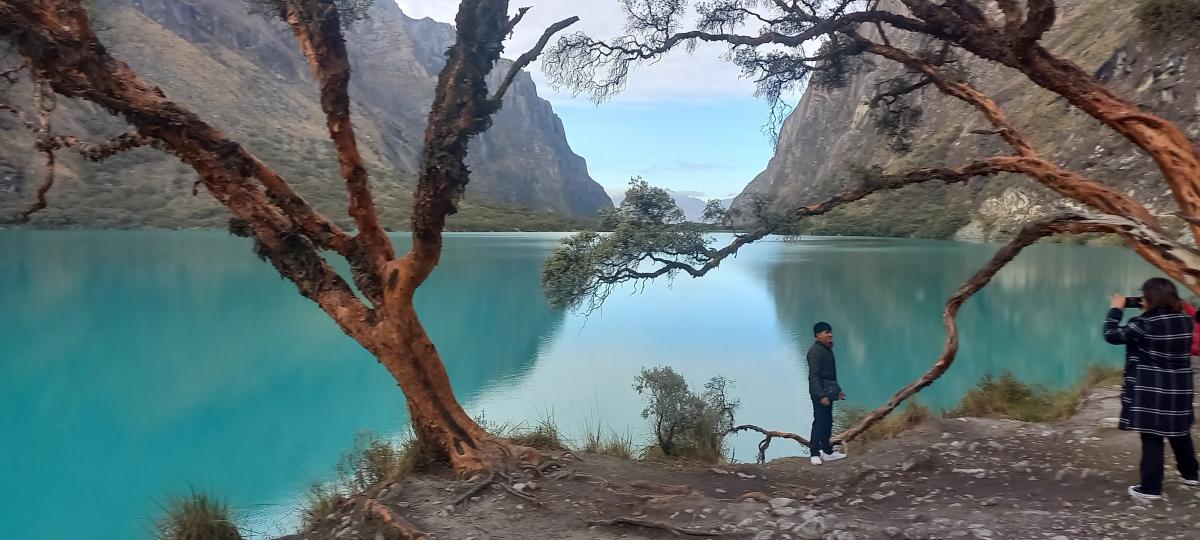
The Santa Cruz trek, a multi-day route over a high mountain pass with views of Alpamayo and other snow peaks, ranks among the most popular treks organized from Huaraz. Alpamayo, a sharply pointed peak seen from several points along the route, draws mountaineers and photographers for its distinct pyramid shape and heavy glaciation. Shorter day hikes reach the Llanganuco lakes, a pair of glacial pools at the base of Huascaran, or wind through the Quebrada Ishinca valley toward smaller peaks favored by climbers building altitude experience. Guides and porters based in the city support both single-day outings and week-long expeditions.
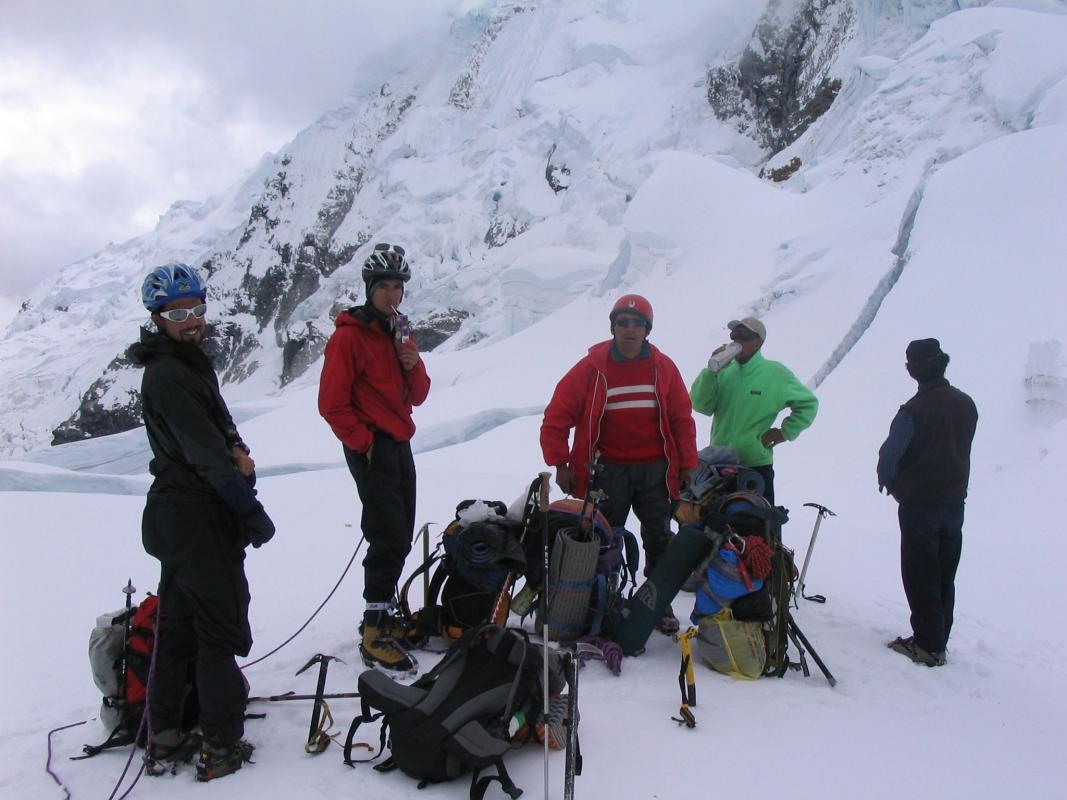
Huascaran itself rises to 6,768 meters, the highest peak in Peru, drawing experienced mountaineers for glacier travel and technical routes to its summit. Nevado Ishinca and Urus, both accessible from a base camp in the Ishinca valley, serve as common training peaks for climbers building skills before attempting harder objectives in the range. Ice climbing on nearby glaciers adds a technical option for climbers already acclimatized to the altitude. Local guide associations in Huaraz arrange permits, equipment rental and mountain guides for climbers at every experience level.
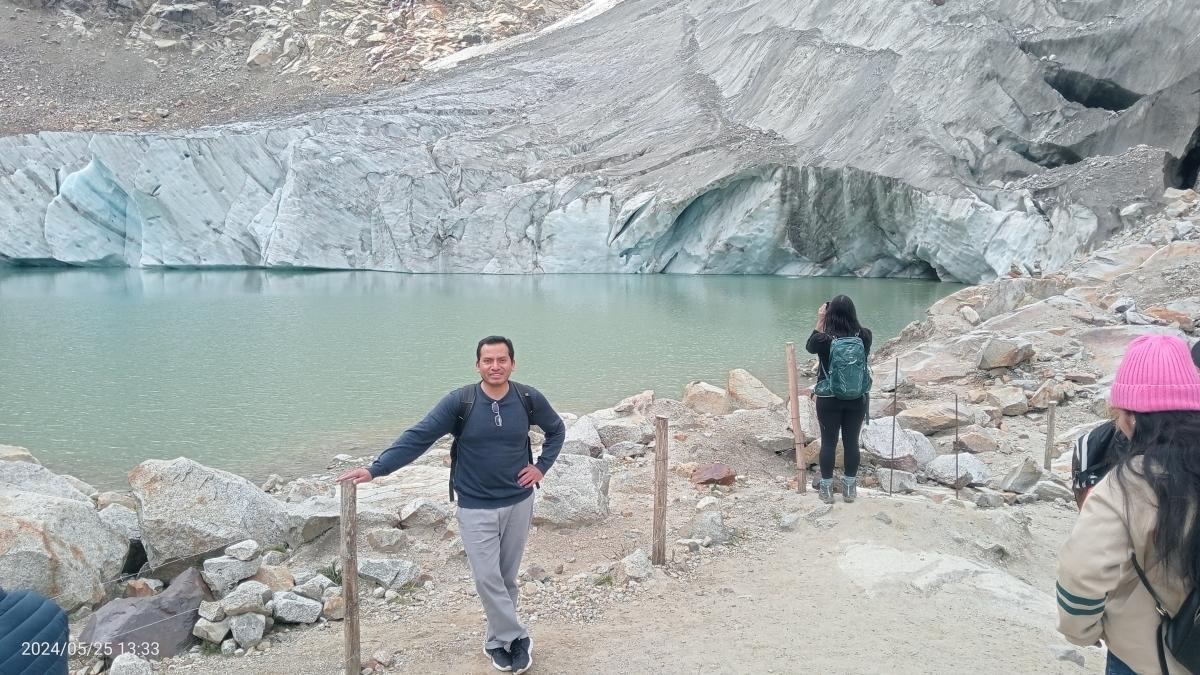
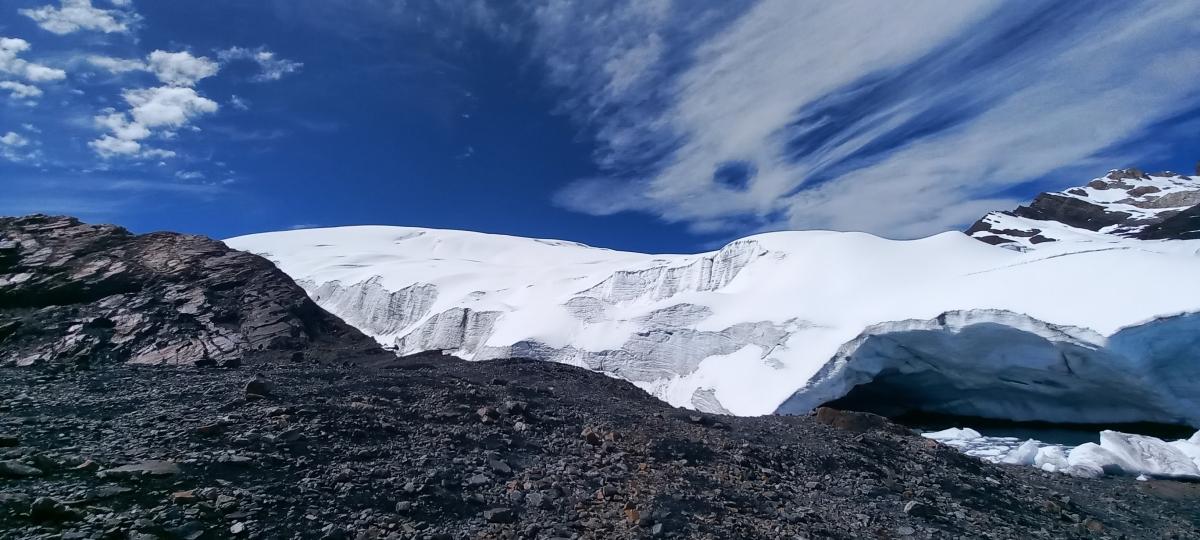
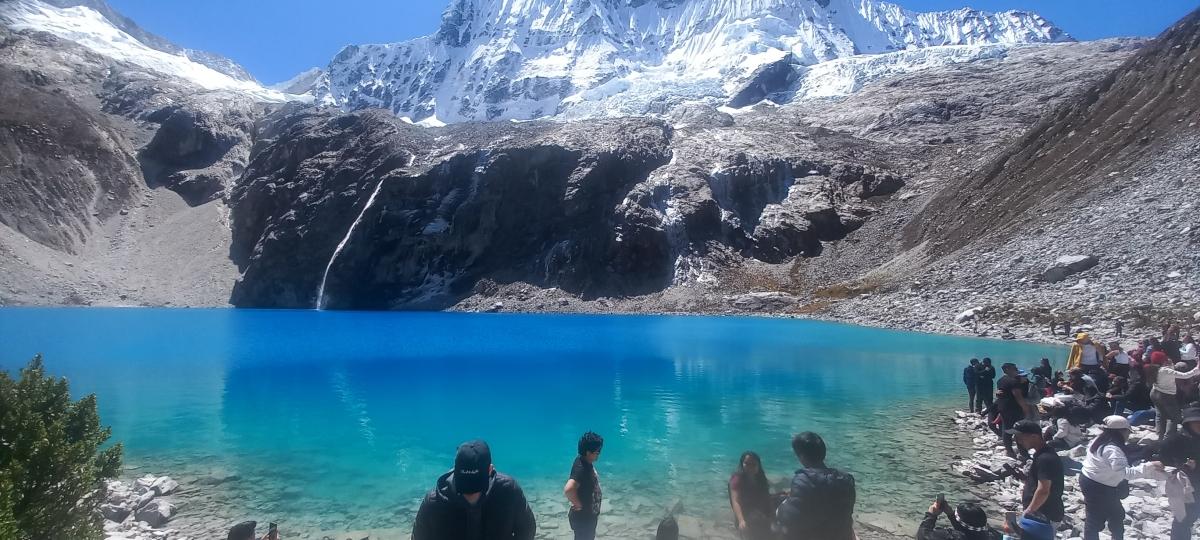
Laguna 69, a turquoise lake fed by melting glacier ice, draws day-trippers on a steep hike that gains over 700 meters from the trailhead. Closer to the city, Laguna Churup offers a shorter climb through rock scramble sections to a lake ringed by cliffs. Farther north, Laguna Paron forms one of the largest glacial lakes in the range and is often paired with a visit to nearby Caraz. Pastoruri, a retreating glacier reached by a shorter, higher-altitude walk, has become a common half-day trip for travelers with limited time for a longer hike.
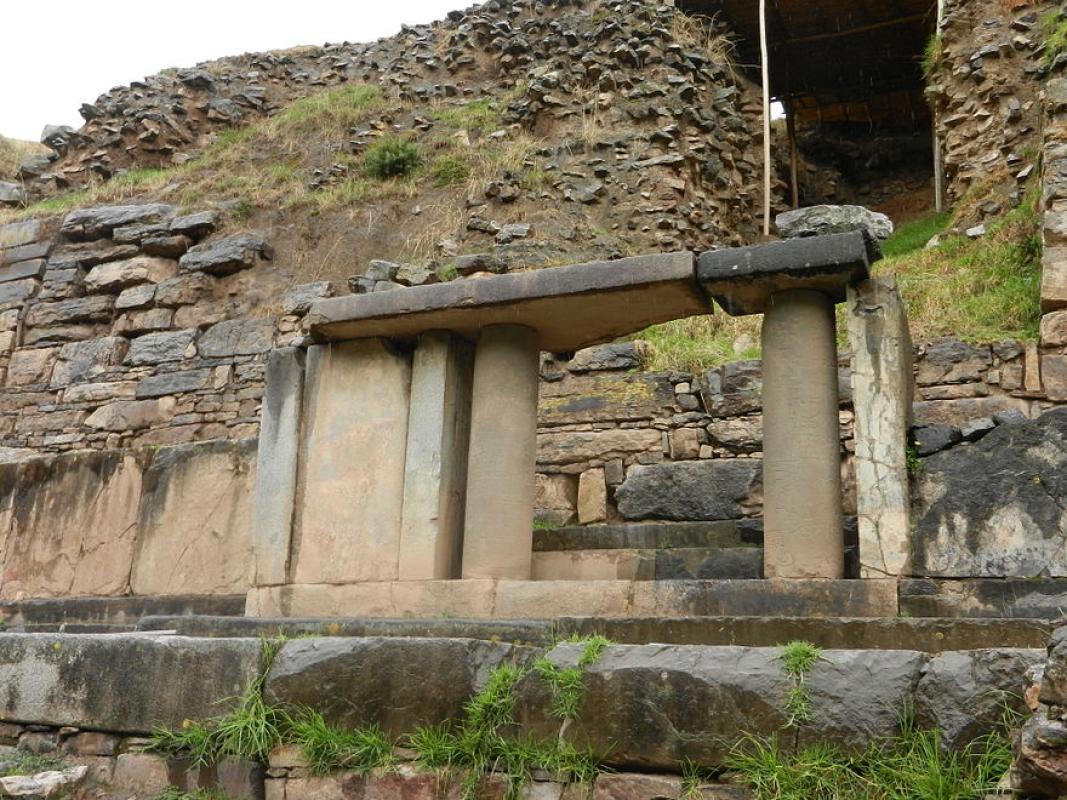
Chavin de Huantar, a UNESCO World Heritage archaeological site roughly three hours from Huaraz, preserves stone temples and underground galleries built by a pre-Inca culture around 1200 BCE. Carved stone heads and the Lanzon monolith remain in place inside the temple complex, one of the most complete ceremonial centers from that period in the Andes. A site museum in the nearby town displays the Raimondi Stele and other carved artifacts recovered during excavation. Closer to Huaraz, the smaller ruins of Wilcahuain preserve a multi-story stone structure built by the Wari culture, a shorter alternative for travelers without time for the full trip to Chavin. Day tours from Huaraz typically combine the Chavin ruins with a stop in the town itself.
Beyond the high-altitude trails, the valleys around Huaraz support Andean farming communities and routes suited to horseback travel through the Callejon de Huaylas, the long corridor separating the two mountain ranges. Horse riding in Callejon de Huaylas covers this terrain at a slower pace, passing through farmland and villages below the snow line. Monterrey, a small town just north of the city, adds thermal baths fed by mineral springs, a common stop for travelers returning from a day in the mountains. It suits travelers who want mountain scenery without a multi-day trek.
Restaurants in Huaraz serve trout from the region's rivers and lakes alongside cuy, a traditional Andean dish, and hearty soups suited to the cold mountain evenings. Many trekking and climbing itineraries include meals prepared with ingredients from the surrounding valleys, a practical match for the altitude and physical demands of the routes. Markets in the city center sell local cheese, bread and coca leaves, the last used widely to ease the effects of elevation.
The dry season from May to September brings the clearest skies and firmest trail conditions, making it the main window for trekking and climbing. Rain becomes more frequent from November through March, when trails can turn muddy and high passes are more exposed to storms. April and October function as shoulder months, with a mix of clear and rainy days that still allow most routes to run. Nights stay cold year-round given the elevation, regardless of the season chosen.