

Free Cancellation
-high.jpg&w=1920&q=75 "4 Day Athens Culinary, Cultural & Historical Discovery Tour")
-high.jpg&w=1920&q=75 "The Ultimate Peloponnese Wine & Culinary Journey – 10 Days of Greek Gastronomy, Vineyards & Ancient Wonders")
-high.jpg&w=1920&q=75 "10 Day Greece Culinary Heritage Tour")
-high.jpg&w=1920&q=75 "9 Day Greek Islands Culinary & Relaxation Escape")
-high.jpg&w=1920&q=75 "Best of Athens & Greek Islands Culinary Tour – 12 Days")
Athens Culinary, Wine, Food & Tasting Tours offer travelers a delicious way to discover the Greek capital through traditional dishes, local markets, family-run food businesses, Greek wines and regional specialties. Beyond its famous archaeological attractions, Athens has a diverse food culture shaped by recipes and ingredients from different parts of Greece.
An Athens culinary tour can take visitors beyond typical restaurant dining and introduce them to the flavors that form part of everyday Greek life. Depending on the itinerary, travelers may visit bakeries, delicatessens, markets, tavernas, specialty shops and wine bars while tasting products such as Greek cheeses, olives, olive oil, honey, pastries, cured meats and traditional desserts.
Classic dishes including souvlaki, gyros, spanakopita, moussaka and Greek salad can be combined with lesser-known regional specialties. Sweet experiences may include loukoumades, often served with honey, as well as baklava and other pastries influenced by Greece's long culinary history.
Athens is also an excellent starting point for discovering Greek wine. Wine-tasting experiences can introduce visitors to indigenous grape varieties and wines produced in regions throughout the country. The surrounding region of Attica has a particularly long winemaking tradition and is strongly associated with Savatiano and retsina.
Whether you are looking for an Athens food tour, wine tasting, market experience or private culinary itinerary, exploring the city through food provides a different perspective on Greek history and contemporary culture.
Athens Food Tours combine sightseeing with opportunities to experience authentic Greek flavors. Many tours take place around the historic center, where traditional businesses, markets and modern food venues can be found within walking distance of major neighborhoods.
Areas around Monastiraki, Psyrri and the central market district are particularly suitable for culinary walking tours. Depending on the selected itinerary, visitors may stop at bakeries, cafés, tavernas and specialty stores while learning about the ingredients used in Greek cuisine.
One of the most recognizable Greek street foods is souvlaki, typically consisting of grilled meat served on skewers or in pita with various accompaniments. Gyros is another widely available option and can be found throughout Athens.
Greek pies are also an important part of local food culture. Spanakopita, made with spinach and cheese inside layers of pastry, is among the best-known examples, while bakeries may offer numerous savory and sweet variations.
Cheese tasting can introduce travelers to products such as feta and other cheeses produced in different parts of Greece. Olives and extra virgin olive oil are equally central to Greek cuisine and frequently appear in culinary experiences.
Traditional Athens food tours may also include:
Greek yogurt with honey
Local cheeses and cured meats
Olives and olive oil
Fresh bread and pastries
Souvlaki or gyros
Greek pies
Seasonal produce
Greek coffee
Loukoumades
Traditional desserts
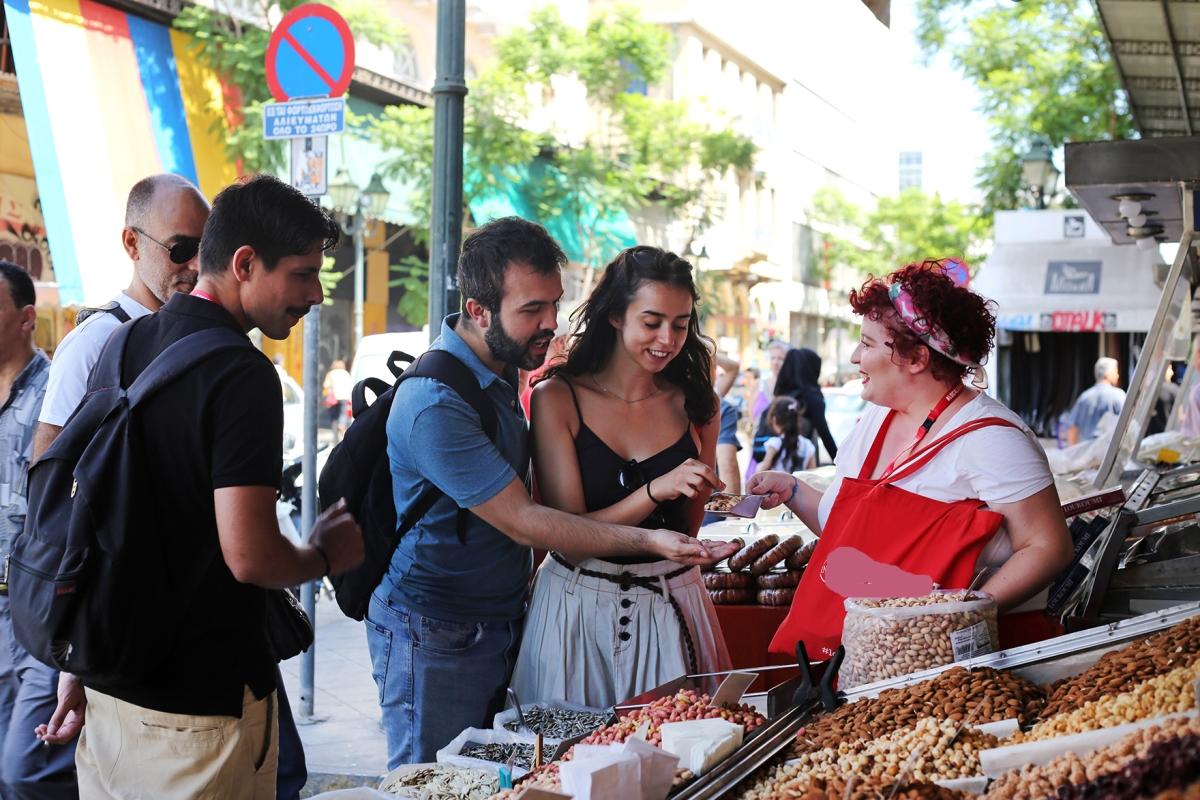
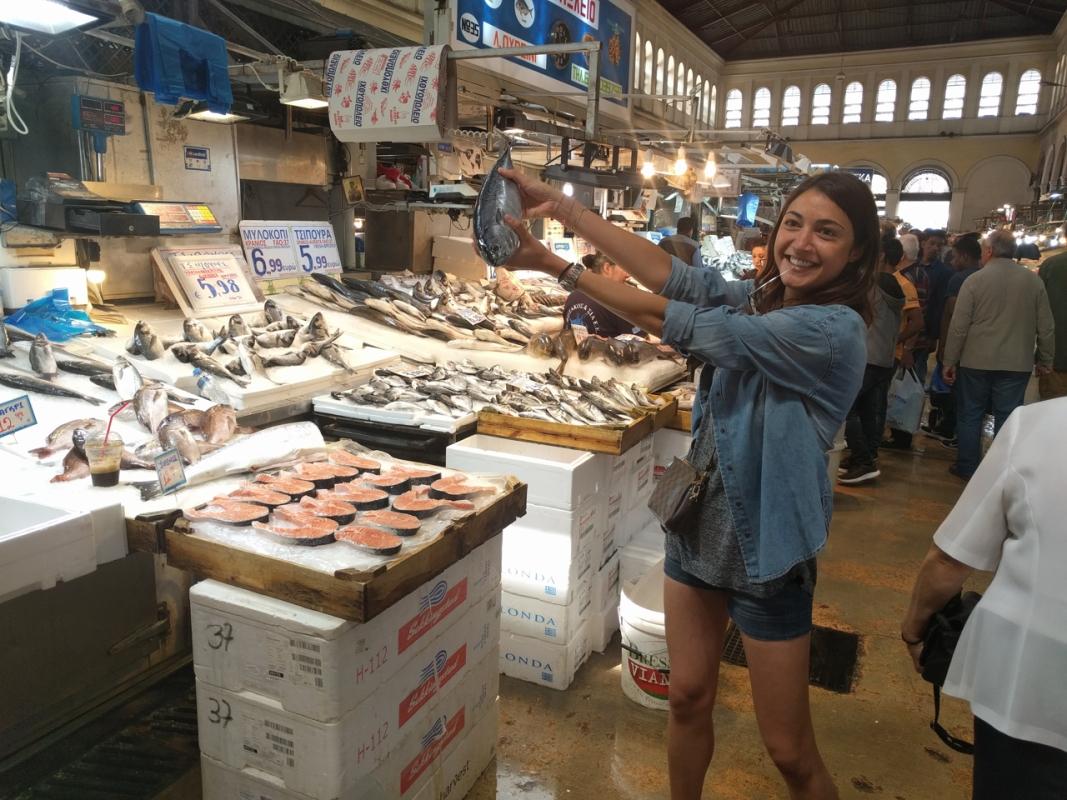
Markets provide another important window into the city's food culture. The Athens Central Market, commonly known as Varvakios Agora, is one of the best-known locations for discovering ingredients used in Greek cooking. The surrounding streets also contain shops specializing in spices, nuts, dried fruit, cheeses, olives and other products.
Food tours are not limited to traditional recipes. Modern Athens has developed a varied restaurant and café scene where chefs reinterpret Greek ingredients and regional dishes in contemporary ways. A culinary itinerary can therefore combine traditional establishments with newer gastronomic experiences.
Private Athens food tours can be particularly useful for travelers interested in specific types of cuisine or dietary preferences. Exact tasting menus and stops vary between operators, so visitors with allergies or dietary restrictions should communicate their requirements before booking.
Food experiences can also be combined with sightseeing. A walking route through Monastiraki and Psyrri, for example, can connect culinary stops with the atmosphere of Athens' historic neighborhoods.
For travelers who want to go beyond tasting, selected experiences may include Greek cooking classes. Participants can learn how traditional dishes are prepared and gain a better understanding of ingredients such as olive oil, herbs, vegetables, cheese and pastry.
Athens food tours can range from short tasting walks to longer culinary programs, making them suitable for visitors who want either a quick introduction or a more extensive exploration of Greek gastronomy.
Athens Wine Tasting Tours introduce travelers to Greece's long winemaking tradition and the country's distinctive grape varieties.
Wine has been part of Greek culture for thousands of years, and modern Greek wineries produce a broad range of white, red, rosé, sparkling and sweet wines. A tasting in Athens provides an opportunity to sample wines from several Greek regions without traveling throughout the country.
One of the most important wine areas close to Athens is Attica. The region surrounding the capital has a long viticultural tradition and is particularly associated with the Savatiano grape.
Savatiano has historically been used in the production of retsina, a traditional Greek wine characterized by the use of pine resin during production. Contemporary retsina can provide an interesting introduction to a style of wine closely connected with Greek wine history.
Athens wine tastings may also feature grape varieties from other parts of Greece.
Assyrtiko, strongly associated with Santorini, is one of Greece's internationally recognized white grape varieties and is known for wines with notable acidity and mineral character.
Agiorgitiko is strongly associated with Nemea in the Peloponnese and is used to produce a range of red wine styles.
Xinomavro, widely associated with northern Greek wine regions, produces distinctive red wines and demonstrates another side of the country's viticultural diversity.
Depending on the tasting, visitors may also encounter Moschofilero, Malagousia and other indigenous Greek varieties.
Wine experiences in Athens can take several forms. Some are organized in dedicated wine bars or tasting rooms in the city center, while others combine wine with cheese, olives, bread, cured meats or other Greek products.
Food and wine pairing experiences can help travelers understand how different wines interact with ingredients commonly used in Greek cuisine. A tasting may pair wines with feta and other cheeses, olives, spreads or selected small dishes.
Travelers who want to explore beyond central Athens can also consider winery experiences in the wider Attica wine region. Depending on the program, these excursions may include vineyard visits, cellar tours and guided tastings.
Another possible wine destination from Athens is Nemea, one of Greece's important wine-producing areas. Located in the Peloponnese, Nemea is particularly associated with Agiorgitiko and can be incorporated into a longer wine-focused excursion.
Private Athens wine tours can offer more flexibility for travelers who want to concentrate on specific grape varieties, wine regions or food pairings.
Wine tastings may vary considerably in the number of wines served, food pairings, transportation and winery access. Travelers should therefore check the exact itinerary and inclusions of individual tours.