
Free Cancellation
-high.jpg&w=1920&q=75 "Popular Issyk-Kul and Son-Kul tour Kyrgyzstan, 7 days")
Bishkek is the capital of Kyrgyzstan, laid out on a grid of wide Soviet-era boulevards at the foot of the Kyrgyz Ala-Too range, part of the wider Tien Shan mountains. Founded as the Russian fort of Pishpek in 1878, the city was renamed Frunze under Soviet rule and took its current name only after independence in 1991. Snow-capped peaks are visible from the main avenues on clear days, and the mountains sit close enough that a morning hike is possible before an afternoon back in the city. Bishkek anchors most Kyrgyzstan Tours itineraries, since nearly every route through the country starts or ends here.
The city itself has a relatively short architectural history by regional standards, shaped more by Soviet planning than by ancient monuments, which gives it a different rhythm than the Silk Road cities further along many itineraries. Tree-lined streets, irrigation channels running alongside the sidewalks and a scale that favors walking make it an easy city to settle into for a day or two before heading into the mountains or out to Issyk-Kul.
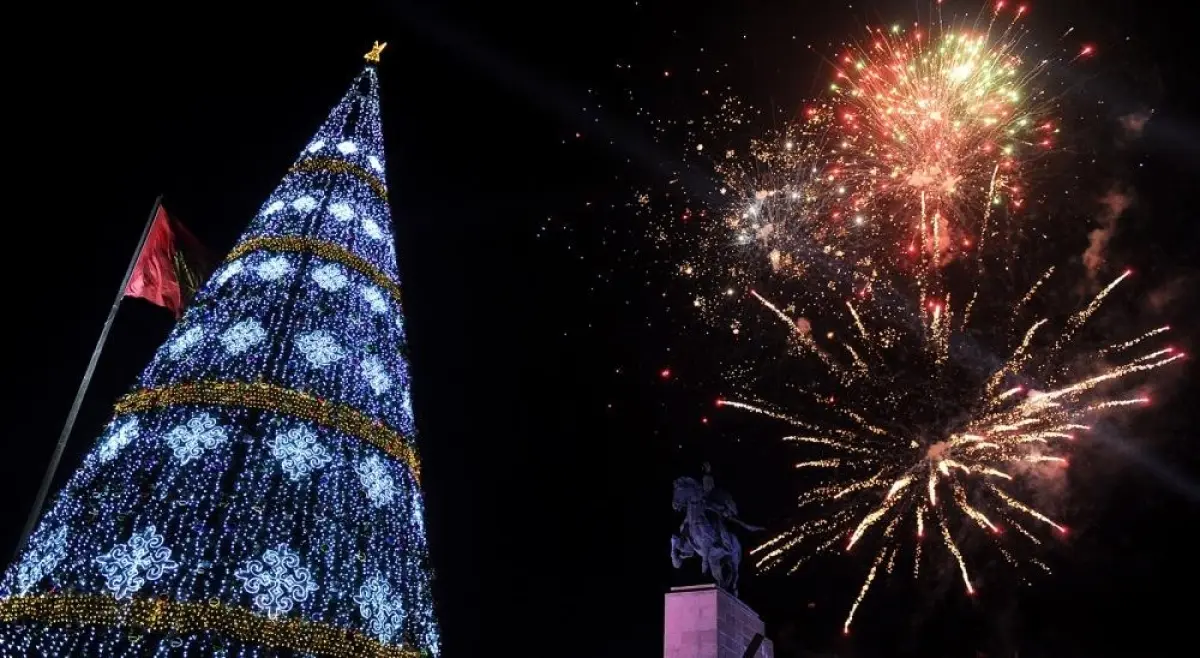
Ala-Too Square is the ceremonial center of Bishkek, framed by government buildings and the State Historical Museum, and it hosts a changing of the guard that draws a small crowd. The square opens onto Chüy Avenue, the city's main east-west artery, and connects easily on foot to most of the other central sights.
Oak Park, known locally as Dubovy Park, holds a collection of Soviet-era sculptures under a canopy of old oak trees and functions as a quiet counterpoint to the open squares nearby. Panfilov Park, a short walk away, has a more relaxed feel with a small funfair and shaded benches favored by locals in the evening.
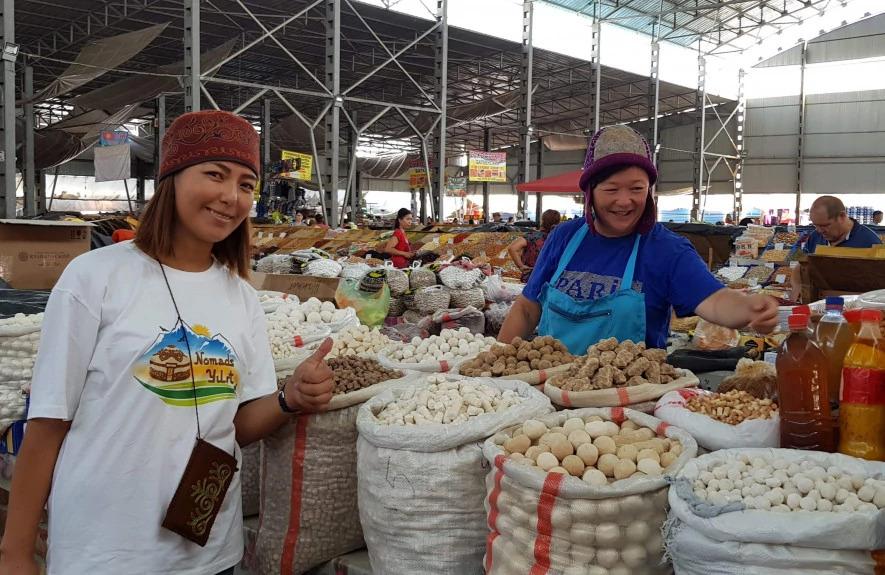
Osh Bazaar remains the city's largest traditional market, selling everything from dried fruit and spices to felt hats and household goods, and it gives a more direct look at daily life than the government quarter downtown. Bargaining is expected, and the market gets busiest in the mid-morning hours.
The Kyrgyz National Museum of Fine Arts, near Ala-Too Square, holds a collection of Soviet-era paintings alongside traditional felt work and jewelry, giving a broader view of the country's visual culture than the outdoor sculptures in Oak Park alone. Nearby, the State Philharmonic, named for composer Toktogul Satylganov, hosts concerts of classical and traditional Kyrgyz music and anchors a small cluster of theaters along Chüy Avenue.
On the eastern edge of the city, the wooden house where Mikhail Frunze was born in 1885 survives as a small museum, a reminder of the Soviet commander whose name the city carried for six decades. Further out, Dordoi Bazaar ranks among the largest wholesale markets in Central Asia, built from stacked shipping containers and supplying traders from across the region rather than catering primarily to tourists.
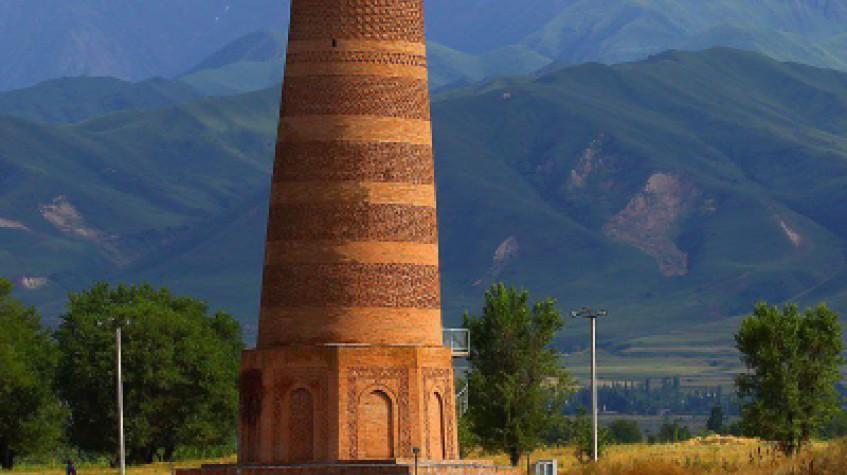
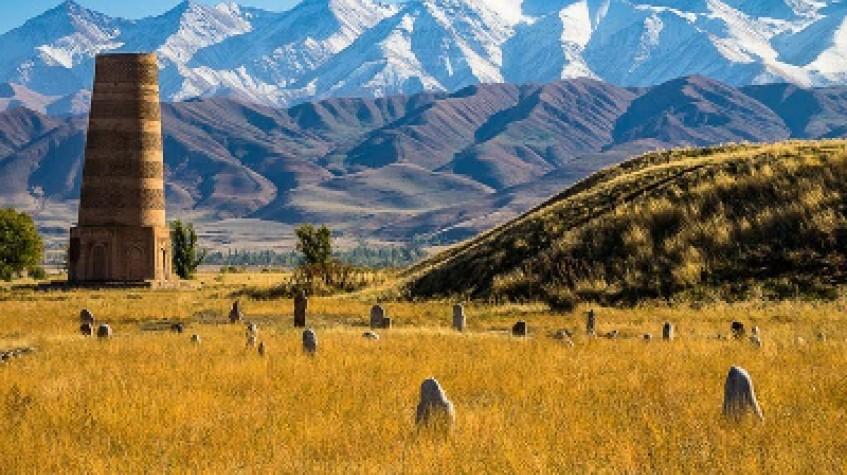
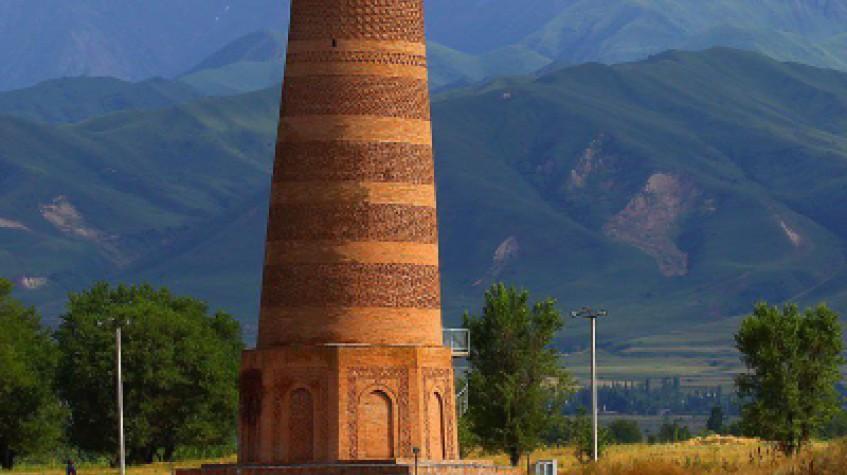
Administratively, Bishkek stands apart from the surrounding Chüy region as its own city district, but geographically it sits squarely inside the Chüy valley, ringed by irrigated farmland and orchards that stretch toward the Kazakh border. Many day trips from the capital, including the Silk Road ruins at Burana Tower and the hot springs at Issyk-Ata, lie within this same valley and can be reached in under two hours.
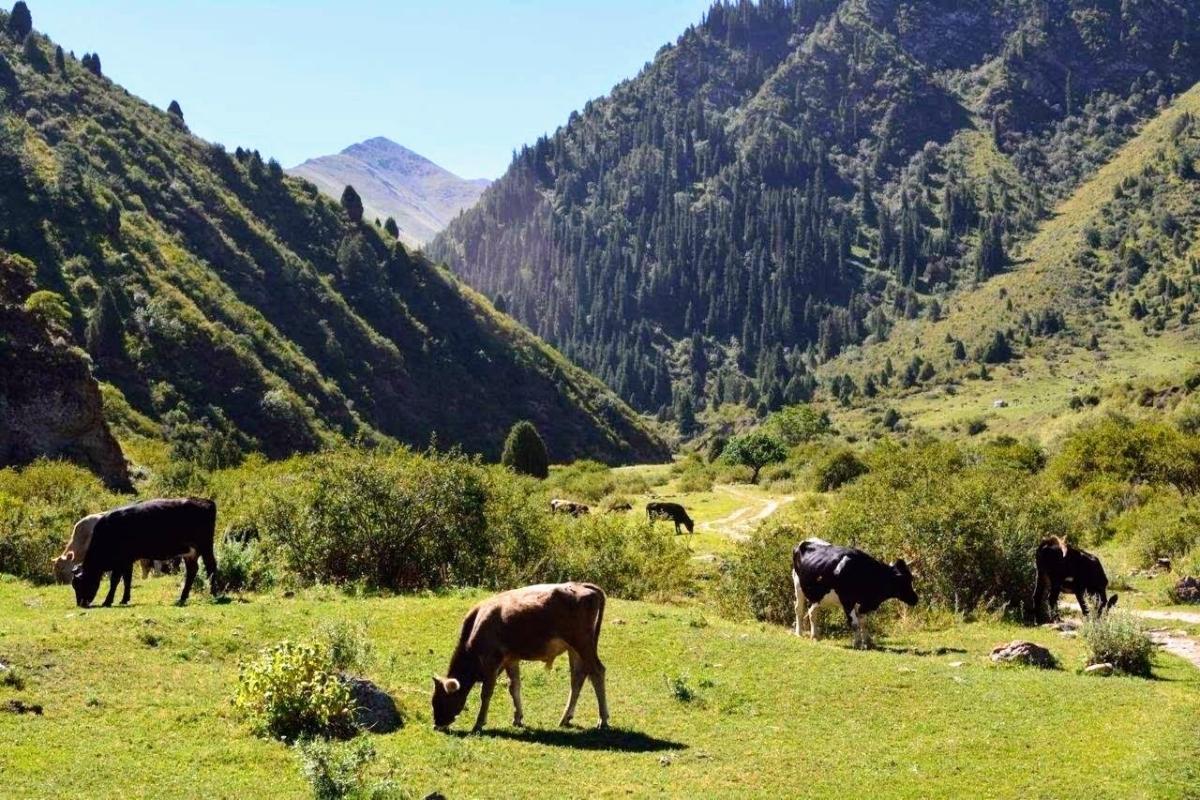
Bishkek's proximity to the mountains is one of its main advantages for visitors. Ala Archa National Park lies about forty kilometers south of the city center, reached in under an hour, and its canyon climbs from pine forest up toward glaciers and peaks above four thousand meters. Day tours from Bishkek typically cover a moderate hike along the valley floor, though experienced trekkers can push further toward the higher passes.
Long before the Russian fort was built, a Silk Road settlement occupied roughly the same ground, though little of that era survives within the modern city. The Soviet period left the deepest mark on Bishkek's appearance, from the wide avenues to the monumental government buildings around Ala-Too Square, and much of that layout has changed little since independence. Street names and statues shifted after 1991, but the underlying grid, planted with rows of ash and poplar trees, remains distinctly Soviet in feel.
Bishkek's food scene mixes Kyrgyz staples such as lagman noodles, manti dumplings and plov with a wider Central Asian and Russian influence left over from the Soviet period. Cafes along Chüy Avenue and around Ala-Too Square serve everything from traditional teahouses to modern coffee shops, and the city's markets make it easy to try regional produce, dried fruit and kumis before heading further afield.
Manas International Airport, about thirty kilometers from downtown, is the main entry point for most visitors and connects to regional hubs across Central Asia and beyond. Spring and autumn bring the most comfortable temperatures for walking the city and visiting Ala Archa, while summer is warm and dry and winter turns cold enough for snow to settle on the surrounding peaks. Guided city walks, such as the Bishkek City Walking Tour, cover the central squares, parks and bazaar in a single morning and work well as an introduction before longer trips into the mountains or out to Issyk-Kul.