
Free Cancellation
-high.jpg&w=1920&q=75 "10 Day, 9 Night Tour Kyrgyzstan Summer 2024")
-high.jpg&w=1920&q=75 "3 Day Kyrgyzstan Discovery Tour: Bishkek, Bokonbaevo, Son-Kul & Burana Tower")
-high.jpg&w=1920&q=75 "Popular Issyk-Kul and Son-Kul tour Kyrgyzstan, 7 days")
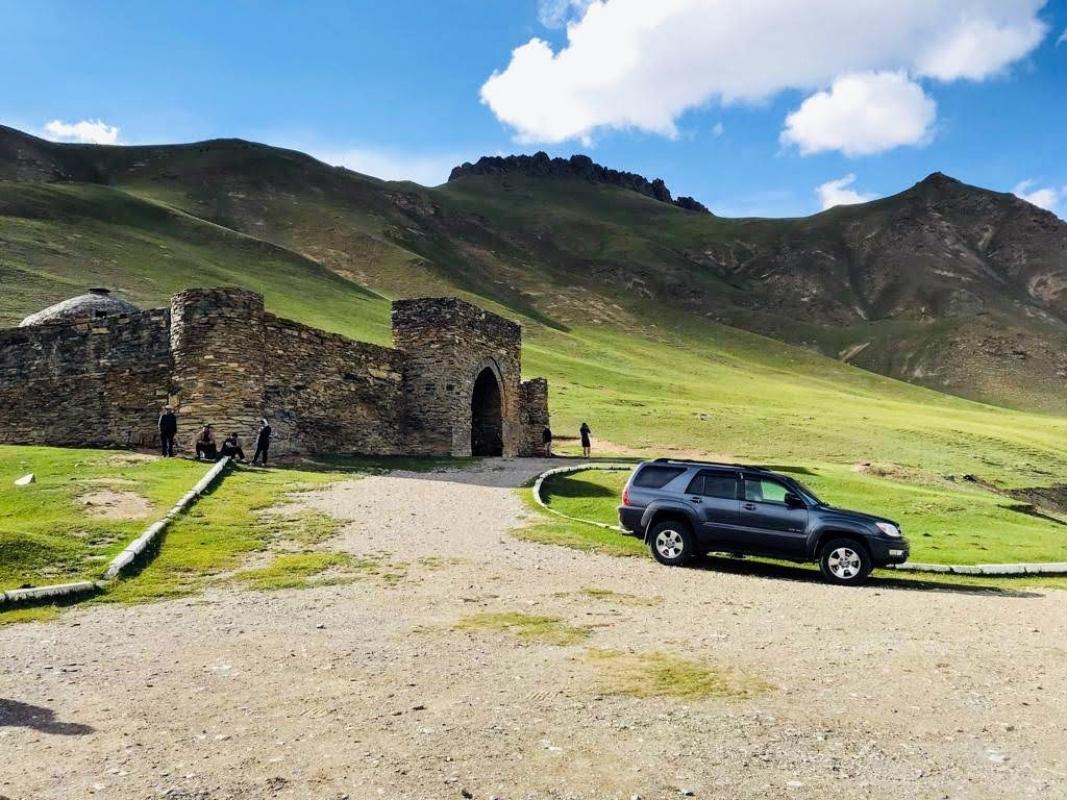
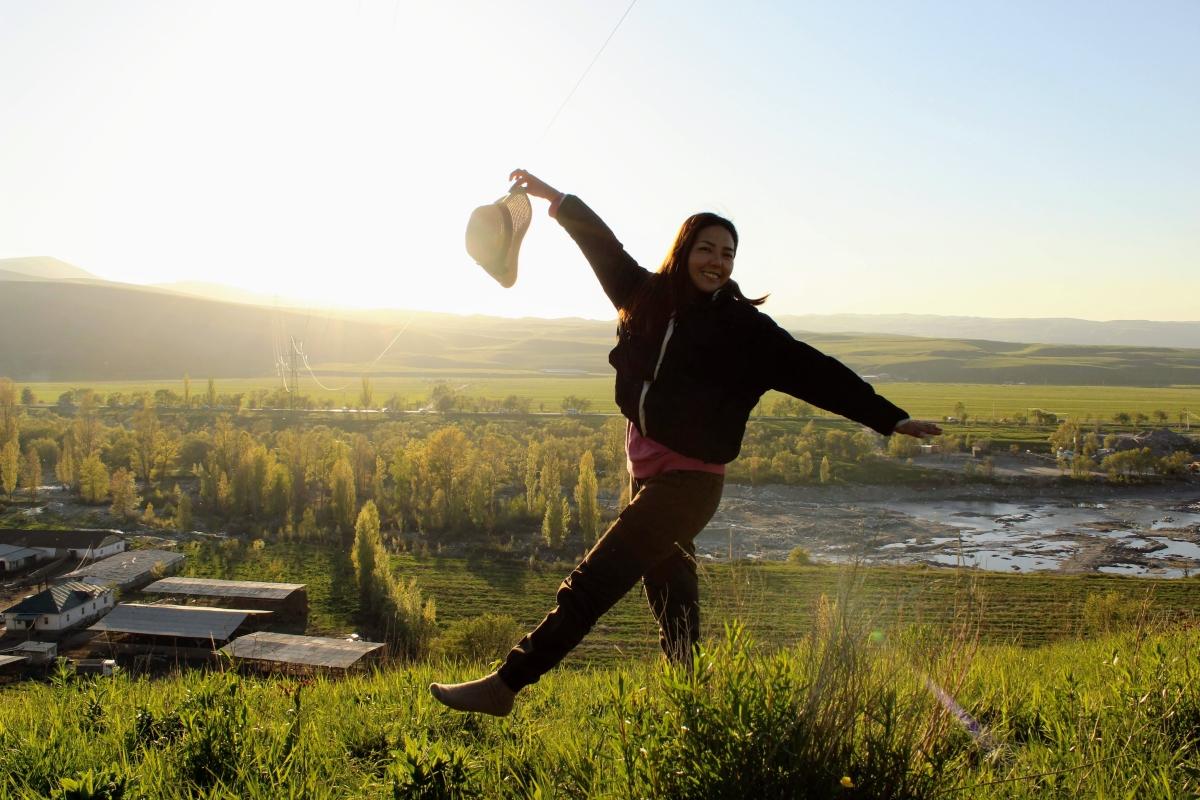
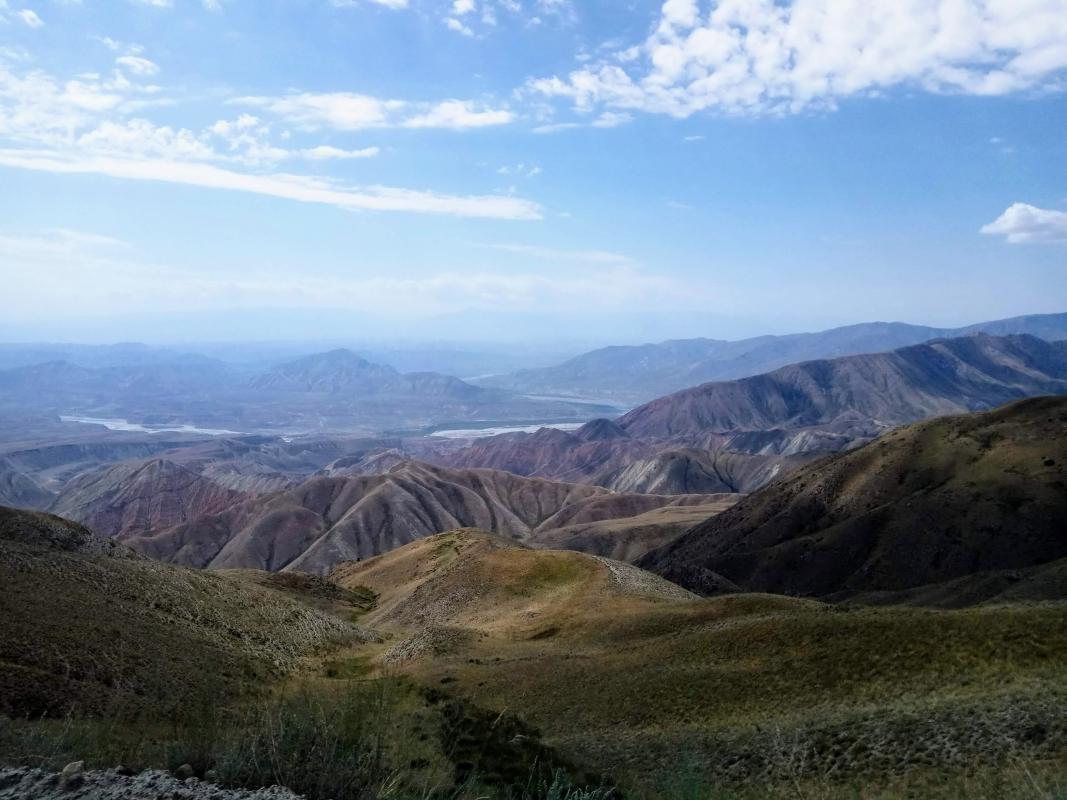
Issyk-Kul is one of the largest mountain lakes in the world, ringed by the snow-capped peaks of the Kungei Ala-Too to the north and the Terskey Ala-Too to the south, both part of the Tien Shan range. Despite sitting at an altitude of about 1,600 meters, the lake never fully freezes, a trait that gave it its Kyrgyz name, which translates roughly to "warm lake." The shoreline runs for more than 600 kilometers and mixes sandy beaches and resort towns on the north side with quieter canyons, petroglyph fields and summer yurt camps toward the south and east. Issyk-Kul forms one of the main stops on most Kyrgyzstan Tours itineraries, usually reached from Bishkek by road through the Boom Gorge.
The lake is large enough that its north and south shores feel like different destinations. Cholpon-Ata and the other north-shore towns lean toward beach holidays and Soviet-era sanatoriums, while Karakol at the eastern end serves as a base for mountain trekking and, in winter, skiing. Most visitors pick a base on one shore rather than attempting to circle the entire lake in a single trip.
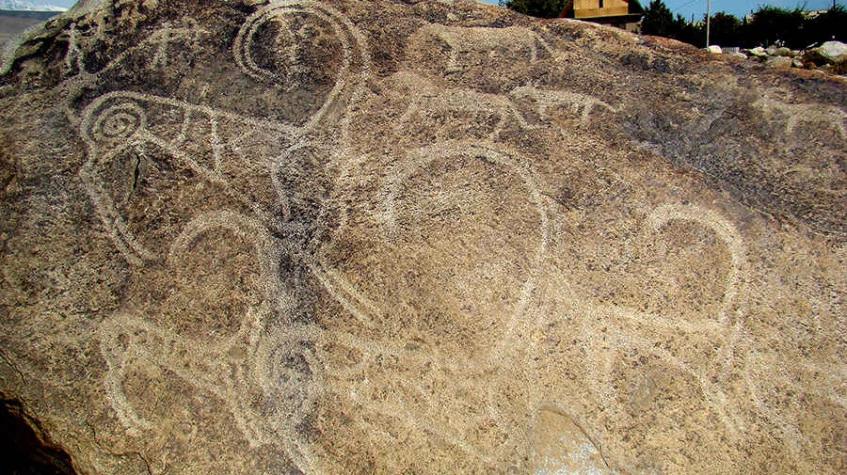
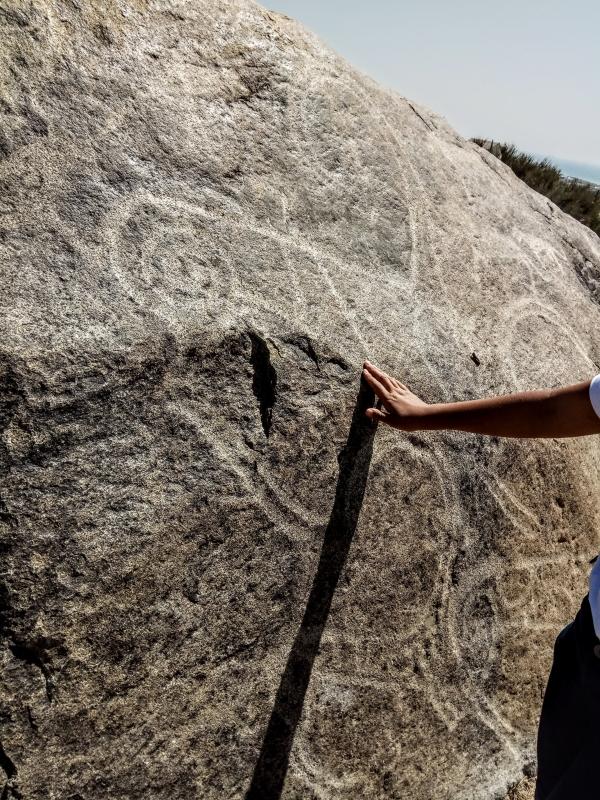
Cholpon-Ata is the lake's main resort town, known for its sandy beach and a large open-air museum of petroglyphs carved into scattered boulders during the Bronze Age and later Saka period. The town fills with domestic tourists in July and August, when the lake is warmest, and quiets considerably outside the summer season.
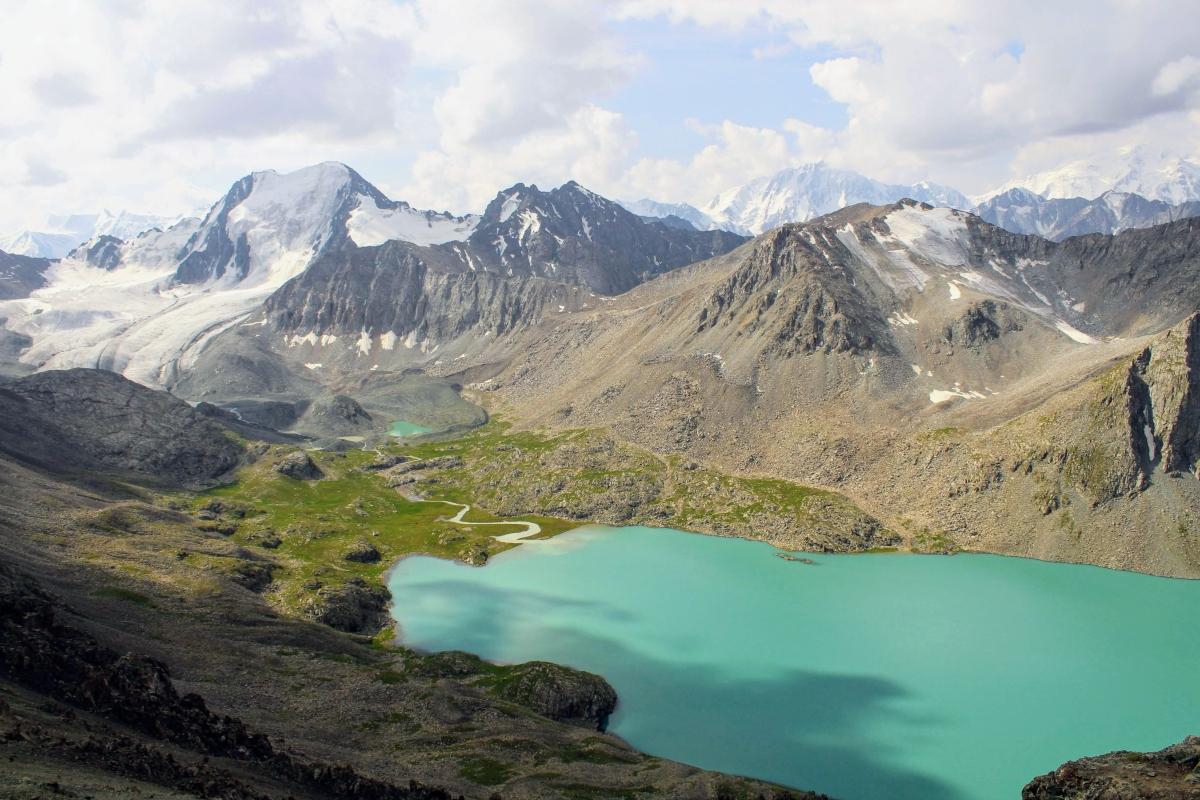
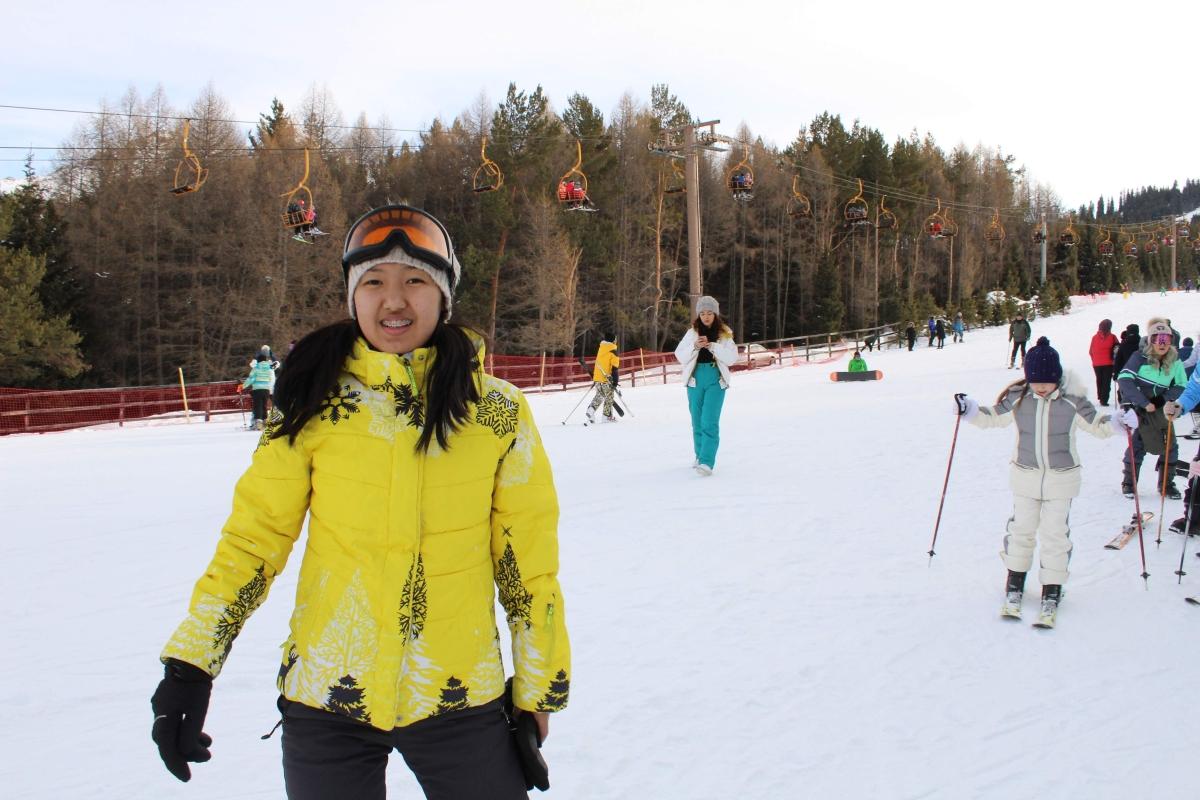
Karakol, near the lake's eastern tip, mixes a wooden Dungan mosque built without nails, a Russian Orthodox cathedral, and a lively Sunday animal market with its role as the main gateway into the Terskey Ala-Too. Treks from Karakol reach the Ala-Kul alpine lake and the Altyn-Arashan hot springs valley, both multi-day routes through high mountain terrain, and the town's ski resort operates on the range's northern slopes through the winter months.
Skazka, often called Fairy Tale Canyon in English, sits on the lake's south shore and is carved from soft red and orange sandstone into ridges and formations that change color through the day. A walk through the canyon takes an hour or two and works well combined with other south-shore stops.
Jeti-Oguz, meaning "seven bulls," refers to a line of red sandstone cliffs west of Karakol, named for their resemblance to a herd of animals from a distance. The valley behind the cliffs continues toward alpine meadows and is a common stop for travelers heading further into the Terskey Ala-Too.
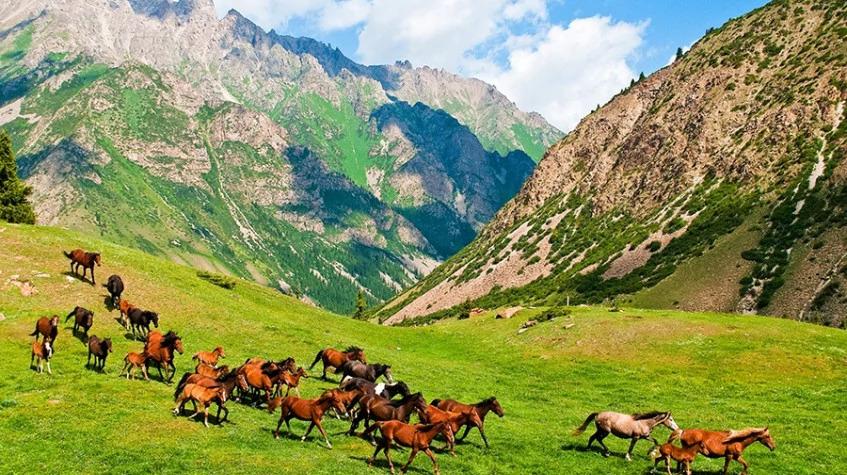
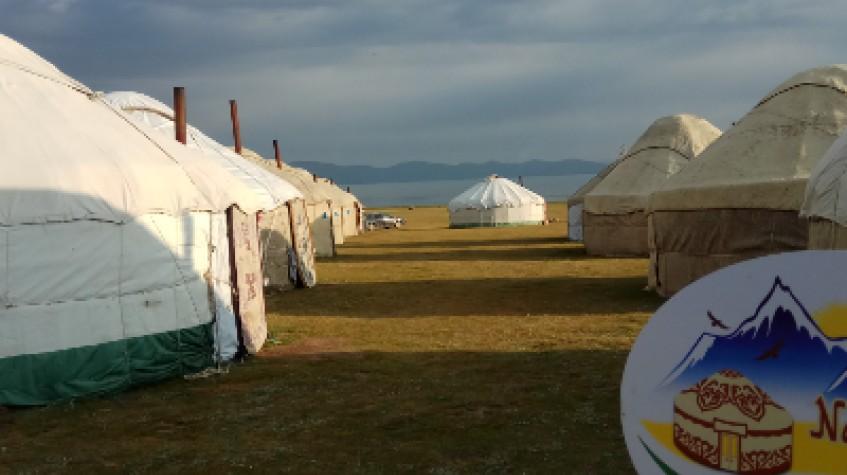
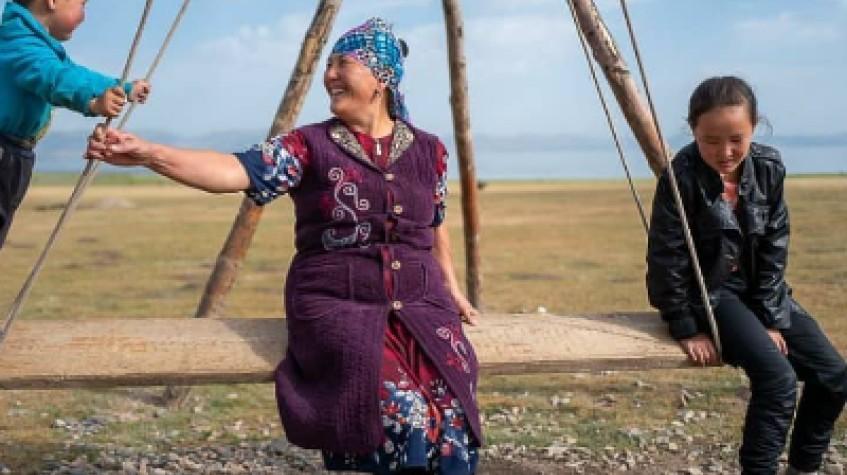
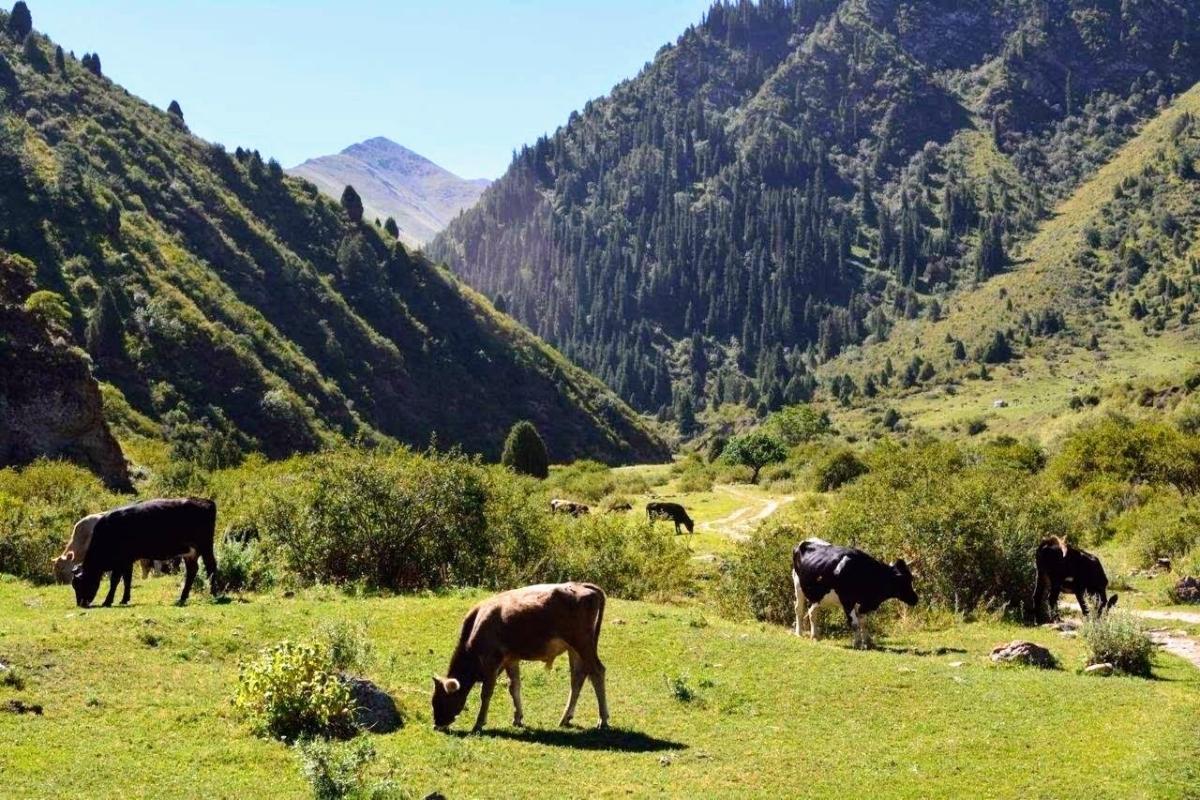
In summer, herding families move up into the high pastures around the lake and set up yurt camps that welcome overnight guests, offering horse riding and the chance to try kumis, fermented mare's milk that is a staple of Kyrgyz nomadic culture. The Kyrchyn gorge, on the lake's southern approach, has hosted events tied to the World Nomad Games and remains one of the more accessible places to see this seasonal way of life in practice.
The Russian explorer Nikolai Przhevalsky died near the lake in 1888 while preparing for another expedition into Central Asia, and Karakol was renamed Przhevalsk in his honor for much of the Soviet period before reverting to its original name after independence. His grave and a small museum sit on the lakeshore a short drive from town, marking the starting point for several of his journeys into the then largely unmapped mountains of the region.
Most travelers reach the lake by road from Bishkek, a drive of roughly four to six hours depending on the shore and route, passing through the Chüy valley and the Boom Gorge along the way. A smaller domestic airport near Tamchy also serves the north shore during the summer season, cutting the journey to under an hour for those connecting from the capital.
Fish from the lake, particularly trout, appears on menus around Karakol and the north shore towns, alongside the standard Kyrgyz dishes of plov, manti and lagman found across the country. Dried apricots and other fruit from the surrounding valleys are sold at roadside stands, and a stop at a yurt camp usually means a chance to try kumis alongside fresh bread and dairy products typical of the herding season.
Summer, from June through August, brings the warmest water and the fullest yurt camps, and is the peak season on the north shore in particular. Karakol works as a destination in winter too, when its ski slopes draw visitors even as the beach towns close down, and spring and autumn offer a quieter middle ground for those who want the scenery without the summer crowds.
Because Issyk-Kul pairs beach time with serious mountain access, itineraries here range from relaxed lakeside stays to active winter trips. The Karakol Ski and Spa Tour combines skiing on the Terskey Ala-Too slopes with hot spring visits, a pairing that reflects the region's mix of mountain activity and relaxation.