
Free Cancellation
Seville rewards visitors who explore beyond its most photographed monuments, and its neighborhoods carry as much character as its landmarks. Many travelers pair a stay here with other stops on Spain tours, using the city as a base for exploring Andalusia's food, festivals and history beyond the standard sightseeing list. It is also one of the larger cities in Spain, with a metropolitan population of over a million people spread along both banks of the Guadalquivir River.
The Cathedral and the Real Alcázar remain the city's most recognized sites, the former the largest Gothic cathedral in the world and the latter a royal palace still in use today, but Seville's daily rhythm is shaped just as much by its old quarters, its markets and its calendar of festivals. Getting past the two headline monuments takes a visitor into streets that guidebooks often skip in favor of the main attractions.
Santa Cruz, the former Jewish quarter next to the Cathedral, is a maze of narrow whitewashed lanes, small plazas and wrought iron balconies that has become the city's most walkable historic district. Across the river, Triana carries a different character entirely, long associated with ceramics workshops, sailors and flamenco, and its riverside market and tapas bars draw fewer tour groups than the center. The contrast between the two neighborhoods, one formal and monumental, the other working class and river facing, gives a fuller sense of the city than the Cathedral district alone. Small flamenco tablaos in Triana and around Santa Cruz host nightly performances, generally more intimate than the larger tourist oriented venues near the Cathedral. Casa de Pilatos, a sixteenth century noble residence blending Renaissance and Mudéjar styles, sits at the edge of Santa Cruz and draws far fewer visitors than the Cathedral despite its scale. Its two courtyards and tiled staircases give a sense of how Seville's wealthier families lived during the same centuries the Cathedral and Alcázar were being expanded.
Seville's food culture runs on tapas bars where dishes are ordered a few at a time and shared standing at the counter, a habit that shapes the pace of an evening out in the city. Olive oil sits at the center of Andalusian cooking, and the countryside around Seville produces much of it, with mills that still use traditional pressing methods alongside newer, more mechanized ones. Common tapas here include cola de toro, an oxtail stew, spinach with chickpeas, and fried fish specific to Andalusia, often served alongside sherry from nearby Jerez.
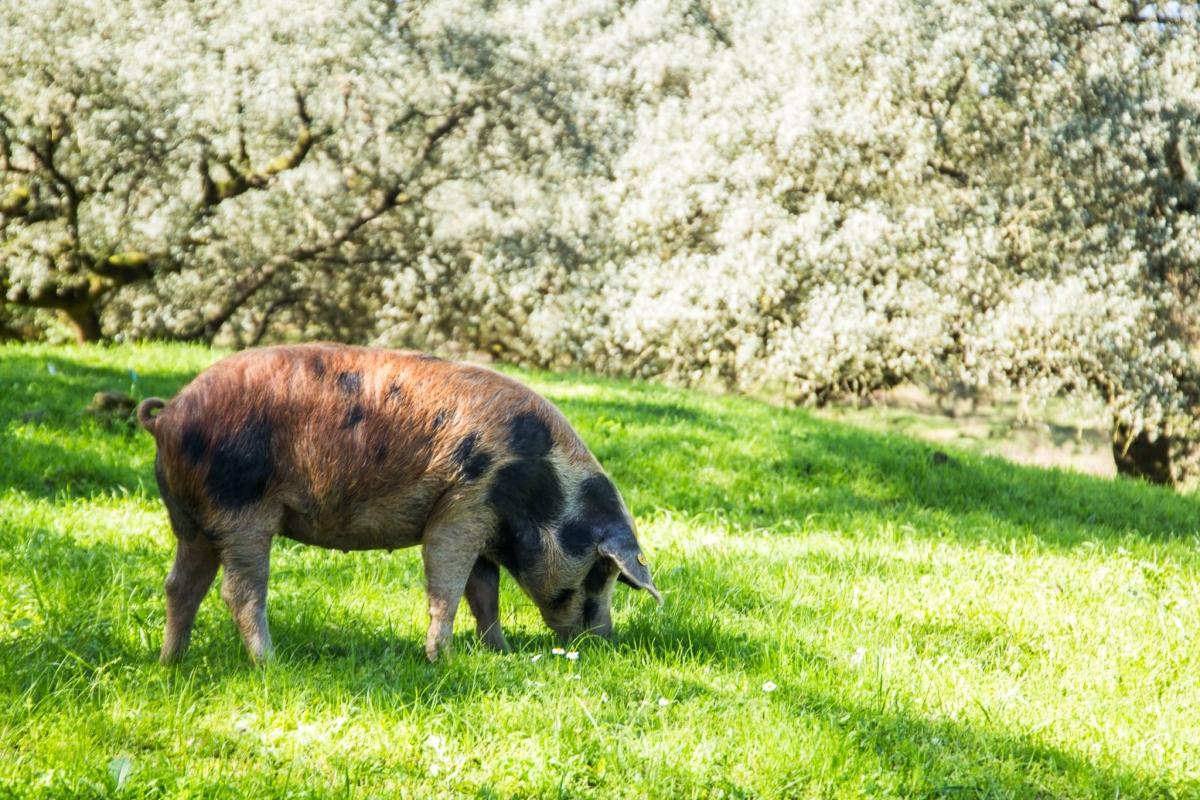
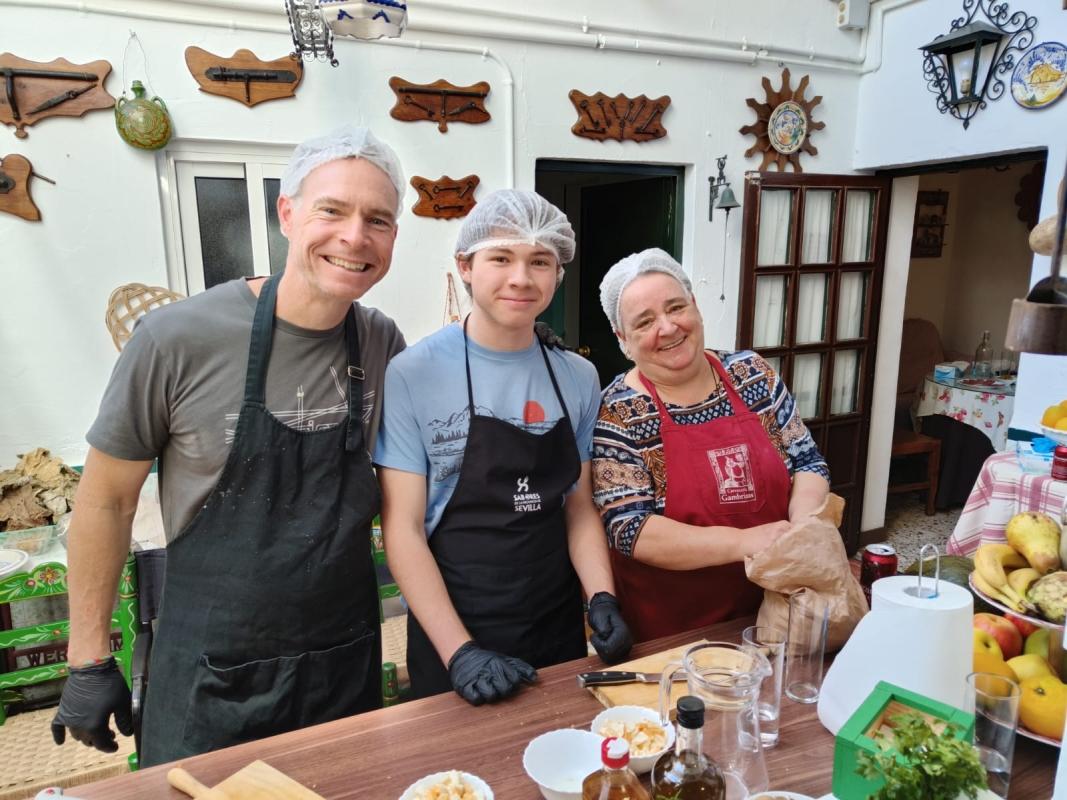
Visitors interested in that side of the region can join the Private visit in traditional oil mill, a countryside excursion that moves away from the city center to show how the region's olive oil is actually made. Pairing a food heavy day like this with an evening of tapas in Triana or Santa Cruz gives a more complete sense of Andalusian cooking than restaurant visits in the city center alone. Bars in the Alfalfa area, a few streets north of the Cathedral, have become popular with a younger, more local crowd over the past decade. Mercado de Triana, built on the site of a former castle at the foot of the Isabel II bridge, is a practical stop for produce, cured ham and a quick counter lunch away from the more tourist facing restaurants nearer the Cathedral.
Bitter orange trees line many of Seville's streets and courtyards, planted originally for shade and fragrance rather than fruit, and they give the city center a distinct scent each spring when the blossoms open. The Plaza de España, built for the 1929 Ibero-American Exposition, and the smaller Plaza de Santa Cruz are among the most photographed of these public squares. Each April, the Feria de Abril fills a dedicated fairground with rows of casetas, marquee tents where families and clubs gather to eat, drink and dance sevillanas through the night, a tradition that has grown into one of the largest annual celebrations in Andalusia. Outside Feria week, the same fairground grounds sit largely empty, used for occasional markets and events through the rest of the year.
Seville held a monopoly on trade with the Spanish colonies in the Americas for much of the sixteenth and seventeenth centuries, and the wealth that flowed through its port shaped the city's churches, mansions and public buildings. The Archivo General de Indias, a UNESCO listed building next to the Cathedral, holds the historical records of that colonial trade and administration. A monument inside the Cathedral, attributed to holding the remains of Christopher Columbus, stands as one of the clearer physical links between the city and the voyages that followed his first Atlantic crossing. The Torre del Oro, a twelfth century watchtower on the riverbank, was originally part of the city's defenses and now houses a small maritime museum tied to that same period of transatlantic trade.
Spring, especially March through May, brings mild temperatures, orange blossoms and the Feria de Abril, making it the most requested season to visit despite higher prices and larger crowds. Summer temperatures regularly climb past 100 degrees Fahrenheit, which makes June through August the least comfortable stretch for walking tours. Fall offers a quieter alternative to spring with similarly mild weather, before winter brings cooler but still manageable conditions for sightseeing. Travelers avoiding the Feria crowds sometimes choose late May or early June instead, trading festival atmosphere for slightly quieter streets and lower hotel rates.