

Free Cancellation


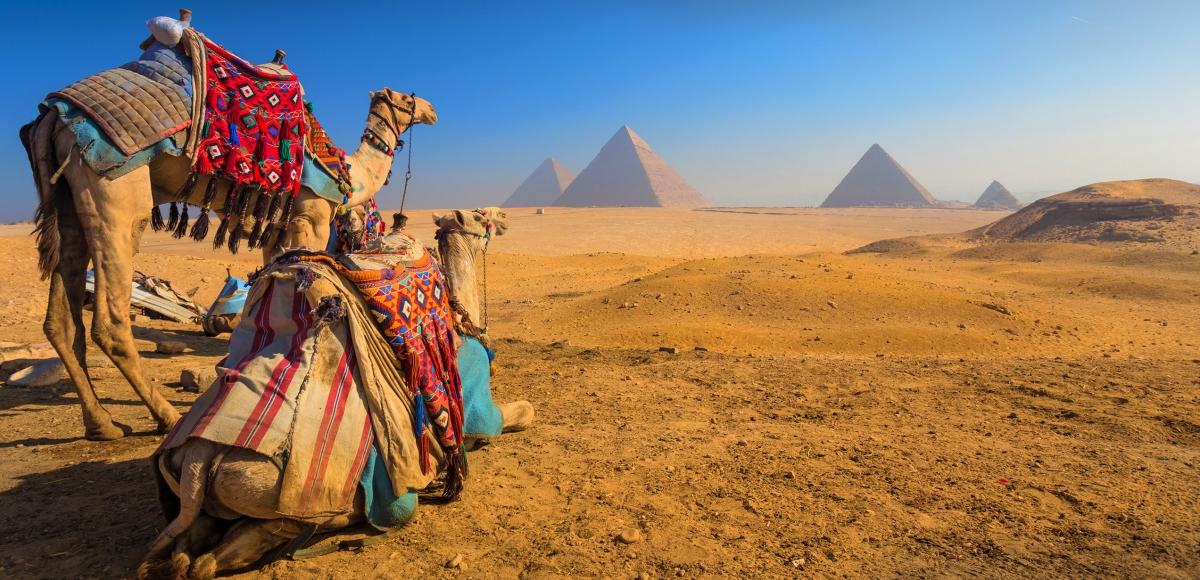

-high.jpg&w=1920&q=75 "Full Day Tour in Giza pyramids, Sakkara and Memphis")

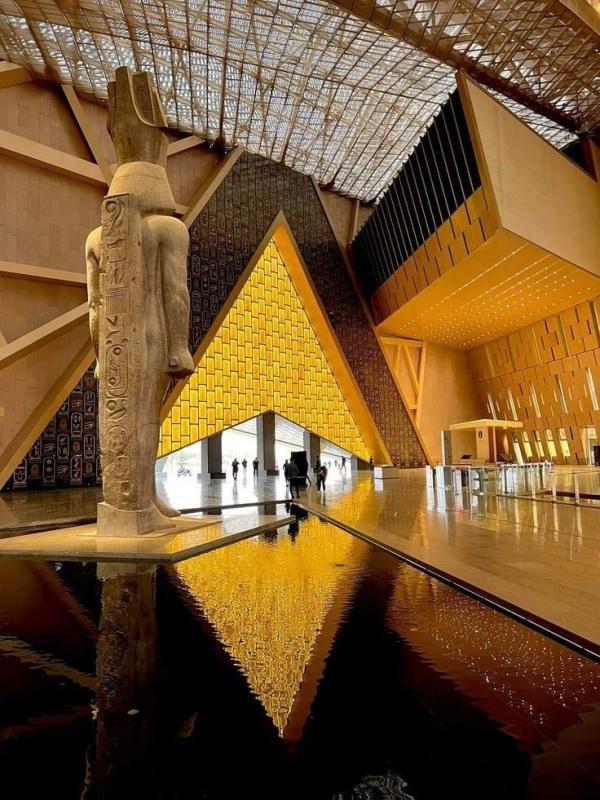

-high.jpg&w=1920&q=75 "The Ultimate Egypt Experience: Pyramids & Grand Egyptian Museum")
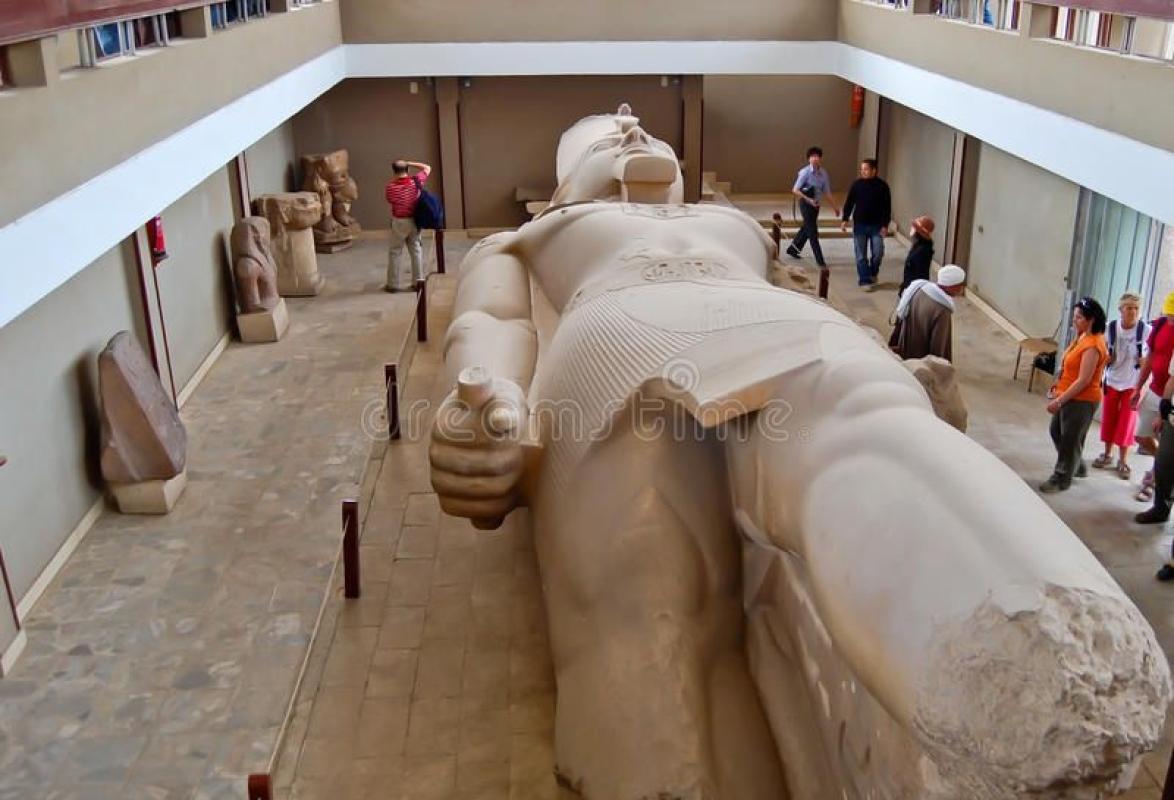
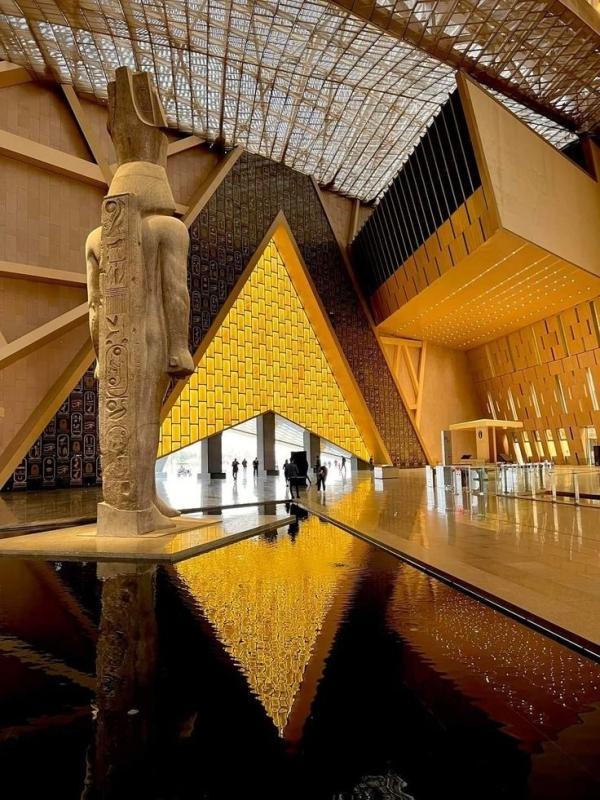
-high.jpg&w=1920&q=75 "Private Cairo Day Tour Giza Pyramid, Sphinx, Civilisation Museum")
-high.jpg&w=1920&q=75 "8 Days Egypt Total Solar Eclipse Tour 2027 – Nile Cruise & Cairo Experience")
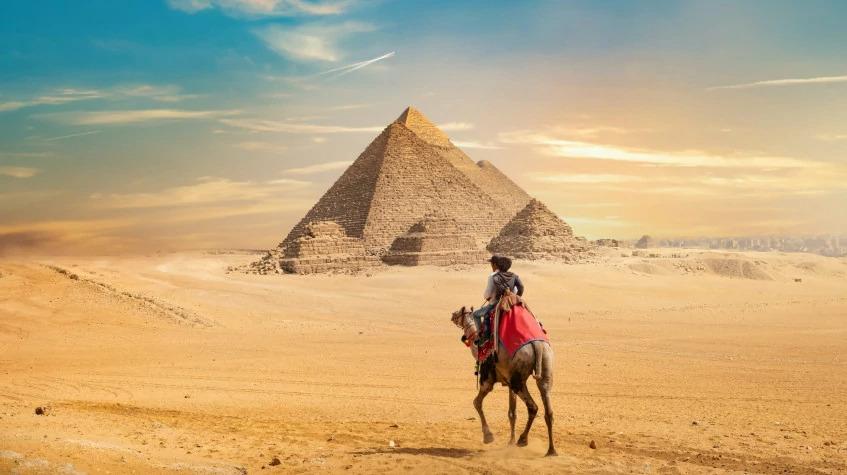
El Giza Culture & Historical Tours take travelers into the heart of ancient Egyptian civilization, where monumental pyramids, royal tombs, archaeological sites and world-famous artifacts reveal thousands of years of history. Located within the Greater Cairo area, Giza is internationally known for the Giza pyramid complex and the Great Sphinx, but the wider region also provides convenient access to some of Egypt's most important archaeological destinations.
The Great Pyramid of Giza, built for Pharaoh Khufu, is the only surviving Wonder of the Ancient World. Together with the pyramids of Khafre and Menkaure, the Great Sphinx and surrounding temples and tombs, it forms one of the world's most significant archaeological landscapes.
Cultural and historical tours in Giza can also incorporate the Grand Egyptian Museum, providing travelers with additional context about ancient Egyptian art, royalty and daily life. Longer itineraries may continue to Saqqara, the Step Pyramid of Djoser, Memphis and Dahshur to explore the development of Egyptian architecture before and after the construction of the Giza pyramids.
Tours range from half-day visits to private full-day archaeological programs and multi-day Egypt itineraries. A knowledgeable Egyptologist guide can provide valuable historical context and help visitors understand the relationship between individual monuments and different periods of ancient Egyptian history.
An El Giza Cultural Tour provides more than an opportunity to photograph the pyramids. Guided experiences can introduce travelers to ancient Egyptian beliefs, royal traditions, funerary practices, architecture and the symbolism found throughout the Giza plateau.
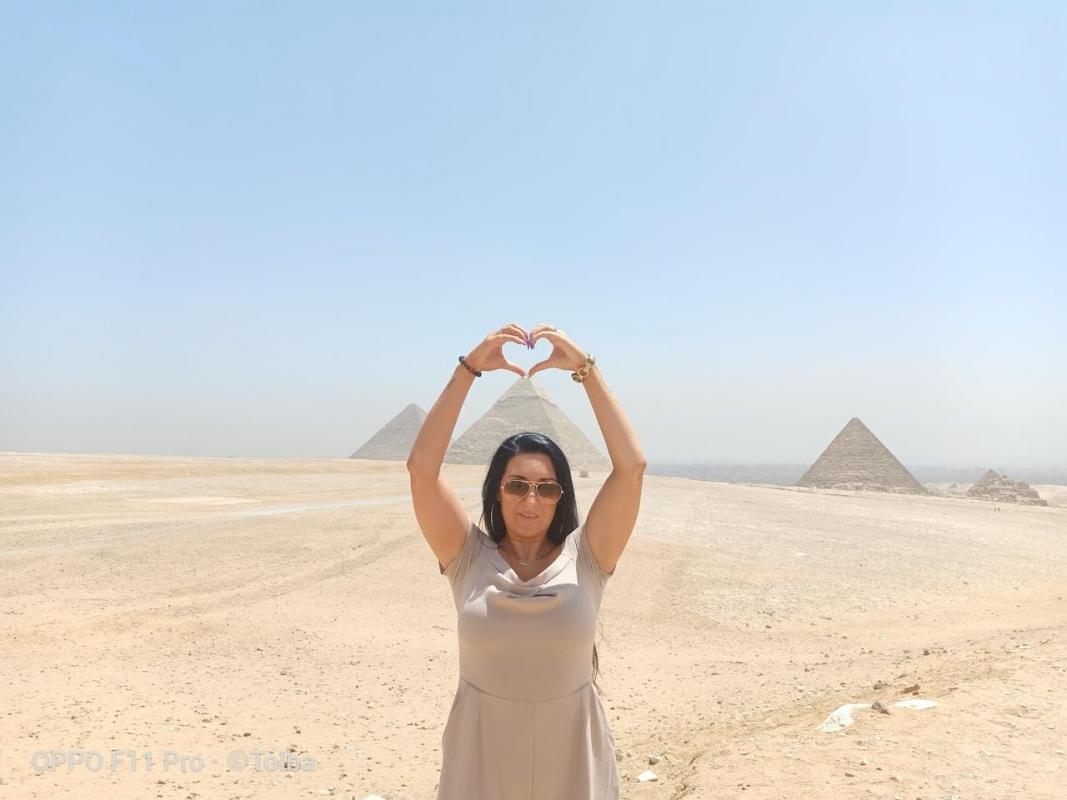
The Giza pyramid complex is the centerpiece of most cultural itineraries. The three principal pyramids were constructed as royal monuments during Egypt's Old Kingdom. Surrounding structures, including smaller pyramids, tombs and temple remains, help demonstrate how these enormous complexes functioned within ancient Egyptian society.
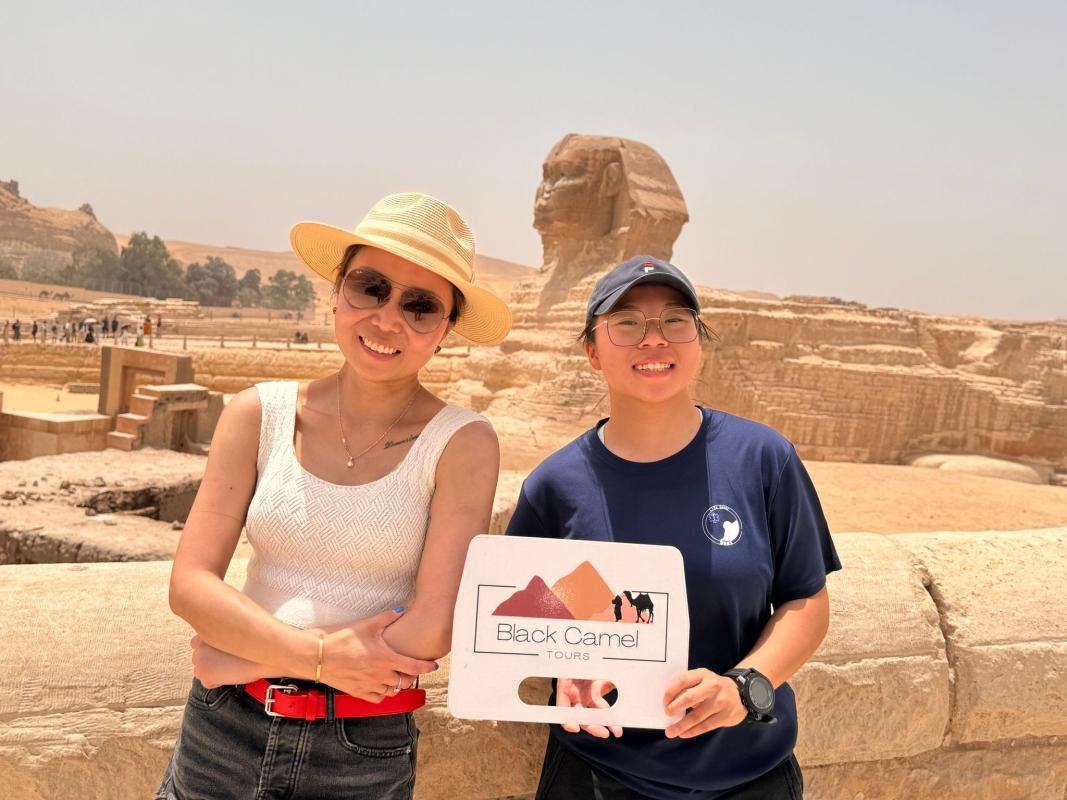
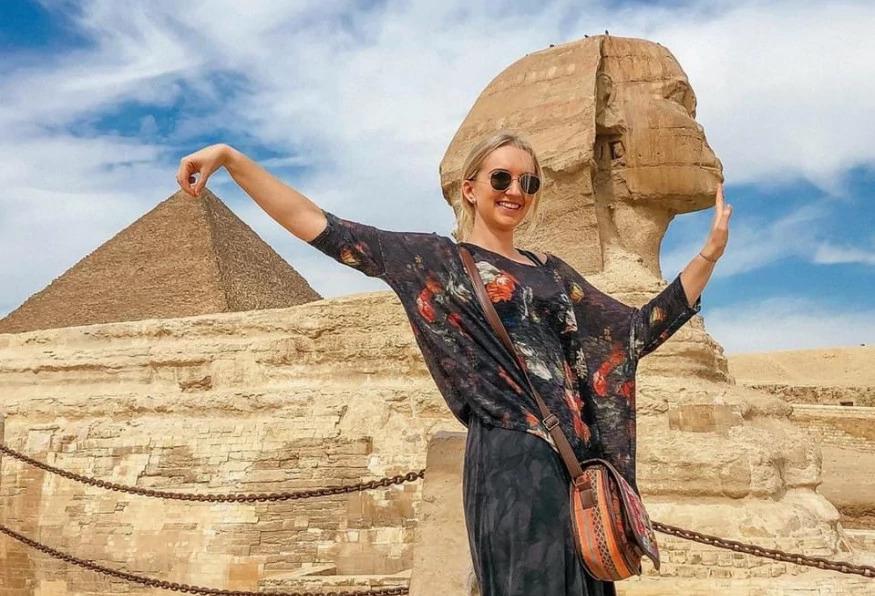
The Great Sphinx adds another dimension to the cultural experience. With the body of a lion and a human head, it is one of ancient Egypt's most recognizable monuments and is generally associated with Pharaoh Khafre.
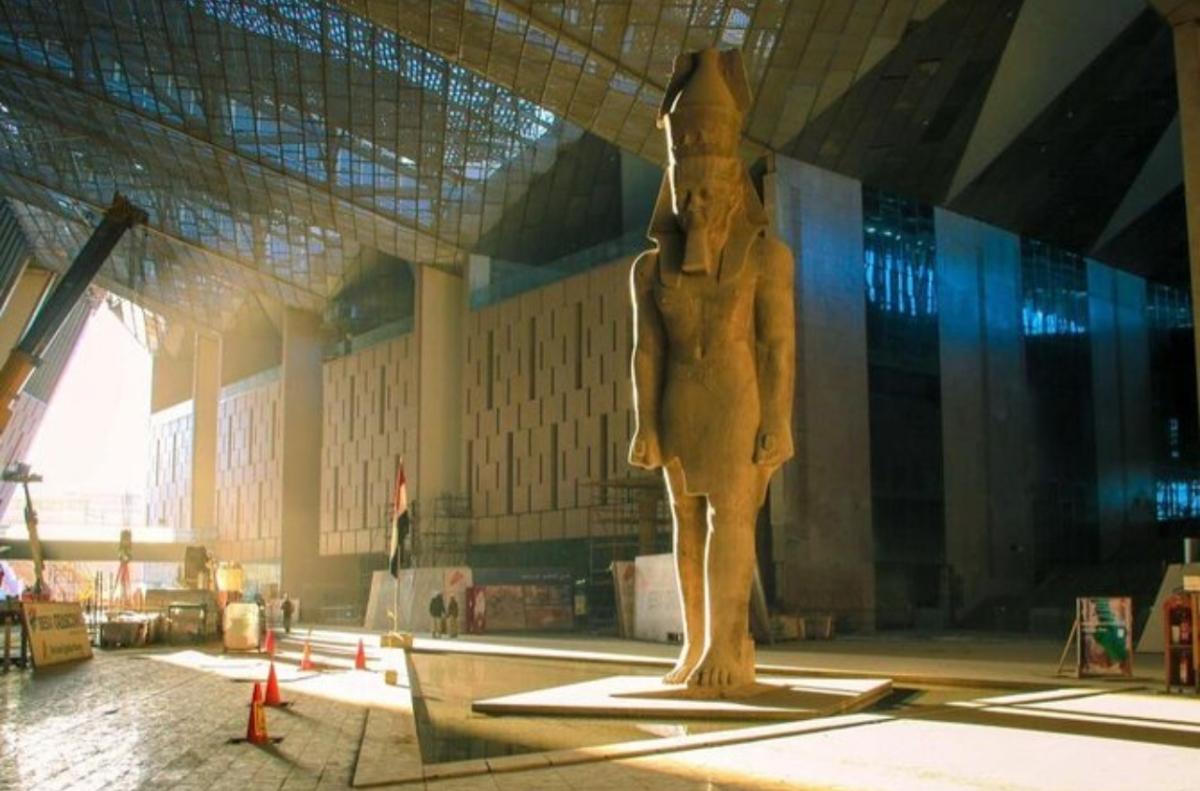
Museum visits can complement archaeological sightseeing. The Grand Egyptian Museum, located close to the Giza plateau, allows visitors to encounter ancient artifacts in a museum environment after seeing the monumental architecture for which Giza is famous.
A cultural itinerary can also introduce travelers to modern Egyptian life around Giza. Local food, traditional crafts and neighborhood experiences can provide a contrast to the archaeological sites and demonstrate that Giza is both an ancient destination and part of a living modern metropolis.
Private cultural tours can be adapted according to individual interests, including archaeology, architecture, photography and ancient Egyptian religion.
El Giza Historical Tours focus on the development of one of the most influential civilizations in world history. The monuments around Giza provide a direct connection to Egypt's Old Kingdom and the pharaohs of the Fourth Dynasty.
The Great Pyramid of Khufu is the largest of the three principal pyramids at Giza. Its scale and construction have made it one of the most studied monuments of the ancient world. Visitors can examine the pyramid from the plateau and, when access and ticket conditions permit, selected interior areas may also be open to visitors.
Nearby stands the Pyramid of Khafre, which can appear taller because of its elevated position on the plateau. The Pyramid of Menkaure is smaller but remains an essential component of the Giza complex.
Travelers interested in understanding how pyramid architecture developed can extend their historical tour to Saqqara. The Step Pyramid of Djoser predates the major pyramids at Giza and represents a crucial stage in the development of monumental stone architecture in ancient Egypt.
The ancient city of Memphis, historically an important political and religious center, can also be incorporated into a full-day archaeological itinerary. Many programs combine Giza, Saqqara and Memphis to provide a broader chronological understanding of ancient Egyptian history.
For an even more detailed exploration of pyramid development, Dahshur can be added to longer itineraries. Its Bent Pyramid and Red Pyramid provide important examples of the architectural experimentation that preceded the Great Pyramid of Giza.
Great Pyramid of Giza: Constructed for Pharaoh Khufu during the Old Kingdom, the Great Pyramid is the largest pyramid at Giza and the only surviving Wonder of the Ancient World. It remains the principal attraction for many visitors to Egypt.
Pyramid of Khafre: The second major pyramid on the Giza plateau was constructed for Pharaoh Khafre. Its elevated position and surviving casing stones near the summit make it visually distinctive.
Pyramid of Menkaure: The smallest of Giza's three principal pyramids was constructed for Pharaoh Menkaure. Together, the three pyramids dominate the archaeological landscape of the plateau.
Great Sphinx of Giza: The monumental Sphinx is one of Egypt's most famous ancient sculptures. Its location near the pyramid complex makes it an essential part of most Giza tours.
Grand Egyptian Museum: Situated near the Giza plateau, the museum provides an extensive introduction to ancient Egyptian civilization through archaeological collections and exhibitions. It can be conveniently combined with pyramid sightseeing.
Saqqara Necropolis: Saqqara is one of Egypt's most important archaeological areas and contains monuments spanning different periods of ancient Egyptian history. It is particularly famous for the Step Pyramid complex.
Step Pyramid of Djoser: Designed during the Third Dynasty, the Step Pyramid represents an important stage in the evolution from earlier tomb structures toward the later pyramid form seen at Giza.
Memphis: The remains of ancient Memphis provide insight into one of Egypt's most important early cities. Archaeological remains and surviving artifacts make it a valuable addition to history-focused itineraries.
Because these attractions cover a wide geographic area, travelers should plan realistic sightseeing schedules. Giza and the Grand Egyptian Museum can form one itinerary, while Saqqara, Memphis and Dahshur can be explored as part of a longer archaeological excursion.