
Free Cancellation
-high.jpg&w=1920&q=75 "14 Day Luxury Egypt Tour: Cairo, Nile Cruise, Luxor & Aswan")
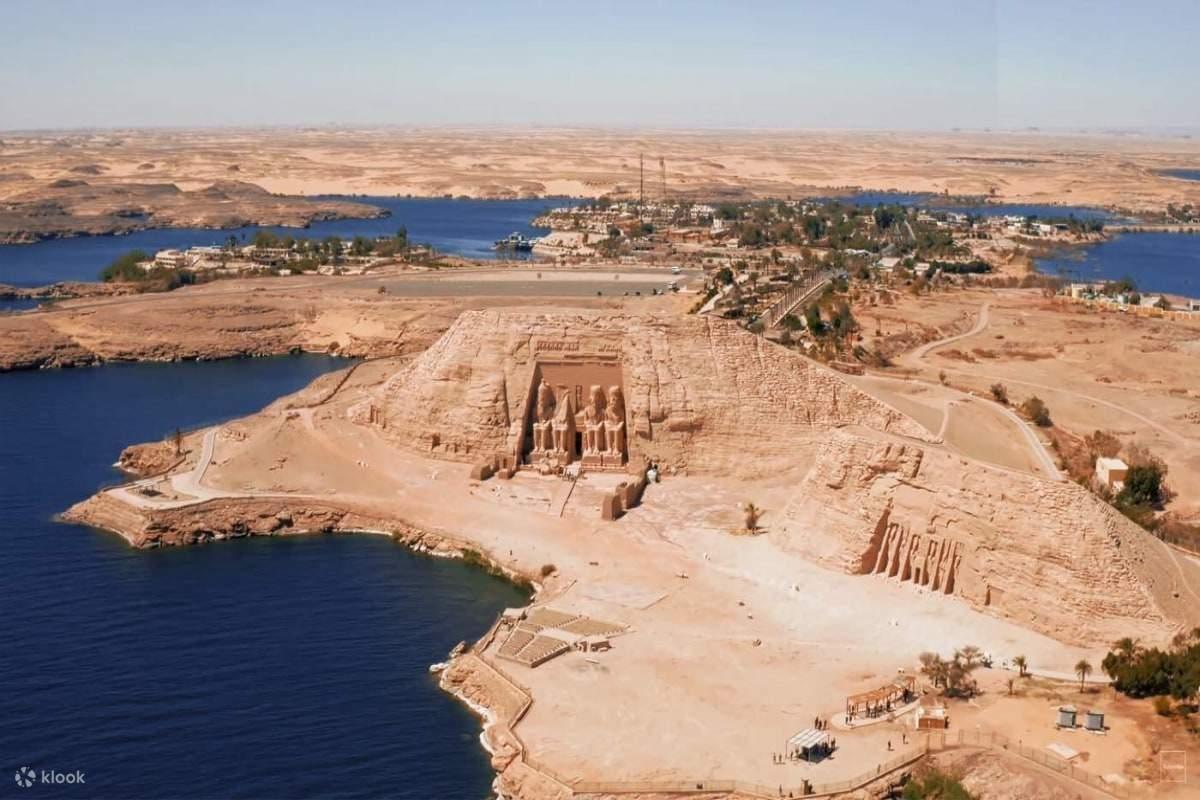
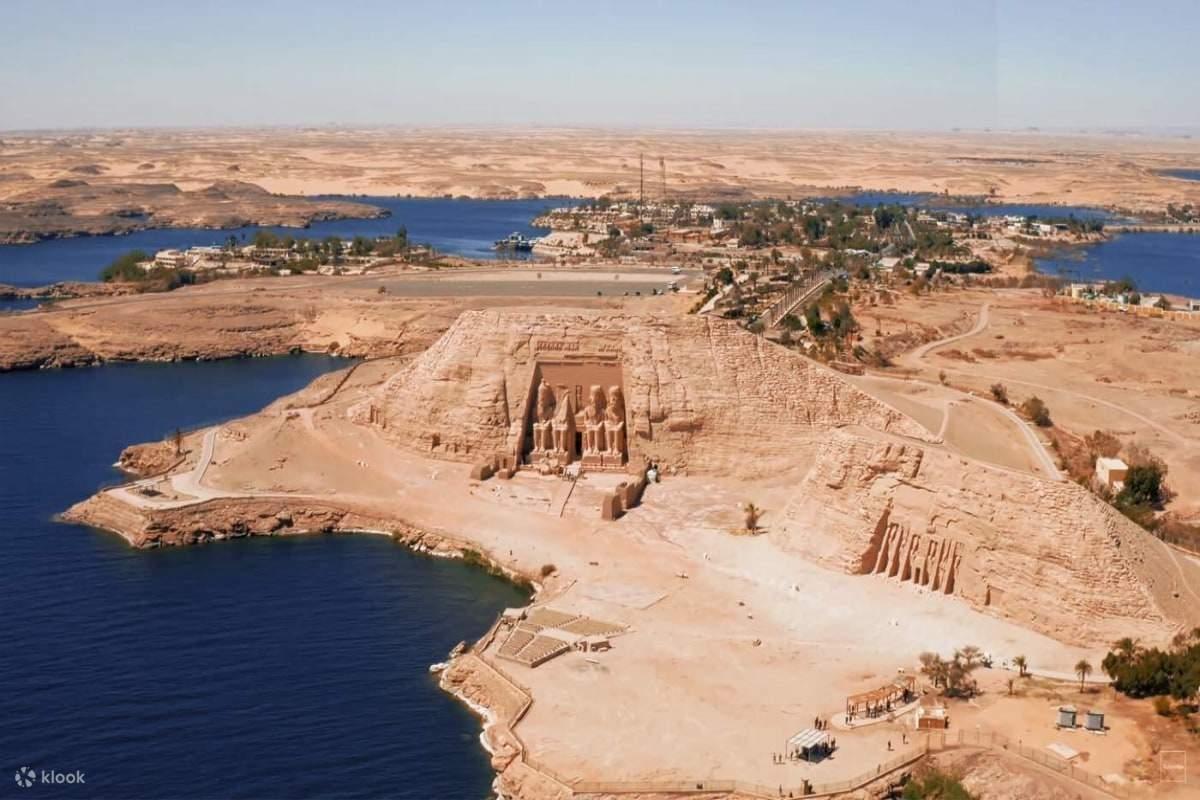
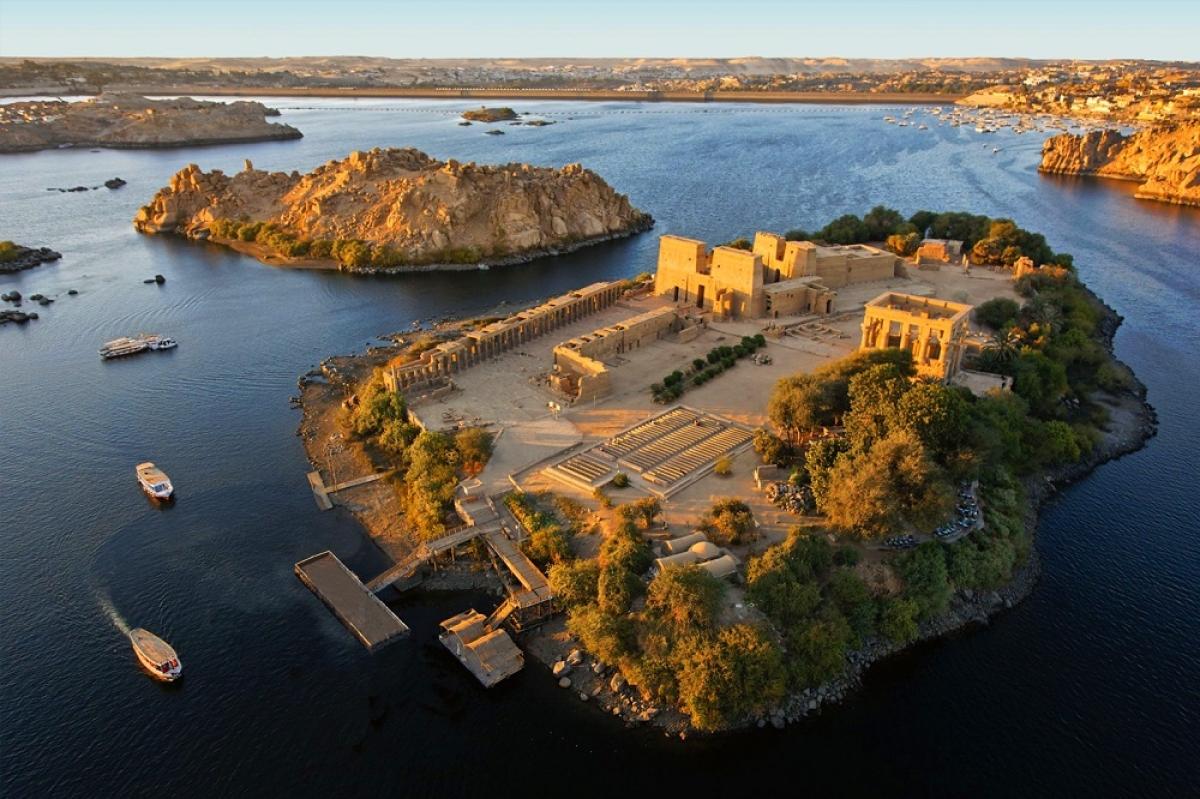
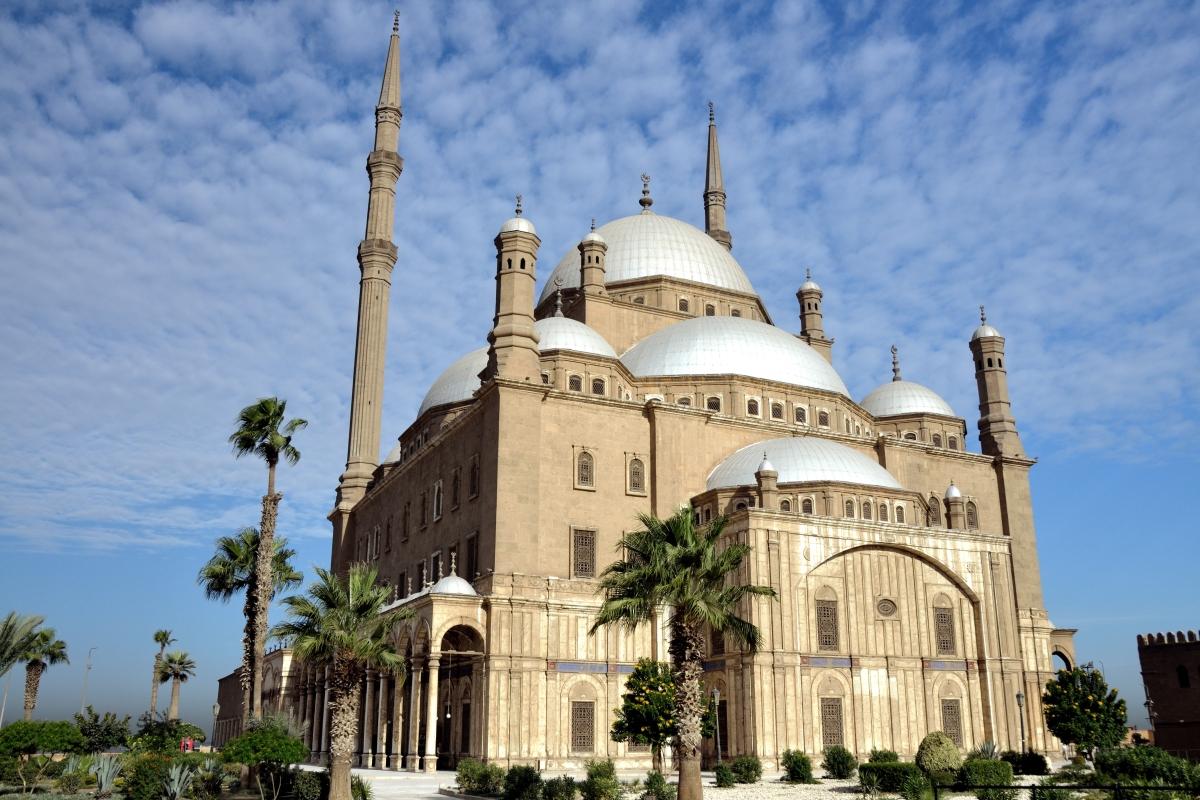
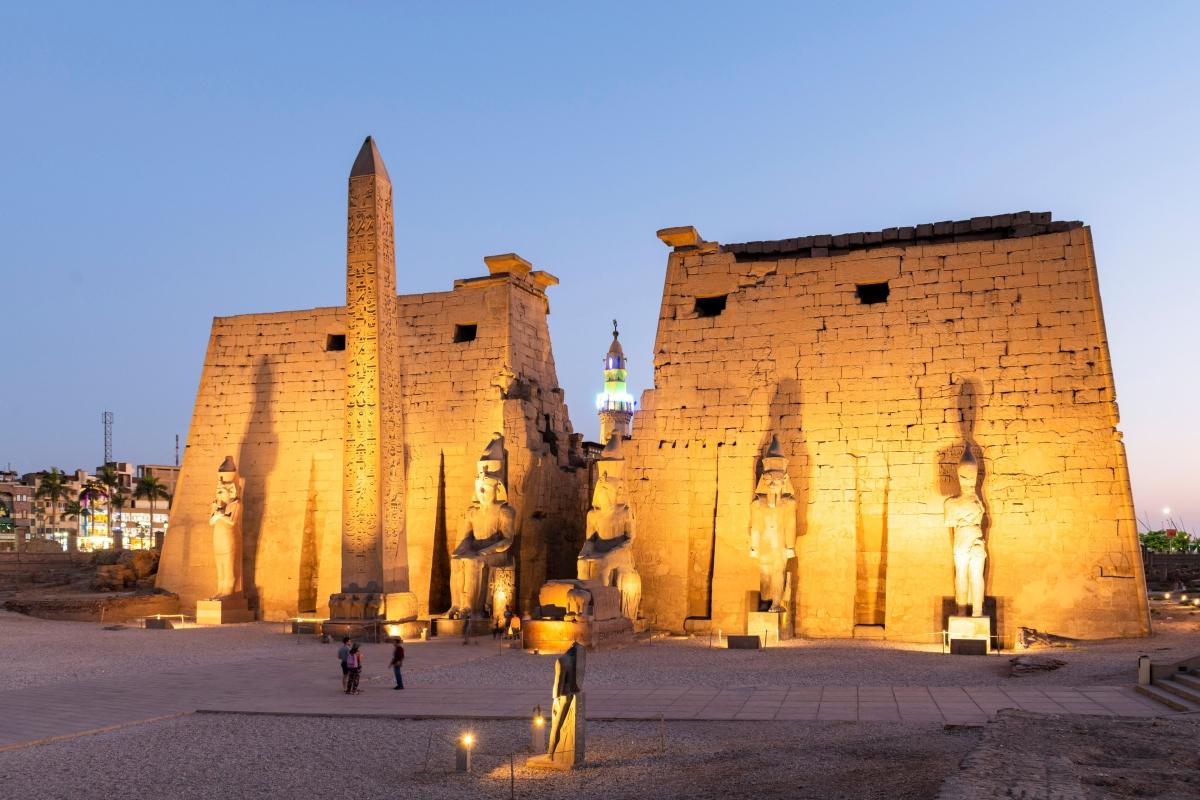
Abu Simbel Tours take travelers to one of the most important archaeological complexes in southern Egypt. Located near the shores of Lake Nasser, close to Egypt's border with Sudan, Abu Simbel is best known for two monumental rock-cut temples constructed during the reign of Pharaoh Ramesses II.
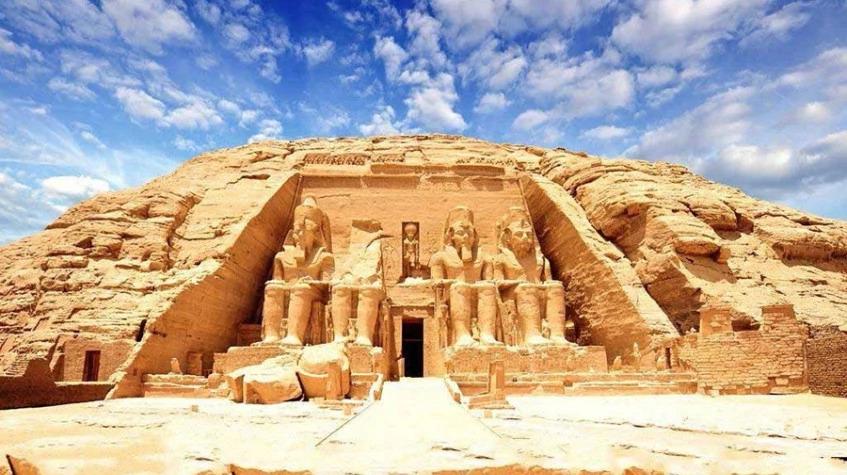
The site consists of the Great Temple of Ramesses II and the smaller temple dedicated to Queen Nefertari and the goddess Hathor. Their colossal statues, detailed reliefs and remarkable relocation during the 20th century have made Abu Simbel an important part of Egypt's archaeological heritage and the UNESCO-listed Nubian Monuments.
Most travelers visit Abu Simbel from Aswan, either by road or air. The temples can be explored as a day trip or incorporated into longer Egypt itineraries covering Cairo, Luxor, Aswan and the Nile Valley.
The Great Temple is the largest and most recognizable monument at Abu Simbel. Constructed during the reign of Ramesses II in the 13th century BCE, its façade is dominated by four colossal seated statues of the pharaoh.
Inside, visitors pass through chambers decorated with reliefs depicting Ramesses II, religious ceremonies and military scenes. One of the most notable representations relates to the Battle of Kadesh, an important event during the reign of Ramesses II.
The temple's design also incorporates a solar alignment associated with the inner sanctuary, a feature that continues to attract visitors during the Abu Simbel Sun Festival.
The smaller temple at Abu Simbel was dedicated to Queen Nefertari and Hathor, the ancient Egyptian goddess associated with love, music and motherhood.
Its façade features six large standing statues representing Ramesses II and Nefertari. The prominence given to the queen makes the temple particularly significant, as Egyptian royal monuments rarely represented queens on a scale comparable to the pharaoh.
Inside the temple, columns and wall reliefs depict Nefertari, Ramesses II and several ancient Egyptian deities.
Together, the two temples form the Abu Simbel Temple Complex, part of the UNESCO World Heritage property known as the Nubian Monuments from Abu Simbel to Philae.
The temples are also internationally recognized for their extraordinary relocation. During the construction of the Aswan High Dam and the creation of Lake Nasser, rising water threatened numerous Nubian monuments.
An international preservation campaign led to the temples being carefully dismantled and reconstructed on higher ground during the 1960s. The project remains one of the most significant archaeological conservation efforts of the modern era.
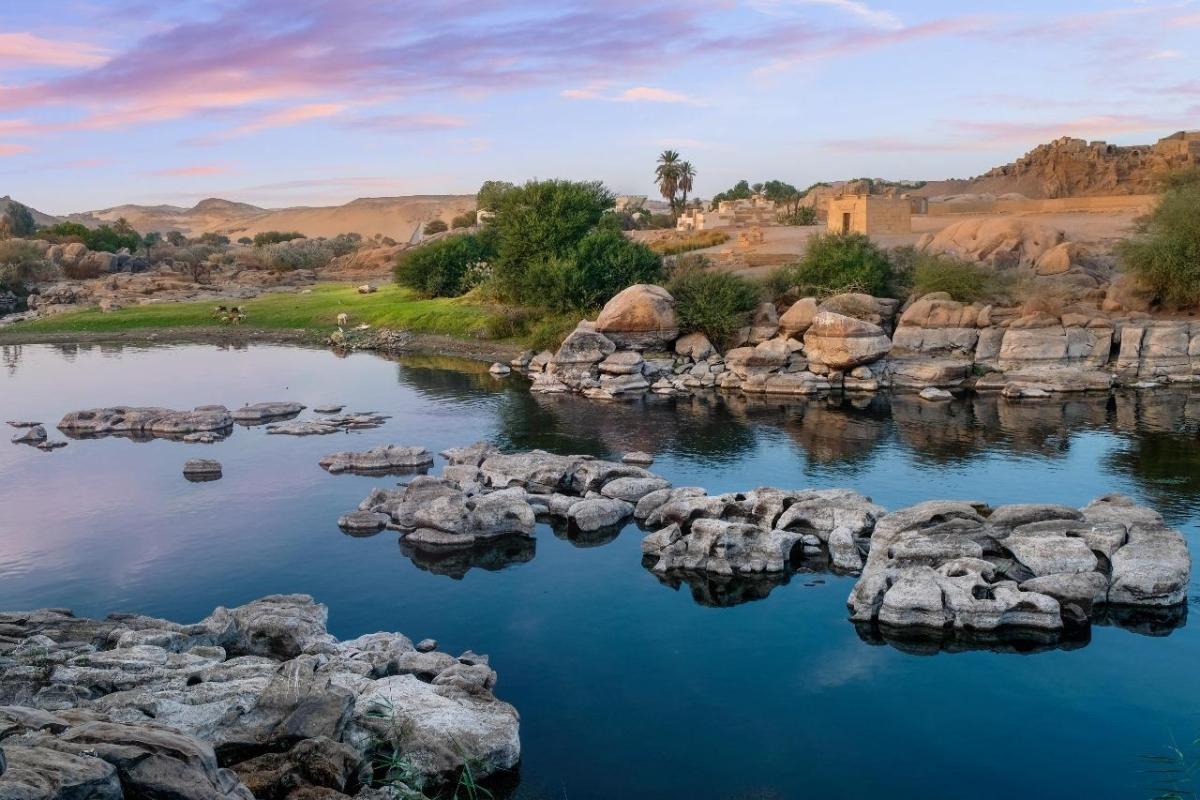
Lake Nasser forms the dramatic landscape surrounding Abu Simbel. Created following the construction of the Aswan High Dam, it extends across a vast area of southern Egypt and northern Sudan.
The lake transformed the geography of Nubia and was one of the primary reasons archaeological monuments in the region required relocation. Today, its waters provide a distinctive backdrop to the Abu Simbel temples.
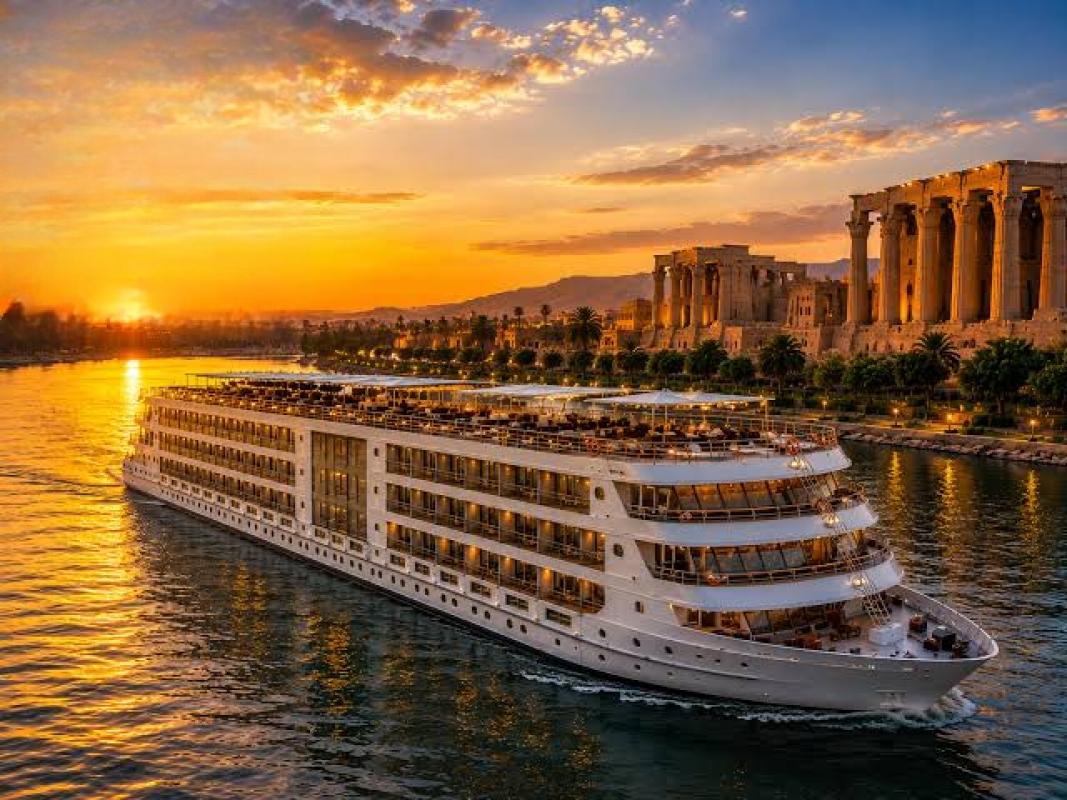
Some Egypt itineraries also explore Lake Nasser by cruise, connecting archaeological sites across southern Egypt while offering an alternative to the more familiar Nile cruises between Luxor and Aswan.
Abu Simbel Tour Packages can be arranged as dedicated excursions or incorporated into broader journeys through Upper Egypt. Most visitors reach the temples from Aswan, making the city the principal gateway to Abu Simbel.
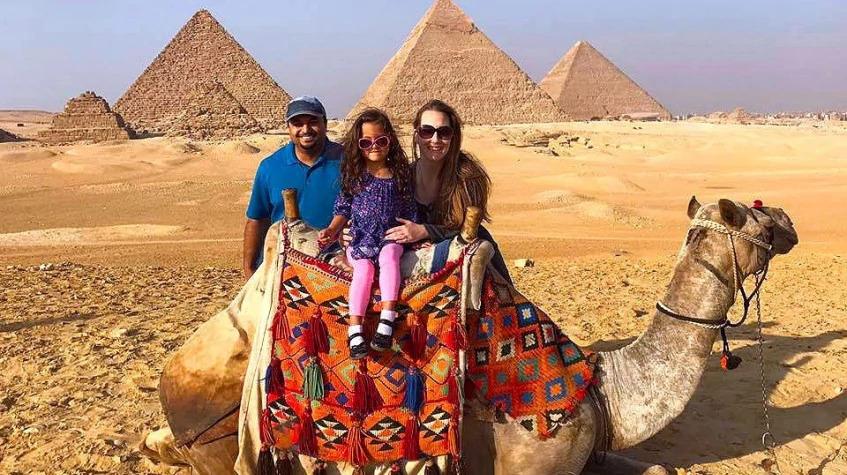
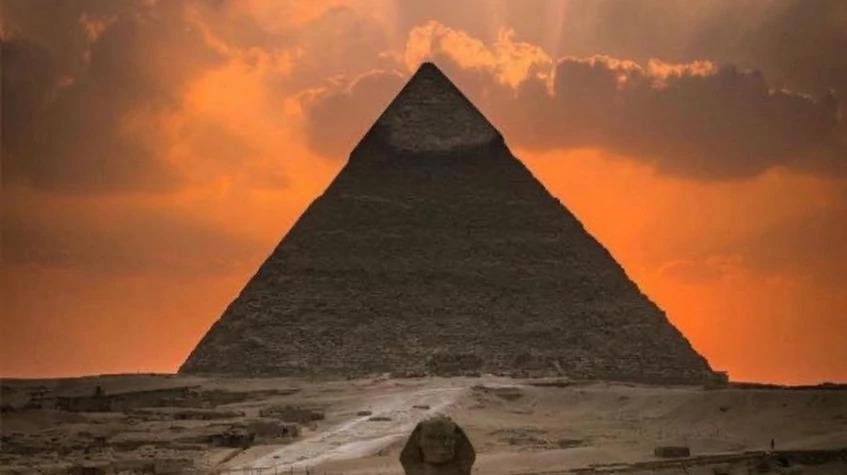
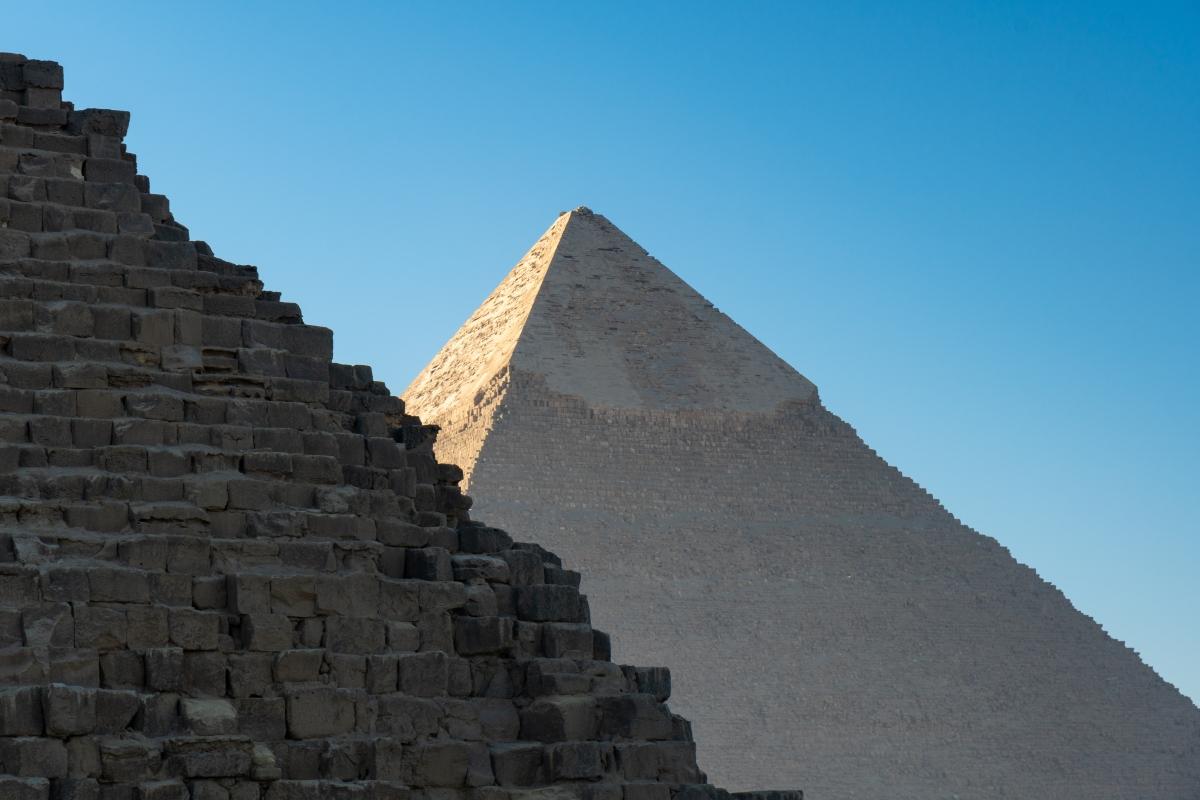
Multi-day packages frequently combine Cairo, Luxor and Aswan before continuing to Abu Simbel. Depending on the itinerary, travelers may also visit the Giza Pyramids, Valley of the Kings, Karnak Temple, Edfu, Kom Ombo and Philae Temple.
Abu Simbel can also be incorporated into Nile and Lake Nasser travel programs, creating a more comprehensive exploration of Ancient Egyptian and Nubian heritage.
Abu Simbel Day Tours from Aswan are one of the most common ways to visit the temples. The archaeological complex is located approximately 280 kilometers south of Aswan, and road excursions generally require an early morning departure.
Upon arrival, travelers explore both the Great Temple of Ramesses II and the Temple of Queen Nefertari before returning to Aswan. Guided tours provide historical context about Ramesses II, Nubian history, temple architecture and the relocation of the monuments.
Flights between Aswan and Abu Simbel may also be available depending on schedules, providing an alternative for travelers who prefer to reduce road travel time.
Private Abu Simbel Tours provide greater flexibility for travelers who prefer personalized transportation and guiding services. These programs can be organized from Aswan and adjusted according to the wider Egypt itinerary.
A private guide can provide more detailed explanations of the temples' reliefs, architecture and religious symbolism while allowing travelers to explore the archaeological complex at a more individualized pace.
Private arrangements are particularly suitable for couples, families, photographers and small groups, as well as travelers combining Abu Simbel with other archaeological destinations in southern Egypt.
Abu Simbel & Aswan Tours combine the monumental temples of Ramesses II with the archaeological and cultural attractions of Aswan. This combination provides a broader introduction to the history of ancient Nubia and southern Egypt.
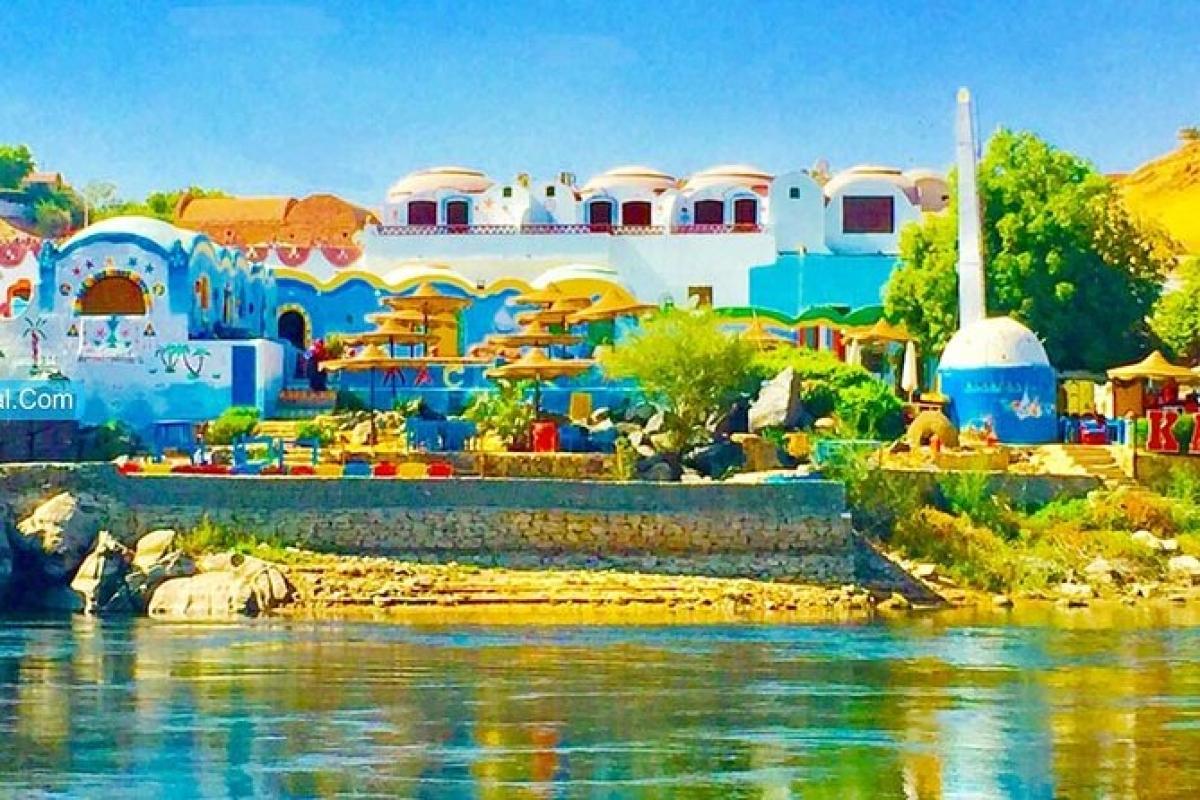
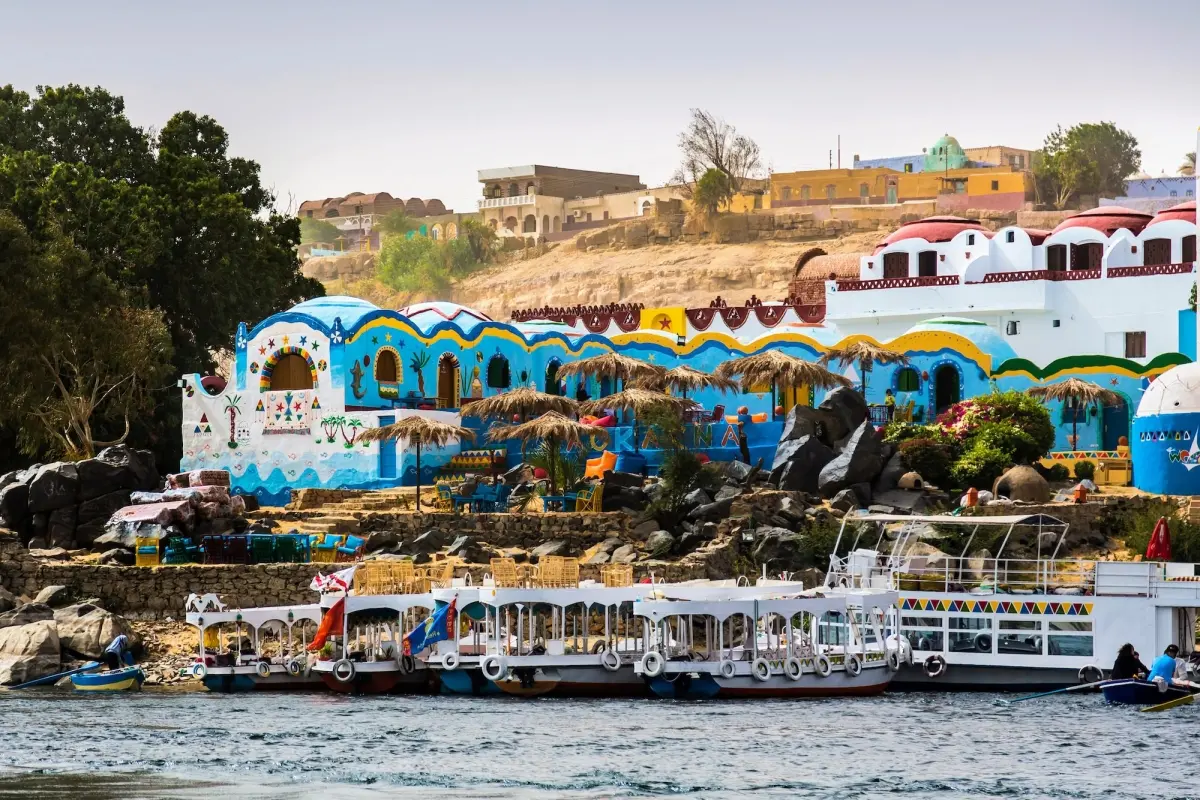
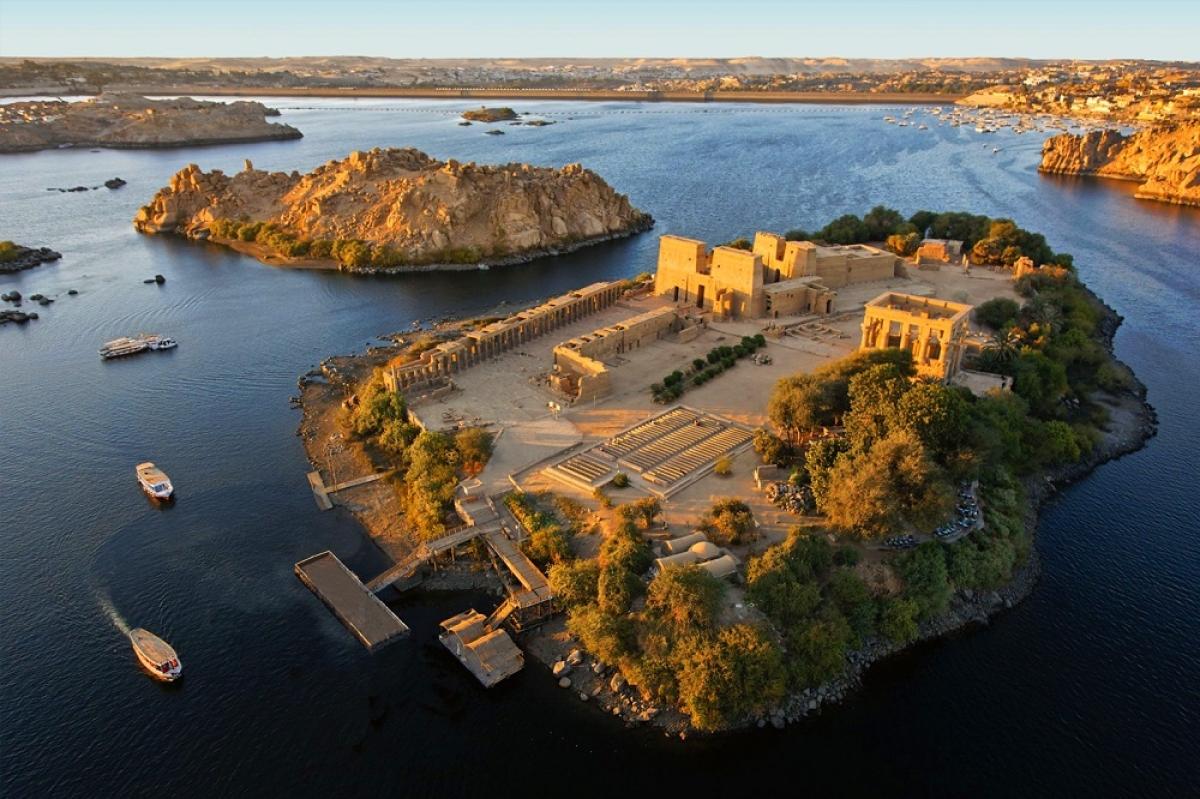
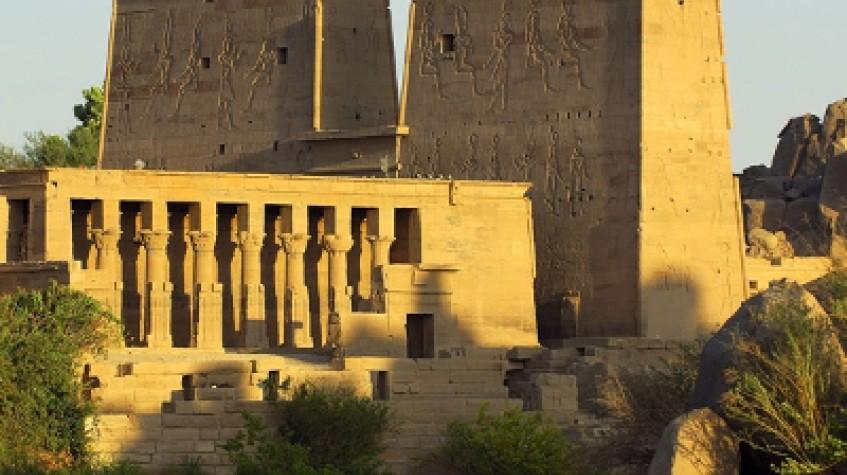
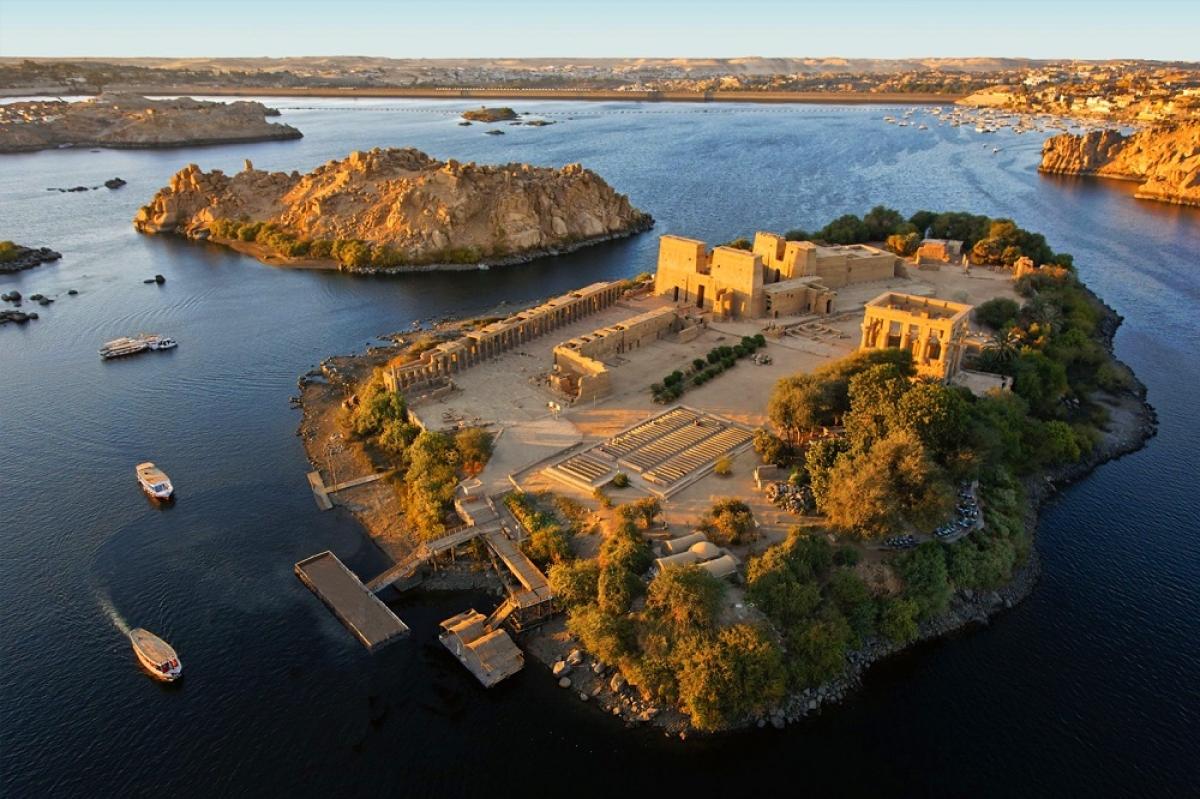
In Aswan, itineraries can include Philae Temple, the Unfinished Obelisk, Aswan High Dam, Elephantine Island and experiences connected with Nubian culture. Travelers can then continue south to Abu Simbel for a dedicated visit to its two rock-cut temples.
These programs can also form part of longer journeys connecting Aswan with Kom Ombo, Edfu and Luxor, either by road or through a Nile Cruise itinerary.
The Abu Simbel Sun Festival is associated with the solar alignment of the Great Temple of Ramesses II. Around February 22 and October 22 each year, sunlight penetrates deep into the temple and illuminates statues within the inner sanctuary.
The phenomenon attracts visitors to Abu Simbel for special early-morning programs and cultural events. Because these dates are particularly popular, accommodation and transportation in the region can experience increased demand.
Travelers specifically planning to attend the Sun Festival should therefore arrange their itinerary well in advance and verify the exact event schedule for their year of travel.
The most comfortable period for Abu Simbel Tours is generally between October and April. Temperatures in southern Egypt are milder during these months, making outdoor sightseeing around the temple complex considerably more comfortable.
December through February can be particularly pleasant for archaeological sightseeing, although early mornings may feel cooler. February and October also attract additional visitors around the dates associated with the Abu Simbel Sun Festival.
Summer temperatures in southern Egypt can become extremely high. Travelers visiting during warmer months generally benefit from early-morning departures and should prepare appropriately for prolonged exposure to heat and sun.