
Free Cancellation
-high.jpg&w=1920&q=75 "17 Days Turkey Egypt Delight Tour")
-high.jpg&w=1920&q=75 "14 Days Istanbul to Cairo Combined Tour")
-high.jpg&w=1920&q=75 "15 Days Wonders of Turkey Egypt Combined Tour")
-high.jpg&w=1920&q=75 "8 Days Egypt Total Solar Eclipse Tour 2027 – Nile Cruise & Cairo Experience")
-high.jpg&w=1920&q=75 "4 Days 3 Nights Cruise from Aswan to Luxor")



-high.jpg&w=1920&q=75 "14 Day Luxury Egypt Tour: Cairo, Nile Cruise, Luxor & Aswan")
Kom Ombo Tours explore one of Upper Egypt's most distinctive archaeological destinations, located directly beside the Nile River between Edfu and Aswan. The town is primarily known for the Temple of Kom Ombo, an unusual ancient temple complex dedicated to two different deities and designed around a largely symmetrical architectural plan.
Kom Ombo is frequently visited as part of Nile Cruise itineraries between Luxor and Aswan. Tours generally focus on the temple complex, its religious reliefs and the nearby Crocodile Museum, while longer itineraries connect Kom Ombo with Edfu, Aswan and other important archaeological destinations along the Nile Valley.
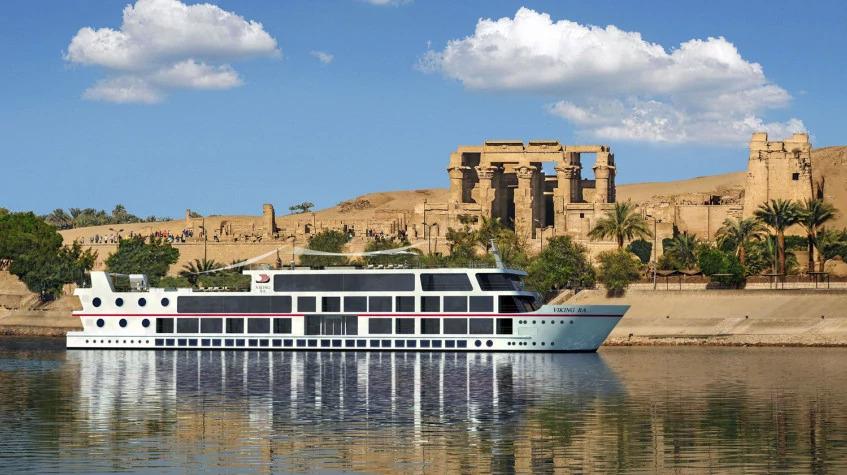
The Temple of Kom Ombo stands on an elevated position overlooking the Nile and is the principal historical attraction in the area. Much of the surviving complex dates to the Ptolemaic and Roman periods, although the location had religious significance before the construction of the present temple.
One of the most interesting characteristics of the temple is its double design. Many architectural elements were duplicated to serve two sets of religious rituals, giving the complex a structure that distinguishes it from most other ancient Egyptian temples.
The walls and columns contain detailed reliefs, hieroglyphic inscriptions and representations of gods and rulers. Guided tours help visitors understand the religious ceremonies, symbolism and historical development of the site.
The Temple of Kom Ombo is also known as the Temple of Sobek and Haroeris because it was dedicated to two principal deities. Sobek, represented as a crocodile or a man with a crocodile head, was associated with the Nile, fertility and protection.
Haroeris, a form of the falcon-headed god Horus, occupied the other side of the temple's religious arrangement. Separate sanctuaries, halls and ceremonial spaces were created for the two divine cults.
This dual dedication provides visitors with an opportunity to examine how different religious traditions could exist within a single monumental complex in Ancient Egypt.
The Crocodile Museum is located close to the Temple of Kom Ombo and provides additional context for understanding the worship of Sobek. The museum displays mummified crocodiles and archaeological objects associated with the crocodile god and religious practices of the region.
Ancient Egyptians living around Kom Ombo had a particularly strong connection with crocodiles because of their presence in the Nile. Visiting the museum after the temple helps explain why Sobek became such an important deity in this part of Upper Egypt.
The Nile River is central to both the ancient history and modern tourism of Kom Ombo. The temple's location immediately beside the river made the area strategically and economically important while also connecting the site with agricultural communities throughout the Nile Valley.
Today, many visitors arrive in Kom Ombo aboard Nile cruise ships. The riverside location makes it possible to visit the temple during a scheduled cruise stop before continuing toward Edfu, Aswan or Luxor.
Kom Ombo Tour Packages are generally incorporated into broader Upper Egypt itineraries rather than being limited to the town itself. Packages can combine Kom Ombo with Edfu, Aswan, Luxor and other archaeological sites along the Nile.
Depending on the itinerary, packages may include accommodation, transportation, professional guiding services, Nile Cruise accommodation and selected entrance fees. Longer Egypt tours can also connect Upper Egypt with Cairo, the Giza Pyramids, Abu Simbel and other major destinations.
These programs are particularly suitable for travelers interested in Ancient Egyptian religion, archaeology and the historical development of communities along the Nile.
Kom Ombo Temple Tours focus on the architecture, religious symbolism and archaeological importance of the Temple of Sobek and Haroeris. Guided visits explain the temple's unusual double design and the roles played by its two principal deities.
Visitors can examine columns, courtyards, sanctuaries, hieroglyphic inscriptions and wall reliefs while learning about religious ceremonies during the Ptolemaic and Roman periods.
A visit to the nearby Crocodile Museum is often combined with the temple, providing additional information about Sobek worship and the relationship between crocodiles, the Nile and ancient Egyptian religious beliefs.
Kom Ombo is a regular stop on many Nile Cruise itineraries operating between Luxor and Aswan. Its riverside location allows cruise passengers to reach the archaeological complex conveniently during their journey through Upper Egypt.
Depending on the direction of travel, cruises may visit Edfu and the Temple of Horus before reaching Kom Ombo or continue south toward Aswan after the visit. Longer itineraries connect these sites with Karnak Temple, Luxor Temple, the Valley of the Kings and Philae Temple.
A Nile Cruise therefore provides a practical way to experience Kom Ombo as part of a broader archaeological journey through the Nile Valley.
Edfu, Kom Ombo & Aswan Tours connect three important destinations along the Nile and are commonly incorporated into Upper Egypt travel programs. Edfu introduces travelers to the exceptionally well-preserved Temple of Horus before the journey continues south toward Kom Ombo.
At Kom Ombo, visitors explore the dual temple dedicated to Sobek and Haroeris and can visit the Crocodile Museum. The route then continues toward Aswan, where major attractions include Philae Temple, the Aswan High Dam, Elephantine Island and Nubian cultural experiences.
Travelers can also extend their journey south from Aswan to the Abu Simbel Temples, creating a more comprehensive exploration of southern Egypt.
Private Kom Ombo Tours provide greater flexibility for travelers who want to explore the archaeological complex at their preferred pace. Professional guides can provide detailed explanations of the temple's architecture, mythology, hieroglyphics and religious significance.
Private programs can focus exclusively on Kom Ombo or combine the destination with Edfu and Aswan. They are particularly suitable for couples, families, photographers, small groups and travelers with a strong interest in Ancient Egyptian history.
The most comfortable time to visit Kom Ombo is generally between October and April, when temperatures in Upper Egypt are better suited to outdoor archaeological sightseeing. This period also corresponds with the popular Nile Cruise season between Luxor and Aswan.
Temperatures can become very high during summer, especially around midday. Travelers visiting during warmer months may find morning or late-afternoon sightseeing more comfortable, depending on their cruise or tour schedule.