

Free Cancellation






-high.jpg&w=1920&q=75 "Full Day Tour in Giza pyramids, Sakkara and Memphis")


-high.jpg&w=1920&q=75 "The Ultimate Egypt Experience: Pyramids & Grand Egyptian Museum")
El Giza Tours take travelers to the heart of Ancient Egypt, where some of the world's most recognizable archaeological monuments have stood for thousands of years. Located immediately west of Cairo, Giza is home to the Giza Pyramid Complex, the Great Sphinx and the only surviving Wonder of the Ancient World.
Tours can focus exclusively on the Giza Plateau or extend south to Saqqara and Memphis, creating a broader journey through the development of ancient Egyptian royal architecture. Guided programs provide historical context while allowing travelers to explore pyramids, temples, tombs and archaeological remains within a structured itinerary.
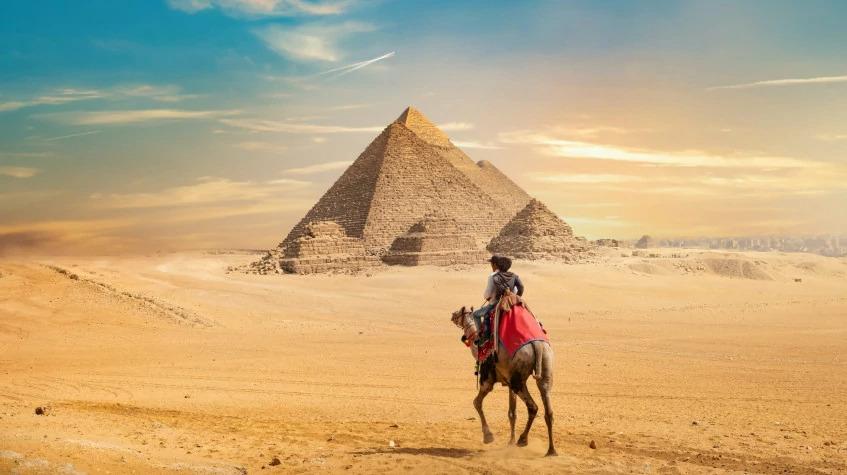
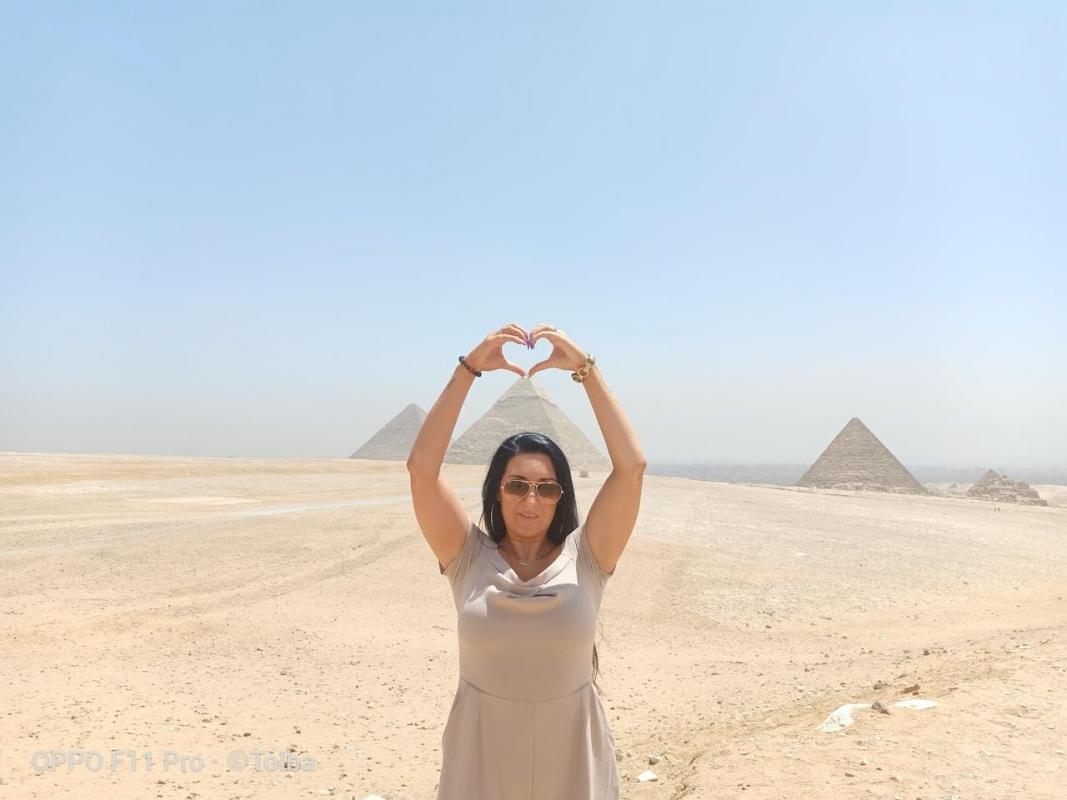
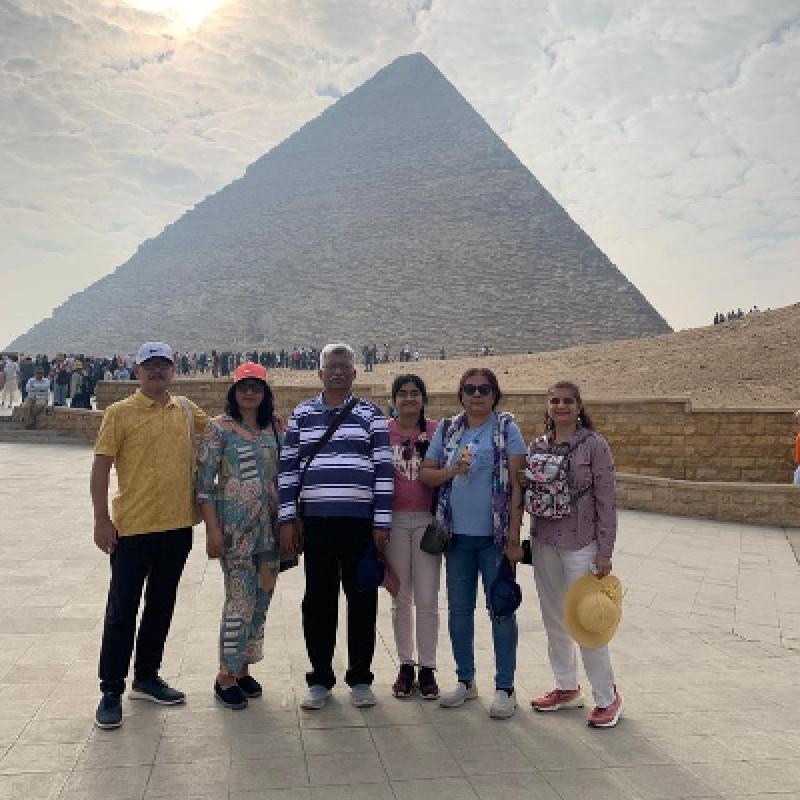
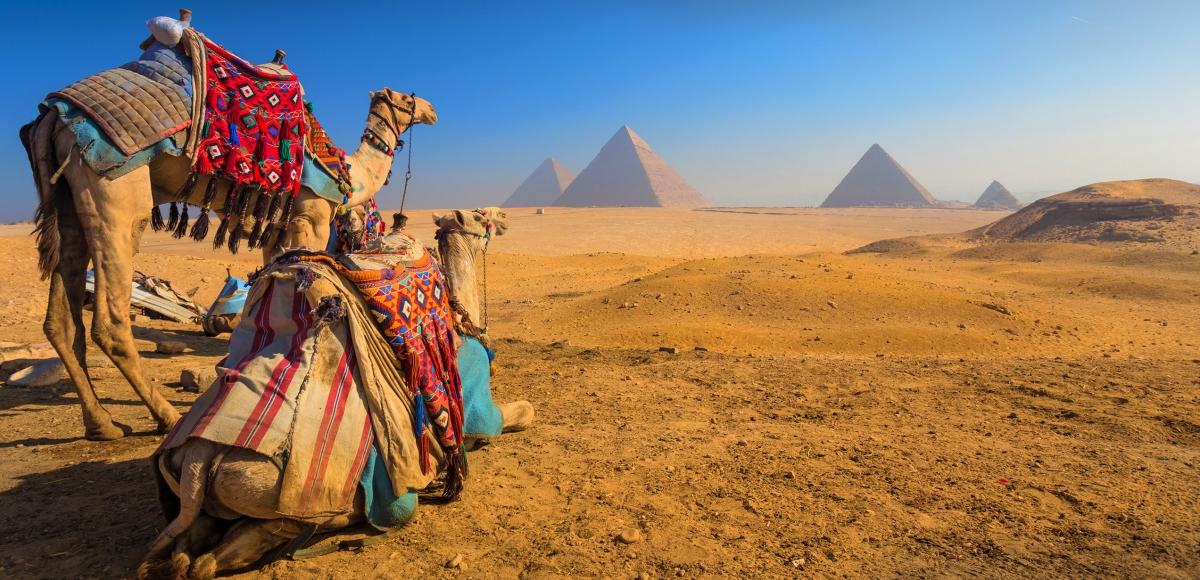
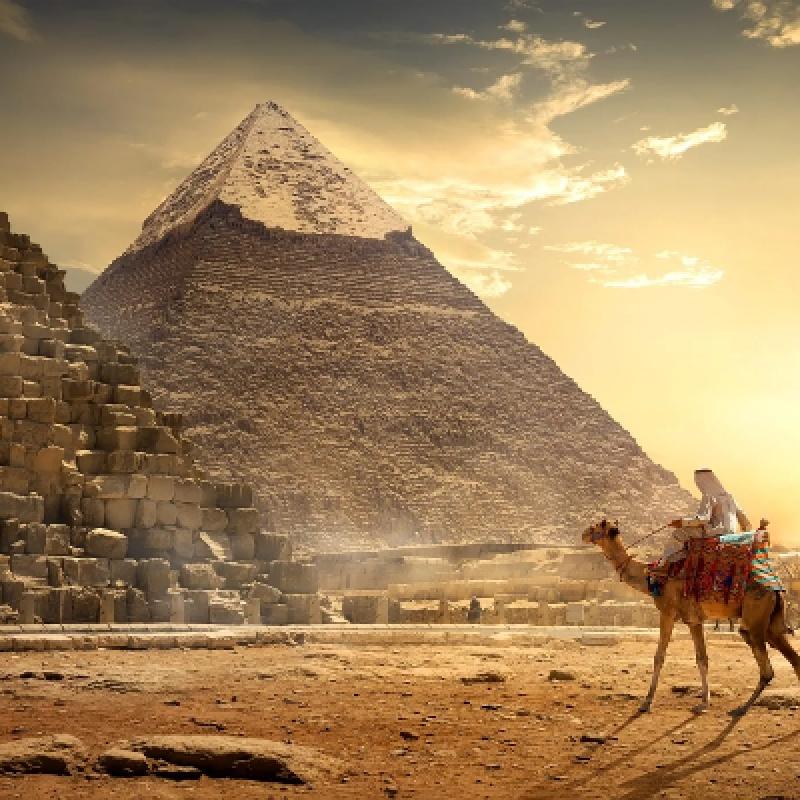
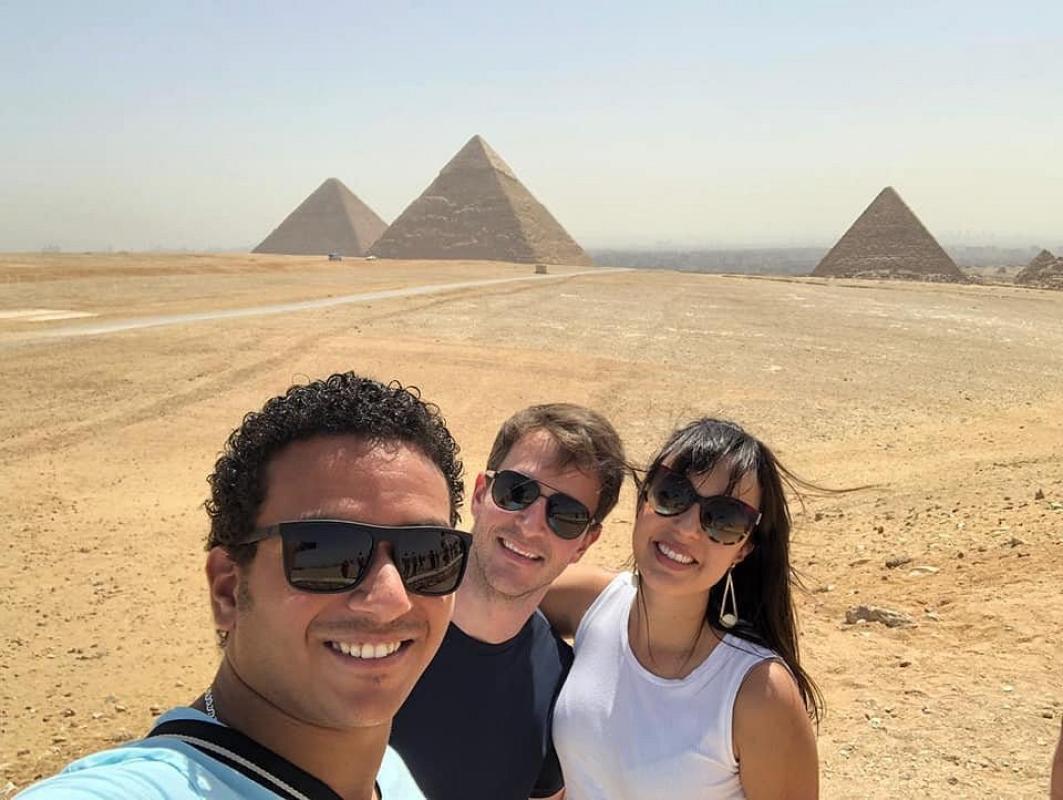
The Giza Pyramids are the principal attraction of the Giza Plateau and one of Egypt's most important archaeological complexes. The site contains the pyramids of Khufu, Khafre and Menkaure, together with smaller subsidiary pyramids, temples, tombs and other structures associated with the royal necropolis.
A guided visit explains how the complex developed during Egypt's Fourth Dynasty and provides insight into ancient construction methods, burial traditions and the role of the pharaohs in Egyptian society.
The Great Pyramid of Giza, also known as the Pyramid of Khufu or Cheops, is the largest pyramid on the Giza Plateau. Constructed during the Fourth Dynasty, it is the oldest and only surviving monument of the Seven Wonders of the Ancient World.
Visitors can examine the enormous limestone structure from several viewpoints, while certain ticket options may provide access to internal chambers. The monument remains central to understanding the engineering and architectural achievements of Ancient Egypt.
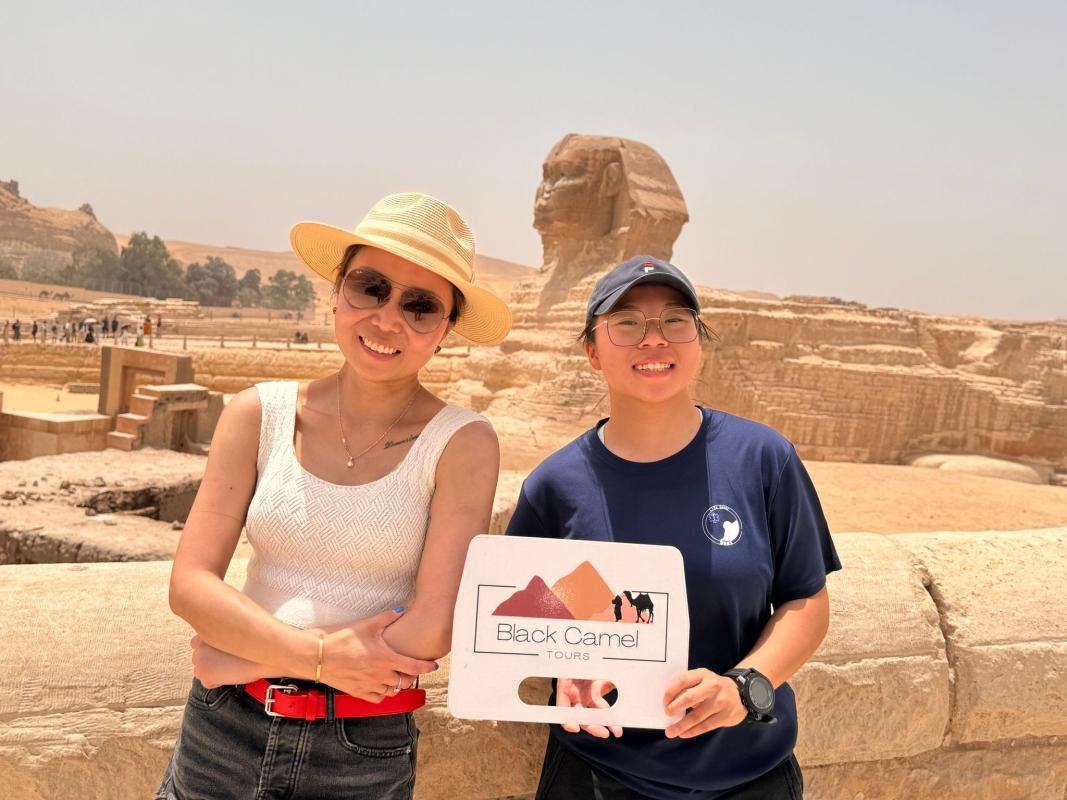
The Great Sphinx stands near the pyramid complex and features the body of a lion with a human head. Generally associated with Pharaoh Khafre, the monumental limestone sculpture has become one of the defining symbols of Ancient Egypt.
Tours of the Sphinx area also introduce visitors to the surrounding temples and archaeological structures, helping explain the relationship between the monument and the wider Giza funerary complex.
The Giza Plateau contains much more than the three famous pyramids. The archaeological landscape includes mortuary temples, causeways, smaller pyramids, ancient tombs and structures associated with the workers and communities involved in constructing the royal monuments.
Exploring the wider plateau provides important context for understanding how the pyramids functioned as part of extensive funerary complexes rather than as isolated monuments.
Saqqara is an extensive ancient burial ground located south of Giza and was the principal necropolis of the ancient Egyptian capital of Memphis. The archaeological area contains monuments representing different periods of Egyptian history, including pyramids, mastaba tombs and richly decorated burial chambers.
Its long history makes Saqqara particularly valuable for travelers interested in the development of Egyptian architecture and royal burial traditions.
The Step Pyramid of Djoser dominates the Saqqara archaeological complex and represents an important stage in the evolution of pyramid construction. Designed for Pharaoh Djoser during the Third Dynasty, it predates the major pyramids at Giza.
The monument is traditionally associated with the architect Imhotep and is widely recognized as one of the earliest monumental stone structures in Egypt. Its stepped design demonstrates the transition from earlier mastaba tombs toward later smooth-sided pyramids.
Memphis was one of the most important cities of Ancient Egypt and served as a major political, religious and administrative center. Although much of the ancient city has disappeared, the archaeological area preserves statues and monuments that illustrate its historical significance.
A visit to Memphis is commonly combined with Giza and Saqqara, allowing travelers to connect the royal necropolises with the ancient capital they once served.
El Giza Tour Packages range from short visits focused on the Giza Plateau to full-day archaeological programs covering multiple sites. Packages may include transportation, professional guiding services and visits to selected monuments depending on the itinerary.
Travelers interested primarily in the pyramids can choose a focused Giza experience, while history enthusiasts may prefer itineraries that combine Giza, Saqqara and Memphis. These longer programs provide a clearer overview of how pyramid construction and royal burial practices developed across different periods of Ancient Egyptian history.
Giza Pyramids Day Tours are suitable for travelers staying in Cairo or Giza who want to explore the pyramid complex within a single day. Programs typically cover the three main pyramids, panoramic viewpoints and the Great Sphinx.
Longer day tours can include Saqqara, the Step Pyramid of Djoser and Memphis. Private transportation and guided sightseeing make it possible to visit several archaeological areas efficiently while still allowing time to understand the historical importance of each location.
Giza Pyramids & Saqqara Tours connect two of Egypt's most important archaeological landscapes. Visiting both areas allows travelers to observe the development of pyramid architecture from the Step Pyramid of Djoser at Saqqara to the monumental pyramids constructed later at Giza.
Many itineraries also add Memphis, creating a comprehensive route through the ancient capital and its surrounding necropolises. This combination is particularly suitable for travelers interested in archaeology, architecture and the evolution of Ancient Egyptian civilization.