
Free Cancellation
-high.jpg&w=1920&q=75 "Luxor Flight Over day")

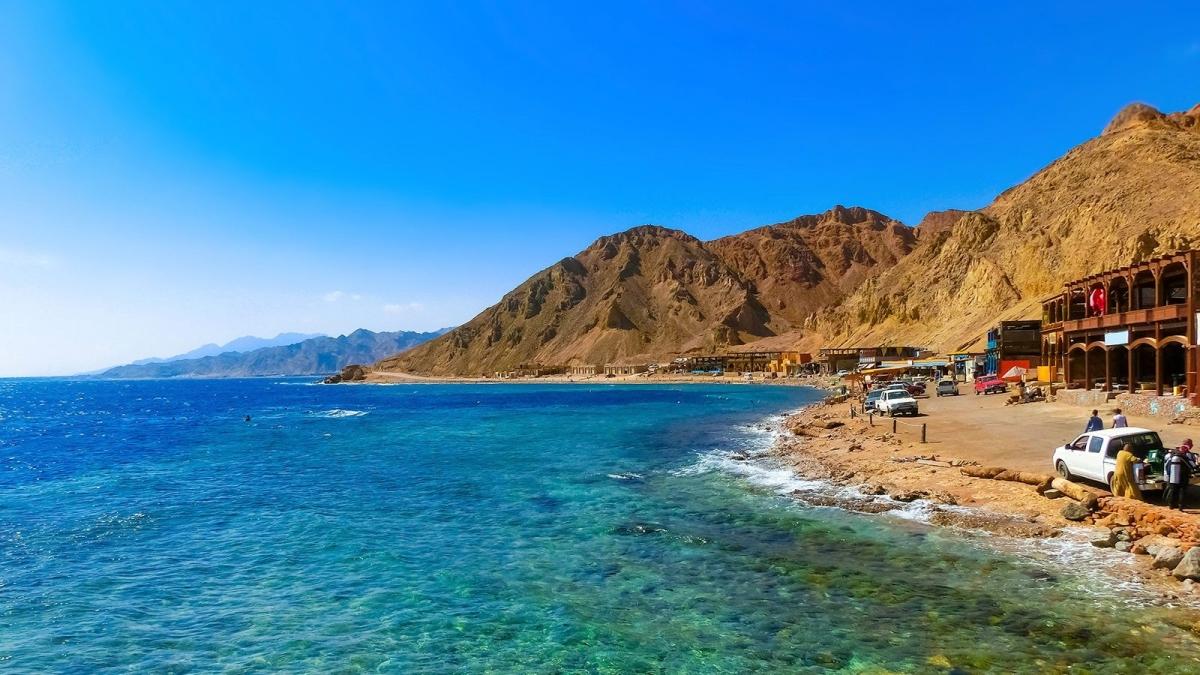


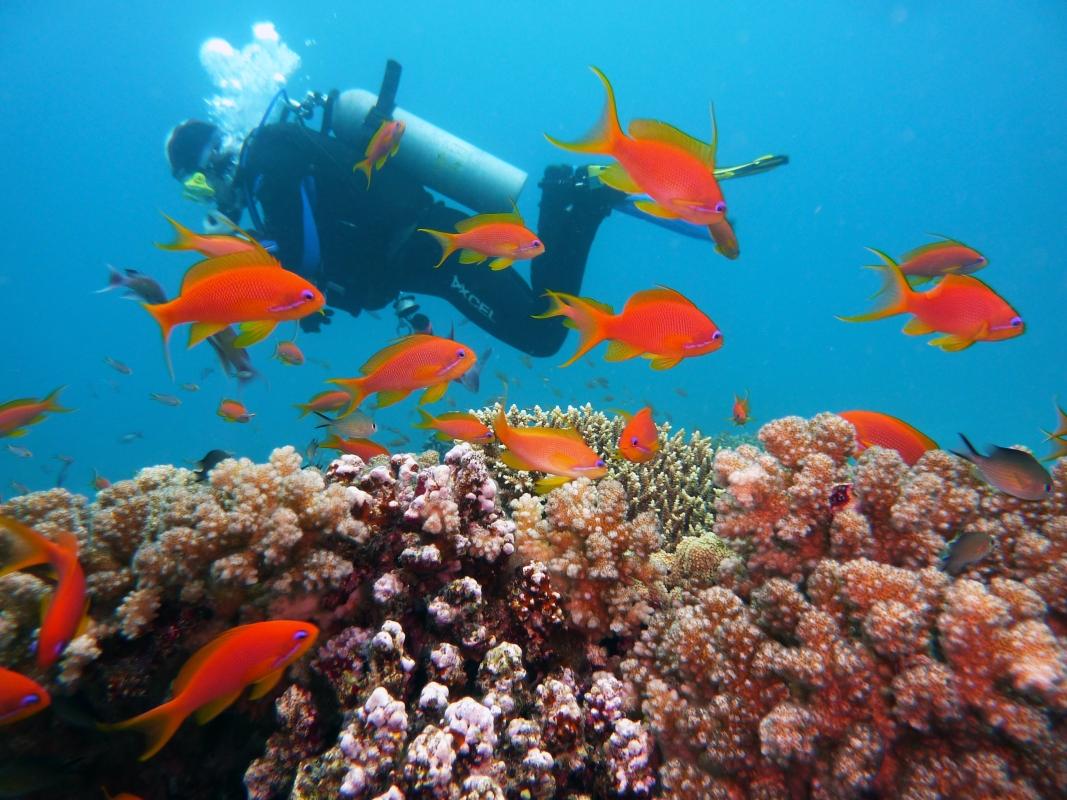
Sharm El-Sheikh Culture & Historical Tours offer travelers the opportunity to discover a different side of Egypt's famous Red Sea resort. While Sharm El-Sheikh is best known internationally for beaches, coral reefs, diving and luxury resorts, its location on the Sinai Peninsula provides access to religious landmarks, local communities, historic sites and some of the most significant cultural destinations in the wider region.
Within Sharm El-Sheikh, visitors can explore places such as Al Sahaba Mosque, the Old Market and the Heavenly Cathedral, while longer cultural and historical tours can travel deeper into Sinai toward Saint Catherine's Monastery and Mount Sinai.
The region's Bedouin heritage also forms an important part of Sinai's cultural identity. Selected excursions introduce visitors to aspects of traditional desert life, food, hospitality and the relationship between local communities and the surrounding landscape.
For travelers interested in history and religion, Sharm El-Sheikh can therefore serve as more than a beach destination. Cultural tours can be combined with a Red Sea holiday, allowing visitors to balance resort relaxation with historical sightseeing and exploration of the Sinai Peninsula.
Sharm El-Sheikh Cultural Tours introduce visitors to the religious, architectural and local influences that shape the destination and surrounding Sinai region.
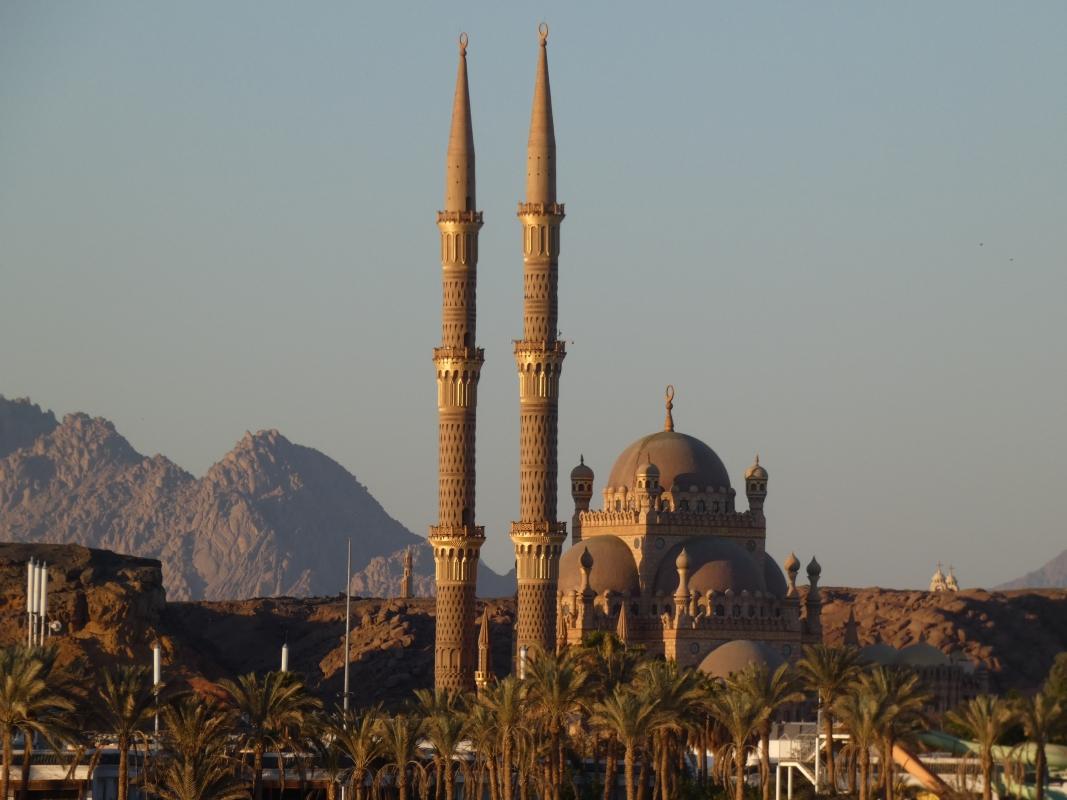
One of the most recognizable cultural landmarks in the city is Al Sahaba Mosque, located near the Old Market. Its striking architecture and prominent position make it one of Sharm El-Sheikh's best-known modern landmarks. Visitors can view the mosque as part of city sightseeing programs, subject to access rules and prayer times.
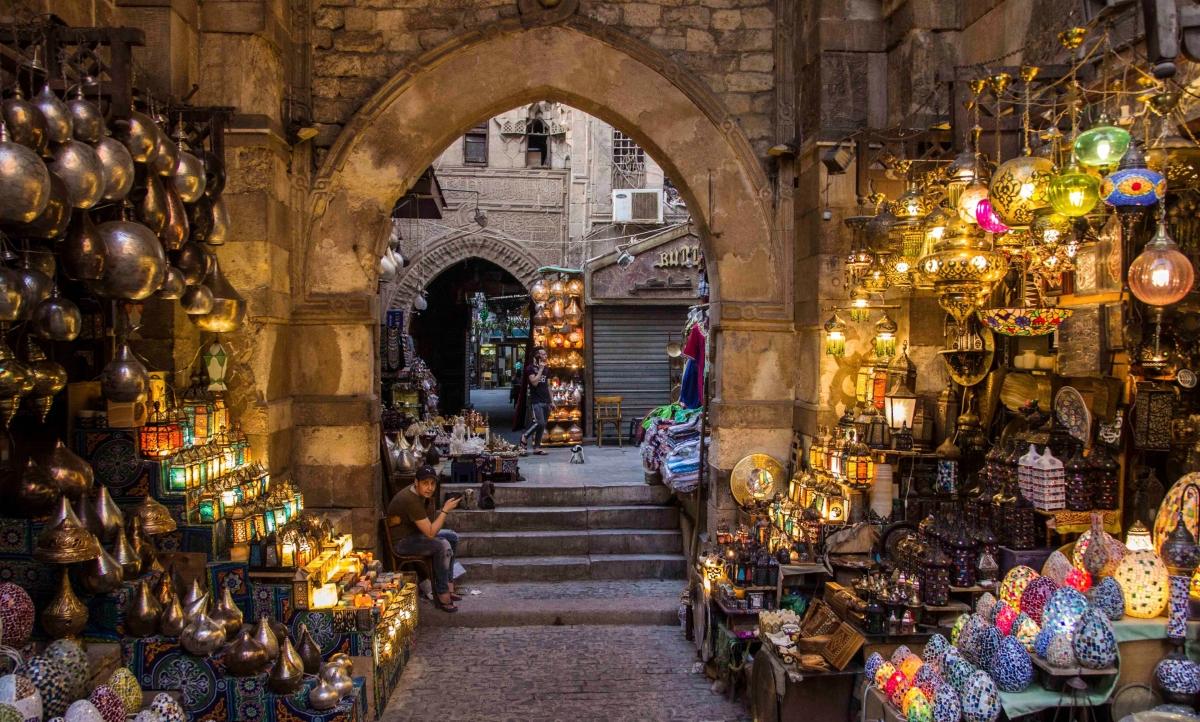
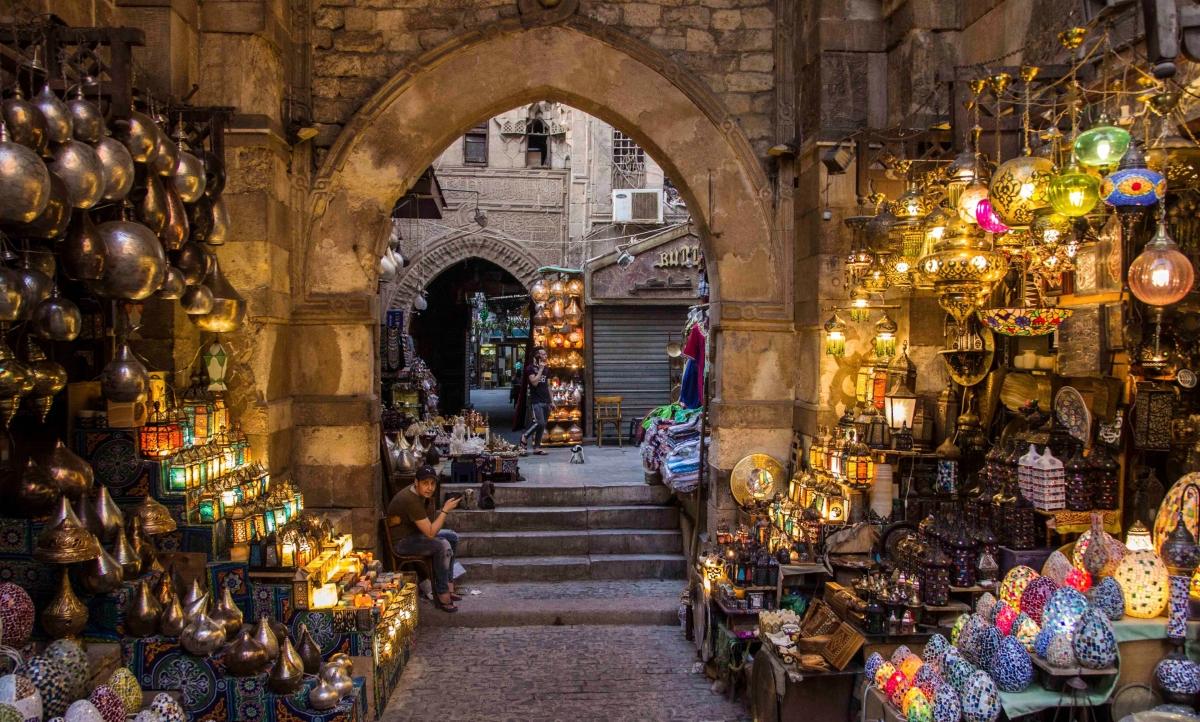
Nearby, the Sharm Old Market provides a lively environment where travelers can experience another side of the resort. Shops sell spices, perfumes, textiles, souvenirs and handicrafts, while restaurants and cafés offer opportunities to sample Egyptian and Middle Eastern food.
The Heavenly Cathedral represents another aspect of Egypt's religious diversity. This Coptic Orthodox church is known for its elaborate interior artwork and biblical imagery and can be included in selected cultural sightseeing programs.
Beyond individual landmarks, cultural tours may introduce travelers to the wider identity of the Sinai Peninsula. Sinai has long stood at the crossroads of Africa and Asia and holds particular significance within the religious traditions associated with Judaism, Christianity and Islam.
Bedouin heritage is another important element of the region. Selected cultural experiences may include visits to desert areas, traditional tea, local meals and opportunities to learn about Bedouin customs. These experiences vary considerably between operators, so travelers should select responsible programs that treat local communities respectfully rather than presenting culture purely as entertainment.
Sharm El-Sheikh cultural tours can be organized as short city programs or combined with longer desert and historical excursions.
Although modern Sharm El-Sheikh developed primarily as a tourism destination, Sharm El-Sheikh Historical Tours provide access to important sites across southern Sinai.
The most significant historical excursions generally travel beyond the resort itself. The Saint Catherine region is particularly important for visitors interested in religious history, archaeology and the cultural heritage of Sinai.
Saint Catherine's Monastery, located at the foot of Mount Sinai, is one of the world's oldest continuously functioning Christian monasteries. Its remote desert location, religious significance and collection of historic structures make it one of the most important cultural attractions accessible from Sharm El-Sheikh.
The monastery is traditionally associated with the biblical story of Moses and the Burning Bush. Its history extends back to the Byzantine period, and the site has remained an important destination for pilgrims and travelers for centuries.
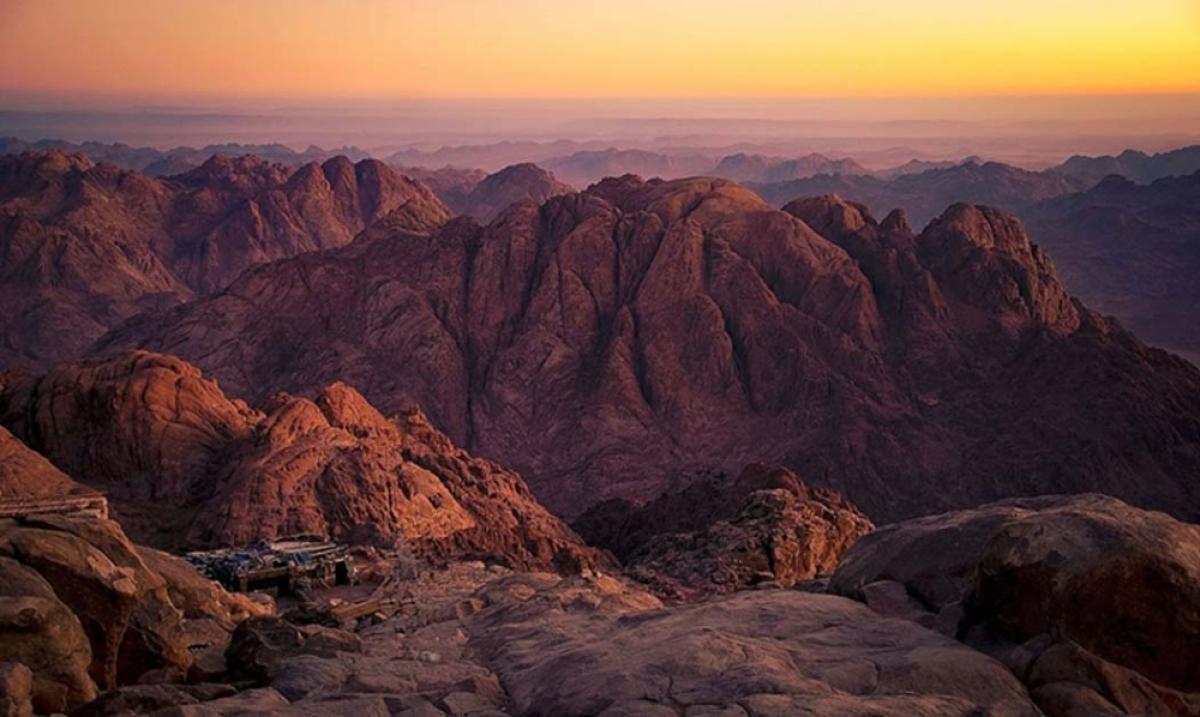
Nearby Mount Sinai, also known as Jebel Musa, holds major significance in Abrahamic religious traditions. It is traditionally identified as the mountain associated with Moses receiving the Ten Commandments.
Many excursions involve traveling from Sharm El-Sheikh during the night before beginning the climb toward the summit. Sunrise trips are especially well known, although the hike requires appropriate fitness, footwear and preparation for changing mountain temperatures.
Travelers who prefer not to climb Mount Sinai can focus on Saint Catherine's Monastery and the surrounding mountain landscape through other excursion formats.
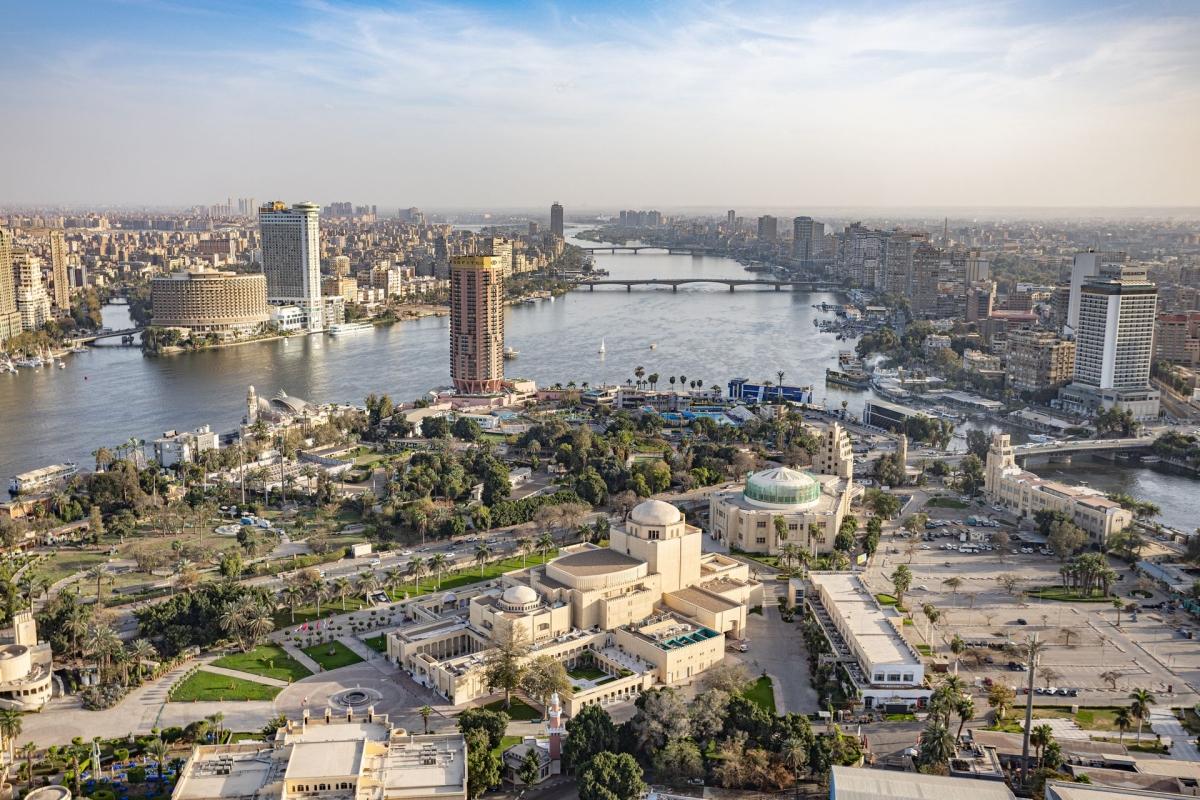
Historical tours from Sharm El-Sheikh can also be incorporated into broader Egypt itineraries. Visitors interested in ancient Egyptian civilization can combine their Red Sea stay with destinations such as Cairo, Giza and Luxor, depending on the length and transportation arrangements of their trip.
Although many of the region's oldest historical sites are located outside the modern resort city, Sharm El-Sheikh and southern Sinai provide access to several places of cultural and historical interest.
Al Sahaba Mosque
Al Sahaba Mosque is one of the most recognizable architectural landmarks in Sharm El-Sheikh. Located beside the Old Market, it is frequently included in city sightseeing and cultural tours. Visitors should respect religious customs, dress requirements and restrictions during prayer times.
Sharm Old Market
The Old Market is an important stop for visitors interested in experiencing the atmosphere beyond Sharm El-Sheikh's beach resorts. Shops, restaurants, cafés, spices, perfumes and local products make it a useful place to experience everyday tourism and commercial culture.
Heavenly Cathedral
The Heavenly Cathedral is one of Sharm El-Sheikh's notable Coptic Christian landmarks. Its richly decorated interior contains religious paintings and biblical scenes, providing visitors with an introduction to Egypt's longstanding Christian traditions.
Saint Catherine's Monastery
Located deeper in the Sinai Peninsula, Saint Catherine's Monastery is one of the region's most important historical and religious destinations. Its remote setting beneath the mountains adds significantly to the experience of visiting the site.
The monastery's origins date to the sixth century and the reign of Byzantine Emperor Justinian I. It forms part of the wider Saint Catherine Area, recognized by UNESCO for its cultural importance.
Mount Sinai
Mount Sinai is one of the most famous religious landmarks in the Sinai Peninsula. Visitors travel from around the world to climb the mountain and experience its dramatic desert setting.
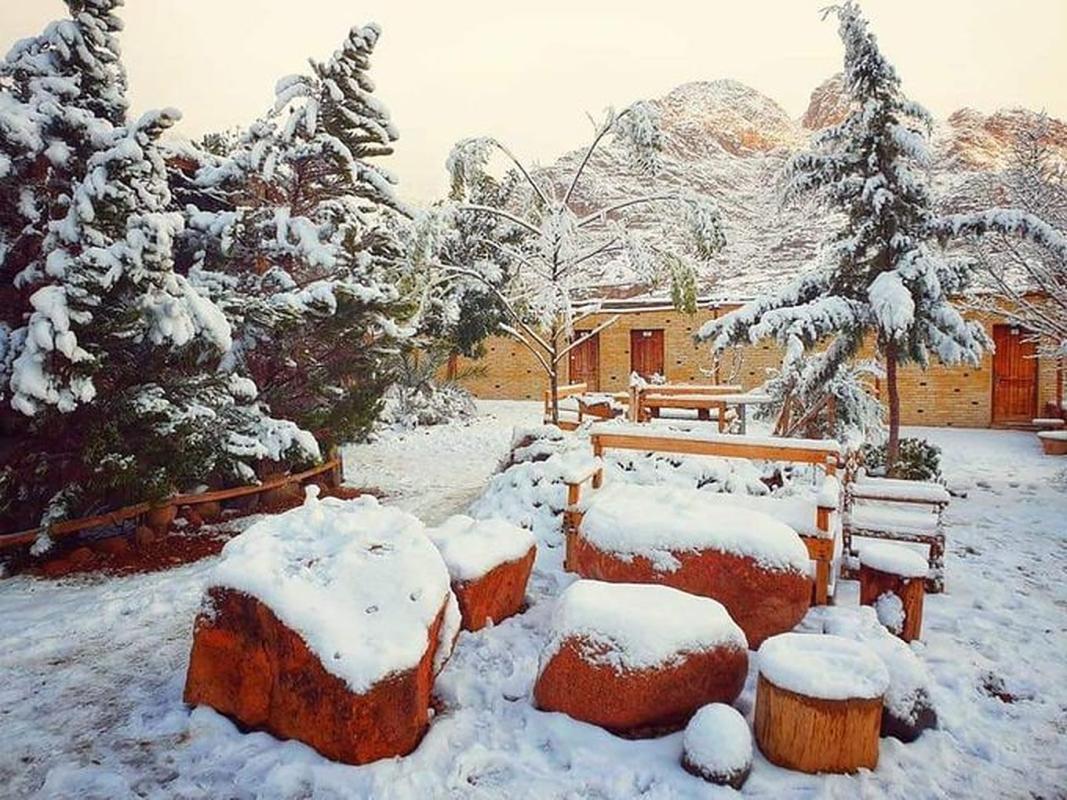
Sunrise climbs are popular, but the experience should not be underestimated. Temperatures can be cold at higher elevations, especially before sunrise and during winter.
Sinai Desert
The desert itself is central to the cultural identity of the peninsula. Mountains, valleys and traditional Bedouin communities have shaped life in Sinai for generations. Responsible desert experiences can provide cultural context alongside the natural scenery.
Together, these destinations allow travelers to experience Islamic, Christian and Bedouin cultural influences within the same broader region.
Sinai Cultural & Historical Tours from Sharm El-Sheikh allow travelers to explore beyond the coastal resort and experience the dramatic landscapes and religious heritage of the peninsula.
One of the most popular routes combines Mount Sinai and Saint Catherine's Monastery. Because of the distance from Sharm El-Sheikh and the timing of sunrise hikes, these excursions can involve long travel periods and overnight departures.
Travelers joining a Mount Sinai excursion should be prepared for a physically demanding experience. The route involves a substantial uphill walk, and weather conditions can vary significantly between the coast and the mountain.
Those interested primarily in history and religion may prefer an itinerary emphasizing Saint Catherine's Monastery rather than the summit climb.
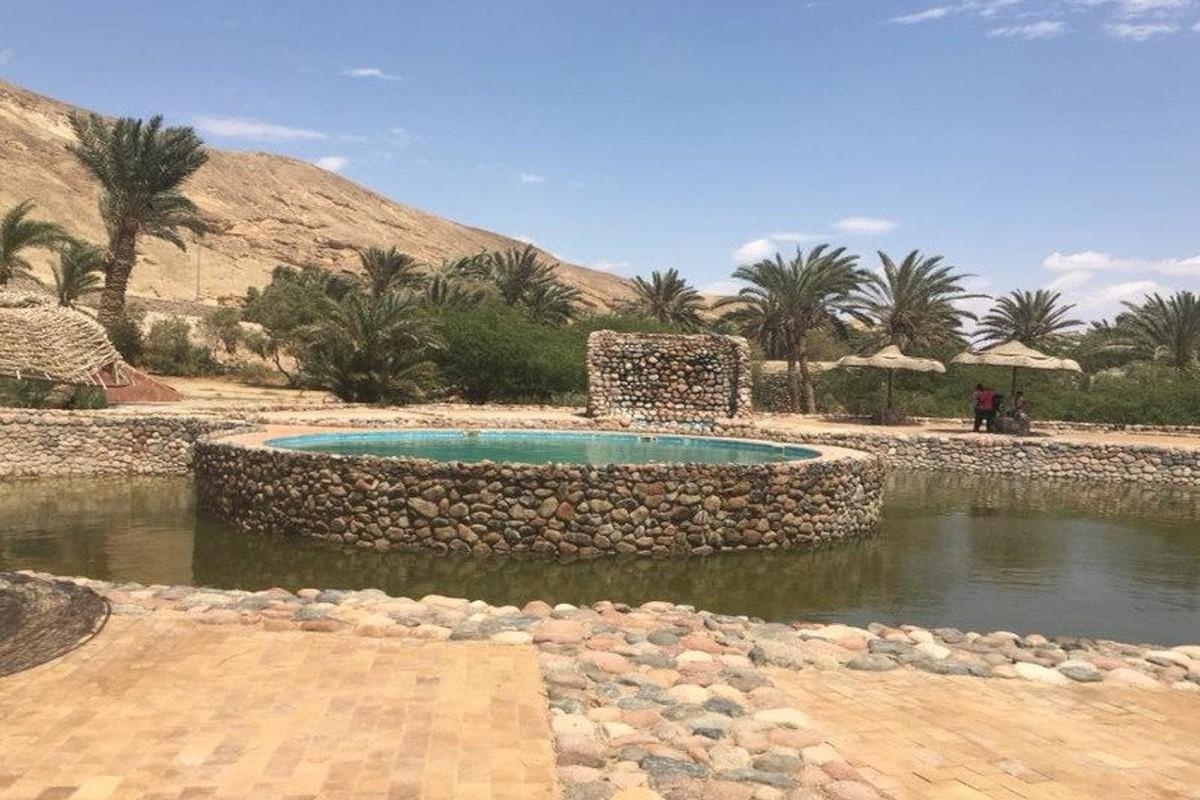
Other Sinai excursions can focus on Bedouin culture and desert landscapes. Programs may include desert transportation, traditional meals, tea, local storytelling or visits to areas associated with Bedouin communities. The exact nature of these experiences depends on the operator.
For a wider cultural journey, travelers can combine Sharm El-Sheikh with other major Egyptian destinations.
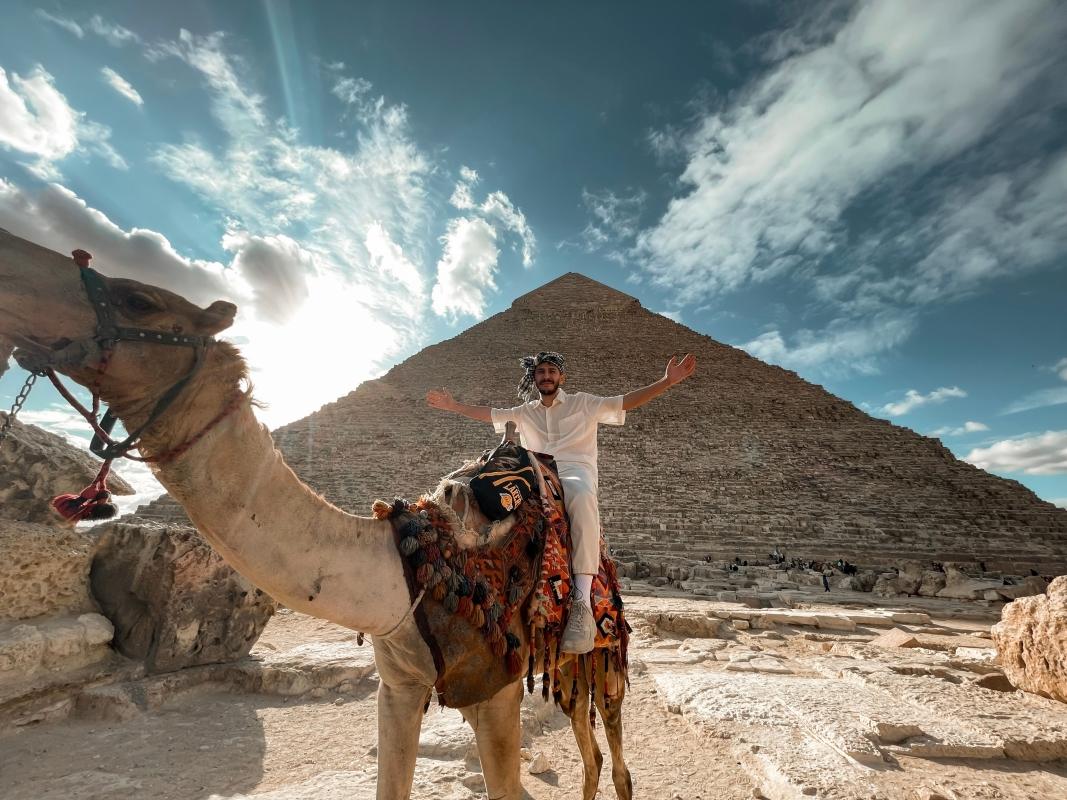
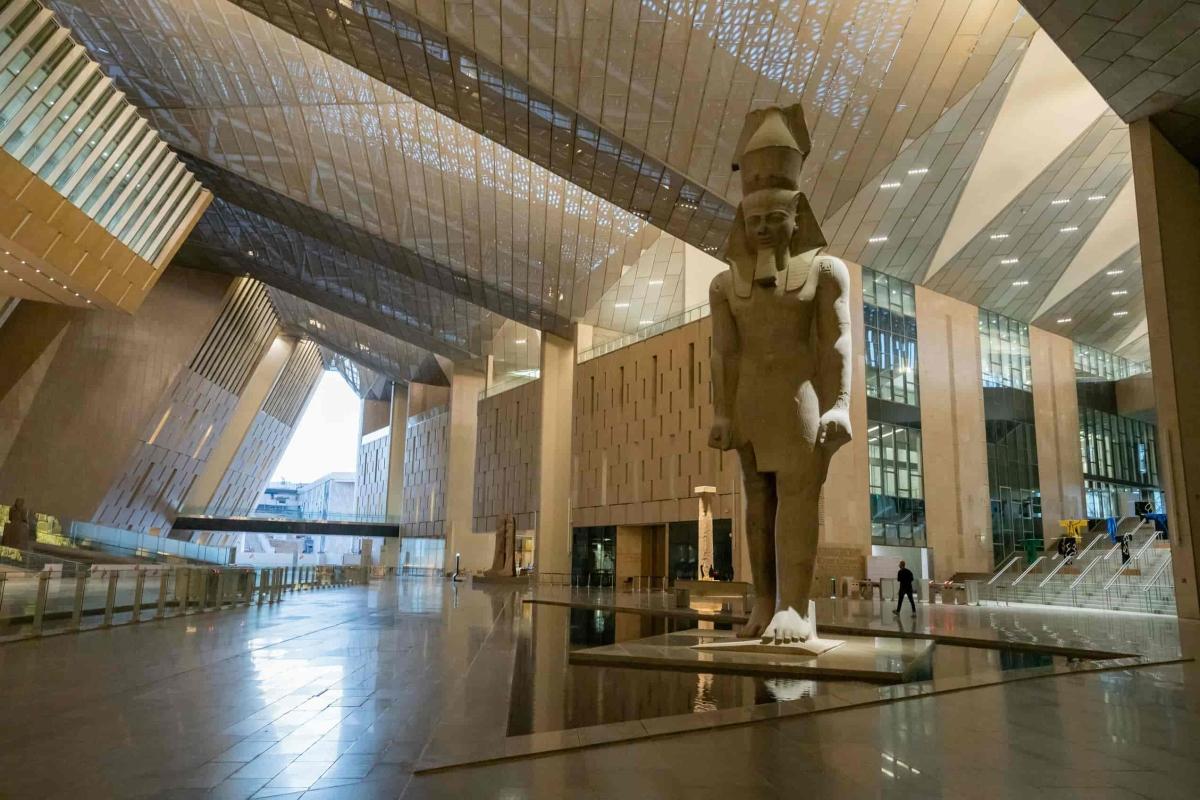
Cairo and Giza provide access to the Pyramids of Giza, the Great Sphinx, museums and the historical districts of Cairo. Because of the substantial distance from Sharm El-Sheikh, travelers should carefully compare flight-based and overland itineraries rather than assuming these are simple nearby day trips.
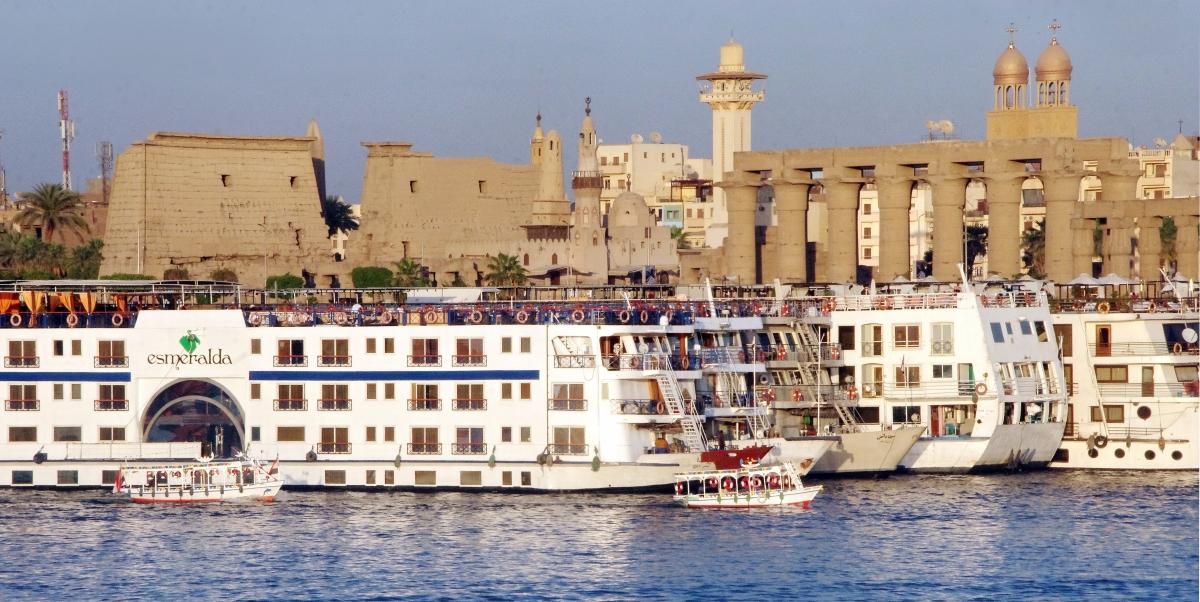
Luxor offers another major cultural extension, with attractions including Karnak Temple, Luxor Temple, the Valley of the Kings and the Temple of Hatshepsut. Combining Sharm El-Sheikh with Luxor allows travelers to experience both the Red Sea and some of ancient Egypt's most important archaeological sites.
Longer Egypt itineraries can therefore combine Sharm El-Sheikh, Cairo, Giza, Luxor and the Sinai Peninsula, creating a journey that includes beaches, desert landscapes, religious heritage and ancient Egyptian history.