
Free Cancellation
-high.jpg&w=1920&q=75 "9 Days Magic Turkey Georgia Combined Tour")
-high.jpg&w=1920&q=75 "18 Days Turkey & Caucasian Countries Tour")
-high.jpg&w=1920&q=75 "12 Days Explore Turkey Armenia Georgia")
-high.jpg&w=1920&q=75 "15 Days Turkey Armenia Georgia Multi Coun")
-high.jpg&w=1920&q=75 "15 Days Turkey Georgia Cultural Tour")
-high.jpg&w=1920&q=75 "19 Days Turkey & Caucasian Countries Tour")
-high.jpg&w=1920&q=75 "Combined Country Azerbaijan Georgia & Armenia Caucasus Tour 12 Days")
-high.jpg&w=1920&q=75 "Tour in Georgia 5 days (Group tour)")
-high.jpg&w=1920&q=75 "13 Day Istanbul to Georgia Tour: From Ottoman Majesty to Caucasus Charm")
-high.jpg&w=1920&q=75 "27-Day Turkey & Georgia Grand Tour: From Ottoman Palaces to Caucasus Peaks")
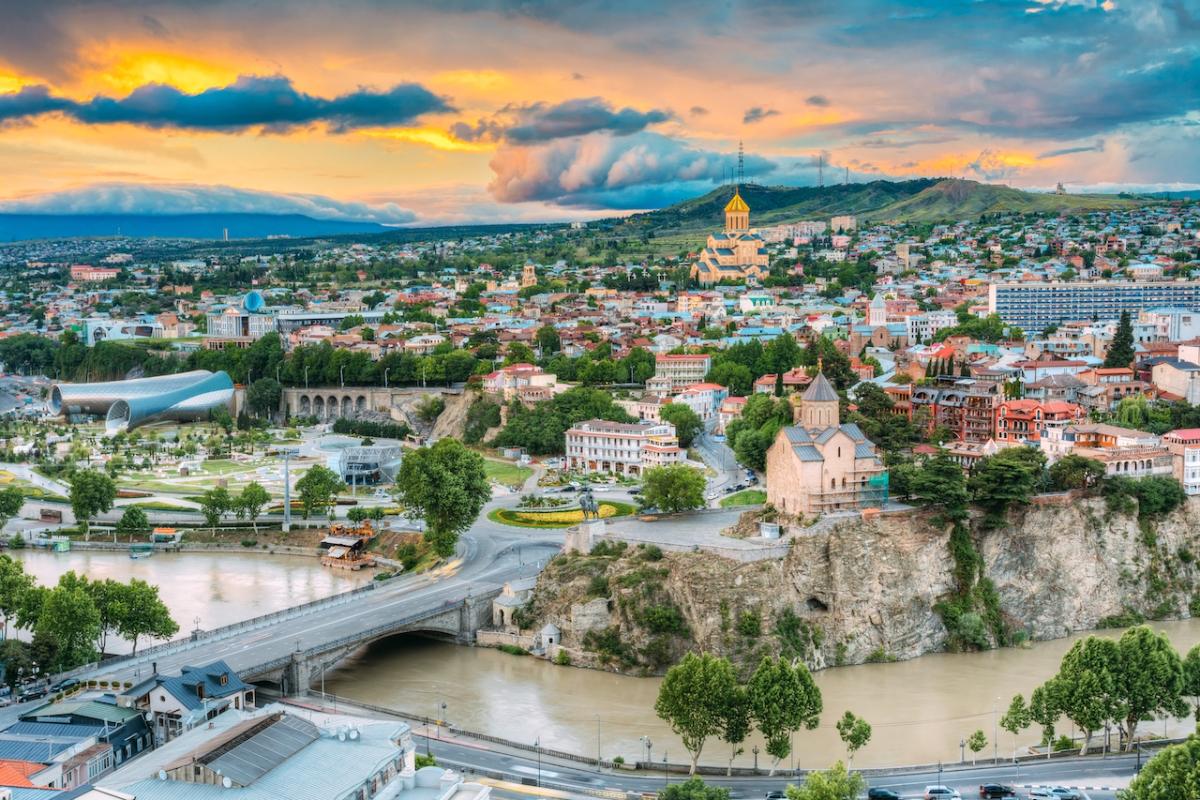
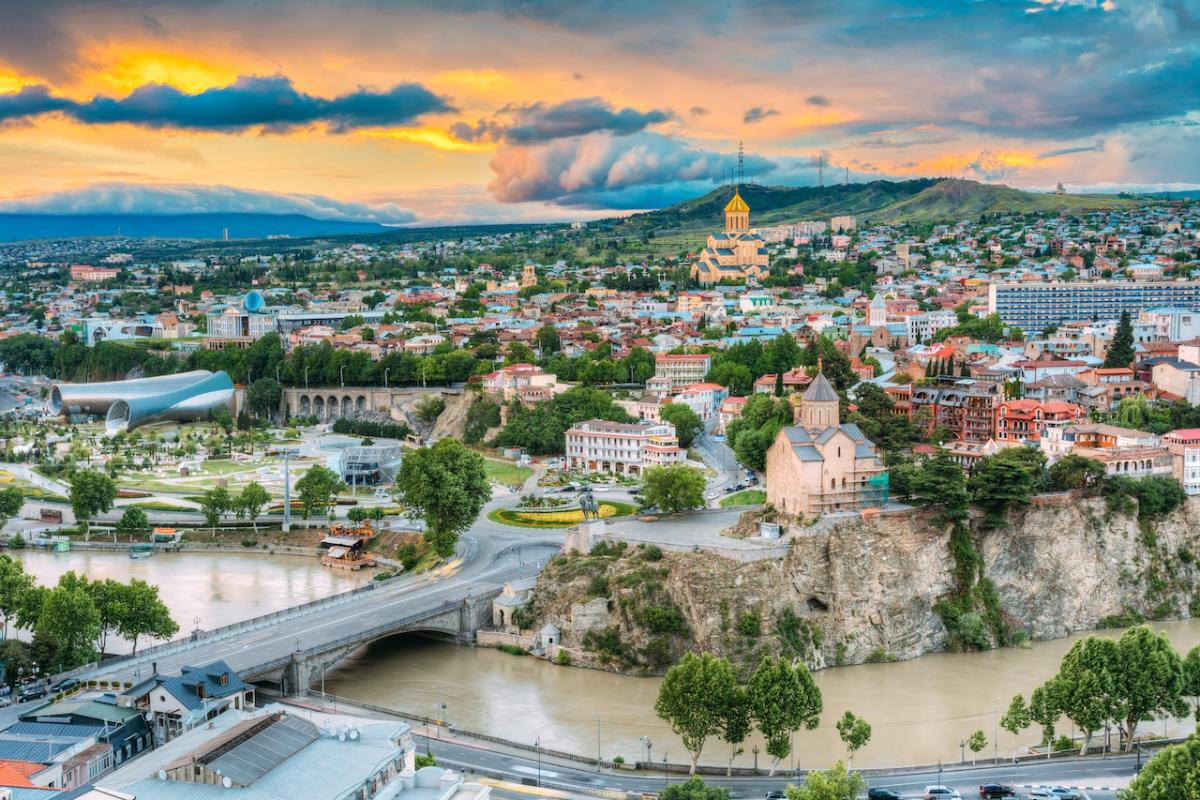
Mtskheta Tours offer travelers an opportunity to discover one of Georgia's most important historic destinations. Located close to Tbilisi, Mtskheta is known for its ancient heritage, Georgian Orthodox landmarks, traditional atmosphere and impressive setting near the confluence of the Aragvi and Mtkvari rivers.
As one of Georgia's former capitals and an important religious center, Mtskheta contains some of the country's most recognizable monuments. The Historical Monuments of Mtskheta are included on the UNESCO World Heritage List, making the city particularly attractive for travelers interested in Georgian history, architecture and culture.
Popular Mtskheta tours usually include major landmarks such as Svetitskhoveli Cathedral, Jvari Monastery and Samtavro Monastery, together with time to explore the historic center. Visitors can also enjoy panoramic viewpoints, Georgian cuisine and local shops during their stay.
Mtskheta's proximity to Tbilisi makes it suitable for both short excursions and longer private tours. It can also be incorporated into wider Georgia itineraries that include destinations such as Tbilisi, Gori, Uplistsikhe and Kazbegi.
Whether you are visiting Georgia for the first time or building a longer journey through the country, Mtskheta offers an accessible combination of history, architecture, local culture and scenic landscapes.
Mtskheta is relatively compact, but it contains several of Georgia's most significant landmarks.
Svetitskhoveli Cathedral is the central landmark of Mtskheta and one of the most important religious buildings in Georgia. Located in the historic center, the cathedral has played a major role in Georgian Orthodox Christianity for centuries.
Its architecture, religious importance and historic setting make it an essential stop on most Mtskheta tours.
Jvari Monastery stands on a hill overlooking Mtskheta and is one of the most recognizable landmarks in the area.
Its elevated location provides panoramic views across Mtskheta and the surrounding landscape, including the meeting point of the Aragvi and Mtkvari rivers.
Jvari Monastery and Svetitskhoveli Cathedral are commonly visited together when exploring Mtskheta.
Samtavro Monastery is another significant religious site in Mtskheta. Visitors interested in Georgian religious traditions and architecture can include the monastery alongside the city's better-known landmarks.
Mtskheta's historic center is ideal for exploring on foot. Streets around Svetitskhoveli Cathedral contain restaurants, cafés and local shops where visitors can experience the atmosphere of the city between sightseeing stops.
One of the most photographed landscapes around Mtskheta is the meeting point of the Aragvi and Mtkvari rivers. The area is best viewed from the hills around Jvari Monastery and provides a memorable perspective over the historic city.
Mtskheta Private Tours provide travelers with greater flexibility when exploring the city and its surrounding attractions.
A private itinerary may include hotel pickup, transportation between major landmarks and additional time at selected attractions. This can be particularly convenient for couples, families and small groups who prefer to travel at their own pace.
Popular stops may include:
Svetitskhoveli Cathedral
Jvari Monastery
Samtavro Monastery
Mtskheta Old Town
Scenic viewpoints
Local restaurants
Private tours can also be extended beyond Mtskheta. Depending on the itinerary, travelers may combine the city with Gori and Uplistsikhe or incorporate Mtskheta into a longer journey through Georgia.
Travelers interested in photography can spend additional time around Jvari and panoramic viewpoints, while visitors interested in Georgian cuisine may add a traditional lunch or food experience.
Exact inclusions differ between tours. Transportation, guide services, entrance arrangements, meals and hotel pickup should therefore be checked in the individual tour details before booking.
There are several things to do in Mtskheta beyond simply visiting its most famous monuments.
Begin with Svetitskhoveli Cathedral before walking through the surrounding historic center. The compact streets make it easy to explore local shops, restaurants and smaller points of interest.
Continue to Jvari Monastery for panoramic views over Mtskheta and the surrounding river valleys. The combination of historic architecture and natural scenery makes this one of the most popular stops in the area.
Visit Samtavro Monastery to discover another important part of Mtskheta's religious heritage.
Walking through Mtskheta Old Town is another worthwhile experience. Travelers can browse local products and souvenirs or stop for Georgian food between visits.
Trying Georgian cuisine can also be part of a Mtskheta itinerary. Traditional dishes may include khinkali, khachapuri, grilled meats, vegetable dishes and Georgian breads.
Photography is especially popular around Jvari Monastery and the viewpoints overlooking the Aragvi and Mtkvari rivers.
Travelers with additional time can continue to other destinations in the surrounding region. Gori and Uplistsikhe are frequently included in longer sightseeing itineraries, while Mtskheta can also form part of a broader journey through eastern Georgia.