-high.jpg&w=1920&q=75 "Daily Brasov City Tour")
Free Cancellation
-high.jpg&w=1920&q=75 "Brasov City Tour")
-high.jpg&w=1920&q=75 "Day Trip & Bear watching in the Land of Volcanoes")
-high.jpg&w=1920&q=75 "8-Day Moldova and Romania Tour Package")
-high.jpg&w=1920&q=75 "11 Days Offer Tour in Romania")
-high.jpg&w=1920&q=75 "7 Days Discover in Transylvania")
-high.jpg&w=1920&q=75 "8 Days Offer Experience Transylvania")
-high.jpg&w=1920&q=75 "4 Days Dracula City Break Tour")
-high.jpg&w=1920&q=75 "Balkan Big Tour: seven countries in three weeks")
-high.jpg&w=1920&q=75 "Castles & Capitals: Serbia, Hungary, Romania and Bulgaria in two weeks")
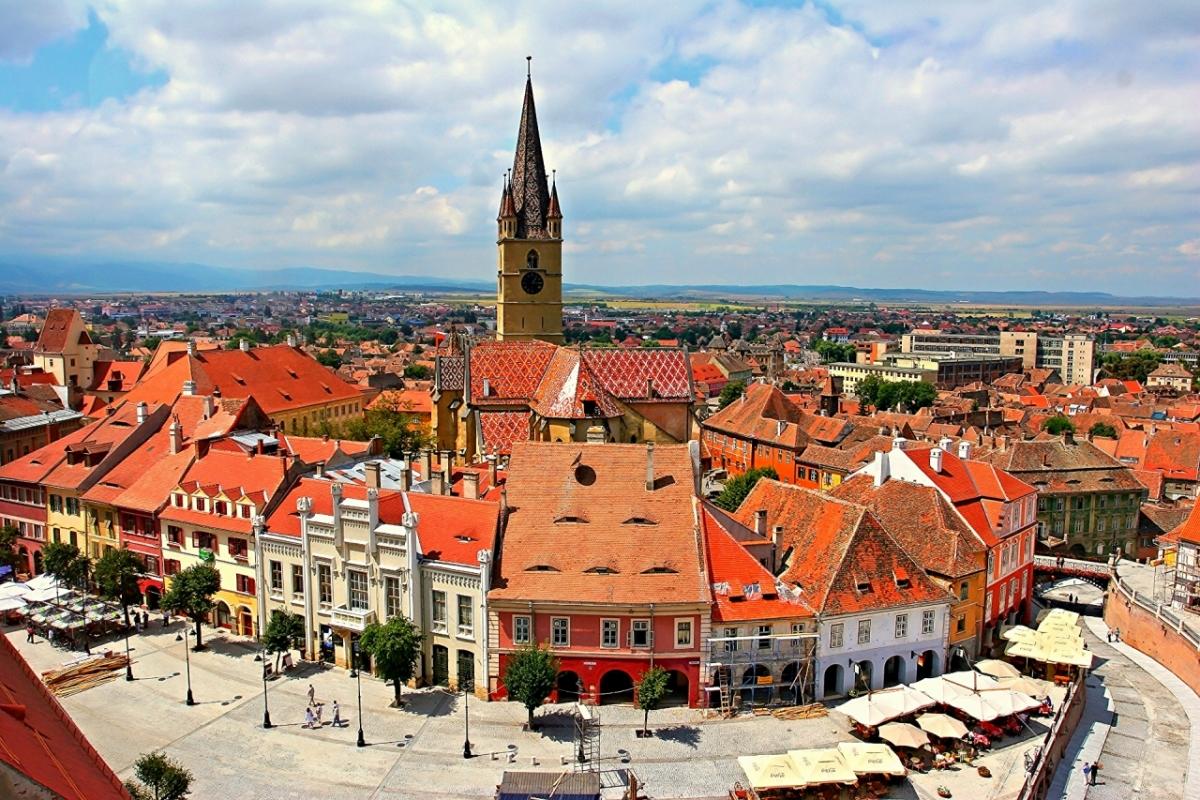
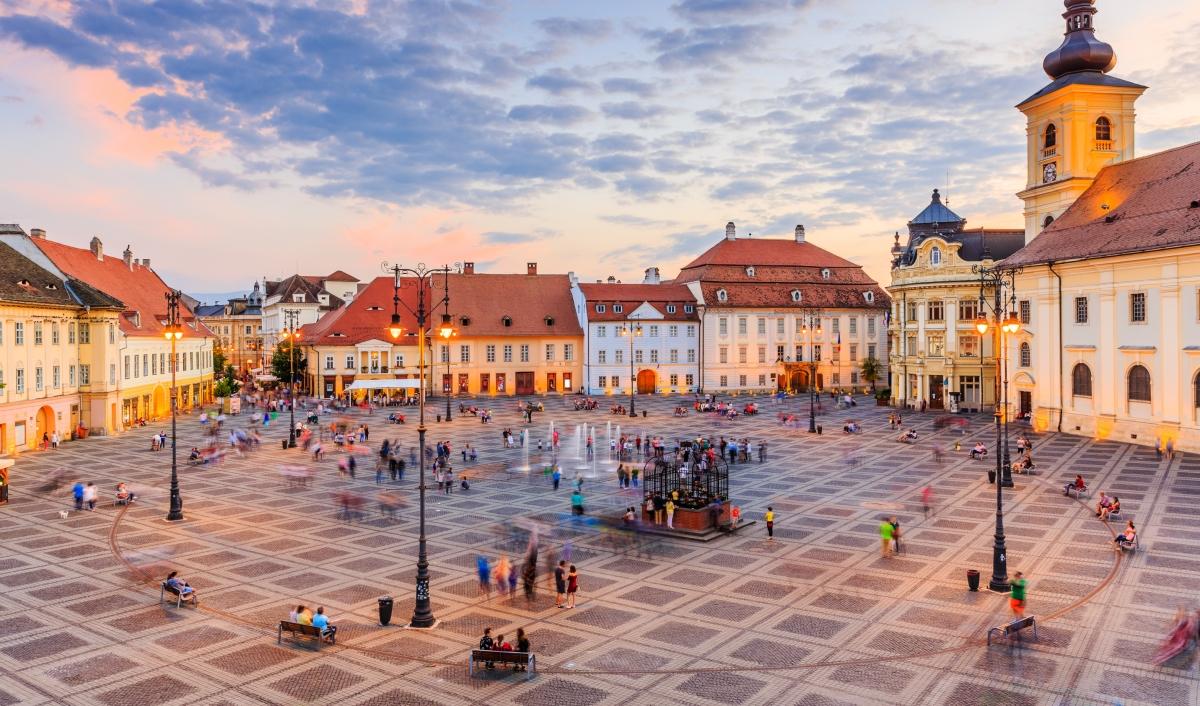
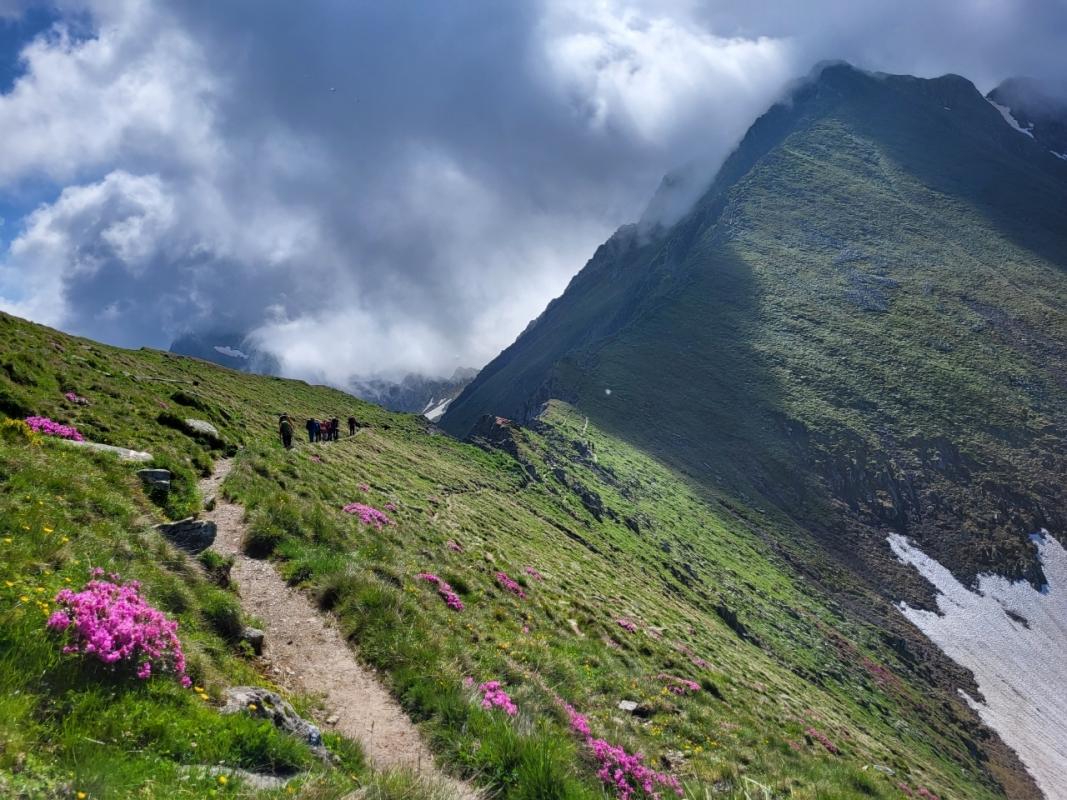
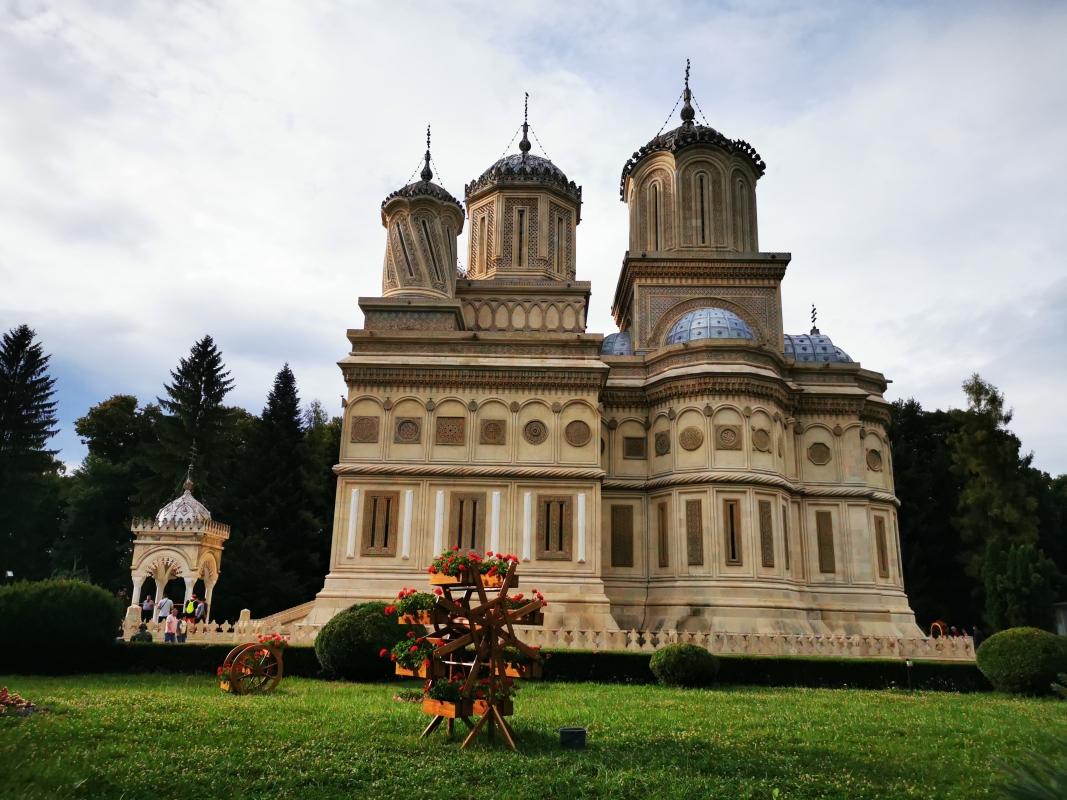
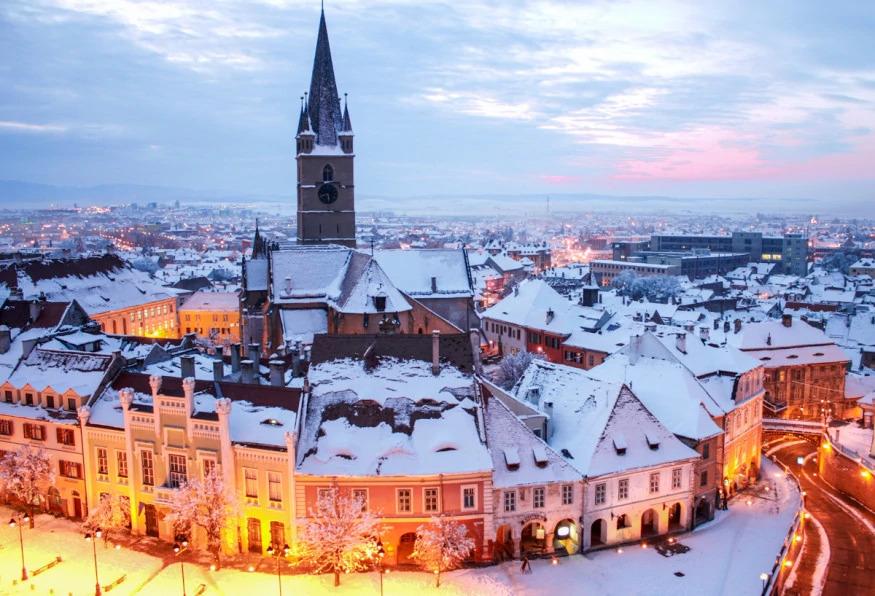
Brasov sits in a bowl of the Carpathian mountains in central Romania, and its position has made it the country's most-used base for exploring Transylvania. The historic core was built by Saxon settlers from the 13th century onward, and its pastel facades, defensive towers, and steep-roofed houses remain largely intact today. Its name in German, Kronstadt, and in Hungarian, Brasso, reflects the multiethnic character it retained for centuries under Habsburg and Ottoman-era influence. With a population of roughly a quarter million, Brasov is one of Romania's larger cities despite the small-town feel of its historic center. Tours of the region typically begin here as part of a broader Romania tour, with Brasov serving as the overnight anchor for day trips into the surrounding countryside.
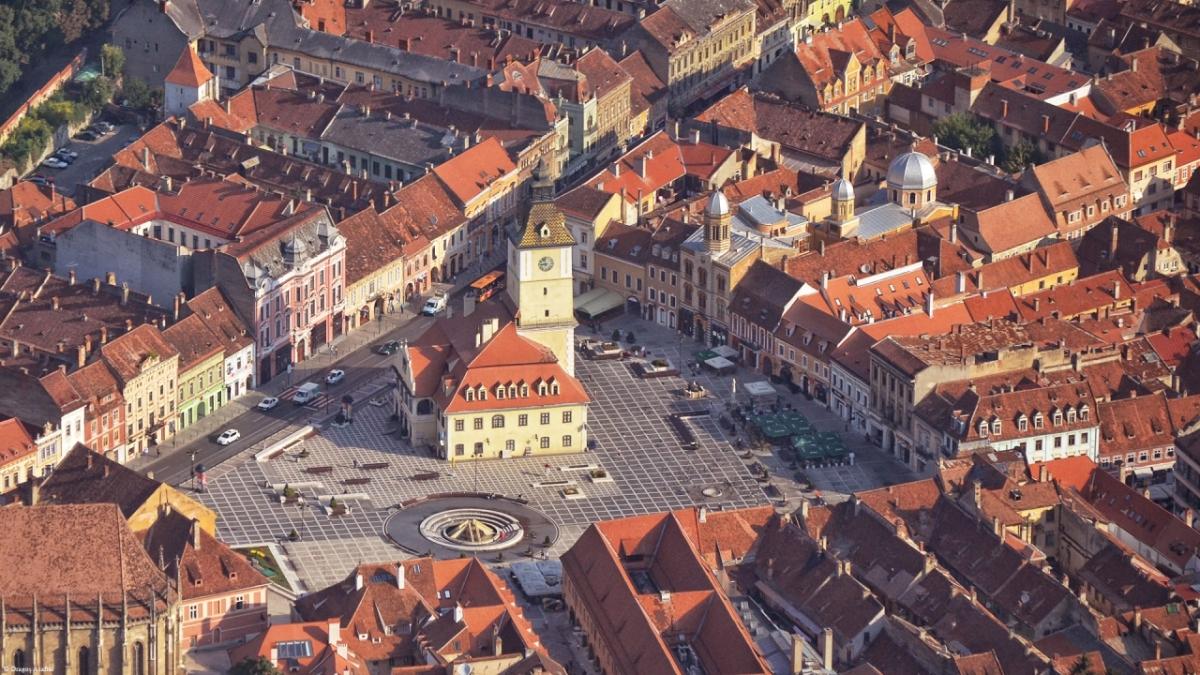
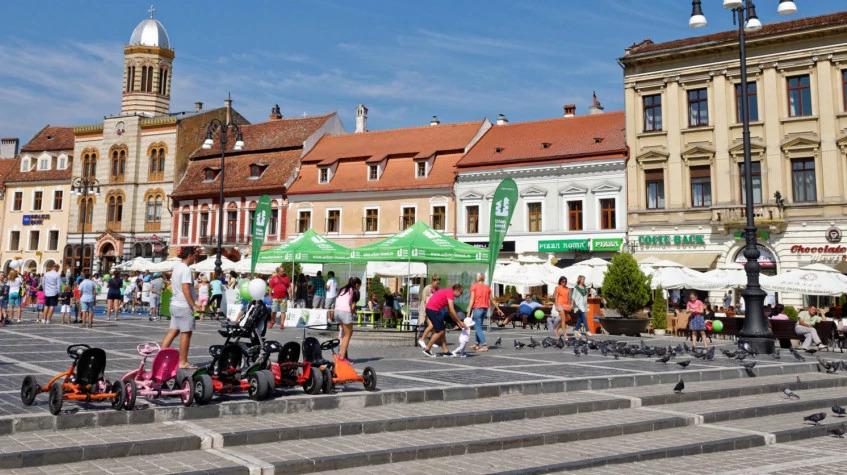
Saxon merchants built their wealth on trade routes linking Central Europe to the Ottoman world, and that history shows in the scale of the old town's churches and guild houses. Piata Sfatului, the central square, remains the focal point of daily life, ringed by cafes and former merchant houses around a Renaissance-era council building at its center. That building, once the seat of the town council, now houses a local history museum documenting the guilds that once controlled the town's trade privileges. Brasov's combination of walkable old-town sightseeing and easy access to castle day trips sets it apart from Romania's other historic towns.
The Black Church dominates Brasov's skyline and is the largest Gothic church in Romania, built by the Saxon community over more than a century starting in the 1380s. Its name comes from a fire in 1689 that scorched the exterior walls, and the interior holds one of the largest collections of Oriental carpets outside Turkey, donated by Saxon merchants over several generations. Narrow streets fan out from the church, including Rope Street, one of the narrowest lanes in Europe, and reward slow walking rather than a rushed pass-through. Defensive towers from the old fortifications, including the White Tower and Black Tower, still stand on the hillside above the rooftops and can be reached on short walking trails from the center.
Just beyond the town walls, the Schei district preserves the neighborhood where Romanian residents were required to live for centuries, kept separate from the Saxon town within the fortifications. The First Romanian School, founded here in the 16th century, now operates as a museum on the history of Romanian-language education in Transylvania. This division between the walled Saxon center and the Romanian quarter outside it is part of what gives Brasov its layered character today.
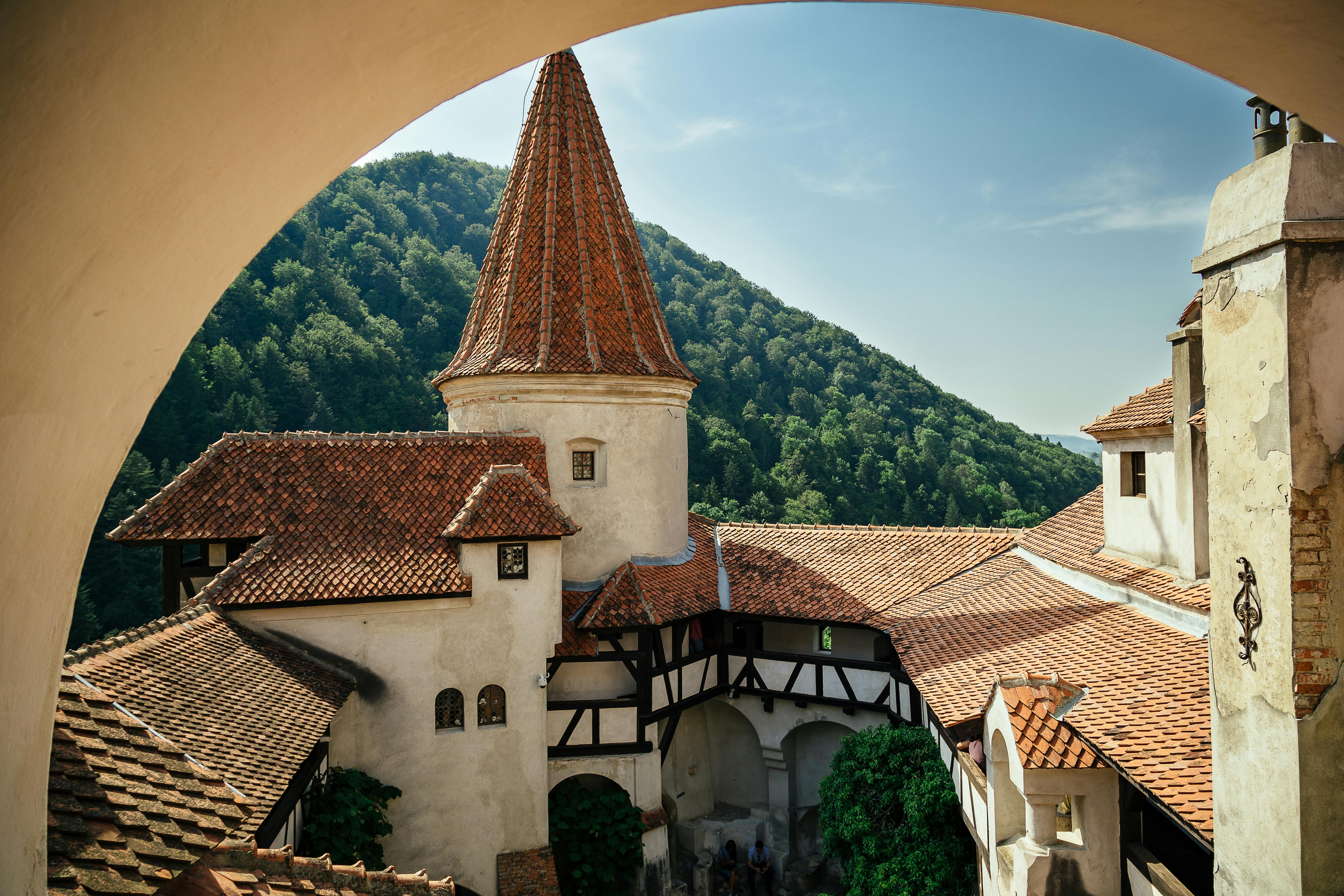
Bran Castle sits roughly 30 minutes outside Brasov and draws visitors on the strength of its association with the Dracula legend, though its documented history centers on Queen Marie of Romania, who used it as a royal residence in the early 20th century. Turrets and narrow stairways rise above a market town that has built its economy around the connection to Bram Stoker's novel, and the surrounding hills give the fortress a dramatic setting regardless of which story a visitor follows. Arriving early in the day helps avoid the tour buses that fill the castle's courtyard by midmorning, particularly in summer. A stop at Bran is the single most common day trip organized out of Brasov, and most itineraries pair it with at least one other nearby fortress or castle, often the fortified church at Prejmer.
The fortified church at Prejmer, roughly 20 minutes from Brasov in the opposite direction from Bran, is a UNESCO World Heritage Site and one of the most intact examples of the fortified churches built by Saxon farming communities across the region. Villagers stored grain and valuables inside its ringed defensive walls during Ottoman and Tatar raids, a very different form of fortification from the noble stronghold at Bran. Together, the two sites give a fuller picture of how the region defended itself, one built for a lord and the other for an entire village.
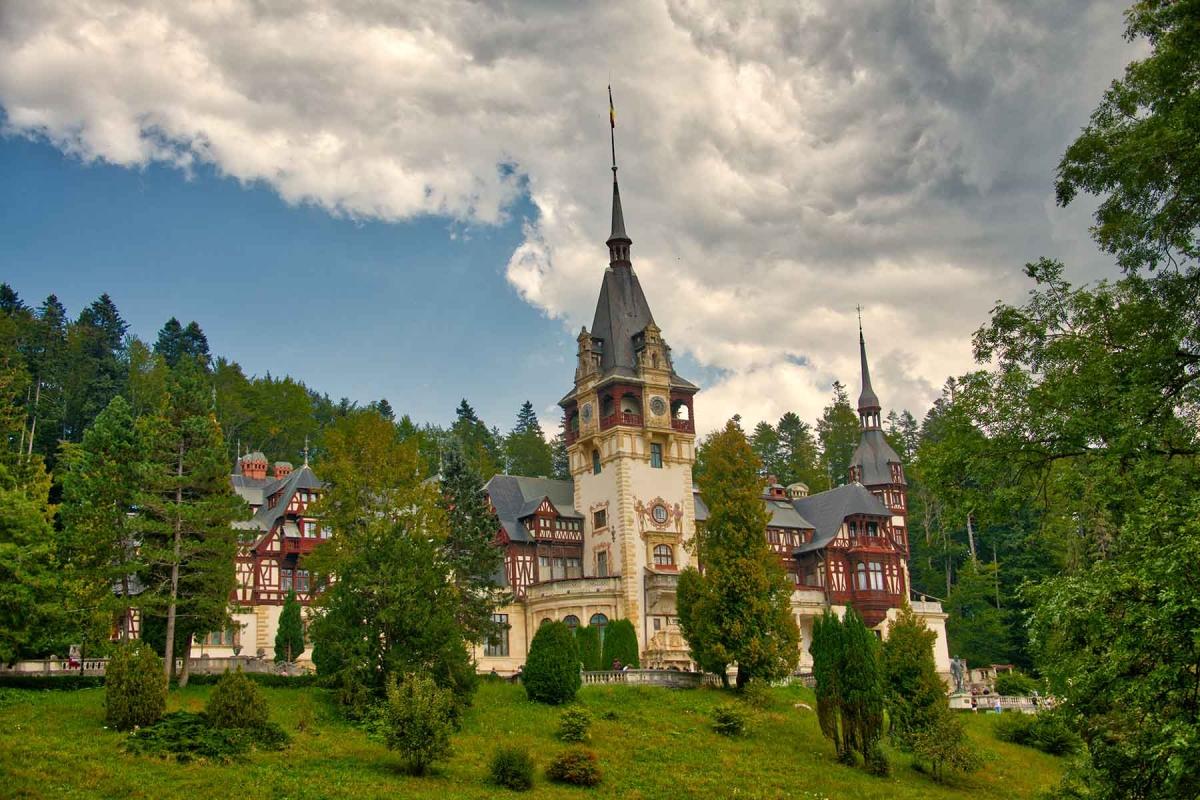
Beyond Bran, Brasov gives access to Rasnov Fortress, a hilltop peasant stronghold with wide views over the surrounding valley, and Poiana Brasov, a ski resort a short drive into the mountains that also serves as a summer hiking base. Peles Castle, the elaborate former royal residence near Sinaia, sits within reach as well and is often combined with Bran on a single itinerary covering both a medieval fortress and a 19th-century palace. Seven Ladders Canyon, a network of wooden walkways through a narrow gorge, gives an option for travelers looking for scenery beyond castles. Travelers who prefer to explore at their own pace rather than join a fixed group schedule can book the Daily Brasov City Tour, which covers the town and its surroundings privately.
A direct train from Bucharest takes roughly two and a half hours, a practical option that avoids arranging a long drive. Brasov has no major airport of its own, so most international travelers arrive through Bucharest's Henri Coanda Airport before continuing by train or road. The line north continues through the Carpathians toward Sighișoara and Cluj-Napoca, which is why many multi-day Transylvania itineraries use Brasov as a first stop before moving deeper into the region. Within the town, the old town is compact enough to cover on foot, and a cable car up Tampa mountain offers a wider view over the rooftops for visitors short on time.
Late spring through early autumn, roughly May to September, brings the clearest weather for walking the old town and visiting outdoor sites like Rasnov and Bran. Winter turns Brasov into a base for skiing at Poiana Brasov, and the old town's Christmas market adds a seasonal draw in December. Shoulder months of April and October see fewer crowds at the castles while keeping most sights fully open.