
-high.jpg&w=1920&q=75 "8-Day Moldova and Romania Tour Package")
Free Cancellation
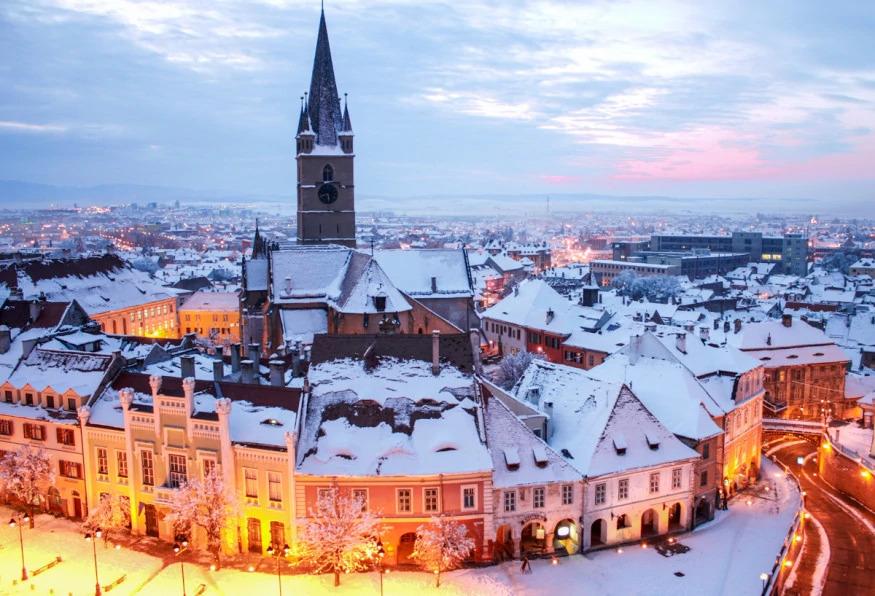
-high.jpg&w=1920&q=75 "11 Days Offer Tour in Romania")
-high.jpg&w=1920&q=75 "7 Days Discover in Transylvania")
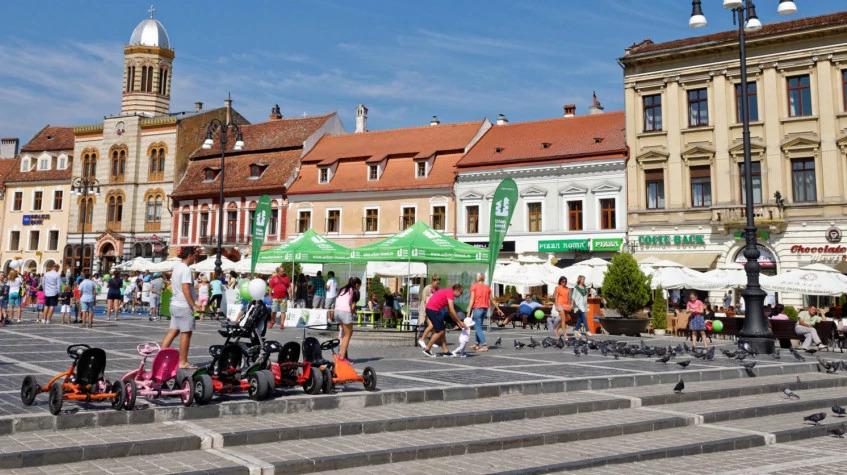
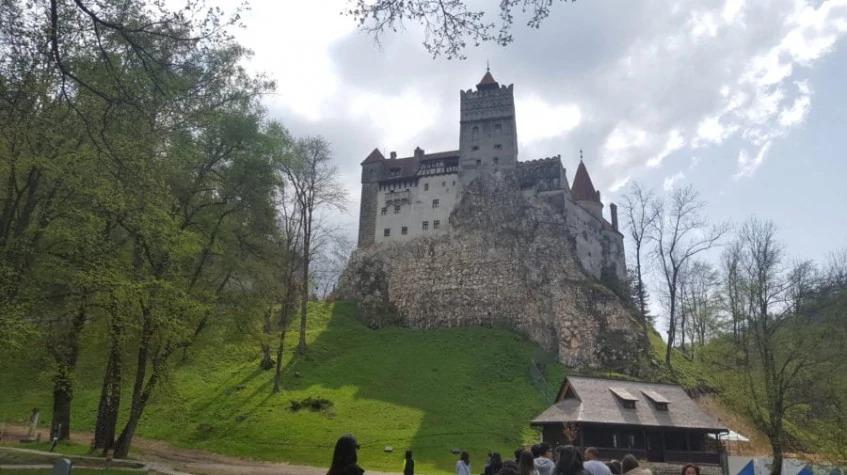
-high.jpg&w=1920&q=75 "4 Days Dracula City Break Tour")
-high.jpg&w=1920&q=75 "Balkan Big Tour: seven countries in three weeks")
-high.jpg&w=1920&q=75 "Castles & Capitals: Serbia, Hungary, Romania and Bulgaria in two weeks")
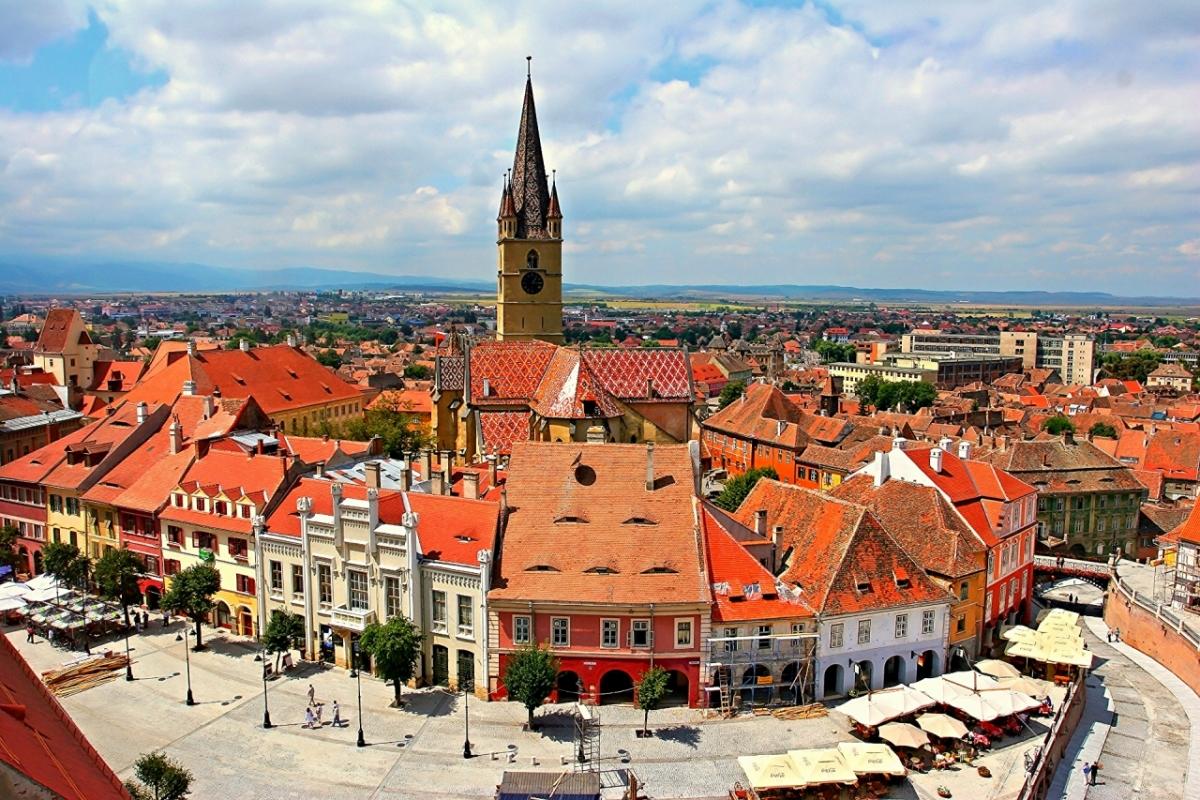

-high.jpg&w=1920&q=75 "10 Day Private Romania Tour: Bucharest, Transylvania, Maramureș & Bucovina")
Sighișoara's citadel sits on a hill above the Tarnava Mare river in central Transylvania, and it survives today as one of the few fortified medieval towns in Europe still inhabited rather than preserved as a museum piece. The river loops around the base of the hill, separating the fortified old town from the newer district that grew up along the valley floor in the 19th and 20th centuries. Documents first mention the settlement, then known by its Latin name Castrum Sex, in 1191, when Saxon colonists arrived to fortify the hill under Hungarian royal invitation. UNESCO listed the citadel as a World Heritage Site in 1999, recognizing both its intact fortifications and the fact that people continue to live and work inside walls first built by those Saxon settlers. Most visits fold Sighișoara into a broader Romania tour of Transylvania rather than treating it as a standalone stop.
Of the fourteen towers that once reinforced the citadel walls, nine survive today, each built and maintained historically by a different craft guild and named accordingly, including the Tinsmiths' Tower and the Tanners' Tower. That guild system, similar to the one that fortified Sibiu, organized the town's defense around its trades rather than a centralized garrison. Many of the citadel's houses remain private residences today, their facades painted in pastel tones similar to those in Brasov and Sibiu but compressed within a much smaller fortified footprint. Sighișoara's compact size, smaller than Brasov or Sibiu, means its main sights sit within a short walk of one another.
The Clock Tower rises above the citadel's main gate and is the town's most recognizable landmark, built in the 14th century and later fitted with a clock mechanism whose wooden figurines rotate to mark the days of the week. Visitors typically enter the upper citadel through the passage beneath the tower, one of the two surviving gates into the fortified core. A small history museum occupies several floors inside, including a display of medieval weapons and tools alongside exhibits on the town's development as a fortified trading settlement, and the top level opens onto a walkway with views over the citadel's red roofs and the newer town spreading out below the hill. The tower's silhouette appears on most approach routes into Sighișoara, making it the natural point of reference for exploring the streets around it.
Just off the main square, the Venetian House is one of the citadel's oldest surviving residences and takes its name from the stone window frames added during a later renovation in a Venetian style. Houses like this one line the streets radiating from the Clock Tower, their ground floors now given over to shops and small guesthouses while the upper stories keep much of their original medieval form. Vehicle access into the upper citadel is limited, which keeps the cobbled streets around the square relatively quiet outside festival weekends.
A house on Piata Cetatii, just off the main square, is identified as the birthplace of Vlad III, known to history as Vlad the Impaler and the historical figure behind the Dracula legend, who was born in Sighișoara around 1431 while his father held a military post in the town. His father, Vlad II, known as Vlad Dracul after his membership in the Order of the Dragon, was serving as a military governor of Transylvania at the time, which is why the family was in Sighișoara rather than in Wallachia. The house now operates as a restaurant with a small display on the family's connection to the citadel. Sighișoara markets this link more directly than Brasov or Bran Castle, since the birthplace claim rests on a documented historical figure rather than a literary character.
Built in 1642 to give schoolchildren dry passage up the hill in winter, a covered wooden stairway climbs from the upper citadel to the Church on the Hill and its adjoining Saxon cemetery. The church itself holds a crypt and a set of frescoes recovered during restoration work, and the walk up the stairway is one of the quieter routes through the citadel, away from the shops and cafes around the main square. Sighișoara's former Saxon school building stands beside the church, and gravestones in the adjoining cemetery, some dating back several centuries, mark the burials of the town's Saxon community. From the churchyard, the view extends over the citadel's rooftops toward the surrounding hills.
Sighișoara's train station sits in the newer, lower town, a short walk from the citadel hill, and most visitors arrive here before beginning the climb up cobbled lanes into the fortified upper town. Its position on the rail line between Brasov and Cluj-Napoca makes it easy to add to a Transylvania itinerary without a significant detour. Brasov sits roughly 90 minutes away by train, while Sibiu is a similar distance in the opposite direction, which makes Sighișoara a practical midpoint stop for travelers routing through the region's Saxon towns. The Transylvania 2 Days Tour covers Sighișoara alongside other stops in the region for travelers who want the citadel included as part of a wider route rather than a single stop.
May through September brings mild weather for walking the citadel's cobbled streets and climbing the Clock Tower, and the Sighișoara Medieval Festival, usually held in July, fills the fortress with markets and performances. Winter is quiet and cold, with far fewer visitors than Brasov or Sibiu see in the same season. April and October offer a middle ground, combining decent weather with smaller crowds around the main sights.