
Free Cancellation



Sofia is one of Europe's oldest continuously inhabited capitals. Its history began long before the Roman period, when the region was inhabited by Thracian communities. The settlement later developed into Serdica, an important Roman city, before becoming part of the Byzantine Empire, medieval Bulgarian states and the Ottoman Empire.
Today, these historical periods remain visible throughout Sofia's city centre. Roman archaeological remains stand near Orthodox churches, Ottoman religious buildings and nineteenth-century architecture. Guided cultural tours introduce visitors to these landmarks while explaining how different civilizations influenced the city's development.
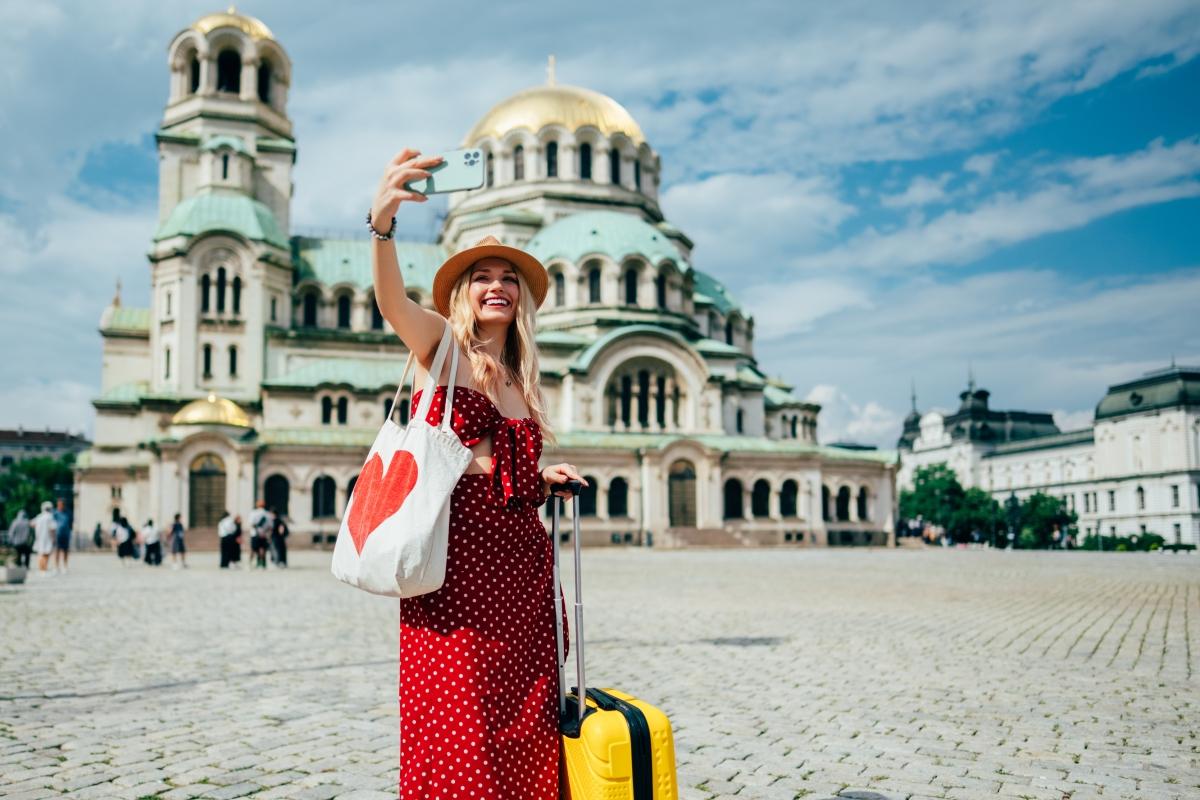
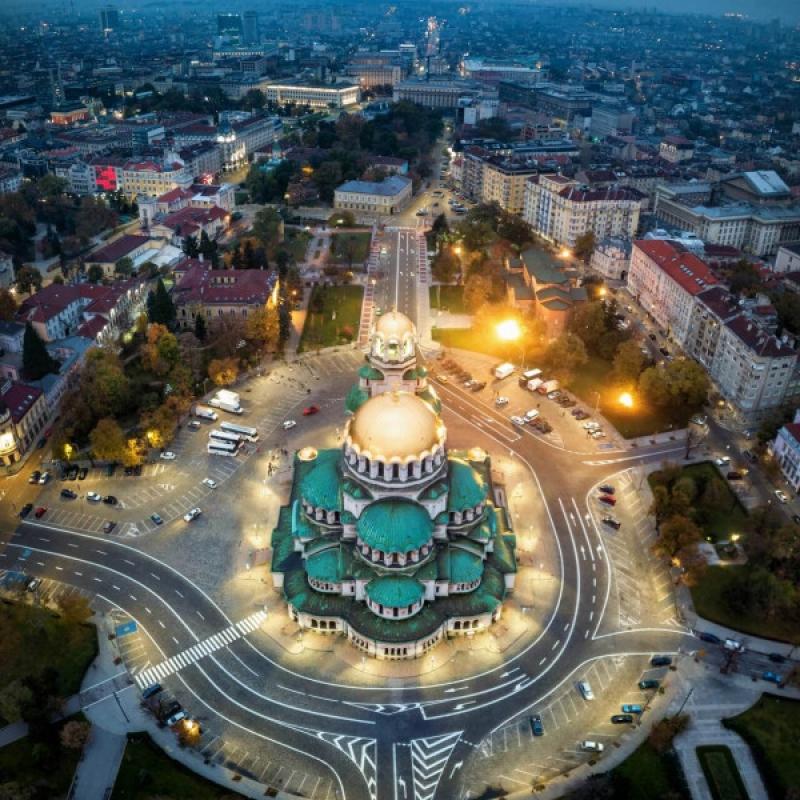
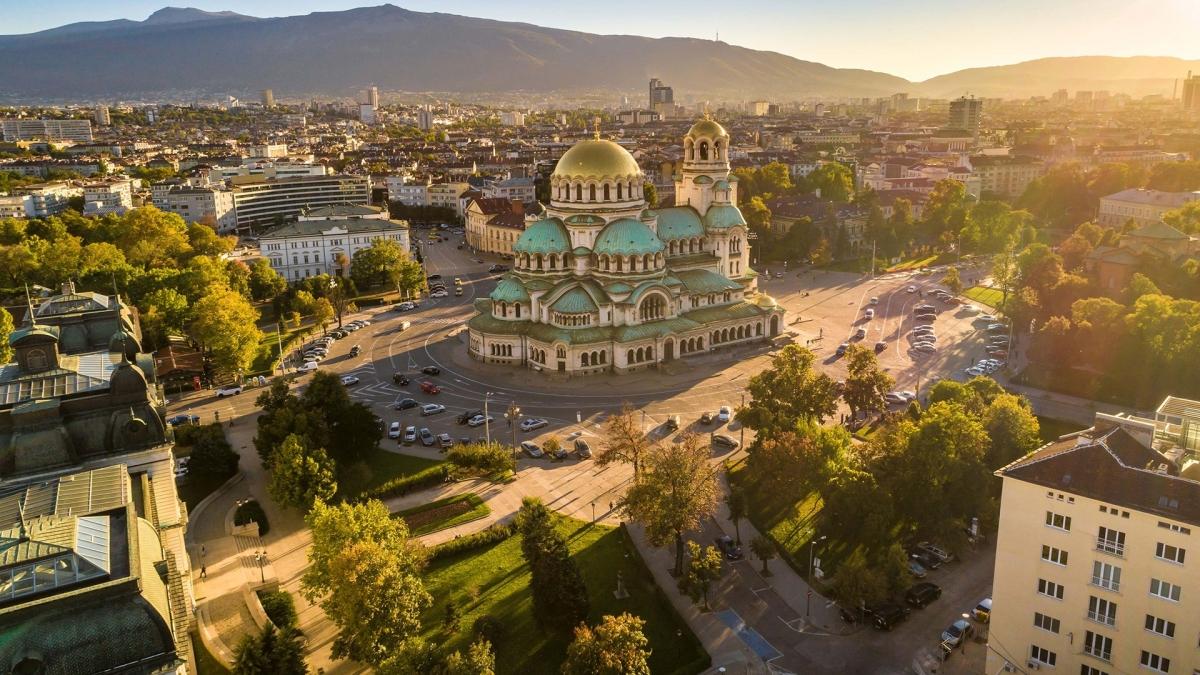
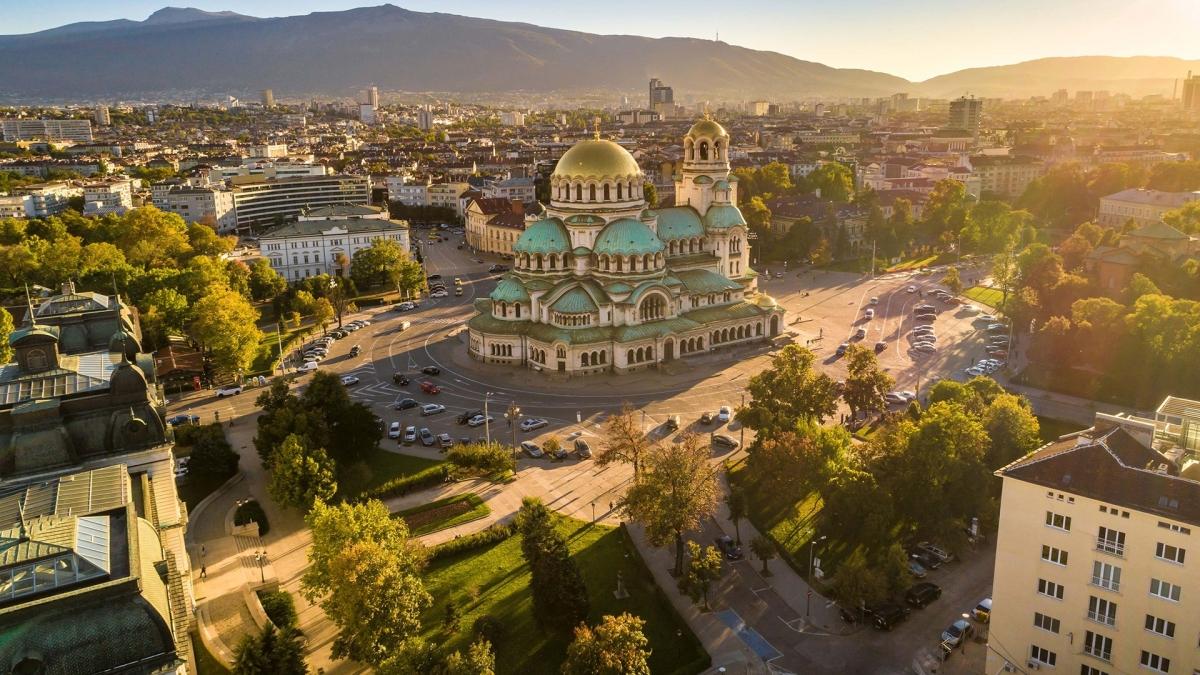
Alexander Nevsky Cathedral is one of Sofia's most recognizable historical monuments. Constructed in the late nineteenth and early twentieth centuries, the cathedral commemorates Russian soldiers who died during the Russo-Turkish War of 1877–1878. Its golden domes, Neo-Byzantine architecture and religious artwork make it an important destination for visitors interested in Bulgarian Orthodox heritage.
Nearby, St. Sofia Church dates mainly to the sixth century and represents the city's early Byzantine religious history. The church is also associated with the name eventually adopted by the Bulgarian capital.
Sofia's cultural heritage extends beyond its Orthodox landmarks. The Banya Bashi Mosque, built during the Ottoman period, and Sofia Synagogue, opened in 1909, reflect the presence of different religious communities throughout the city's history.
Cultural tours may also include visits to local museums, traditional markets and historical neighborhoods. These experiences provide additional context about Bulgarian customs, religious traditions and the development of Sofia as the country's political and cultural centre.
Sofia Cultural Tour Packages combine visits to historical landmarks, religious monuments, museums and archaeological attractions. Packages range from short guided walking tours to multi-day itineraries that include destinations outside the capital.
Many cultural itineraries begin in central Sofia, where travelers can visit Alexander Nevsky Cathedral, St. Sofia Church, the Church of St. George Rotunda and the Ancient Serdica Archaeological Complex. These attractions are located relatively close to one another, making them suitable for a guided walking excursion.
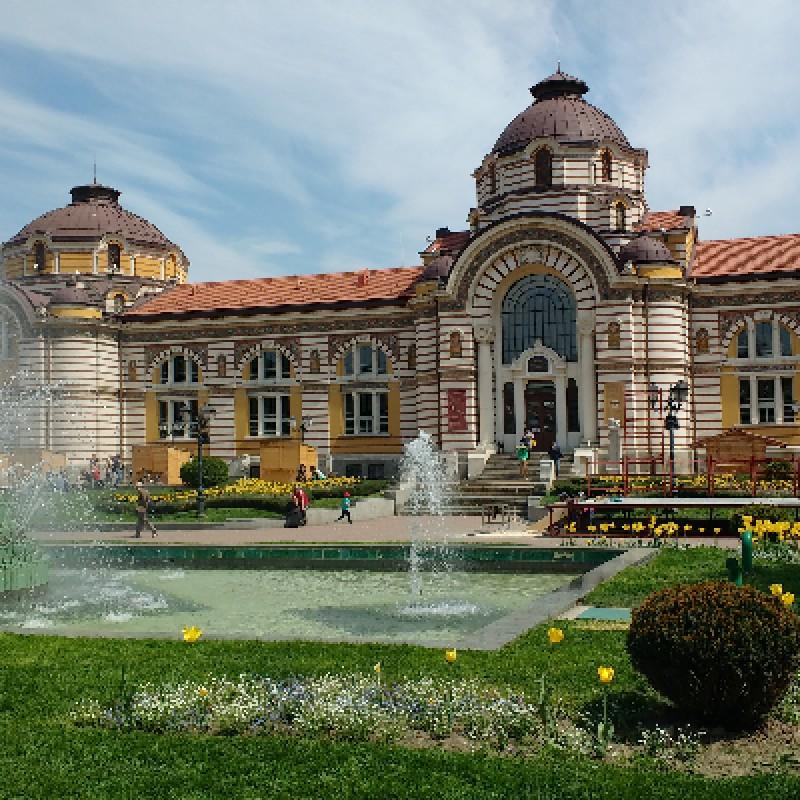
Museum visits are another important part of Sofia's cultural tour packages. The National Archaeological Museum contains artifacts from Bulgaria's prehistoric, Thracian, Roman and medieval periods. The Regional History Museum of Sofia, housed in the former Central Mineral Baths building, presents exhibitions about the city's historical development, architecture and everyday life.
Travelers interested in religious heritage can visit Boyana Church, located near Vitosha Mountain. Recognized as a UNESCO World Heritage Site, the church is famous for its thirteenth-century frescoes and their importance in medieval European art.
Longer cultural packages may include Rila Monastery, one of Bulgaria's most important Orthodox religious centres. Located in the Rila Mountains, the monastery is known for its decorated church, colorful frescoes, traditional galleries and historical significance.
Some itineraries also combine Sofia with Plovdiv, a city known for its Roman theatre, archaeological remains and Bulgarian National Revival architecture. Visiting both cities allows travelers to explore different periods of Bulgarian history within one journey.
Organized packages may include transportation, professional guides, selected museum admissions and scheduled sightseeing activities. Accommodation, meals and additional excursions depend on the selected itinerary.
Sofia Historical & Heritage Tours focus on the city's transformation through different historical periods, from its ancient origins to its development as the capital of modern Bulgaria.
During the Roman period, Serdica became an important administrative and commercial centre. Its strategic position contributed to the construction of defensive walls, public buildings, streets and religious structures. The city was associated with Emperor Constantine the Great and remained significant during the later Roman Empire.
Following the Roman period, Sofia developed under Byzantine and medieval Bulgarian rule. Religious buildings from these centuries provide important evidence of the region's Christian traditions and architectural history.
One of the most significant surviving medieval monuments is Boyana Church. Its thirteenth-century frescoes are internationally recognized for their artistic detail and historical importance. The church provides insight into medieval Bulgarian religious painting and cultural life.
Sofia came under Ottoman rule in the late fourteenth century. During the following centuries, the city developed mosques, markets, public baths and administrative buildings. The Banya Bashi Mosque is among the surviving examples of Ottoman architecture in the capital.
Following Bulgaria's liberation from Ottoman rule in 1878, Sofia became the capital of the Principality of Bulgaria in 1879. This period marked an important stage in the city's development, with new government buildings, cultural institutions and public spaces.
Historical tours may include the National Assembly area, Alexander Nevsky Cathedral and other monuments associated with Bulgaria's independence and national identity. Visitors can also explore museums documenting the country's monarchy, twentieth-century political history and transition to democracy.
Sofia Roman & Ancient History Tours explore the archaeological remains of Serdica, the ancient settlement that developed into an important city within the Roman Empire.
The history of the area extends to earlier Thracian communities, particularly the Serdi, from whom the ancient city received its name. Under Roman rule, Serdica expanded with paved streets, residential buildings, defensive walls and public facilities.
The Ancient Serdica Archaeological Complex is one of the main locations for exploring this history. Situated around the Serdika metro station and nearby public spaces, the complex preserves sections of Roman streets, building foundations and other archaeological structures.
Visitors can observe how the ancient city was organized and how modern Sofia developed above its Roman foundations. Guided tours often explain the importance of Serdica within the Roman provincial administration and its connections to major routes across the Balkan Peninsula.
Another important landmark is the Church of St. George Rotunda, one of Sofia's oldest surviving buildings. Constructed during the Roman period, the circular brick structure later became a Christian church. Its preserved frescoes represent different stages of the city's religious history.
Sections of Serdica's former defensive walls and gates have also been uncovered through archaeological excavations. These remains provide information about the city's urban planning and military importance.
The National Archaeological Museum complements visits to these sites with collections of Roman sculptures, inscriptions, coins, architectural fragments and everyday objects. Together, the archaeological complex and museum exhibitions provide an overview of Sofia's ancient development.
Sofia contains historical landmarks representing different civilizations and architectural periods. Many of the city's most important cultural attractions are located within or near the historic centre.
Alexander Nevsky Cathedral is a major Orthodox landmark known for its golden domes, Neo-Byzantine architecture and religious artwork. It is closely associated with Bulgaria's modern national history and remains one of the city's most visited monuments.
The Ancient Serdica Archaeological Complex preserves Roman streets and building remains beneath central Sofia. Nearby, the Church of St. George Rotunda provides another example of Roman-era architecture, with medieval frescoes preserved inside the building.
St. Sofia Church is an early Byzantine basilica dating mainly to the sixth century. It is one of the capital's oldest religious buildings and an important monument in the history of Christianity in the region.
Located near Vitosha Mountain, Boyana Church is a UNESCO World Heritage Site recognized for its medieval frescoes. The church is particularly significant for visitors interested in Byzantine and Bulgarian religious art.
The National Archaeological Museum contains collections from Bulgaria's ancient and medieval periods, while the Regional History Museum of Sofia presents exhibitions about the city's development and cultural traditions.
Sofia's Ottoman and Jewish heritage can be explored through the Banya Bashi Mosque and Sofia Synagogue. Both buildings represent important chapters in the city's religious and architectural history.
Other notable attractions include St. Nedelya Church, the National Art Gallery and historical public buildings around the city centre. Together, these sites provide a broad introduction to Sofia's cultural heritage and architectural development.