
Free Cancellation


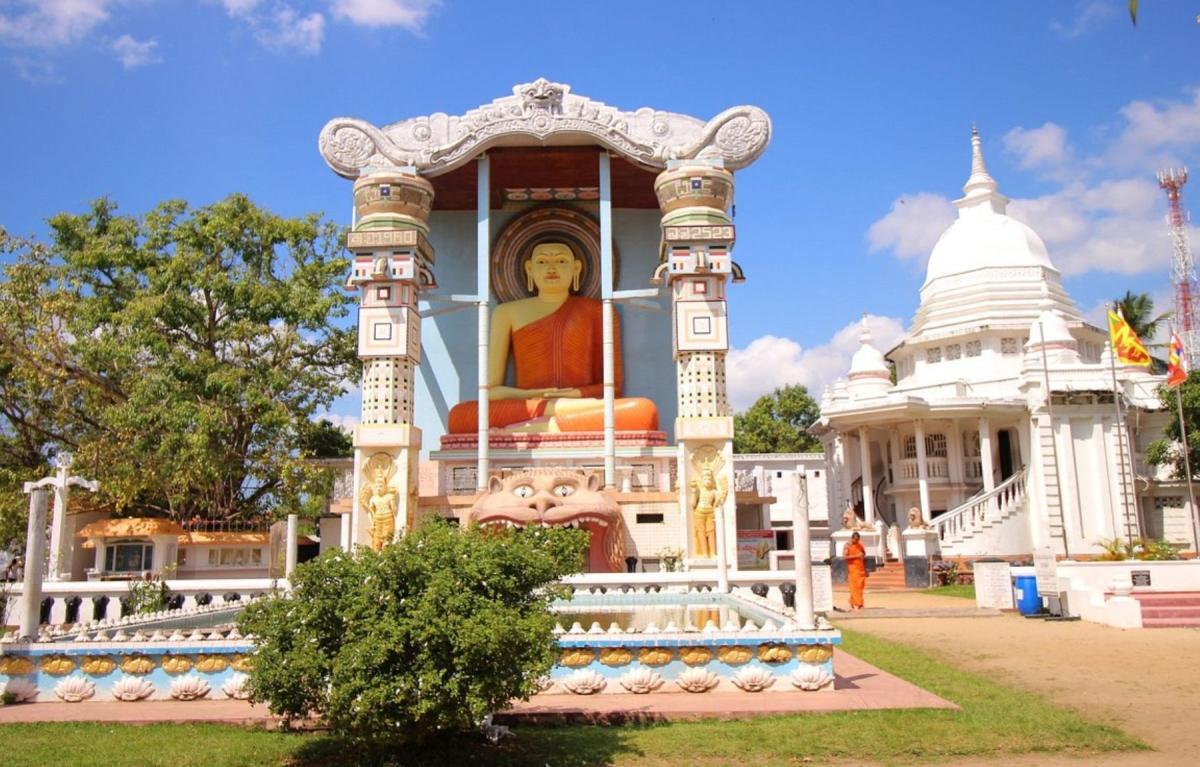

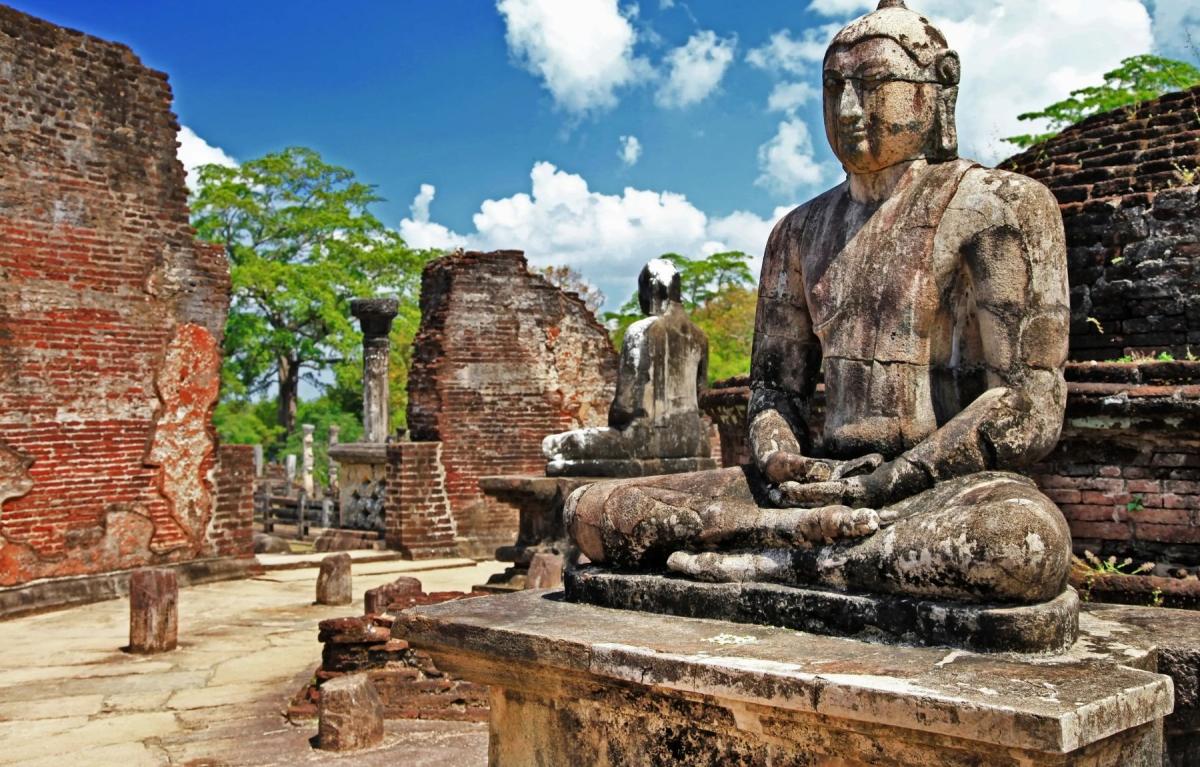
Polonnaruwa Tours offer travelers the opportunity to explore one of Sri Lanka's most important ancient cities and UNESCO World Heritage Sites. Located in the North Central Province, Polonnaruwa served as a major royal capital between the 11th and 13th centuries and is known for its impressive Buddhist temples, royal palaces, stone sculptures and archaeological ruins.
Visitors can discover the Ancient City of Polonnaruwa, Gal Vihara, Royal Palace of King Parakramabahu and Polonnaruwa Vatadage. These historical landmarks reveal the architectural achievements, religious traditions and cultural heritage of medieval Sri Lanka.
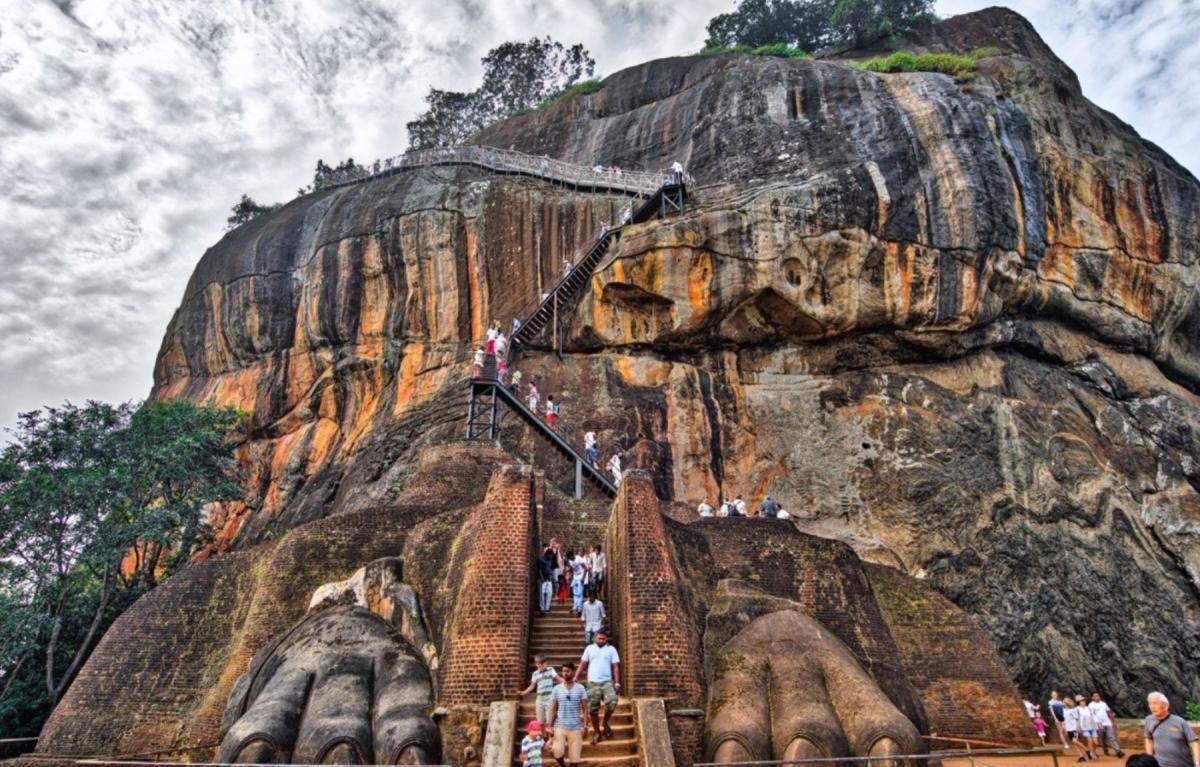
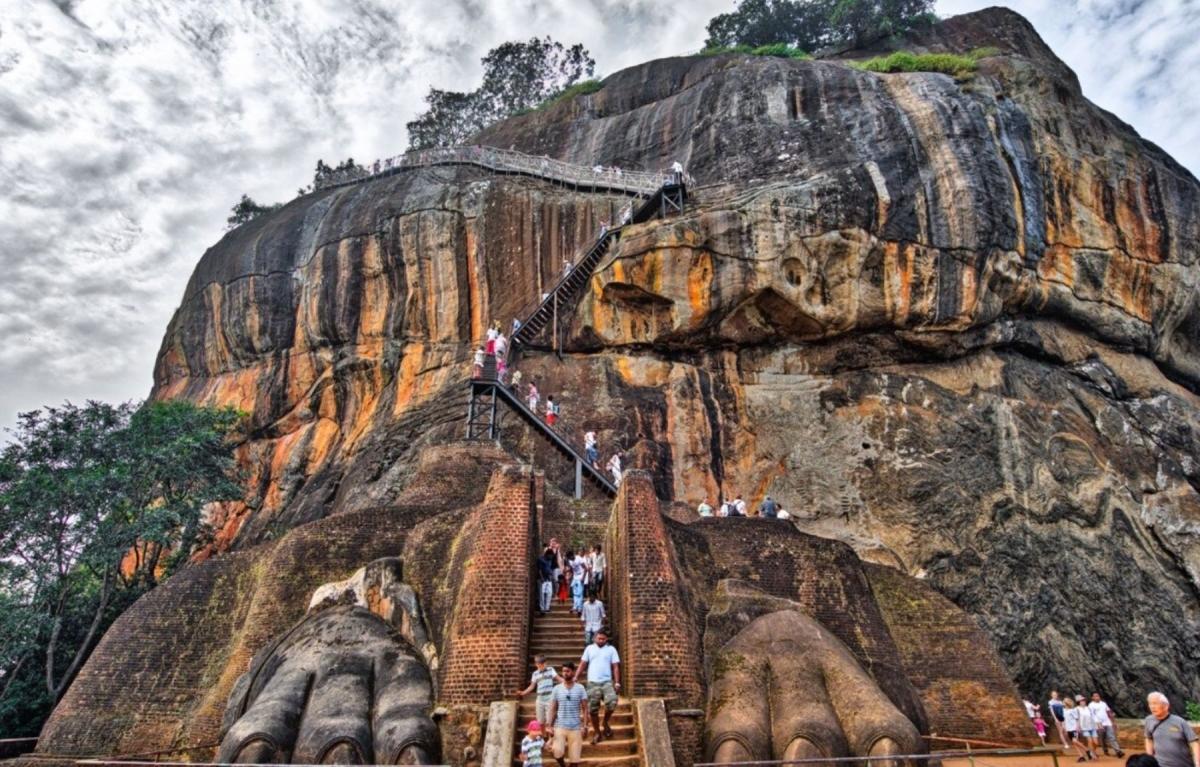
Polonnaruwa is also an important destination within Sri Lanka's Cultural Triangle, making it a popular addition to itineraries that include Sigiriya, Dambulla and Anuradhapura. From guided archaeological excursions to multi-day cultural journeys, Polonnaruwa offers a fascinating experience for history lovers and travelers interested in Sri Lanka's Buddhist heritage.
Polonnaruwa Trips focus on exploring the ancient capital, its religious monuments and the surrounding cultural landscape.
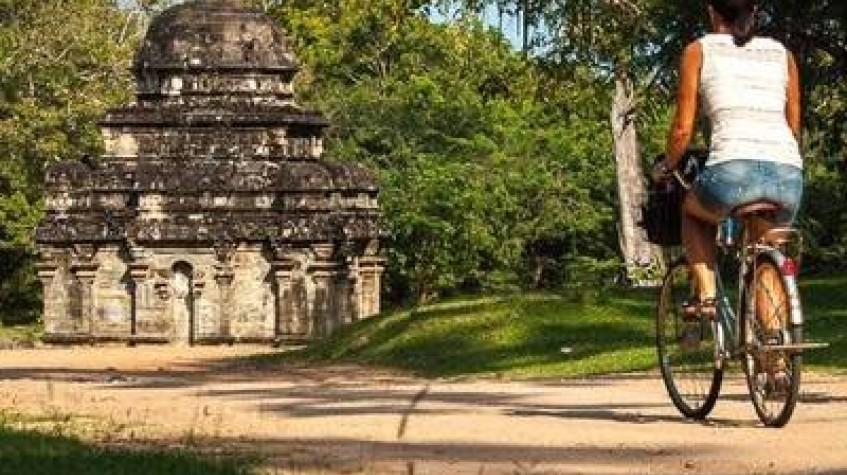
The main attraction is the Ancient City of Polonnaruwa, where travelers can walk or cycle between the remains of royal buildings, Buddhist monasteries, stupas and historic temples. Guided tours provide insight into the city's development during the reigns of Sri Lankan kings and its importance as a political and religious center.
One of the highlights is Gal Vihara, famous for its large Buddha sculptures carved directly into a granite rock face. Visitors can also explore the Royal Palace complex, the Sacred Quadrangle and several well-preserved religious monuments.
Many Polonnaruwa trips can be combined with other destinations in Sri Lanka's Cultural Triangle. Travelers staying in Sigiriya, Dambulla or Habarana can visit Polonnaruwa on an organized day trip, while longer itineraries may also include Anuradhapura and Kandy.
The region also offers opportunities to explore rural landscapes, traditional villages and nearby wildlife destinations, depending on the selected itinerary.
Polonnaruwa contains some of Sri Lanka's most remarkable archaeological and religious landmarks.
Polonnaruwa Ancient City is the destination's main attraction and a UNESCO World Heritage Site. Its extensive archaeological complex includes royal buildings, Buddhist temples, monasteries and stone monuments dating primarily from Sri Lanka's medieval period.
Gal Vihara is one of the most famous Buddhist monuments in Sri Lanka. The site features four impressive Buddha images carved from a single granite rock formation, including seated, standing and reclining figures.
Royal Palace of King Parakramabahu was once part of an extensive royal complex. Although much of the original structure has disappeared, its surviving brick walls and foundations provide insight into the scale of the ancient kingdom.
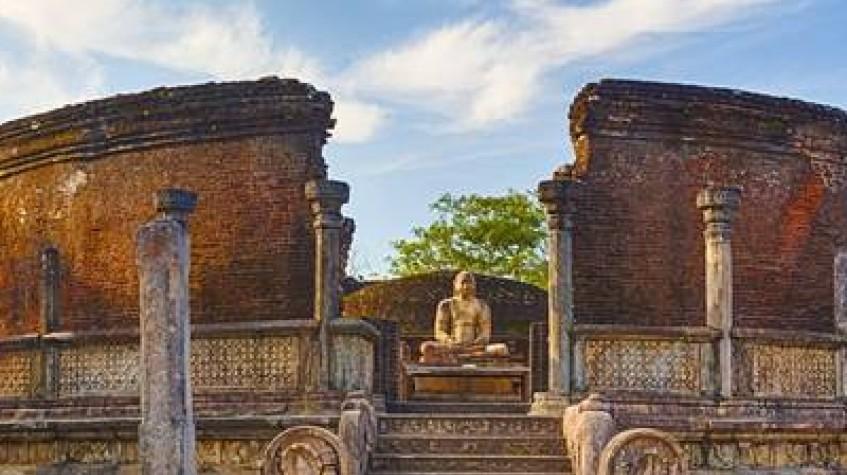
Polonnaruwa Vatadage is a circular Buddhist relic house located within the Sacred Quadrangle. Known for its stone carvings, stairways and Buddha statues, it is one of the most recognizable architectural monuments in the ancient city.
Rankoth Vehera is a large brick stupa constructed during the Polonnaruwa period. Its monumental structure reflects the importance of Buddhism and religious architecture during the city's time as a royal capital.
Parakrama Samudra is a vast historic reservoir associated with King Parakramabahu I. The reservoir demonstrates the advanced irrigation systems developed in medieval Sri Lanka and remains an important feature of the region's landscape.
Together, these attractions make Polonnaruwa an essential destination for travelers interested in Sri Lankan history, ancient architecture, archaeology and Buddhist culture