
Free Cancellation






Kandy Tours take travelers into Sri Lanka's Central Highlands, where Buddhist heritage, royal history, tropical landscapes and traditional culture come together. Surrounded by green hills, Kandy is one of Sri Lanka's most important cultural destinations and a popular stop on journeys between Colombo, Sigiriya, Dambulla, Nuwara Eliya and Ella.
The city is best known for the Temple of the Sacred Tooth Relic, one of the most significant Buddhist pilgrimage sites in Sri Lanka. Together with the historic center, the temple forms part of the Sacred City of Kandy, recognized as a UNESCO World Heritage Site.
Kandy also served as the capital of the last independent kingdom of Sri Lanka before the British takeover in the early 19th century. This royal history remains visible around the temple complex and historic center.
Beyond its religious and historical importance, Kandy attracts visitors with Kandy Lake, botanical gardens, viewpoints, traditional dance performances, local markets and the surrounding hill-country scenery.
Travelers can visit Kandy as part of a short cultural trip or include it within a longer Sri Lanka itinerary. Its central location makes the city an important connection between Sri Lanka's ancient cities and the tea-growing highlands.
Kandy Trips can combine cultural sightseeing, religious heritage and nature within one destination.
For first-time visitors, the Temple of the Sacred Tooth Relic is usually the main attraction. The temple is closely associated with Sri Lanka's Buddhist history and remains an active place of worship, so visitors experience both a historic monument and a living religious site.
After visiting the temple, travelers can explore the area around Kandy Lake, located directly beside the historic center. Walking around the lake provides views of the surrounding hills and creates an easy connection between several central attractions.
Another major destination is the Royal Botanic Gardens, Peradeniya, located outside central Kandy. The gardens are known for their extensive collection of tropical plants, palms and orchids and provide a peaceful contrast to the busy city center.
Cultural performances are another popular part of a Kandy visit. Traditional dance shows can introduce travelers to different forms of Sri Lankan dance, drumming and performance traditions.
Kandy can also be incorporated into longer journeys through the country.
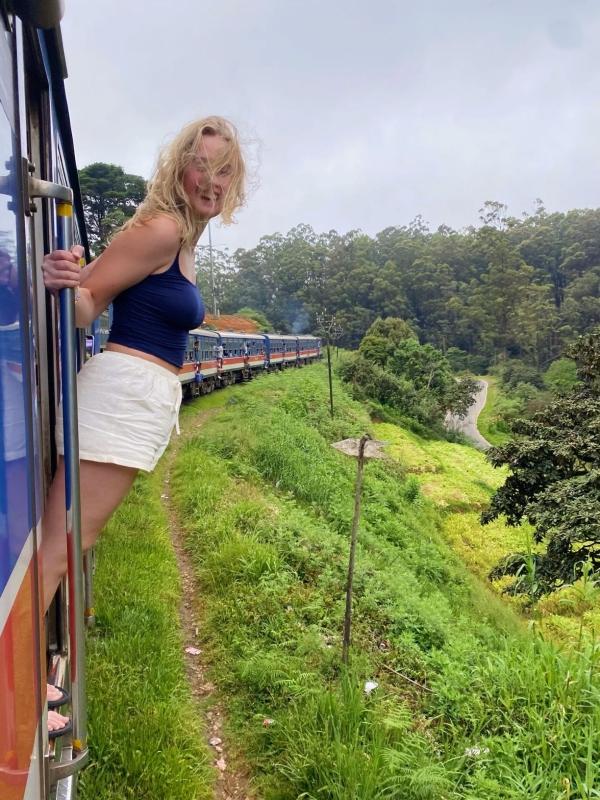
Travelers exploring Sri Lanka's Cultural Triangle can travel from Sigiriya or Dambulla to Kandy before continuing into the Central Highlands. From Kandy, many itineraries proceed toward Nuwara Eliya and Ella, where tea plantations and mountain landscapes become the main attractions.
This makes Kandy particularly useful for travelers who want to combine Sri Lanka's history, culture and natural scenery within the same itinerary.
There are many things to do in Kandy, ranging from visiting one of Sri Lanka's most sacred temples to exploring gardens and experiencing the atmosphere of the Central Highlands.
The Temple of the Sacred Tooth Relic, also known as Sri Dalada Maligawa, should be one of the first stops. The temple is believed to house a sacred tooth relic of the Buddha and is one of the country's most important religious sites. Visitors should dress respectfully when entering the temple complex.
Walking around Kandy Lake is another simple way to experience the city. Created during the period of the Kandyan Kingdom, the lake remains one of the most recognizable features of central Kandy.
For a broader view of the city, travelers can visit one of the viewpoints in the surrounding hills. From higher ground, the relationship between Kandy Lake, the historic center and the green hills becomes much clearer.
The Royal Botanic Gardens in Peradeniya are among the most popular attractions near Kandy. The gardens cover a large area and contain an extensive collection of tropical vegetation, including impressive palm avenues and orchids.
Travelers interested in Sri Lankan culture can attend a Kandyan dance performance. Traditional costumes, drumming and different dance forms provide an introduction to performing traditions associated with the region.
Local markets and shopping streets offer another perspective on the city. Visitors can explore stalls selling fruit, vegetables, spices and everyday products while experiencing daily life away from the main monuments.
Kandy is also closely connected with Ceylon tea culture. The surrounding highlands contain important tea-growing areas, and travelers continuing toward Nuwara Eliya can visit plantations and learn more about tea cultivation and production.
For nature lovers, Kandy can serve as a base for exploring green hills, gardens and destinations outside the center. The city's elevation and surrounding vegetation create a very different environment from Sri Lanka's coastal cities.
One of the country's most important annual events is the Kandy Esala Perahera, a major Buddhist festival traditionally associated with the Sacred Tooth Relic. The event includes processions, dancers, drummers and ceremonial traditions. Dates vary according to the religious calendar, so travelers planning specifically for the festival should check the confirmed schedule for their travel year.
Kandy is also an excellent connecting point for a wider Sri Lanka journey. Visitors can combine the city with Sigiriya and Dambulla for ancient heritage, continue toward Nuwara Eliya and Ella for hill-country landscapes, or include Kandy within a larger route beginning or ending in Colombo.