
Free Cancellation

-high.jpg&w=1920&q=75 "Sri Lanka Wildlife Safari & Nature Tour")
-high.jpg&w=1920&q=75 "Sri Lanka Ayurveda Wellness 7Day")
-high.jpg&w=1920&q=75 "Sri Lanka Ayurveda Wellness & Healing Tour 15Day")

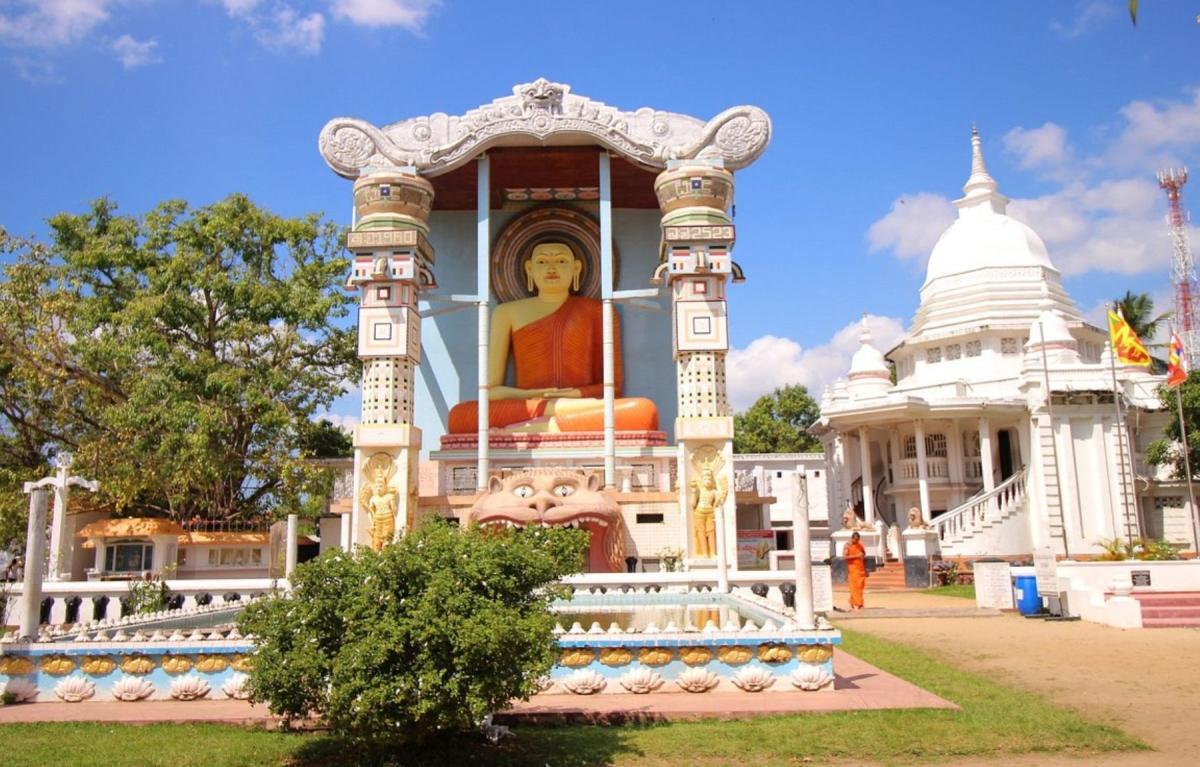
Anuradhapura was Sri Lanka's capital for more than a thousand years, from the 4th century BC until the 11th century AD, and it remains the country's oldest continuously sacred city. Its ruins spread across a wide archaeological zone of monasteries, reservoirs, and dagobas built during the height of the ancient Sinhalese kingdom, and the city forms one of the three points of the Cultural Triangle alongside Polonnaruwa and Kandy. Anuradhapura tours typically begin at the ruins around the sacred Bodhi tree and expand outward to the site's massive brick stupas, making it one of the core stops on any Sri Lanka tour.
UNESCO listed Anuradhapura as a World Heritage Site in 1982, recognizing both the scale of its monastic ruins and their continued use as an active place of Buddhist worship. Pilgrims still visit daily, particularly on full moon Poya days, when the site draws large crowds dressed in white. The layout of ancient monasteries, hospitals, and irrigation reservoirs gives visitors a sense of how advanced the old city's urban planning was, centuries before comparable engineering appeared elsewhere in the region.
Ruwanwelisaya, built by King Dutugemunu in the 2nd century BC, is the most visited of Anuradhapura's dagobas, its whitewashed dome rising above a wall ringed with hundreds of carved elephants. Jetavanaramaya was once among the tallest structures in the ancient world, a solid brick stupa that required an estimated ninety million baked bricks to build, and it remains one of the largest brick structures anywhere today. Abhayagiri, part of a separate monastic complex to the north, held a large community of monks and includes bathing pools, a carved moonstone at its entrance, and its own towering dagoba, now partly restored. Thuparamaya, smaller than the others, is considered the first stupa built in Sri Lanka, raised in the 3rd century BC to enshrine a collarbone relic of the Buddha. Mirisawetiya, another stupa attributed to King Dutugemunu, sits near Tissa Wewa reservoir and marks the spot where, according to legend, a spear containing a Buddha relic could not be removed from the ground.
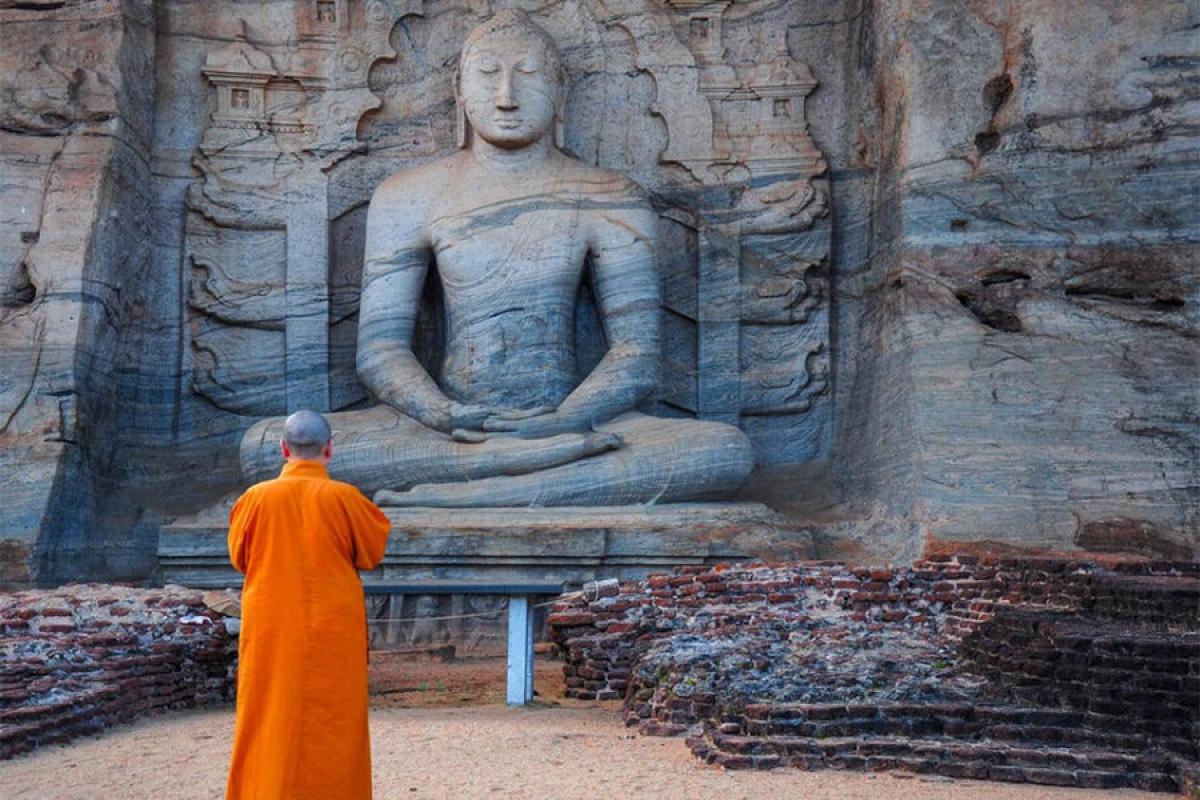
The Sri Maha Bodhi tree at the heart of the old city grew from a cutting of the original Bodhi tree in Bodh Gaya, India, under which the Buddha is said to have attained enlightenment. It was planted in the 3rd century BC and is documented as the oldest human-planted tree in the world with a continuous historical record. A gold-railed platform surrounds the tree, and monks maintain a rotating watch over it, making the site one of the most visited pilgrimage points in the country. Nearby, the Samadhi Buddha statue, carved from granite around the 4th century, shows the Buddha in deep meditation and is regarded as one of the finest examples of ancient Sri Lankan sculpture. Elaborately carved guard stones, known as muragala and often featuring cobra deities, stand at the entrances of many monastic buildings across the site and are considered among the finest stone carving of the period. The rock-cut Isurumuniya temple, at the edge of Tissa Wewa reservoir, adds further carvings, including the well-known Isurumuniya Lovers relief.
Anuradhapura's kings built an extensive network of reservoirs, known locally as wewa, to store monsoon rainfall and irrigate rice paddies through the dry months, a system considered one of the more advanced hydraulic networks of the ancient world. Tissa Wewa and Nuwara Wewa, both built more than two thousand years ago, still supply water to the modern city and surrounding farmland today. The Eth Pokuna, or Elephant Pond, near Abhayagiri is one of the largest ancient reservoirs on the site, cut directly into rock and originally fed by an underground canal system linking it to the wider tank network. Engineers of this period are also credited with developing the bisokotuwa, or valve pit, a mechanism that let reservoir water drain out at a controlled rate without eroding the earthen dam, an innovation historians consider well ahead of comparable water-management technology elsewhere at the time.
Anuradhapura pairs naturally with the region's national parks, since Wilpattu and Minneriya lie within a few hours' drive and offer leopard and elephant sightings respectively. Mihintale, about eight kilometers away, marks the spot where Buddhism was formally introduced to Sri Lanka in the 3rd century BC and is often visited on the same day as the main Anuradhapura ruins. Ritigala, a forest monastery site about 45 kilometers away, adds a quieter contrast to the main ruins, its stone terraces built into a jungle-covered ridge and once used by ascetic monks during the same era. Multi-day itineraries frequently link the ancient cities of Anuradhapura and Polonnaruwa with a wildlife safari day, giving travelers both history and nature within one loop through the Cultural Triangle. The 8 Days Historical and Wildlife Tour in Cultural Triangle follows this pattern, moving between ruins and parks over more than a week.
The dry zone around Anuradhapura sees its driest weather from May through September, while the northeast monsoon brings heavier rain between October and January. Daytime temperatures stay warm year-round, so an early start helps avoid the midday heat when walking between the widely spaced ruins. A single entrance ticket for foreign visitors covers most of the major sites within the sacred city precinct. The site sits about four hours north of Colombo by road, or a similar journey by train, and modest dress covering shoulders and knees is required at all stupas and temple platforms, with shoes removed before entering.