

Free Cancellation




-high.jpg&w=1920&q=75 "5 Day Sri Lanka Beach & Wildlife Tour: Mirissa, Galle & Bentota")


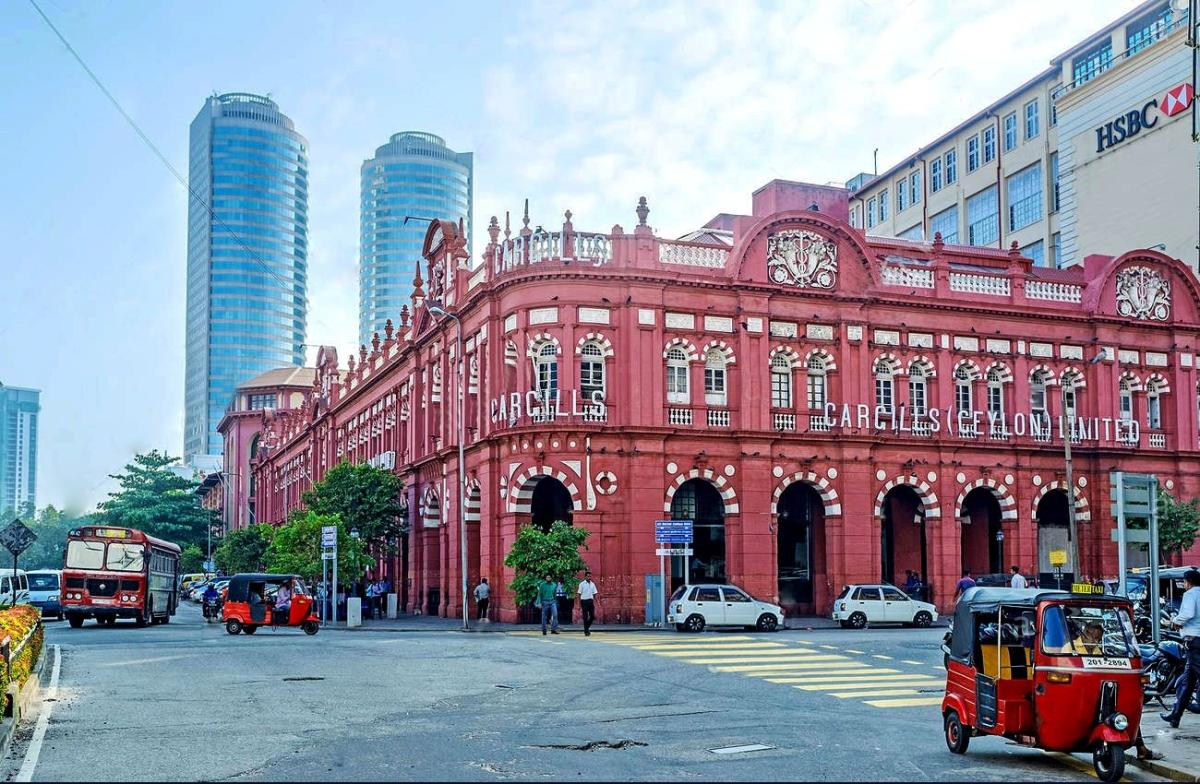
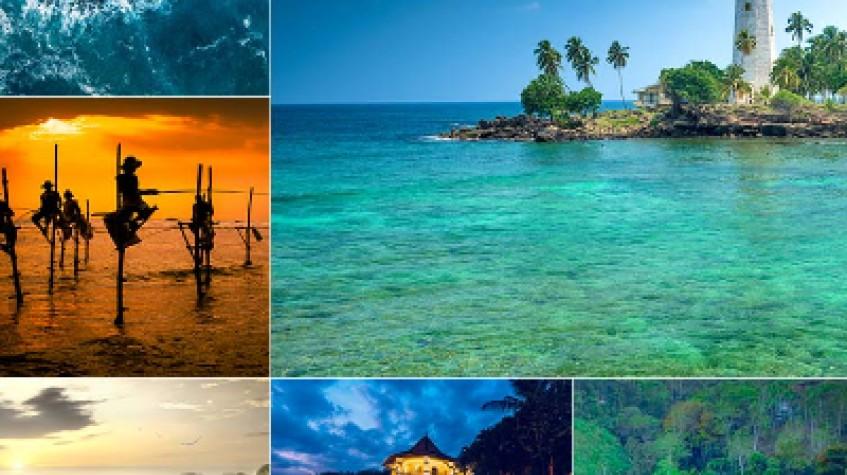
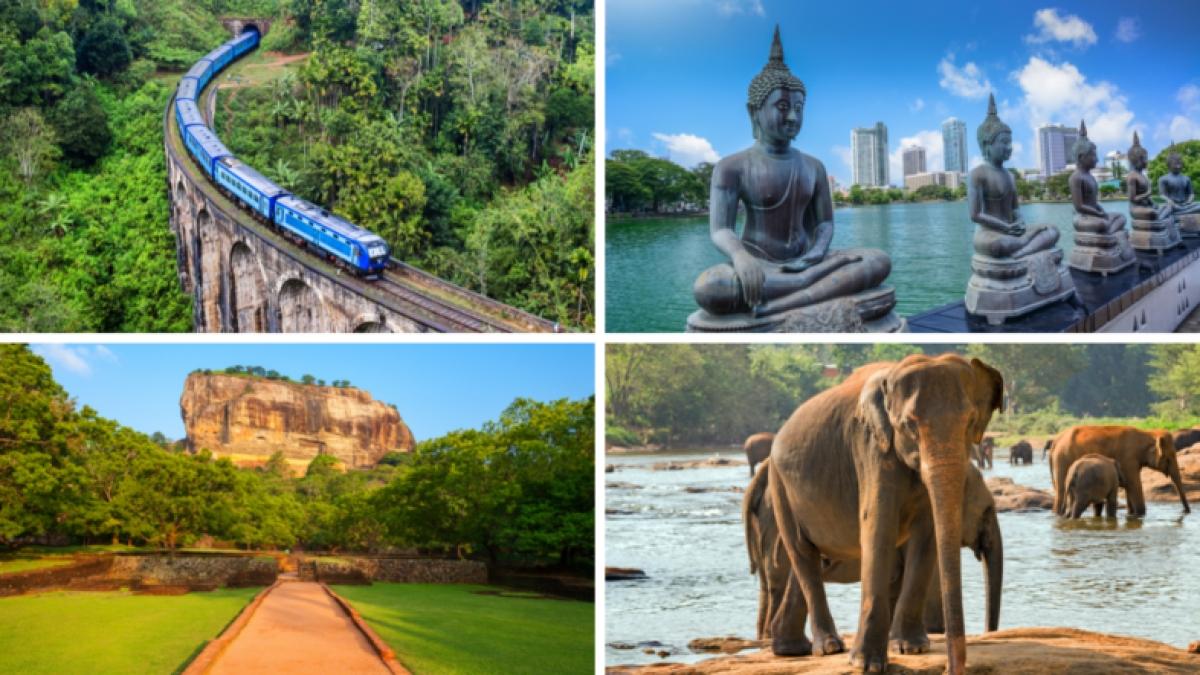
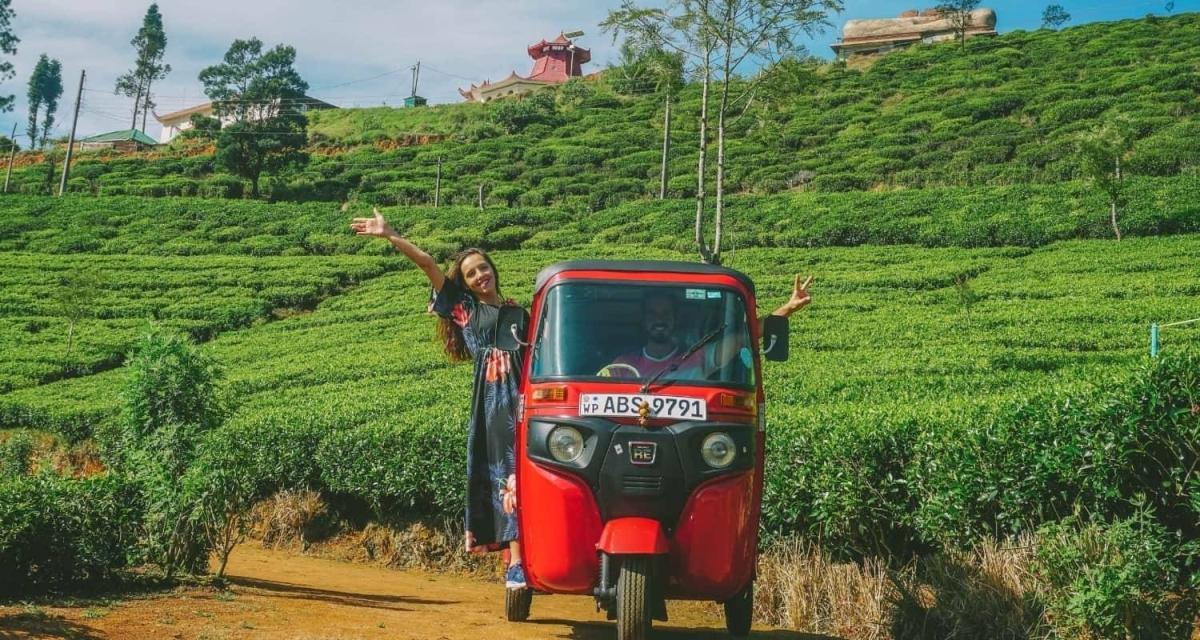
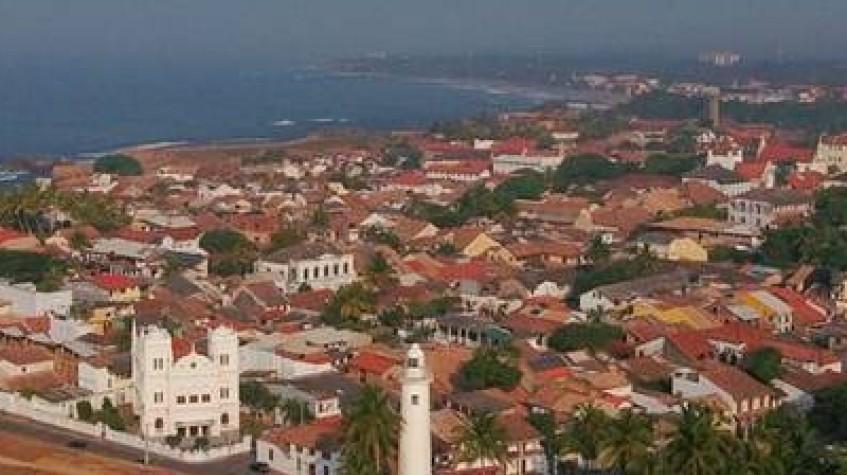
Galle Tours take travelers to one of Sri Lanka's most historically important coastal cities, where colonial architecture, ocean views and local culture come together around the famous Galle Fort. Located on the southern coast of Sri Lanka, Galle is a popular destination for travelers exploring Colombo, Bentota, Mirissa and other destinations along the island's southwest and southern coastline.
The city's main attraction is the Old Town of Galle and its Fortifications, recognized as a UNESCO World Heritage Site. The fortified town reflects centuries of maritime trade and European colonial influence, particularly from the Portuguese and Dutch periods.
Inside the fort, travelers can explore narrow streets lined with historic buildings, churches, museums, cafés, shops and boutique properties. The defensive walls surrounding the old town also provide excellent views across the Indian Ocean.
Galle is not only about history. Its location makes it a convenient base for exploring beaches, coastal villages and other attractions in southern Sri Lanka. Travelers can visit Galle as a day trip or include an overnight stay as part of a longer Sri Lanka itinerary.
For visitors interested in history, architecture, photography, coastal scenery and Sri Lankan culture, Galle is one of the essential destinations in southern Sri Lanka.
Galle Trips can focus on the historic fort or combine city sightseeing with the beaches and attractions of Sri Lanka's southern coast.
A typical visit begins at Galle Fort. Walking is one of the best ways to explore the historic area because many of its important attractions are located close together.
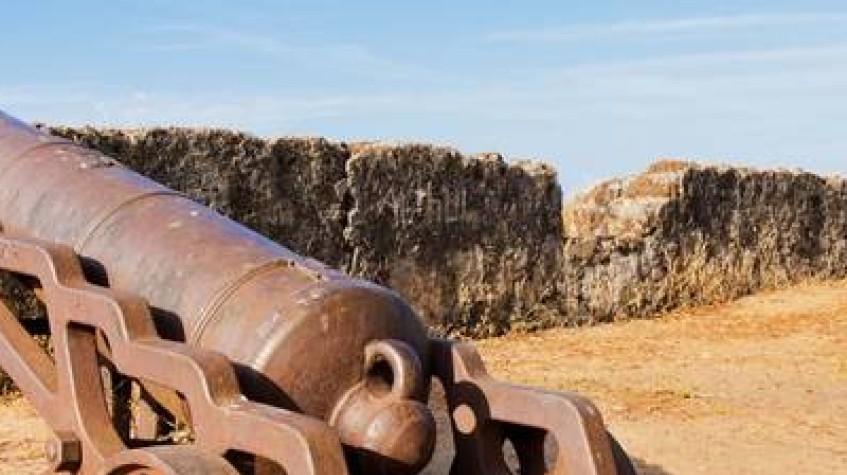
The fortifications were developed over several colonial periods. The Portuguese established an early fortification in Galle, while the Dutch significantly expanded and strengthened the site during the 17th century. British rule later brought further changes to the city.
Today, the historic streets reveal this layered past through colonial houses, administrative buildings, churches and defensive structures.
Travelers can walk along the Galle Fort ramparts, particularly toward the end of the day when the walls become a popular place for enjoying views over the Indian Ocean.
Galle can also be incorporated into longer coastal trips. Travelers arriving from Colombo or Bentota can explore the city before continuing toward Mirissa, Weligama, Unawatuna or other southern destinations.
For travelers planning a wider Sri Lanka journey, Galle can be combined with inland destinations as well. A route might connect the southern coast with Ella, Nuwara Eliya and Kandy, creating an itinerary that combines beaches, colonial heritage and the Central Highlands.
Private and organized Galle trips may include transportation and guided sightseeing, while independent travelers can spend additional time exploring the fort's streets at their own pace. Exact services vary according to the selected tour.
The best places to visit in Galle are concentrated around the historic fort, although the surrounding coastline also offers several worthwhile experiences.
Galle Fort is the essential starting point. Its walls, bastions and historic streets form the heart of the city's tourism area. Walking through the fort allows travelers to experience architecture from different historical periods while also discovering restaurants, shops and galleries.
The Galle Fort Ramparts provide some of the best coastal views in the city. Visitors can walk along sections of the defensive walls and look across the Indian Ocean. Sunset is particularly popular, although the ramparts can be explored throughout the day.
The Galle Lighthouse is one of the most recognizable landmarks within the fort. Standing near the southeastern edge of the fortified area, it has become a popular photography stop and symbol of Galle's maritime character.
Another important historical landmark is the Dutch Reformed Church, also known as Groote Kerk. The church reflects the Dutch colonial period and is one of the notable historic buildings inside the fort.
Travelers interested in the city's maritime past can visit the National Maritime Archaeology Museum, where exhibits provide additional context about maritime activity and the region's connections with the sea.
The fort's streets are also attractions in themselves. Colonial-era buildings now contain cafés, restaurants, small hotels, galleries and shops, allowing historic architecture to remain part of everyday city life.
Outside the fortified center, travelers can explore the wider Galle area and nearby coastline.
Unawatuna is located close to Galle and is known for its beach and relaxed coastal atmosphere. It can easily be combined with a visit to the historic city.
Travelers continuing east can reach Weligama and Mirissa, while those traveling toward Colombo can stop at other coastal destinations along the way.
Galle can therefore work both as a cultural destination and as part of a longer Sri Lanka beach holiday.