
Free Cancellation


-high.jpg&w=1920&q=75 "7 Day Sri Lanka Traditional Ayurveda & Wellness Tour")
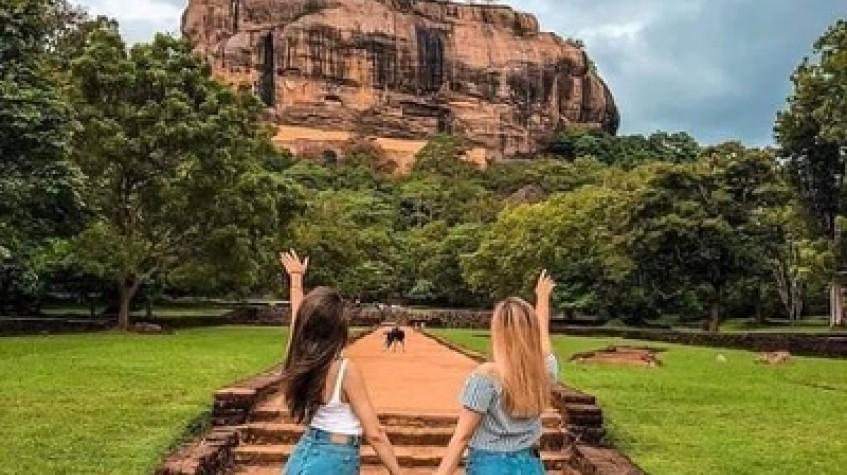
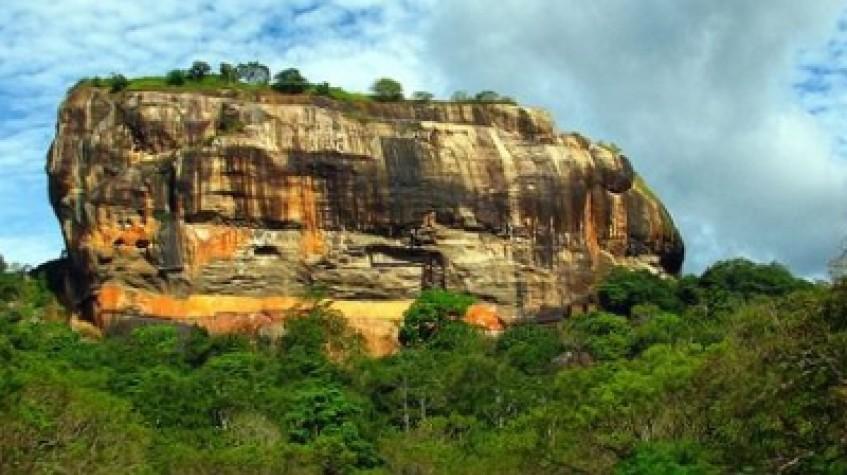
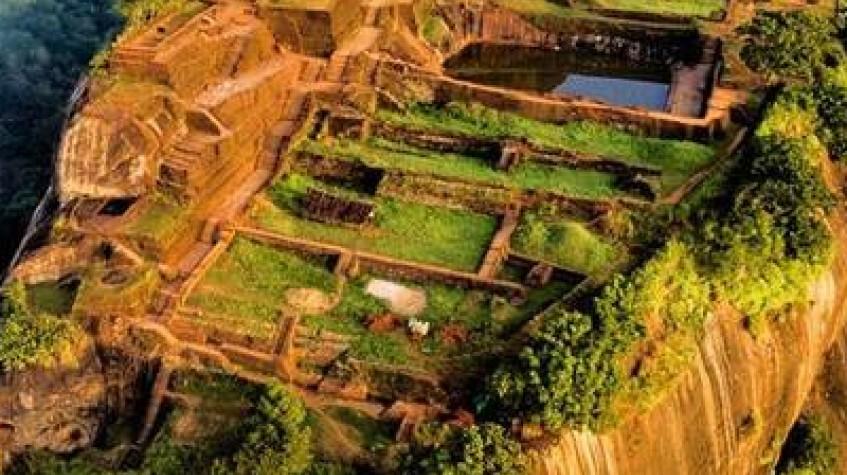


Sigiriya Tours take travelers to one of Sri Lanka's most famous historical landmarks and one of the highlights of the country's Cultural Triangle. Rising dramatically above the surrounding landscape, Sigiriya Rock Fortress, also known as Lion Rock, combines archaeology, ancient engineering, art and panoramic views within a single UNESCO World Heritage Site.
Sigiriya is associated with King Kashyapa I, who established a royal center here during the 5th century AD. The site includes the remains of a palace complex, landscaped gardens, defensive structures, water systems, frescoes and the famous Lion's Paw entrance leading toward the summit.
Although the rock fortress is the main attraction, a trip to Sigiriya can include much more. Travelers can visit Pidurangala Rock, explore nearby villages, experience the surrounding countryside and combine Sigiriya with other important destinations such as Dambulla, Polonnaruwa and Kandy.
Sigiriya is particularly important for travelers interested in Sri Lankan history and archaeology, but the destination also appeals to photographers, hikers and nature lovers.
Whether visited as part of a day trip or a longer Sri Lanka itinerary, Sigiriya provides one of the country's most memorable combinations of history and landscape.
Sigiriya Trips can range from a focused visit to the ancient fortress to multi-day journeys through Sri Lanka's Cultural Triangle.
The main experience is climbing Sigiriya Rock. Visitors pass through the archaeological complex before gradually ascending toward the summit. Along the route are some of the site's most important features, including ancient water gardens, surviving frescoes and the Mirror Wall.
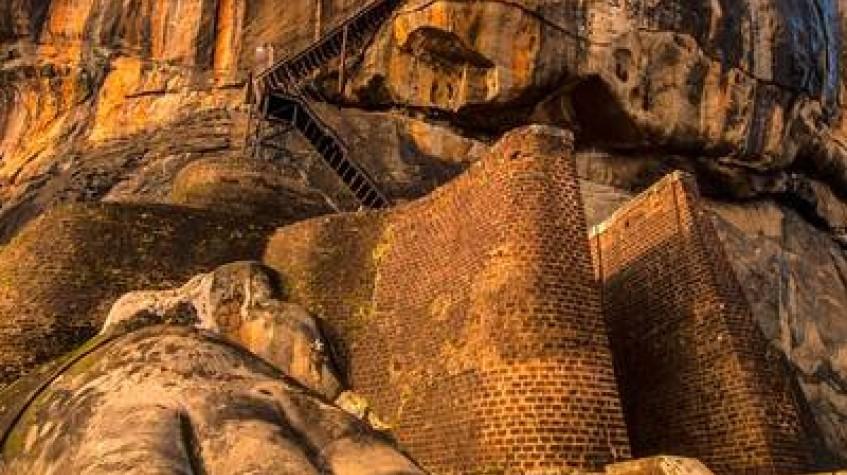
One of the most recognizable sections is the Lion's Paw Terrace. The enormous stone paws are surviving elements of what was once a monumental lion-shaped entrance. From here, the route continues upward toward the summit.
At the top are archaeological remains associated with the ancient royal complex, together with extensive views across the forests, lakes and plains of central Sri Lanka.
Travelers who want another perspective can also visit Pidurangala Rock, located close to Sigiriya. The climb provides a particularly impressive view toward Lion Rock and the surrounding countryside.
Sigiriya also works naturally as part of a broader cultural itinerary.
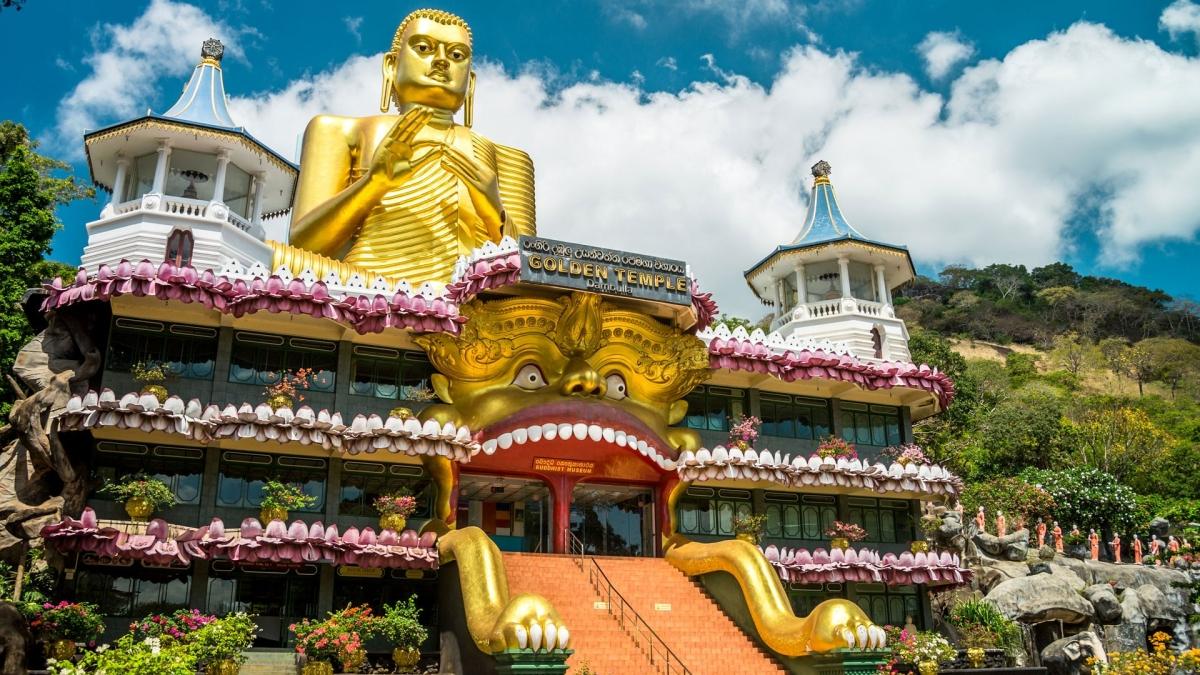
Dambulla Cave Temple can be combined with Sigiriya because of its proximity and historical importance. Travelers with more time can continue toward Polonnaruwa, one of Sri Lanka's great ancient capitals.
A typical cultural route can connect Sigiriya, Dambulla and Polonnaruwa before continuing south toward Kandy and the Central Highlands.
Sigiriya trips can therefore be designed for travelers who simply want to see Lion Rock or for those planning a deeper exploration of Sri Lanka's ancient heritage.
The best places to visit in Sigiriya include the famous rock fortress as well as several natural and cultural attractions in the surrounding region.
Sigiriya Rock Fortress is the essential attraction. The archaeological site demonstrates sophisticated planning through its combination of gardens, water features, defensive structures and royal architecture.
The Water Gardens at the base of Sigiriya are particularly important. Their symmetrical layout, pools and hydraulic features demonstrate the advanced engineering used in the ancient complex.
During the ascent, visitors can see the famous Sigiriya Frescoes. These surviving paintings are among the site's most recognizable artistic features.
Another important feature is the Mirror Wall, a highly polished wall that later became known for historic inscriptions and graffiti left by visitors centuries ago.
Higher on the rock, the Lion's Paw Terrace marks the entrance toward the final section of the climb. The surviving paws provide an indication of the monumental scale of the original lion gateway.
The summit of Sigiriya contains the remains of structures associated with the royal complex. It also provides panoramic views across central Sri Lanka, making the climb rewarding for both history lovers and photographers.
Pidurangala Rock offers a different experience. The climb is generally more rugged than the developed route at Sigiriya, but the summit provides one of the best viewpoints of Lion Rock itself. Visitors should wear appropriate footwear and consider weather and physical conditions before climbing.
Travelers can also explore the rural landscape surrounding Sigiriya. Village experiences may introduce visitors to local agriculture, traditional food and everyday life in the countryside, depending on the selected tour.
Nearby Dambulla is another important addition. The Dambulla Cave Temple, also known as the Golden Temple of Dambulla, contains an extensive collection of Buddhist paintings and statues inside a series of caves.
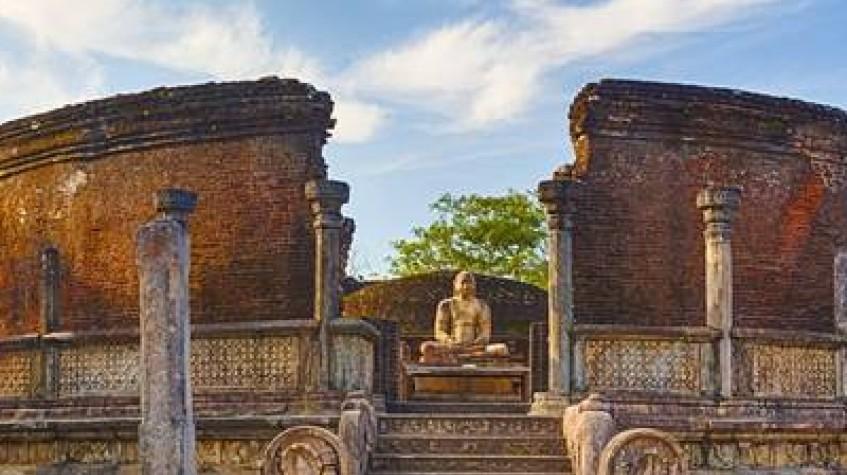
Travelers with additional time can continue toward Polonnaruwa, where the ruins of the ancient city include temples, royal structures, stupas and monumental Buddha images.
Together, Sigiriya, Dambulla and Polonnaruwa form an excellent route for travelers who want to understand the archaeological and cultural heritage of central Sri Lanka.