
Free Cancellation
-high.jpg&w=1920&q=75 "Sri Lanka Nuwara Eliya and Hakgala Botanical Garden Tour")





Nuwara Eliya Tours take travelers into the heart of Sri Lanka's Central Highlands, where tea plantations, mist-covered mountains, waterfalls and a cooler climate create a completely different atmosphere from the country's tropical coastline. Often called “Little England” because of its colonial-era architecture and cool highland setting, Nuwara Eliya is one of the most distinctive destinations in Sri Lanka.
Located at an elevation of around 1,800 meters, the town is surrounded by some of Sri Lanka's most important tea-growing areas. Green plantations stretch across the hills, while tea factories provide visitors with an opportunity to learn how Ceylon tea is grown, harvested and processed.
Nuwara Eliya is also a useful base for exploring Horton Plains National Park, Gregory Lake, waterfalls and nearby highland landscapes. Travelers interested in hiking, photography and nature can easily combine these experiences with tea plantation visits.
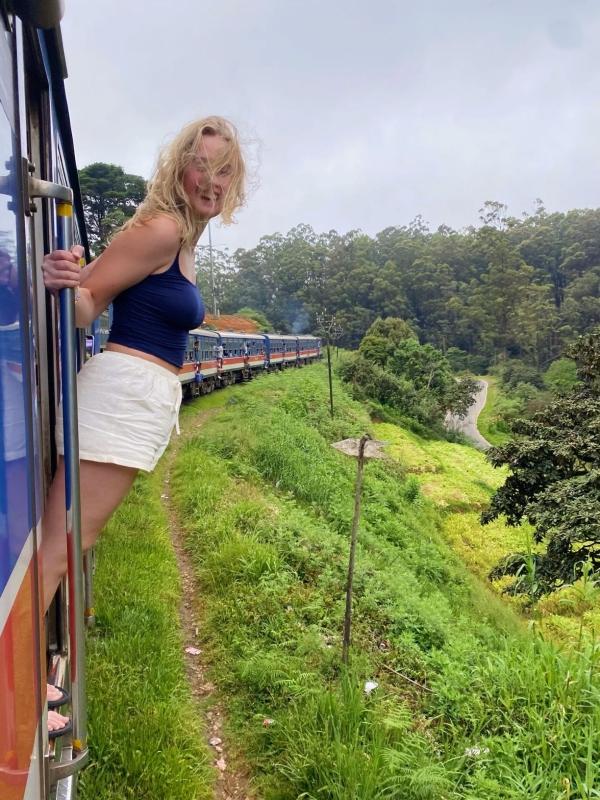
The destination fits naturally into a wider Sri Lanka itinerary. Many travelers arrive from Kandy before continuing toward Ella, creating a route through some of the most scenic areas of the Central Highlands.
Whether you are interested in tea culture, nature or simply experiencing a different side of Sri Lanka, Nuwara Eliya provides an excellent contrast to the island's ancient cities and beaches.
Nuwara Eliya Trips can combine tea experiences, mountain scenery, waterfalls and outdoor activities within a short stay.
Tea is central to the region's identity. The cool climate and high elevation helped establish the Central Highlands as an important tea-growing region, and plantations remain one of the defining features of the landscape.
Visitors can explore tea estates and factories to learn about the journey from freshly picked leaves to the finished product. Depending on the selected experience, a visit may include an introduction to tea production, plantation views and a tasting.
Nature is another major reason to visit.
Horton Plains National Park is one of the most important excursions from Nuwara Eliya. The high-altitude landscape includes grasslands, cloud forest and walking trails. One of its best-known viewpoints is World's End, where the terrain drops dramatically and can provide extensive views when weather conditions are clear.
Waterfalls are scattered throughout the wider region. Some can be visited while traveling between Kandy, Nuwara Eliya and Ella, making the journey itself part of the sightseeing experience.
Within the town, travelers can spend time around Gregory Lake, explore local markets or discover architecture that reflects Nuwara Eliya's colonial-era development.
Nuwara Eliya is also commonly included in longer Sri Lanka trips connecting Colombo, Sigiriya, Dambulla, Kandy, Nuwara Eliya and Ella. This type of route combines ancient heritage with Buddhist culture, tea country and mountain landscapes.
The best places to visit in Nuwara Eliya include tea estates, natural attractions, gardens and scenic locations throughout the surrounding highlands.
Horton Plains National Park is one of the most important attractions in the region. Its highland ecosystem is very different from Sri Lanka's tropical lowlands, and the walking route toward World's End is particularly popular with hikers. Starting early is generally preferable because mist can reduce visibility later in the day.
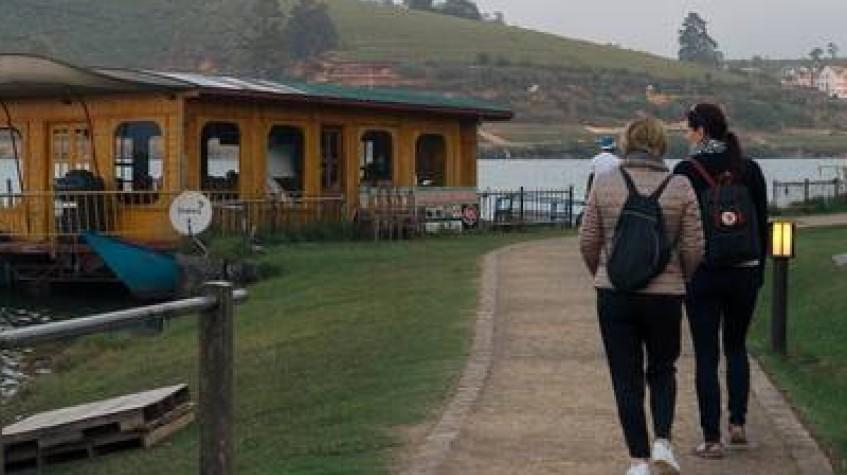
Gregory Lake is one of Nuwara Eliya's most recognizable landmarks. Surrounded by highland scenery, the lake provides a relaxing place for walking and spending time outdoors.
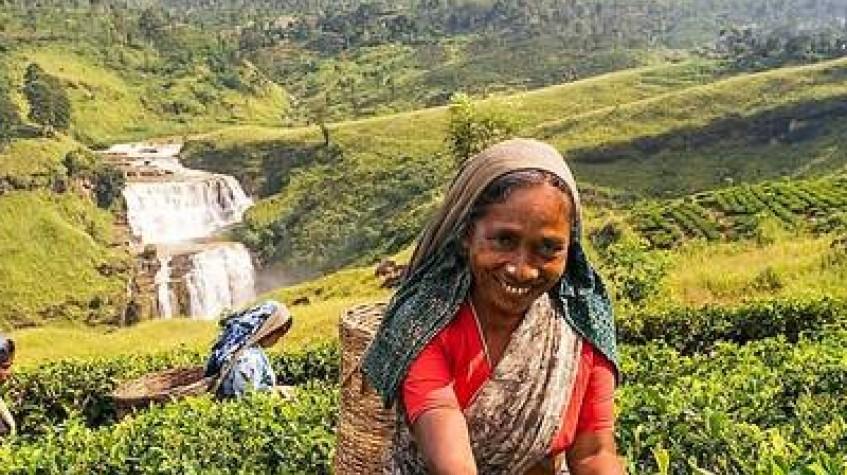
Tea plantations are another essential part of the Nuwara Eliya experience. The surrounding hills contain numerous estates, and selected tea factories welcome visitors interested in learning about Ceylon tea production. Exact visitor programs vary between estates.
Victoria Park provides a quieter attraction within the town. Its landscaped gardens and walking paths make it suitable for travelers who want a relaxed break between larger excursions.
The wider Nuwara Eliya region is also known for waterfalls. Lover's Leap Waterfall is located close to town, while other waterfalls can be seen along routes through the Central Highlands.
Travelers interested in gardens can consider visiting Hakgala Botanical Garden, located outside Nuwara Eliya. Its elevation and climate support a wide variety of plants and make it another popular nature stop in the area.
The town itself is also worth exploring. Colonial-era buildings, hotels and other architectural details help explain why Nuwara Eliya became associated with the nickname “Little England.”
For many travelers, however, the landscapes between the individual attractions are just as memorable as the sites themselves. Tea-covered hills, mountain roads, mist and changing weather create the characteristic scenery of Sri Lanka's highlands.
Nuwara Eliya can also serve as a stopping point before continuing toward Ella, another major hill-country destination known for hiking, waterfalls and mountain views.