

Sri Lanka Hambantota Tours
100+ tours & activities

Free Cancellation
3 Days Honeymoon Glamping Tour
Free Cancellation
7 Days Paradise Island Honeymoon Tour
Free Cancellation
4 Days Ramayana Highlights
Free Cancellation
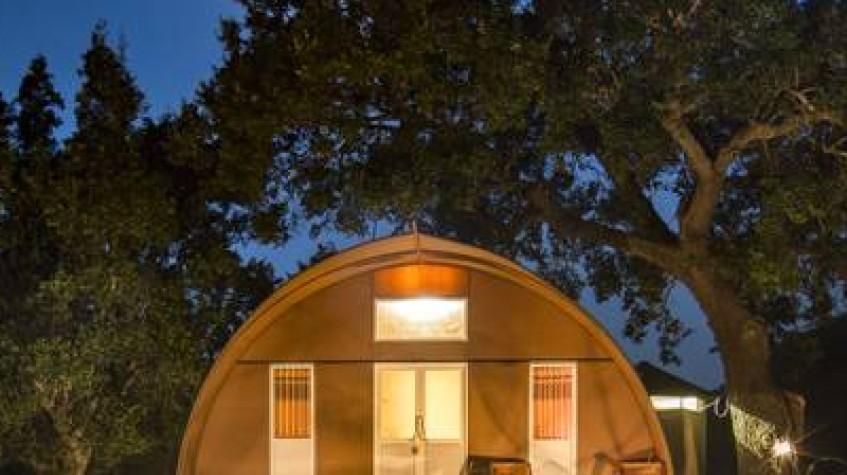
4 Days Glamping & Photography Tour
Free Cancellation
3 Days Luxury Glamping in Yala National Park

Free Cancellation
Overnight Luxury Glamping in Yala With Return Transfers (From Galle)
Free Cancellation
Overnight Luxury Glamping in Yala With Return Transfers (From Kandy)
Free Cancellation
5 Day Sri Lanka Safari & South Coast Tour: Yala, Udawalawe & Mirissa

Free Cancellation
Sri Lanka Solo Tour 15 Day
Free Cancellation
Sri Lanka Wildlife Safari & Nature Tour 18 Days
Free Cancellation
Sri Lanka Family Tour 18 Day
Free Cancellation
Sri Lanka Southern Coast, Wildlife & Yala Safari – 7 Days
Free Cancellation
Sri Lanka Wildlife Safari – 14 Days
Free Cancellation
Sri Lanka Budget Travel Experience – 10 Days
Free Cancellation
Scenic Sri Lanka Train Tour – 16 Days
Free Cancellation
Elephant Kingdom of Sri Lanka – 15 Days
Free Cancellation
3 Days Family Friendly Glamping
Explore Sri Lanka Hambantota Tours
About Sri Lanka Hambantota Tours
Hambantota anchors Sri Lanka's dry southeast, a region shaped by scrub forest, wetlands, and one of the country's newest deep-water ports rather than the lush greenery found further north. It sits at the edge of Yala National Park, home to one of the highest densities of leopards recorded anywhere in the world, which makes the town a common base for safari-focused visits. The Sri Lanka tours page connects Hambantota to the rest of the island's parks, coast, and cultural sites.
Beyond Yala, the district holds the wetlands of Bundala National Park and the dry-zone plantings of Mirijjawila Botanical Garden, both a short drive from town. Hambantota tours generally split between wildlife viewing in the parks and a look at the port and infrastructure that have reshaped the area over the past two decades.
Yala National Park and Its Leopards
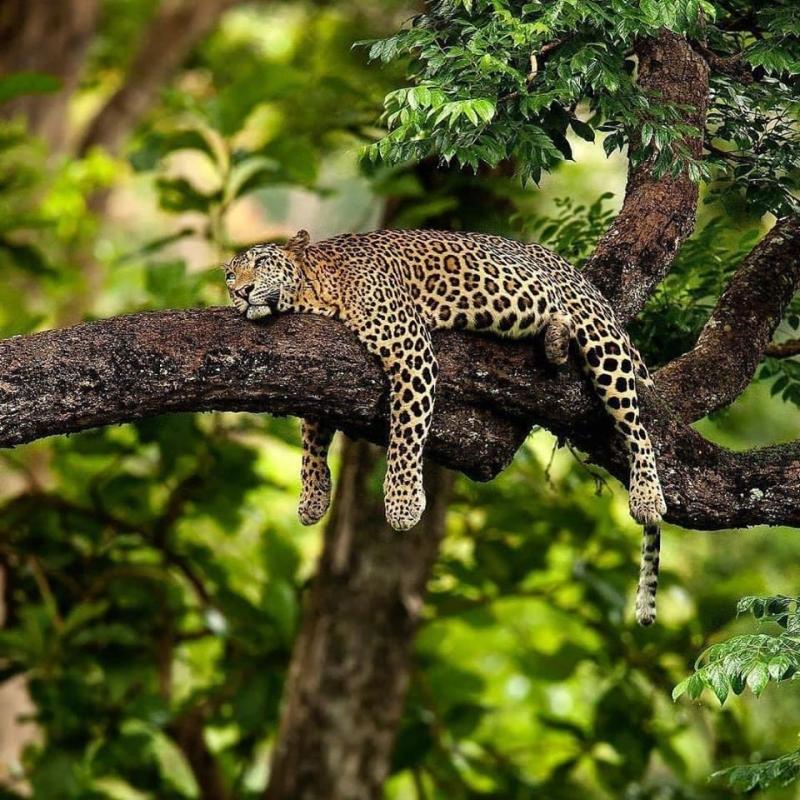
Yala is Sri Lanka's most visited national park and is regularly cited as having one of the highest leopard population densities anywhere, particularly within its Block One section closest to Hambantota. Beyond leopards, the park supports elephants, sloth bears, crocodiles, and large numbers of resident and migratory birds across a landscape of scrub jungle, lagoons, and rocky outcrops. Jeep safaris run from early morning and late afternoon, timed to the hours when animals are most active and temperatures more comfortable.
Bundala Wetlands and Mirijjawila Botanical Garden
Bundala National Park, a Ramsar-listed wetland east of Hambantota, centers on a chain of lagoons that attract large numbers of migratory birds, including flamingos that gather in the shallow salt pans during the northern winter. Mirijjawila Botanical Garden, Sri Lanka's dry-zone counterpart to the more famous gardens at Peradeniya, showcases plants adapted to the region's low rainfall and features a canopy walkway among its collections. Both sites offer a quieter alternative to Yala's more crowded safari circuit.
A Growing Port City
Hambantota's profile has shifted considerably since its deep-water port opened in the early 2010s, built with Chinese financing as part of a broader push to develop the southeast beyond agriculture and fishing. An international cricket stadium and a new airport at nearby Mattala were built around the same period as part of the same development push, giving the town an infrastructure scale well beyond its population. For visitors, this history adds a layer of context to a region otherwise defined by its parks and coastline.
Nearby Kataragama
Kataragama, a pilgrimage town roughly 45 minutes from Hambantota, draws Buddhist, Hindu, and Muslim worshippers to a shrine complex dedicated to the deity Kataragama, and is often paired with a Yala safari as part of the same day trip. The town's evening rituals and markets offer a contrast to the wildlife-focused itineraries that otherwise dominate visits to the area.
Touring From Hambantota
Hambantota's location makes it a practical base for safaris, wetland visits, and day trips to Kataragama, especially for travelers arriving from the hill country. One example is the full-day tour from Hambantota that combines Ella, Yala, and Kataragama, which links the hill country with the southeast's parks and pilgrimage sites in a single trip.