
Free Cancellation
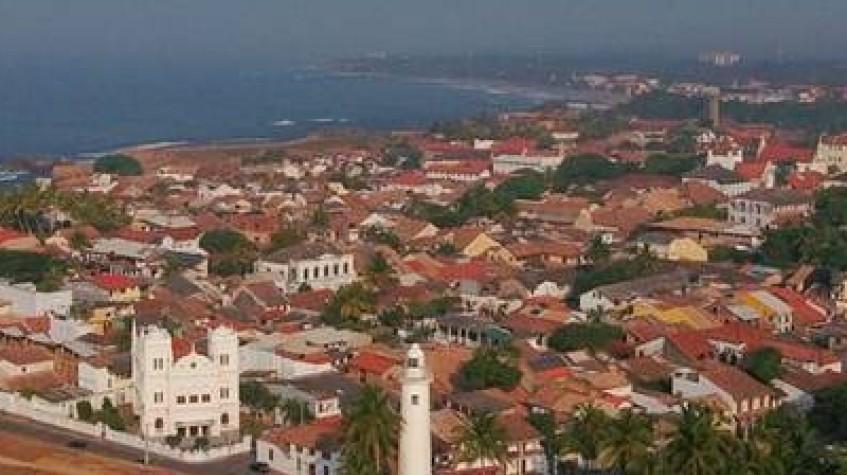

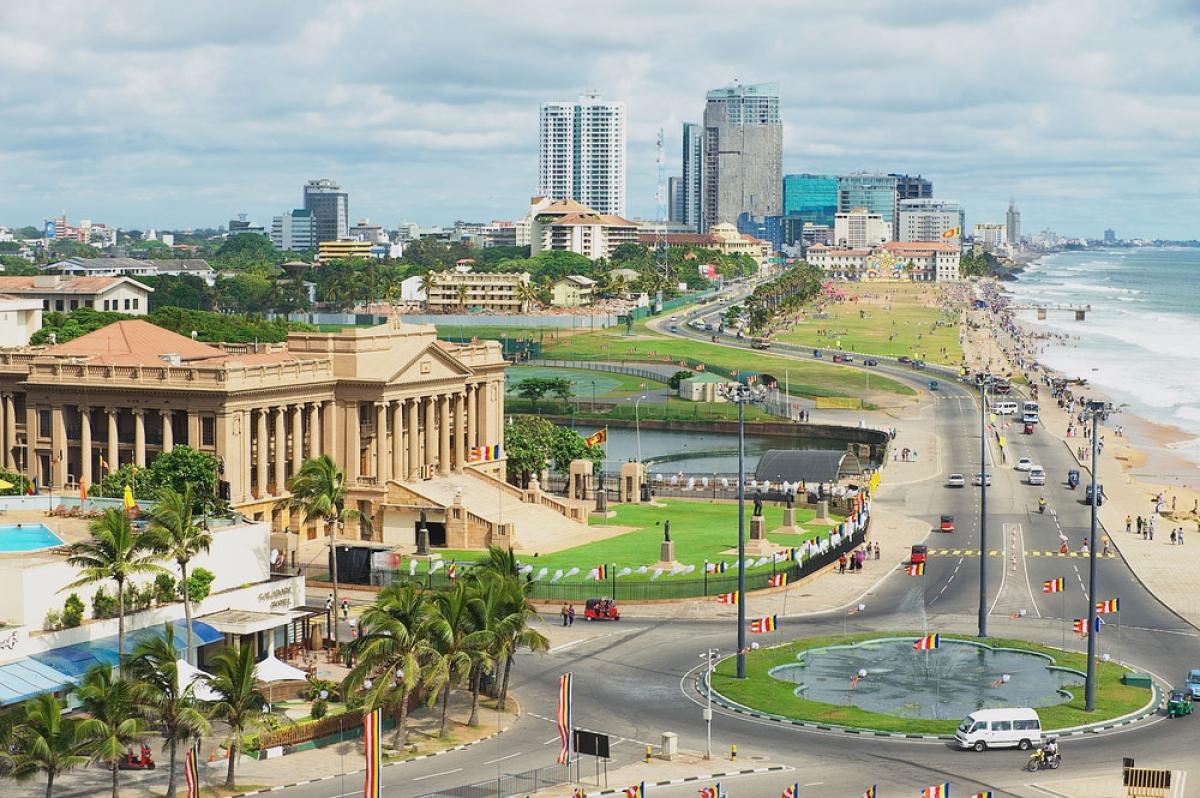

Colombo Tours introduce travelers to Sri Lanka's largest city and one of the main gateways for exploring the country. Located on the western coast, Colombo combines colonial-era architecture, Buddhist and Hindu temples, busy markets, modern shopping districts, oceanfront spaces and a diverse food culture.
For many international travelers, Colombo is either the beginning or final stop of a wider Sri Lanka tour. However, the city deserves time of its own. Historic neighborhoods sit beside modern developments, while places such as Pettah Market, Gangaramaya Temple, Galle Face Green, Independence Square and the National Museum of Colombo reveal very different sides of the city.
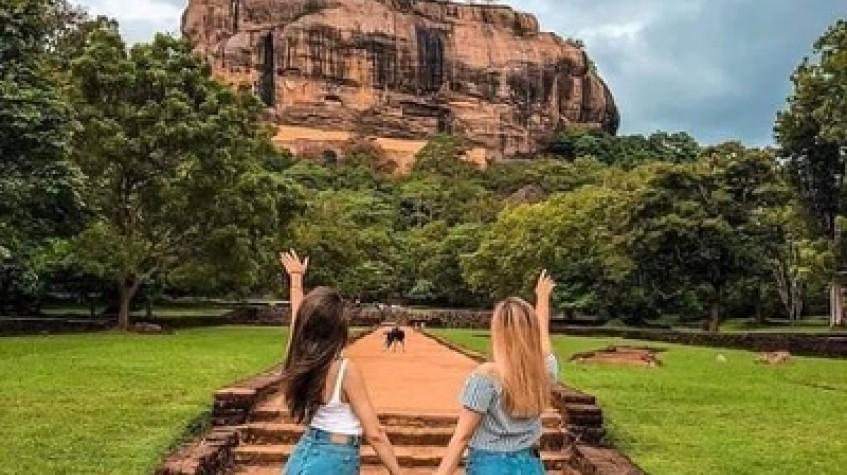
Colombo can be explored through short city tours, private sightseeing programs or as part of longer Sri Lanka itineraries connecting destinations such as Kandy, Sigiriya, Dambulla, Nuwara Eliya, Ella, Galle and the southern coast.
Whether you are visiting Sri Lanka for culture, history, beaches, wildlife or a complete island journey, Colombo provides a convenient introduction to the country.
Colombo Tour Packages can be designed for short city stays or included within longer journeys across Sri Lanka.
A short Colombo itinerary can focus on the city's major landmarks, temples, markets and waterfront. Travelers with additional time can explore local neighborhoods, museums, shopping areas and Sri Lankan cuisine at a more relaxed pace.
Private and organized tour packages may combine attractions in different parts of the city, helping visitors make better use of limited time. Depending on the selected itinerary, a Colombo tour may include transportation, professional guiding, airport transfers and selected sightseeing activities.
Colombo also works naturally as the starting point for multi-day Sri Lanka tours.
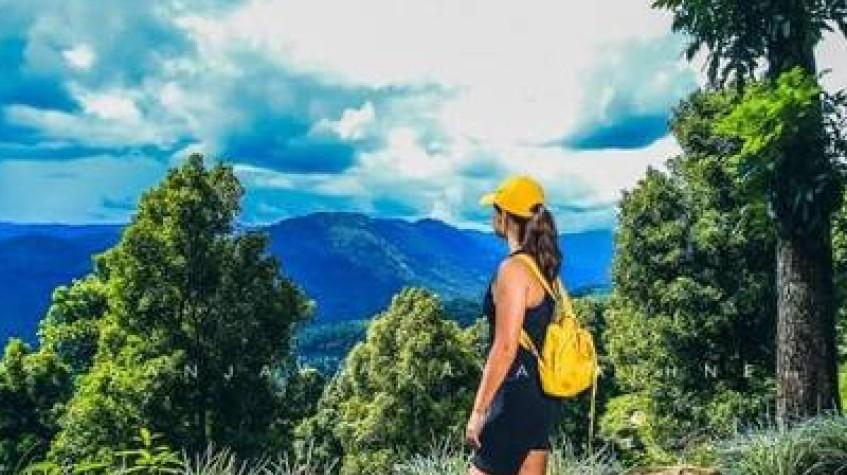
Travelers interested in history and ancient civilizations can continue toward Dambulla, Sigiriya, Polonnaruwa and Anuradhapura. Those interested in the central highlands can travel toward Kandy, Nuwara Eliya and Ella, while beach-focused itineraries can continue south toward Bentota, Galle, Mirissa and other coastal destinations.
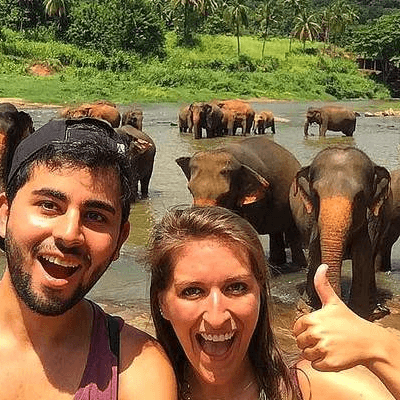
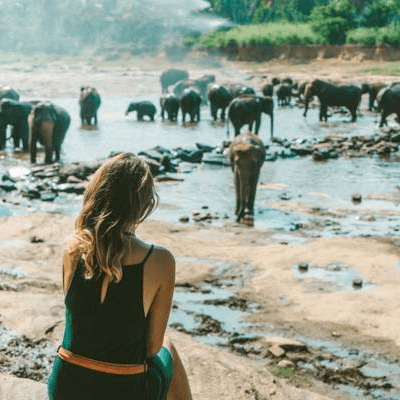
Wildlife experiences can also be incorporated into broader itineraries, depending on the route and season.
Because Colombo is connected with many of Sri Lanka's major destinations, tour packages can range from a simple city experience to complete island journeys lasting a week or longer.
Exact services vary between packages. Travelers should check individual tour details for accommodation, meals, transportation, entrance fees, guides, airport transfers and included excursions.
Colombo offers a mixture of religious landmarks, historical buildings, museums, markets and modern attractions.
Gangaramaya Temple is one of the city's best-known Buddhist temples. Its architecture and collection reflect a mixture of Sri Lankan and broader Asian influences, making it an important stop for travelers interested in religion and culture.
Galle Face Green provides a completely different experience. This oceanfront public space is popular with both residents and visitors, particularly toward the end of the day. It is a good place to experience Colombo's coastal atmosphere while sampling local snacks from nearby vendors.
For travelers interested in everyday city life, Pettah Market is one of Colombo's most energetic areas. Its crowded streets are filled with shops and vendors selling everything from clothing and household products to spices, fruit and food. Exploring Pettah also provides an opportunity to see several historic religious and commercial buildings.
The National Museum of Colombo is particularly valuable for travelers who want greater context before exploring Sri Lanka's ancient cities. Its collections cover important aspects of the island's history, art and cultural heritage.
Independence Memorial Hall and Independence Square commemorate Sri Lanka's independence and provide another important historical stop within the city.
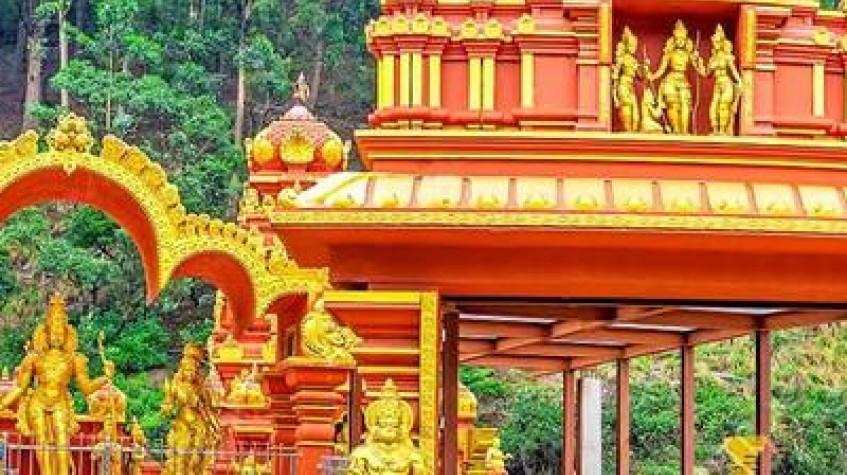
Colombo also contains significant Hindu, Islamic and Christian landmarks, reflecting the religious and cultural diversity of the city. The colorful Sri Kailawasanathan Swami Devasthanam Temple, historic mosques and colonial-era churches can all form part of a broader cultural itinerary.
Modern Colombo provides another side of the destination. The Colombo Lotus Tower has become one of the most recognizable features of the city's skyline, while contemporary shopping centers, restaurants and developing waterfront areas demonstrate how rapidly Colombo continues to change.
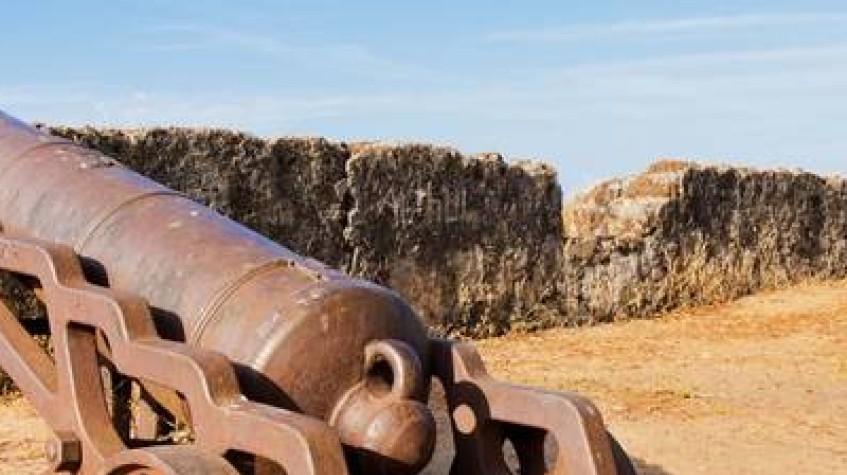
Travelers interested in colonial architecture can also explore areas around the historic Fort district, where buildings and streets reflect periods of Portuguese, Dutch and British influence on the city.
Food should also be part of a visit. Colombo is an excellent place to discover Sri Lankan rice and curry, hoppers, string hoppers, kottu roti, seafood and tropical fruits. The city's multicultural population means travelers can experience different Sri Lankan culinary traditions within a relatively small area.
Together, these attractions make Colombo more than simply an arrival point for a Sri Lanka holiday.
Colombo Private Tours are suitable for travelers who prefer a flexible sightseeing experience with private transportation and an itinerary adapted to their interests.
A private tour can focus on Colombo's essential landmarks or concentrate on specific interests such as history, religion, architecture, markets, photography or local food.
This flexibility can be particularly useful for travelers with limited time in the city. Instead of following a fixed group schedule, visitors can spend longer at attractions that interest them and reduce time at places that are less relevant to their trip.
Private tours can also work well for couples, families, small groups and travelers arriving in Colombo before beginning a longer Sri Lanka journey.
Depending on the selected program, a private itinerary may combine Gangaramaya Temple, Pettah, the National Museum, Independence Square, Galle Face Green and other attractions within the same day.
Colombo can also be the starting point for private multi-day tours across Sri Lanka. A journey might continue toward the Cultural Triangle before reaching Kandy and the central highlands, or travel south toward Galle and the coast.
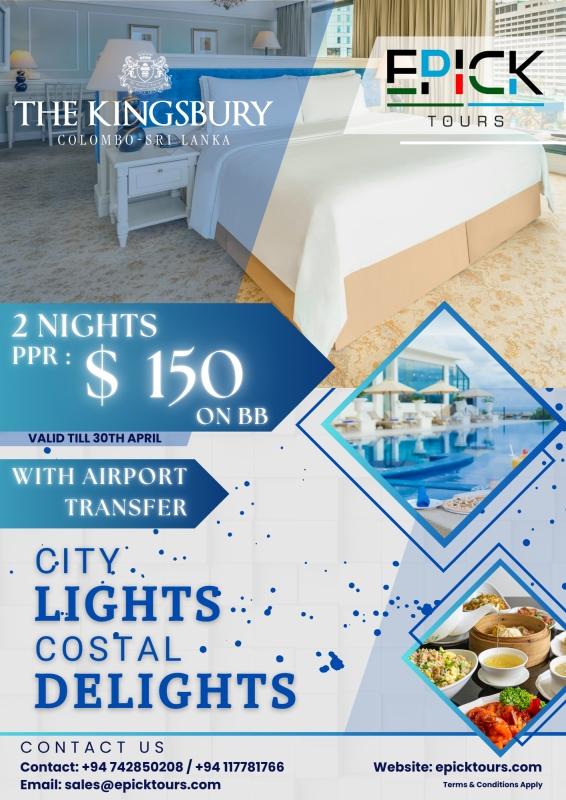
Travelers arriving through Bandaranaike International Airport can also select packages that combine airport transfers with accommodation and onward touring.
Exact inclusions differ between tours, so travelers should review the individual package before booking.