
Free Cancellation
Guinea Tours visit a West African country that remains one of the region's least visited despite real natural depth, from the sandstone highlands of the Fouta Djallon to the rainforest slopes of Mount Nimba near the borders with Liberia and Ivory Coast. Rainfall across much of the country is heavy for half the year, which keeps the landscape green and feeds the rivers that shape much of West Africa's geography.
Guinea Tours are usually built around one or two focus regions rather than a single circuit of the whole country, given Guinea's size and the condition of roads outside the capital. Many itineraries combine a stay in Conakry with time in the Fouta Djallon highlands or a trip toward Mount Nimba, and some connect onward to wider Africa itineraries across neighboring countries.
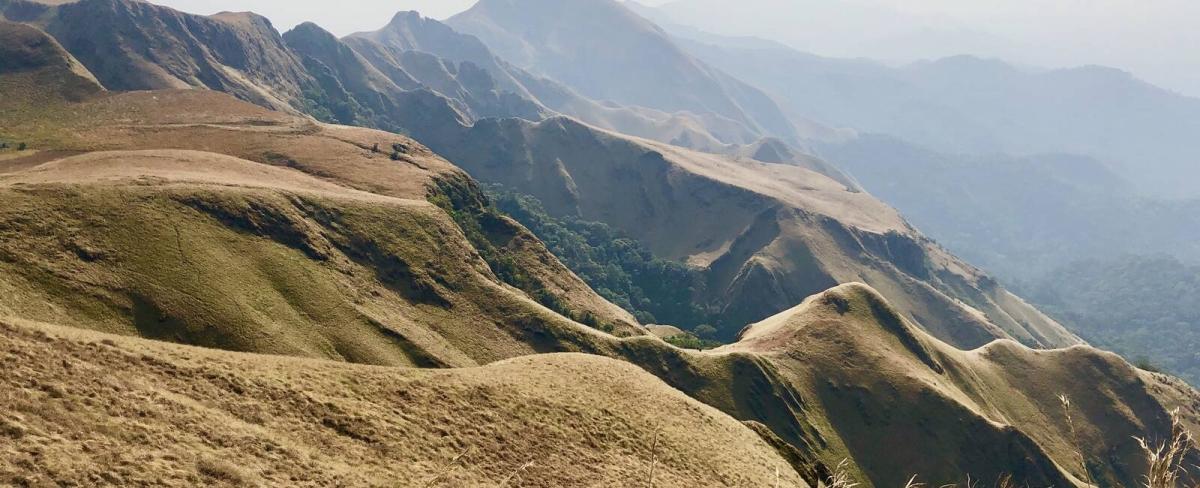
The Fouta Djallon is a sandstone plateau region covering much of central Guinea, with elevations that bring cooler temperatures than the coast and rainfall heavy enough to feed several of West Africa's major rivers. The Niger, the Gambia and the Senegal rivers all rise within this highland region before flowing on to other countries. Waterfalls, river gorges and terraced farmland cut through the plateau, and small towns across the highlands serve as bases for exploring the surrounding countryside.
Mount Nimba rises along Guinea's border with Ivory Coast and Liberia and holds UNESCO World Heritage status as a biosphere reserve known for species found nowhere else, including a live-bearing toad adapted to the mountain's cool, high-altitude slopes. The reserve's forest and grassland zones support a range of wildlife, and its isolation has kept much of the ecosystem close to its natural state.
Guinea's capital, Conakry, sits on a peninsula extending into the Atlantic and serves as the country's main entry point by air. The city carries a strong live music tradition, with Guinean ensembles and griot storytelling performances held in venues across town, a legacy tied to the country's role in shaping West African popular music through groups such as Bembeya Jazz in the decades after independence.
Beyond Mount Nimba, Guinea holds additional protected areas such as Haut Niger National Park in the country's northeast, home to savanna wildlife including chimpanzees, though these regions see far fewer organized visits than the Fouta Djallon or Nimba itself.
Guinea is home to more than twenty ethnic groups, with the Fulani concentrated in the Fouta Djallon highlands, the Malinke across the eastern savanna and the Susu along the coast around Conakry. French remains the official language from the country's colonial period, though most Guineans also speak one or more regional languages day to day.
Because Guinea receives relatively few organized tours compared with its West African neighbors, package options remain limited, and travelers should expect a more independent, exploratory style of trip than in more established destinations. One available option, the Nimba Two-Day Discovery Expedition, focuses on the Mount Nimba region over a two-day itinerary.
The dry season, roughly November through April, offers the most reliable travel conditions, with lower rainfall easing road travel between regions. The wet season from May through October brings heavy rain, particularly along the coast, though it leaves the Fouta Djallon and Nimba forests at their greenest.