
Free Cancellation
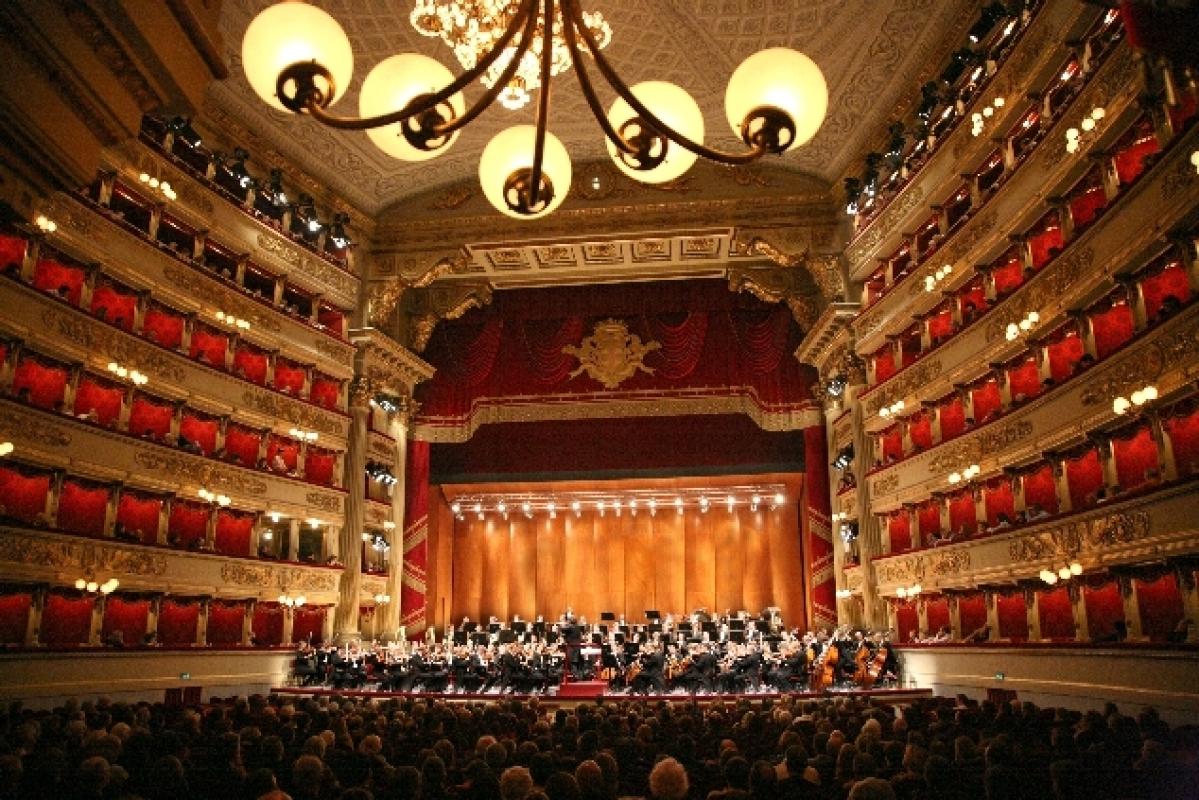
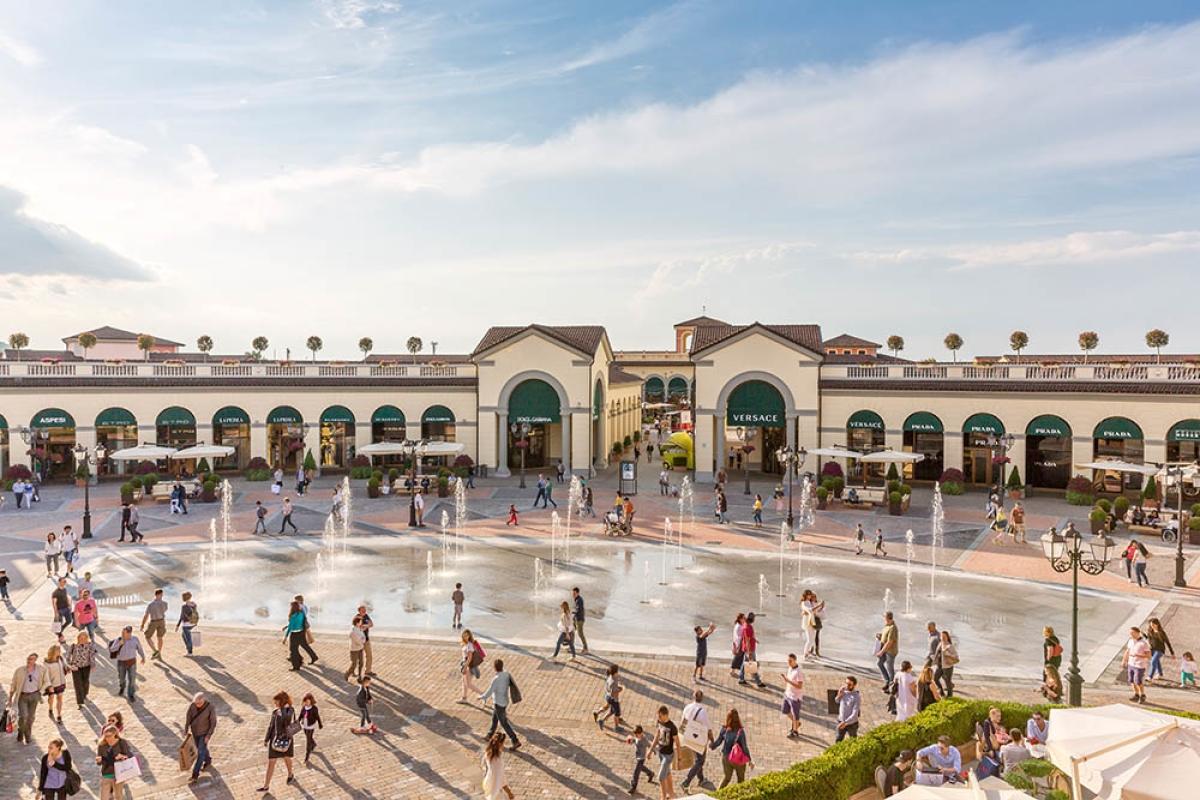
-high.jpg&w=1920&q=75 "Brescia and Franciacorta Outlet Full Day Tour")
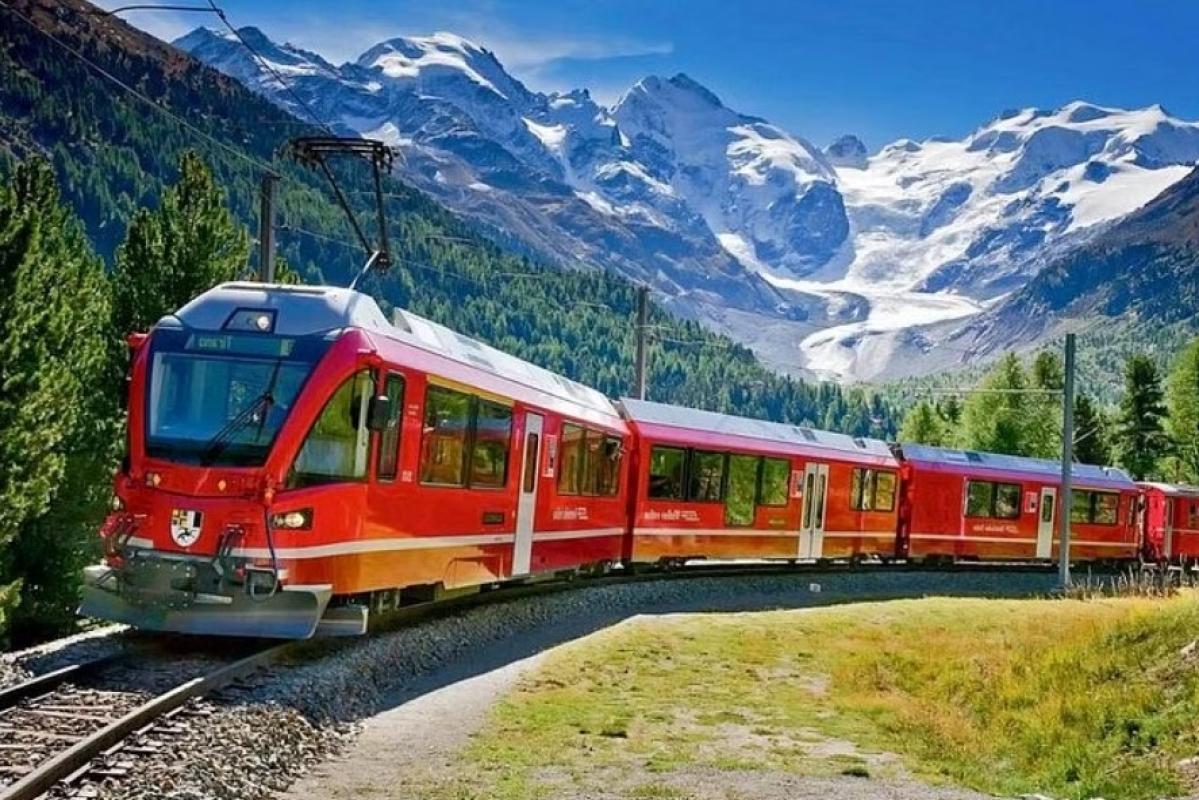
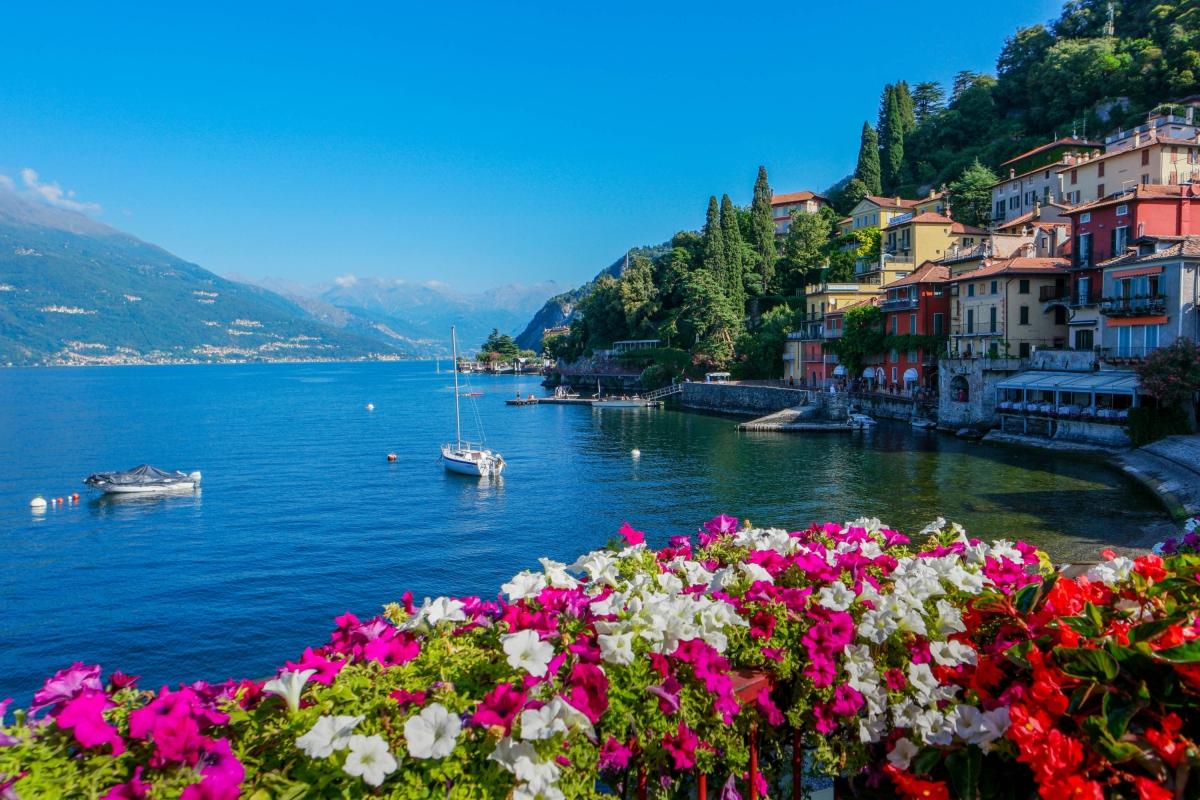
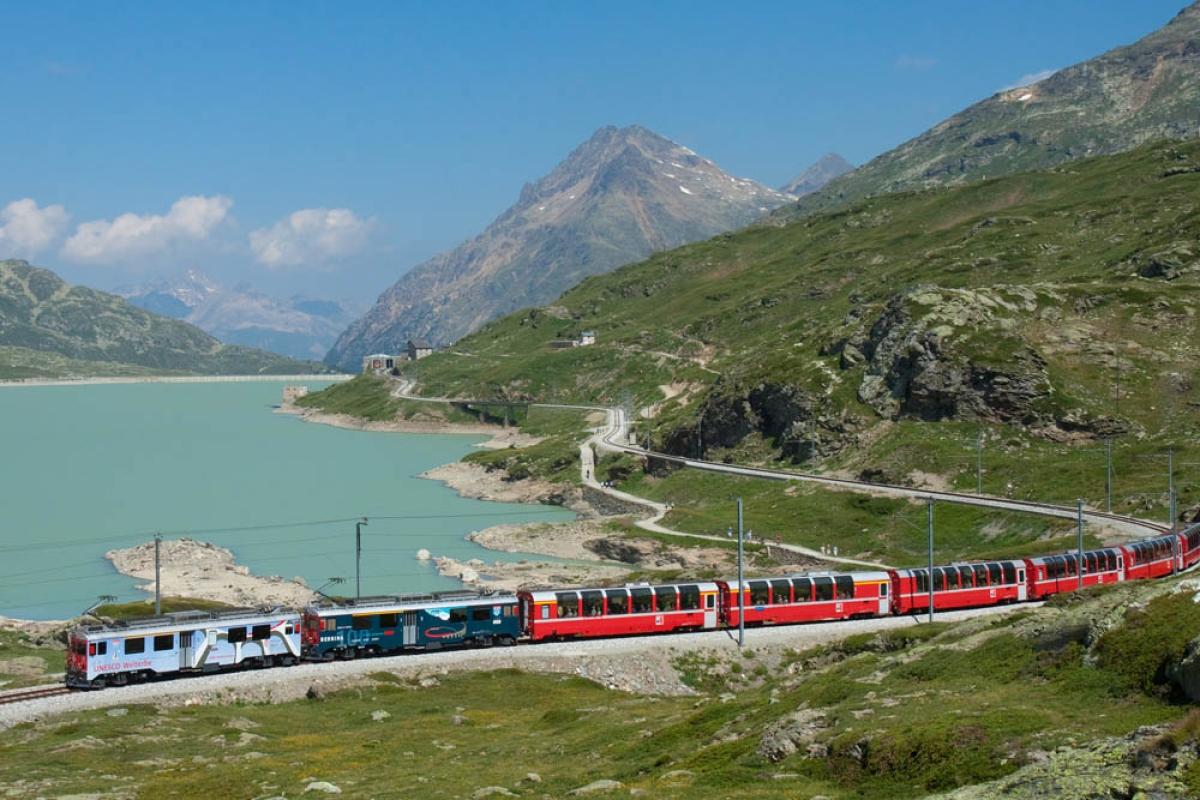
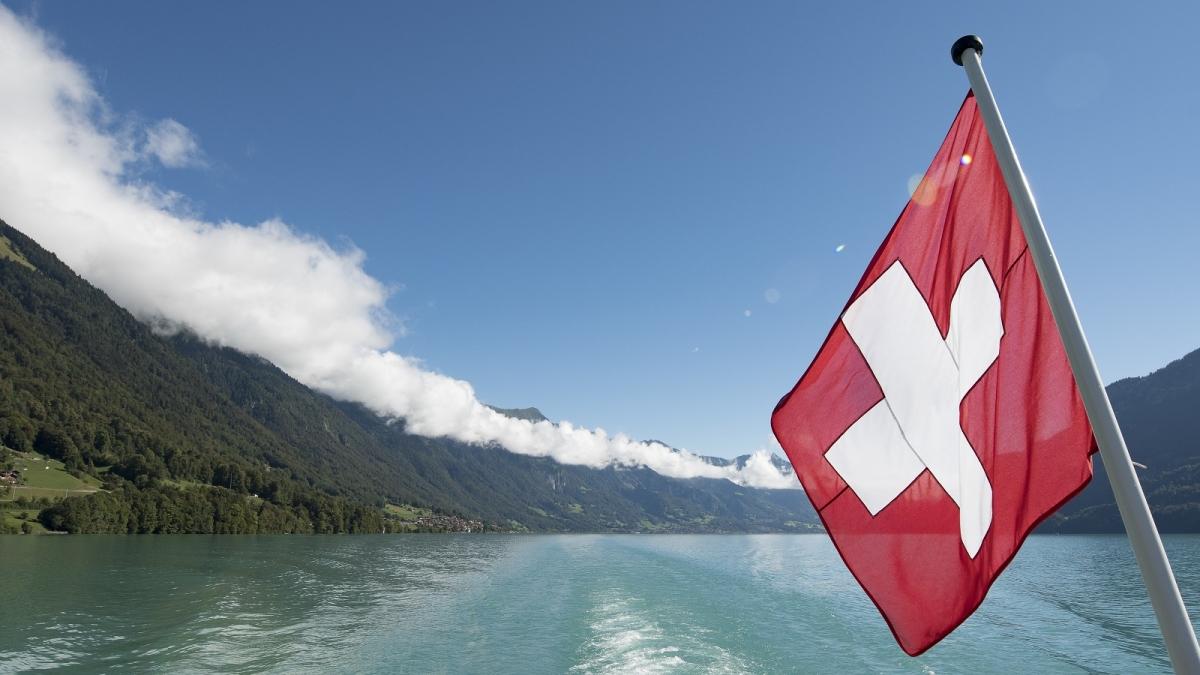
-high.jpg&w=1920&q=75 "Lake Como, Swiss Alps and Bernina train. Departure from Milan")
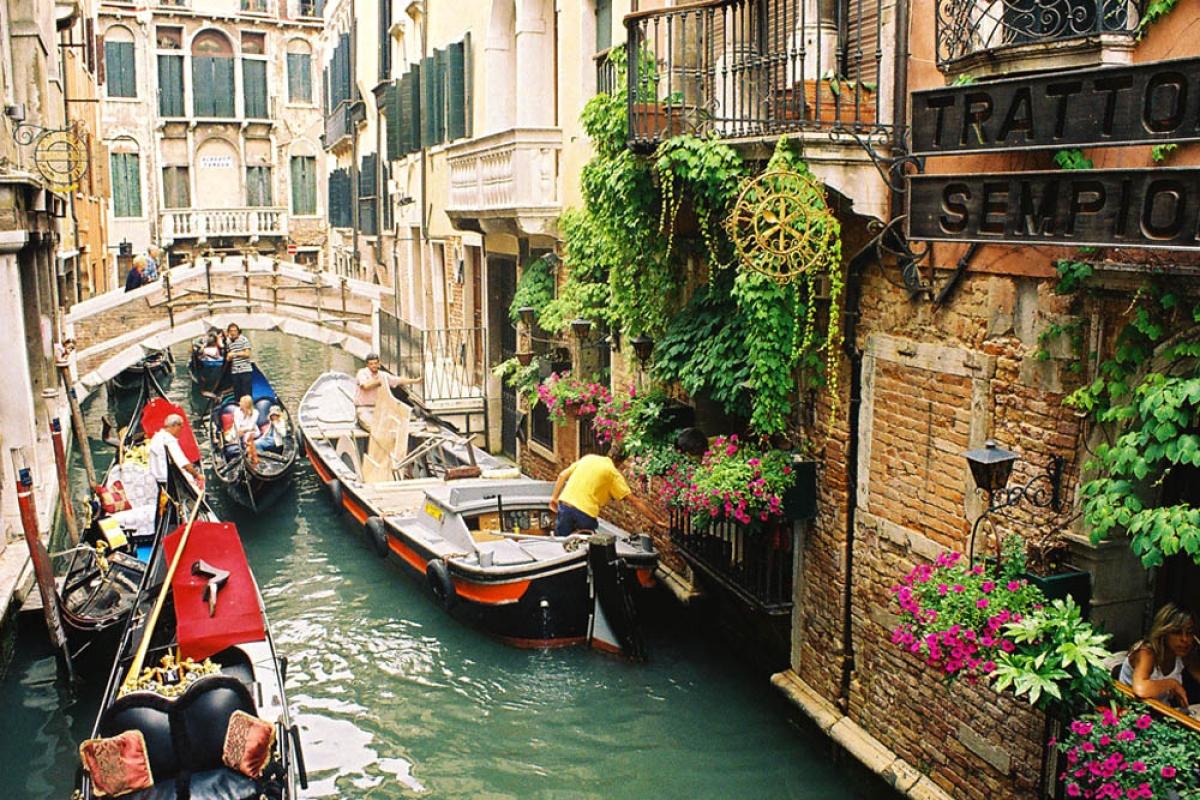
-high.jpg&w=1920&q=75 "Venice Full-Day Guided Tour From Milan")
-high.jpg&w=1920&q=75 "Full Day Turin Guided Tour Departure from Milan")
-high.jpg&w=1920&q=75 "Full Day Visit of Verona and Lake Garda Tour from Milan")
-high.jpg&w=1920&q=75 "Brescia and Franciacorta Winery Area. Cultural and Wine Tasting Small Group Tour")
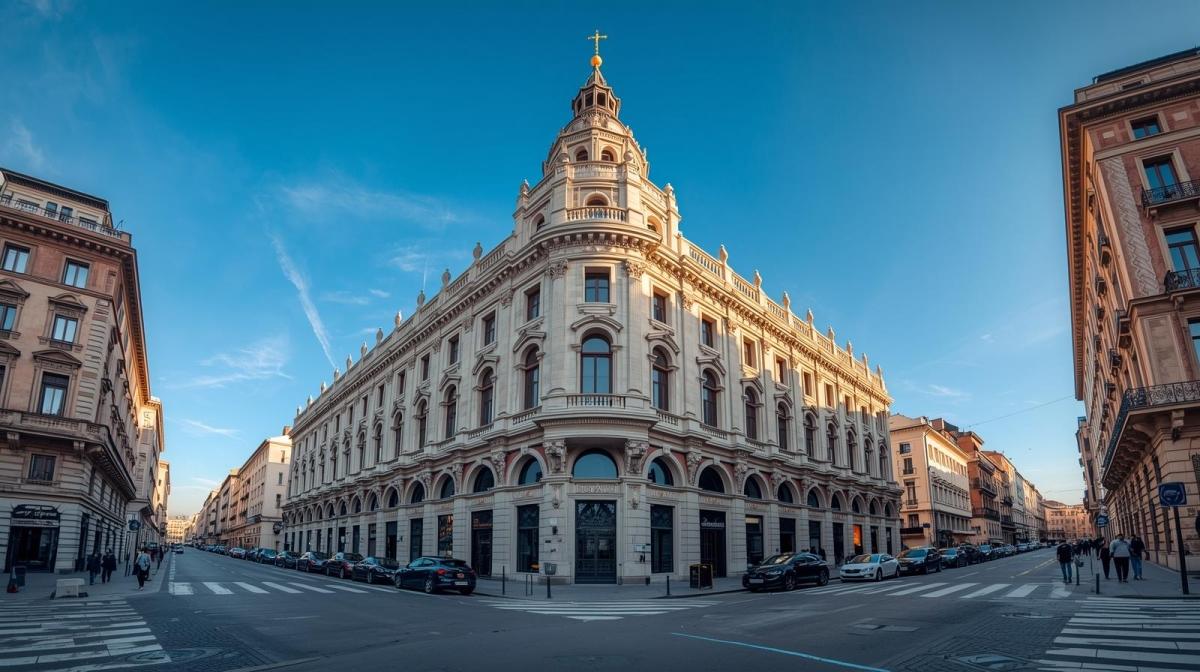
Milan is Italy's business and design capital, a fast paced northern city built around a Gothic cathedral that took nearly six centuries to complete. Unlike Rome or Florence, Milan's core appeal for visitors is compact: the Duomo, Sforza Castle, Leonardo da Vinci's Last Supper and the city's fashion district all sit within walking distance or a short metro ride of one another, making it an efficient city to sightsee even on a short stay.
Many visitors add Milan onto a longer Italy Tours itinerary that continues south toward Florence, Venice or Rome, using the city's rail hub as a starting or connecting point. For those staying a few days, Milan rewards travelers who plan ahead, particularly for the Last Supper, whose viewing slots sell out weeks in advance.
Milan Cathedral, begun in 1386 and not formally finished until the twentieth century, is the largest church in Italy and one of the largest Gothic cathedrals in the world, covered in more than three thousand statues and dozens of spires. Visitors can climb or take an elevator to the roof terraces, where walkways weave between the spires at close range, with views over the city that stretch to the Alps on clear days. Next to the cathedral, the Galleria Vittorio Emanuele II, a glass domed arcade completed in 1877, connects Piazza del Duomo to La Scala opera house and remains lined with luxury boutiques and cafes. Local tradition holds that spinning on one heel on the mosaic bull set into the arcade's floor brings good luck.
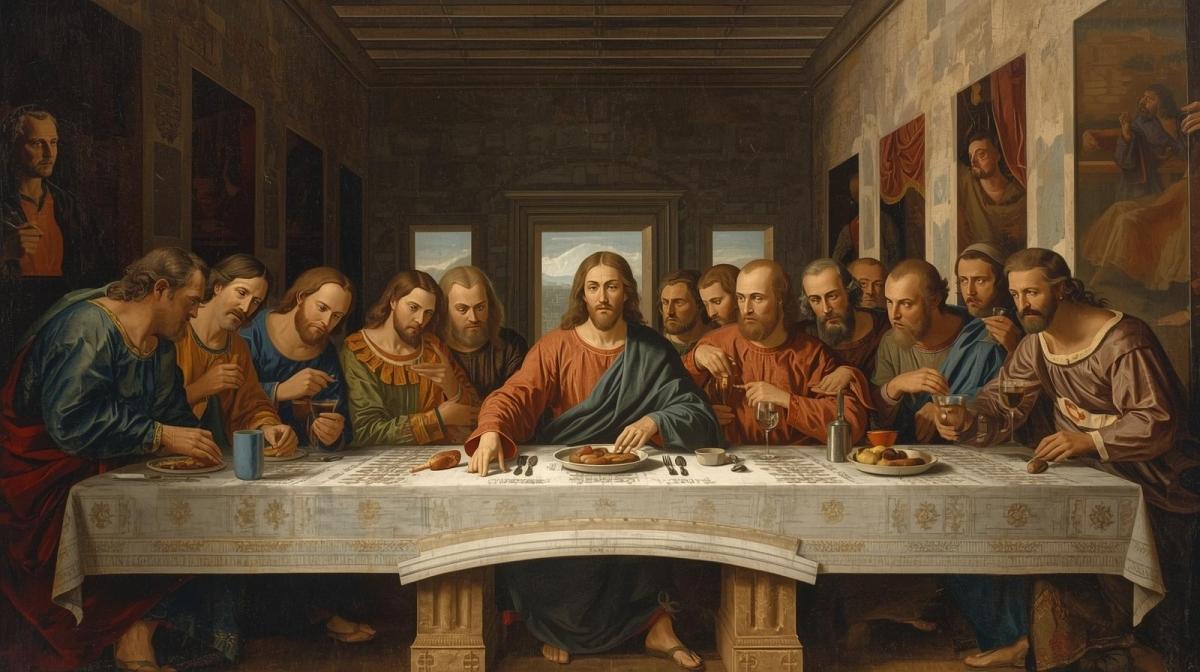
Sforza Castle, a brick fortress built in the fifteenth century for the ruling Sforza family, now houses several city museums, including collections of furniture, ancient art and Michelangelo's unfinished final sculpture, the Rondanini Pieta. The castle's main gate, the Torre del Filarete, was rebuilt in the early twentieth century after being destroyed by an explosion in 1521, following the design of the original fifteenth century architect. A short walk away, the refectory of Santa Maria delle Grazie holds Leonardo da Vinci's Last Supper, painted between 1495 and 1498 and recognized by UNESCO alongside the church itself. Visits are limited to small groups for around fifteen minutes at a time, and tickets are typically booked well ahead of a trip since daily availability is limited.
The Pinacoteca di Brera, in the Brera district, holds one of Italy's major painting collections, with works by Raphael, Caravaggio and Mantegna displayed in a former Jesuit college. Nearby, the Poldi Pezzoli Museum, a nineteenth century nobleman's former home, displays a smaller but well regarded collection of paintings, armor and antique clocks arranged in period rooms. South of the Duomo, the Quadrilatero della Moda, centered on Via Montenapoleone and Via della Spiga, is where Milan's reputation as a fashion capital plays out in practice, with flagship stores from Italian and international design houses lining a few blocks of quiet, tree-lined streets.
Corso Buenos Aires, running northeast from Porta Venezia, ranks among the longest and busiest shopping streets in Europe, packed with mid-range retailers rather than the luxury boutiques of the Quadrilatero della Moda. Closer to the cathedral, the La Rinascente department store occupies a building beside the Duomo itself, and its top floor terrace restaurant gives one of the closest views of the cathedral's spires available from street level.
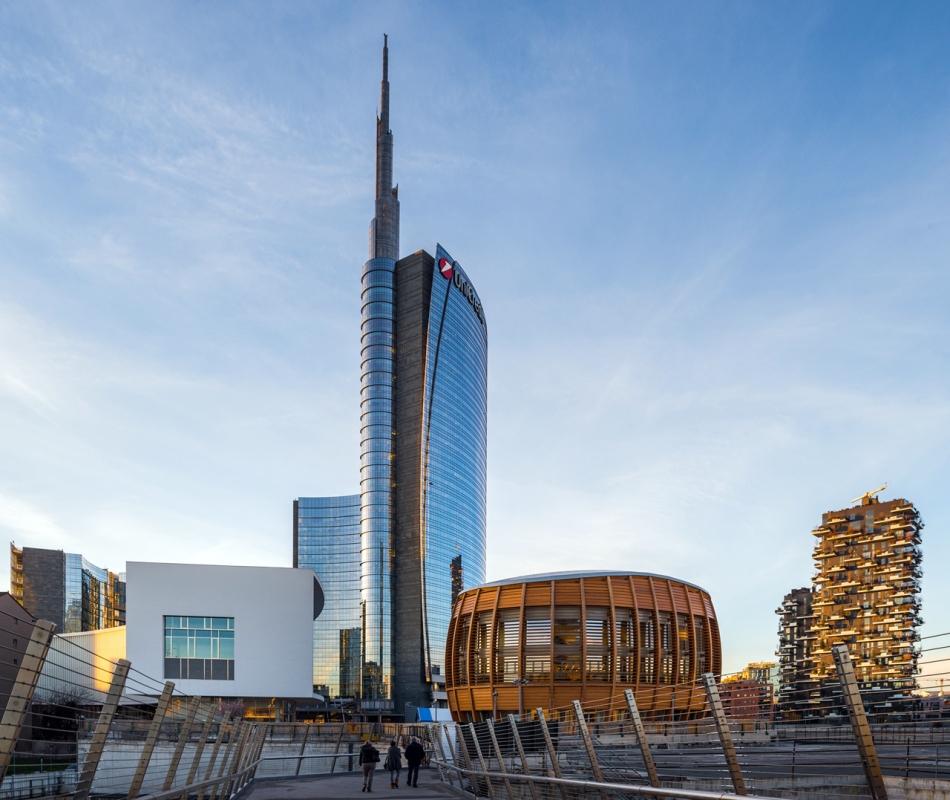
North of the historic center, the Porta Nuova district has reshaped Milan's skyline since 2010 with a cluster of contemporary towers, including the Bosco Verticale, twin residential buildings whose balconies hold hundreds of trees and thousands of shrubs across their facades. A pedestrian piazza at the base of the towers has become one of the city's newer gathering points, a contrast to the Gothic spires of the Duomo a short metro ride south.
Milan is served by two main airports, Malpensa and Linate, with Malpensa connected to the city center by a dedicated express train reaching Cadorna or Milano Centrale in under an hour. High speed Frecciarossa and Italo trains link Milano Centrale, the city's grand early twentieth century rail terminus, directly to Turin, Bologna, Florence, Rome and Venice, making Milan a practical hub for a wider Italian rail itinerary.
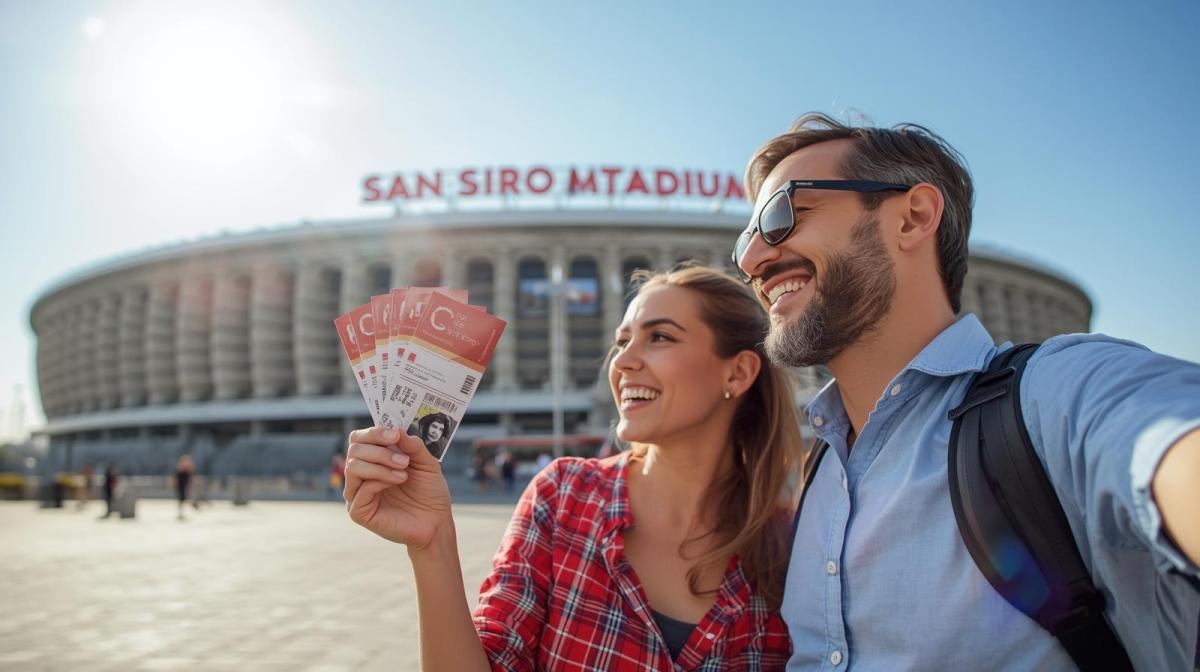
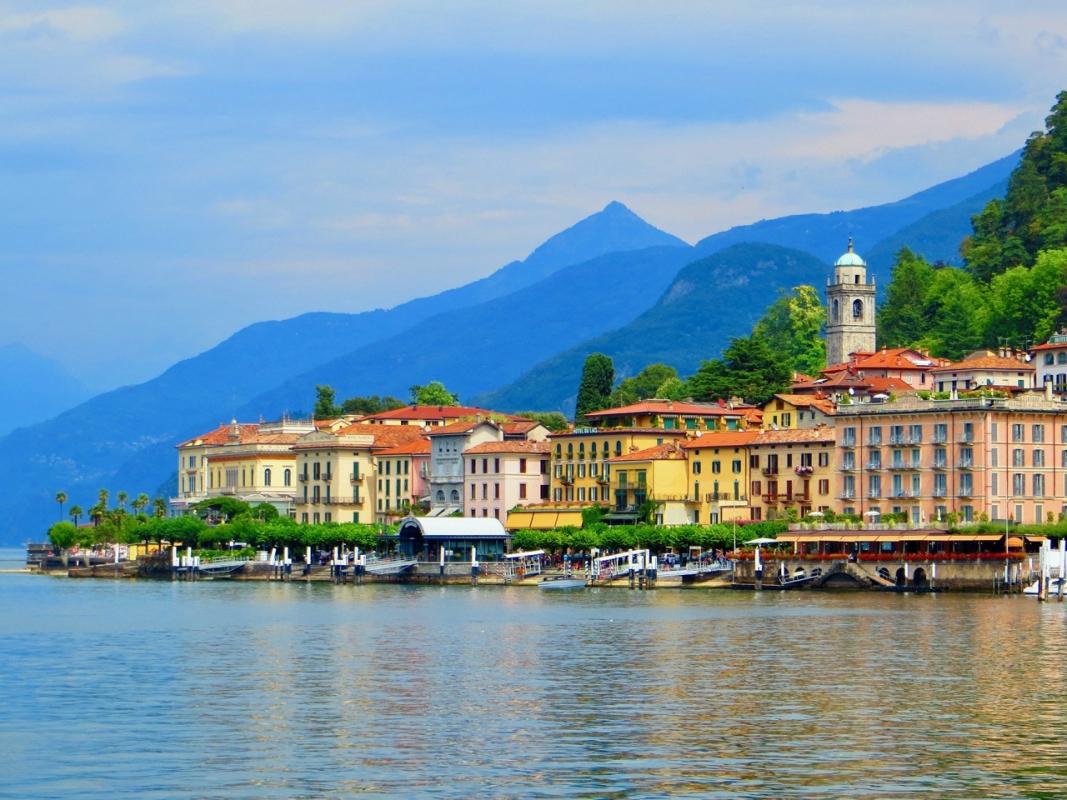
Milan's metro network, with five lines covering most of the city center, makes it straightforward to move between the Duomo, Sforza Castle and outlying neighborhoods without a car, and trams still run on several historic routes. Travelers who prefer to see the city from an open-top bus, or who want to pair sightseeing with a visit to Milan's famous football stadium, can join San Siro Stadium + 48h Open Bus in Milan, which combines hop-on hop-off transport with entry to the stadium shared by AC Milan and Inter. Beyond the city, Lake Como is reachable by regional train in about an hour, making towns such as Como and Varenna a popular half day or full day escape from Milan's traffic and crowds.
Spring and fall bring the most comfortable temperatures for walking between sights, while Milan Fashion Week in February and September fills hotels and can push up prices. Summer turns hot and humid, and many Milanese leave the city in August, though the main sights stay open and less crowded than during fashion week. Rain is most likely in November, so a light waterproof layer is worth carrying between museum visits regardless of the season chosen for a trip.