
-high.jpg&w=1920&q=75 "Walking Through Genoa: Hidden Wonders and Foodie Favorites")
Free Cancellation
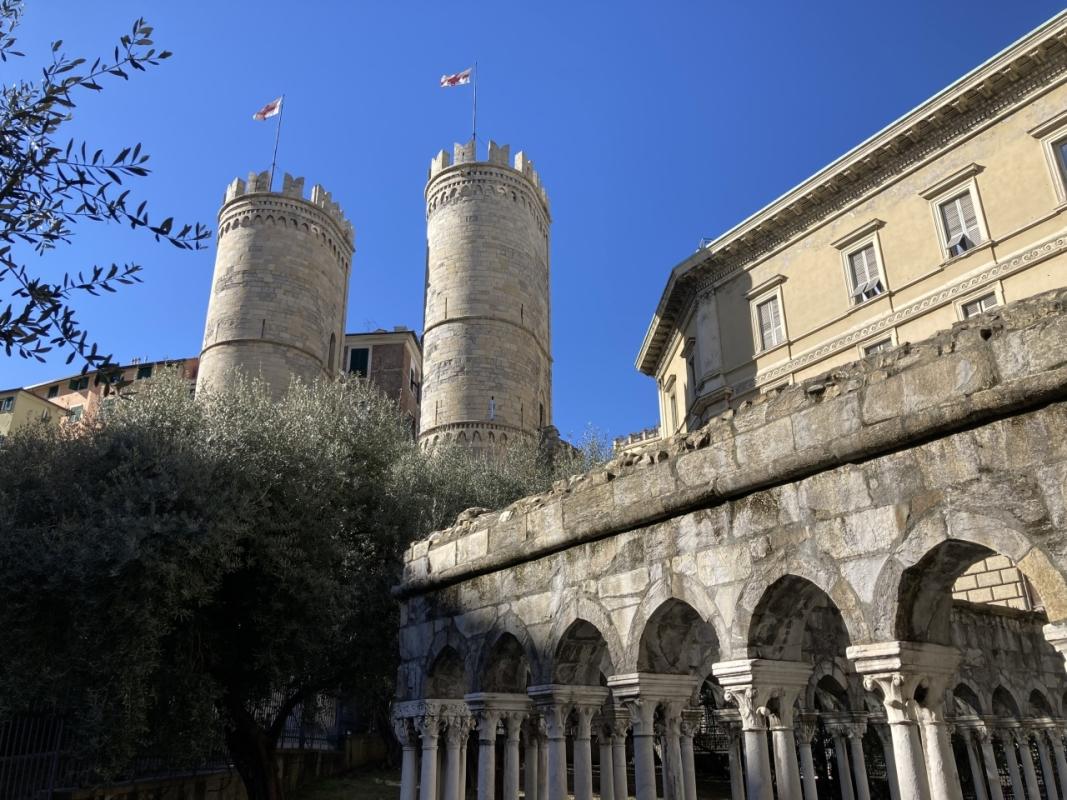
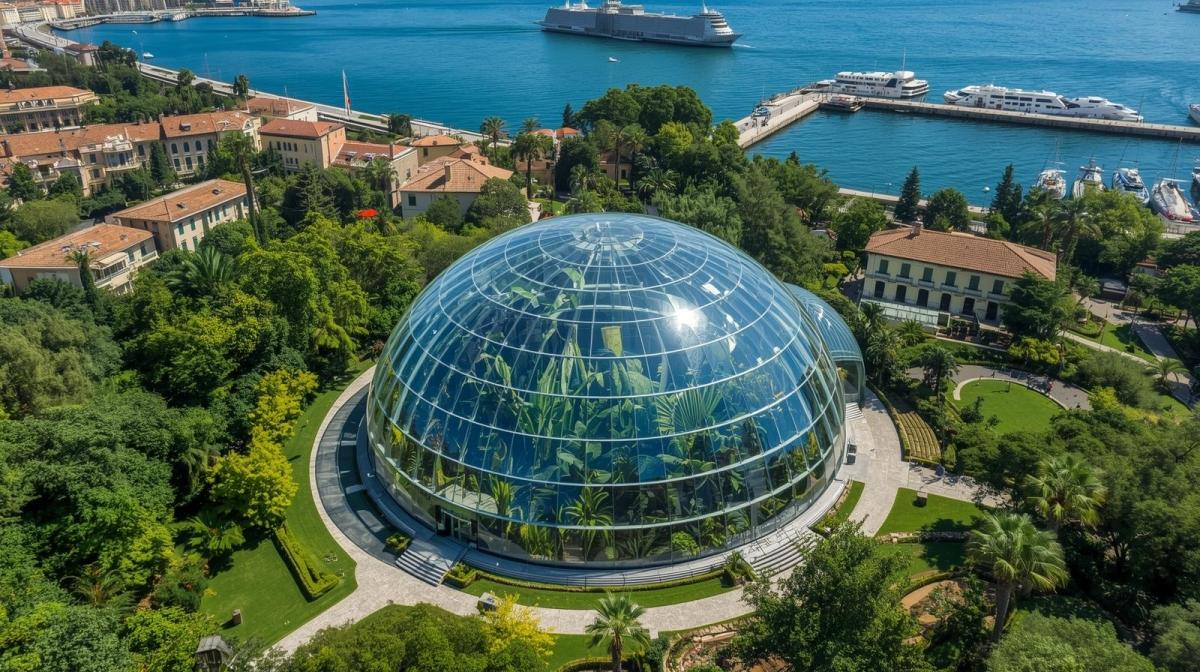
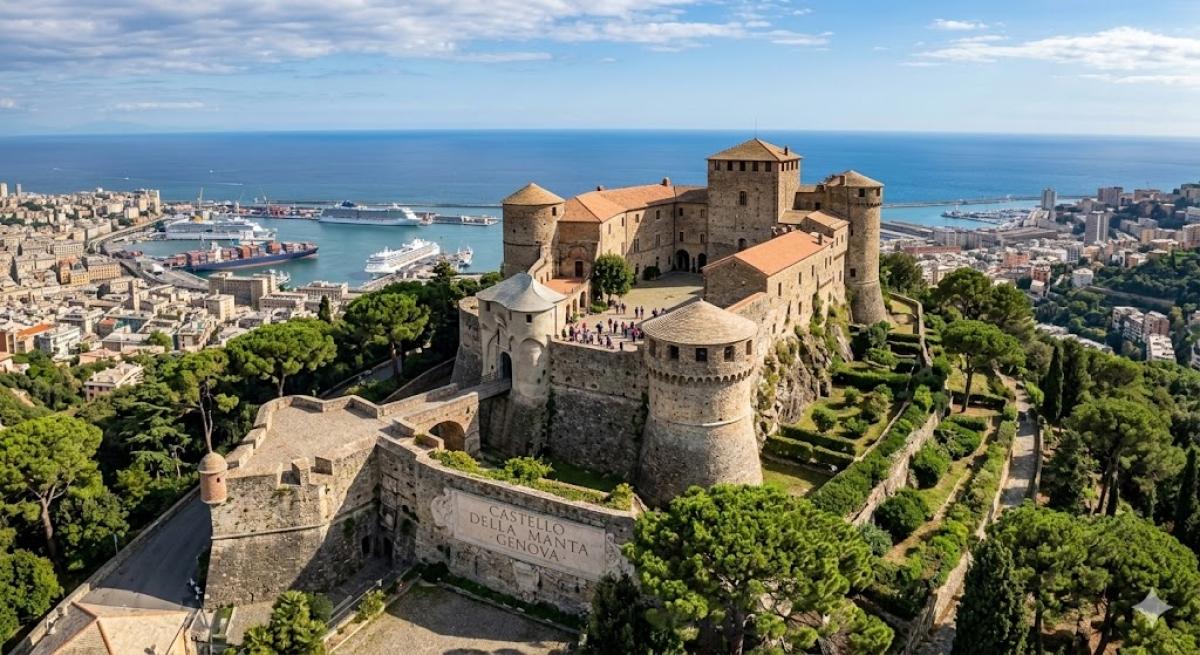
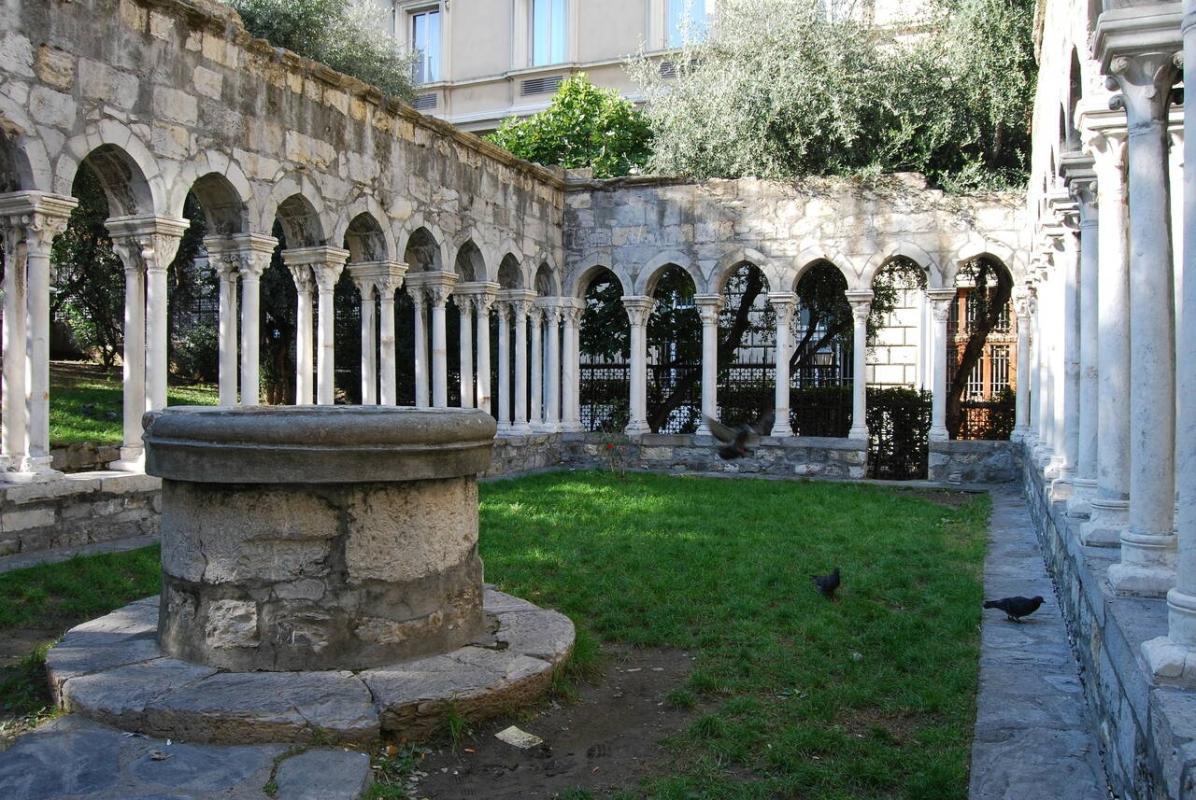

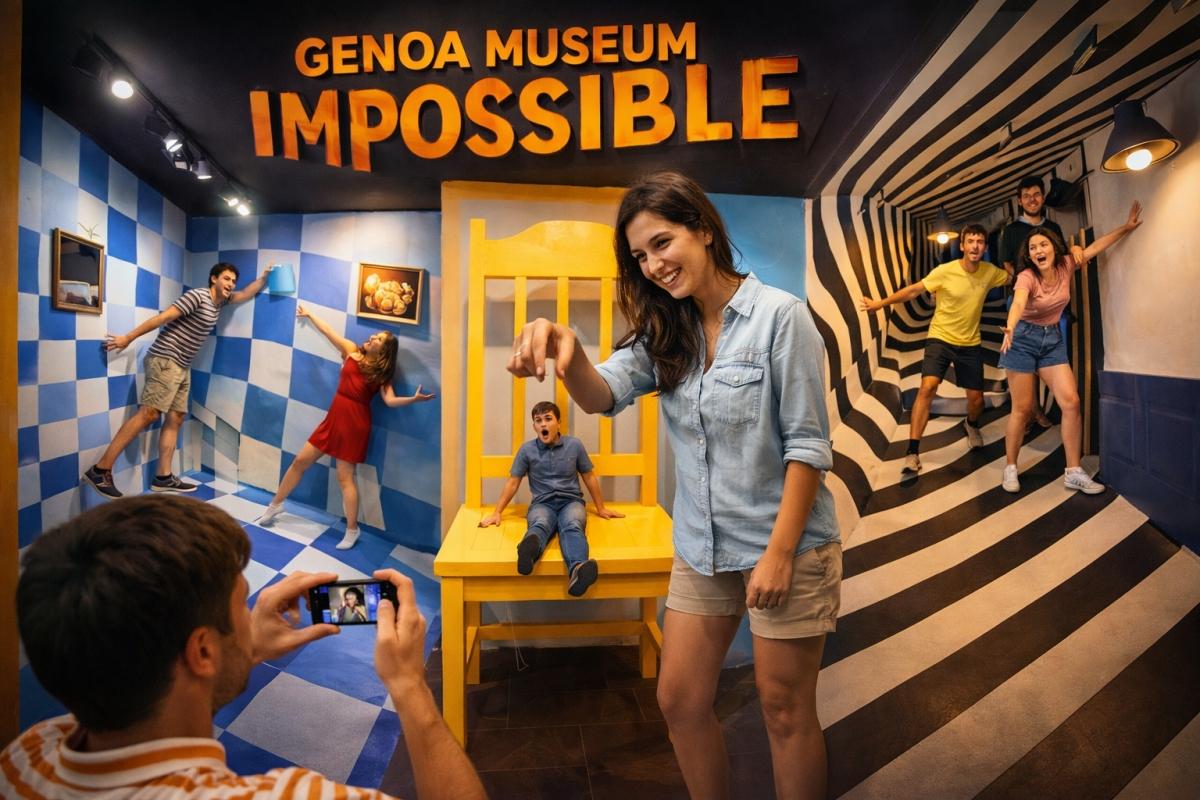
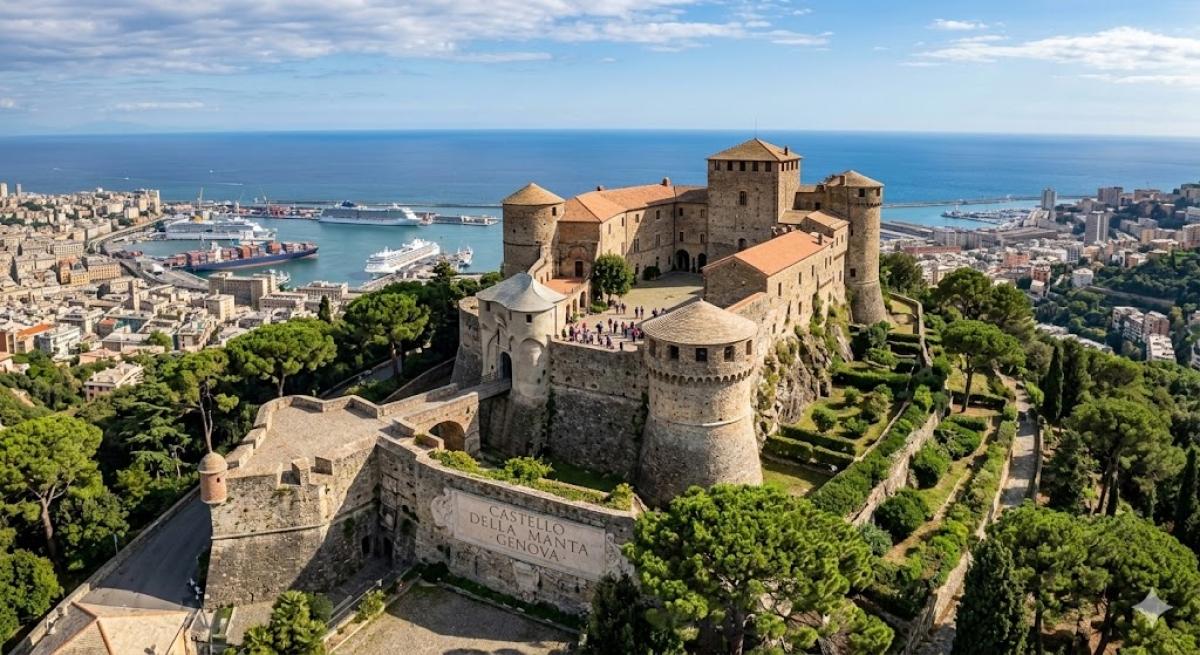
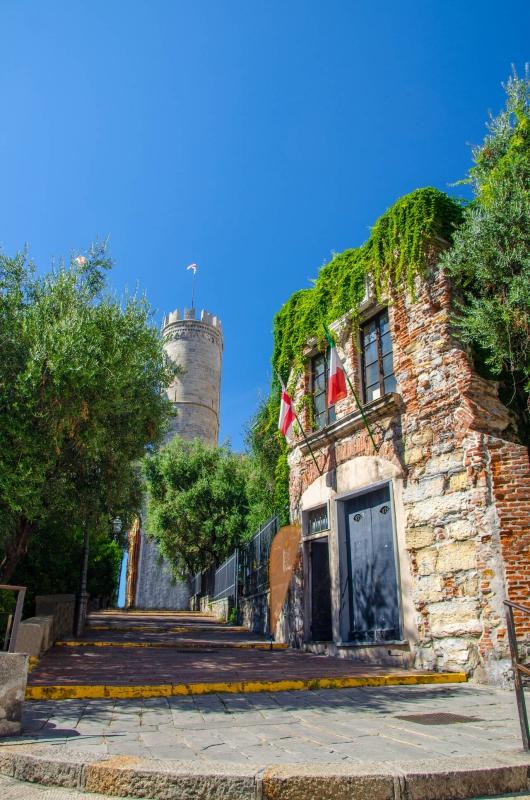
Genoa is the capital of Liguria and the largest seaport in Italy, spread along a curve of the Mediterranean coast beneath steep green hills. The historic center is one of the largest and most intact medieval quarters in Europe, a maze of narrow lanes known locally as caruggi, lined with tall pastel buildings that block out the midday sun. Genoa is also the reputed birthplace of Christopher Columbus, and its long maritime history still shapes the city's harbor, museums and street life today.
Visitors frequently see Genoa as part of a longer Italy Tours route that continues along the coast to Cinque Terre and Portofino, but the city holds enough on its own to fill several days. Between Gothic churches, Renaissance palaces and a working port that still handles cargo alongside cruise ships, Genoa rewards travelers willing to walk its steep, shaded streets rather than rush through.
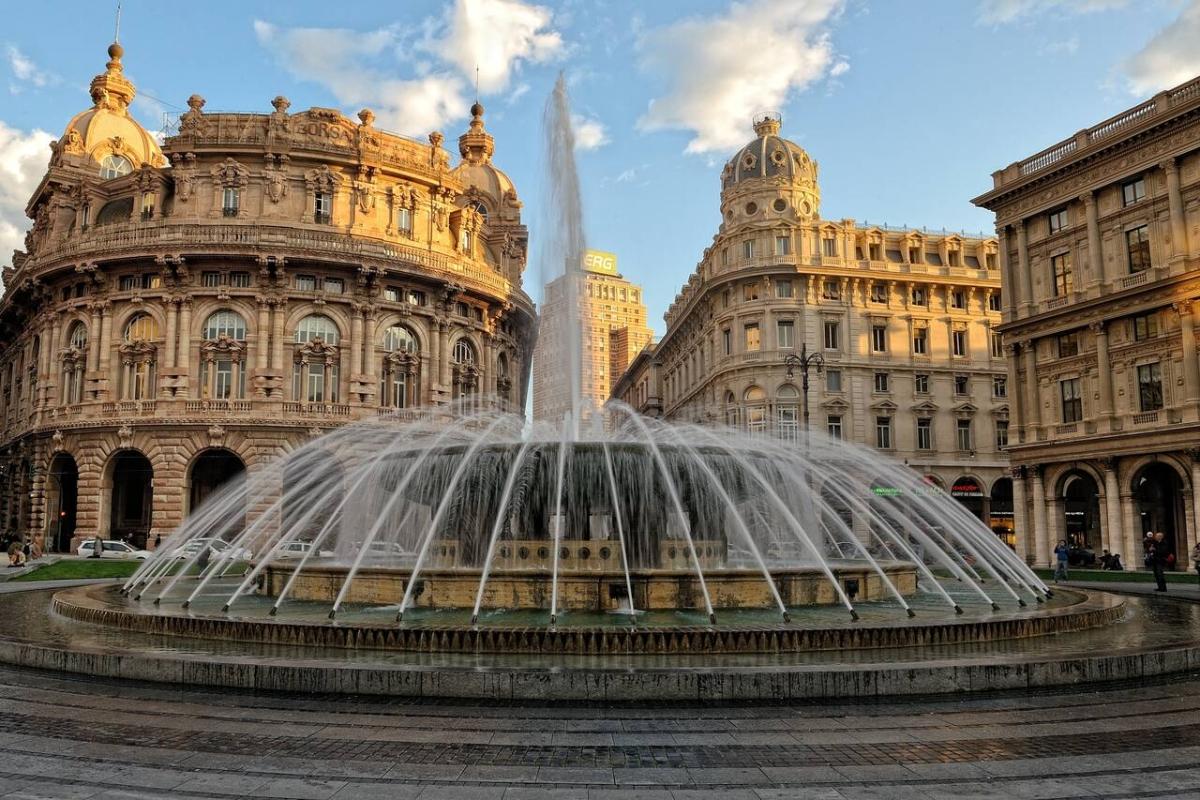
Genoa's centro storico spreads across roughly a square mile behind the port, one of the largest intact medieval city centers in Europe, its stacked buildings rising five or six stories above alleys sometimes barely wide enough for two people to pass. Squares open unexpectedly between the caruggi, each usually built around a church or a fountain, and the district rewards slow walking more than any fixed route.
Genoa Cathedral, dedicated to San Lorenzo, mixes Romanesque and Gothic styles behind a striped black and white marble facade begun in the twelfth century. Inside, the Museo del Tesoro holds a green glass dish long believed in local legend to be the Holy Grail, along with reliquaries and Byzantine silverwork tied to the Crusades.
Via Garibaldi, laid out in the sixteenth century, is lined with the Palazzi dei Rolli, a group of aristocratic palaces that Genoa's ruling families once offered as lodging for visiting heads of state. UNESCO added forty-two of these palaces to its World Heritage List in 2006, and several now house the Musei di Strada Nuova, including Palazzo Rosso and Palazzo Bianco with their collections of Genoese and Flemish painting.
Palazzo Ducale, the former seat of the Doges of Genoa, anchors Piazza Matteotti with its brick tower and arcaded courtyard. Today it hosts temporary art exhibitions and cultural events rather than politics, though the building's scale still hints at Genoa's former standing as a maritime republic that rivaled Venice.
Genoa's standing as a maritime republic peaked between the eleventh and fifteenth centuries, when its fleets competed with Venice and Pisa for control of Mediterranean trade routes. Palazzo San Giorgio, near the old port, dates to the thirteenth century and later served as a debtors' prison, where the Venetian merchant Marco Polo is said to have dictated his travels to a fellow inmate after being captured during a naval battle with Genoa in 1298. The Galata Museo del Mare, one of the largest maritime museums in the Mediterranean, traces this seafaring history from galley ships through the era of transatlantic emigration, when millions of Italians left for the Americas through Genoa's port. That same seafaring identity continues each October with the Salone Nautico di Genova, one of Europe's oldest boat shows, which fills the old port with vessels for the duration of the event.
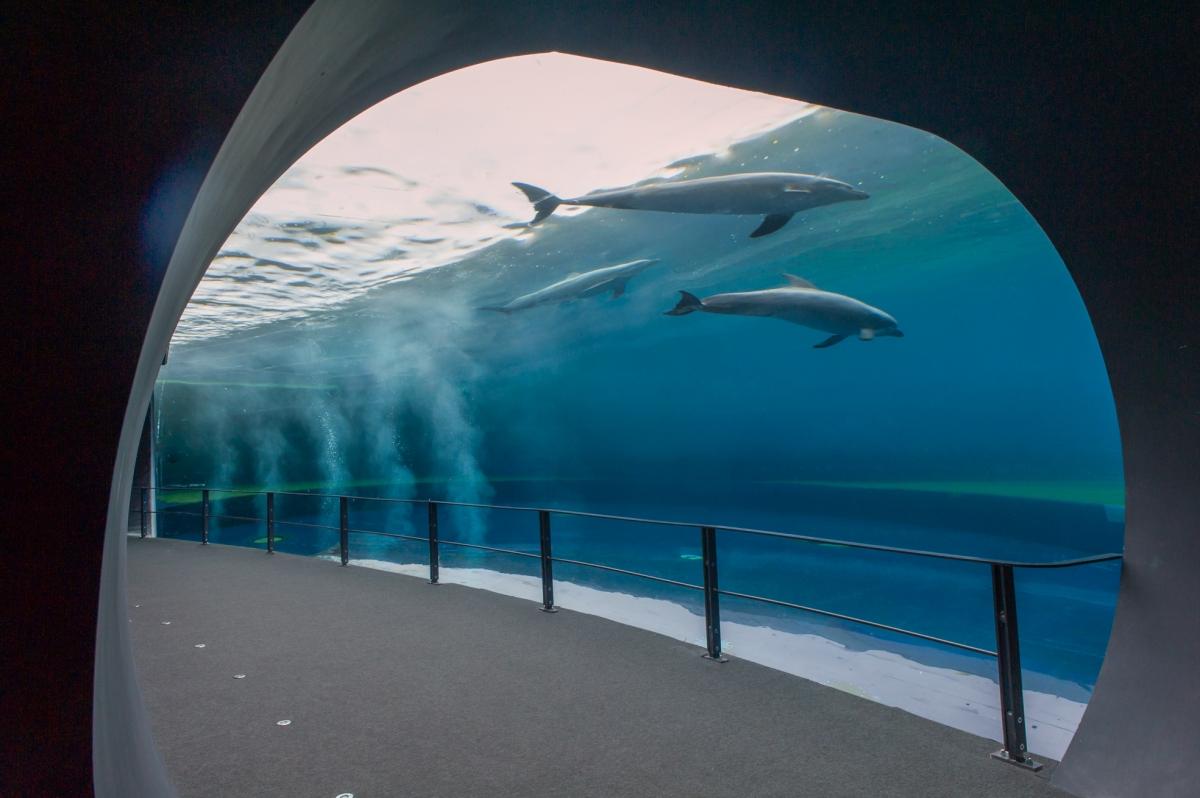
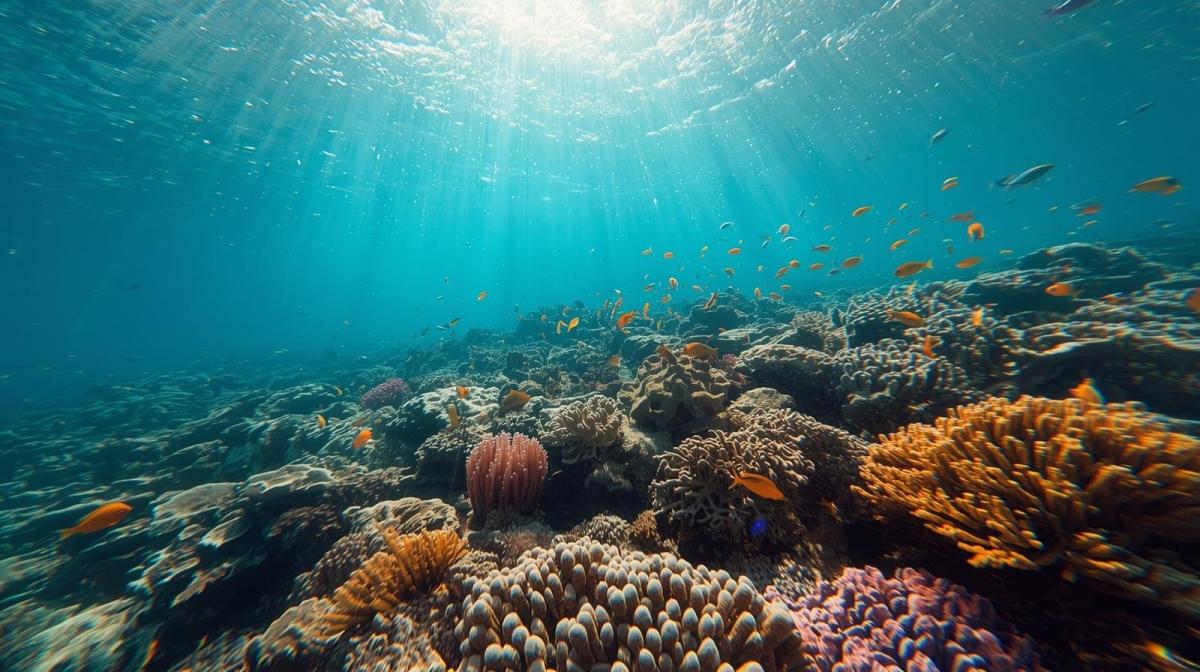
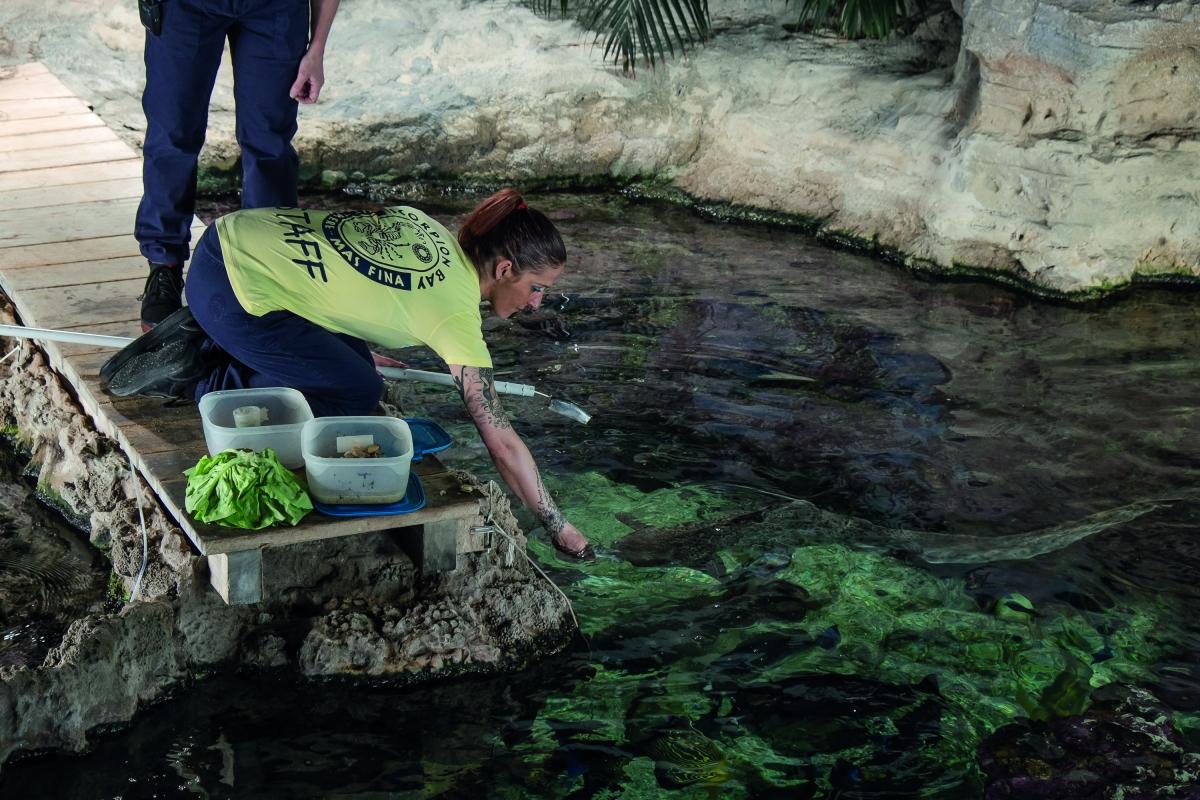
Porto Antico, the old port, was redeveloped in the 1990s under architect Renzo Piano, a Genoa native, ahead of the city's 1992 Columbus anniversary celebrations. The Bigo, a rotating panoramic lift shaped like a ship's crane, raises visitors above the harbor for views back toward the old town and the Lanterna, the sixteenth century lighthouse that has served as Genoa's symbol for centuries. Part of the same complex, the Aquarium of Genoa ranks as the largest aquarium in Italy and one of the largest in Europe, with tanks recreating habitats from the Mediterranean to tropical reefs.
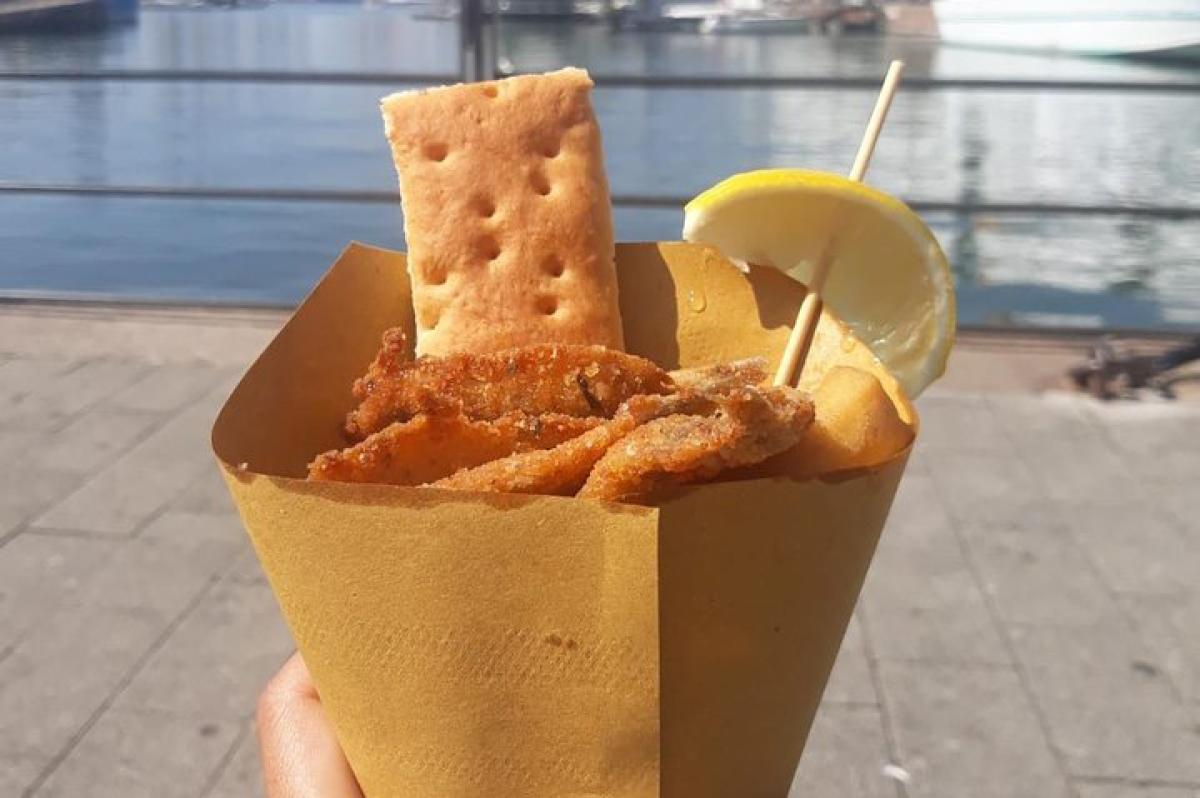
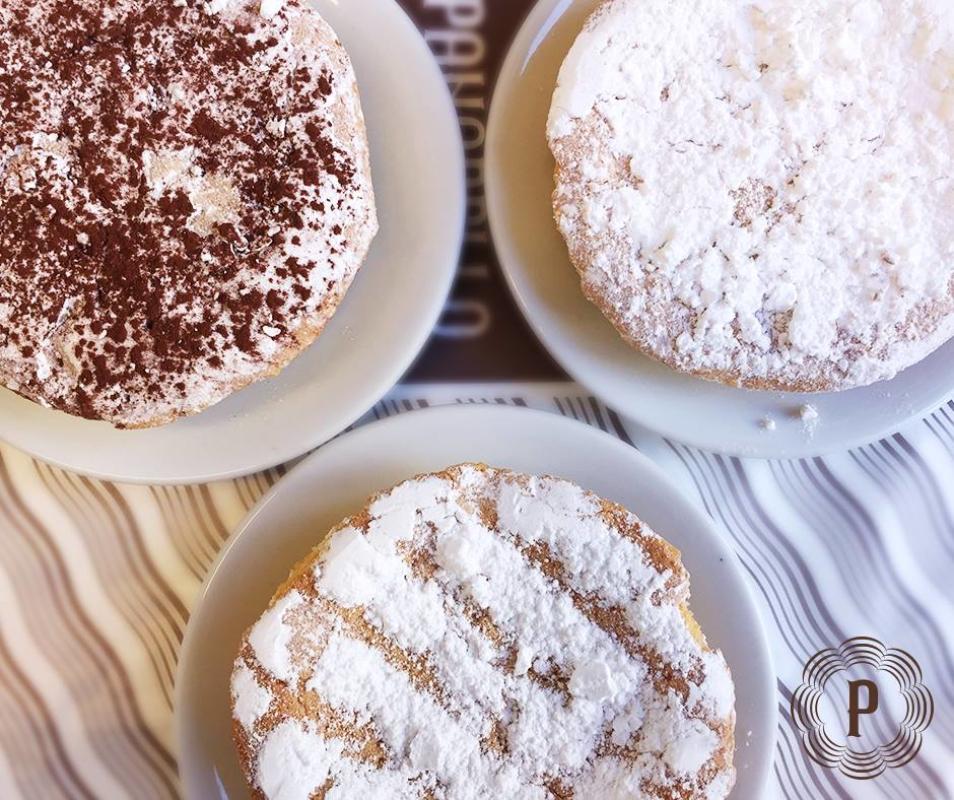
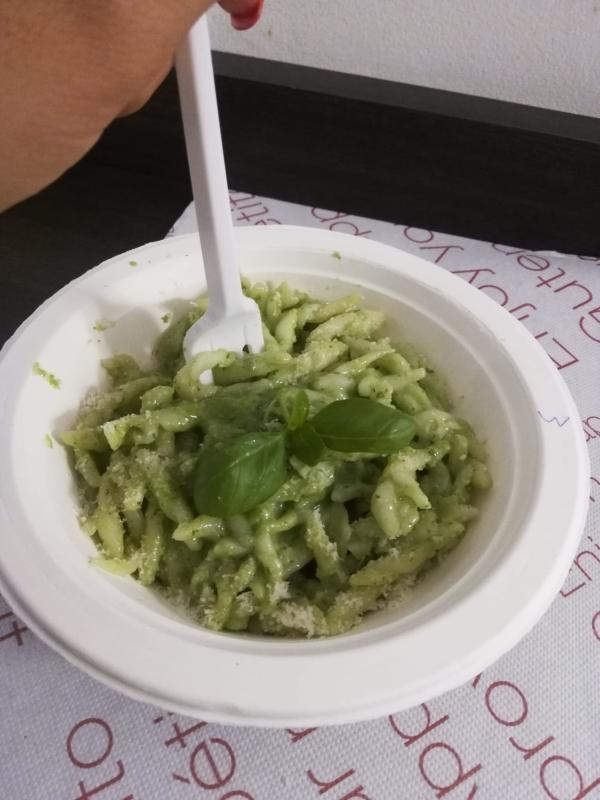
Genoa claims to be the birthplace of pesto, made here with Ligurian basil, pine nuts, garlic and Parmesan, traditionally ground by hand with a mortar and pestle. Focaccia genovese, thick, oily and dimpled with fingerprints, is sold by the tray in bakeries across the old town, while farinata, a thin baked chickpea flour pancake, is a common street snack particularly in winter. Trofie and trenette, two pasta shapes associated with the region, are traditionally tossed with pesto rather than heavier sauces, sometimes alongside boiled potatoes and green beans in the same dish. A walking tour through the caruggi is one of the more direct ways to sample this food alongside the city's back streets and courtyards, and Walking Through Genoa: Hidden Wonders and Foodie Favorites combines both in a single guided route.
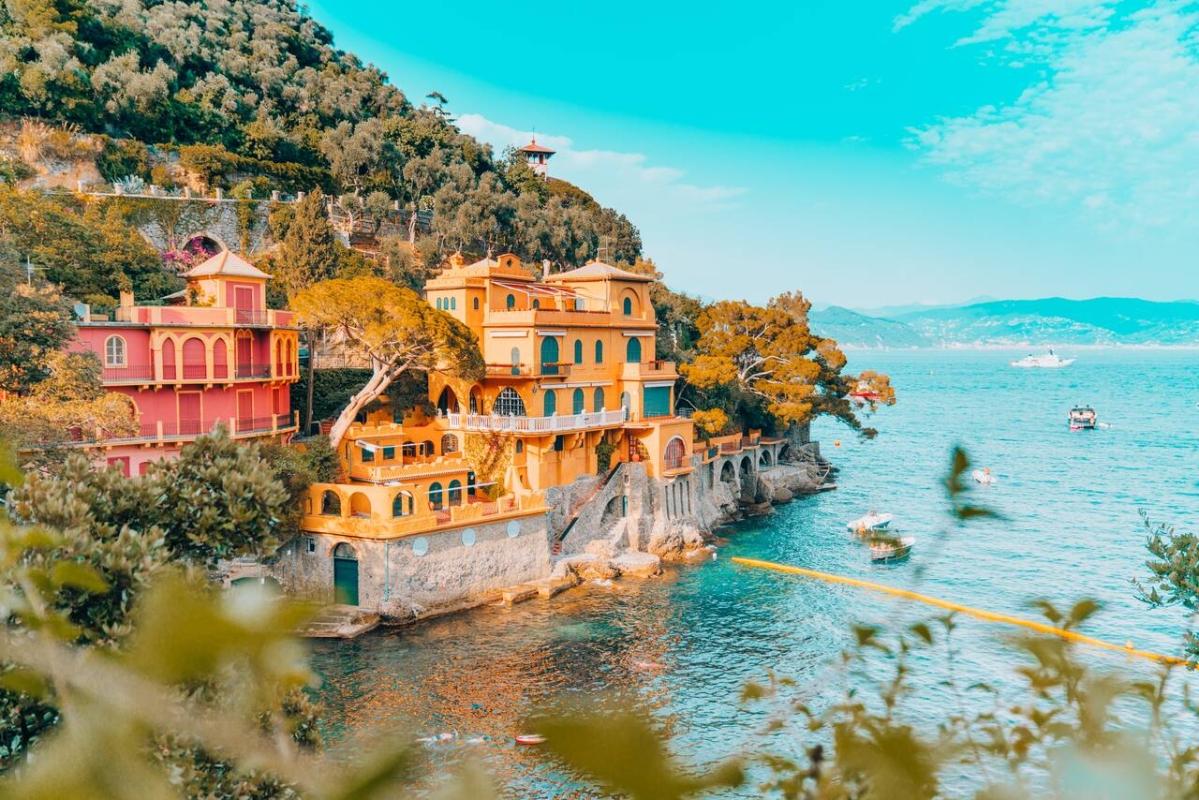
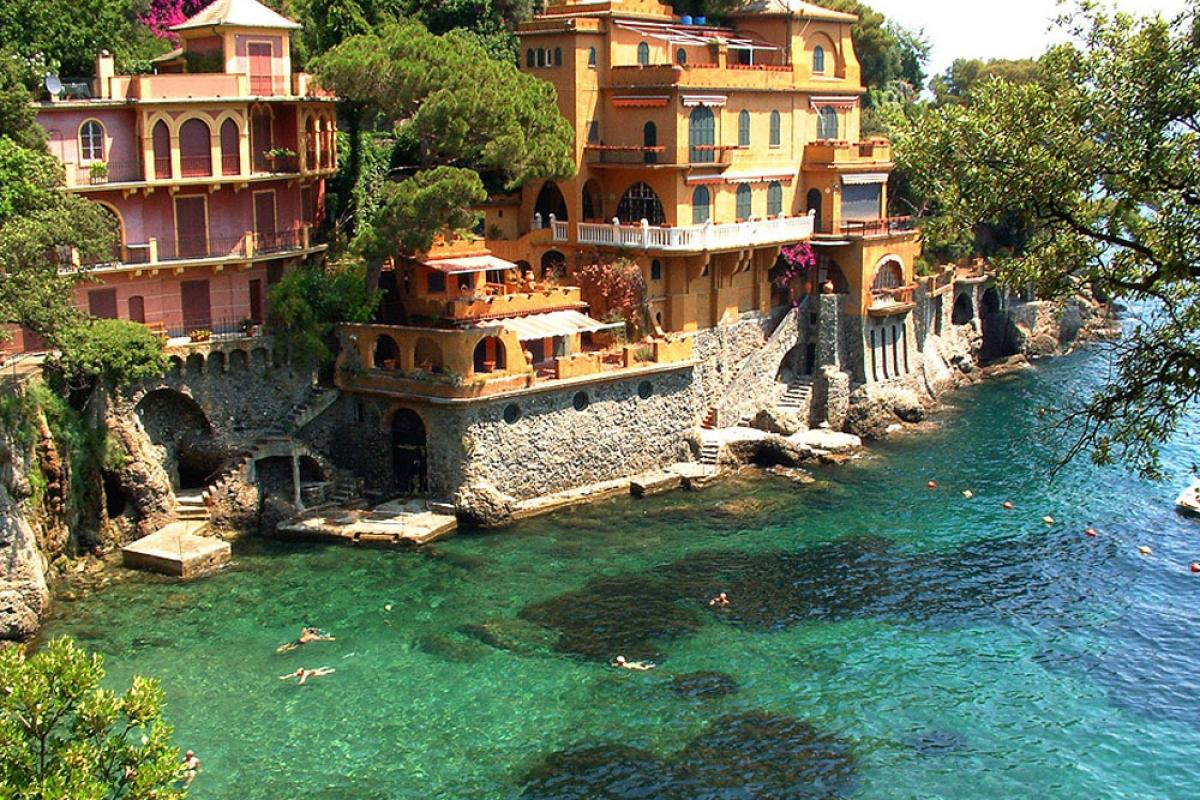
Within the city itself, the Nervi district on Genoa's eastern edge offers a two kilometer clifftop walkway, the Passeggiata Anita Garibaldi, connecting several public parks and gardens above the sea. Boccadasse, a small fishing hamlet with pastel houses around a pebble cove, sits within a twenty minute walk or short bus ride from the city center and makes an easy afternoon stop. Cinque Terre's five cliffside villages are reachable by regional train in roughly ninety minutes, while Portofino, the upscale harbor village favored by yachts and film stars, lies about forty minutes away by bus or a scenic ferry ride along the coast. Genoa's main train station, Genova Piazza Principe, also connects directly to Milan, Turin and the French Riviera.
Spring and early autumn bring mild temperatures and thinner crowds, making them the most comfortable seasons for walking the old town and the harbor. Summer is warm and busy with Italian holidaymakers, particularly in August, while winter stays relatively mild by northern Italian standards thanks to the sheltering hills, though rain is common between October and December.