
Free Cancellation
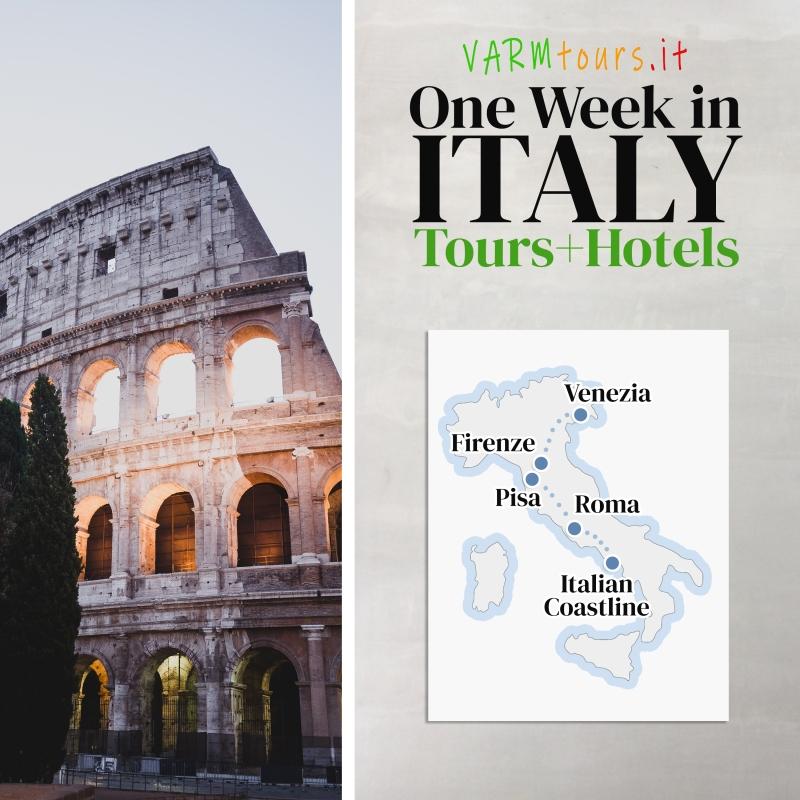
-high.jpg&w=1920&q=75 "7 Days Rome, Florence, Cinque Terre & Venice Tour")
-high.jpg&w=1920&q=75 "Private Transfer from Sorrento to Rome Apt Train Station City")
-high.jpg&w=1920&q=75 "Rome Tour with Hotel Accommodation 4 Day Rome and Vatican Tour")
-high.jpg&w=1920&q=75 "Three Day Tour of Rome And Pompei")
-high.jpg&w=1920&q=75 "Roma tour 4 Day 3 Night")
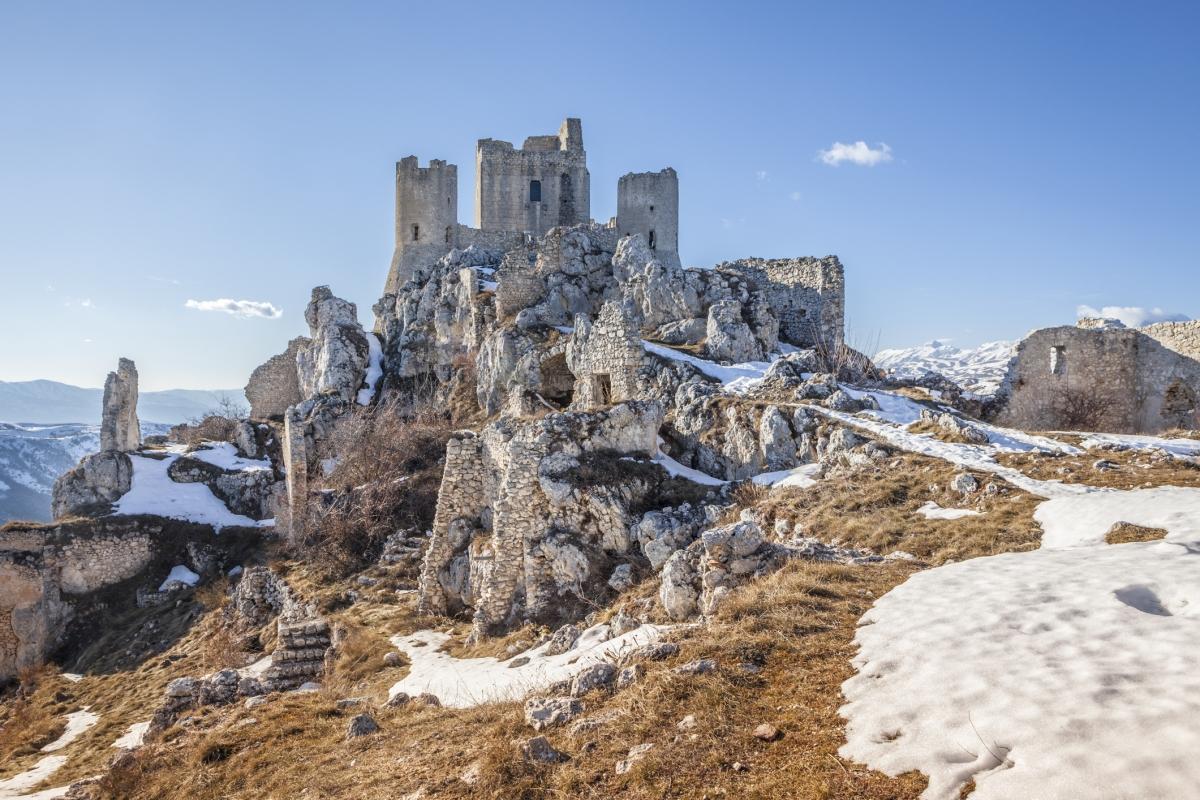

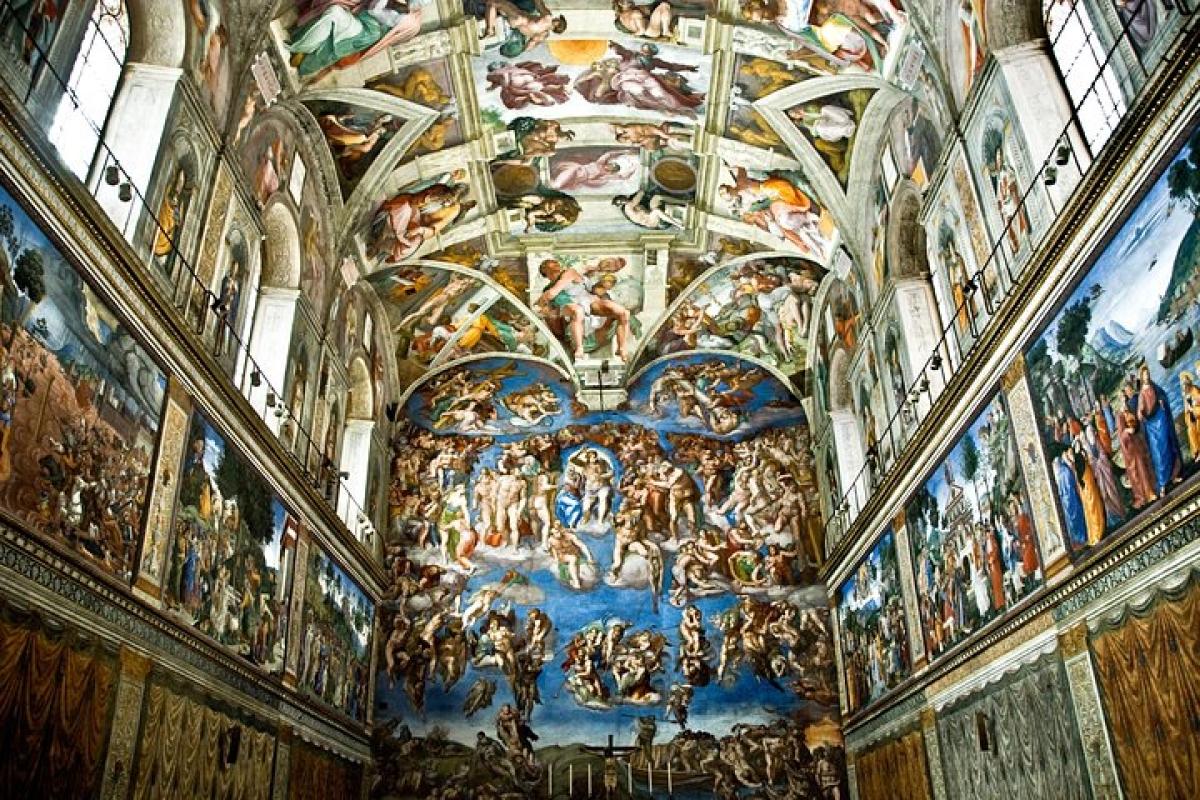
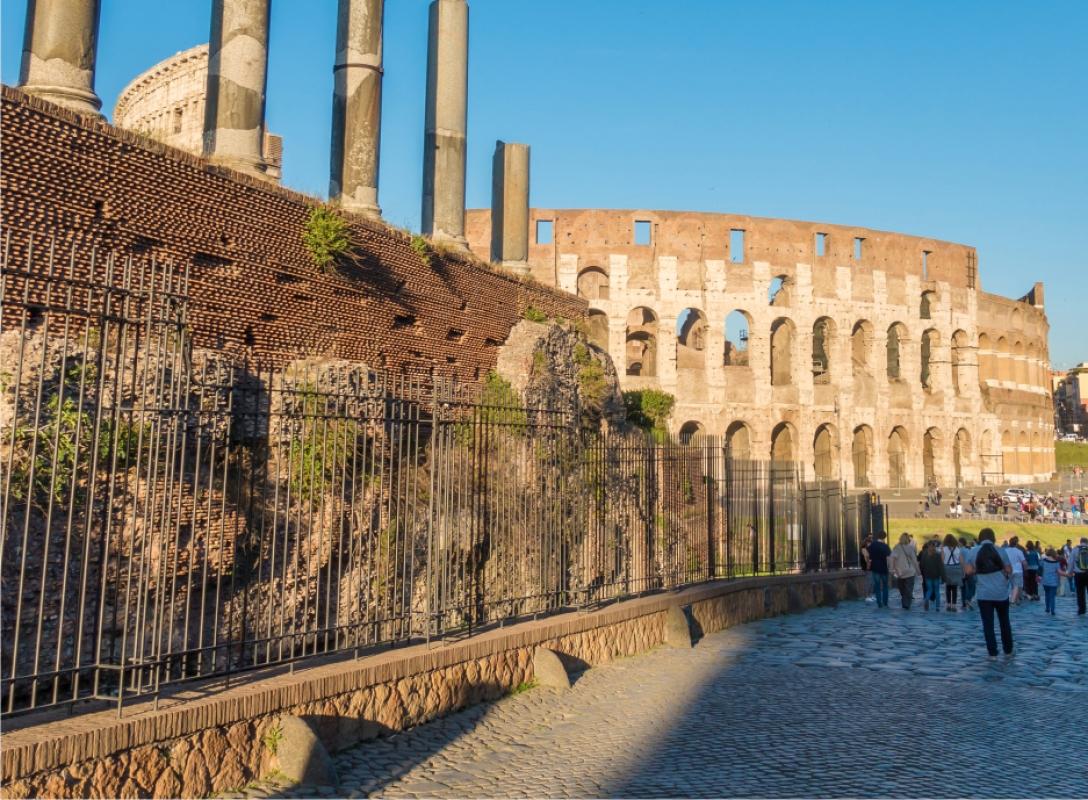
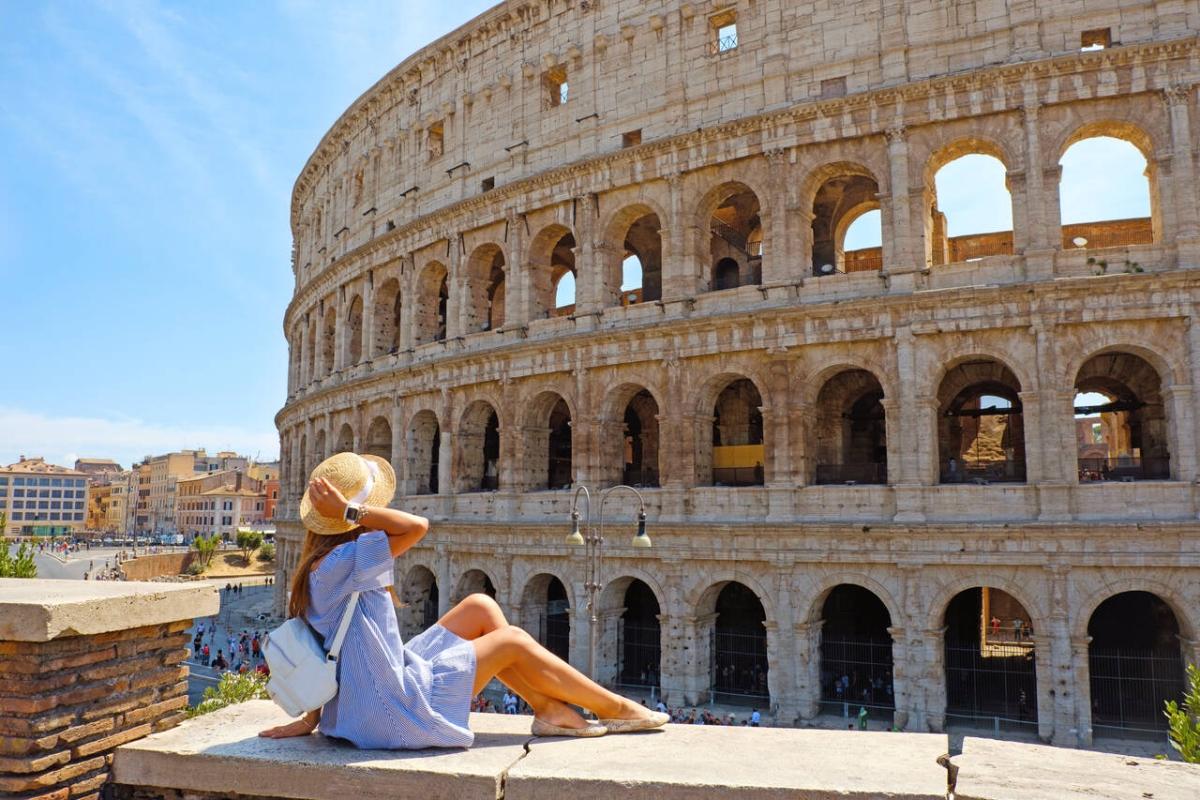
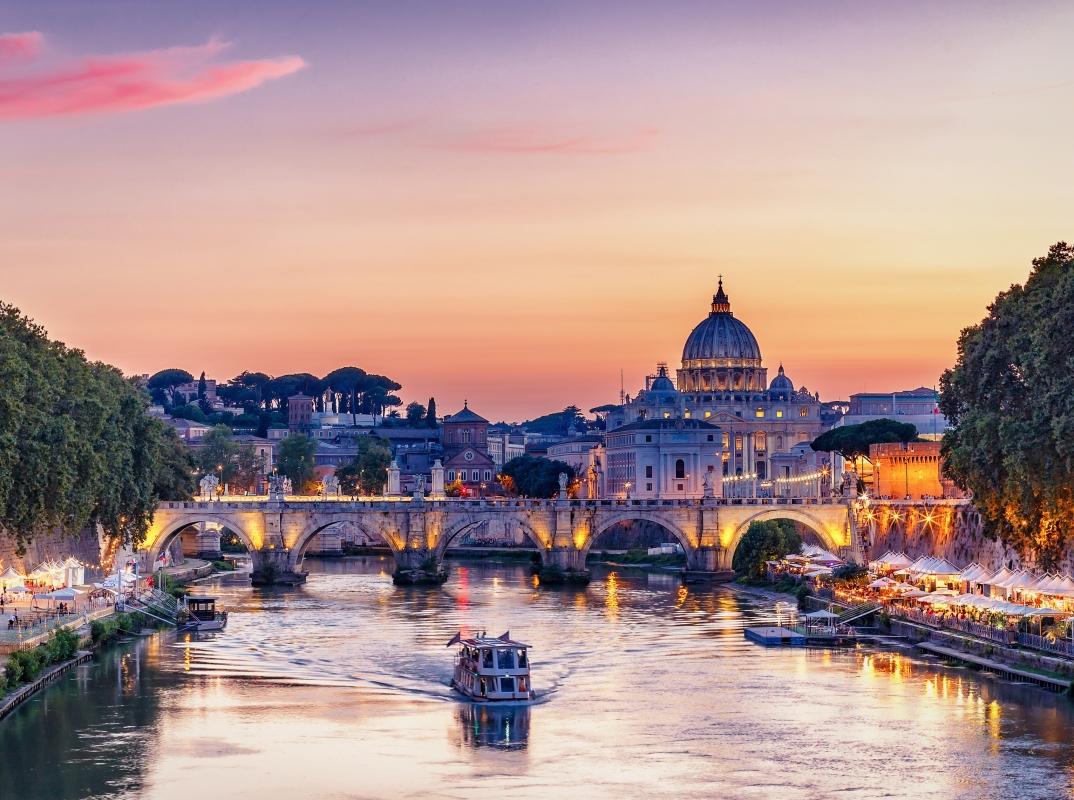
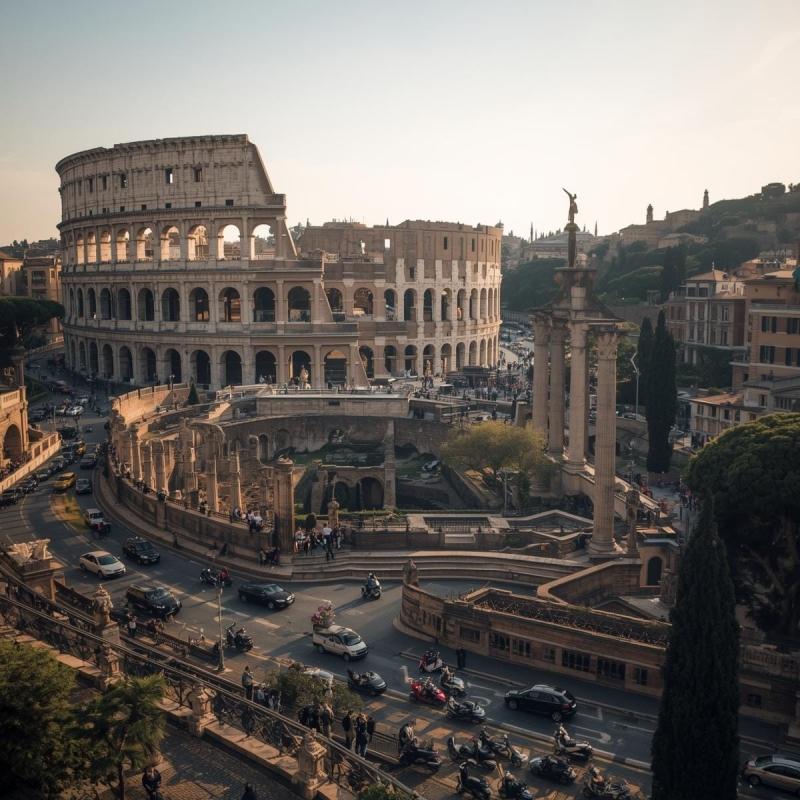
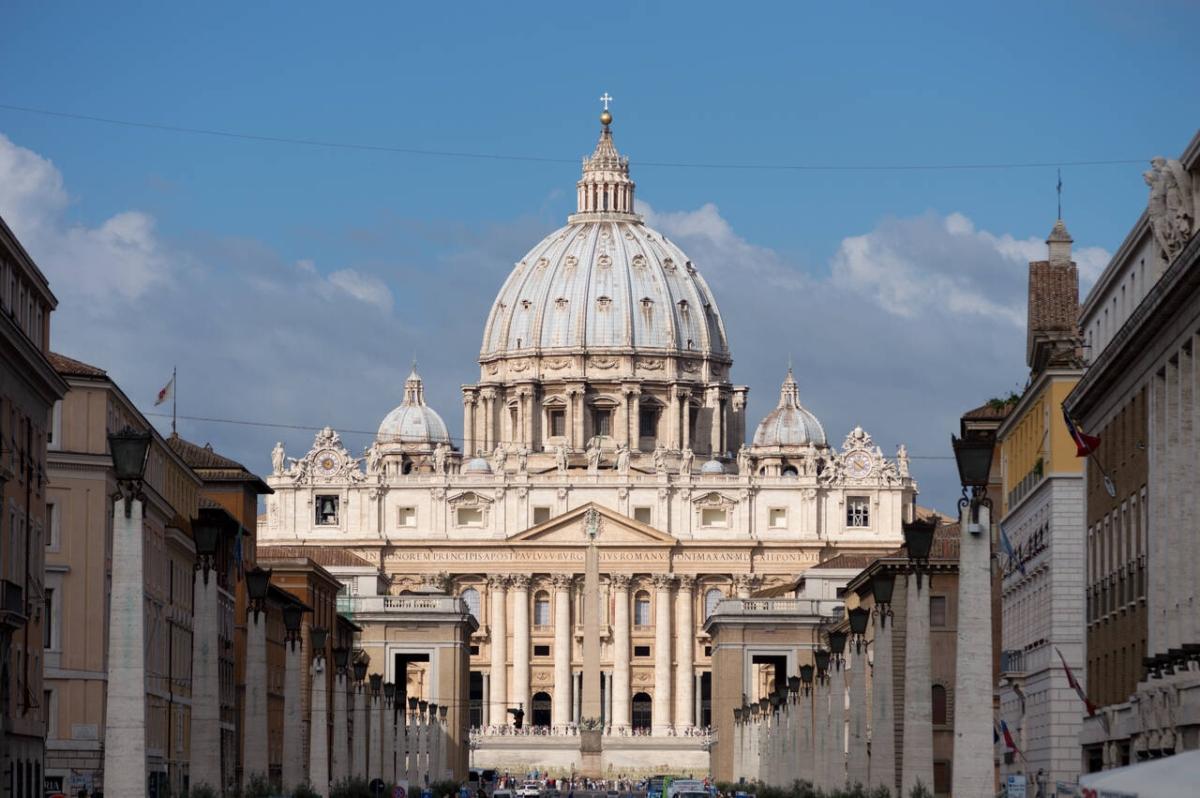
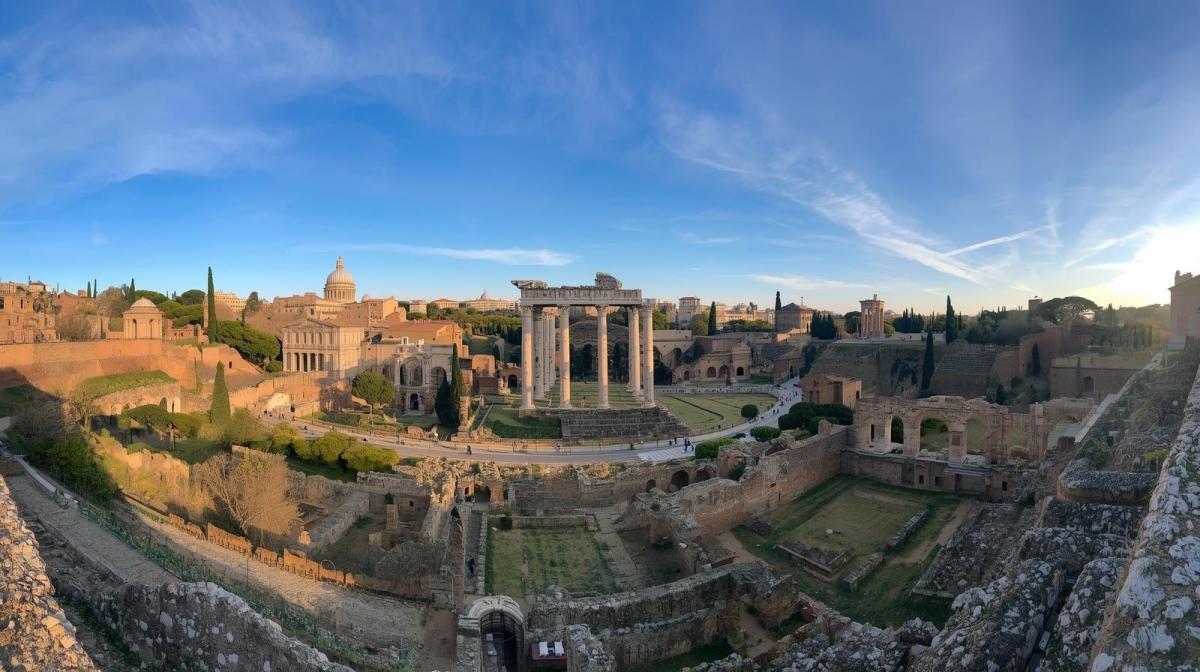
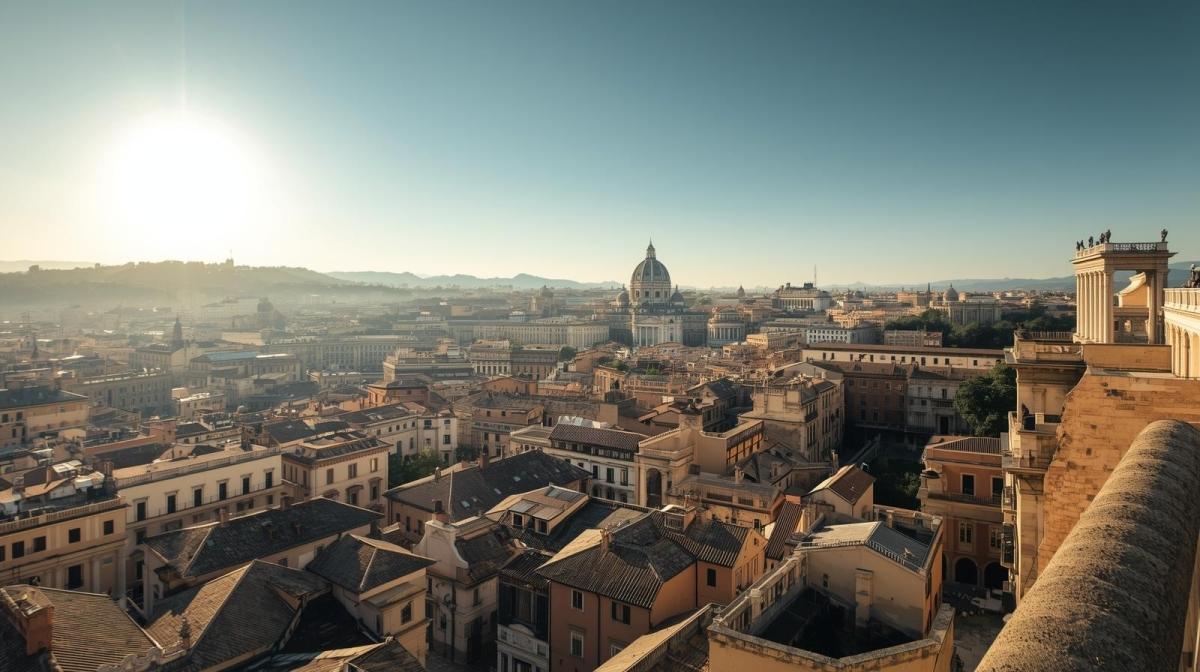
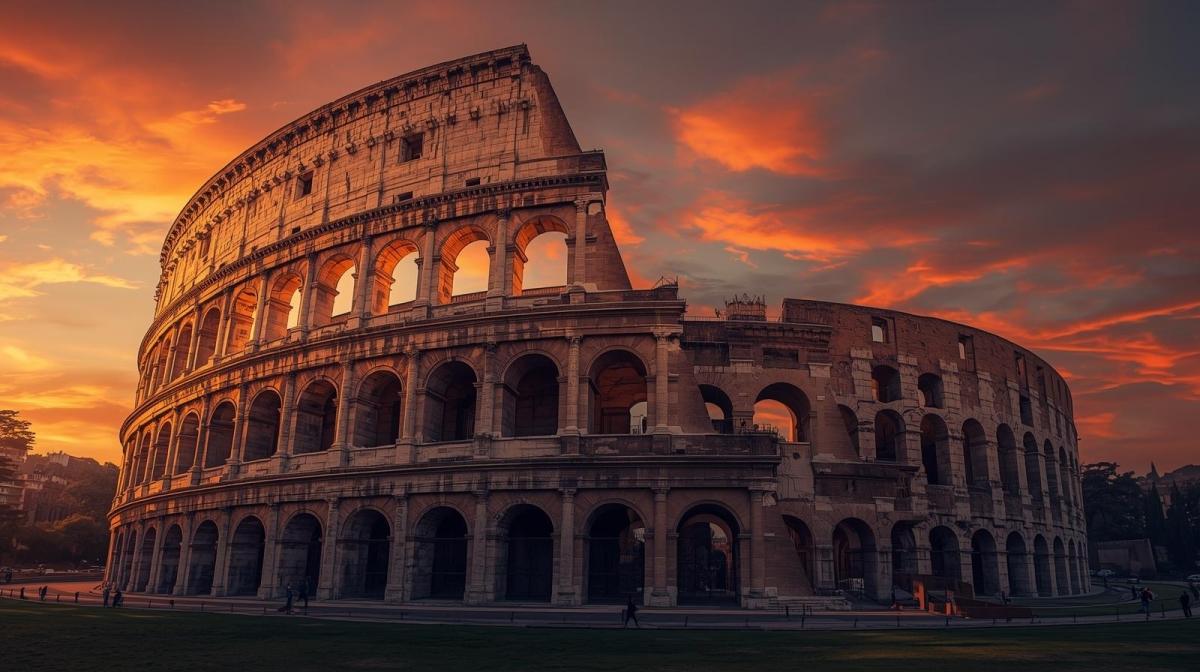
Roma is Italy's capital and, for many travelers, the anchor point of a wider Italian trip rather than a single stop on its own. Beyond the Colosseum and the Vatican, the city holds neighborhoods that still function as they have for generations, food markets that predate mass tourism, and a position at the center of Italy's rail network that makes it a natural base for exploring the surrounding region. With close to three million residents spread along both banks of the Tiber, Roma is Italy's largest city by population, and whole districts function with little reference to the tourist circuit around the historic center.
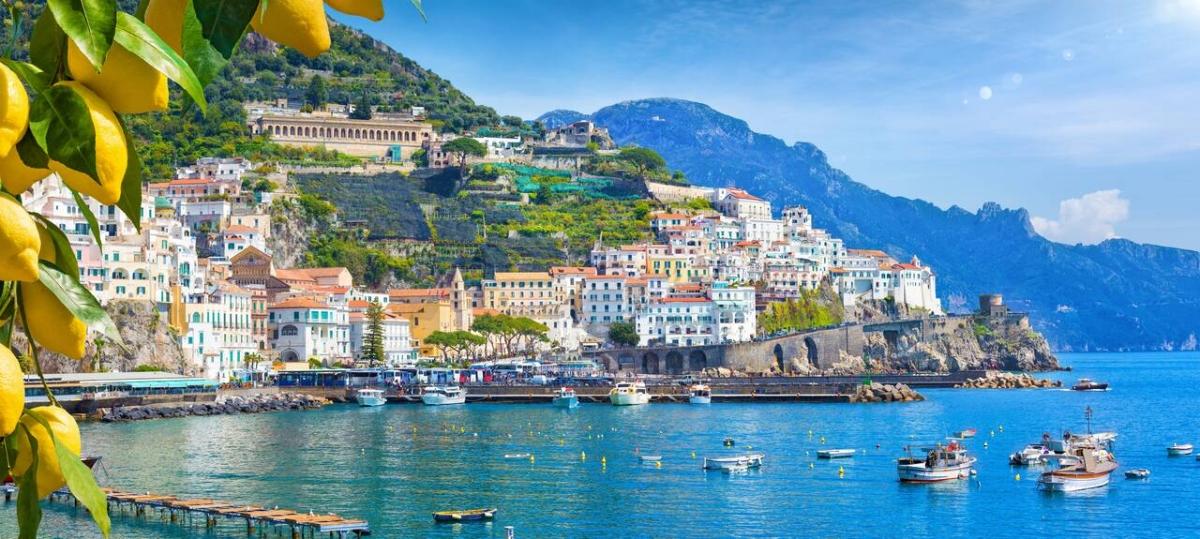
The capital also serves as the arrival and departure point for travelers moving between southern Italy and the rest of the country, and it pairs naturally with a wider Italy tours itinerary that might include the Amalfi Coast, Florence, or Venice.
Across the Tiber from the historic center, Trastevere kept its medieval street plan and much of its working-class character even as tourism reshaped the rest of the city. Ivy-covered facades line narrow lanes that open onto small piazzas, and the basilica of Santa Maria in Trastevere, among the oldest churches in Roma, holds 12th and 13th-century mosaics that draw far fewer visitors than St. Peter's. Small fountains and artisan workshops tucked along side streets add to a neighborhood that rewards wandering without a fixed route, and in the evening, the trattorias and wine bars fill with a mix of residents and travelers.
Testaccio grew up around the city's former slaughterhouse, and its cuisine still reflects that history: dishes built on offal cuts, known locally as the quinto quarto, remain a specialty of the neighborhood's restaurants. Monte Testaccio, an artificial hill rising roughly 35 meters, was built up entirely from broken amphorae discarded by Roman merchants unloading olive oil and wine at the nearby river port, and its slopes now host some of the city's better-known nightclubs alongside the covered Testaccio Market, which gives a working look at how Roman households shop for produce, cheese, and bread away from the souvenir stands of the center.
Campo de' Fiori has hosted a produce market since 1869, its stalls spilling out under a statue of the philosopher Giordano Bruno each morning before the square turns over to bars and restaurants by evening. Piazza del Popolo, framed by twin baroque churches and an Egyptian obelisk brought to Rome under Augustus, sits at the northern edge of the historic center and opens onto the gardens of Villa Borghese, a green space large enough for an unhurried afternoon away from the crowds around the Colosseum. In the early evening, bars across the centro storico and the Monti district fill for aperitivo, the pre-dinner ritual of a drink accompanied by small snacks that has become as much a part of visiting Roma as any single monument.
Just across the river from Trastevere, the Roman Ghetto has centered the city's Jewish community since the 16th century and today holds some of Roma's most distinctive food, including carciofi alla giudia, artichokes fried whole in the Roman-Jewish style, served at restaurants along Via del Portico d'Ottavia beneath the ruins of an ancient portico built under Augustus's sister Octavia. The district sits within easy walking distance of both the historic center and Trastevere, making it a natural stop between the two.
Roma's ancient port city, Ostia Antica, sits about 30 minutes from the center by local train and holds ruins that rival Pompeii in scale, with a far smaller crowd. Its amphitheater, bath complexes, and preserved mosaic floors give a clearer sense of daily Roman life than the more monumental ruins in the city center.
East of the city, the hill town of Tivoli holds two UNESCO World Heritage sites within a short walk of each other: Villa d'Este, with its Renaissance terraced gardens and hundreds of fountains, and Villa Adriana, the sprawling retreat the emperor Hadrian built in the second century. Both make for a full but manageable day trip from Roma. South of the city, the Castelli Romani, a cluster of hill towns including Frascati, known for its white wine, and Nemi, overlooking a small volcanic lake, offer a quieter day-trip alternative for travelers who have already covered Tivoli; regional trains from Termini reach most of these towns directly, without the need for a rental car.
Roma is served by two airports, Fiumicino to the southwest and the smaller Ciampino to the south, and Termini station functions as the hub for national and regional rail, connecting the capital to Naples in about an hour and ten minutes and to Florence in around an hour and a half by high-speed train. Travelers coming north from the Amalfi Coast or Sorrento often need a reliable way to reach Roma's airport or train station at the end of their trip, and a service such as the Private Transfer from Sorrento to Rome Apt Train Station City covers that final leg directly, without the transfers a train or shared shuttle usually involves. Within the city, Roma's historic center is compact enough to cover on foot, though the Metro's two lines, A and B, connect outlying neighborhoods and both airports to the center for travelers based outside the historic core.
.png)