

Free Cancellation
-high.jpg&w=1920&q=75 "Venice: Murano and Burano Boat Tour with Glass Factory Visit - morning tour from San Marco")
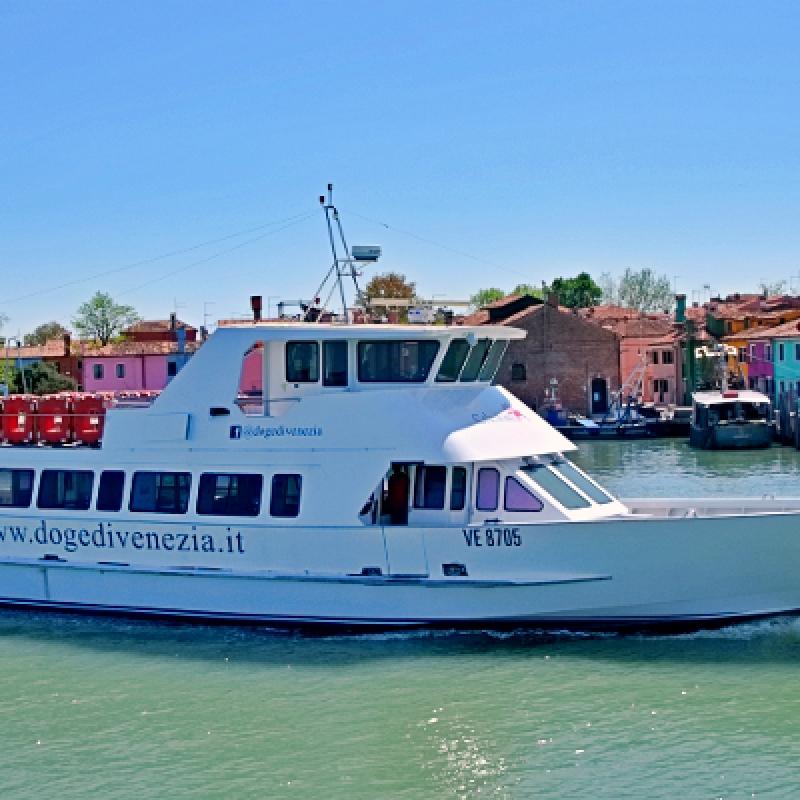
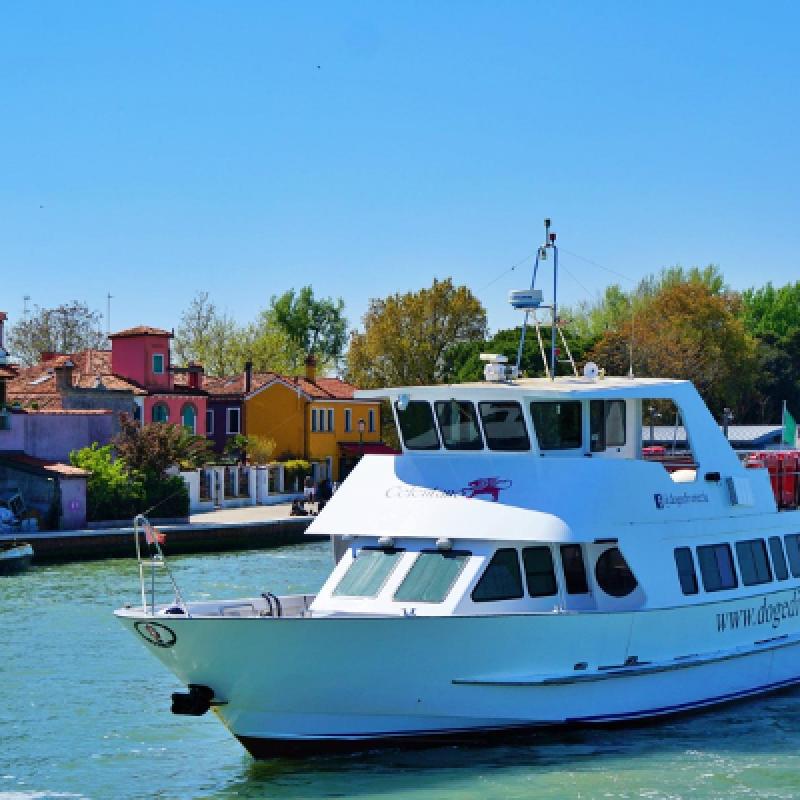
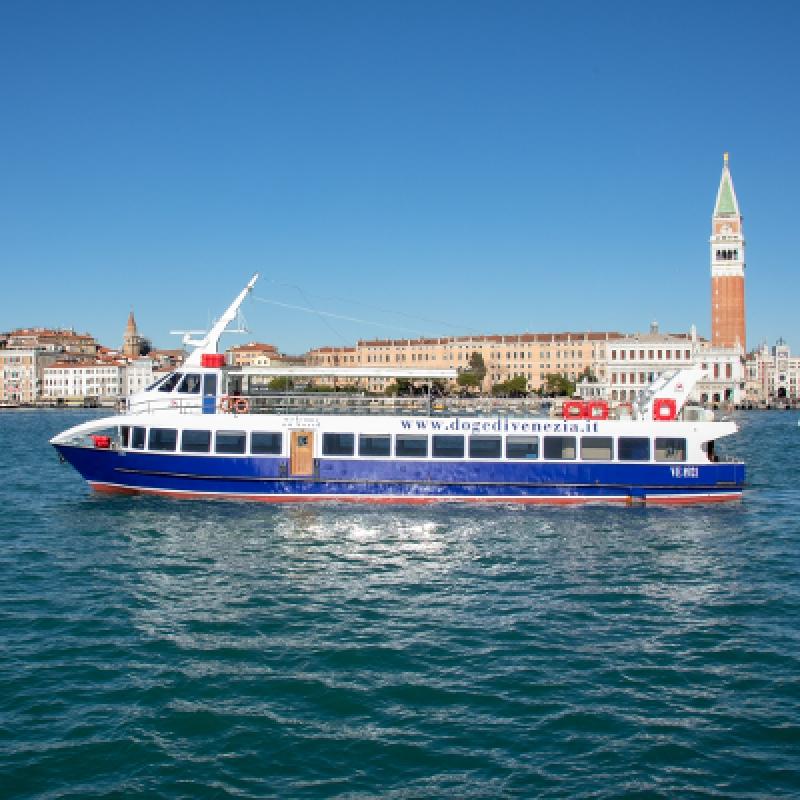
Murano is a small cluster of islands in the Venetian Lagoon, connected by bridges and separated from Venice itself by about a mile and a half of open water. For more than seven hundred years the island has been synonymous with glassmaking, a craft that shaped its economy, its skyline of furnace chimneys and its reputation well beyond Italy.
Vaporetto lines from Venice's Fondamente Nove reach Murano in around ten to twenty five minutes, making it one of the easiest lagoon islands to combine with a day exploring Venice proper. Murano is often visited alongside Burano, the neighboring island known for its brightly painted houses and lace-making tradition, on the same half day trip out from the city, both easy additions to a broader Italy Tours itinerary.
In 1291, Venice's ruling council ordered the city's glassmakers to move their furnaces to Murano, citing the fire risk that open flames posed to Venice's densely packed wooden buildings. The relocation concentrated generations of glassblowers on a single island, where they developed techniques including crystalline glass, multicolored millefiori patterns, and aventurine glass flecked with copper crystals. Murano's glassmakers held a closely guarded position for centuries, and for long periods leaving the island to practice the craft elsewhere was treated as a serious offense.
Murano's own Grand Canal, a smaller echo of Venice's famous waterway, is lined with fornaci, or furnace workshops, many of which offer live glassblowing demonstrations where visitors can watch molten glass shaped into vases, figurines and chandeliers within minutes. The Museo del Vetro, housed in the Palazzo Giustinian, traces this history in more depth through pieces spanning from Roman glass to twentieth century Murano design.
Away from the workshops, the Basilica dei Santi Maria e Donato dates largely from the twelfth century and ranks among the lagoon's finest examples of Veneto-Byzantine architecture, with a mosaic floor of geometric and animal designs and a wooden ceiling shaped like an inverted ship's keel. Local tradition holds that bones displayed behind the altar belonged to a dragon slain by Saint Donatus, though the relics are more plausibly the remains of a large prehistoric animal.
Because Murano sits so close to Venice, most visitors treat it as a half day addition to a longer stay in the city rather than a standalone destination, often pairing it with Burano or the quieter island of Torcello. Evenings back in Venice are frequently spent working through the city's bacari, small standing-room wine bars serving cicchetti, and Bacari Tour in Venice is one way to sample that side of the city after a day spent watching glass take shape on Murano.