
Italy Napoli Tours
100+ tours & activities
-high.jpg&w=1920&q=75 "3 Days Napoli City Italy Break Tour")
Free Cancellation
3 Days Napoli City Italy Break Tour

Free Cancellation
Capri Boat Tour from Sorrento with Limoncello (12 guests max)
Free Cancellation
Positano and Amalfi Coast
Free Cancellation
From Naples: Capri Island Boat Tour with Free Time in Capri
Free Cancellation
Shuttle Bus Naples Pompeii
Free Cancellation
Pompeii and Mount Vesuvius Tour Ancient Roman Heritage Experience
-high.jpg&w=1920&q=75 "Private Transfer from Sorrento to Rome Apt Train Station City")
Free Cancellation
Private Transfer from Sorrento to Rome Apt Train Station City
-high.jpg&w=1920&q=75 "13 Day The Jewels of the South Italy and Sicily Tour")
Free Cancellation
13 Day The Jewels of the South Italy and Sicily Tour
-high.jpg&w=1920&q=75 "9 Day Central and South of Italy Tour")
Free Cancellation
9 Day Central and South of Italy Tour
Free Cancellation
Best of Naples Amalfi Coast 4 Days
Free Cancellation
Guide walking tour in Herculaneum site - shared tour
-high.jpg&w=1920&q=75 "The beauty of Sorrento, Positano and Amalfi from Naples with lunch - shared tour")

Free Cancellation
From Naples: Amalfi Coast and Ravello tour with lunch - shared tour
Free Cancellation
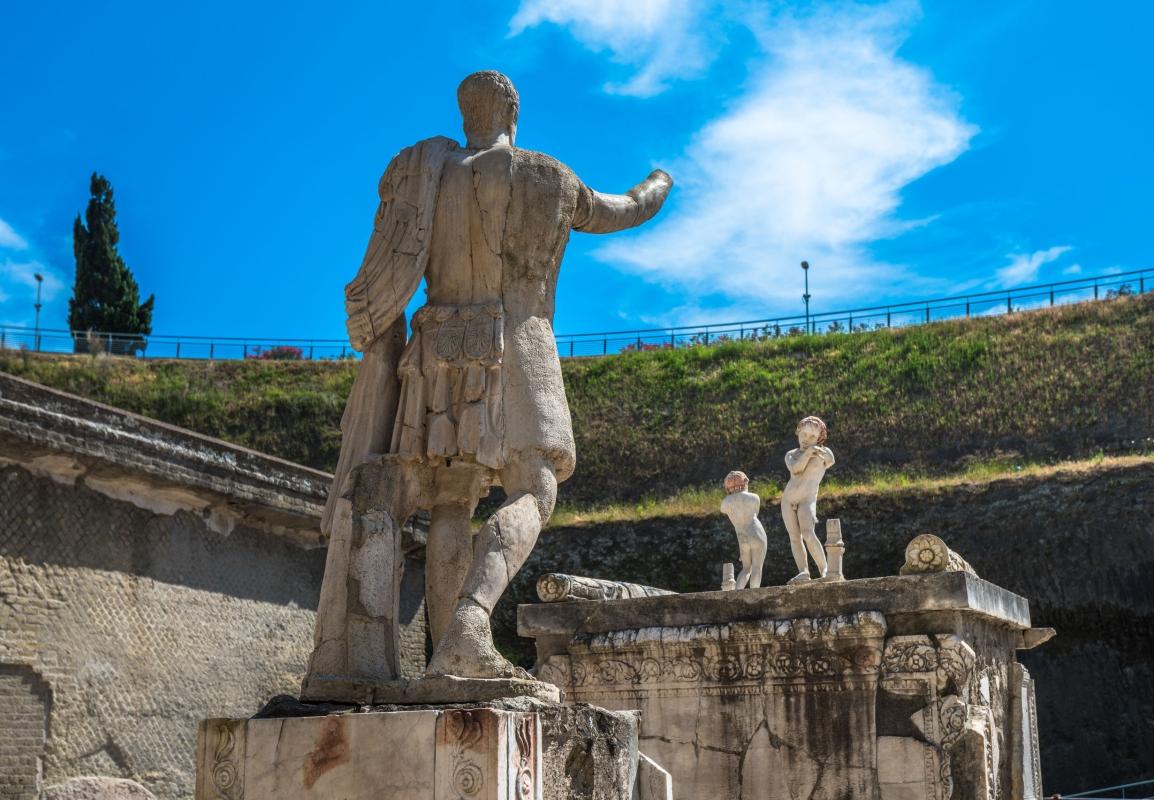
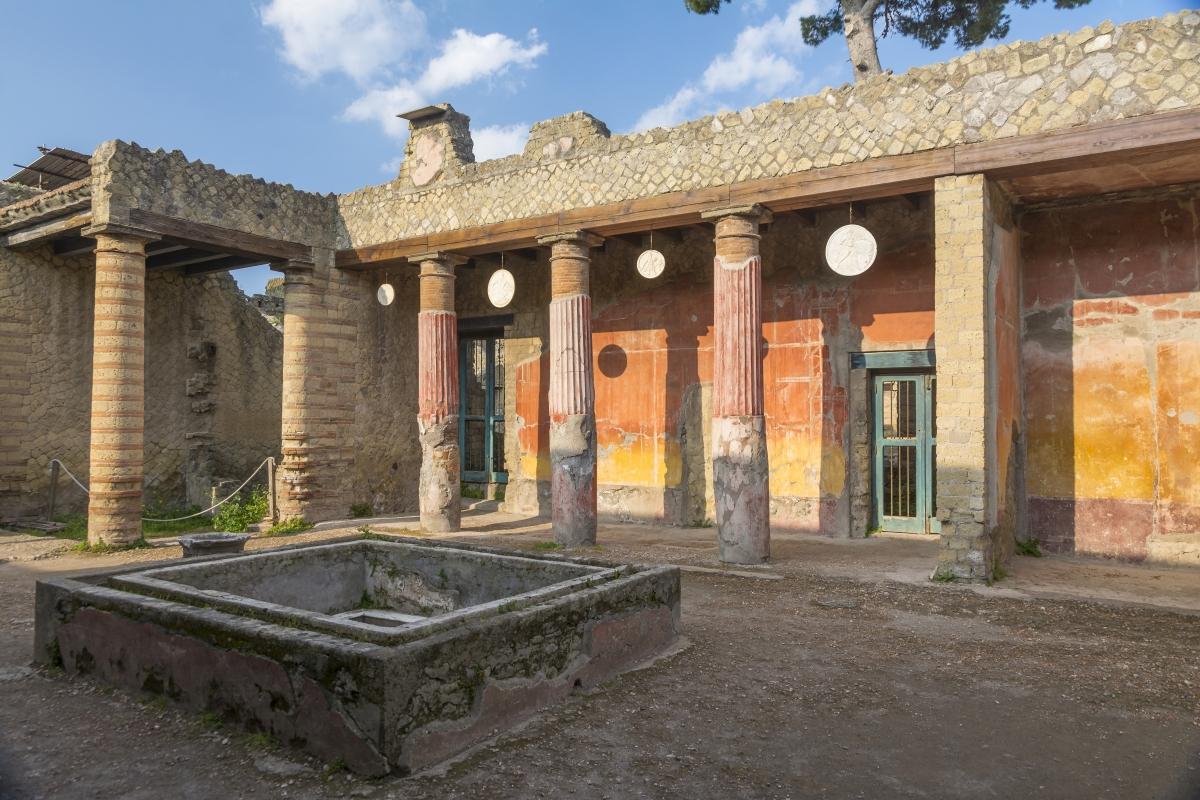
From Naples: discover the ancient Herculaneum - shared tour

Free Cancellation
Sorrento and Amalfi Coast Tour from Naples
Explore Italy Napoli Tours
About Italy Napoli Tours
Napoli is the Italian spelling of Naples, the port city on Italy's southern coast that has served as a cultural capital of the Mezzogiorno for over two thousand years. Tours of Napoli are often booked as part of a broader Italy Tours route through the south, since the city concentrates so much history, art and daily life into a compact historic center.
Rather than covering every excursion along the coast, a visit centered on Napoli itself rewards travelers who want to understand the city on its own terms: its layered architecture, its neighborhoods and its food culture beyond the pizza it is famous for.
Centro Storico, a UNESCO World Heritage Site
Napoli's centro storico has held UNESCO World Heritage status since 1995, recognized for preserving the original grid laid out by Greek settlers more than two thousand years ago. Spaccanapoli, the narrow street that cuts through the district, connects small chapels, workshops and the Naples Cathedral, home to the ampoules of San Gennaro's blood that are ceremonially observed each September. Inside the Sansevero Chapel, the Veiled Christ draws visitors for its marble carved to resemble translucent cloth draped over a reclining figure, a technique still debated by art historians. Nearby, San Gregorio Armeno is lined with workshops that make presepi, elaborate nativity scene figurines sold year-round despite their association with Christmas, a craft tradition unique to the city. Beneath the nearby church of San Lorenzo Maggiore, excavated Greek and Roman street levels can be visited directly, another layer of the ancient city preserved under the medieval one built above it.
Just north of the district, Piazza del Plebiscito opens onto the Royal Palace and the Teatro di San Carlo, which opened in 1737 and is the oldest continuously active opera house in Europe. The palace itself, built in the early 17th century for Spanish viceroys and later home to Bourbon kings of the Two Sicilies, has a facade lined with statues of eight rulers who governed the city through the centuries.
The Spanish Quarter
West of the centro storico, the Spanish Quarter (Quartieri Spagnoli) was laid out in the 16th century to house Spanish garrison troops and remains one of the densest, most lived-in parts of the city. Laundry lines stretch between balconies above narrow lanes, and murals including a large tribute to footballer Diego Maradona have become informal landmarks. Many of the quarter's ground-floor rooms, known locally as bassi, open directly onto the street, a housing style that has shaped the neighborhood's close, sociable character for generations. Newer street art has spread through the quarter in recent years, adding contemporary murals alongside older religious shrines set into building corners. It is a district suited to walking in daylight, treated as part of a longer stroll rather than a single quick stop.
Food Beyond Pizza
Napoli invented pizza, but its food culture runs well beyond it. Sfogliatella, a shell-shaped pastry with a ricotta or semolina filling, and baba, a rum-soaked sponge cake, both originated in the city's bakeries and remain standard breakfast items. Street food stalls sell fried snacks such as panzarotti and arancini alongside coffee bars where espresso is drunk standing at the counter, a habit as central to daily routine as any sightseeing stop. Pizza fritta, a fried and folded version once sold by street vendors to feed workers cheaply, remains a specific Neapolitan dish distinct from the baked pizza most visitors expect. The local ritual of the caffe sospeso, a suspended coffee paid forward for a stranger, says as much about the city as any of its monuments. Pizzerias throughout the centro storico still follow the Margherita recipe credited to 1889, though a visit centered on Napoli itself is as much about produce markets and neighborhood trattorias as any single dish. Napoli is also credited with popularizing the tomato sauce base for pasta following the introduction of tomatoes from the Americas in the 16th century, a staple that spread from local kitchens across Italian cooking more broadly.
The Bay, Vesuvius and the Coast
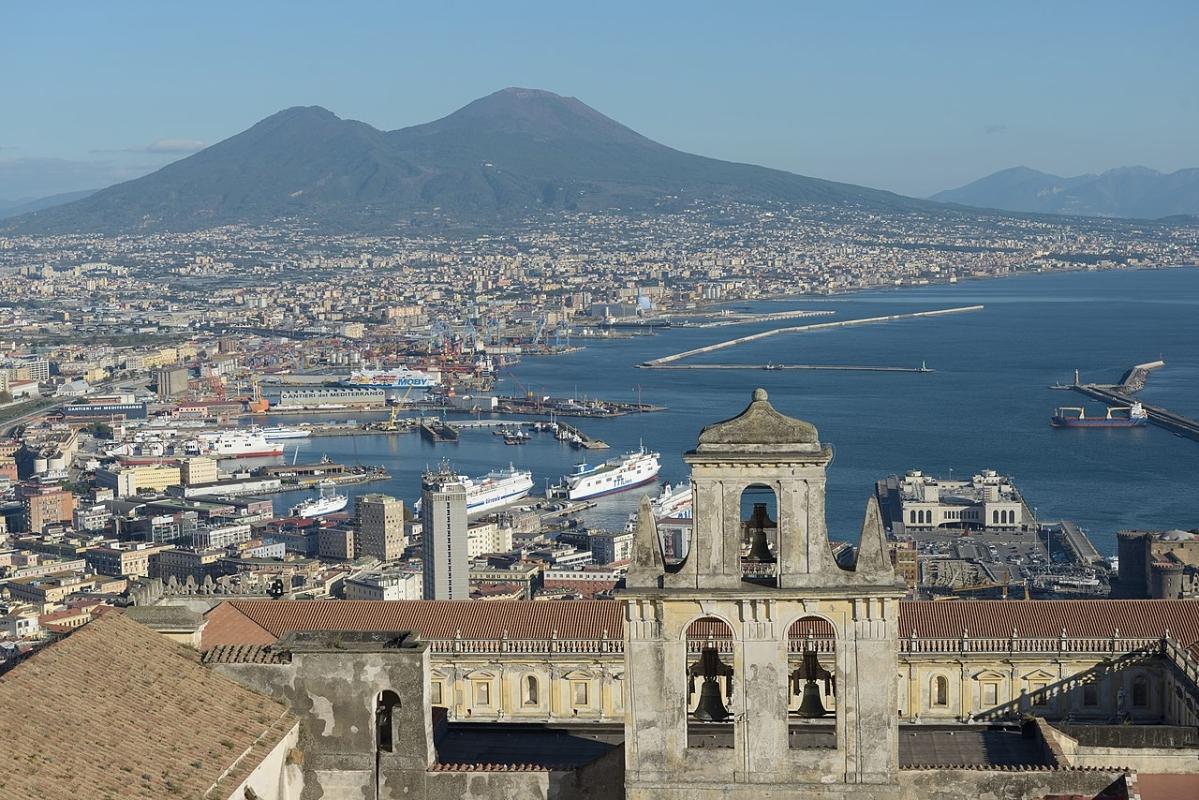
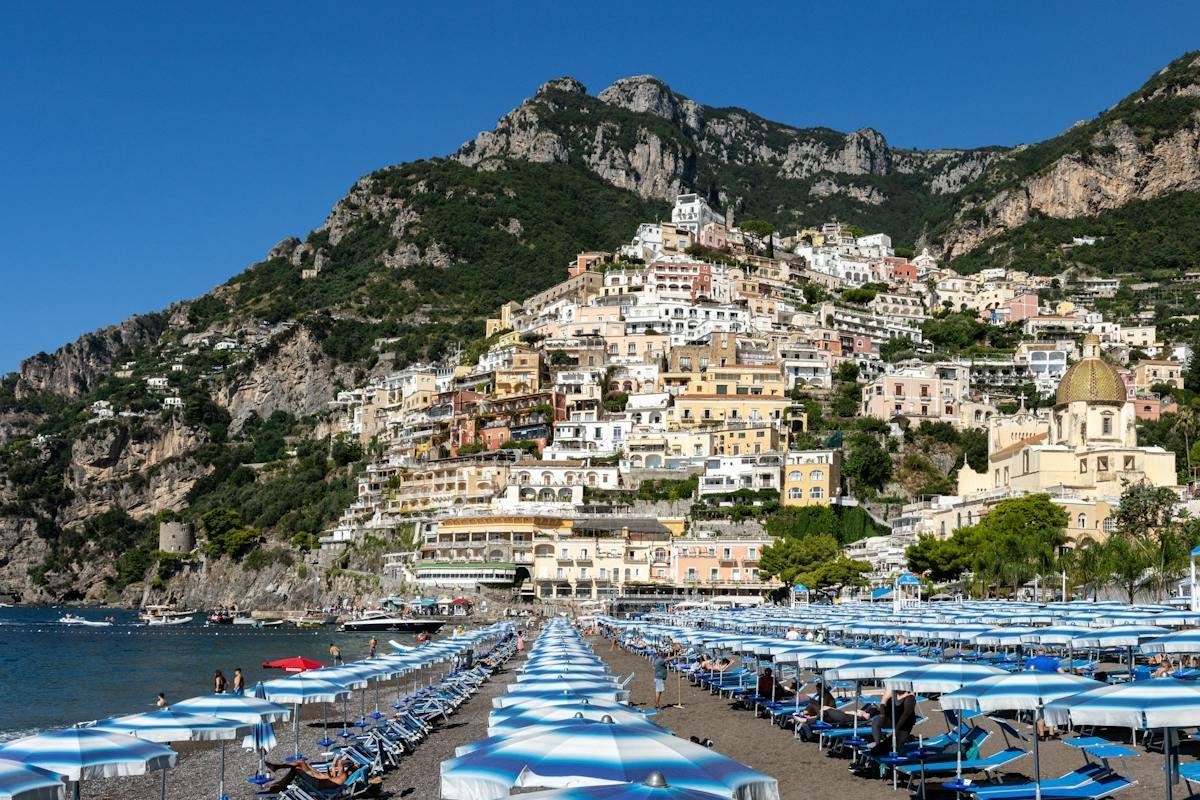
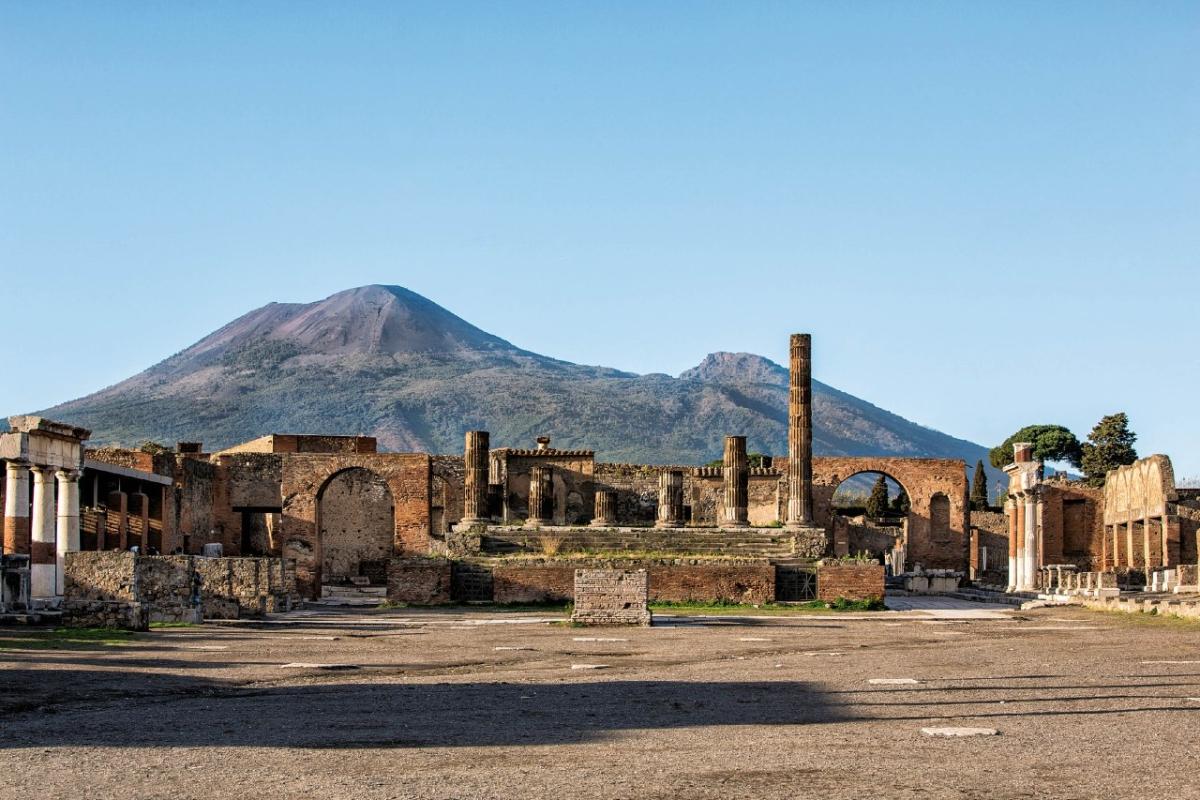
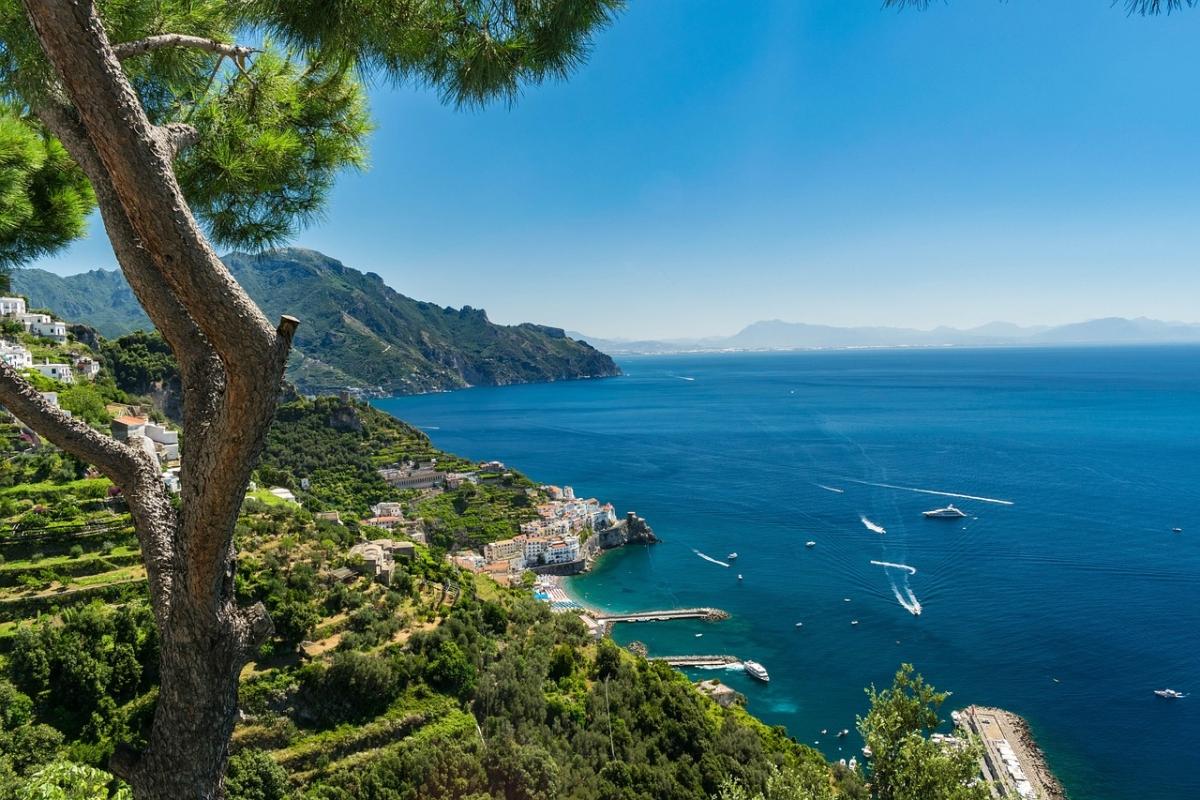
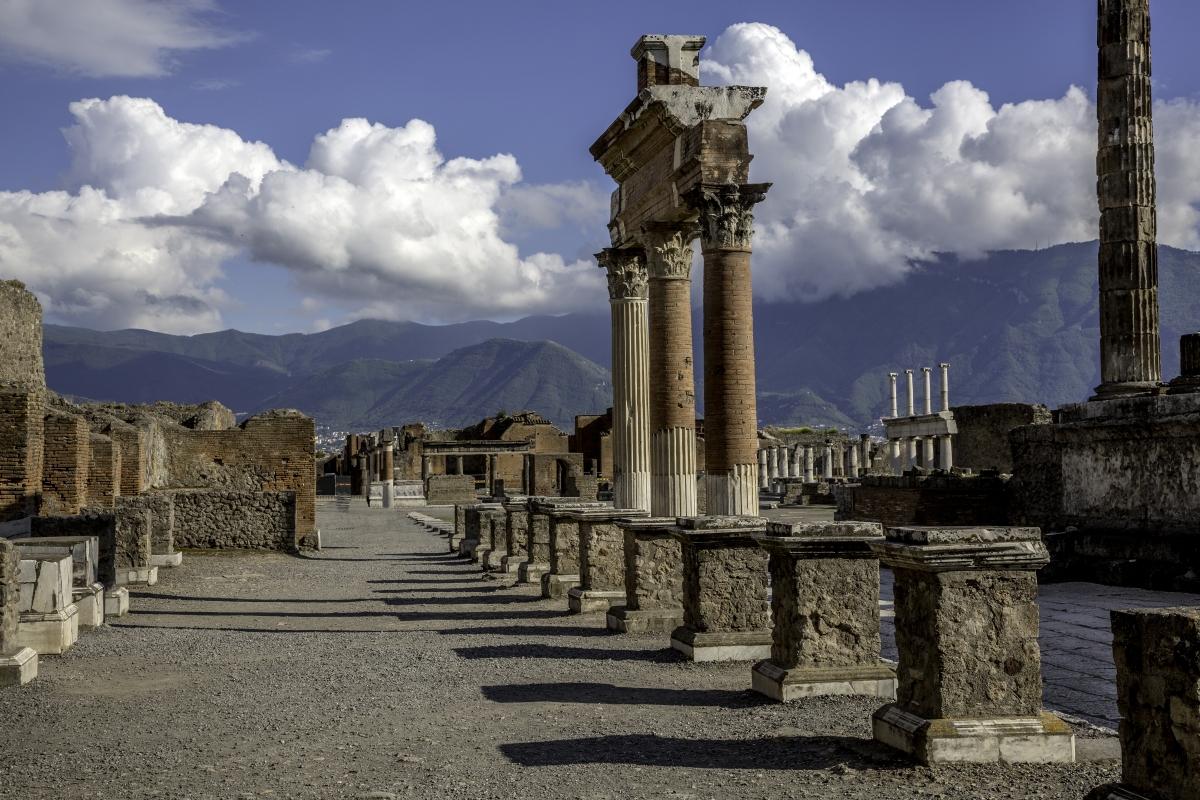
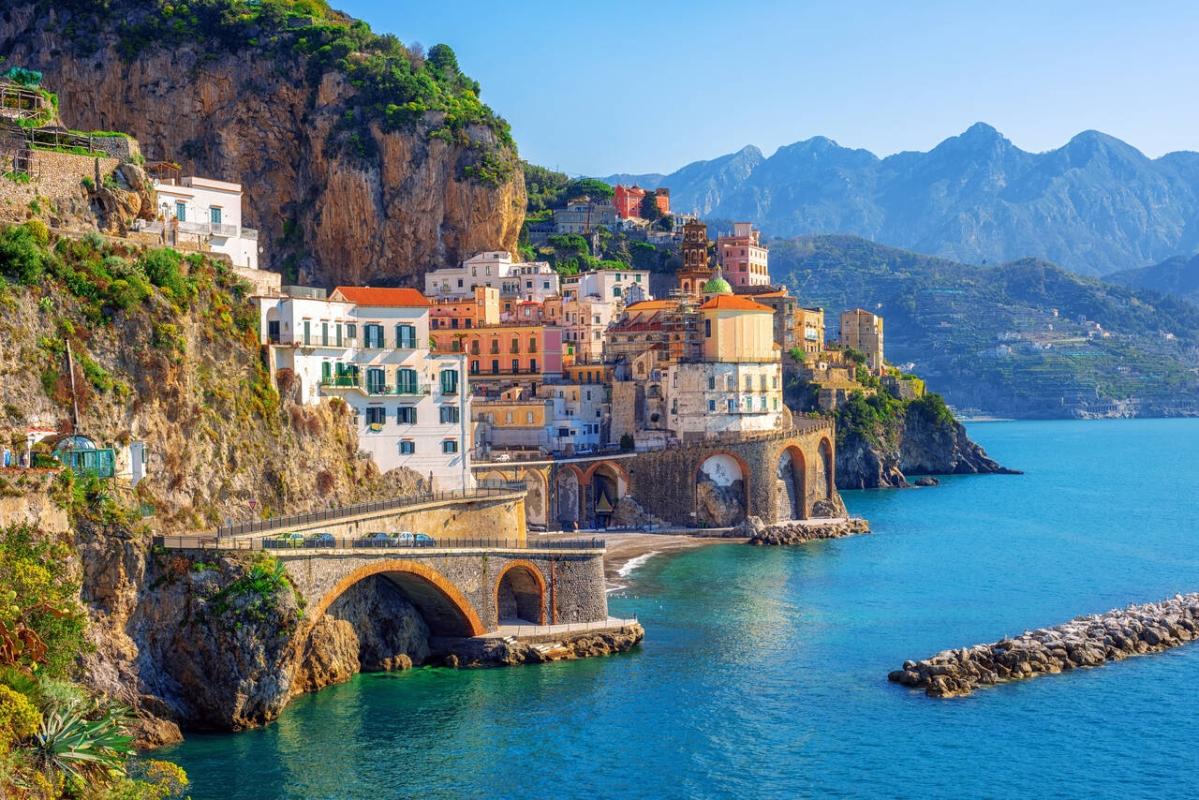
From the Lungomare, the seafront promenade that runs past Castel dell'Ovo, Napoli looks out over its bay toward Mount Vesuvius, the volcano that destroyed Pompeii in 79 AD and still shapes the city's skyline. Vesuvius last erupted in 1944 and remains active today, closely monitored given the dense population living on its slopes, a contrast visible from almost anywhere along the waterfront. Funicular railways climb from the center to hilltop neighborhoods such as the Vomero, a mode of transport commemorated in the 19th-century song Funiculi Funicula, written for the opening of the first line in 1880 and still closely associated with the city's musical tradition. Castel dell'Ovo, the oldest standing fortress in the city, occupies a small island connected to the mainland by a causeway and takes its name from a legend that the poet Virgil hid a magic egg in its foundations. For travelers who want to extend beyond the city itself, the coastline further south reaches Positano and the Amalfi Coast, where cliffside towns and terraced lemon groves overlook the sea; a Positano and Amalfi Coast tour is one option for pairing a Napoli stay with a day on the water.