

Free Cancellation



-high.jpg&w=1920&q=75 "2-hour walking tour of Naples with a guide included - Private Tour")

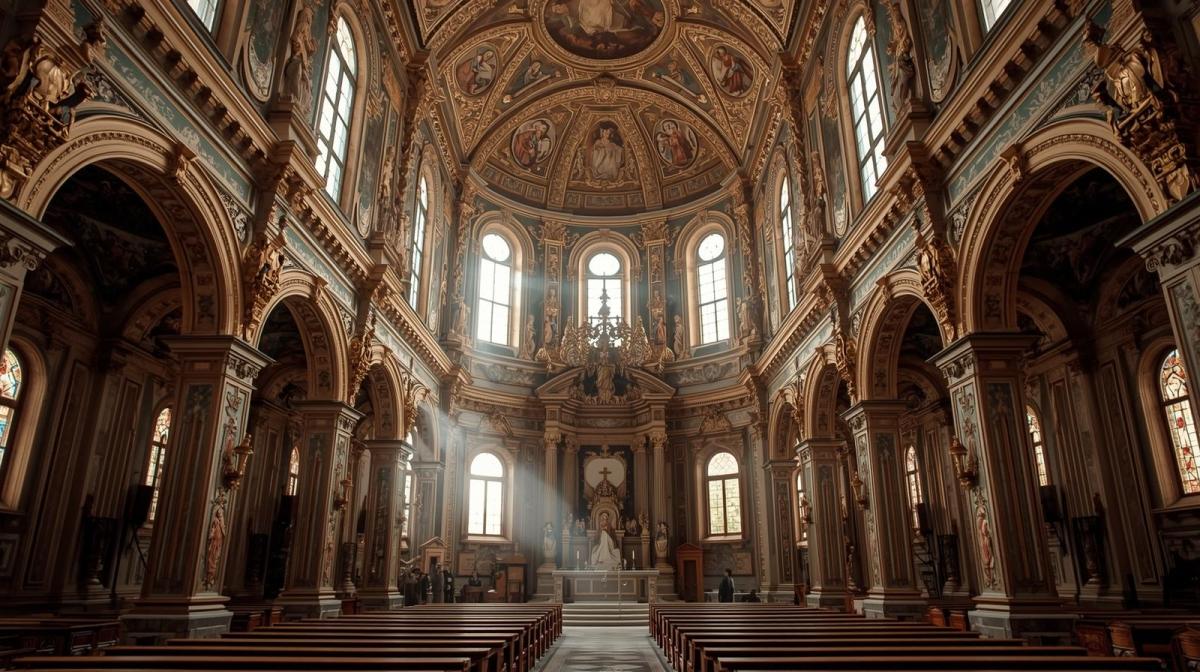
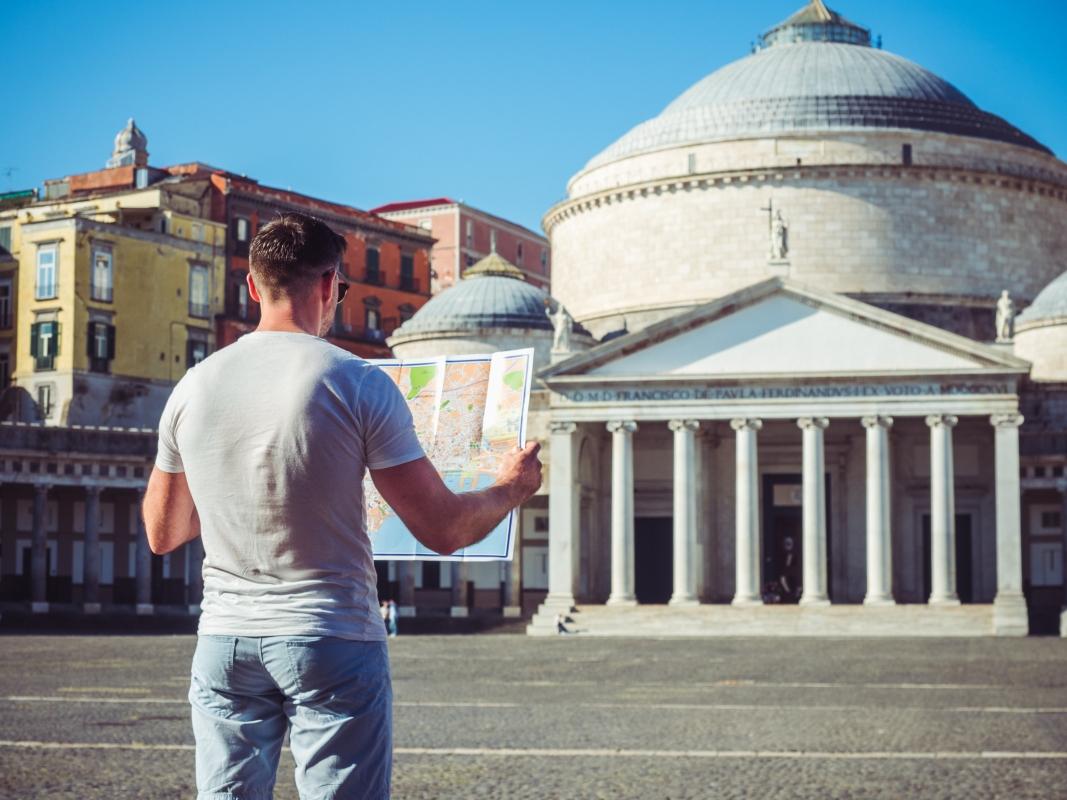
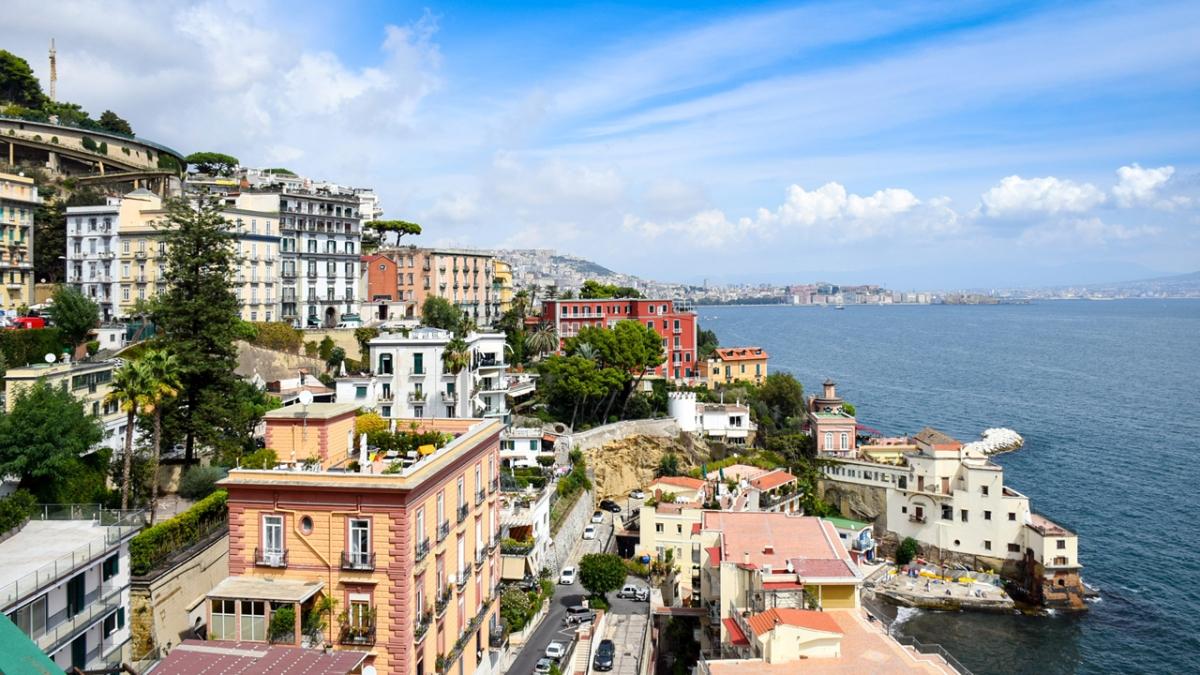
Naples sits on the Bay of Naples in southern Italy, a city of roughly two million people in its metropolitan area and one of the oldest continuously inhabited urban centers in Europe. Its old town is often visited as part of a longer Italy Tours itinerary, since Naples works well both as a destination in its own right and as a base for reaching Pompeii, Sorrento, the Amalfi Coast and Capri.
Founded by Greek settlers as Neapolis in the 6th century BC, the city later flourished under Roman, Byzantine, Norman, Spanish and Bourbon rule, each leaving a mark on its churches, palaces and street layout. Naples tours typically combine the historic center with at least one excursion along the coast, since the city's location makes day trips genuinely practical rather than a long detour.
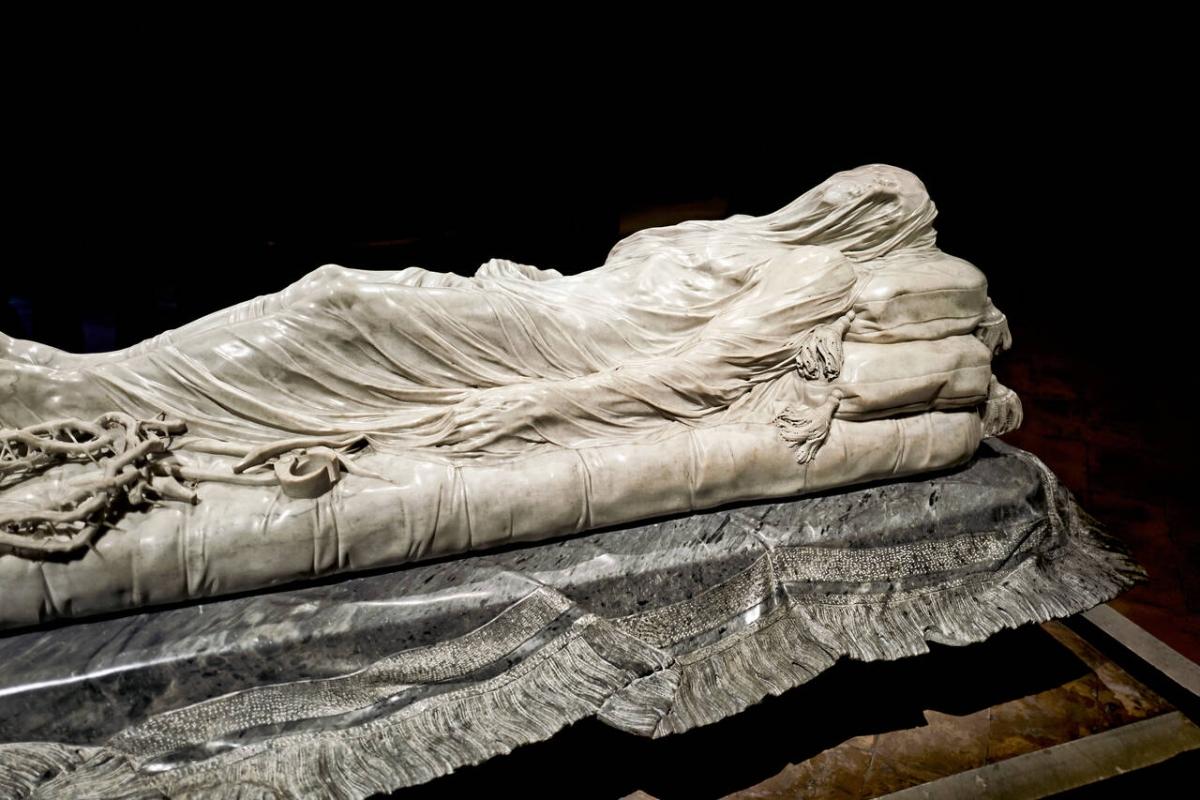
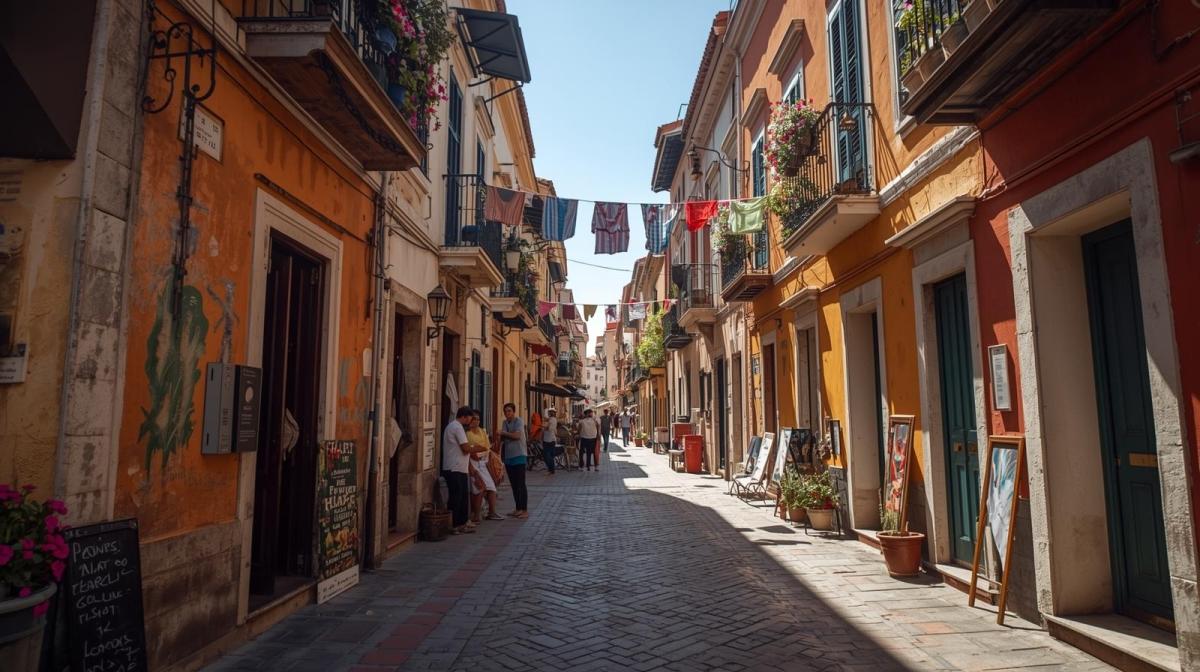
Naples' old town has been a UNESCO World Heritage Site since 1995, built on the original Greek and Roman street grid. Spaccanapoli, the long straight lane that splits the center in two, runs past churches, shrines and workshops packed close together. The Naples Cathedral holds the twice-yearly ritual of San Gennaro's blood, a tradition dating back centuries, while the Sansevero Chapel houses the Veiled Christ, a marble sculpture famous for the illusion of cloth carved from stone. Via Toledo, one of the city's main shopping streets, connects the old quarter to the harbor and passes the Galleria Umberto I, an iron-and-glass arcade opened in 1890.
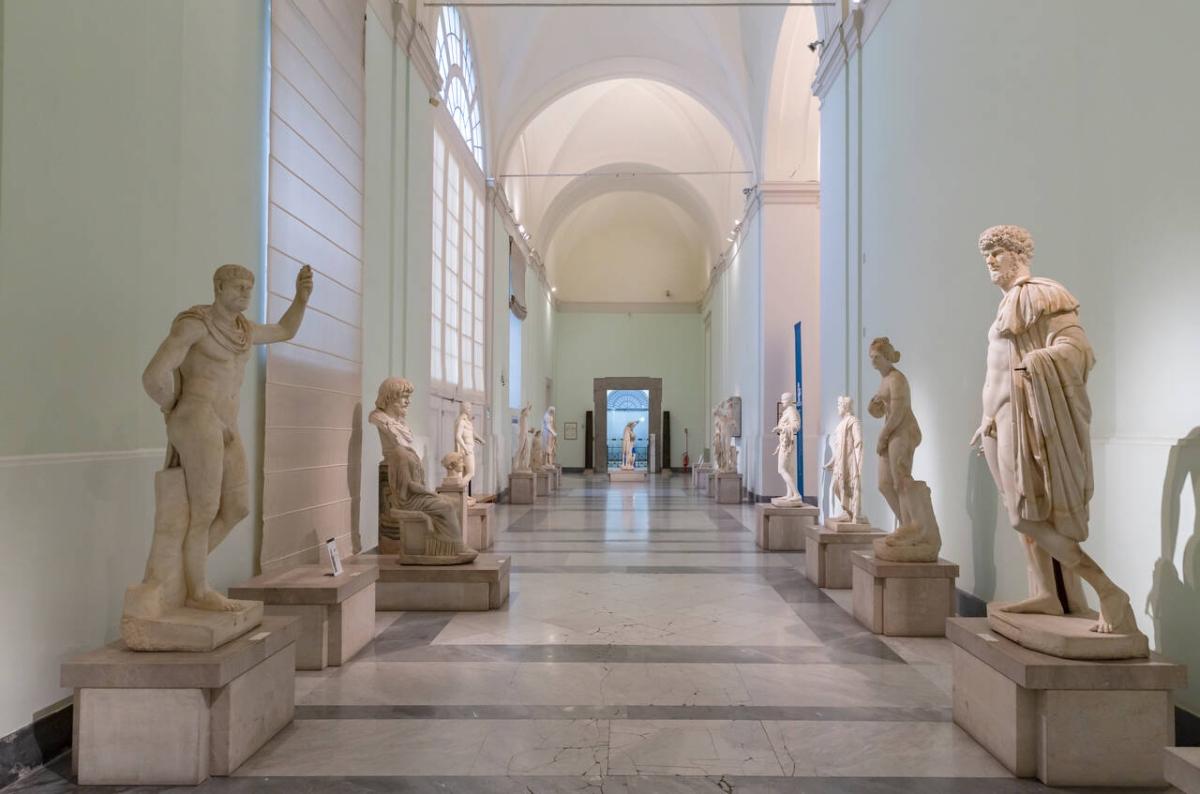
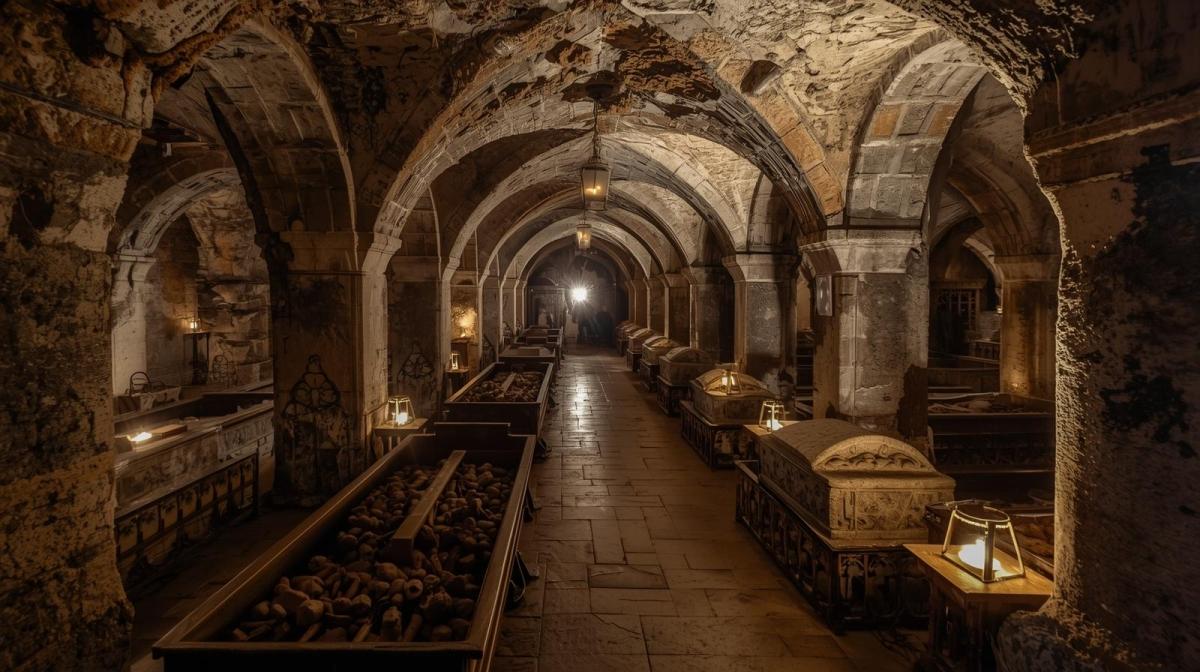
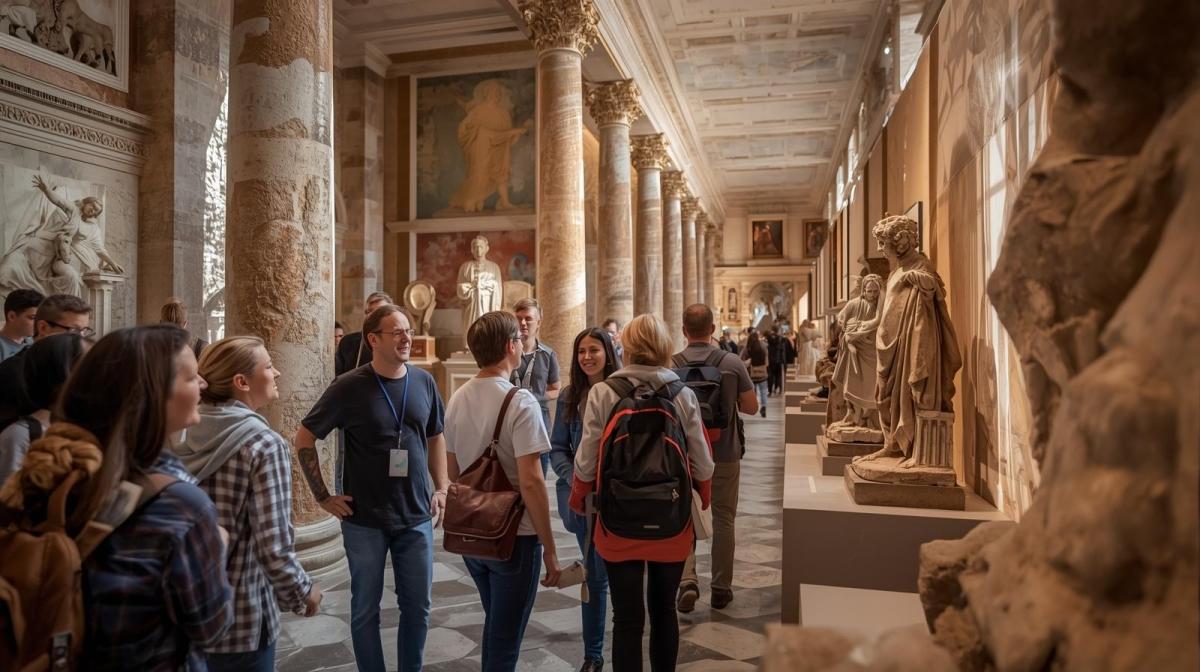
Beneath the streets lies Napoli Sotterranea, a network of Greek-era quarries and Roman aqueducts later used as bomb shelters during the Second World War. Guided routes descend around 40 meters through narrow tunnels and open cisterns, giving a sense of the city that most visitors on the surface never see. The National Archaeological Museum, a short walk north of the center, holds many of the mosaics and frescoes removed from Pompeii and Herculaneum, filling in details that the ruins themselves no longer show.
Naples served for centuries as capital of its own kingdom, first under the Angevins and Aragonese and later as capital of the Kingdom of the Two Sicilies until Italian unification in 1861. Castel Nuovo, a stone fortress built in 1279 and still known locally as the Maschio Angioino, stands near the harbor from that era, its triumphal entrance arch carved to mark an Aragonese king's arrival in the city.
On the Vomero hill above the old town, the Certosa di San Martino, a former Carthusian monastery turned museum, looks out over some of the widest views of the bay, its quiet cloisters offering a contrast to the packed streets below.
Naples is where modern pizza was born, and the Margherita variety takes its name from Queen Margherita of Savoy, who was reportedly served one in 1889 topped with tomato, mozzarella and basil to match the colors of the Italian flag. Neapolitan pizzerias still bake with wood-fired ovens and dough left to rise for a day or more, a method now recognized by UNESCO as part of the city's intangible cultural heritage. Pizzerias such as L'Antica Pizzeria da Michele, open since 1870, still serve only two varieties, Margherita and marinara, following recipes largely unchanged for generations. The Associazione Verace Pizza Napoletana, founded in 1984, sets strict rules for what counts as an authentic Neapolitan pizza, down to the flour used, the oven temperature and the diameter of the finished pie. Markets around Porta Nolana and the fried street snacks sold from small windows give a good picture of how the city actually eats beyond the dish that made it famous.
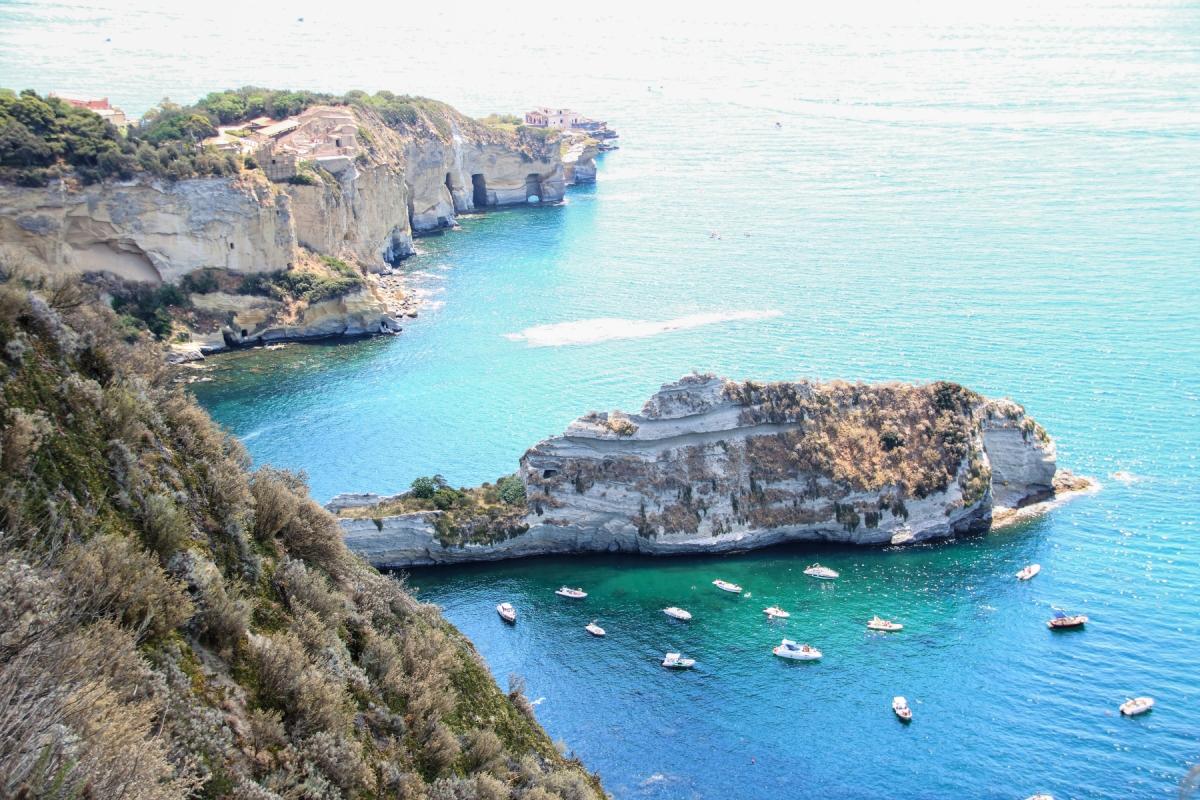
Few Italian cities offer as dense a cluster of major sights within easy reach. Pompeii, the Roman city buried by Vesuvius in 79 AD, is around 40 minutes away by the Circumvesuviana train. Sorrento and the Amalfi Coast lie further south along a coastal road, past clifftop lemon groves that supply the region's limoncello, while ferries from Molo Beverello reach Capri in under an hour, where the Blue Grotto and the offshore Faraglioni rock stacks draw boat trips from the harbor at Marina Grande. Herculaneum, smaller than Pompeii but with buildings preserved to a greater height, offers a quicker alternative for travelers with less time. South of Naples, near Salerno, the Greek temples at Paestum date to the 6th and 5th centuries BC and are among the most complete Doric temples surviving outside Greece; a Paestum Greek Temples Private Tour from Naples with Lunch covers the site along with a meal, making it a manageable full-day outing from the city.
Naples International Airport sits just a few kilometers from the center and connects to most major European cities, while high-speed trains link Naples to Rome in around an hour. The central station, Napoli Centrale, also anchors a small metro network, with Line 1 stopping at art-decorated stations including Toledo and Municipio near the harbor. Within the center itself, walking remains the most practical way to get around, since the narrow lanes of the old town are often closed to traffic or too tight for cars to pass comfortably. Spring and early autumn bring mild temperatures and thinner crowds, making April through June and September through October the most comfortable months for both the city and its coastal day trips. Summer is hot and heavily booked, especially around the ferries to Capri, so travelers planning coastal excursions in July and August should book crossings well in advance.