
Free Cancellation
-high.jpg&w=1920&q=75 "Full Day Turin Guided Tour Departure from Milan")
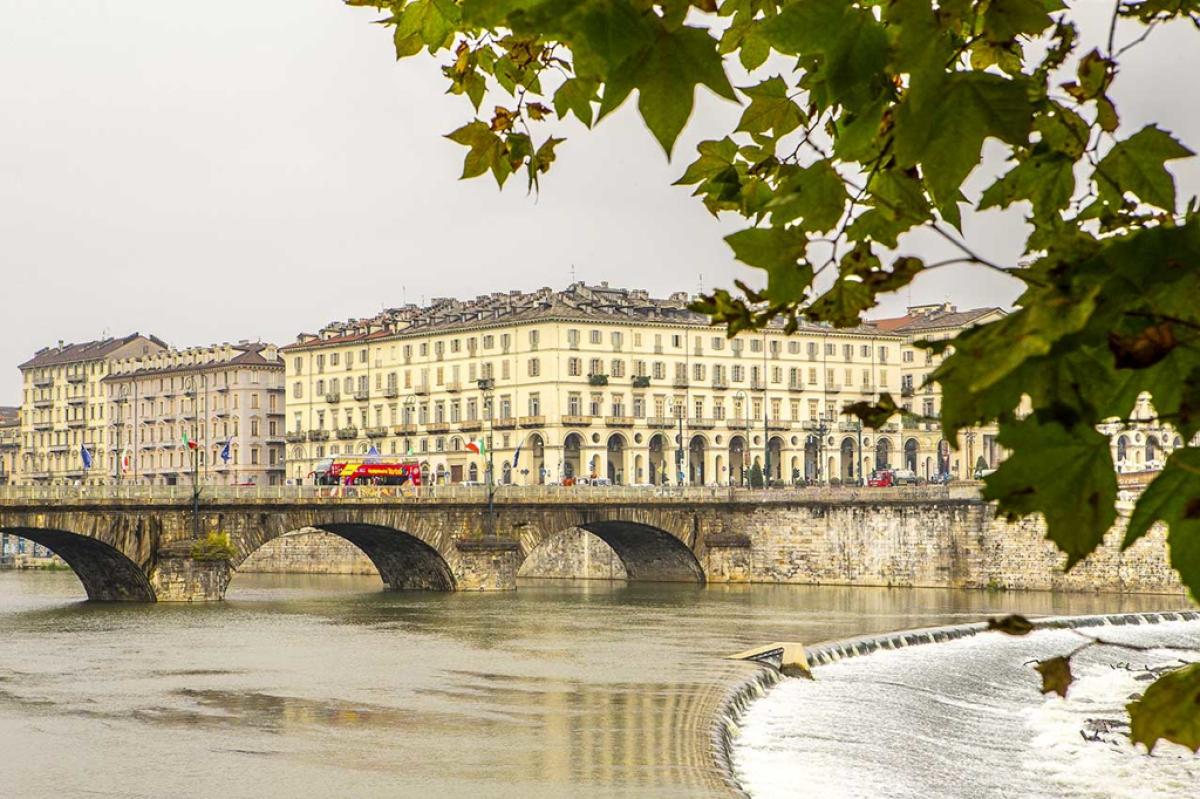
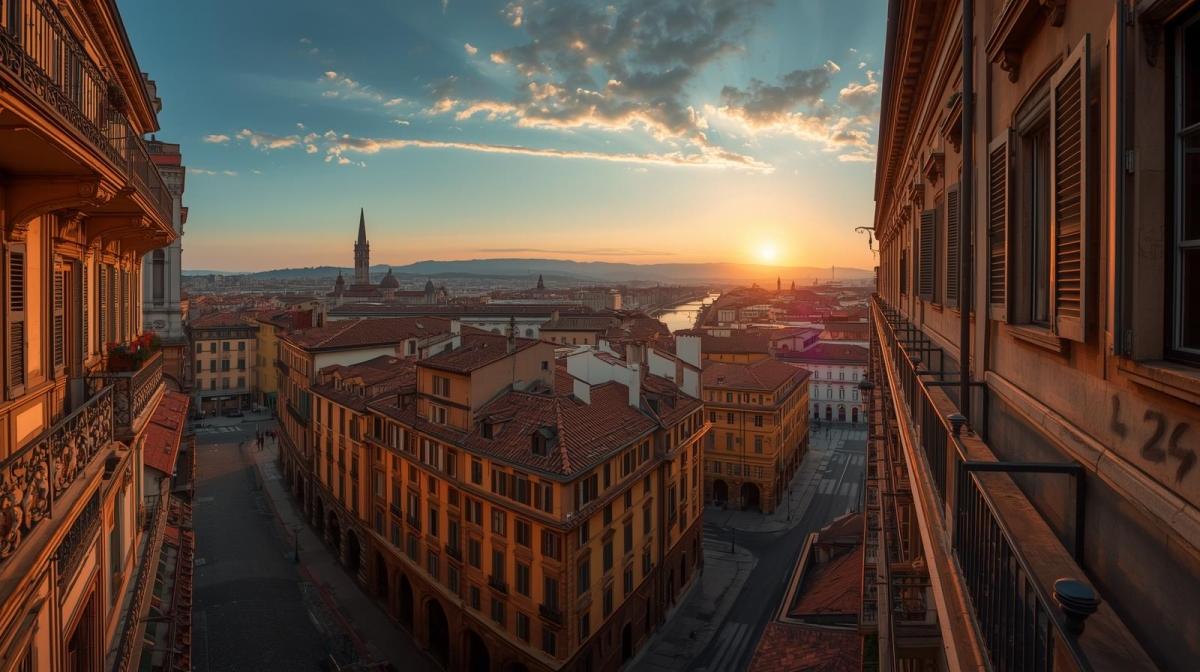
Turin served as Italy's first capital after unification in 1861, and the city still carries the formal, orderly character of a former royal seat: long arcaded streets, wide baroque piazzas, and the House of Savoy's palaces at its center. Set at the foot of the Alps on the Po River, it is the capital of Piedmont and a very different kind of Italian city from Rome or Florence, more restrained in its architecture and, for much of the year, considerably quieter with tourists.
Turin's arcades run for over 18 kilometers, letting visitors cross much of the historic center under cover regardless of weather. The city also makes a practical stop as part of a broader Italy tours itinerary, particularly for travelers heading into Piedmont's wine country or across the Alps into France.
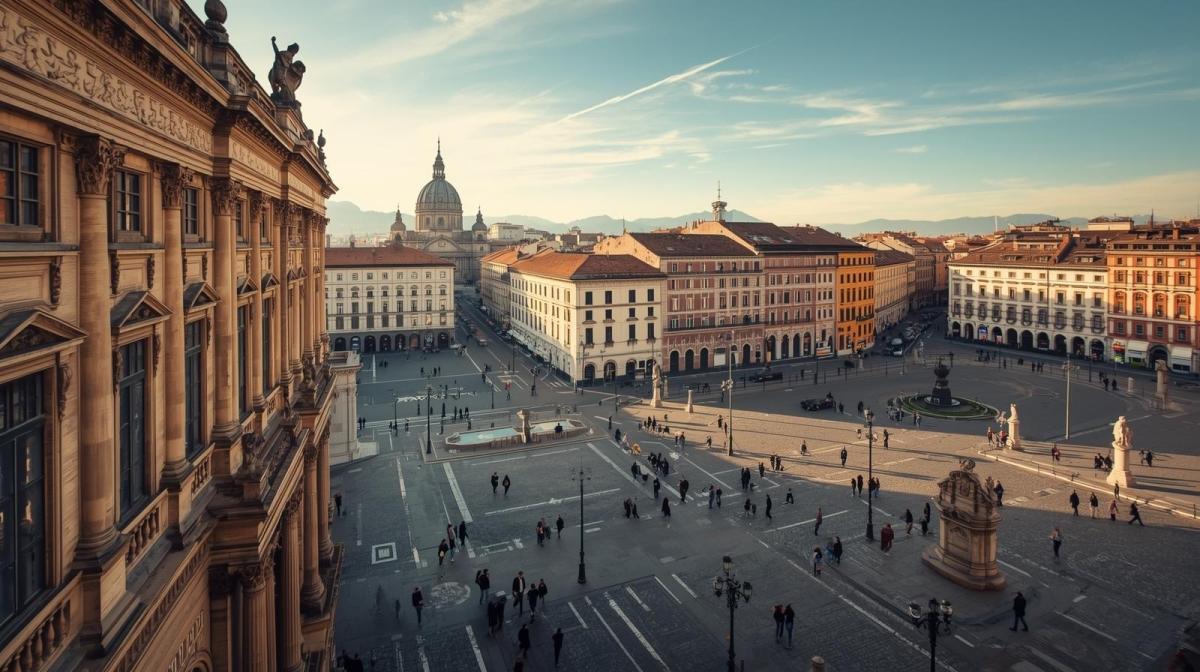
Often called Turin's drawing room, Piazza San Carlo is framed by matching baroque churches, Santa Cristina and San Carlo Borromeo, at its southern end and lined with arcaded cafes on both sides. A bronze equestrian statue of Duke Emanuele Filiberto stands at its center, and the square dates to the early 17th century, remaining the natural starting point for exploring the historic center on foot.
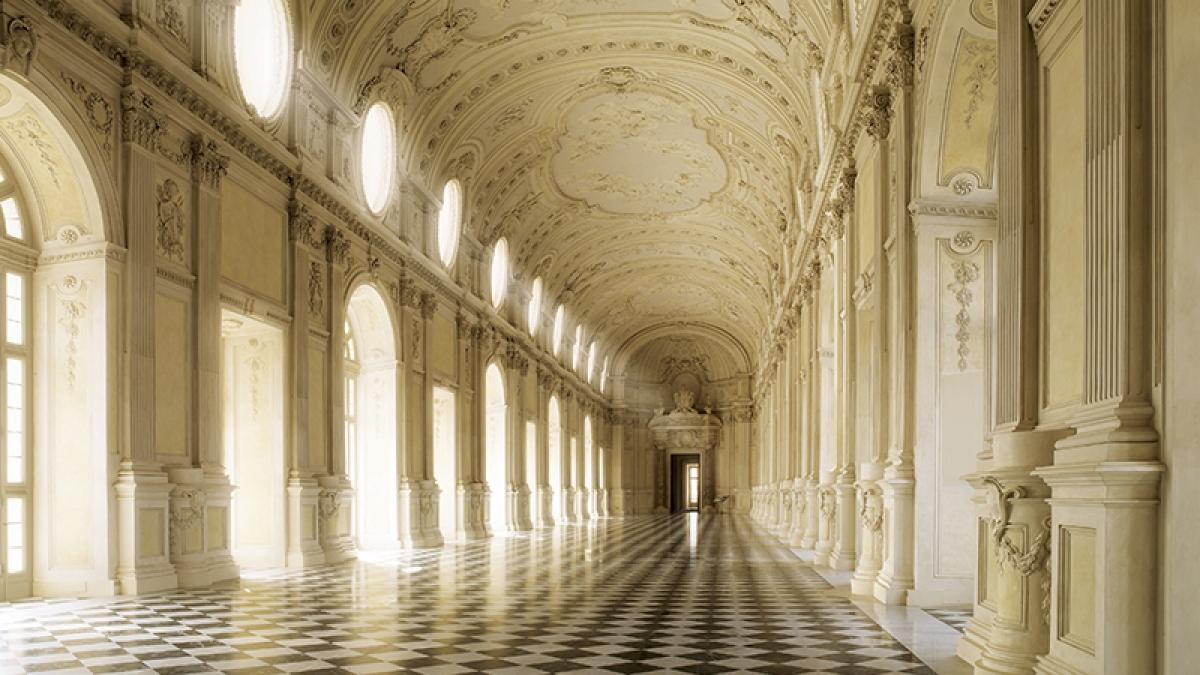
The Palazzo Reale, seat of the House of Savoy for over two centuries, forms part of the UNESCO-listed Residences of the Royal House of Savoy alongside several other palaces around the city and region, including the hunting lodge at Stupinigi on the city's outskirts. Its state rooms, armory, and formal gardens, redesigned in the 17th century by André Le Nôtre, the landscape architect behind the gardens at Versailles, give a sense of the wealth Turin commanded as a royal capital before Rome took that role after unification.
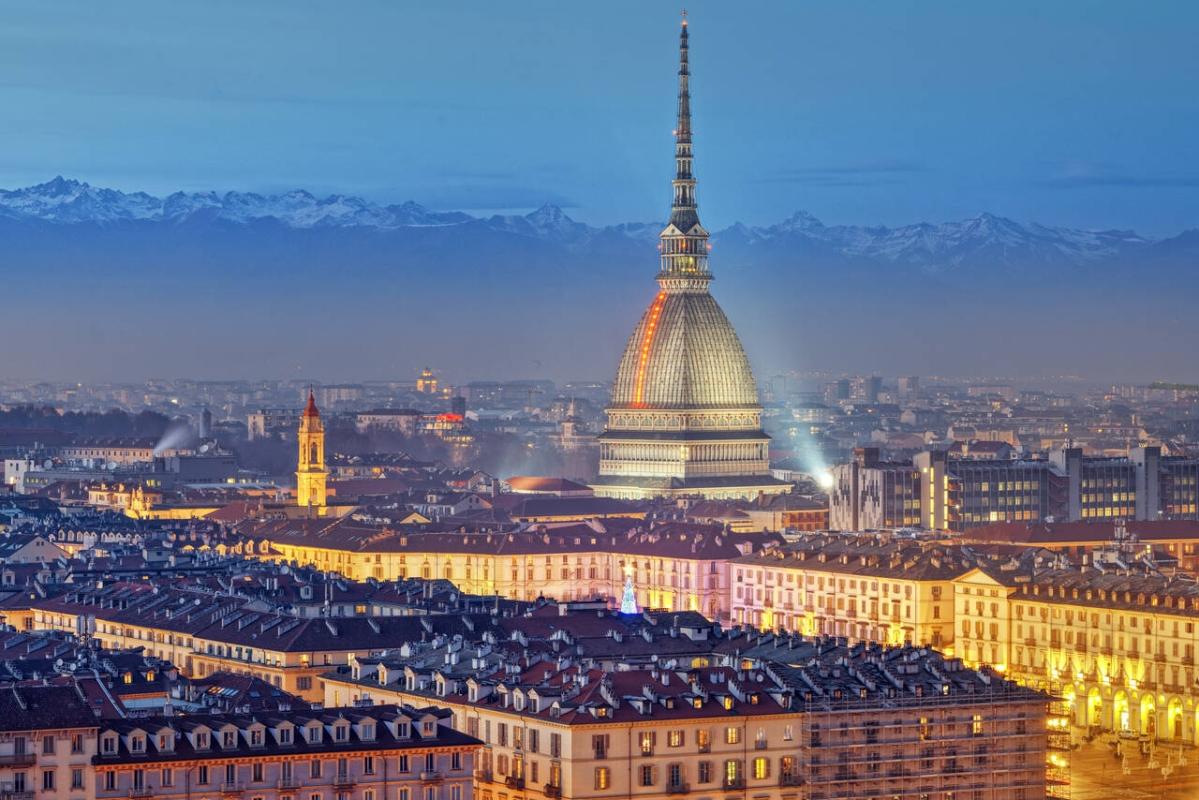
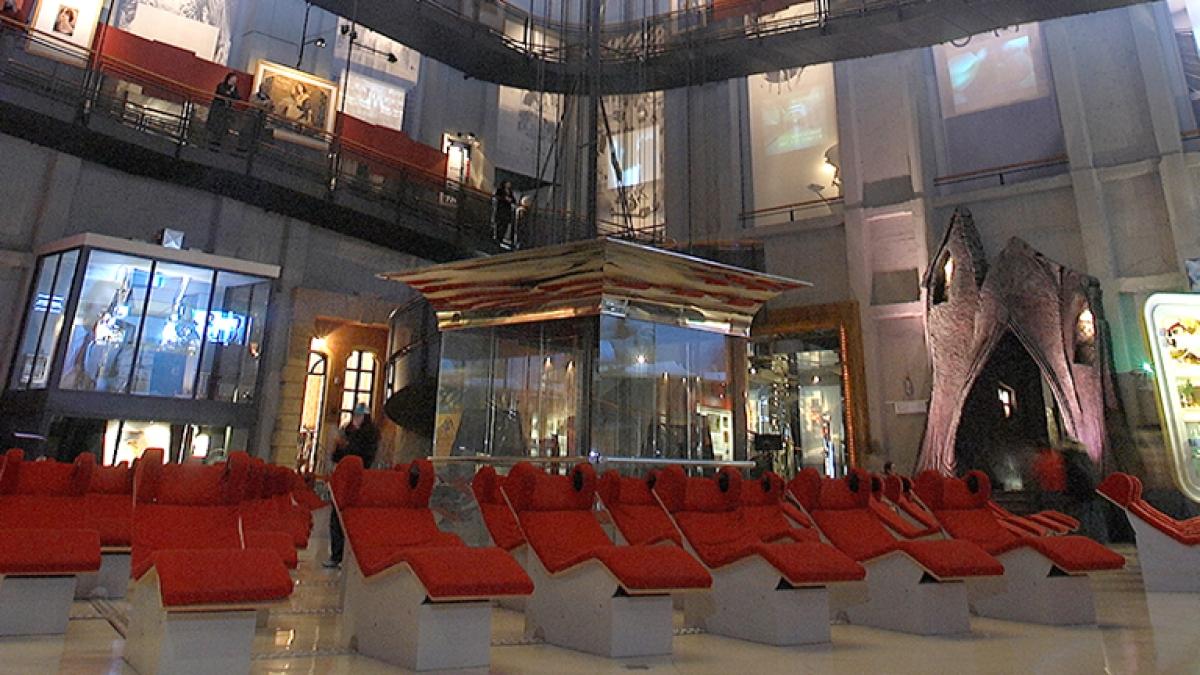
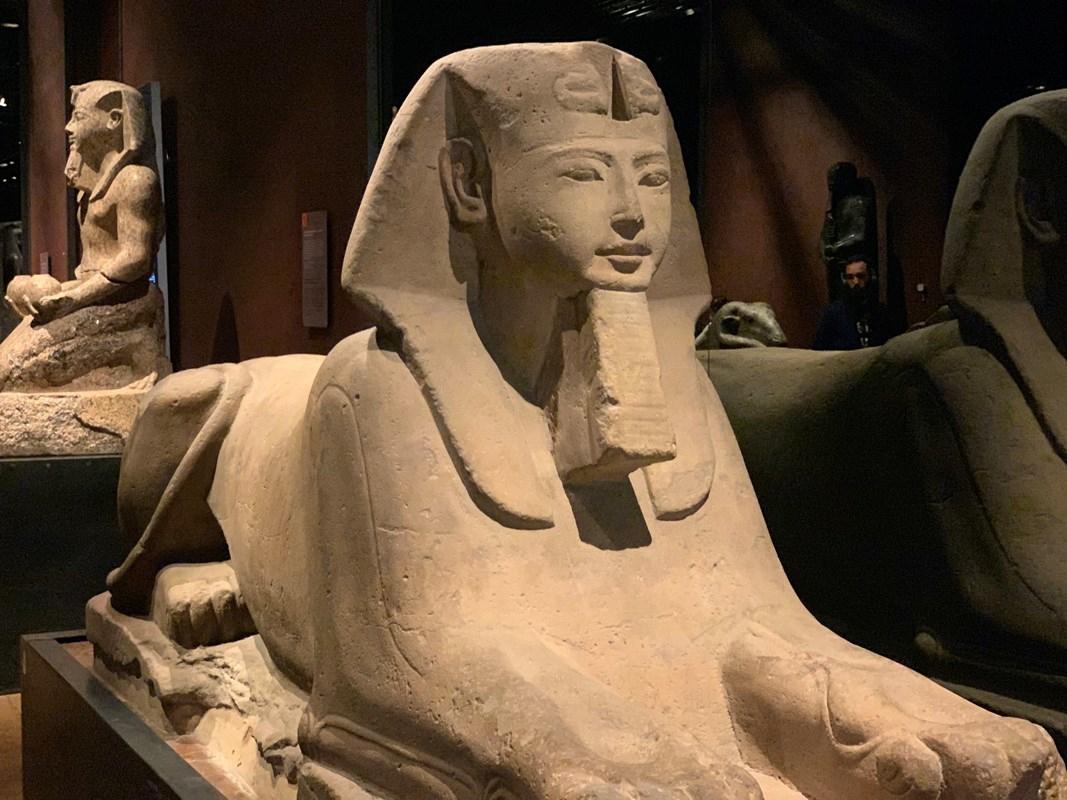
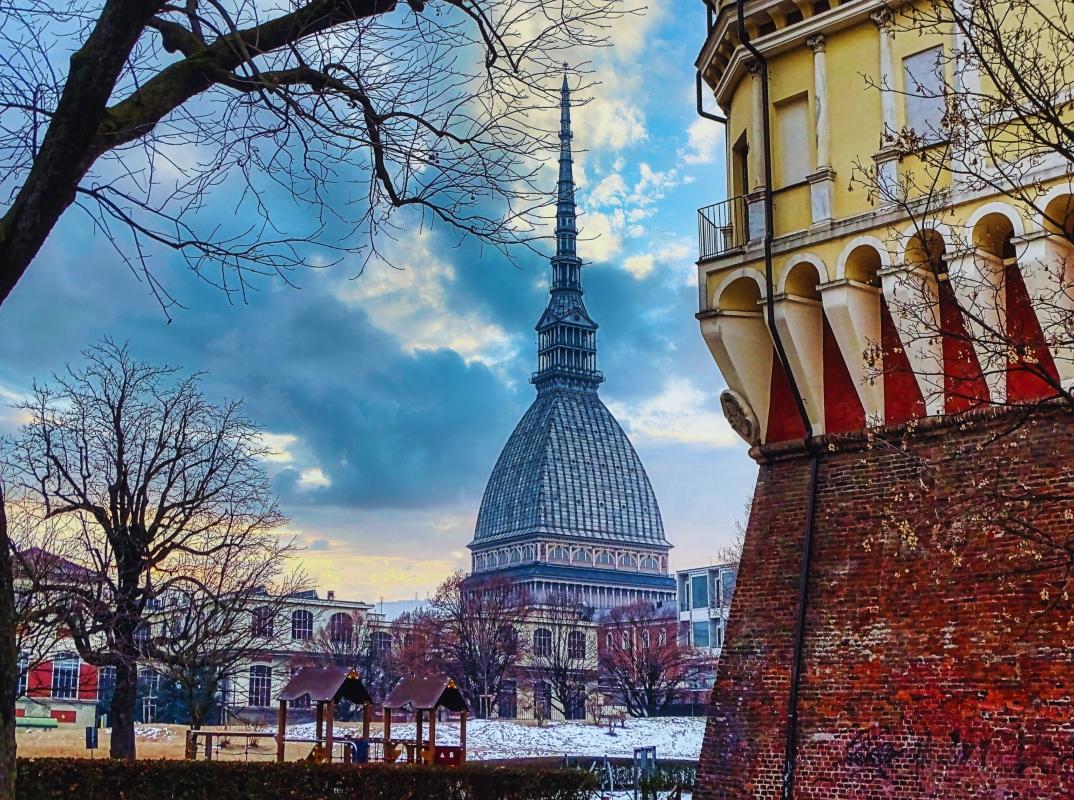
Founded in 1824 and built substantially on a collection acquired by the House of Savoy, the Museo Egizio holds the largest collection of Egyptian antiquities outside Cairo. Its galleries cover everyday objects as well as the intact tomb of the architect Kha, giving the museum a depth that rivals collections in far larger capitals. A short walk away, the Mole Antonelliana rises as the city's defining landmark, a 19th-century tower originally built as a synagogue and now home to the National Museum of Cinema, with an elevator running up through the main hall to an observation deck looking out over the city toward the Alps.
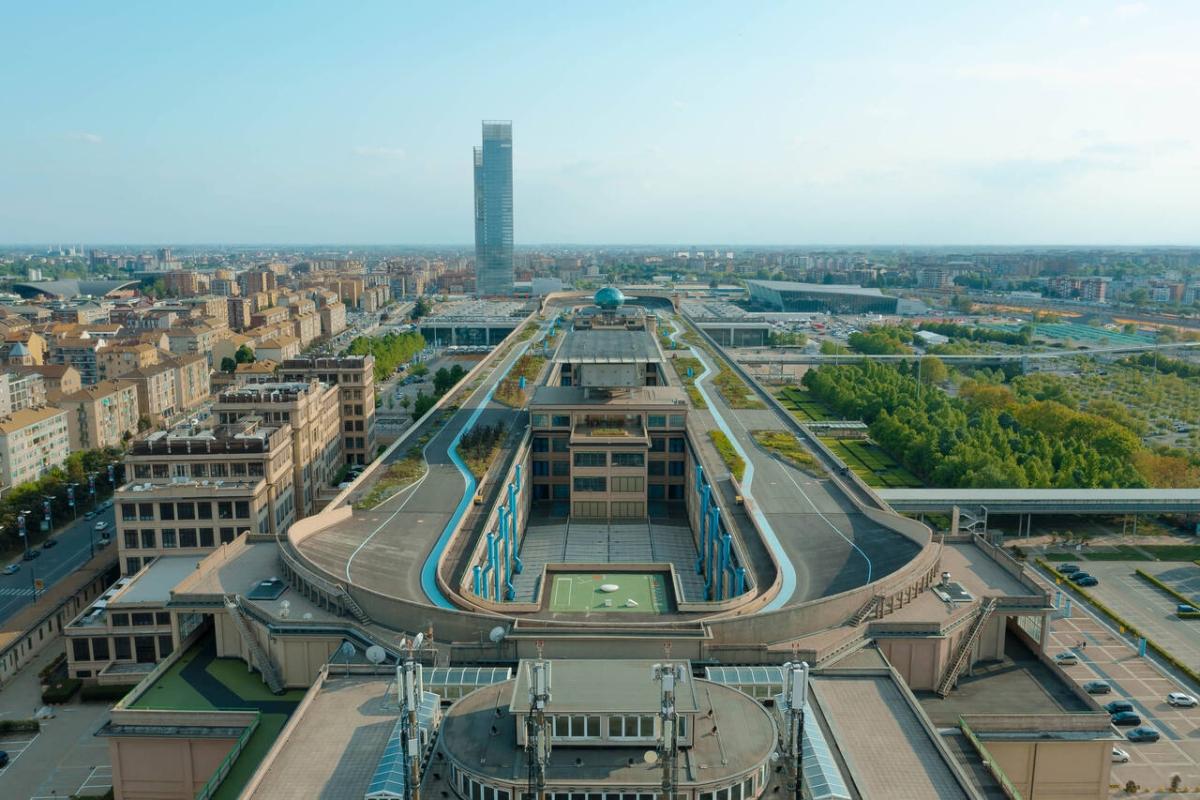
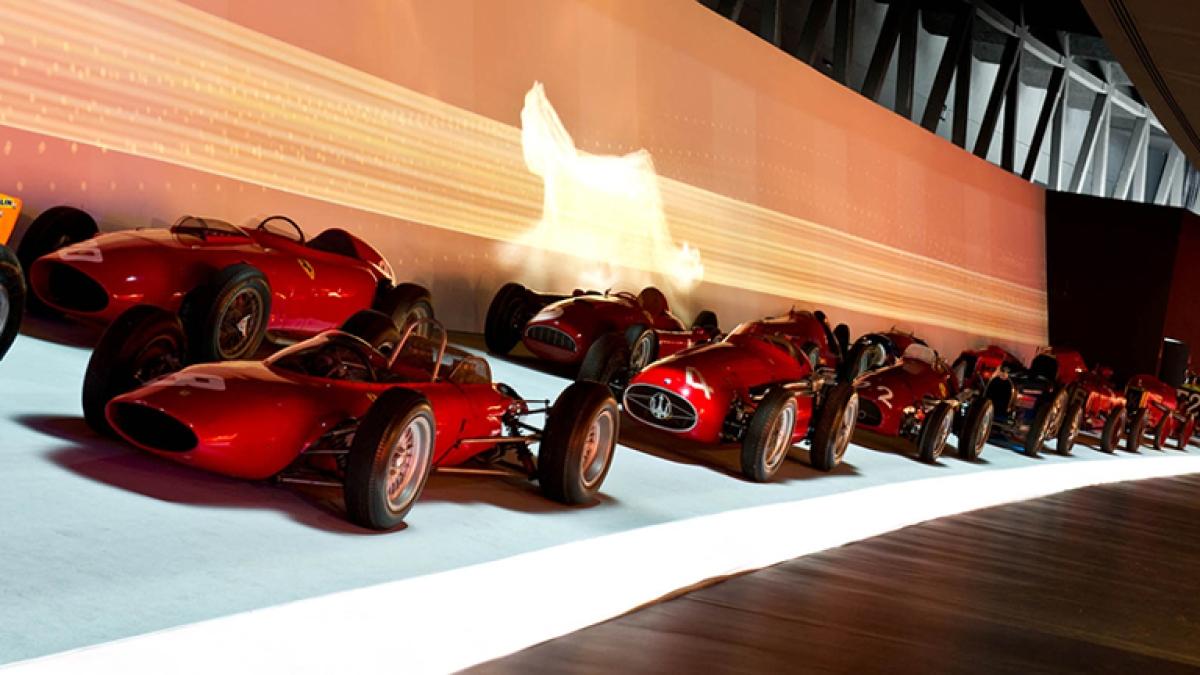
Turin was the birthplace of the Italian film industry in the early 20th century, a history the Mole Antonelliana's cinema museum traces through costumes, posters, and equipment from silent-era productions onward. The city also built its modern identity around the automobile, as headquarters of Fiat, and the former Lingotto factory, with its rooftop test track once used to run finished cars in circles five stories above the street, now holds exhibition space, a hotel, and the Pinacoteca Agnelli art collection. The Museo Nazionale dell'Automobile, south of the center, traces the history of the car through more than 200 vehicles. Turin also has a literary history distinct from its royal and industrial identities: the writer Primo Levi was born and lived most of his life in the city, and Turin publishing houses, including Einaudi, helped shape twentieth-century Italian literature.
The city also claims a long history with chocolate, tied to the House of Savoy's court and later to industrial producers founded in the city. The bicerin, a layered drink of espresso, drinking chocolate, and cream served in a small glass, originated here in the 18th century and is still served in several of the city's historic cafes. Gianduja, a hazelnut and chocolate paste developed in Turin in the early 19th century, gave rise to the gianduiotto, a distinctive foil-wrapped chocolate still produced locally.
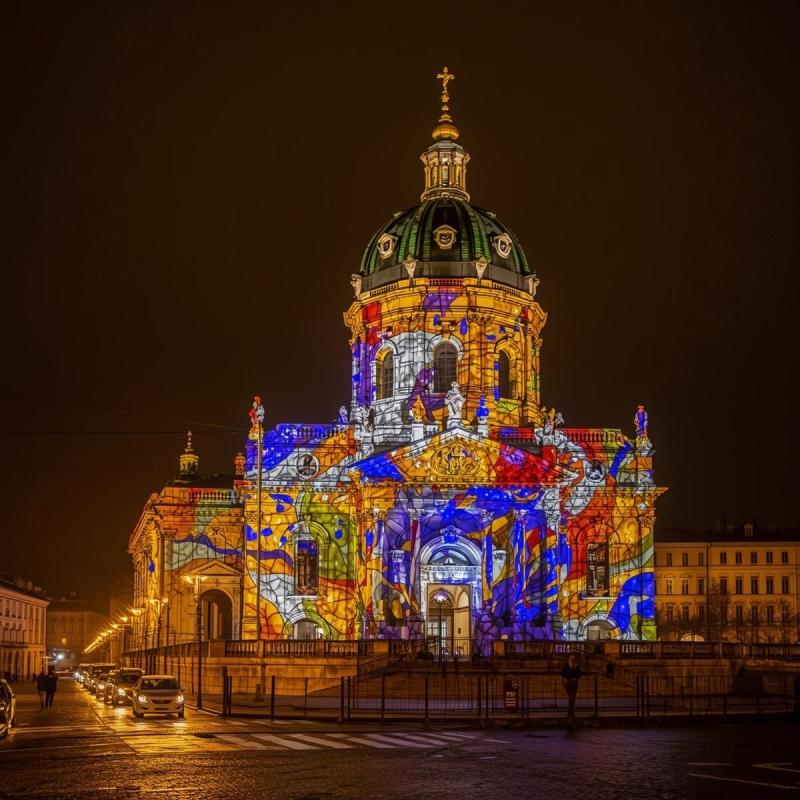
Each winter, from early November through early January, Turin hosts Luci d'Artista, an installation of contemporary light art by international artists spread across the city's streets and piazzas rather than confined to a single venue. The pieces range from geometric patterns strung over entire boulevards to sculptural works around individual squares, and walking between them after dark gives a very different view of the historic center than a daytime visit. The Luci d'Artista City Tour of Turin covers the main installations in a guided route through the city center.
Beyond the city, Turin sits within reach of the Langhe hills, source of Barolo and Barbaresco wines and, each autumn, the white truffles auctioned and sold around the town of Alba. The town of Bra, also nearby, gave rise to the Slow Food movement in the late 1980s, a reaction against fast food that started as a local protest and grew into an international organization. The Susa Valley and the Alps rise directly west of the city, close enough that Turin doubles as a base for winter sports in addition to its museums and palaces.
Turin's winters bring cold, sometimes foggy weather, offset by the Luci d'Artista festival, while spring and early fall offer milder conditions for walking the arcades and visiting outdoor sites. Summer temperatures can climb high in the Po valley, though the city sees fewer visitors than Italy's more famous destinations even in August. The city's patron saint feast, San Giovanni, falls on June 24 and brings a fireworks display over the Po that ranks among the more elaborate in northern Italy.