
Vietnam is a country of remarkable contrasts, stretching from the mountainous landscapes of the north to historic cities, tropical beaches, river deltas and energetic urban centers in the south. Travelers can cruise between limestone islands, walk through centuries-old towns, explore imperial monuments, trek through rice terraces and experience some of Southeast Asia's most exciting food and cultural scenes within a single journey.
The best places to visit in Vietnam include Hanoi, Ha Long Bay, Hoi An, Ho Chi Minh City, Sapa, Ninh Binh, Da Nang, Hue, Nha Trang, Ha Giang and the Mekong Delta. Each destination offers a different side of the country, which is why many travelers choose Vietnam Tours that combine several regions rather than staying in only one destination.
Whether you are planning your first trip to Vietnam or building a longer journey from north to south, these are the destinations worth adding to your itinerary.
Hanoi
Hanoi is Vietnam's capital and one of the best places to experience the country's history, traditional culture and everyday city life. Its streets bring together ancient temples, colonial-era buildings, busy markets, street-food stalls and modern neighborhoods.
The Old Quarter is the natural starting point for most visitors. Its narrow streets are filled with cafés, restaurants, traditional shops and historic buildings, while nearby Hoan Kiem Lake offers one of the city's most recognizable landscapes.
Other important attractions include the Temple of Literature, Ho Chi Minh Mausoleum, One Pillar Pagoda, Hoa Lo Prison and the Imperial Citadel of Thang Long. Travelers interested in Vietnamese culture can also watch a traditional water puppet performance or join a street-food tour through the older neighborhoods.
Hanoi is also one of the main gateways to northern Vietnam. Hanoi Tours can easily be combined with Ha Long Bay, Ninh Binh, Sapa and Ha Giang, making the capital an excellent starting point for a longer Vietnam itinerary.
Ha Long Bay
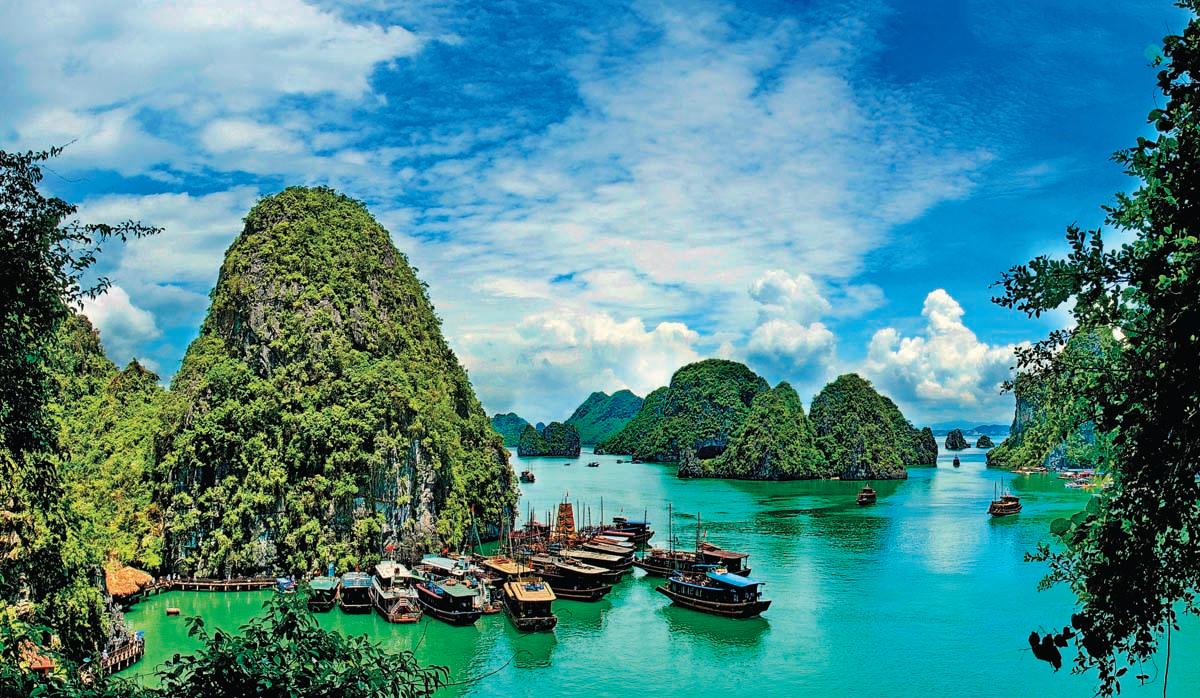
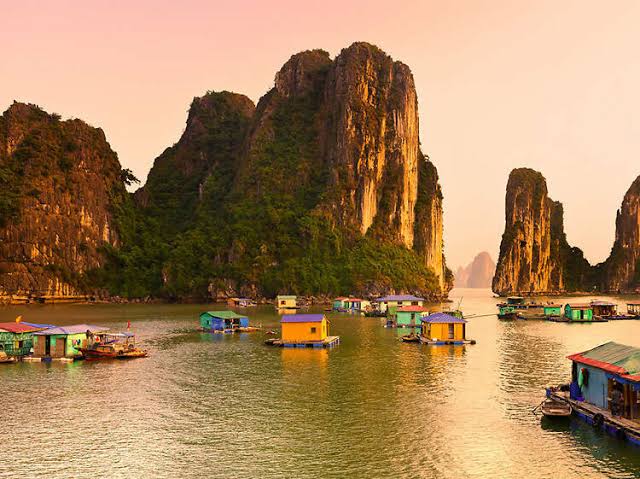
Ha Long Bay is one of Vietnam's most famous natural attractions and one of the defining landscapes of northern Vietnam. Thousands of limestone islands and karst formations rise from the water, creating a spectacular environment for cruising and outdoor activities.
Most travelers experience the bay by boat. Day cruises are available for shorter itineraries, while overnight cruises provide more time to explore caves, hidden bays and quieter sections of the landscape.
Kayaking, swimming, cave visits and scenic viewpoints can all be included depending on the cruise route. Spending a night on the water also gives travelers the opportunity to experience Ha Long Bay around sunset and early morning, when day-trip traffic is reduced.
Ha Long Tours are particularly easy to combine with Hanoi and Ninh Binh as part of a northern Vietnam journey.
Hoi An
Hoi An is one of Vietnam's most atmospheric cultural destinations. The historic trading town developed through centuries of commercial connections and today preserves traditional houses, temples, assembly halls and architecture influenced by Vietnamese, Chinese, Japanese and European communities.
The UNESCO-listed Ancient Town is the main attraction. Visitors can explore its pedestrian streets, riverside areas, local markets and the famous Japanese Covered Bridge during the day before seeing the historic center illuminated by colorful lanterns in the evening.
Hoi An is also known for traditional tailoring, handicrafts and Vietnamese cuisine. Cooking classes, cycling tours and visits to nearby villages provide opportunities to experience the countryside beyond the historic center.
Its location makes Hoi An easy to combine with Da Nang and Hue. Hoi An Tours can therefore form part of a wider central Vietnam itinerary combining cultural attractions, historical sites and coastal landscapes.
Ho Chi Minh City
Ho Chi Minh City, formerly known as Saigon, is Vietnam's largest city and the main gateway to southern Vietnam. It offers a completely different atmosphere from Hanoi, with modern commercial districts, historic buildings, traditional markets and a lively restaurant and nightlife scene.
Travelers interested in history can visit the Reunification Palace and War Remnants Museum, while other well-known landmarks include Ben Thanh Market, the Central Post Office and the Notre-Dame Cathedral area.
Food is another major part of the Ho Chi Minh City experience. Street-food tours, local markets, cafés and restaurants provide an introduction to southern Vietnamese cuisine and the city's modern culinary culture.
Ho Chi Minh City Tours can also include excursions beyond the city. The Cu Chi Tunnels and Mekong Delta are among the most popular additions and can easily be incorporated into a longer southern Vietnam itinerary.
Sapa
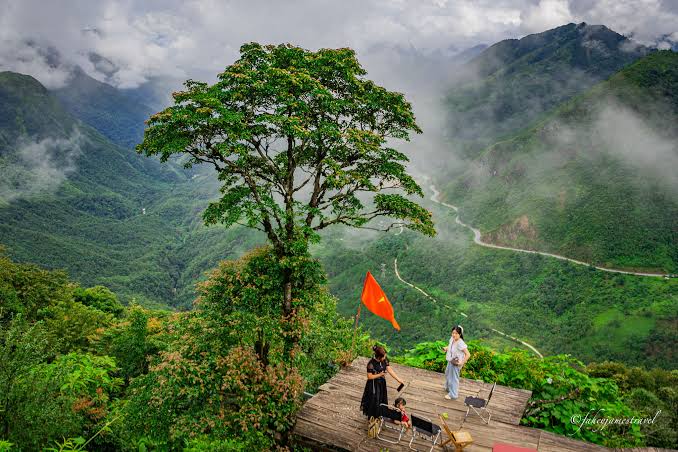
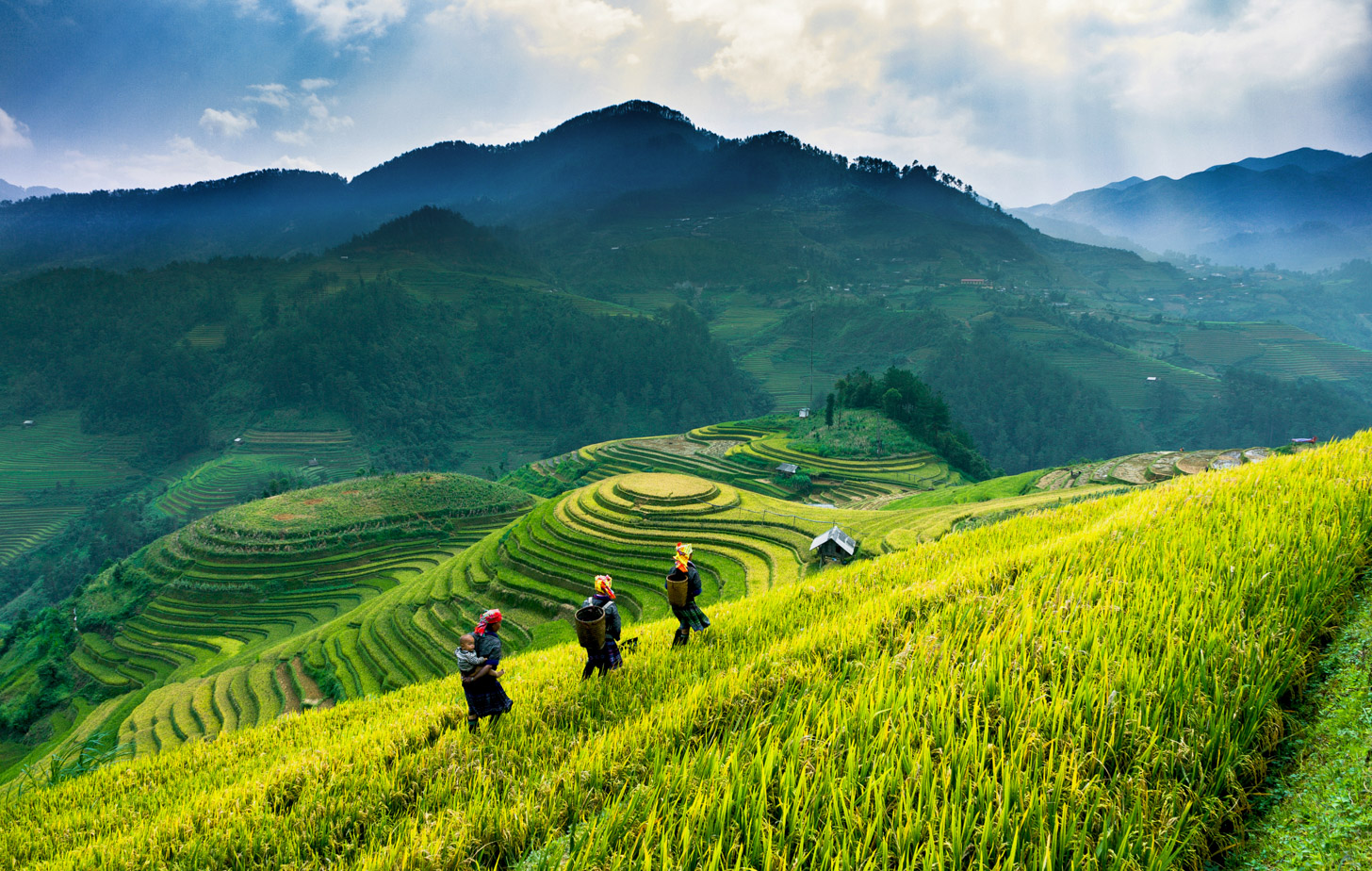
Sapa is one of the best places to visit in Vietnam for mountain scenery, trekking and rural landscapes. Located in northern Vietnam near the Chinese border, the region is surrounded by dramatic mountains, valleys and terraced rice fields.
Trekking is one of the main reasons to visit. Routes connect Sapa with villages and valleys where travelers can experience the landscapes and learn more about the communities that have lived in the region for generations.
Fansipan is another major attraction. At 3,143 meters, it is the highest mountain in Vietnam and the wider Indochinese Peninsula. Visitors can reach the upper mountain area by cable car, while more demanding trekking routes are available for experienced travelers.
Sapa Tours are often combined with Hanoi and other destinations in northern Vietnam.
Ninh Binh
Ninh Binh is one of Vietnam's most impressive natural and cultural destinations. Sometimes described as "Ha Long Bay on land," the region is characterized by limestone mountains rising above rivers, wetlands and rice fields.
Boat trips through Trang An and Tam Coc are among the most popular experiences. Small boats travel along peaceful waterways surrounded by towering limestone formations and pass through caves and rural landscapes.
The region also has considerable historical importance. Hoa Lu served as an ancient capital of Vietnam, while temples and archaeological sites provide an insight into the country's early dynasties.
For panoramic views, travelers can climb to the viewpoints at Hang Mua, where the surrounding limestone peaks and rice fields can be seen from above.
Ninh Binh Tours work particularly well as an extension of a Hanoi stay and can also be combined with Ha Long Bay.
Da Nang
Da Nang combines beaches, modern city life and easy access to some of central Vietnam's most important attractions. Its location between Hue and Hoi An makes it both a destination in its own right and an excellent base for exploring the region.
My Khe Beach is one of the city's best-known coastal areas, while the Marble Mountains offer caves, pagodas and viewpoints overlooking the surrounding landscape.
The Son Tra Peninsula provides another escape from the urban center, while Da Nang's bridges have become landmarks of the modern city. The Dragon Bridge is particularly recognizable and forms part of the city's waterfront landscape.
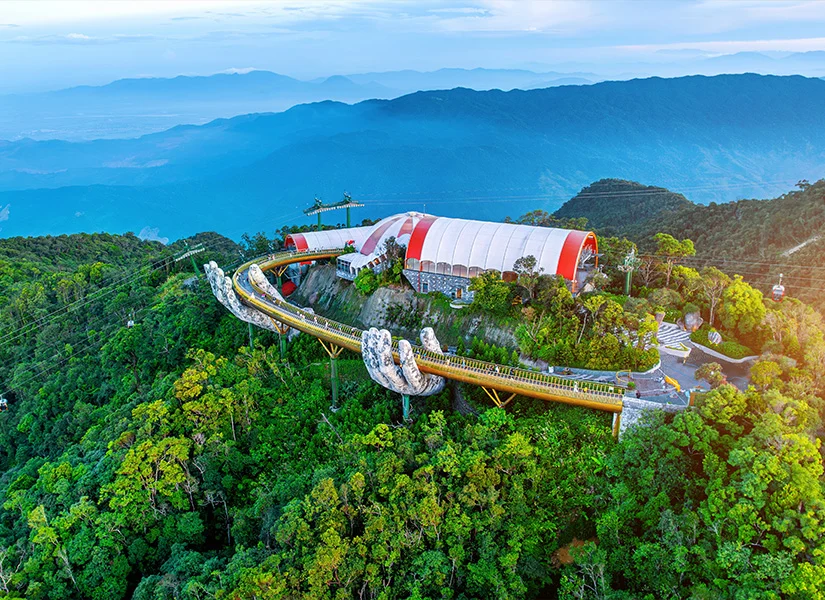
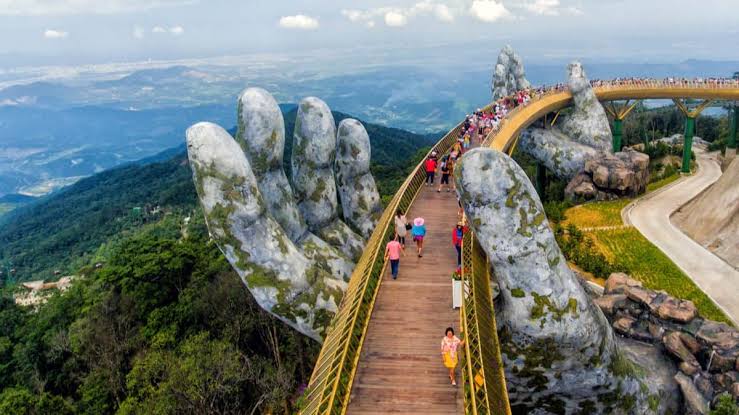
Ba Na Hills and the Golden Bridge are also popular excursions from Da Nang.
Travelers exploring central Vietnam can combine Da Nang Tours with Hoi An and Hue to experience beaches, historic towns and imperial heritage within the same trip.
Hue
Hue is one of the most important destinations in Vietnam for travelers interested in history. The city served as the imperial capital during the Nguyen Dynasty and remains closely associated with Vietnam's royal past.
At the center of the city is the Imperial City, a large complex of gates, courtyards, temples and former royal buildings surrounded by defensive walls and a moat.
The surrounding countryside contains the elaborate tombs of former Nguyen emperors. Each complex has its own architectural character and incorporates temples, gardens, monuments and landscaped areas.
Thien Mu Pagoda, overlooking the Perfume River, is another important landmark and one of the best-known religious sites in Hue.
Hue Tours can be combined naturally with Da Nang and Hoi An, creating one of the strongest cultural routes in central Vietnam.
Phong Nha and Quang Binh
Quang Binh Province is one of Vietnam's most important destinations for caves, national parks and adventure travel. It is home to Phong Nha-Ke Bang National Park, an extraordinary karst landscape containing extensive cave systems, underground rivers and tropical forests.
Phong Nha Cave and Paradise Cave are among the most accessible attractions, while the region also contains more challenging cave and trekking experiences.
Son Doong Cave has helped make the area internationally famous. Access is strictly controlled and requires a specialized expedition, so most visitors explore the region through its other caves, jungle routes and outdoor activities.
Travelers looking beyond Vietnam's major cities can explore Quang Binh Tours as part of a nature and adventure-focused itinerary.
Mekong Delta
The Mekong Delta reveals a very different side of Vietnam. Instead of large cities and mountain landscapes, the region is shaped by rivers, canals, agricultural land, orchards and communities whose daily lives remain closely connected to the waterways.
Boat journeys are one of the best ways to explore the delta. Depending on the itinerary, travelers can travel through smaller canals, visit local villages, explore fruit orchards and see traditional workshops and riverside communities.
The delta covers a large area rather than a single attraction, so experiences vary considerably depending on the route. My Tho, Ben Tre, Cai Be and Can Tho are among the destinations commonly incorporated into southern Vietnam itineraries.
Mekong River Delta Tours can be arranged from Ho Chi Minh City as day trips or longer journeys for travelers who want to explore the region in greater depth.
Nha Trang
Nha Trang is one of Vietnam's best-known coastal destinations and a good choice for travelers looking to include beaches and water activities in their itinerary.
The city stretches along a long coastline and offers access to beaches, offshore islands and marine activities. Snorkeling, diving and boat trips are among the most popular ways to explore the waters around Nha Trang.
The destination is not limited to beaches. Visitors can also discover cultural attractions such as the Po Nagar Cham Towers, explore local markets or spend time at hot springs and mud baths.
Nha Trang Tours can provide a coastal break between Vietnam's cultural and city-focused destinations.
Ha Giang
Ha Giang offers some of the most dramatic mountain scenery in Vietnam and has become an essential destination for travelers seeking adventure and landscapes away from the country's major urban centers.
The Ha Giang Loop passes through mountain roads, high passes, deep valleys, limestone peaks and traditional villages. The journey is less about reaching one attraction and more about experiencing the changing landscapes along the route.
Dong Van Karst Plateau and Ma Pi Leng Pass are among the most spectacular sections of the region. Travelers also encounter small towns, markets and communities representing the cultural diversity of northern Vietnam.
Because of the distances and mountain roads involved, Ha Giang generally deserves several days rather than a quick excursion. Ha Giang Tours are particularly suitable for travelers building a longer northern Vietnam adventure.
Mui Ne and Phan Thiet
Mui Ne and Phan Thiet provide a combination of coastline, fishing communities and unusual desert-like landscapes in southern Vietnam.
The area's red and white sand dunes are its most distinctive natural attractions. The dunes create landscapes rarely associated with Vietnam and are especially popular around sunrise and sunset.
Mui Ne is also known for kitesurfing and other water sports, while fishing villages and the Fairy Stream provide additional sightseeing opportunities away from the beaches.
Travelers looking to add a quieter coastal destination to their southern itinerary can explore Phan Thiet Tours.
Best Places to Visit in Vietnam by Travel Style
Vietnam's diversity makes it possible to build an itinerary around specific interests rather than simply following the country's most famous destinations.
Best for History and Culture
Hanoi, Hue and Hoi An are among the strongest choices for travelers interested in Vietnamese history and culture. Hanoi combines temples and historical monuments with traditional neighborhoods, Hue focuses on Vietnam's imperial heritage, and Hoi An preserves the atmosphere of a historic trading port.
Ho Chi Minh City provides an important contrast, particularly for travelers interested in Vietnam's more recent history.
Best for Nature and Adventure
Ha Long Bay, Ninh Binh, Sapa, Ha Giang and Quang Binh offer some of the country's most spectacular landscapes.
Ha Long Bay is ideal for cruising and kayaking, Ninh Binh combines rivers with limestone scenery, Sapa offers mountain trekking and rice terraces, Ha Giang is known for road trips and remote landscapes, while Quang Binh is the country's leading cave and underground adventure destination.
Best for Beaches
Da Nang and Nha Trang are excellent choices for travelers who want established beach destinations that can easily be incorporated into a wider Vietnam itinerary.
Mui Ne and Phan Thiet provide a more relaxed coastal experience together with sand dunes and water sports.
How Many Days Do You Need in Vietnam?
The ideal length of a Vietnam trip depends on how many regions you want to visit.
A 7-day itinerary is best focused on one region. In northern Vietnam, for example, travelers can combine Hanoi, Ninh Binh and Ha Long Bay. A central Vietnam itinerary can focus on Hue, Da Nang and Hoi An.
With around 10 days, it becomes possible to combine two regions. A journey might begin with Hanoi and Ha Long Bay before continuing to Da Nang and Hoi An, or combine central Vietnam with Ho Chi Minh City and the Mekong Delta.
For first-time visitors who want a broader introduction to the country, 12 to 14 days provides a much better balance. A classic route can connect Hanoi, Ha Long Bay, Hue, Da Nang, Hoi An and Ho Chi Minh City, with additional excursions depending on available time.
Travelers with two to three weeks can move beyond the main route and include destinations such as Sapa, Ha Giang, Ninh Binh, Nha Trang or the Mekong Delta.
Frequently Asked Questions
What are the best places to visit in Vietnam for first-time travelers?
Hanoi, Ha Long Bay, Ninh Binh, Hue, Hoi An, Da Nang and Ho Chi Minh City provide an excellent introduction to Vietnam. Together, these destinations combine major cities, historical landmarks, UNESCO sites, natural landscapes and coastal experiences.
Which part of Vietnam should I visit first?
Northern Vietnam is an excellent starting point for first-time visitors. Hanoi has strong domestic and international connections and provides convenient access to Ha Long Bay, Ninh Binh, Sapa and Ha Giang. Travelers can then continue south toward central and southern Vietnam.
What is the most famous place in Vietnam?
Ha Long Bay is one of Vietnam's most internationally recognized destinations because of its limestone islands and distinctive seascape. Hanoi, Hoi An and Ho Chi Minh City are also among the country's most visited and recognizable destinations.
Where should I go in Vietnam for history?
Hanoi, Hue, Hoi An and Ho Chi Minh City are among the best destinations for history. Hue is particularly important for imperial history, while Hanoi contains landmarks spanning several periods of Vietnamese history. Hoi An preserves the legacy of an international trading port, and Ho Chi Minh City has important sites associated with modern Vietnamese history.
Where should I go in Vietnam for nature?
Ha Long Bay, Ninh Binh, Sapa, Ha Giang and Quang Binh are excellent choices. These destinations cover limestone islands, mountains, rice terraces, caves, rivers and some of the country's most dramatic natural landscapes.
Can I visit northern, central and southern Vietnam in one trip?
Yes. A trip of approximately 12 to 14 days can combine major destinations across all three regions. Travelers with more time can add secondary destinations and travel at a slower pace. Organized Vietnam Tours are particularly useful for connecting several regions within one itinerary.
Loading comments…