
Free Cancellation





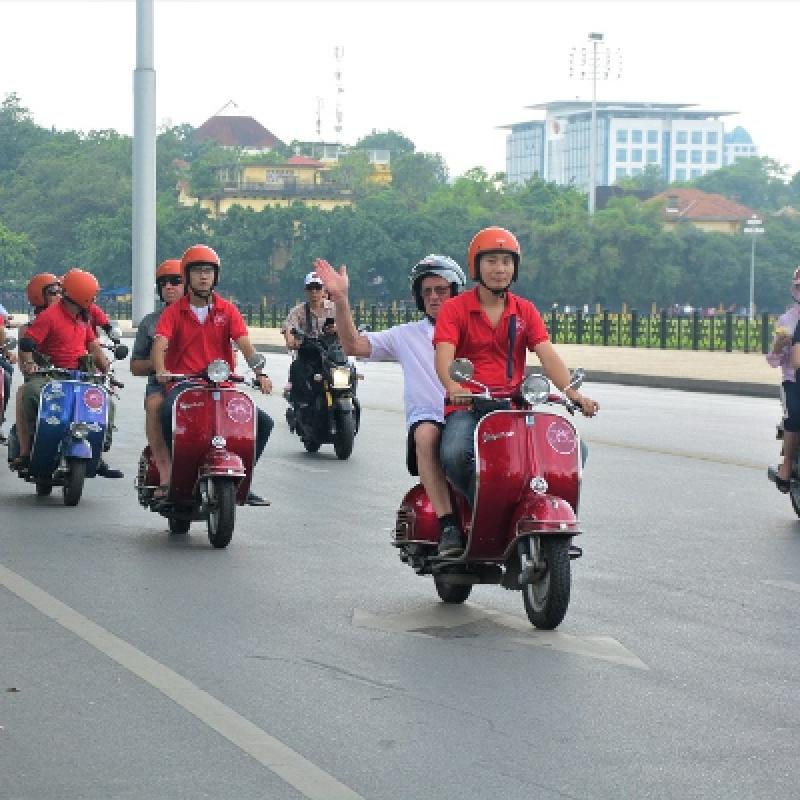
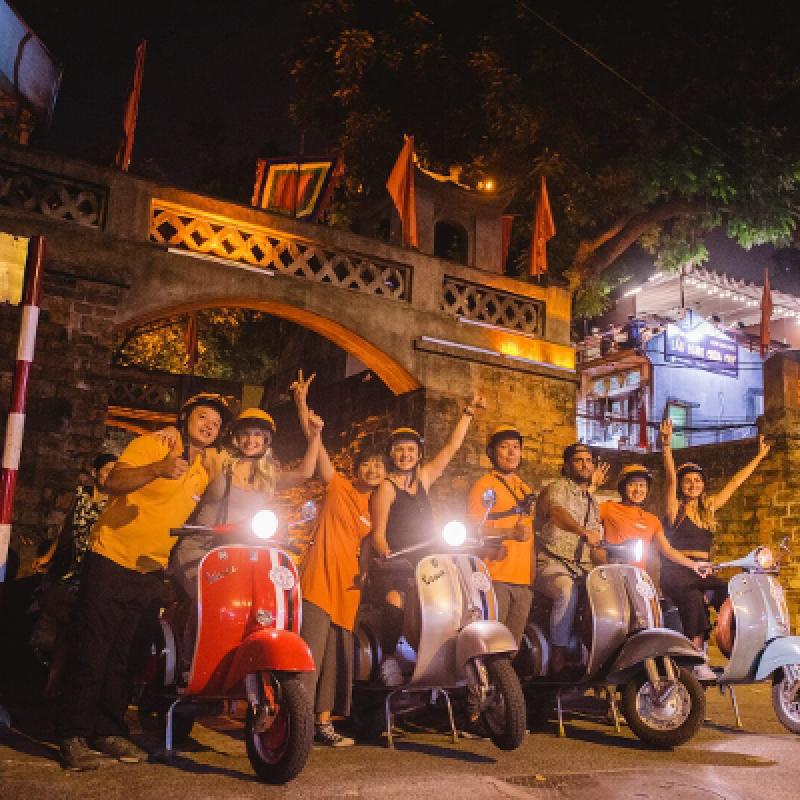
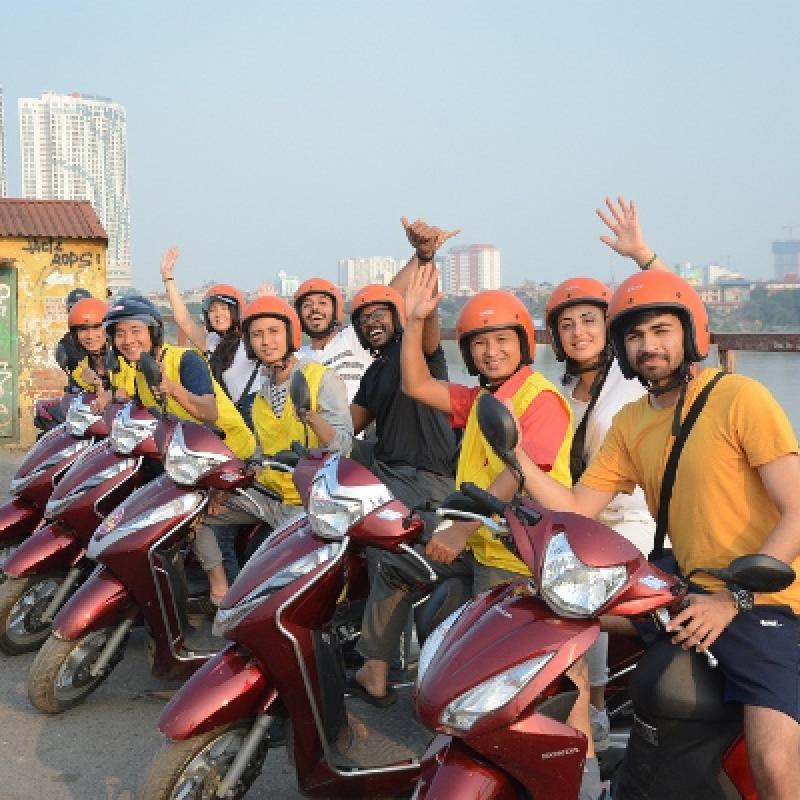
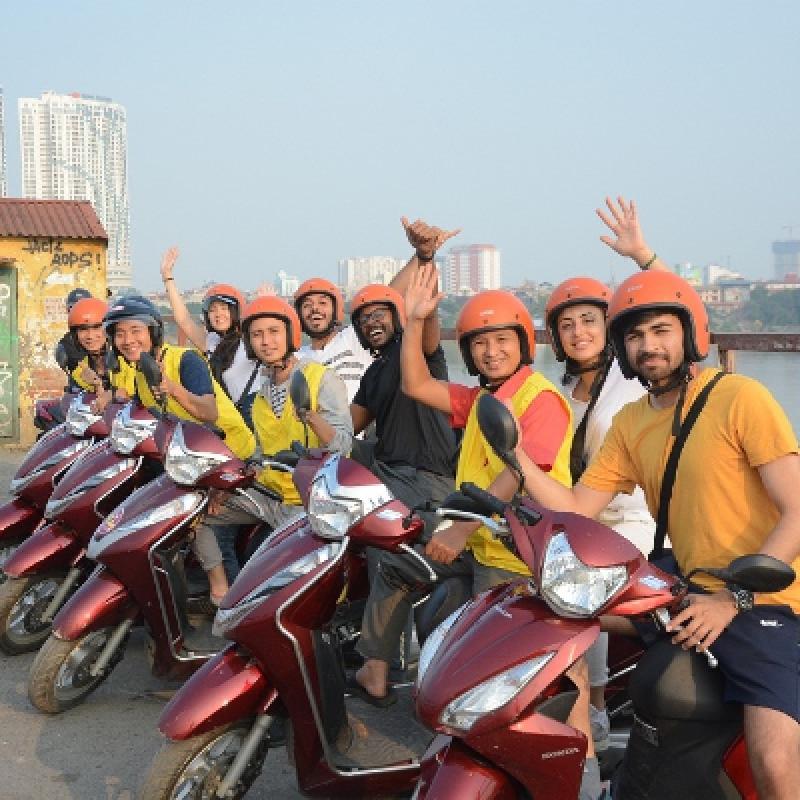




Hanoi Tours explore Vietnam's capital through its historic neighborhoods, temples, museums, traditional markets and landmarks associated with different periods of Vietnamese history. Located in northern Vietnam, Hanoi combines centuries-old architecture and cultural traditions with the atmosphere of a modern Southeast Asian capital.
Travelers can explore the narrow streets of the Old Quarter, walk around Hoan Kiem Lake, visit historical monuments and discover Hanoi's distinctive street-food culture. Tours range from short guided city experiences to multi-day Hanoi trips that combine the capital with destinations such as Ha Long Bay and Ninh Binh.
Hanoi contains a concentration of cultural and historical attractions that can be explored through walking tours, private sightseeing programs and full-day city tours.
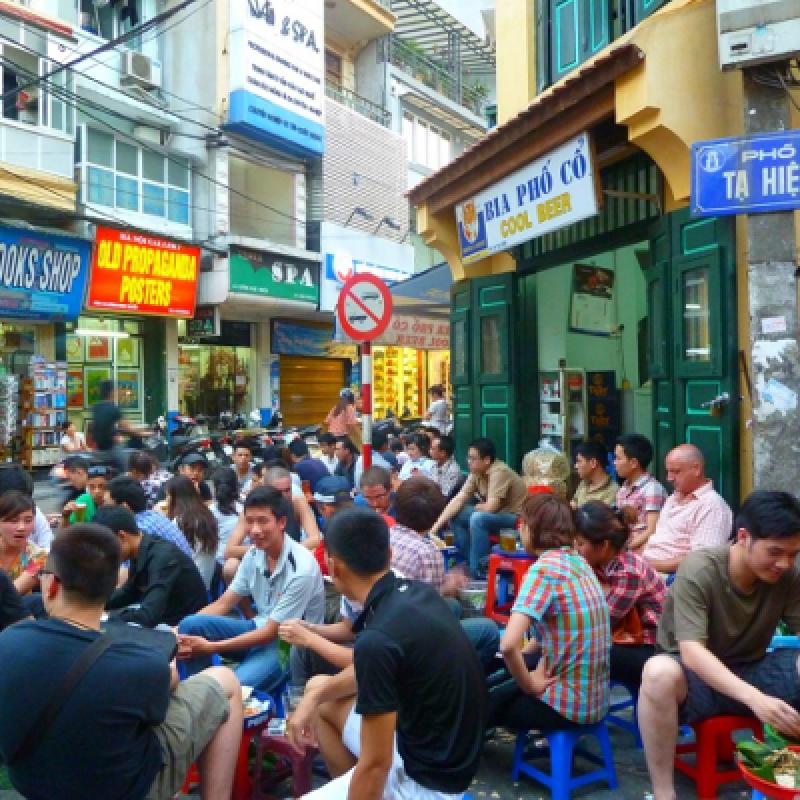
The Hanoi Old Quarter is one of the principal areas included in most itineraries. Its network of streets contains traditional shops, restaurants, cafés, markets and historic buildings. Walking through the Old Quarter provides an introduction to both the city's history and everyday urban life.
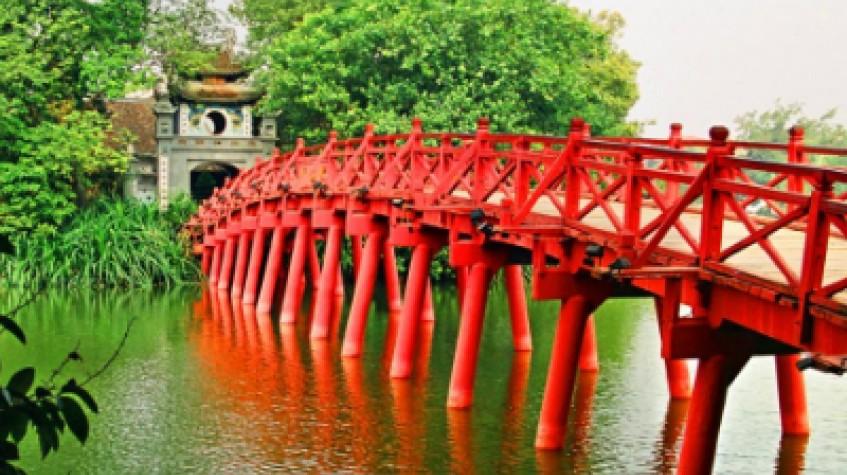
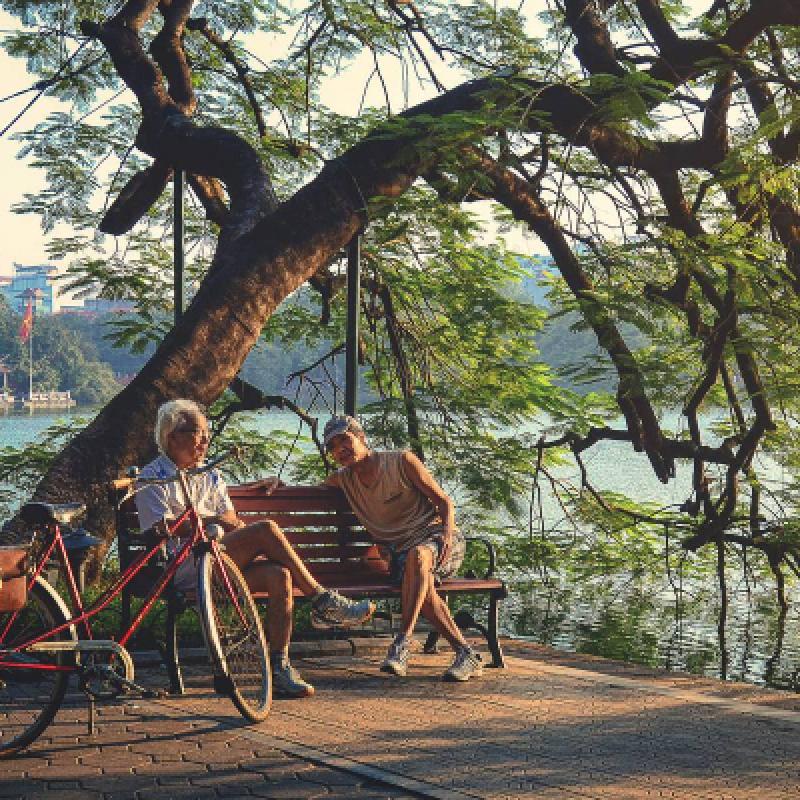
Hoan Kiem Lake is located close to the Old Quarter and forms one of central Hanoi's most recognizable public spaces. Ngoc Son Temple, situated on a small island in the lake, can also be incorporated into sightseeing programs.
The Ho Chi Minh Mausoleum complex is an important destination for travelers interested in modern Vietnamese history. Nearby attractions include the One Pillar Pagoda and other sites connected with Ho Chi Minh.
The Temple of Literature, founded in the 11th century, is another major historical attraction and is associated with Confucian learning and Vietnam's early educational traditions.
Travelers interested in Vietnam's imperial history can visit the Thang Long Imperial Citadel, a UNESCO World Heritage Site representing centuries of political and administrative history in Hanoi.
Other attractions that can be incorporated into Hanoi Tours include Hoa Lo Prison, West Lake, Tran Quoc Pagoda and museums covering Vietnamese history, culture and ethnography.
Hanoi Trips can range from short city breaks to longer northern Vietnam itineraries. A two or three-day stay provides enough time to explore many of the capital's principal attractions, while longer programs allow travelers to combine Hanoi with surrounding destinations.
A typical Hanoi trip can include guided sightseeing in the Old Quarter, Hoan Kiem Lake, Temple of Literature and major historical landmarks. Food tours and traditional cultural experiences can be added according to the itinerary.
Hanoi is also one of the main gateways for exploring northern Vietnam. Travelers can combine the city with Ha Long Bay, Ninh Binh, Sapa and other destinations to create a more comprehensive journey.
Longer Vietnam tours can begin in Hanoi before continuing south toward Hue, Da Nang, Hoi An and Ho Chi Minh City.
Hanoi Day Tours are suitable for travelers who want to explore the capital within a structured itinerary or use the city as a base for excursions around northern Vietnam.
A full-day Hanoi city tour can combine the Old Quarter with the Temple of Literature, Ho Chi Minh Mausoleum area, pagodas and other historical attractions. Half-day tours can concentrate on a specific district or theme.
Food-focused day tours provide another way to experience the capital. Hanoi is particularly associated with dishes such as pho and bun cha, while guided street-food walks can introduce travelers to smaller local establishments and traditional Vietnamese coffee.
Day trips outside Hanoi are also popular. Ninh Binh can be visited for limestone landscapes, waterways and historical attractions such as Hoa Lu Ancient Capital.
Ha Long Bay is another major destination accessible from Hanoi. Day cruises are available, although travelers with more time may prefer an overnight cruise to experience more of the bay.
Private Hanoi Tours provide personalized sightseeing with greater flexibility over departure times, attractions and the pace of the itinerary.
Travelers can choose a general introduction to Hanoi or focus on particular interests such as Vietnamese history, architecture, food, photography or local culture. Private guides can provide additional context at historical landmarks while helping travelers navigate the Old Quarter and other parts of the city.
Private transportation can be included when visiting attractions spread across Hanoi or when traveling outside the capital.
Customized programs can also combine Hanoi with private excursions to Ninh Binh, Ha Long Bay or other northern destinations. This format is suitable for couples, families and small groups seeking a more flexible travel experience.
Hanoi can be visited throughout the year, although weather conditions change considerably between seasons.
Spring, particularly from approximately March to April, generally provides comfortable conditions for walking tours and outdoor sightseeing. Temperatures begin to rise while conditions are usually milder than during the summer.
Autumn, particularly September through November, is another popular period for Hanoi Tours. Temperatures generally become more comfortable, making it suitable for exploring the Old Quarter and other outdoor attractions.
Summer can be hot, humid and rainy, particularly from June through August. Sightseeing remains possible, but travelers should be prepared for high temperatures and tropical rainfall.
Winter from December through February can be cool, particularly compared with southern Vietnam. Travelers visiting during this period may need warmer clothing, especially during the mornings and evenings.