
Free Cancellation
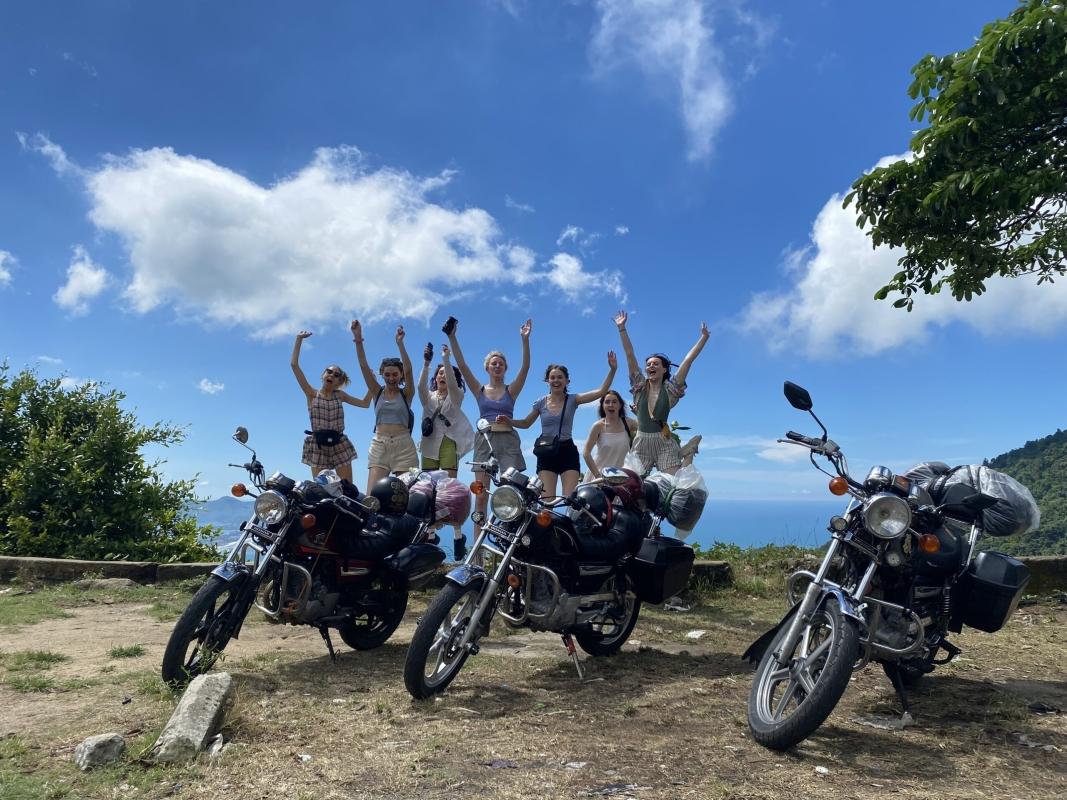
-high.jpg&w=1920&q=75 "Bach Ma National Park Full-Day Joining Tour from Hue – Five Lakes, Hai Vong Dai & Do Quyen Waterfall")
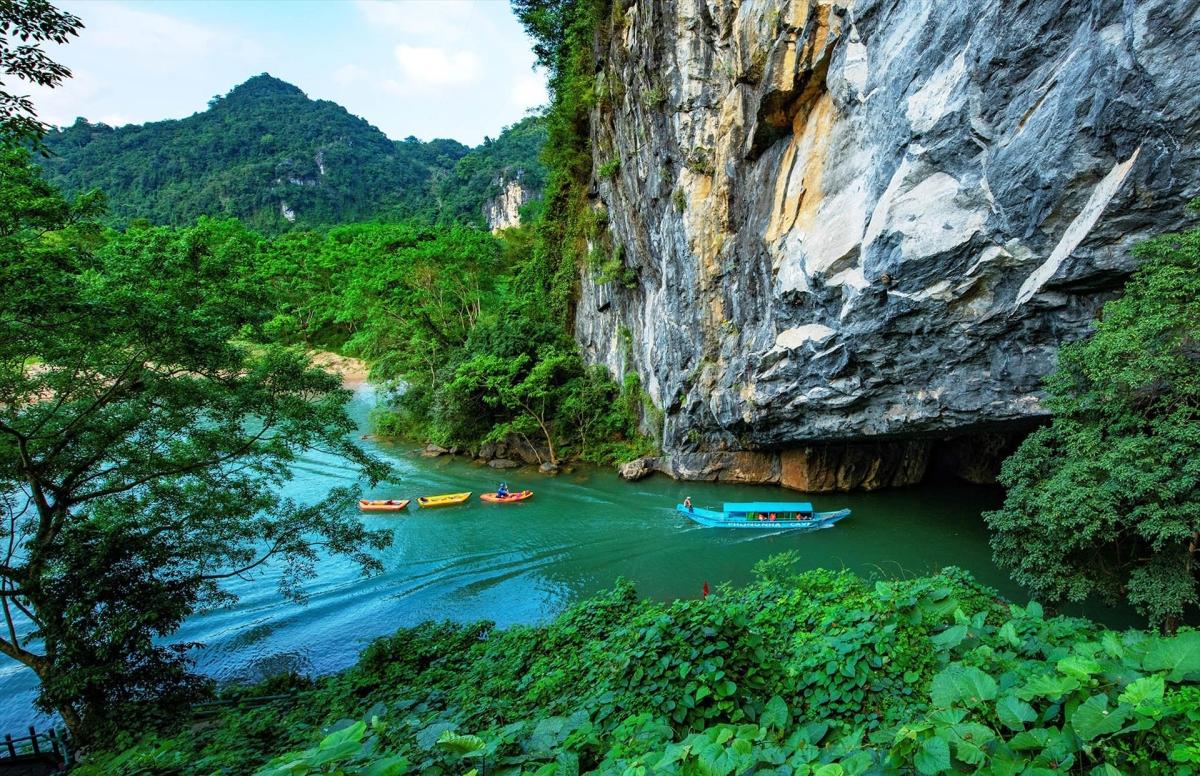
-high.jpg&w=1920&q=75 "Paradise Cave Full-Day Joining Tour from Hue – Phong Nha & DMZ Route")
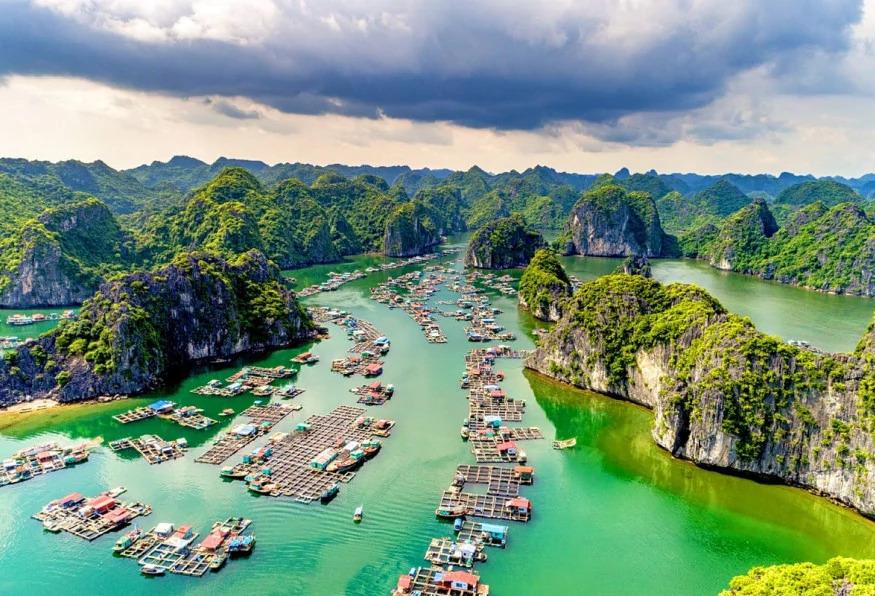
-high.jpg&w=1920&q=75 "7 Days Vietnam Essential Tour")
-high.jpg&w=1920&q=75 "10 Days Vietnam in Style Tour")
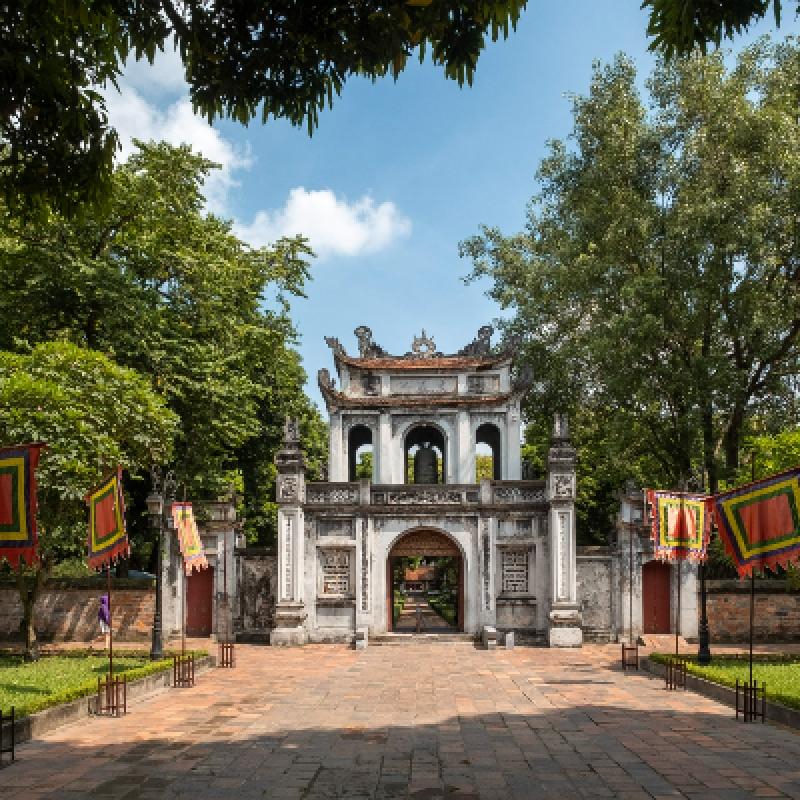
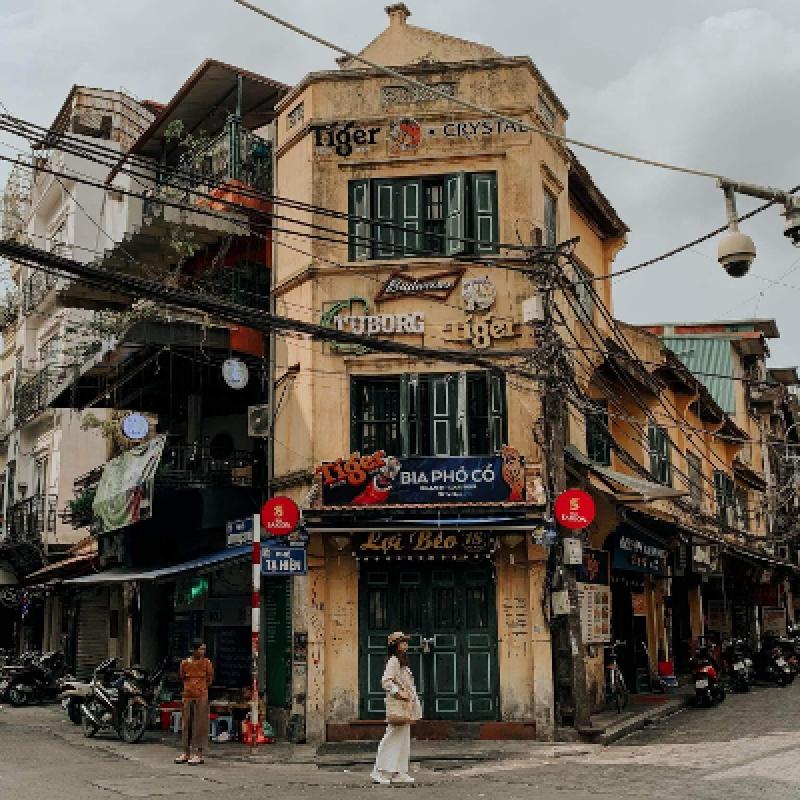
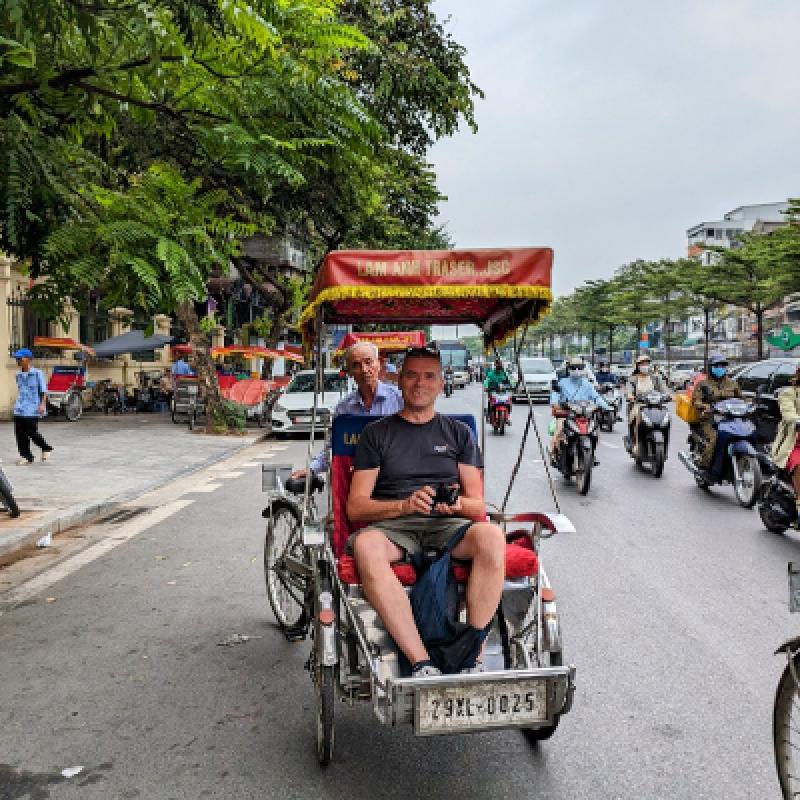
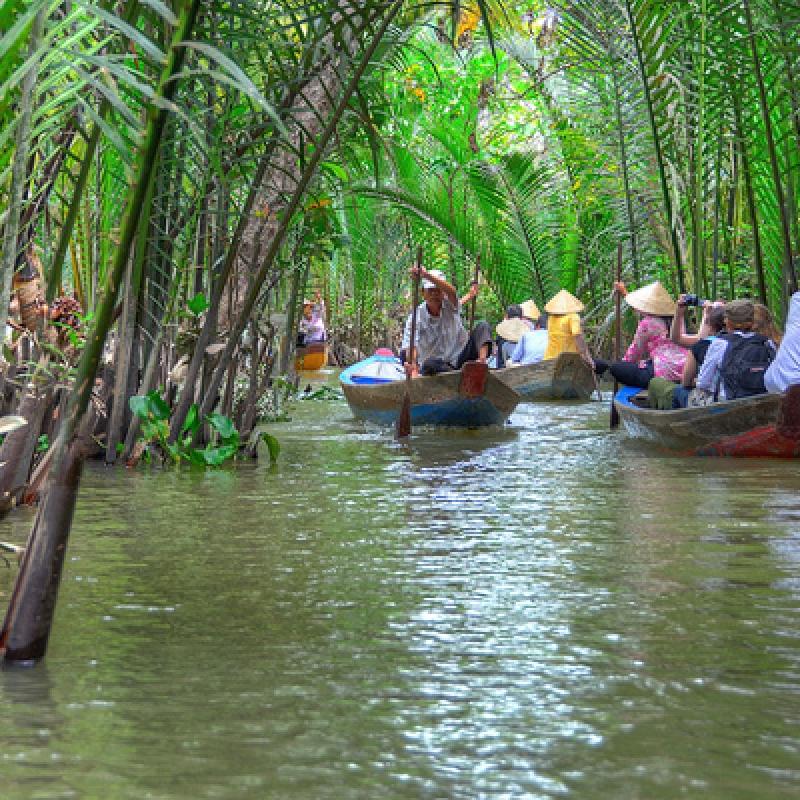
Hue Tours explore Vietnam's former imperial capital through its historic citadel, royal tombs, pagodas, traditional neighborhoods and cultural landmarks. Located in central Vietnam on the banks of the Perfume River, Hue was the capital of Vietnam during the Nguyen Dynasty and remains one of the country's most important destinations for travelers interested in history and architecture.
The city's imperial heritage is represented by the UNESCO-listed Complex of Hue Monuments, including the Imperial City and numerous structures associated with Vietnam's former royal court. Beyond the citadel, travelers can visit royal tombs, religious sites, local markets and traditional villages.
Hue Tours range from half-day sightseeing programs and private city tours to multi-day trips combining Hue with Da Nang, Hoi An and other destinations across central Vietnam.
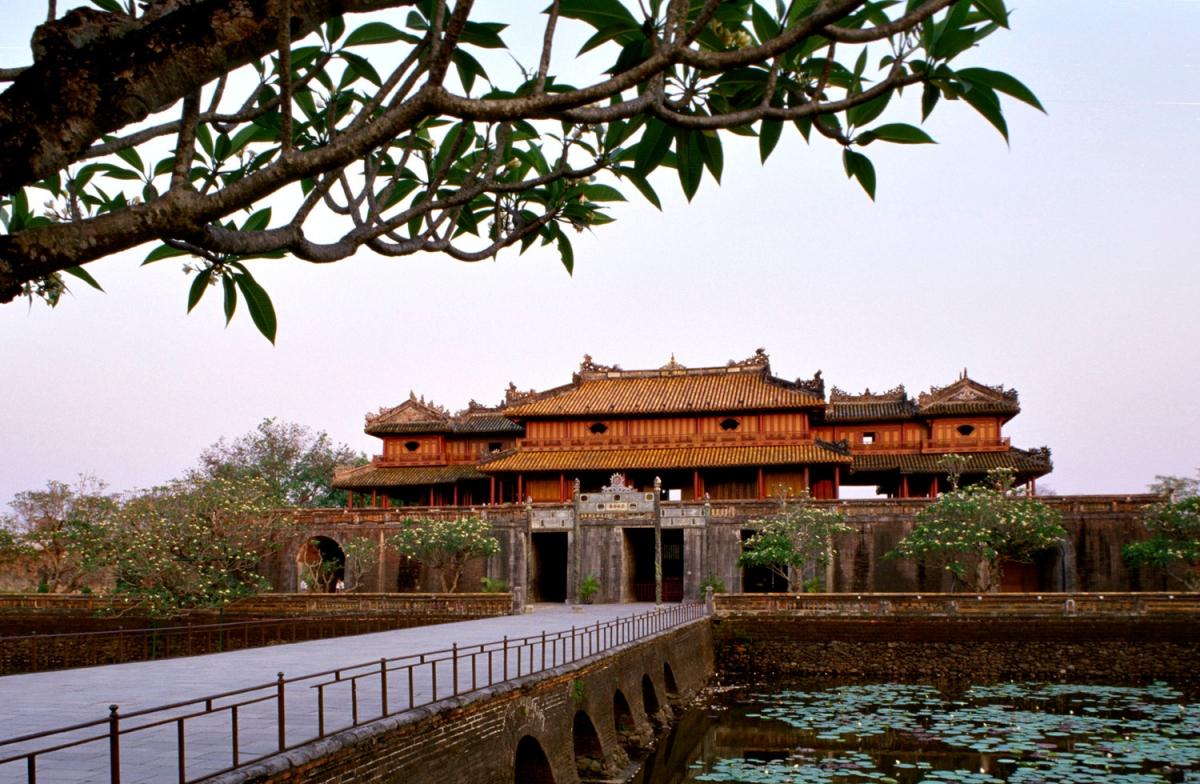
The Imperial City of Hue is the principal attraction and the historical center of most Hue sightseeing itineraries. Surrounded by fortified walls and a moat, the complex once served as the political, administrative and ceremonial center of the Nguyen Dynasty.
Inside the complex, visitors can explore gates, courtyards, temples, royal structures and areas associated with the former imperial court. Guided tours provide historical context about the Nguyen emperors and Hue's role as Vietnam's capital.
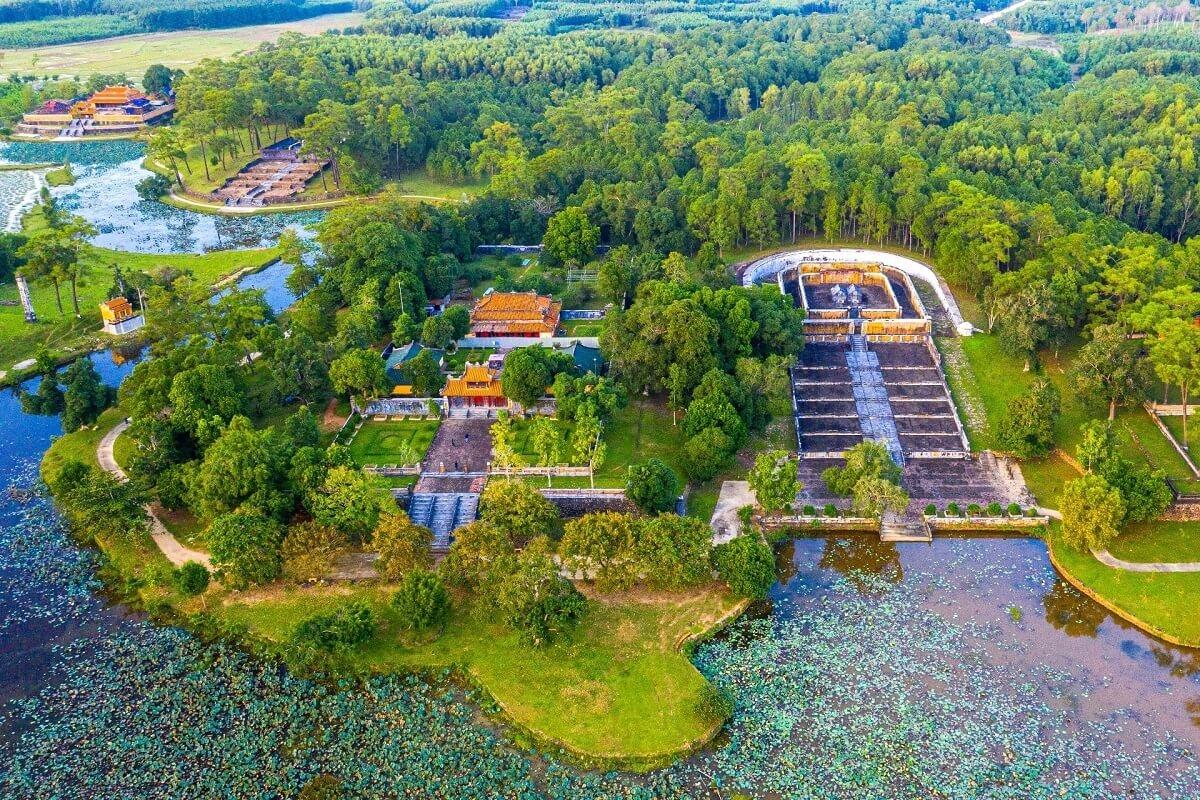
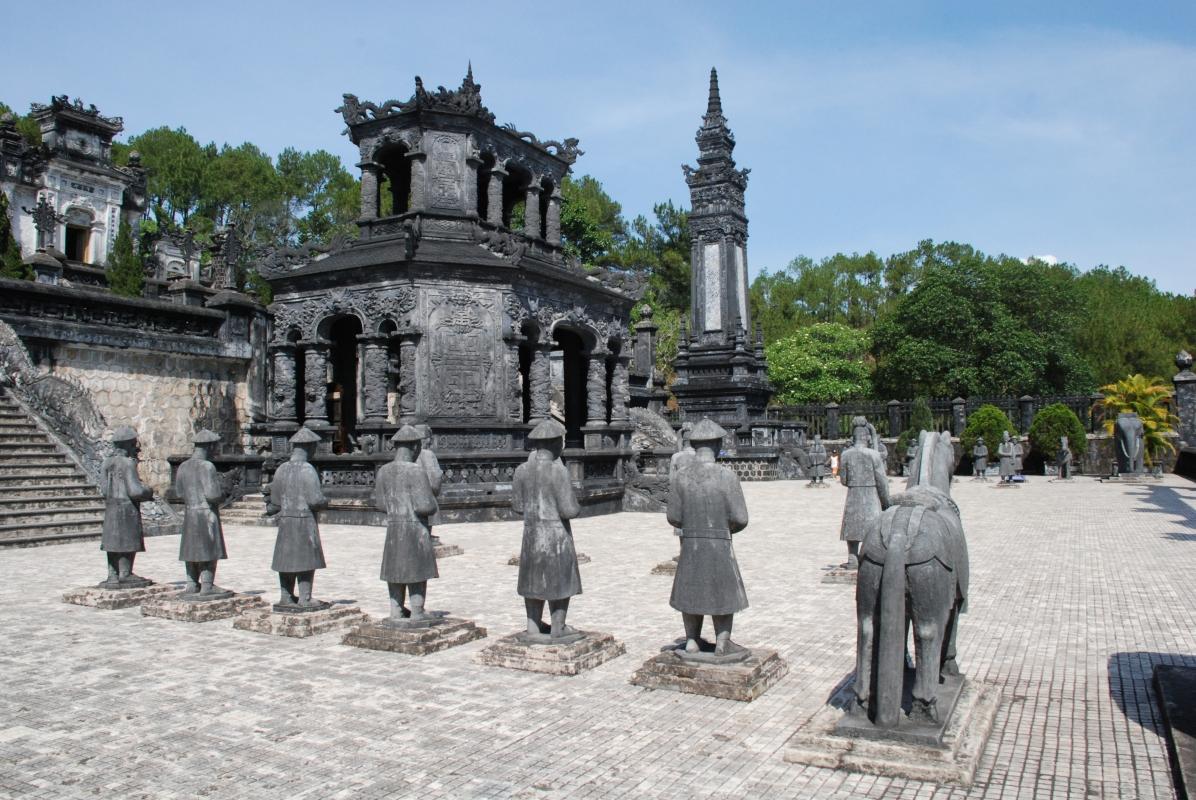
The royal tombs of the Nguyen emperors are another important part of Hue's heritage. Among the best known are the Tomb of Minh Mang, Tomb of Khai Dinh and Tomb of Tu Duc. Each complex has a distinctive architectural style and reflects the personality and period of the emperor for whom it was constructed.
Thien Mu Pagoda, overlooking the Perfume River, is one of Hue's most recognizable religious landmarks. Its multi-level Phuoc Duyen Tower has become closely associated with the city's landscape.
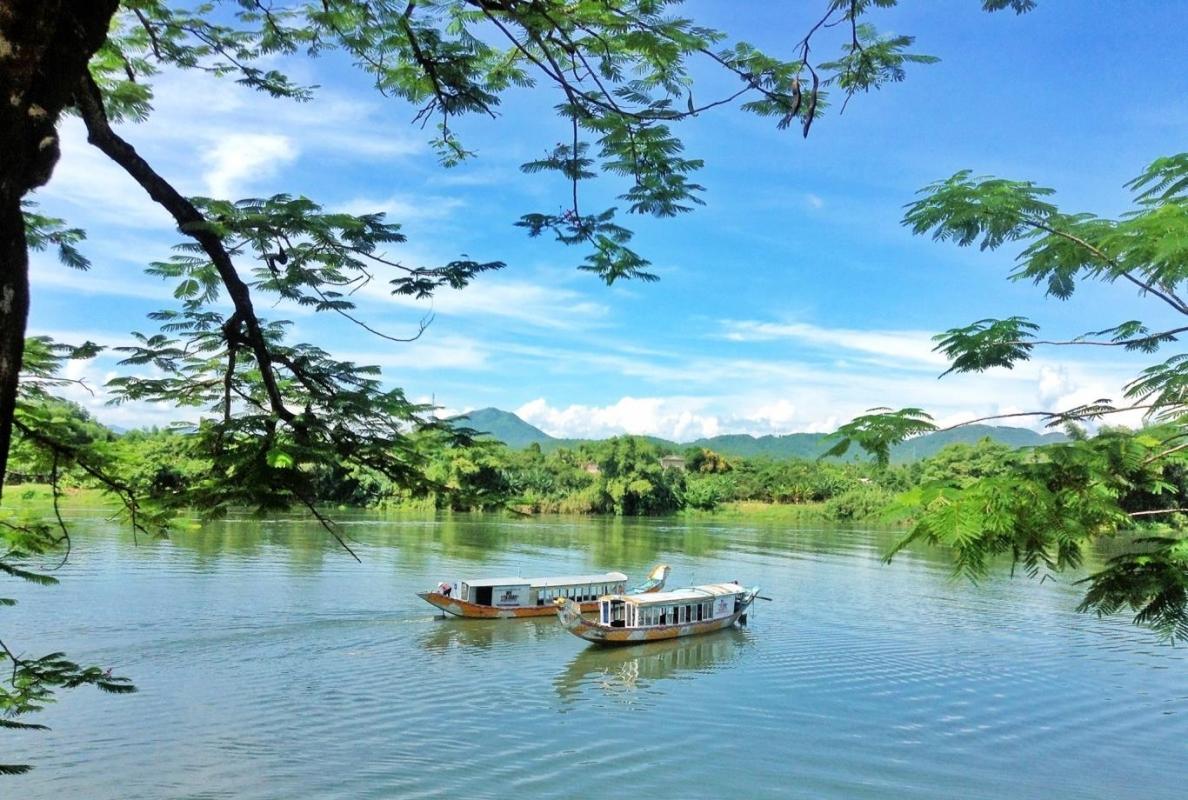
The Perfume River itself is central to Hue's geography and cultural identity. Boat journeys can be incorporated into sightseeing programs, particularly when traveling between riverside attractions.
Travelers can also visit Dong Ba Market, where stalls sell produce, food, clothing and local products. The market provides an opportunity to experience everyday commercial life and sample regional specialties.
Hue Trips can focus on imperial history, Vietnamese culture and regional cuisine or form part of a wider journey through central Vietnam.
A two-day itinerary provides time to explore the Imperial City and several major royal tombs. Travelers with three or more days can add pagodas, markets, traditional villages and more relaxed exploration around the Perfume River.
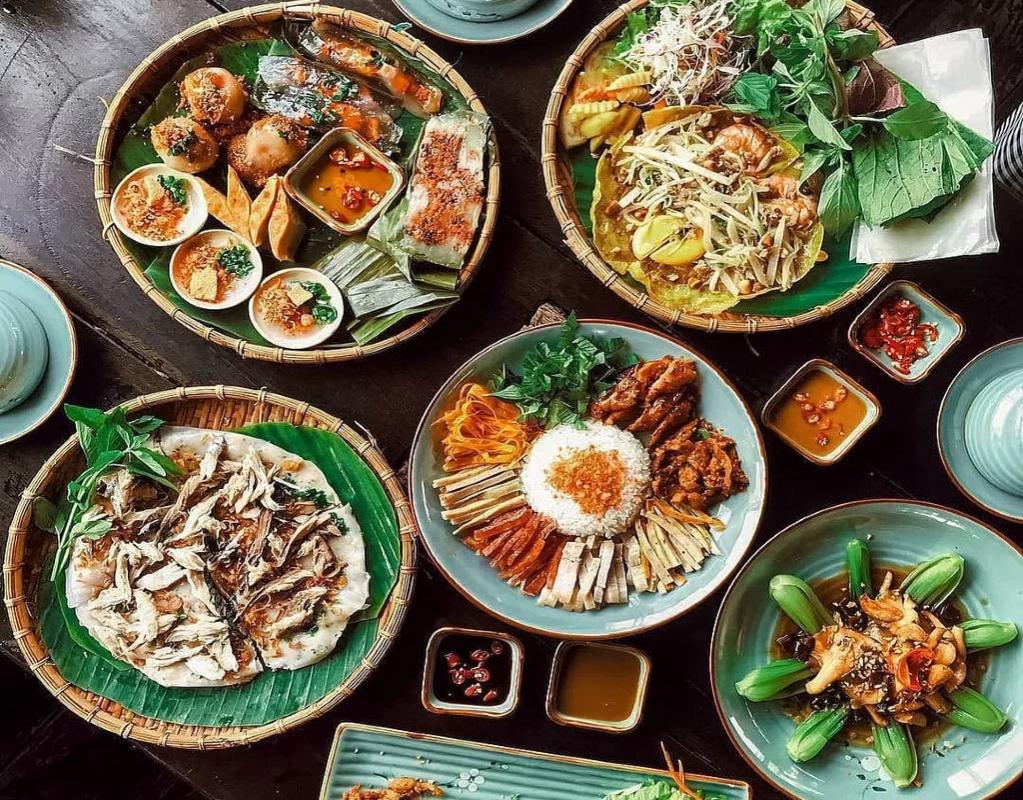
Hue is also known for its distinctive culinary traditions. As the former imperial capital, the city developed both royal and everyday styles of cooking. One of its most famous dishes is bun bo Hue, a rich noodle soup that originated in the region.
Food tours can introduce travelers to additional local dishes, markets and smaller restaurants, providing another way to experience the city's cultural heritage.
Longer Hue trips can be combined with Da Nang and Hoi An to create a comprehensive central Vietnam itinerary.
Hue Day Tours are suitable for travelers who want to experience the city's principal historical attractions within a structured itinerary.
A typical full-day program can begin at the Imperial City before continuing to one or more Nguyen Dynasty royal tombs. Thien Mu Pagoda and the Perfume River can also be incorporated depending on the route.
More specialized day tours can focus on imperial architecture, Vietnamese history, religious heritage or local food.
Travelers staying in Da Nang or Hoi An can also visit Hue as a full-day excursion. The journey can pass through the Hai Van Pass, providing coastal and mountain scenery between Da Nang and Hue.
However, travelers with a strong interest in Vietnamese history may prefer to stay at least one night in Hue to allow more time at the major monuments.
Private Hue Tours provide greater flexibility for exploring the former imperial capital. Itineraries can be customized according to interests, available time and preferred sightseeing pace.
A private historical tour can focus extensively on the Imperial City and royal tombs, while a broader program can include pagodas, markets, local neighborhoods and culinary experiences.
Private transportation is particularly useful because several of the royal tombs are located outside the central city area.
Couples, families and small groups can also combine private guiding with transportation between Hue, Da Nang and Hoi An. This allows travelers to create a personalized central Vietnam journey rather than booking separate tours in each destination.
Hue's location provides access to several destinations across central Vietnam.
Da Nang is one of the main cities that can be combined with Hue. The route between the two destinations can pass through the Hai Van Pass and coastal areas before reaching attractions such as the Marble Mountains and Son Tra Peninsula.
Hoi An Ancient Town can also be reached from Hue, usually by traveling through or around Da Nang. The UNESCO-listed town provides a different historical experience through its traditional merchant houses, assembly halls and heritage as an international trading port.
Travelers interested in modern Vietnamese history can explore locations around the former Vietnamese Demilitarized Zone (DMZ). Specialized historical tours may visit selected sites associated with the Vietnam War and the former division between North and South Vietnam.
Longer regional itineraries can combine Hue, Da Nang and Hoi An over several days, providing a more comfortable way to experience central Vietnam.
Hue can be visited throughout the year, although its climate differs from both northern and southern Vietnam.
The period from approximately February through April is often suitable for cultural sightseeing, with generally comfortable conditions for exploring the Imperial City and royal tombs.
Temperatures typically increase from May through August, and conditions can become hot, particularly during midday. Morning sightseeing can be more comfortable during warmer periods.
Hue experiences a significant rainy season later in the year. September through December can bring heavier rainfall, and central Vietnam can occasionally experience tropical storms and flooding.
January can be cooler and wetter than the spring months. Travelers should consider seasonal conditions when planning extensive outdoor sightseeing.