
Free Cancellation
-high.jpg&w=1920&q=75 "Saigon Golf Tour (4 Days - 3 Nights)")
-high.jpg&w=1920&q=75 "Saigon Cooking Class with Local Market Visit & Vietnamese Lunch")
-high.jpg&w=1920&q=75 "Saigon Street Food Tour by Motorbike – 7 Tastings & Local Food Adventure")
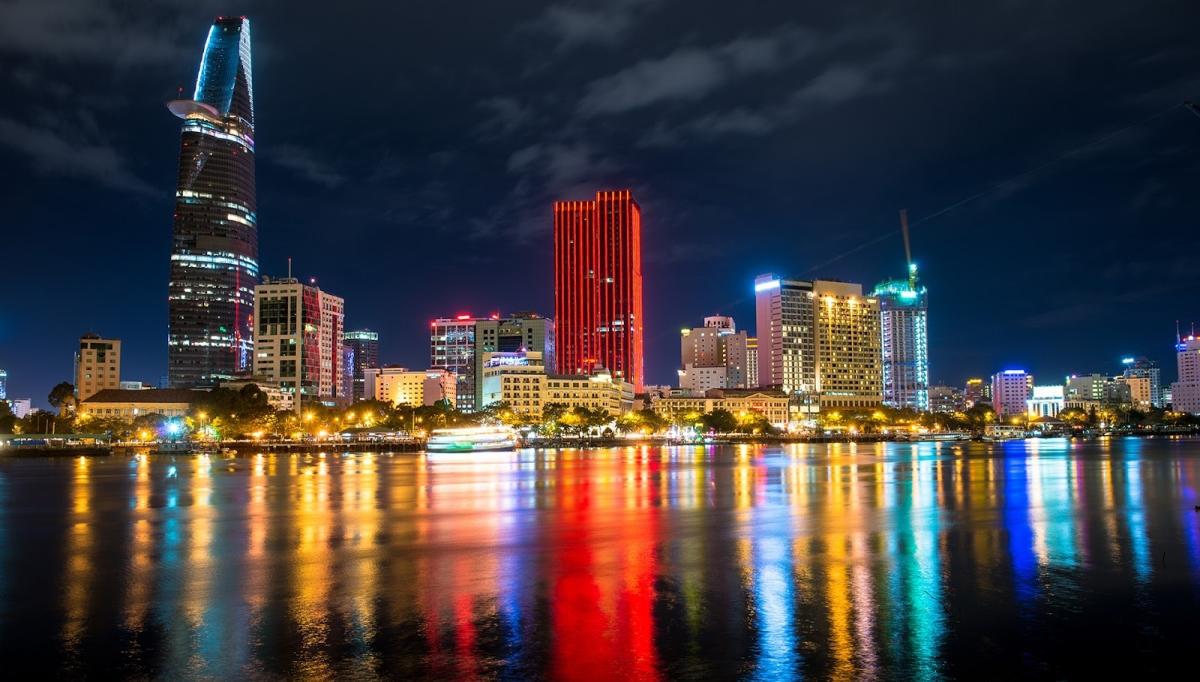
Ho Chi Minh City Tours explore Vietnam's largest city through its historical landmarks, museums, markets, traditional neighborhoods and modern districts. Formerly known as Saigon, Ho Chi Minh City is one of the country's main cultural, commercial and transportation centers and an important starting point for journeys through southern Vietnam.
Tours can range from half-day city sightseeing programs to private full-day experiences and multi-day Ho Chi Minh City trips. Travelers can explore sites associated with Vietnam's modern history, visit local markets, experience the city's food culture and take excursions to destinations such as the Cu Chi Tunnels and Mekong Delta.
Ho Chi Minh City can also be incorporated into longer Vietnam tours connecting Hanoi, Ha Long Bay, Hue, Da Nang and Hoi An with the south of the country.
Ho Chi Minh City contains historical landmarks representing different periods of Vietnamese history alongside modern commercial districts and traditional markets.
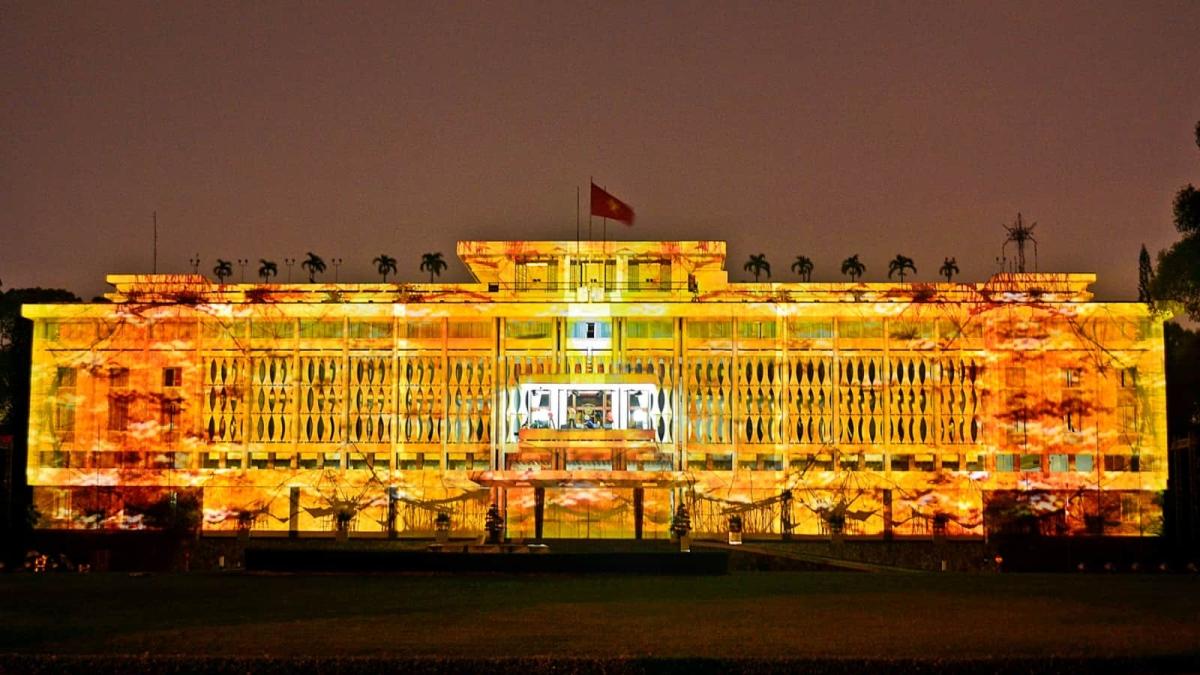
Independence Palace, also known as the Reunification Palace, is one of the city's most significant historical sites. The building played an important role during the final stages of the Vietnam War and today preserves rooms, meeting areas and historical exhibits.
The War Remnants Museum provides exhibits related to the Vietnam War and its effects on Vietnam. It is frequently included in historical sightseeing programs for travelers interested in understanding the country's 20th-century history.
Ben Thanh Market is one of the city's best-known markets. Visitors can explore stalls selling food, local products, clothing, handicrafts and souvenirs while experiencing the commercial atmosphere of central Ho Chi Minh City.
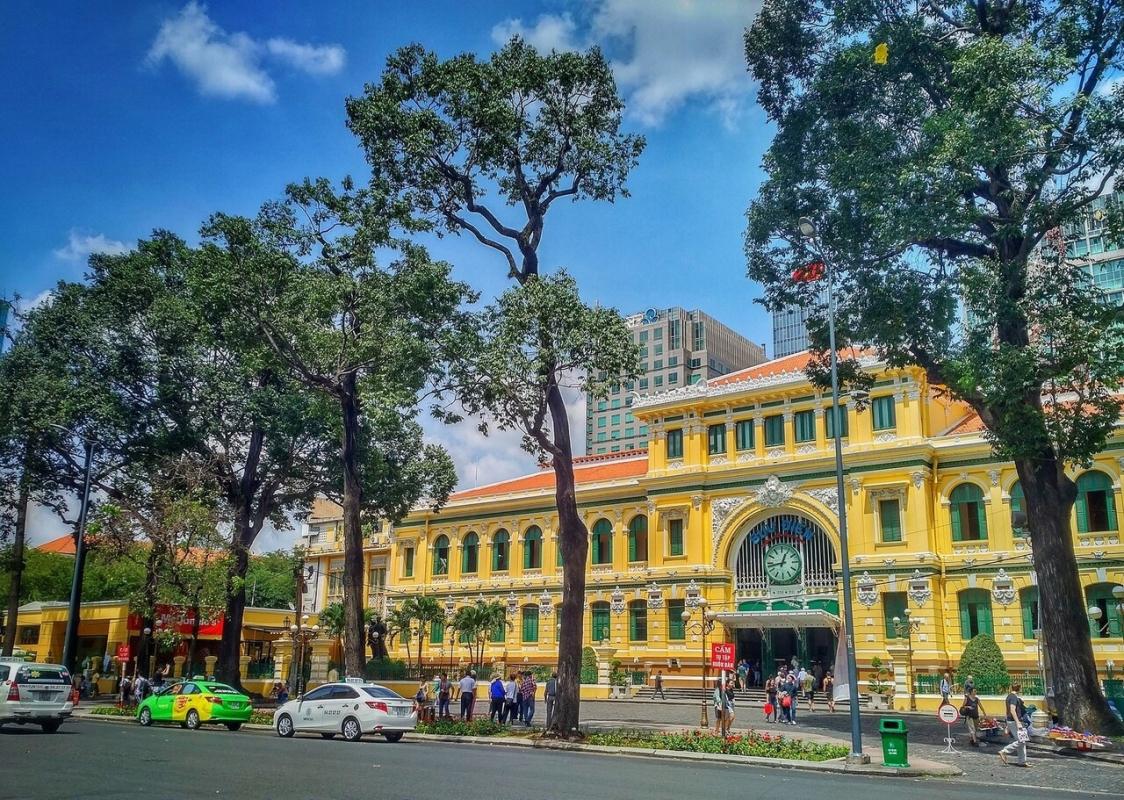
The Saigon Central Post Office is another recognizable architectural landmark in the city center. Its historic design and location make it easy to combine with other attractions in District 1.
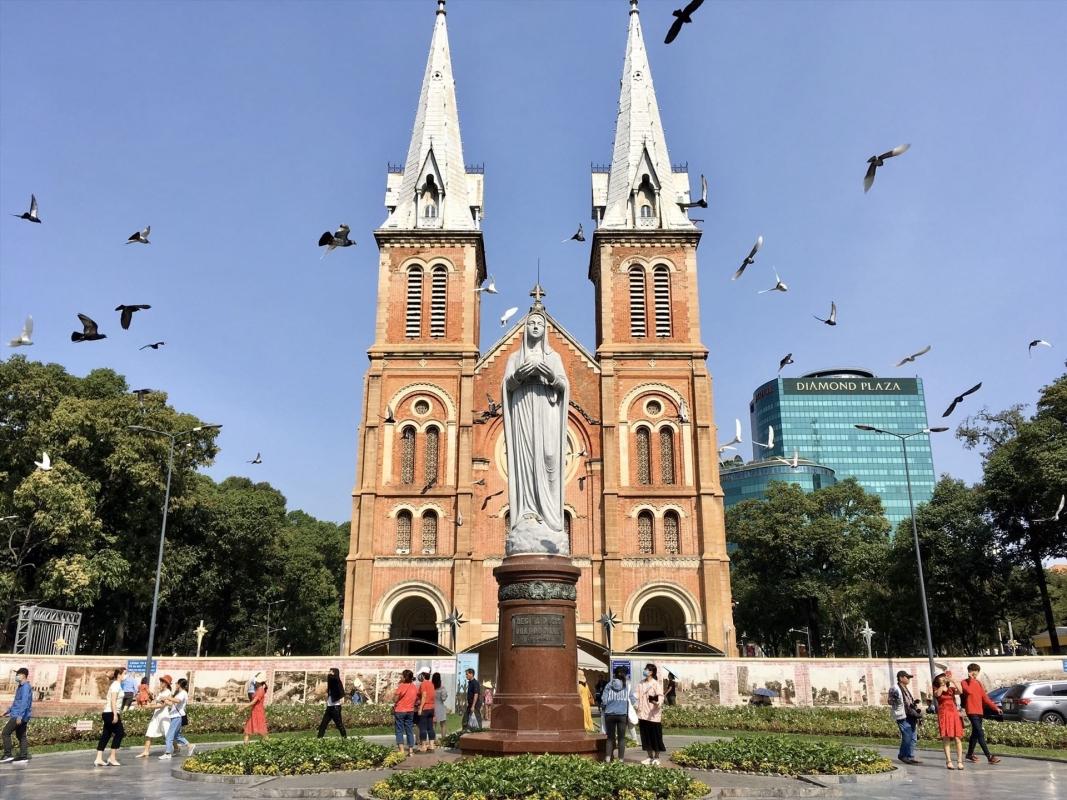
The area around Notre-Dame Cathedral Basilica of Saigon is also commonly incorporated into central city tours, although access can vary due to restoration or religious activities.
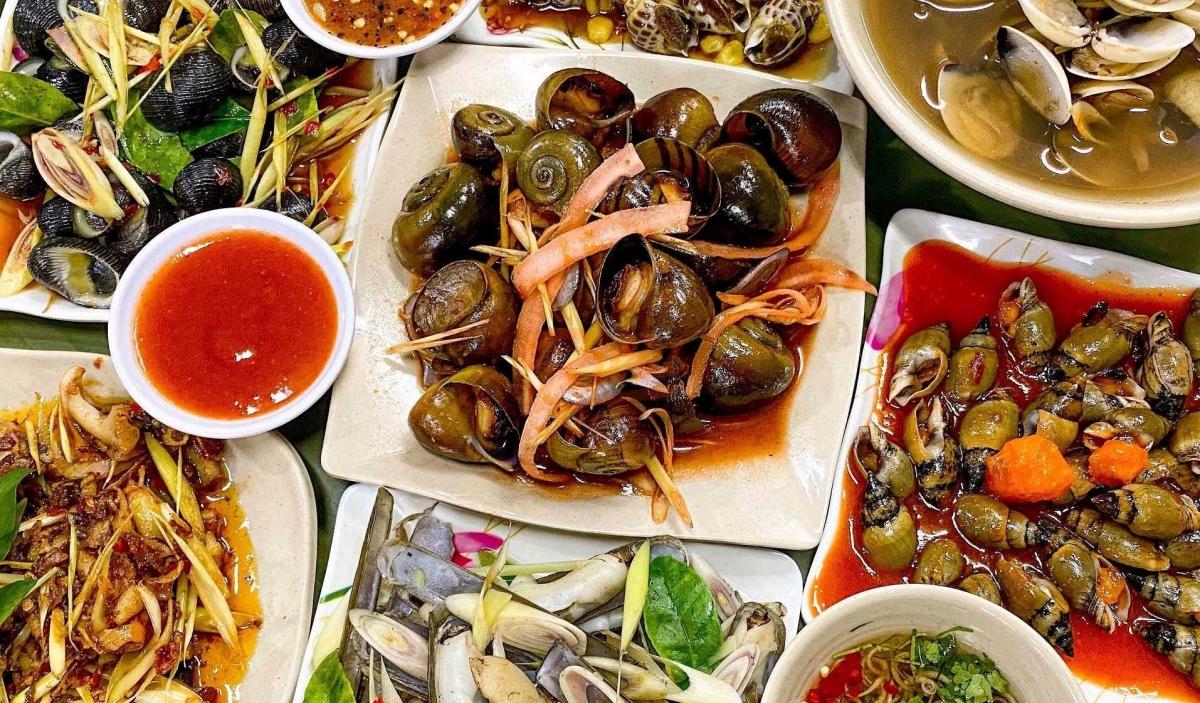
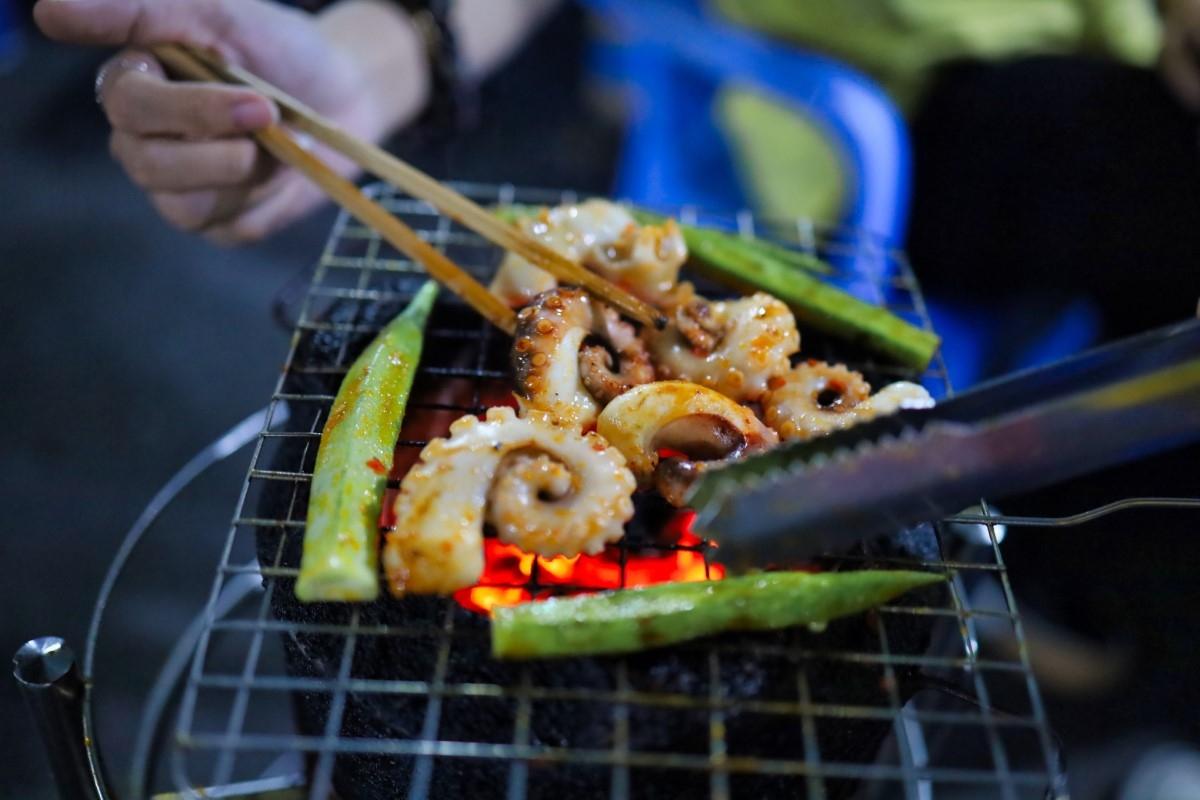
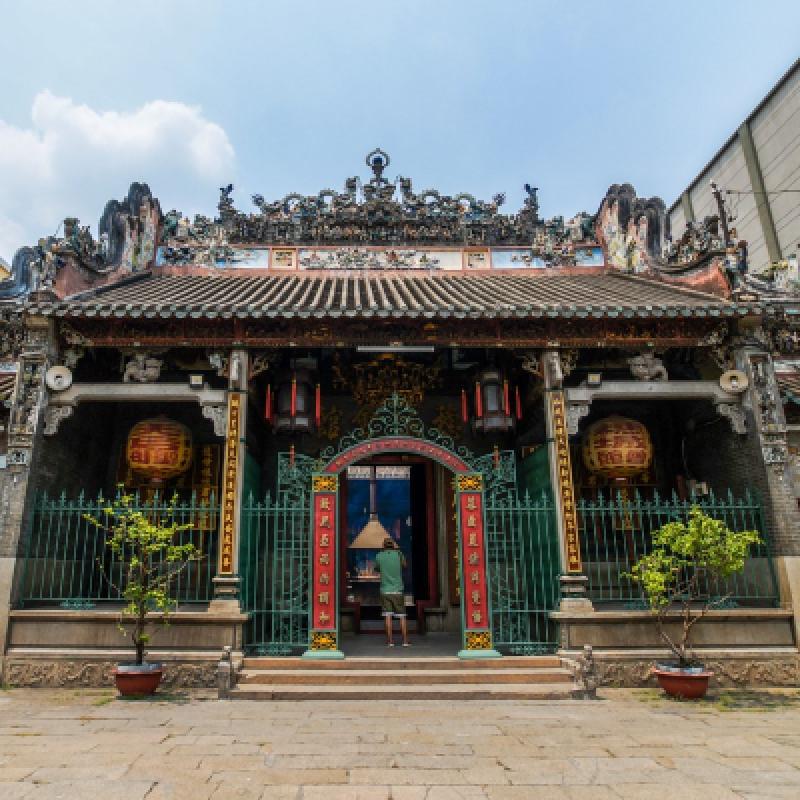
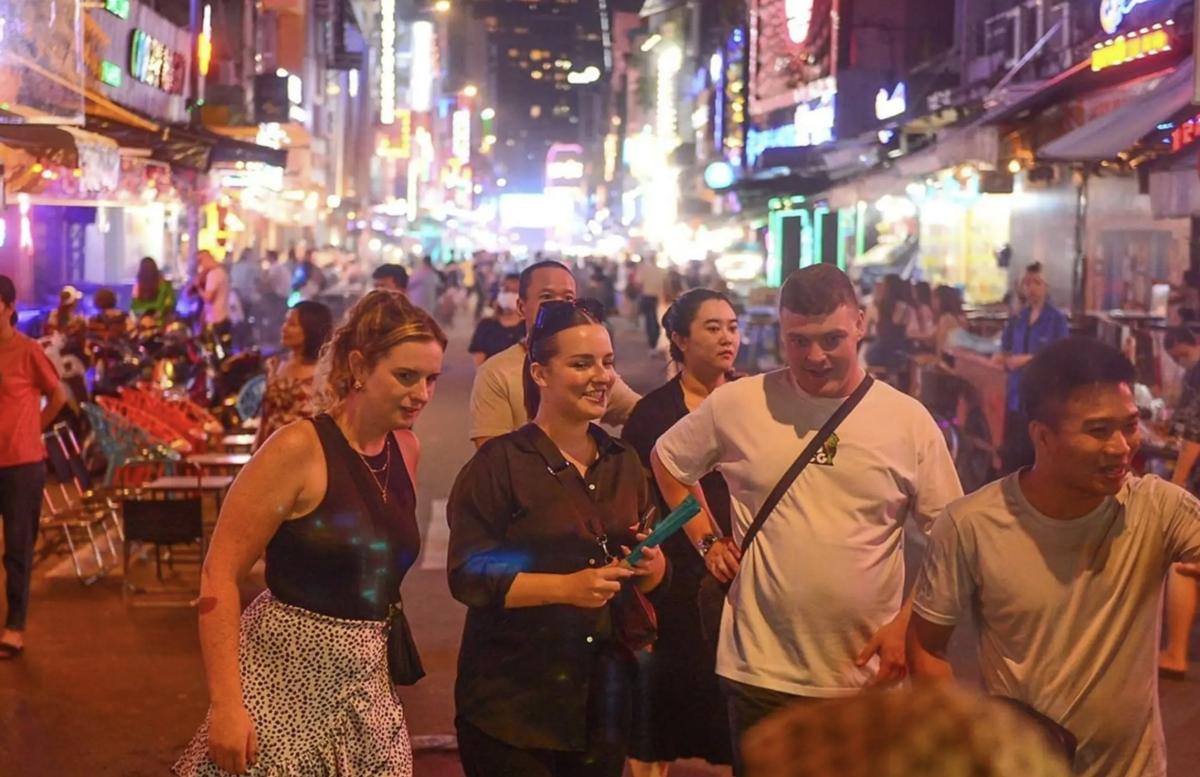
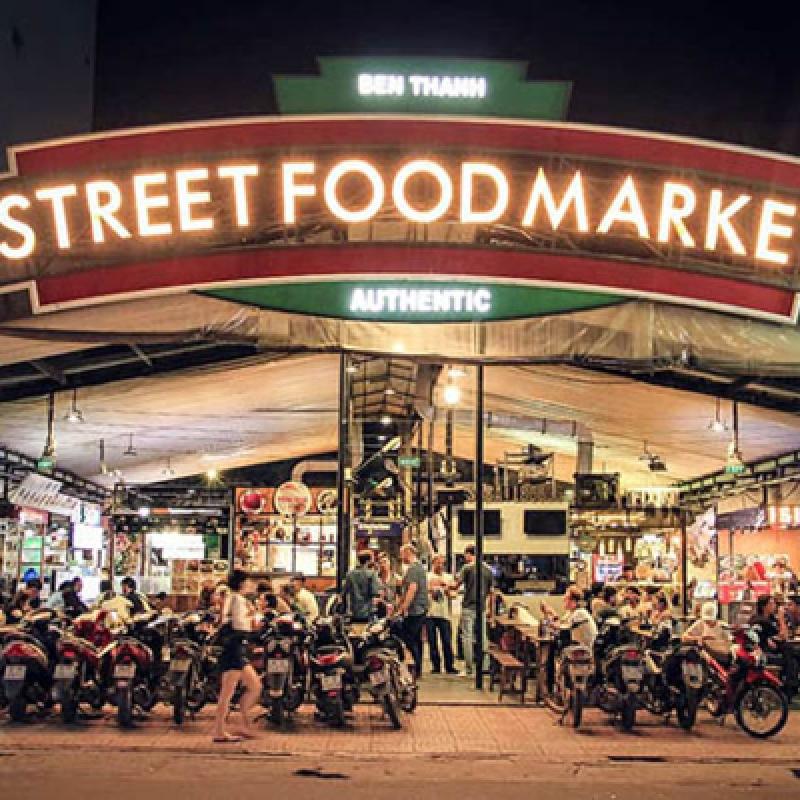
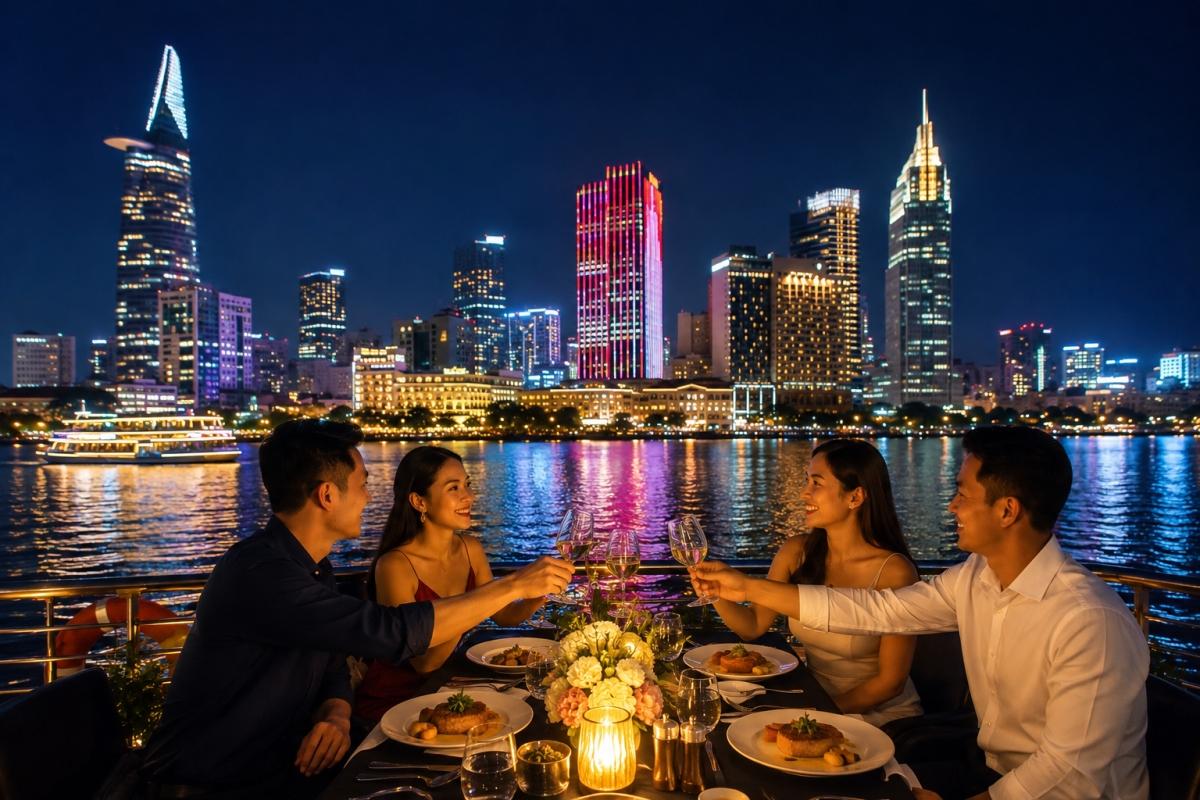
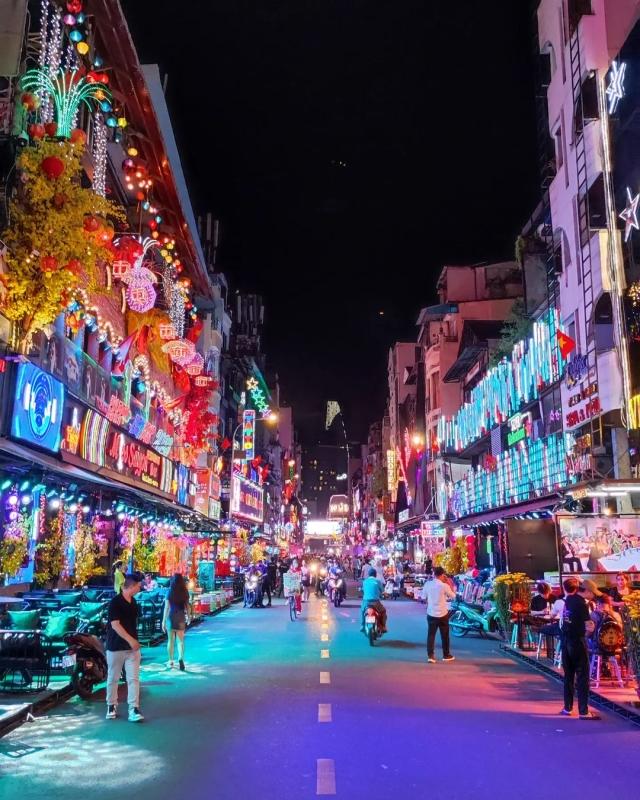
Other attractions can include Nguyen Hue Walking Street, the Saigon River waterfront, Chinatown in Cholon, traditional temples and local neighborhoods. Evening tours may also focus on street food, illuminated city landmarks and the city's nightlife districts.
Ho Chi Minh City Trips can be organized as short urban stays or as part of longer journeys through southern Vietnam. Two or three days allows travelers to explore many of the principal attractions while leaving additional time for food experiences and local neighborhoods.
A typical itinerary can begin with central city sightseeing covering Independence Palace, museums, markets and architectural landmarks. Another day can be dedicated to the Cu Chi Tunnels or an excursion toward the Mekong Delta.
Travelers with more time can combine both destinations with Ho Chi Minh City, creating a broader southern Vietnam itinerary covering modern history, rural landscapes and local communities.
Ho Chi Minh City is also well connected with other parts of Vietnam. Domestic flights make it possible to combine the city with Da Nang, Hue and Hanoi within a multi-city Vietnam trip.
Private Ho Chi Minh City Tours provide personalized itineraries for travelers who prefer flexible sightseeing rather than following a fixed group schedule.
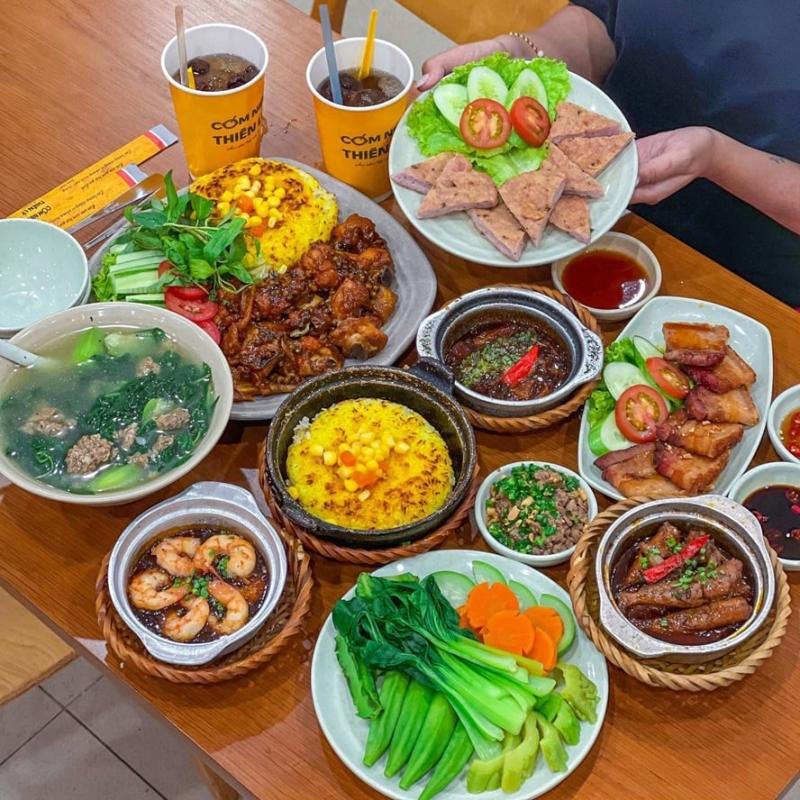
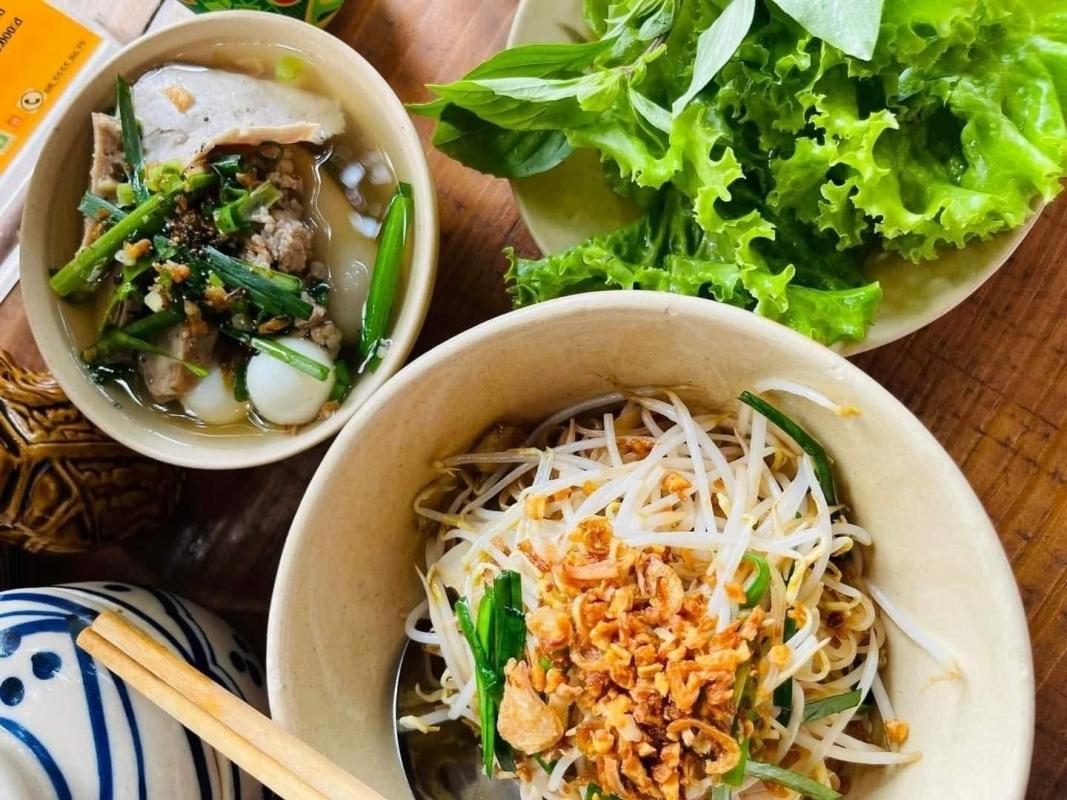
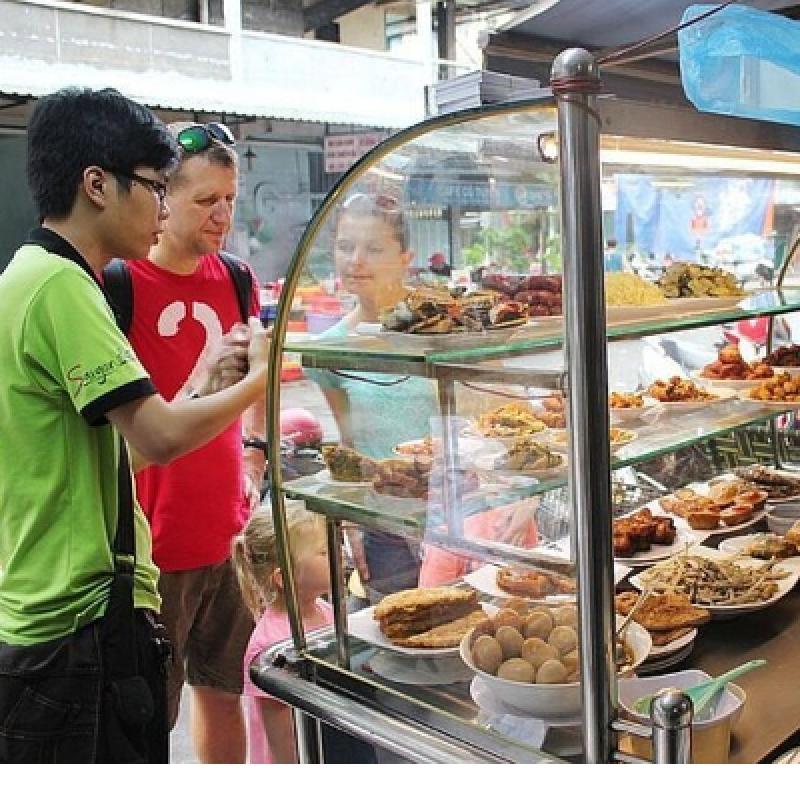
Programs can focus on history, architecture, local food, markets or everyday city life. Travelers interested in modern Vietnamese history can spend additional time at Independence Palace and the War Remnants Museum, while food-focused programs can explore markets, street-food areas and local restaurants.
Private transportation can be particularly useful when combining attractions in different districts or when traveling outside the city.
Couples, families and small groups can also combine a private city tour with excursions to the Cu Chi Tunnels or Mekong Delta. Itineraries can be adjusted according to available time, travel pace and individual interests.
Ho Chi Minh City's location makes it a convenient base for exploring several important destinations in southern Vietnam.
The Cu Chi Tunnels are among the most popular excursions from the city. The extensive underground tunnel network played an important role during periods of conflict in Vietnam and provides insight into wartime conditions and military history. Cu Chi can generally be visited as a half-day or full-day excursion.
The Mekong Delta offers a very different experience. Tours travel south from Ho Chi Minh City into a region characterized by rivers, canals, agricultural landscapes and communities connected with the Mekong River system.
Depending on the itinerary, Mekong Delta tours can include boat journeys, local villages, fruit-growing areas and regional food experiences. Destinations such as My Tho and Ben Tre are frequently used for day trips, while travelers with more time can choose multi-day programs extending deeper into the delta.
Some itineraries combine the Cu Chi Tunnels with additional sightseeing, while others dedicate a complete day to the Mekong Delta.
Ho Chi Minh City has a tropical climate and remains warm throughout most of the year. The main seasonal distinction is between the drier and wetter periods.
The dry season, generally from December to April, is a popular period for Ho Chi Minh City Tours. Lower rainfall can make walking tours, city sightseeing and excursions to the Cu Chi Tunnels or Mekong Delta more convenient.
Temperatures can become particularly hot toward the later part of the dry season, so travelers planning extensive outdoor sightseeing may prefer morning departures.
The rainy season generally runs from May to November. Rainfall can be heavy but often occurs in shorter periods rather than continuously throughout the entire day. Tours and sightseeing continue during these months, although itineraries may occasionally need to adapt to weather conditions.
Because temperatures remain relatively high throughout the year, Ho Chi Minh City can be visited in any season with appropriate planning.