
Free Cancellation
-high.jpg&w=1920&q=75 "The Evening Food Tour by Vespa & Private Bbq")
-high.jpg&w=1920&q=75 "Phu Quoc Snorkeling and Sunset BBQ Explore Xuong Island May Rut Islands")
-high.jpg&w=1920&q=75 "Saigon Cooking Class with Local Market Visit & Vietnamese Lunch")
-high.jpg&w=1920&q=75 "Saigon Street Food Tour by Motorbike – 7 Tastings & Local Food Adventure")

Vietnam Culinary, Wine, Food & Tasting Tours explore the country through its regional dishes, street food, traditional markets, cooking techniques and everyday dining culture. Vietnamese cuisine varies considerably from north to south, making food-focused tours an effective way to experience both the flavors and local traditions of different destinations.
Travelers can taste street food in Hanoi, explore markets in Ho Chi Minh City, join cooking classes in Hoi An or discover the imperial culinary traditions of Hue. Culinary experiences can be booked independently or incorporated into longer Vietnam tour packages combining food with cultural and historical sightseeing.
Vietnam food tours range from short walking and tasting experiences to multi-day culinary journeys. Depending on the itinerary, programs can include local guides, market visits, cooking classes, restaurant experiences, regional specialties and Vietnamese coffee tastings.
Vietnamese cuisine is characterized by the use of fresh herbs, vegetables, rice, noodles, broths, seafood and different combinations of sweet, sour, salty and savory flavors. Ingredients and preparation methods vary between regions, creating distinctive culinary traditions across the country.
Northern Vietnamese cuisine is often associated with balanced and comparatively subtle flavors. Hanoi is particularly famous for dishes such as pho and bun cha.
Central Vietnam has its own distinctive culinary identity. Hue is associated with dishes influenced by the city's former imperial court, while Hoi An has specialties such as cao lau that are closely connected with the destination.
Southern Vietnamese cooking often incorporates sweeter flavors and a wide range of herbs, vegetables and tropical ingredients. Ho Chi Minh City also brings together food traditions from different regions of Vietnam, making it particularly suitable for travelers who want to sample a broad variety of dishes within one destination.
Food tours provide more than an opportunity to taste individual dishes. Local guides can introduce travelers to ingredients, preparation methods, dining customs and the historical influences that helped shape Vietnamese cuisine.
Traditional Vietnamese Food Experiences can take place in restaurants, markets, street-food areas, family-run establishments and cooking schools.
Street-food tours are among the most accessible ways to discover local cuisine. Rather than concentrating on one restaurant, travelers can visit several locations and sample smaller portions of different dishes.
Market visits provide another perspective on Vietnamese food culture. Fresh vegetables, herbs, seafood, meat, noodles, spices and tropical fruits can be found in markets throughout the country. Guided visits can help travelers understand ingredients that may be unfamiliar and how they are used in everyday Vietnamese cooking.
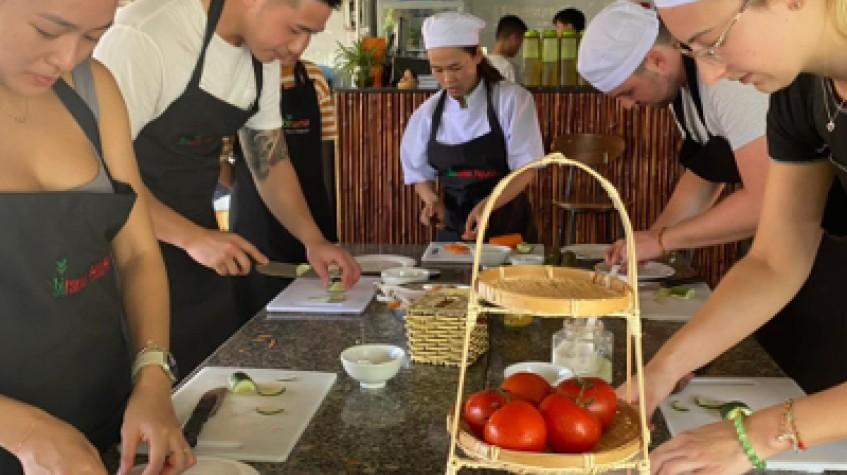
Cooking experiences allow travelers to move beyond tasting and learn how selected dishes are prepared. Some programs begin with a market visit to purchase or identify ingredients before continuing to a practical cooking session.
Vietnamese coffee experiences can also form part of culinary tours. Coffee culture is particularly visible in Hanoi and Ho Chi Minh City, where traditional preparations are served alongside modern variations.
Vietnam has a large number of regional specialties, and the dishes available during a food tour will depend on the destinations included. Some foods are found throughout the country, while others are closely associated with particular cities or regions.
Pho is one of the most internationally recognized Vietnamese dishes. It consists of rice noodles served in an aromatic broth, commonly accompanied by beef or chicken and various herbs and garnishes.
Different regions and individual establishments prepare pho in different ways. Northern and southern versions can vary in broth, seasoning and accompaniments.
Hanoi is particularly associated with northern-style pho, making the dish a common stop on food tours through the capital.
Banh mi is a Vietnamese sandwich prepared using a light baguette and a variety of fillings. Depending on the vendor, fillings can include meat, pâté, pickled vegetables, cucumber, herbs and sauces.
The dish reflects both Vietnamese culinary traditions and historical French influence. Numerous regional and local variations can be found throughout the country.
Banh mi is widely available from street vendors and small shops, making it easy to incorporate into walking food tours.
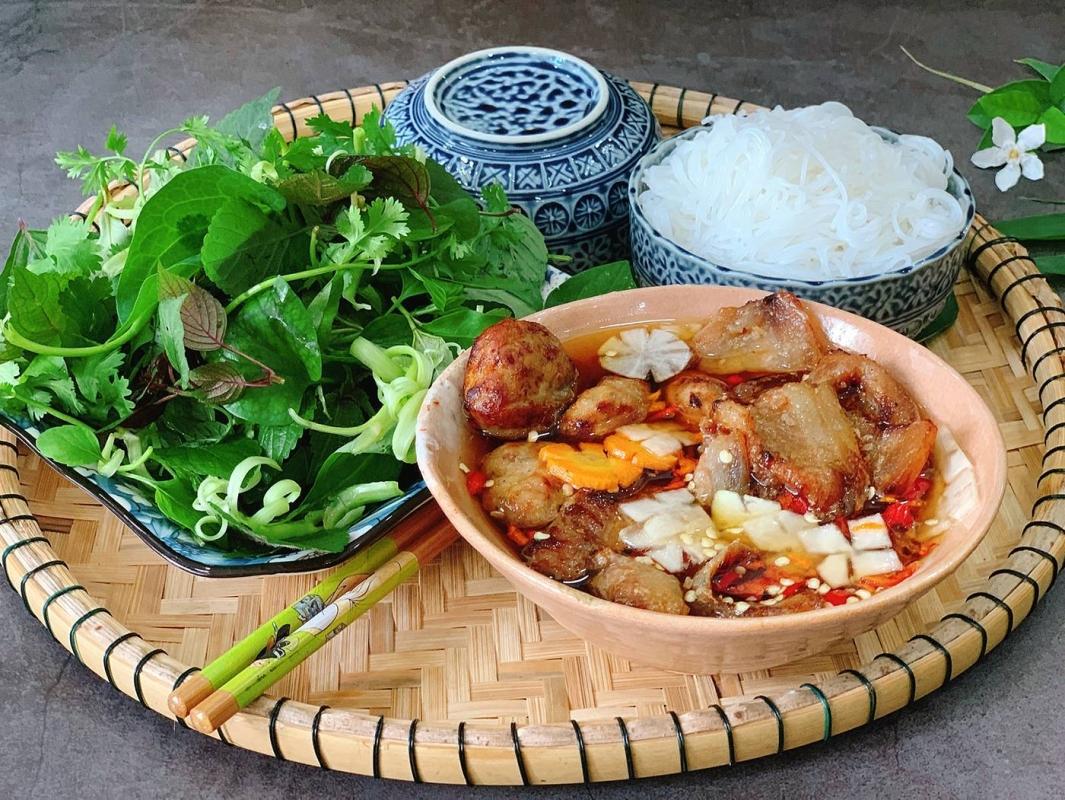
Bun cha is particularly associated with Hanoi and consists of grilled pork served with rice noodles, herbs and a dipping broth or sauce.
The individual components are generally served separately, allowing diners to combine noodles, meat and fresh herbs while eating.
Because of its strong connection with Hanoi, bun cha is frequently included in culinary tours exploring the Old Quarter and surrounding neighborhoods.
Goi cuon, commonly known as Vietnamese fresh spring rolls, are made by wrapping ingredients in rice paper.
Typical fillings can include herbs, vegetables, rice noodles and shrimp or pork. The rolls are generally served fresh rather than fried and accompanied by a dipping sauce.
Variations are found across Vietnam, and cooking classes may include the preparation and rolling techniques used to make them.
Banh xeo is a savory Vietnamese pancake with a crisp exterior. It is generally prepared from a rice-flour-based batter and can contain ingredients such as shrimp, pork and bean sprouts.
The pancake is commonly eaten with fresh herbs and vegetables and accompanied by dipping sauce.
Different regions have their own versions, with variations in size, filling and preparation technique.
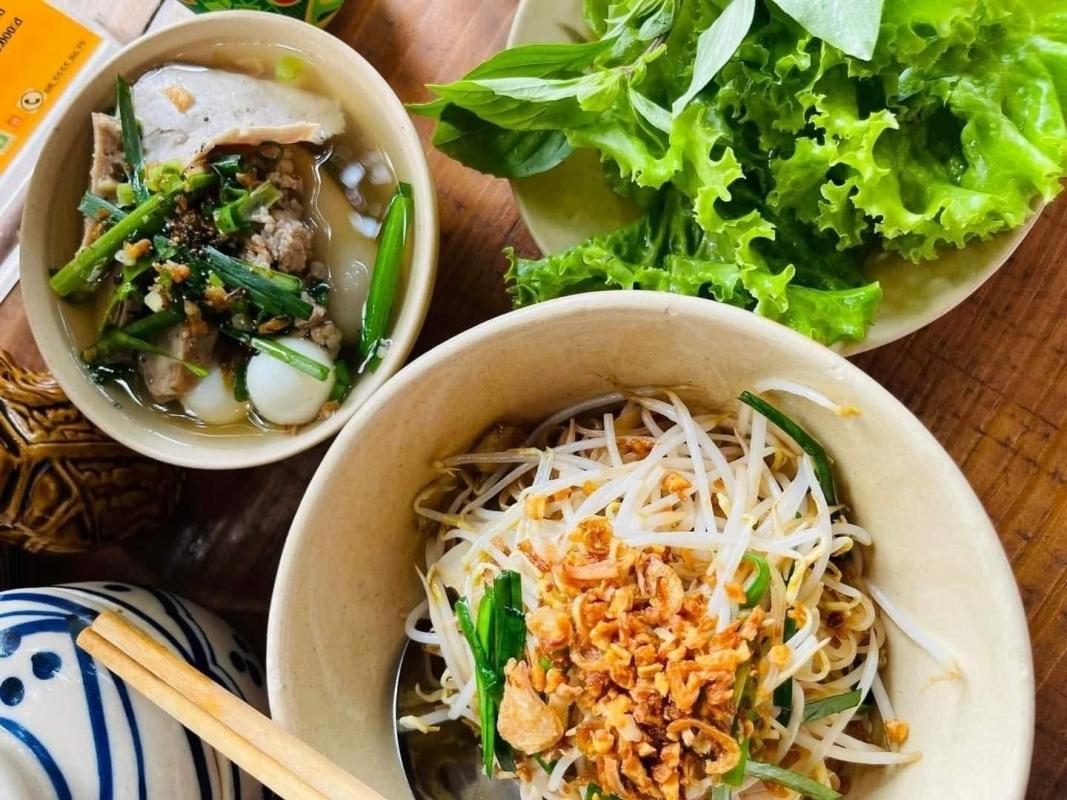
Cao lau is one of the dishes most strongly associated with Hoi An. It combines thick noodles with pork, greens, herbs and crisp elements to create a dish with contrasting textures.
Its close relationship with Hoi An makes cao lau particularly relevant for travelers taking culinary tours through the UNESCO-listed historic town.
It can be sampled at local restaurants, markets and smaller food establishments while exploring Hoi An.
Bun bo Hue is a noodle soup closely associated with the central Vietnamese city of Hue. The dish is known for its rich and aromatic broth and is traditionally served with noodles, meat, herbs and additional accompaniments.
Its flavor profile differs noticeably from pho, providing travelers with an opportunity to compare the culinary traditions of northern and central Vietnam.
Hue food tours often include bun bo Hue alongside other dishes connected with the city's regional and imperial culinary heritage.
Coffee is an important part of contemporary Vietnamese food culture. Traditional Vietnamese coffee is often prepared using a small metal drip filter known as a phin.
One of the best-known preparations combines strong coffee with sweetened condensed milk and can be served hot or over ice.
Hanoi is also famous for egg coffee, which uses a creamy egg-based mixture with coffee. Other regional and modern variations can be found throughout Vietnam.
Coffee tastings can be included within street-food tours or experienced independently in traditional and contemporary cafés.
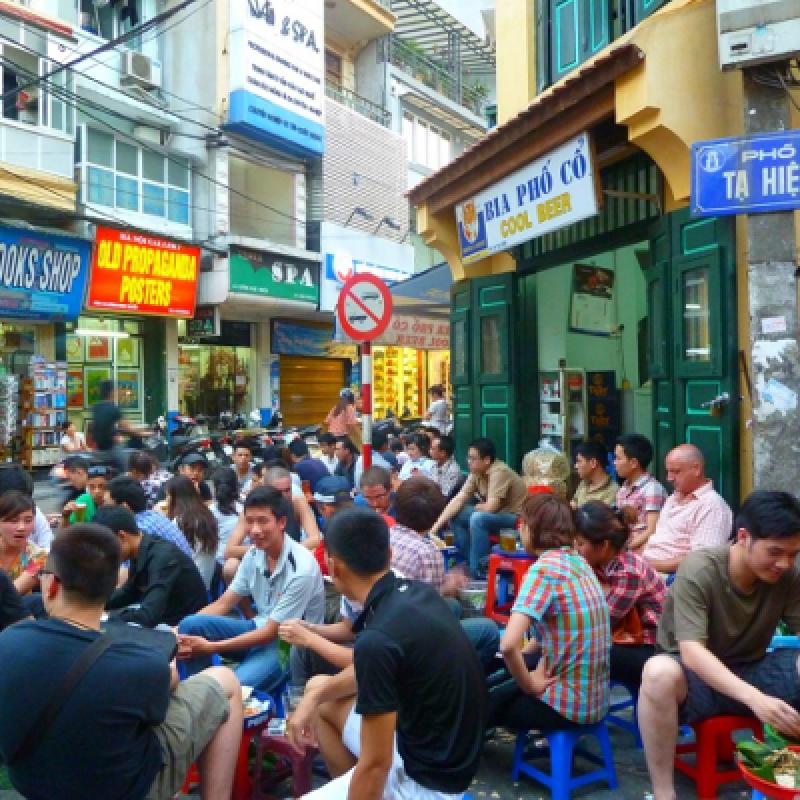
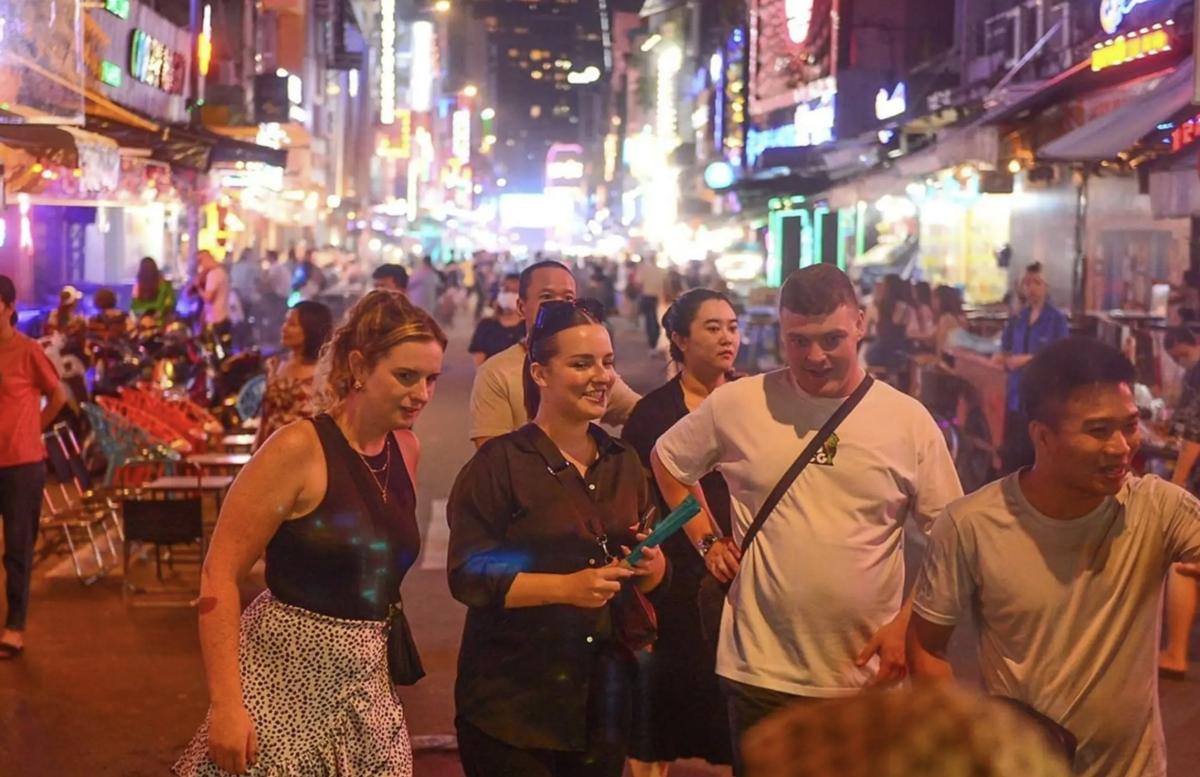
Vietnam Street Food Tours explore local dishes in the environments where many Vietnamese people eat them every day. Tours typically visit a sequence of food stalls, small restaurants, markets and neighborhood establishments rather than concentrating on formal dining.
Hanoi's Old Quarter is particularly popular for guided street-food experiences. Travelers can sample dishes such as pho, bun cha, banh mi and regional snacks while walking through historic streets.
Ho Chi Minh City provides a different experience because of the scale and diversity of its food scene. Street-food programs can explore several neighborhoods and introduce dishes from southern Vietnam as well as specialties originating elsewhere in the country.
Hoi An, Hue and Da Nang also provide strong street-food options, particularly for travelers interested in regional specialties.
Guided tours are useful for identifying dishes, understanding ingredients and discovering establishments that travelers might otherwise overlook.
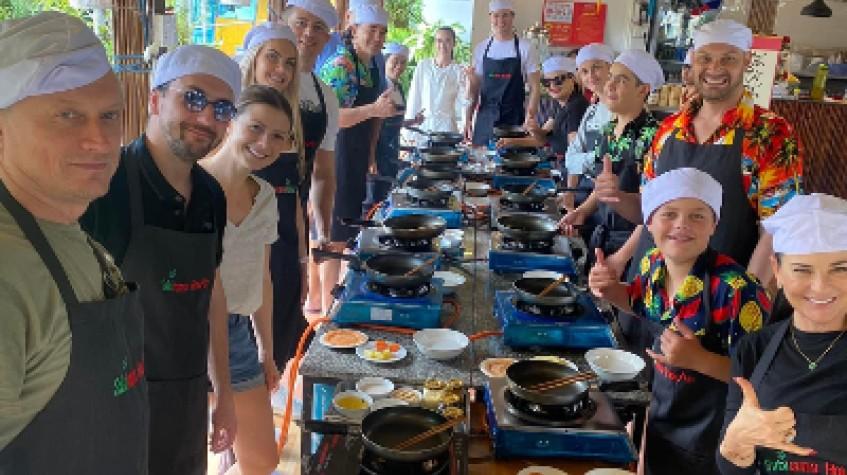
Vietnam Cooking Classes provide a practical introduction to the ingredients and techniques used in Vietnamese cuisine.
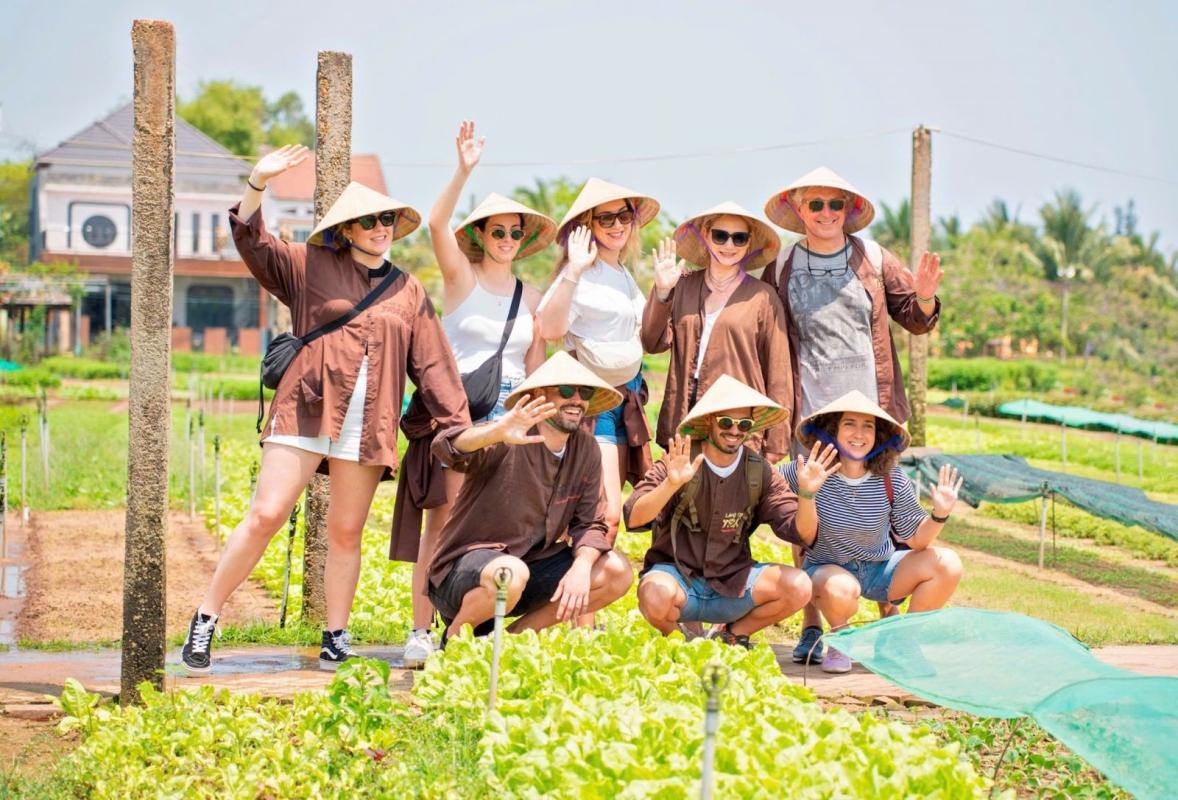
Many classes begin with a guided market visit. Participants can learn about herbs, vegetables, spices, noodles and other ingredients before returning to a cooking school, restaurant or local kitchen.
The dishes prepared vary according to destination and program. Classes may cover fresh spring rolls, Vietnamese pancakes, noodle dishes, salads, dipping sauces and other regional specialties.
Hoi An is particularly well known for cooking experiences, but classes are also widely available in Hanoi, Ho Chi Minh City and other tourism destinations.
Cooking classes can be incorporated into cultural tours or booked as individual half-day and full-day activities.
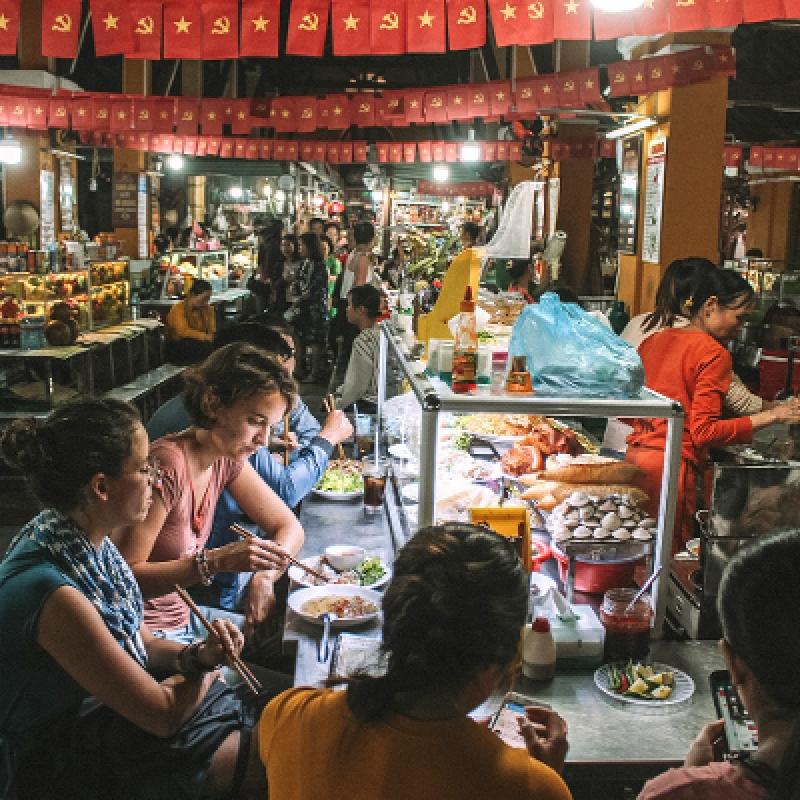
Vietnam Local Market & Food Tours provide insight into the ingredients and everyday commercial activity behind Vietnamese cuisine.
Markets can contain sections dedicated to fresh herbs, vegetables, tropical fruits, seafood, meat, noodles, spices and prepared foods. Morning visits can be particularly active as restaurants and local residents purchase ingredients for the day.
Guided market tours can explain how unfamiliar ingredients are selected and used, while food tastings provide opportunities to sample snacks, fruit and prepared dishes.
Some market programs continue directly into a cooking class, creating a complete experience from ingredient selection to preparation and tasting.
Vietnam Food Tasting Experiences can be designed around particular dishes, destinations or culinary themes.
Travelers in Hanoi can focus on northern specialties and coffee culture, while Hue provides opportunities to explore central Vietnamese and imperial-influenced cuisine. Hoi An combines local specialties with markets and cooking experiences, while Ho Chi Minh City offers one of the country's broadest selections of regional foods.
Tasting tours can also focus on Vietnamese coffee, tropical fruits, desserts, seafood or vegetarian cuisine depending on the destination.
For travelers visiting several regions, a multi-city culinary itinerary provides an opportunity to compare how ingredients, seasoning and cooking techniques change between northern, central and southern Vietnam.