
Free Cancellation

-high.jpg&w=1920&q=75 "The Evening Food Tour by Vespa & Private Bbq")
-(5)-high.jpg&w=1920&q=75 "Hoi An Countryside Jeep & My Son Holly Land Half Day")
-high.jpg&w=1920&q=75 "Hoi an Vespa Tour: Highlights and Hidden Gems")

-high.jpg&w=1920&q=75 "Hoi an Countryside Jeep Tour: Food, Culture, Real Life & Fun Experiences")
-high.jpg&w=1920&q=75 "Hoi an Countryside Vespa Tour: Food, Culture, Real Life & Fun Experiences")
-high.jpg&w=1920&q=75 "Hoi an Vespa Food Tour: Authentic & Exotic Food Culture")
Hội An Tours explore one of Vietnam's most distinctive historical and cultural destinations through its preserved old town, traditional architecture, temples, markets, countryside and local culinary traditions. Located in central Vietnam, Hội An developed as an important international trading port and today is particularly known for its UNESCO-listed Ancient Town.
Travelers can explore Hội An on walking tours, private sightseeing programs, food tours, cycling experiences and day trips into the surrounding countryside. The city's location also makes it easy to combine Hội An with Da Nang, My Son Sanctuary and other destinations across central Vietnam.
Tours range from short experiences within the historic center to multi-day Hội An trips combining cultural sightseeing, local food, beaches, traditional villages and nearby historical attractions.
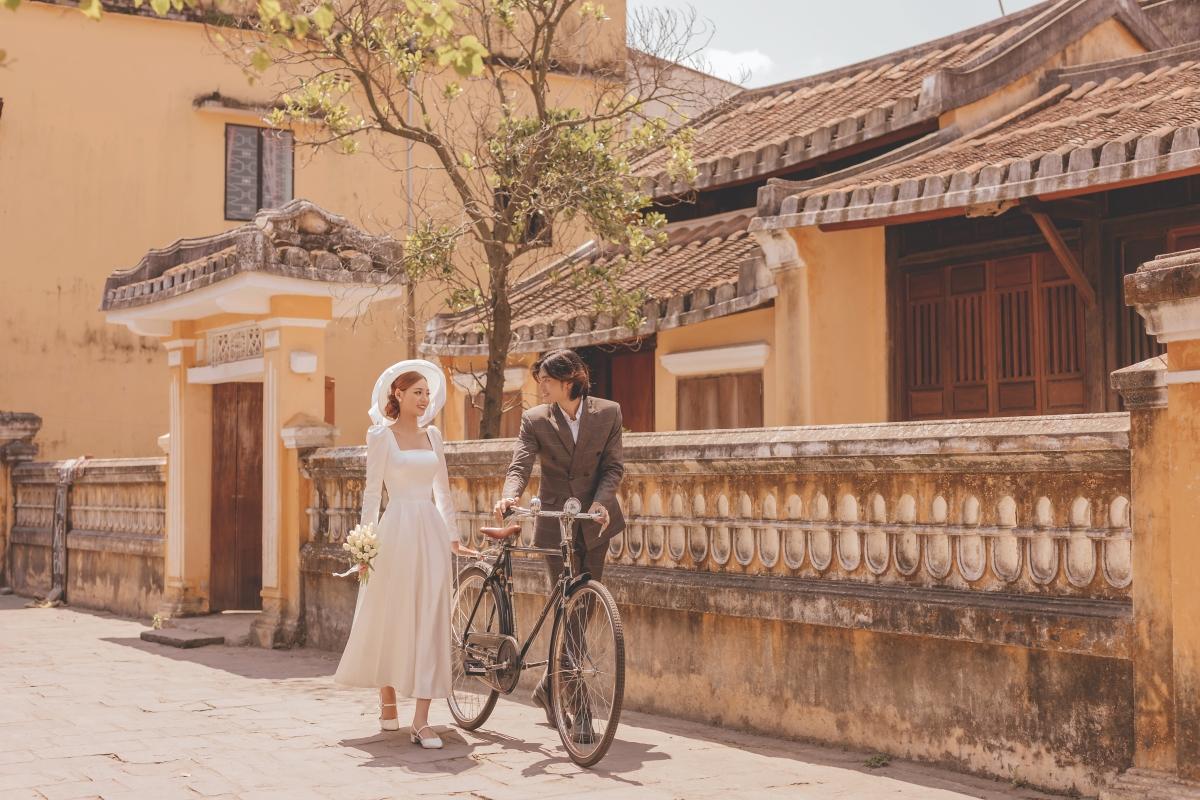
The Hội An Ancient Town is the center of most sightseeing programs. Recognized as a UNESCO World Heritage Site, the historic district preserves traditional houses, temples, assembly halls, shops and streets reflecting Hội An's development as an international trading port.
The Japanese Covered Bridge is one of the city's best-known historical landmarks and represents the influence of the Japanese community that once lived and traded in Hội An.
Traditional merchant houses provide further insight into the city's commercial history. Buildings such as the Old House of Tan Ky demonstrate architectural influences that developed through contact between Vietnamese, Chinese and Japanese communities.
Chinese assembly halls are another important part of Hội An's heritage. The Fujian Assembly Hall is among the most prominent and is frequently incorporated into guided walking tours.
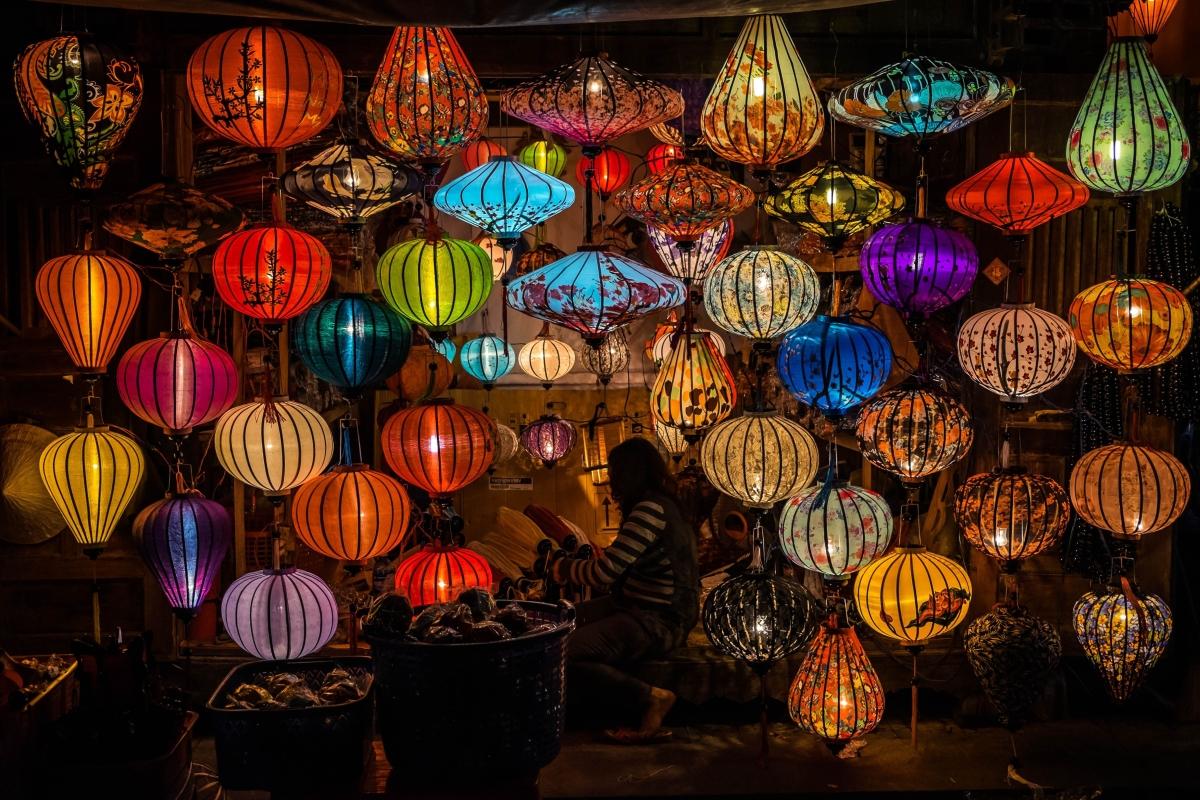
The Thu Bon River forms an important part of the historic landscape. Visitors can walk along the riverfront, explore nearby streets or take boat trips, particularly during the evening when the old town becomes illuminated.
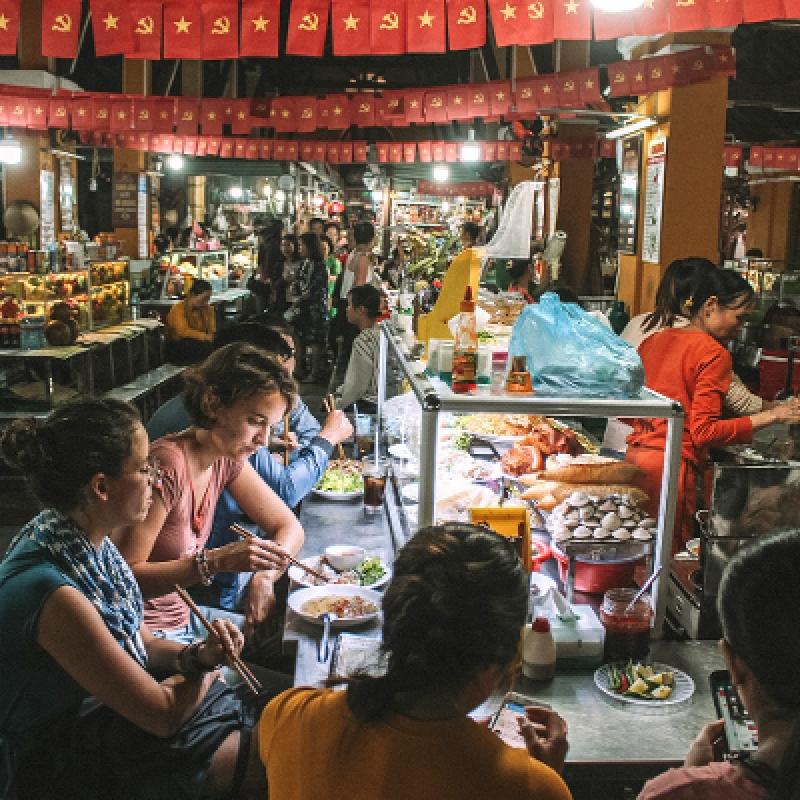
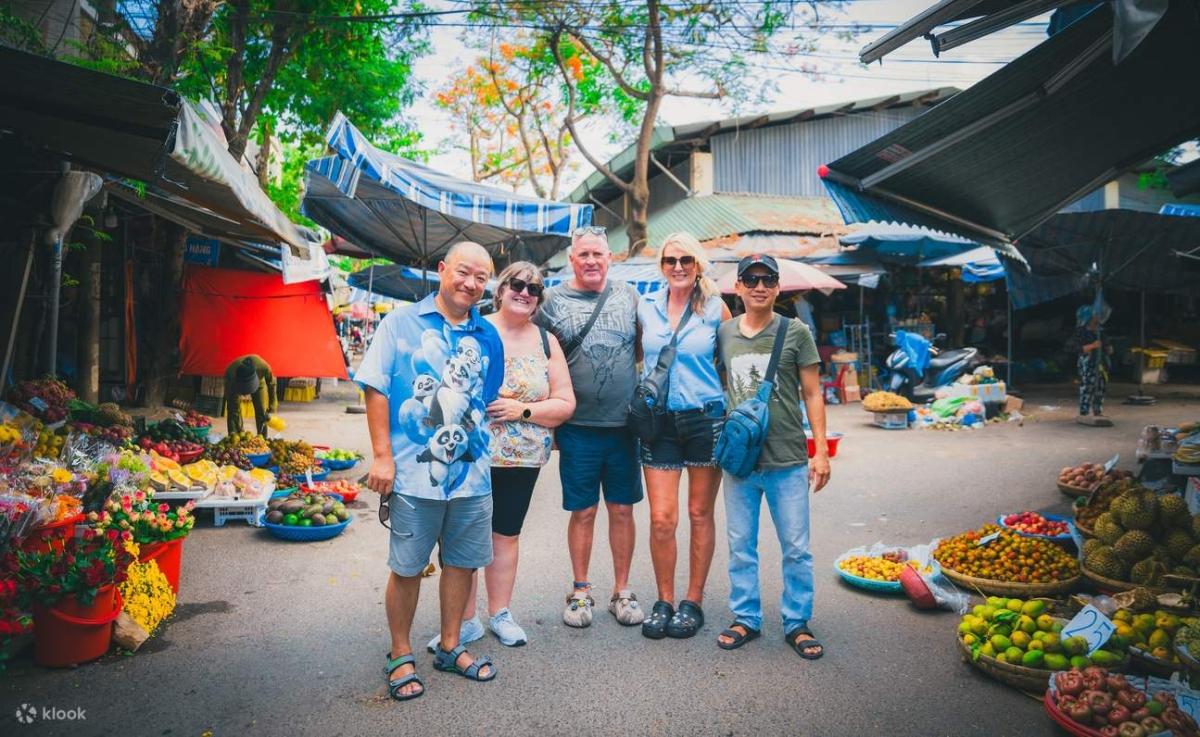
Hội An Central Market provides an introduction to local ingredients, produce and everyday food culture. The market is particularly relevant for travelers joining food tours and cooking classes.
Beyond the historic center, tours can include traditional craft villages, rice-growing countryside and coastal areas around Hội An.
Hội An Trips can combine historical sightseeing with food, countryside experiences and relaxation. The compact nature of the Ancient Town makes it possible to explore many principal attractions on foot, while additional days provide time to discover areas outside the center.
A two or three-day itinerary can include a guided Ancient Town tour, local food experiences and an excursion into the surrounding countryside. Travelers with more time can add cooking classes, cycling tours, beaches or day trips to My Son Sanctuary and Da Nang.
Hội An is particularly known for its culinary traditions. Local specialties include cao lau, a noodle dish closely associated with the city, as well as dishes such as white rose dumplings, banh mi and regional seafood.
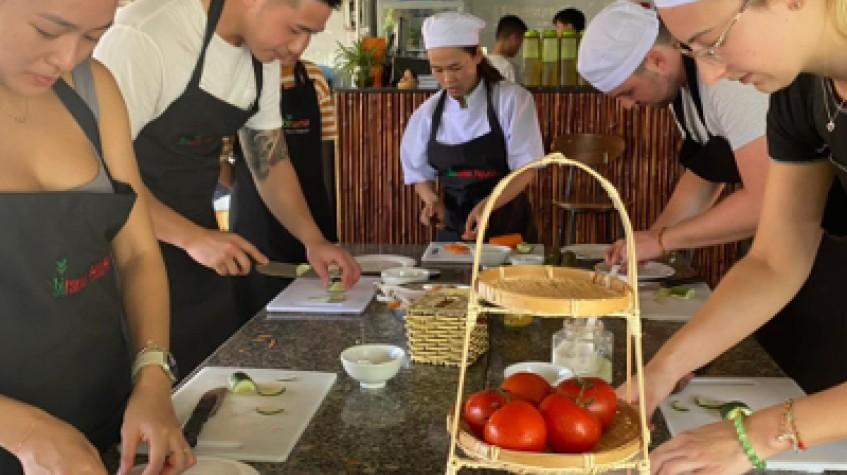
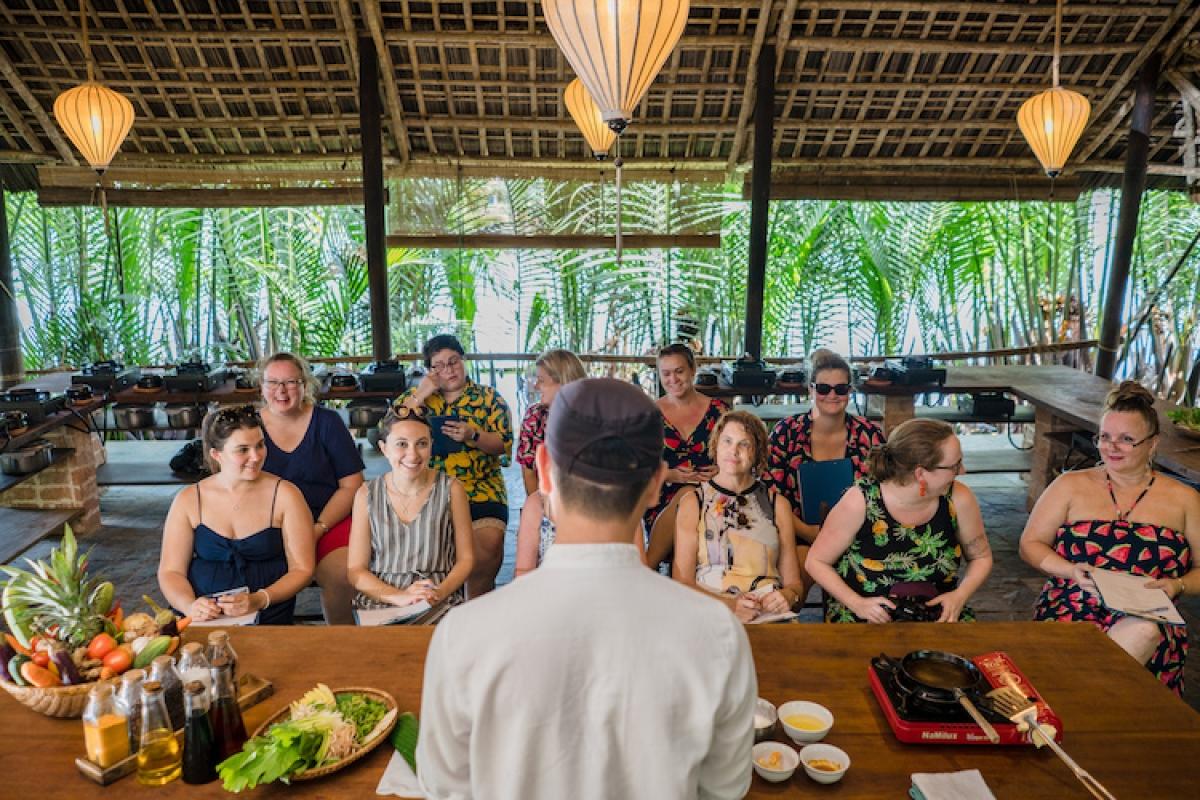
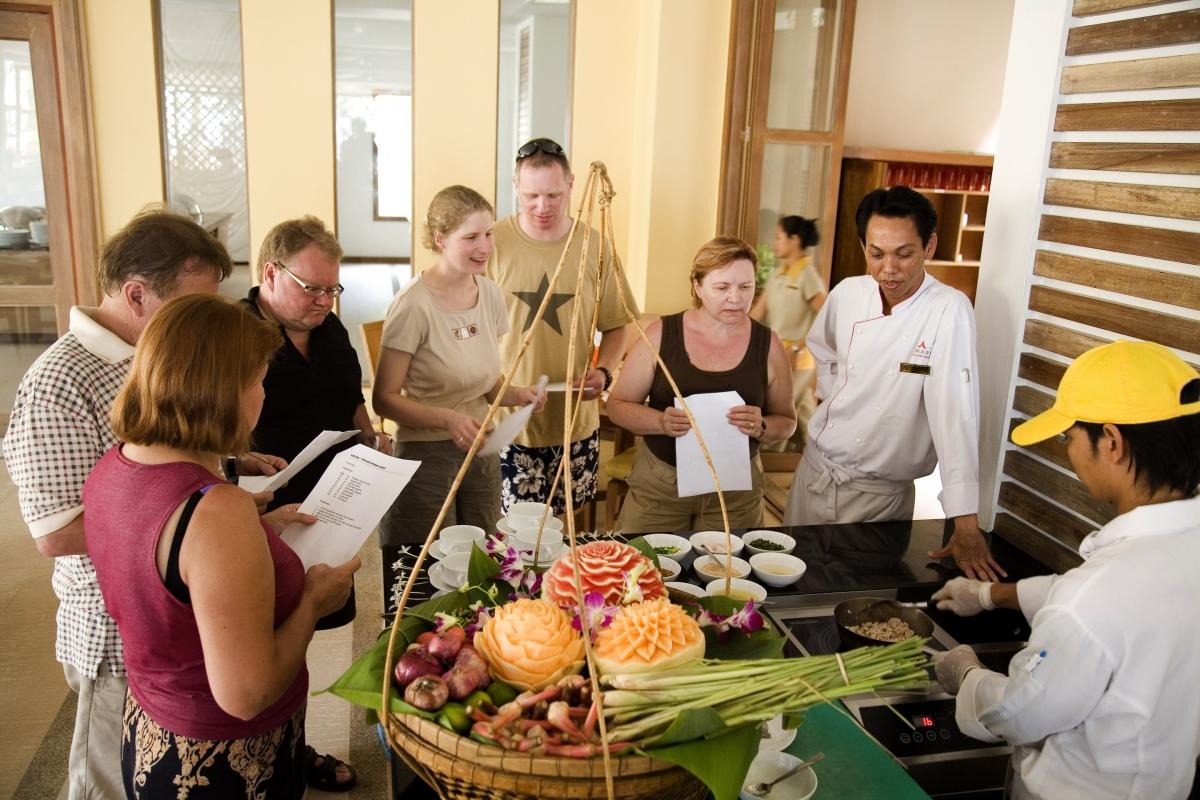
Cooking classes can also be incorporated into Hội An trips. Many programs combine a local market visit with ingredient introductions and practical cooking sessions.
For travelers exploring several parts of Vietnam, Hội An can form part of a central Vietnam itinerary together with Hue and Da Nang.
Hội An Day Tours provide several ways to experience the destination depending on individual interests.
Historical walking tours generally concentrate on Hội An Ancient Town, including merchant houses, assembly halls, temples, markets and the Japanese Covered Bridge area. These programs provide an introduction to the city's trading history and multicultural architectural heritage.
Food tours explore local specialties through markets, street-food establishments and small restaurants. Evening food tours can combine tastings with the atmosphere of the illuminated historic center.
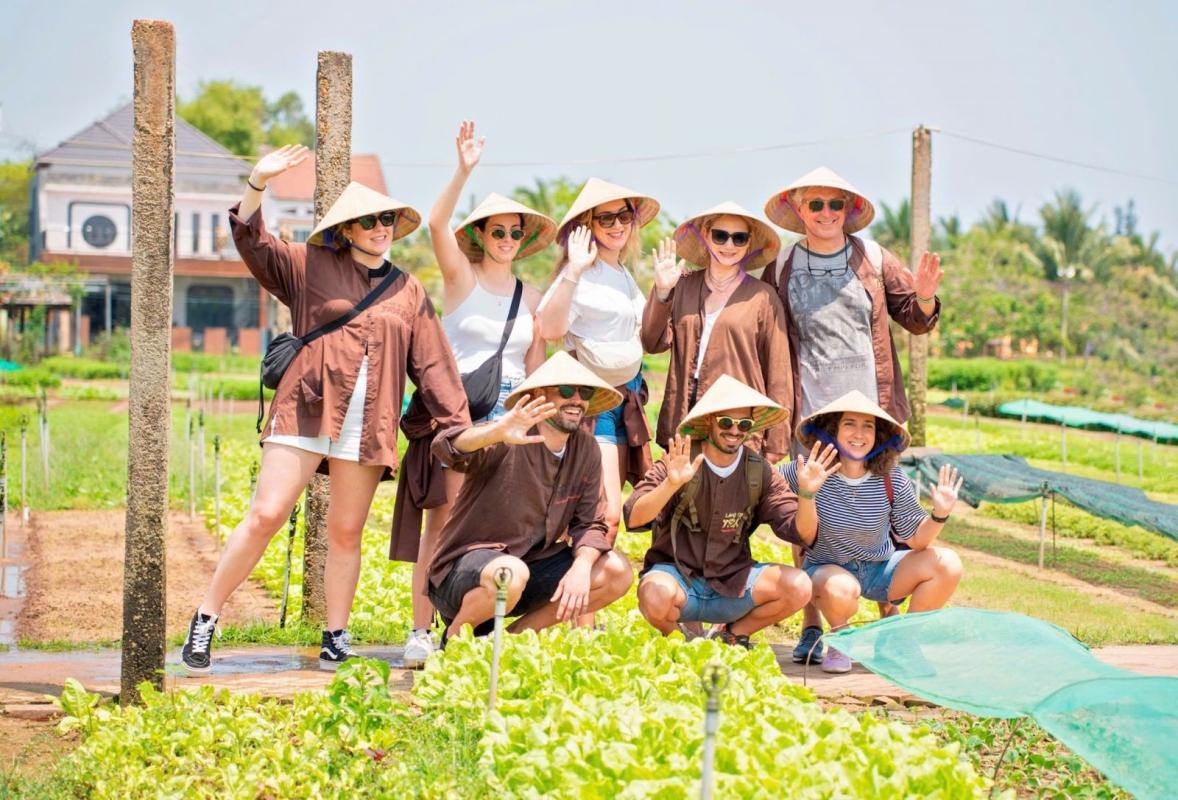
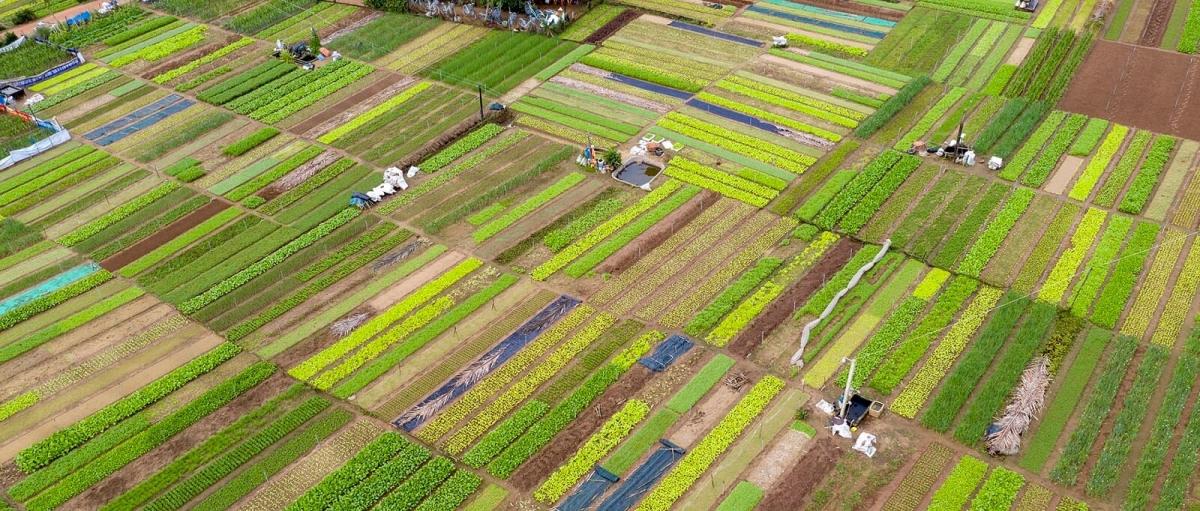
Cycling tours provide access to the countryside surrounding Hội An. Routes can pass rice fields, villages and agricultural areas while providing a contrast to the busy historic center.
Cooking experiences are another popular option and can range from short classes to longer programs incorporating market visits and local ingredients.
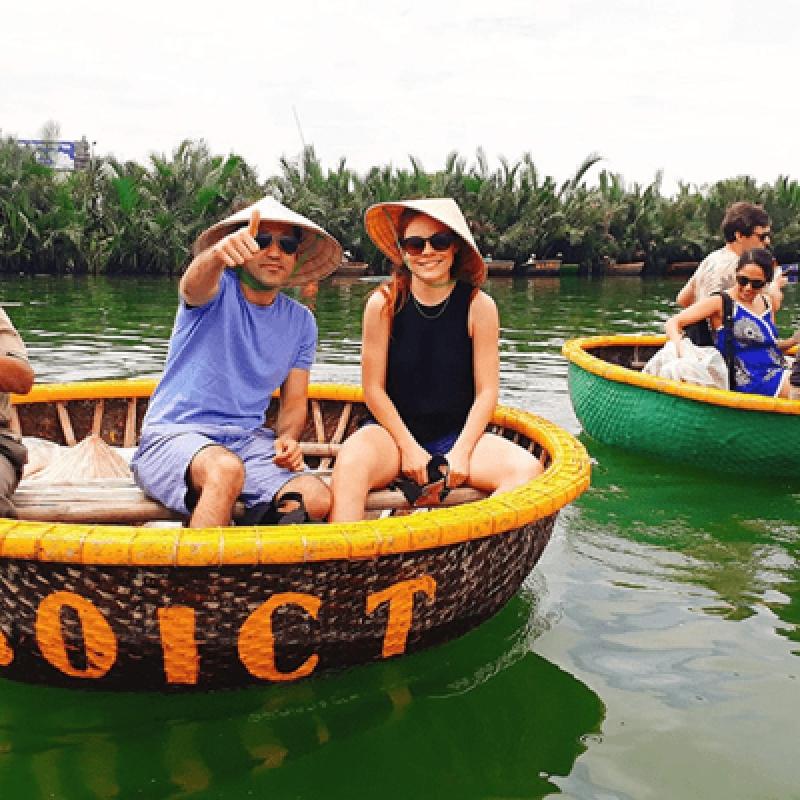
Boat trips on the Thu Bon River can also be included as part of a half-day or full-day Hội An itinerary.
Private Hội An Tours provide flexible sightseeing for couples, families and small groups. Itineraries can be adapted according to interests such as history, architecture, food, photography or traditional Vietnamese culture.
A private historical tour can concentrate on the UNESCO-listed Ancient Town, while a broader itinerary can combine the historic center with countryside villages, markets and culinary experiences.
Private transportation can also be arranged for destinations outside Hội An. This makes it possible to combine the city with My Son Sanctuary, Da Nang or other attractions within central Vietnam.
Travelers can also create private multi-day programs connecting Hội An with Hue and Da Nang, allowing more time to explore the cultural differences between the major destinations of central Vietnam.
Hội An's location provides access to several important historical, cultural and natural destinations.
My Son Sanctuary is one of the most significant day trips from Hội An. The UNESCO-listed archaeological complex contains the remains of Hindu temples associated with the Champa civilization. A guided visit provides insight into Cham history, religion and architecture.
Da Nang can also be visited from Hội An. Attractions in and around the city include the Marble Mountains, coastal areas, museums and the Son Tra Peninsula.
The Marble Mountains, located between Hội An and central Da Nang, contain caves, pagodas, viewpoints and religious sites and can be incorporated into a half-day or full-day excursion.
Travelers interested in beaches can spend time along the coastline near Hội An or combine sightseeing with a visit to the beaches around Da Nang.
Longer excursions can also connect Hội An with Hue, although an overnight or multi-day itinerary may provide a more comfortable way to explore the former imperial capital.
Hội An has a tropical climate, and weather conditions vary significantly throughout the year.
The period from approximately February to April is often suitable for sightseeing, cycling and walking tours, with generally warm conditions before the hottest part of the year.
From May through August, temperatures can become considerably warmer. These months can still be suitable for combining sightseeing with coastal activities, although midday temperatures should be considered when planning walking tours.
Rainfall generally increases during the later part of the year. September through January can bring heavier rain, and flooding can occasionally affect parts of the historic center during particularly wet periods.
Because conditions vary from year to year, travelers should consider current weather forecasts when planning outdoor activities and excursions.