
Free Cancellation
-high.jpg&w=1920&q=75 "Cam Thanh Coconut Jungle, Hoi An Ancient Town & Flower Lantern Release Tour")
-high.jpg&w=1920&q=75 "Marble Mountains, Am Phu Cave & Monkey Mountain Morning Tour from Hoi An")
-high.jpg&w=1920&q=75 "Marble Mountains, Am Phu Cave & Monkey Mountain Tour – Da Nang from Hoi An")
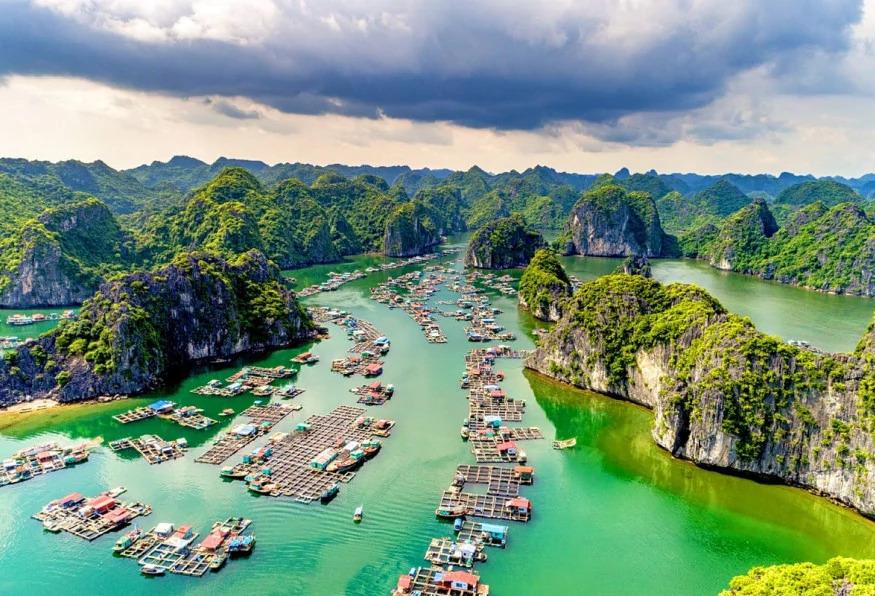
-high.jpg&w=1920&q=75 "7 Days Vietnam Essential Tour")
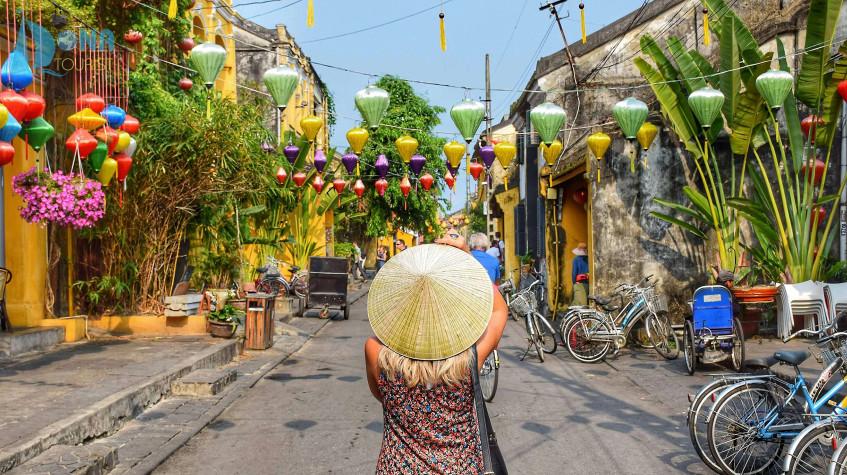
-high.jpg&w=1920&q=75 "10 Days Vietnam Elite Tour")
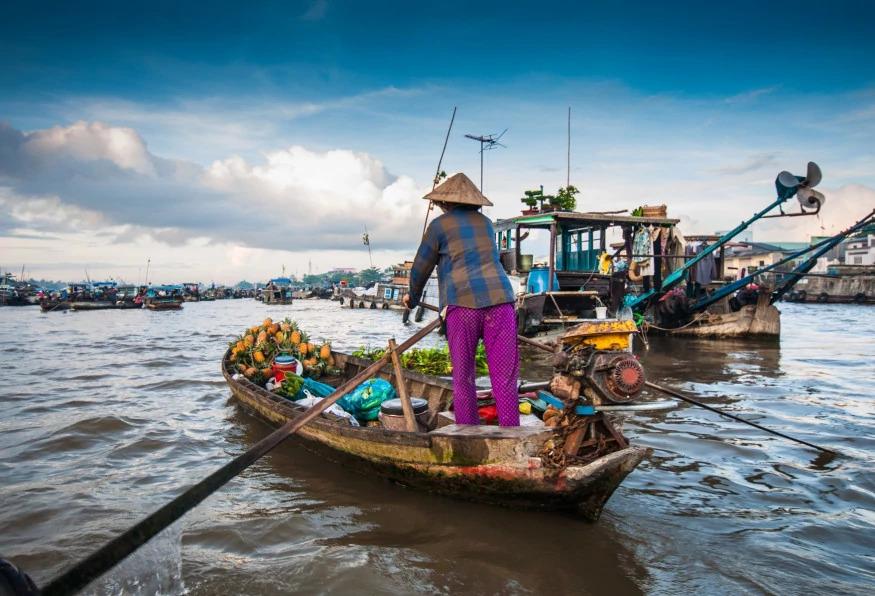
-high.jpg&w=1920&q=75 "10 Days Vietnam in Style Tour")
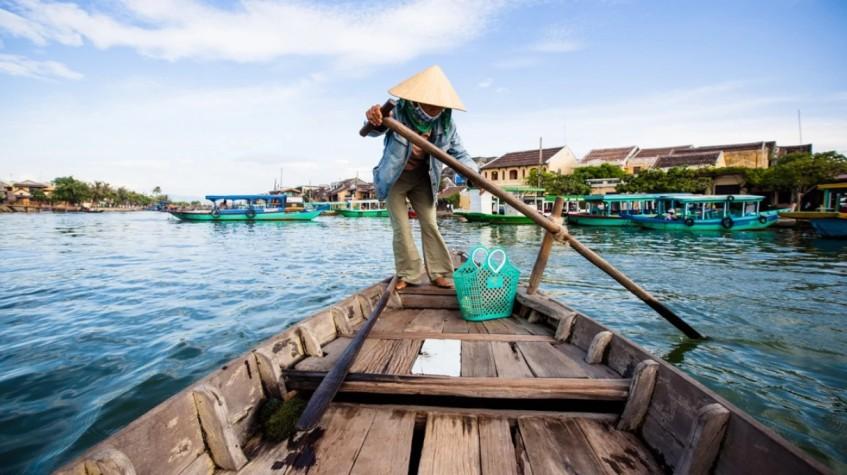

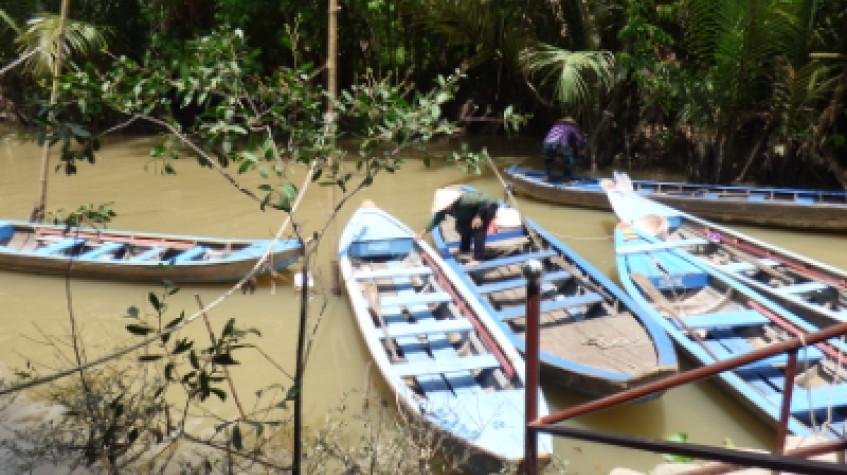
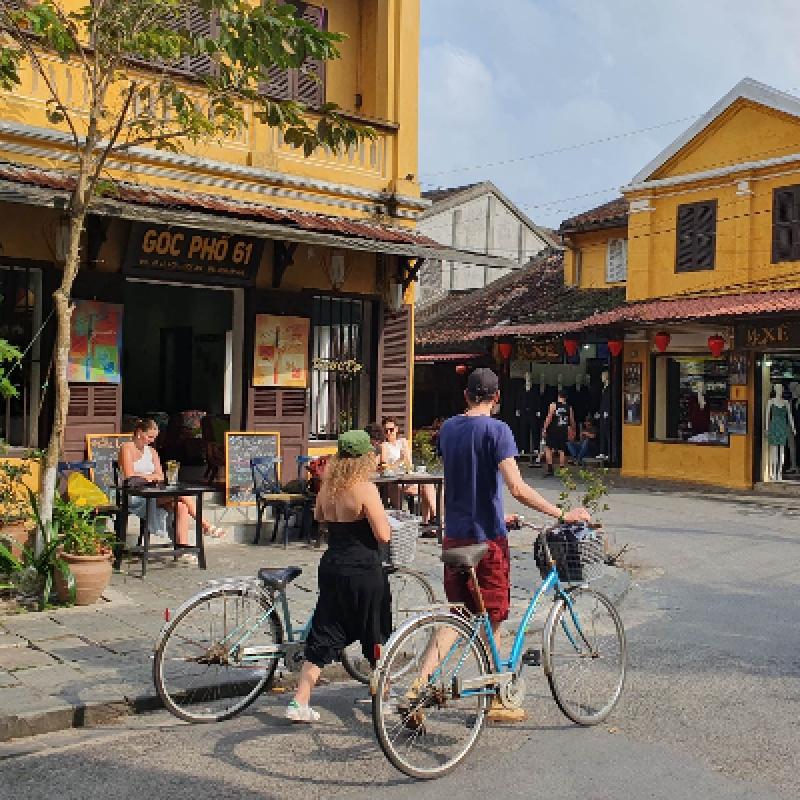
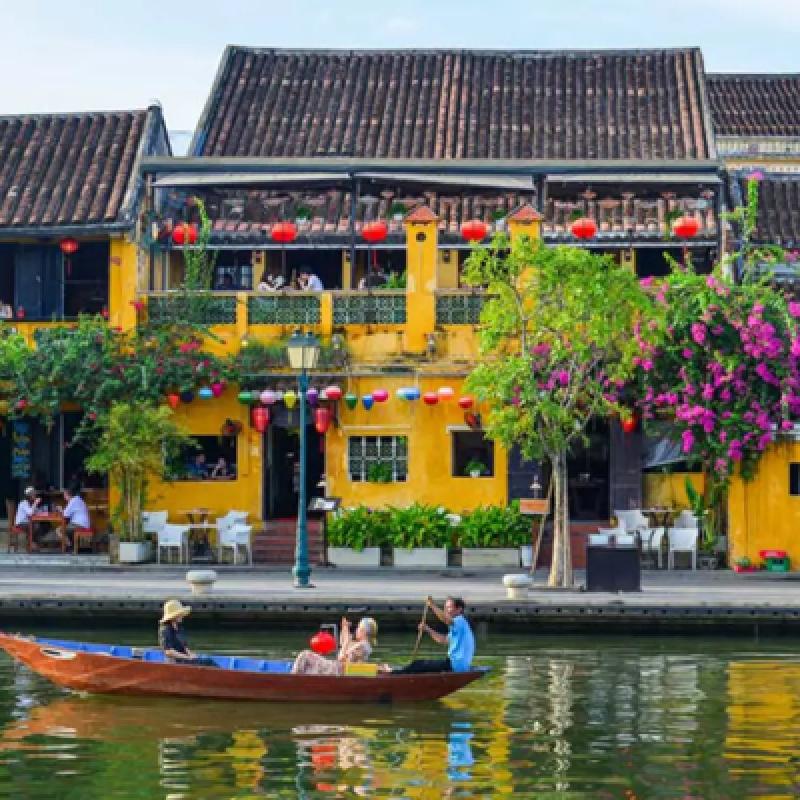
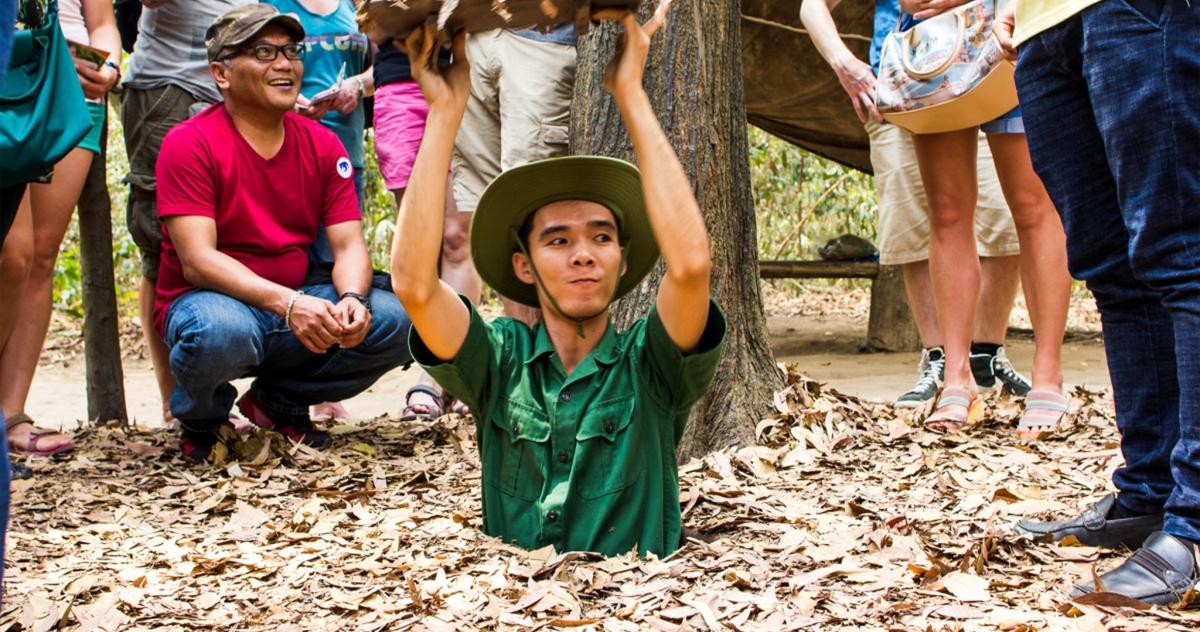
Hoi An Culture & Historical Tours explore one of Vietnam's most distinctive heritage destinations through its preserved merchant houses, assembly halls, temples and traditional craft villages. Located in central Vietnam, Hoi An was an important international trading port from the fifteenth to nineteenth centuries, bringing together Vietnamese, Chinese, Japanese and European influences.
The UNESCO-listed Hoi An Ancient Town is the center of most cultural itineraries. Its narrow streets, historic buildings and riverside setting provide an opportunity to understand the town's commercial past and the traditions that continue to shape local life.
Travelers can choose guided walking tours, private historical experiences or multi-day programs combining Hoi An with My Son Sanctuary, Da Nang and Hue. Cultural tours can also include traditional crafts, local cuisine and visits to nearby villages.
A Hoi An Cultural Tour introduces travelers to the town's living heritage through architecture, religious traditions, local communities and everyday customs. The Ancient Town is particularly suitable for walking tours because many of its principal attractions are located within a compact historic area.
Guided programs can include visits to traditional merchant houses, Chinese assembly halls and temples, where travelers can learn about the communities that contributed to Hoi An's development as a trading port.
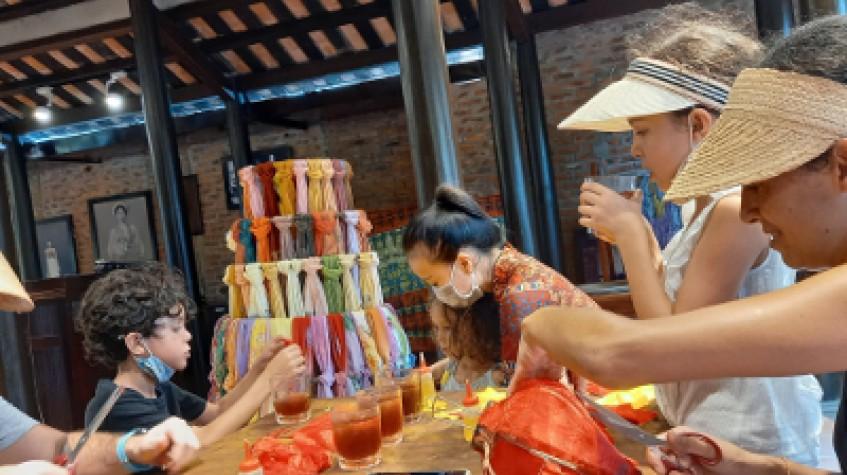
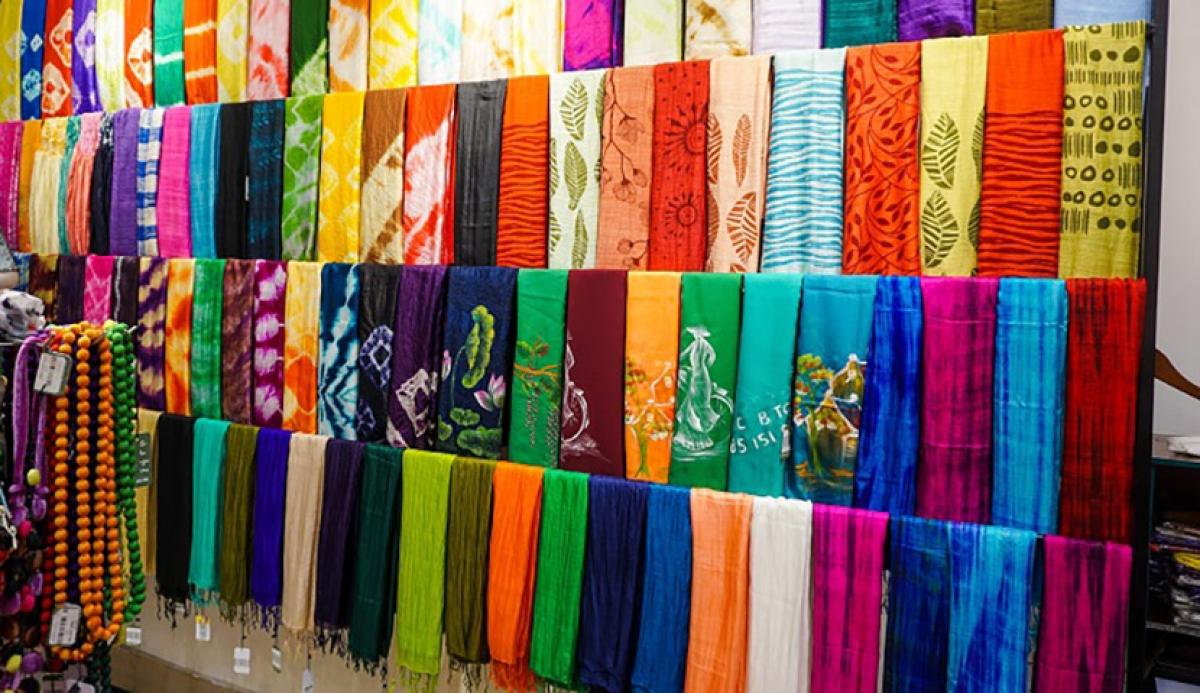
The town's cultural identity is also reflected in its lantern-making traditions, tailoring workshops and regional cuisine. Experiences such as cooking classes, market visits and craft workshops provide a more interactive introduction to local life.
Private cultural tours allow travelers to explore at a comfortable pace and focus on specific interests, whether architecture, photography, food or traditional Vietnamese crafts. Selected programs can also include transportation to nearby villages and historical sites.
Hoi An Historical Tours focus on the town's role as a major trading port and the architectural heritage preserved within its historic center. During its commercial peak, Hoi An attracted merchants from different parts of Asia and Europe, contributing to the distinctive character of its buildings and cultural traditions.
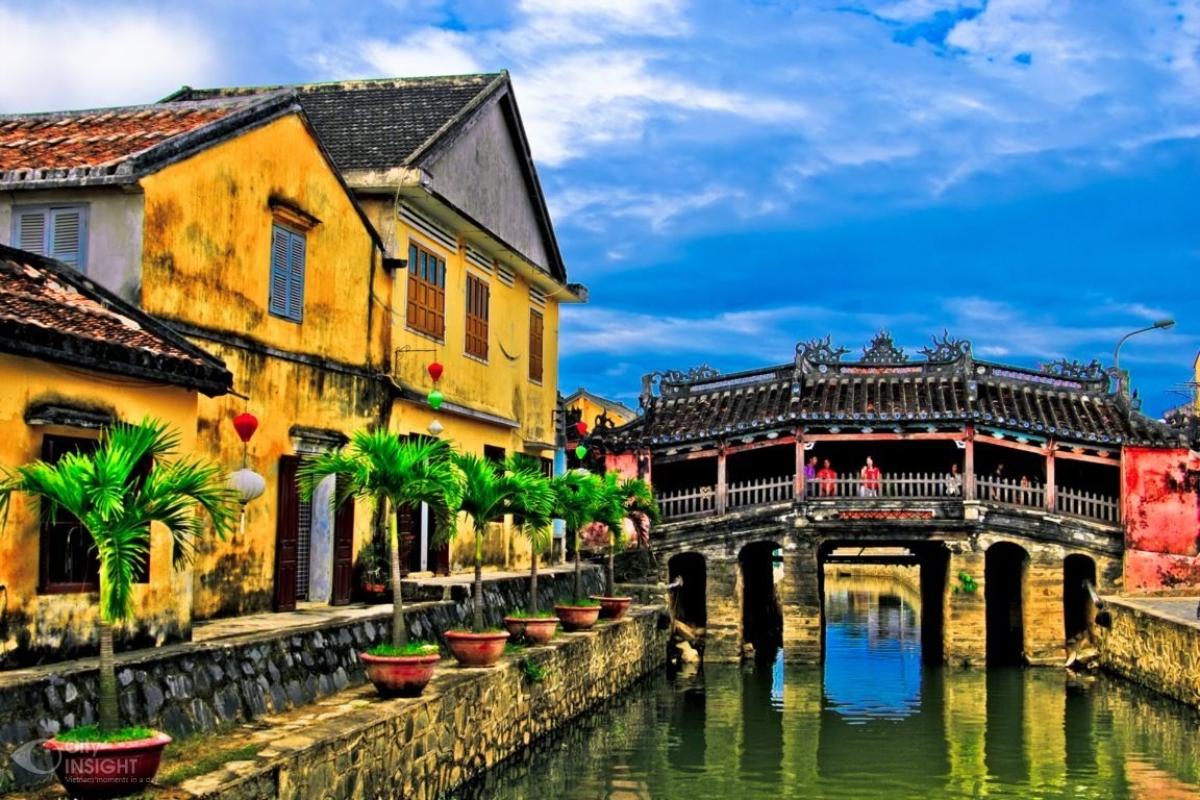
The Japanese Covered Bridge is one of the town's most recognizable landmarks and reflects the historical presence of Japanese merchants. Traditional houses such as Tan Ky Old House provide insight into the lives of merchant families and the architectural influences associated with Hoi An's trading history.
Chinese assembly halls, including the Fujian Assembly Hall, are important examples of the town's religious and community heritage. Their decorative architecture, courtyards and ceremonial spaces illustrate the influence of Chinese merchant communities.
Historical tours can also extend beyond Hoi An to My Son Sanctuary, a UNESCO World Heritage Site associated with the ancient Champa civilization. Located inland from Hoi An, the sanctuary contains the remains of Hindu temple complexes constructed over many centuries.
Combining Hoi An Ancient Town with My Son Sanctuary provides a broader understanding of central Vietnam's history, from the Champa civilization to the later development of Hoi An as an international trading port.
The Hoi An Ancient Town is the principal attraction and the foundation of most historical itineraries. Its preserved streets contain merchant houses, temples, assembly halls and traditional shops that reflect the town's long commercial history.
The Japanese Covered Bridge is a distinctive architectural landmark associated with Hoi An's Japanese trading community. Its design and historical significance make it one of the most frequently visited sites in the Ancient Town.
Tan Ky Old House is a traditional merchant residence that illustrates the combination of Vietnamese, Chinese and Japanese architectural influences. Visitors can explore its historic interiors and learn about the family and commercial traditions associated with the property.
The Fujian Assembly Hall is an important religious and community landmark. Its elaborate entrance, courtyards and decorative details reflect the heritage of Hoi An's Chinese merchant communities.
My Son Sanctuary, located outside Hoi An, offers a different historical experience through the remains of ancient Champa temples. Guided visits explain the site's religious significance, architecture and role in the history of central Vietnam.
Tra Que Vegetable Village provides an opportunity to explore traditional agricultural practices and local food culture. Visitors can learn about vegetable cultivation and participate in selected farming or cooking experiences.
Thanh Ha Pottery Village is known for its long-standing ceramic traditions. Craft-focused visits can introduce travelers to local pottery-making techniques and the role of traditional workshops in the region's cultural heritage.
Hoi An's cultural heritage extends beyond its historic buildings. Traditional crafts, cuisine and village life provide opportunities to experience the customs that continue to shape the region.
Lantern-making workshops are among the town's most popular cultural activities. Participants can learn about the materials and techniques used to create Hoi An's distinctive colorful lanterns.
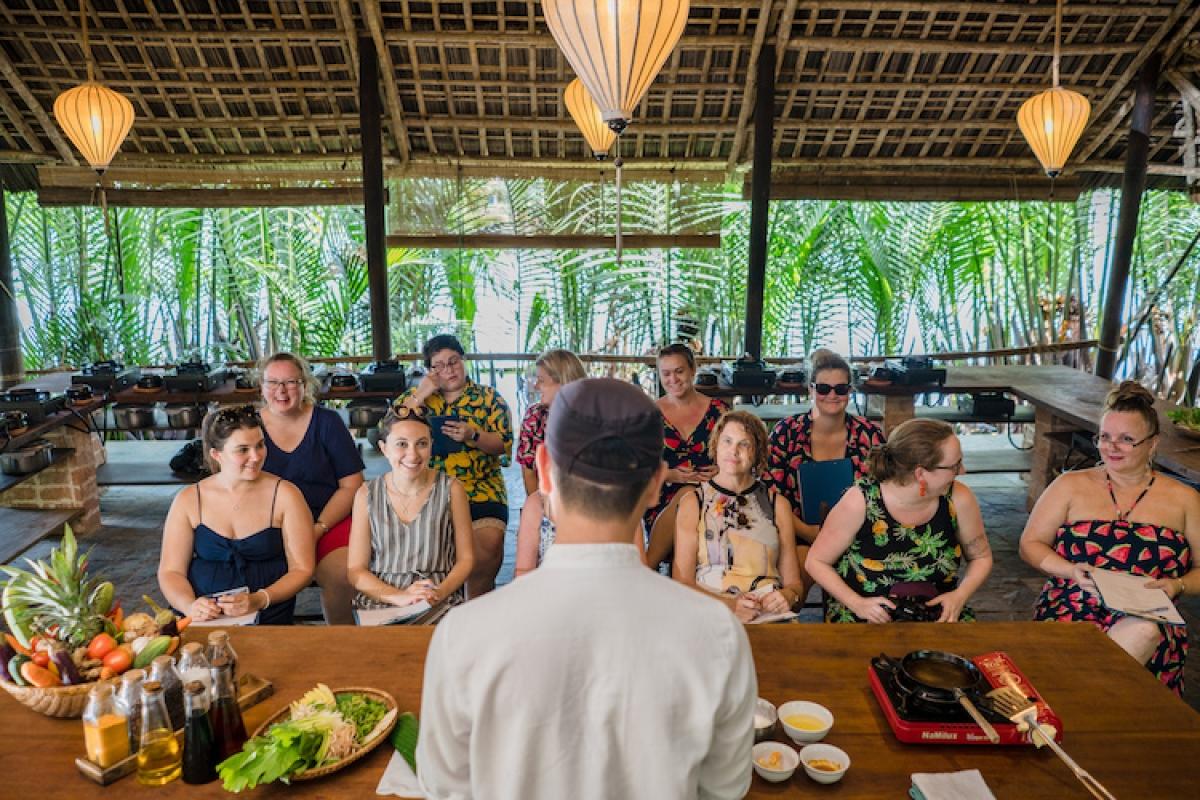
Cooking classes introduce travelers to central Vietnamese cuisine through market visits, ingredient preparation and hands-on cooking. Local specialties include cao lau, white rose dumplings and other dishes associated with Hoi An's culinary traditions.
Tra Que Vegetable Village offers experiences connected with traditional farming and regional food production. Visitors can explore the village's gardens and learn about the cultivation of herbs and vegetables used in local cuisine.
Thanh Ha Pottery Village provides an introduction to ceramic craftsmanship, while other nearby communities offer opportunities to discover traditional occupations and rural life.
Travelers can also enjoy walking along the Thu Bon River, exploring local markets and experiencing the Ancient Town's evening atmosphere. Private cultural programs can combine these activities with historical sightseeing for a more comprehensive introduction to Hoi An.