

Free Cancellation

-high.jpg&w=1920&q=75 "10 Days Vietnam in Style Tour")








Ninh Binh Tours explore one of northern Vietnam's most distinctive natural and cultural regions through limestone karst landscapes, rivers, caves, ancient temples and rural scenery. Located south of Hanoi, Ninh Binh is particularly known for the Trang An Landscape Complex, Tam Coc and Hoa Lu Ancient Capital.
Often described as a land-based counterpart to Ha Long Bay because of its dramatic limestone formations, Ninh Binh combines nature with important historical sites. Travelers can take traditional boat journeys between limestone cliffs, visit temples associated with early Vietnamese dynasties, cycle through the countryside and climb to panoramic viewpoints.
Tours range from day trips from Hanoi to private and multi-day Ninh Binh trips. Travelers with additional time can stay overnight to explore the region at a slower pace and combine its major attractions within one itinerary.
The Trang An Landscape Complex is one of Ninh Binh's principal attractions and a UNESCO World Heritage Site. The area is characterized by limestone mountains, waterways, caves, valleys and cultural sites.
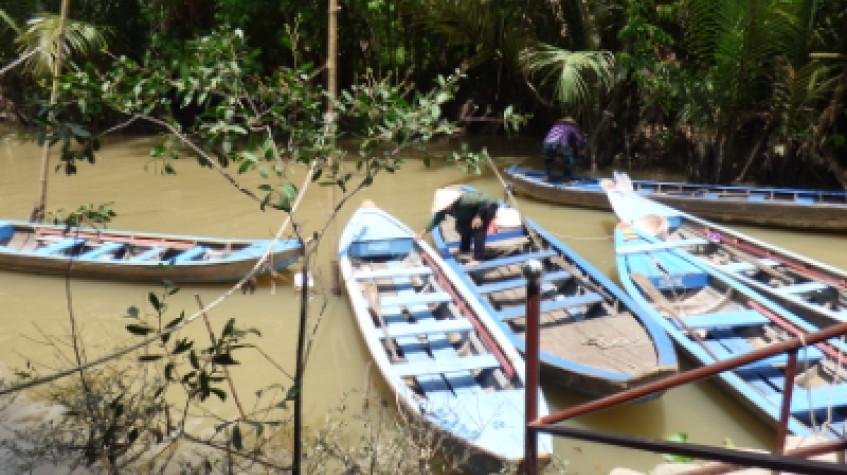
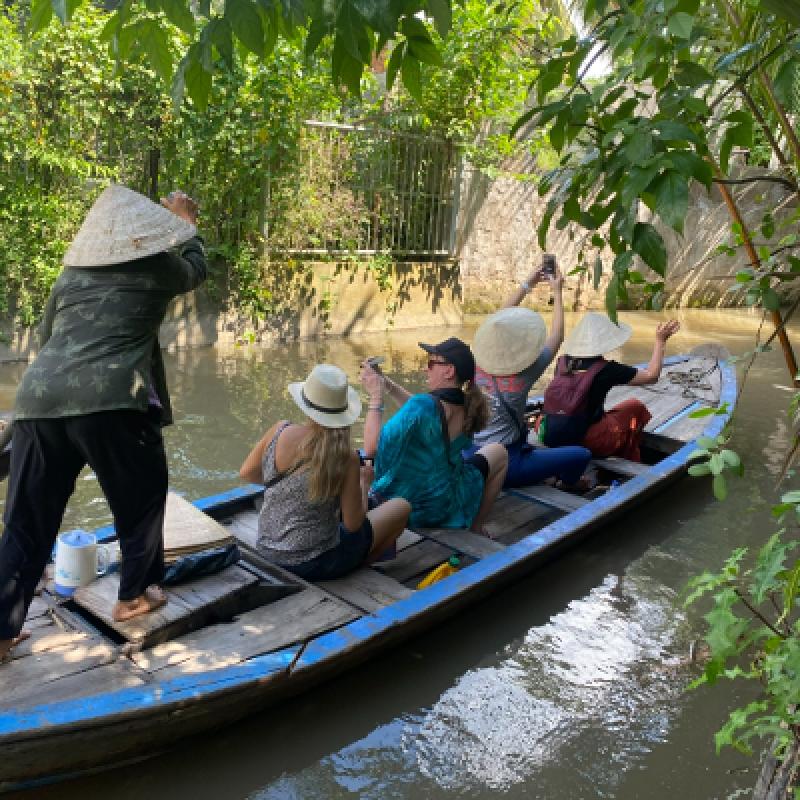
Traditional rowing boats provide one of the main ways to explore Trang An. Routes travel along waterways surrounded by karst formations and can pass through natural caves and stop at temples or other cultural sites.
Tam Coc offers another well-known boat experience. The landscape combines the Ngo Dong River with limestone formations and agricultural fields. Boat trips provide views of the surrounding countryside and pass through natural caves along the route.
Hoa Lu Ancient Capital is one of Ninh Binh's most important historical destinations. Hoa Lu served as the capital of Vietnam during the 10th and early 11th centuries and is associated particularly with the Dinh and Early Le dynasties. Today, visitors can explore temples and historical remains connected with this period.
Mua Cave, often referred to in connection with its viewpoint rather than only the cave itself, is popular with travelers seeking panoramic views. Reaching the upper viewpoint requires climbing a substantial series of steps, but the summit provides broad views across the limestone landscape and surrounding countryside.
Bich Dong Pagoda is another cultural attraction commonly incorporated into Ninh Binh itineraries. The historic pagoda complex is built into a limestone mountainside and can be combined with Tam Coc.
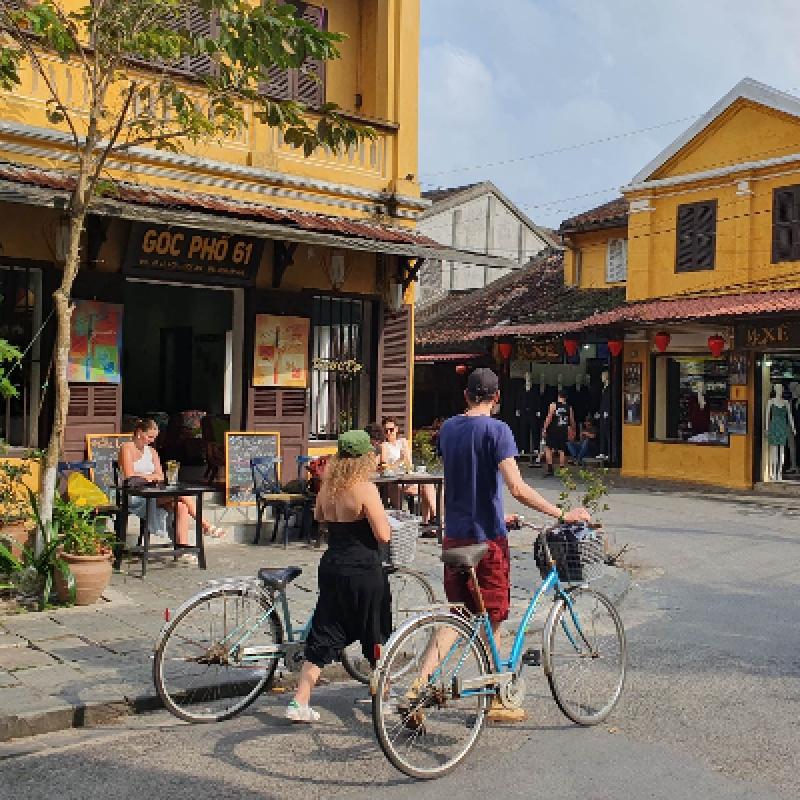
Travelers can also explore rural villages, rice-growing areas and quieter countryside routes by bicycle or on foot.
Ninh Binh Trips can combine natural scenery, Vietnamese history and outdoor activities within a relatively compact region.
A one-day itinerary can generally combine two or three principal attractions. Travelers might visit Hoa Lu Ancient Capital before taking a boat trip at Trang An or Tam Coc.
Two-day programs provide greater flexibility and can include both historical sightseeing and outdoor experiences without concentrating everything into a single day. Additional time can be used for Mua Cave, Bich Dong Pagoda, cycling or exploring quieter rural areas.
Travelers staying overnight can also experience Ninh Binh outside the busiest day-trip periods. Accommodation is available around Tam Coc and other tourism areas, providing convenient access to surrounding attractions.
Ninh Binh can also form part of a longer northern Vietnam itinerary combining Hanoi, Ha Long Bay and additional destinations.
Ninh Binh Boat Tours are among the most popular experiences in the region. Trang An and Tam Coc provide the two best-known options, although each offers a somewhat different experience.
At Trang An, traditional rowing boats travel through a network of waterways surrounded by limestone mountains. Depending on the selected route, the journey can include caves, temples and different sections of the UNESCO-listed landscape.
At Tam Coc, boats travel along the Ngo Dong River through agricultural scenery and limestone formations. The route passes through caves and provides particularly attractive views when surrounding fields are green or approaching harvest periods.
Boat journeys are generally combined with land-based sightseeing. A tour can include Hoa Lu in the morning followed by Trang An or Tam Coc, or combine a boat experience with Mua Cave.
Travelers should prepare for extended periods outdoors and consider sun protection, particularly during warmer months.
Ninh Binh Day Tours from Hanoi are popular because the region is close enough to the Vietnamese capital for a full-day excursion.
Tours generally depart Hanoi in the morning and combine several major attractions before returning in the evening. The exact itinerary varies according to the selected program.
A common route combines Hoa Lu Ancient Capital with Tam Coc, providing both historical sightseeing and a traditional boat journey.
Another option combines Hoa Lu with Trang An, allowing travelers to explore Vietnam's early dynastic history before experiencing the UNESCO-listed landscape by boat.
More active programs can include Mua Cave and its viewpoint. Cycling through rural areas may also be incorporated into selected itineraries.
Although a day trip provides a useful introduction to Ninh Binh, travelers interested in photography, nature or slower-paced travel may prefer to spend one or two nights in the region.
Private Ninh Binh Tours provide greater flexibility over transportation, sightseeing time and the attractions included in the itinerary.
Travelers can choose between Trang An and Tam Coc or incorporate both when staying for multiple days. Historical attractions such as Hoa Lu and Bich Dong Pagoda can be added according to individual interests.
Private programs can also include Mua Cave for travelers comfortable with the climb to the viewpoint.
For travelers starting in Hanoi, private transportation allows departure and return times to be adjusted more easily. Couples, families and small groups can therefore create an itinerary according to their preferred travel pace rather than following a fixed group schedule.
Private multi-day programs can also connect Ninh Binh with Hanoi and Ha Long Bay as part of a broader northern Vietnam journey.
Ninh Binh can be visited throughout the year, although scenery and weather conditions change between seasons.
Spring, particularly from February through April, generally provides comfortable temperatures for boat tours, cycling and historical sightseeing. The surrounding landscape can be green and conditions are often suitable for outdoor exploration.
The period around May and June can be attractive for travelers interested in the rice-growing landscapes around Tam Coc. Conditions can become warmer and more humid, but the agricultural scenery can be particularly distinctive.
Summer is generally hot, humid and rainy. Boat tours and sightseeing continue, although travelers should prepare for high temperatures and sudden rainfall.
Autumn, particularly September through November, can also provide favorable conditions for outdoor activities, with temperatures generally becoming more comfortable.
Winter can be cooler and occasionally cloudy or misty. These conditions can create a different atmosphere around the limestone landscapes, although visibility from viewpoints may vary.