
Free Cancellation
-high.jpg&w=1920&q=75 "7 Days Vietnam Essential Tour")
-high.jpg&w=1920&q=75 "10 Days Vietnam in Style Tour")
-high.jpg&w=1920&q=75 "Full day Hue imperial city from Danang")
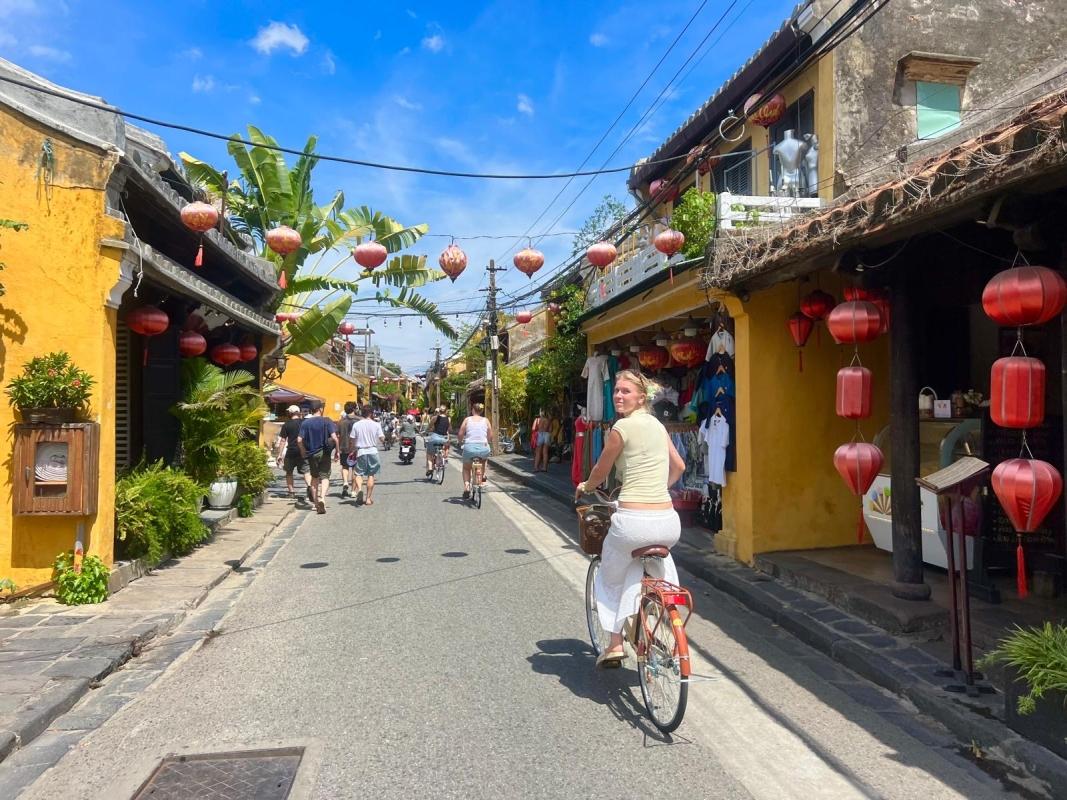
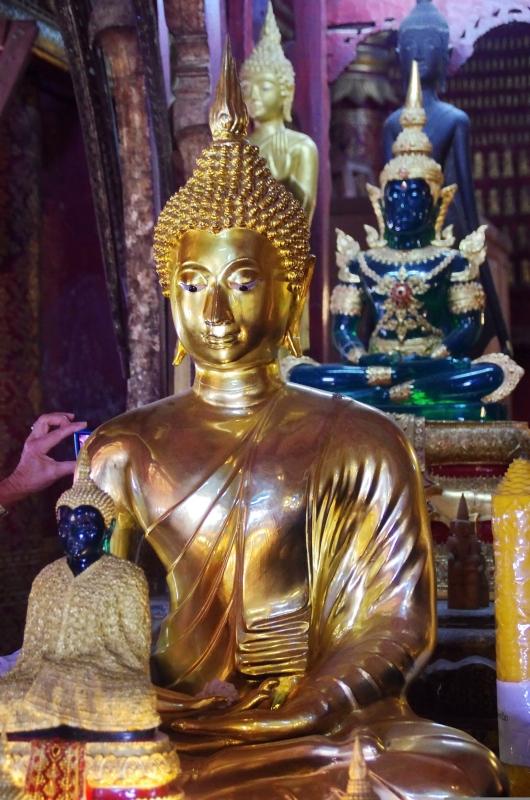
Hue Culture & Historical Tours offer travelers an opportunity to discover Vietnam's imperial heritage, traditional architecture, royal monuments and local culture. Located in central Vietnam, Hue served as the capital of unified Vietnam under the Nguyen Dynasty from 1802 until 1945 and remains one of the country's most important historical destinations.
The city's cultural landscape is centered around the Complex of Hue Monuments, a UNESCO World Heritage Site that includes the Imperial City and a wider collection of royal structures. Beyond the former imperial center, travelers can explore royal tombs, historic pagodas, traditional neighborhoods, markets and the Perfume River.
Hue cultural and historical tours range from half-day guided visits to full-day and multi-day itineraries. Travelers can focus specifically on Nguyen Dynasty history or combine historical sightseeing with traditional food, crafts, local markets and excursions through the surrounding countryside.
A Hue Cultural Tour introduces visitors to the traditions, architecture and everyday life that developed around Vietnam's former imperial capital. Royal customs remain an important part of the city's identity, while Buddhist traditions, regional cuisine and traditional crafts provide a broader understanding of local culture.
The Hue Imperial City is usually one of the principal stops on a cultural itinerary. Within the historic complex, travelers can discover gates, courtyards, temples and former royal spaces associated with the Nguyen Dynasty.
Religious heritage is another important part of Hue's cultural landscape. Thien Mu Pagoda, overlooking the Perfume River, is one of the city's best-known Buddhist landmarks and can be included in many guided sightseeing programs.
Local markets provide a different perspective on Hue culture. Dong Ba Market offers an opportunity to experience everyday commercial life while discovering regional ingredients, traditional products and local specialties.
Hue is also known for its distinctive cuisine. Culinary experiences may introduce travelers to dishes such as bun bo Hue, banh beo and other central Vietnamese specialties. Selected cultural tours can combine historical sightseeing with market visits or traditional food experiences.
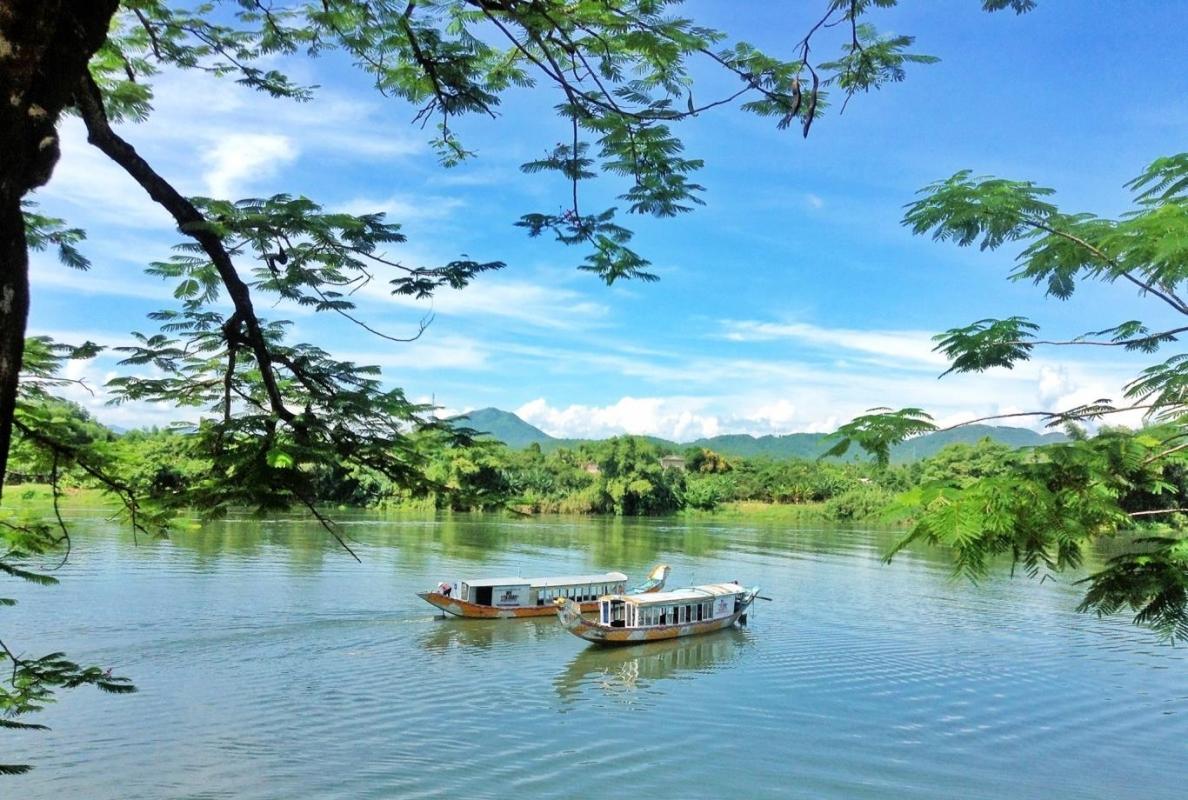
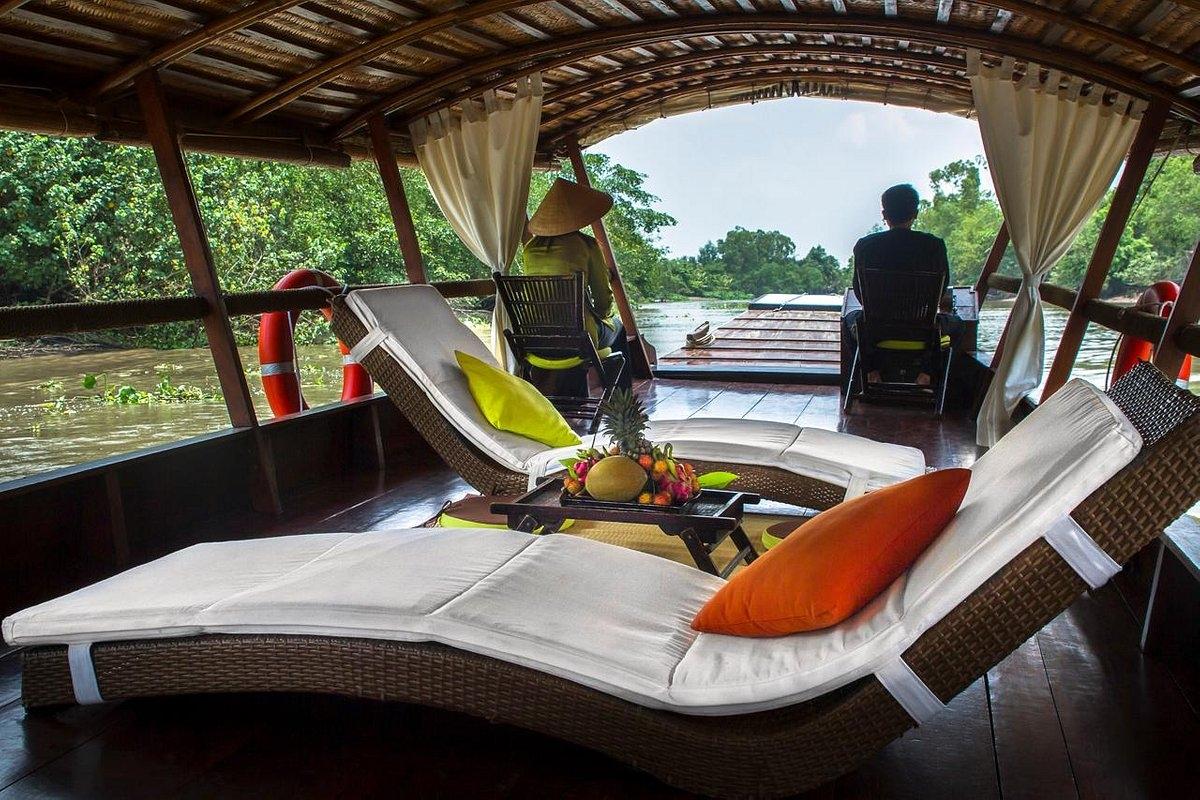
A journey along the Perfume River can complement a cultural itinerary, providing views of the city and access to selected historical and religious landmarks. Boat trips and other activities depend on the individual tour program.
Hue Historical Tours focus on the city's role as the political and royal center of Vietnam during the Nguyen Dynasty. The dynasty ruled from Hue between 1802 and 1945, leaving behind an extensive collection of palaces, temples, fortifications and royal tombs.
The Imperial City forms the centerpiece of many historical tours. Surrounded by defensive walls and a moat, the complex once contained administrative buildings, ceremonial spaces and royal residences. Guided visits help travelers understand the structure of the imperial capital and the lives of the emperors who ruled from Hue.
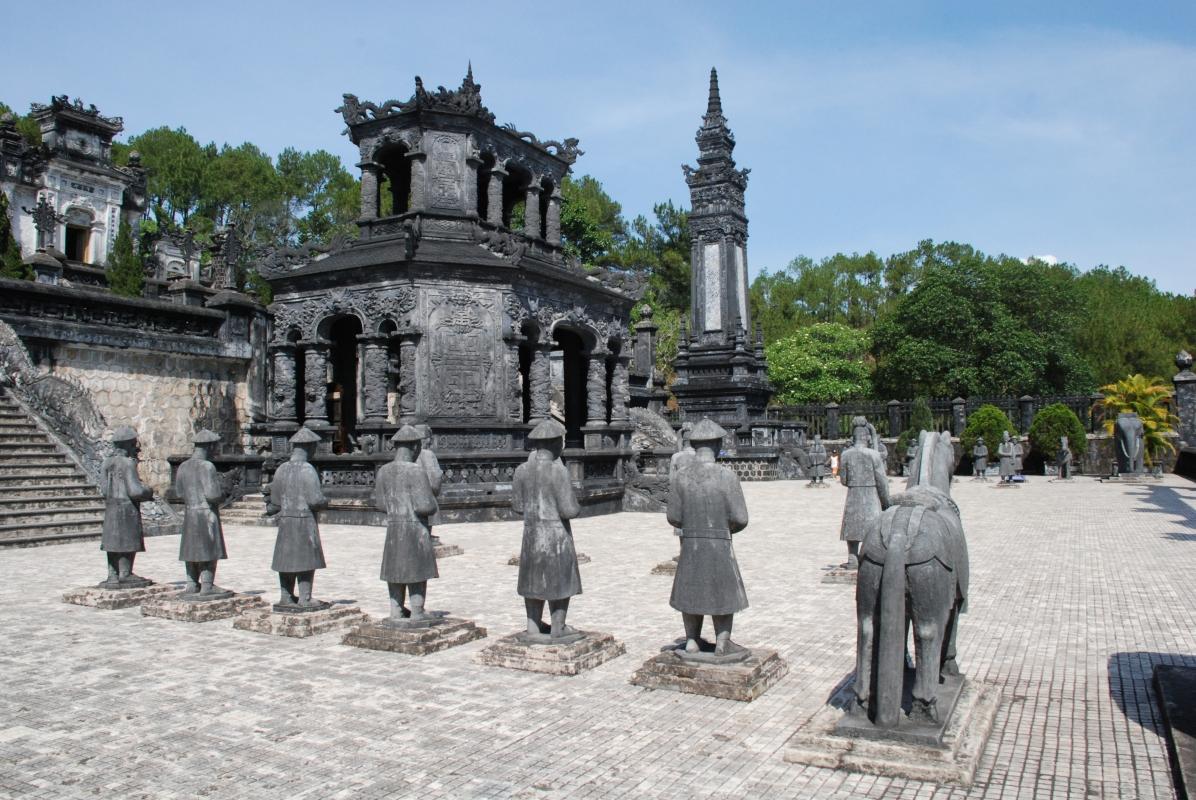
Outside the city center, the royal tombs of the Nguyen emperors are among Hue's most important historical attractions. The Tomb of Minh Mang is known for its balanced architectural layout and landscaped setting, while the Tomb of Khai Dinh combines Vietnamese design with European influences. The Tomb of Tu Duc is surrounded by gardens, water features and traditional structures.
Historical tours may also explore Hue's more recent past. The city experienced significant fighting during the twentieth century, particularly during the Vietnam War, adding another historical layer to its imperial heritage.
Travelers interested in a broader understanding of central Vietnam can combine Hue with Da Nang and Hoi An. This creates an itinerary connecting imperial history with Cham heritage, historic trading communities and important cultural landmarks.
Hue Imperial City: The former political and ceremonial center of the Nguyen Dynasty is Hue's most significant historical attraction. Visitors can explore monumental gates, courtyards, temples and reconstructed royal structures while learning about Vietnam's imperial era.
Forbidden Purple City: Located within the Imperial City, this area was historically reserved for the emperor, members of the royal family and selected servants. Although many structures were damaged or destroyed over time, ongoing conservation and reconstruction help visitors understand the original royal complex.
Thien Mu Pagoda: Situated beside the Perfume River, Thien Mu Pagoda is one of Hue's most recognizable religious landmarks. Its history and riverside location make it a popular stop on cultural and sightseeing tours.
Tomb of Emperor Minh Mang: This royal tomb is known for its harmonious combination of architecture, gardens, lakes and surrounding landscape. It reflects traditional concepts of imperial architecture and planning.
Tomb of Emperor Khai Dinh: Khai Dinh's tomb is distinctive for its elaborate decoration and mixture of Vietnamese and European architectural influences. Its detailed interiors distinguish it from many of Hue's other imperial monuments.
Tomb of Emperor Tu Duc: Built within a landscaped setting of trees and water, the complex contains pavilions, temples and other structures associated with Emperor Tu Duc.
Dong Ba Market: One of Hue's best-known markets, Dong Ba provides insight into local daily life, regional food and traditional products. It can be combined with historical sightseeing for a broader introduction to the city.
Perfume River: The river is closely connected with Hue's cultural identity and passes several important landmarks. Selected sightseeing programs include boat journeys along the river, sometimes combined with visits to pagodas or other attractions.
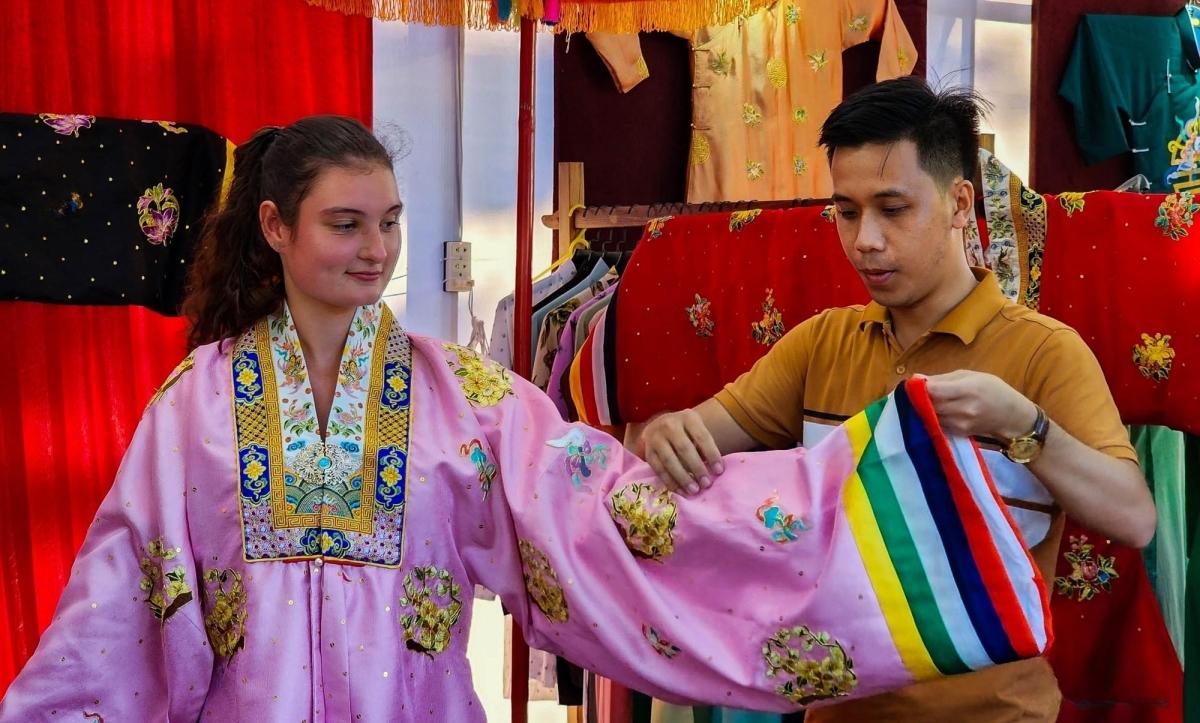
Hue Traditional Culture & Local Experiences allow travelers to explore aspects of the city that extend beyond its major monuments. These activities can provide a deeper understanding of local customs, cuisine, craftsmanship and everyday life.
Food is an important part of Hue's identity. The city's cuisine was influenced by both imperial traditions and everyday regional cooking. Culinary tours may include local markets, traditional restaurants and tastings of dishes associated with central Vietnam.
Traditional crafts can also be incorporated into cultural itineraries. Depending on the program, travelers may visit communities or workshops associated with incense making, conical hats and other local handicrafts.
The Perfume River and surrounding countryside provide opportunities to experience a quieter side of Hue. Cycling tours, village visits and boat journeys can complement visits to the Imperial City and royal tombs.
Travelers can also experience traditional performances and cultural activities. Selected programs may feature Hue royal court music or other forms of local performing arts, depending on schedules and availability.
Private cultural tours can combine these experiences according to individual interests. Travelers interested primarily in history can dedicate more time to the imperial monuments, while those interested in local culture can include food, markets, crafts and village experiences.