
Hanoi Culture & Historical Tours
100+ tours & activities
Free Cancellation
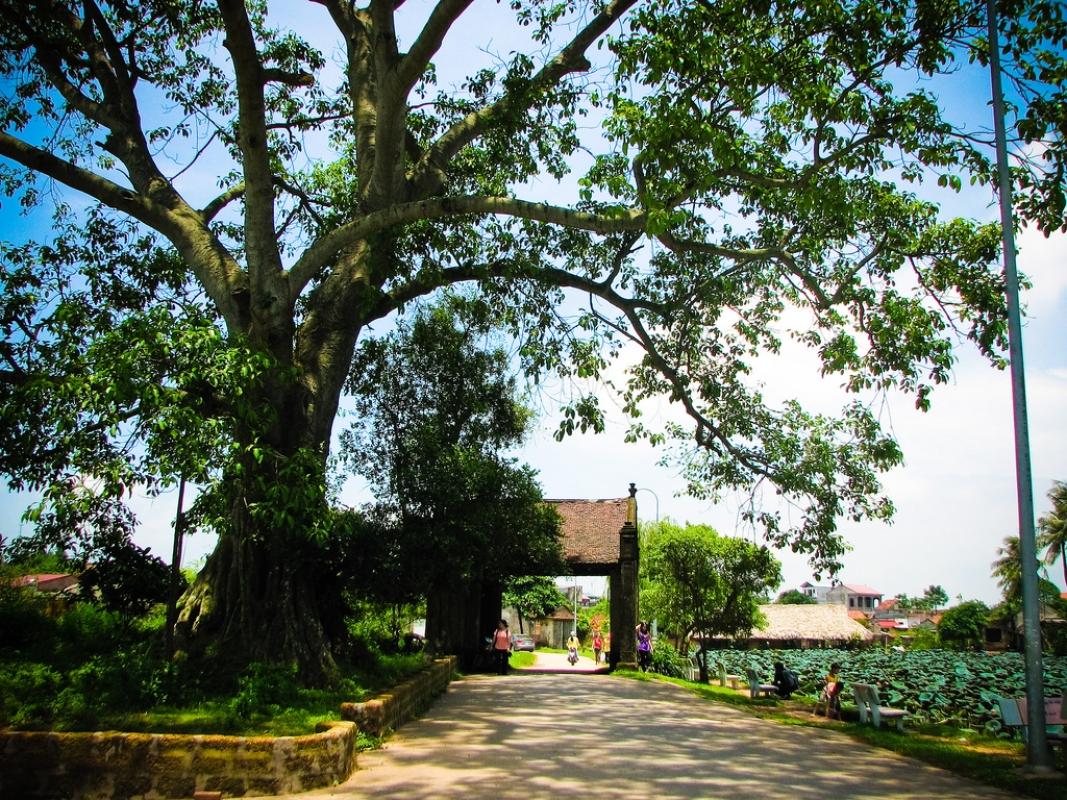
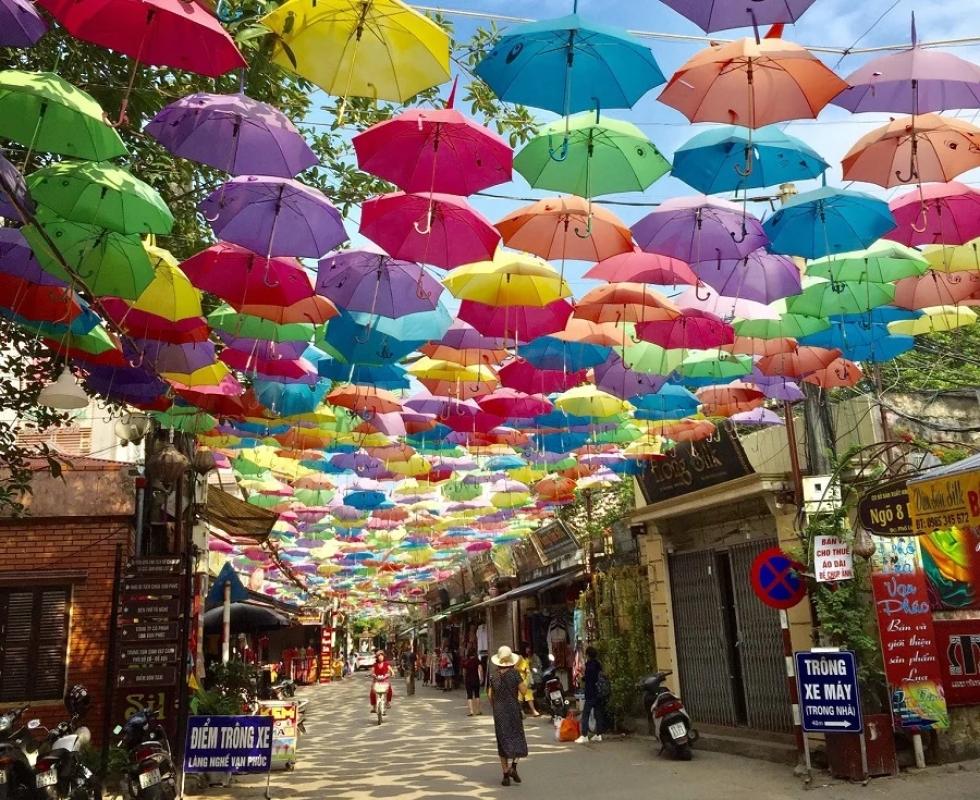
ITA Travel - Vietnam Optional tour - 1 day tour handicraft villages
Free Cancellation
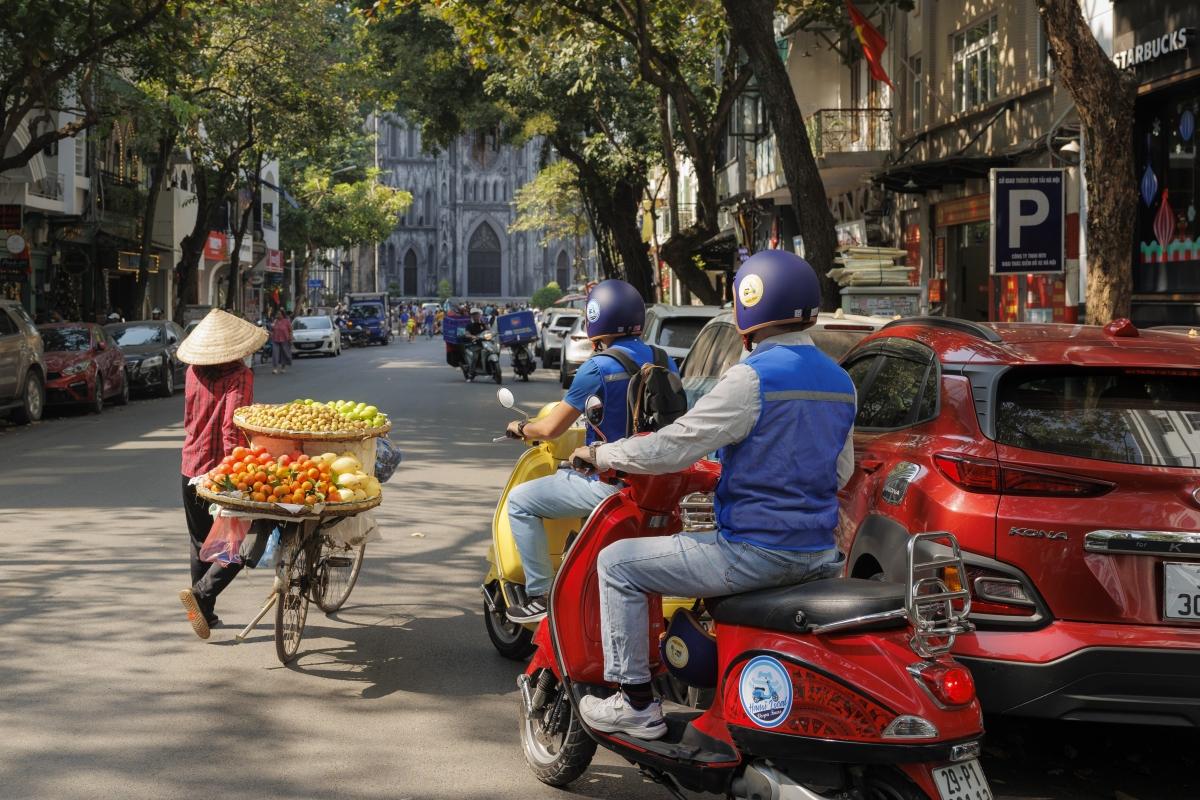
Real Hanoi with History, Cultural and Street Food by Vespa
Free Cancellation
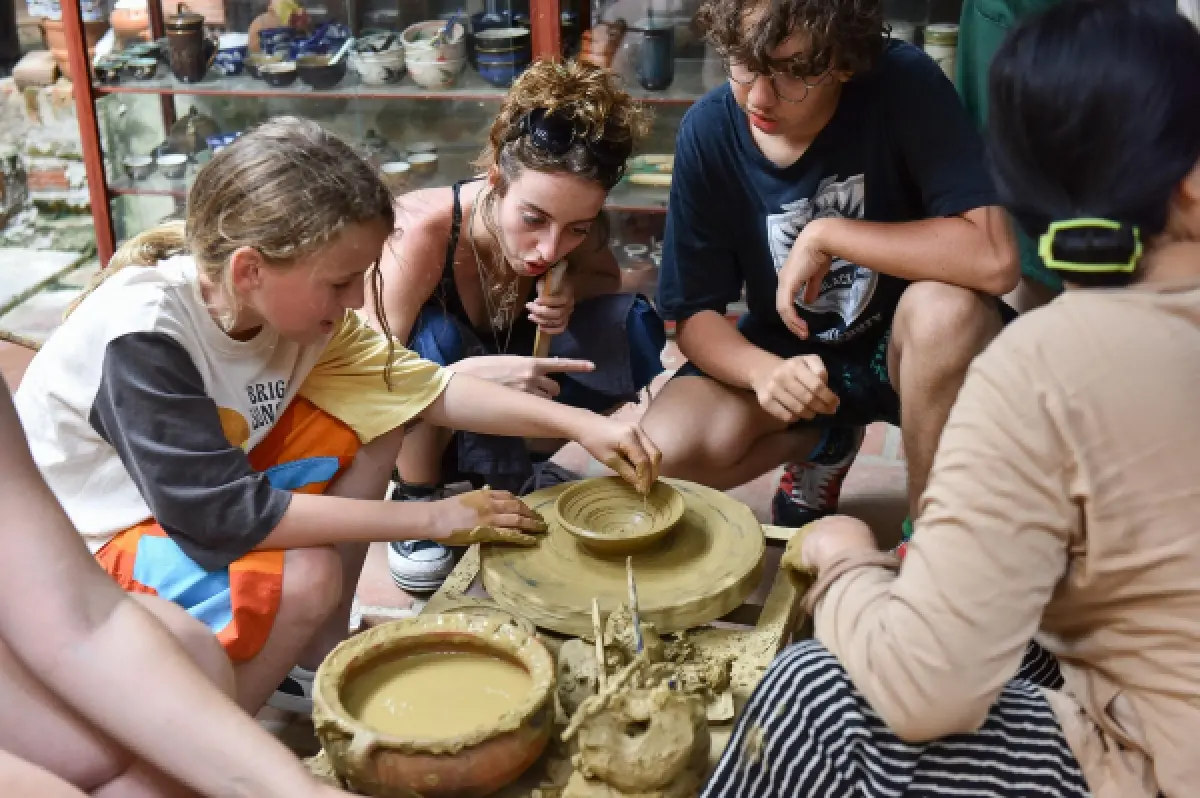
Explore Hidden Hanoi & Bat Trang Pottery Village by Vintage Jeep
Free Cancellation
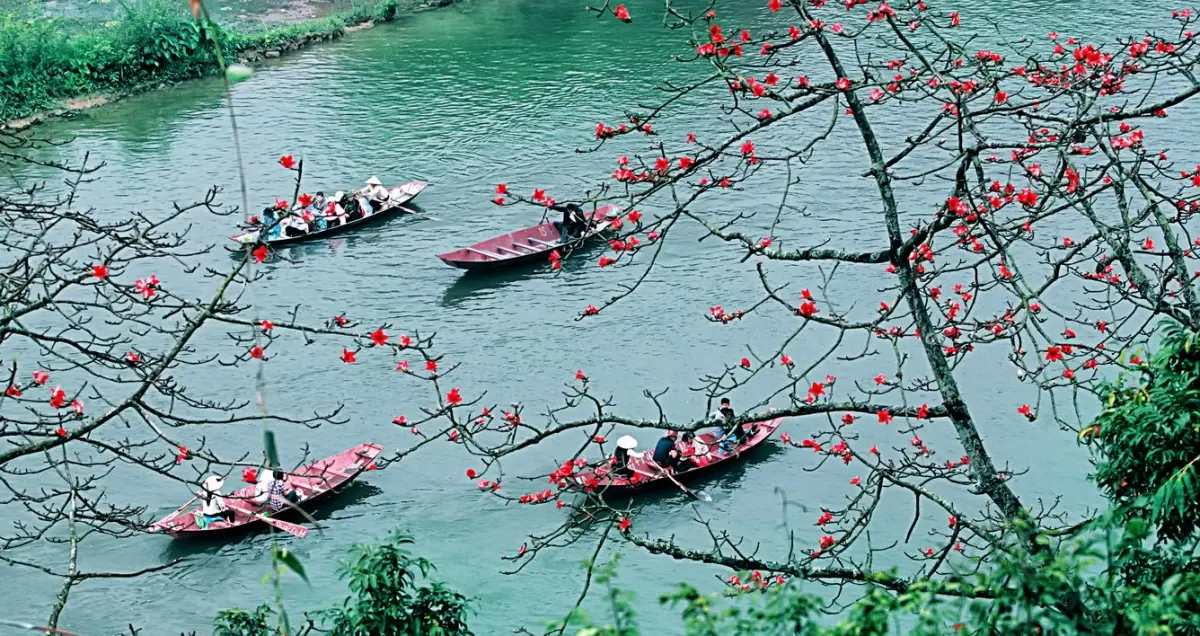
Buddhism Pilgrimage – Perfume Pagoda Joining Tour
Free Cancellation
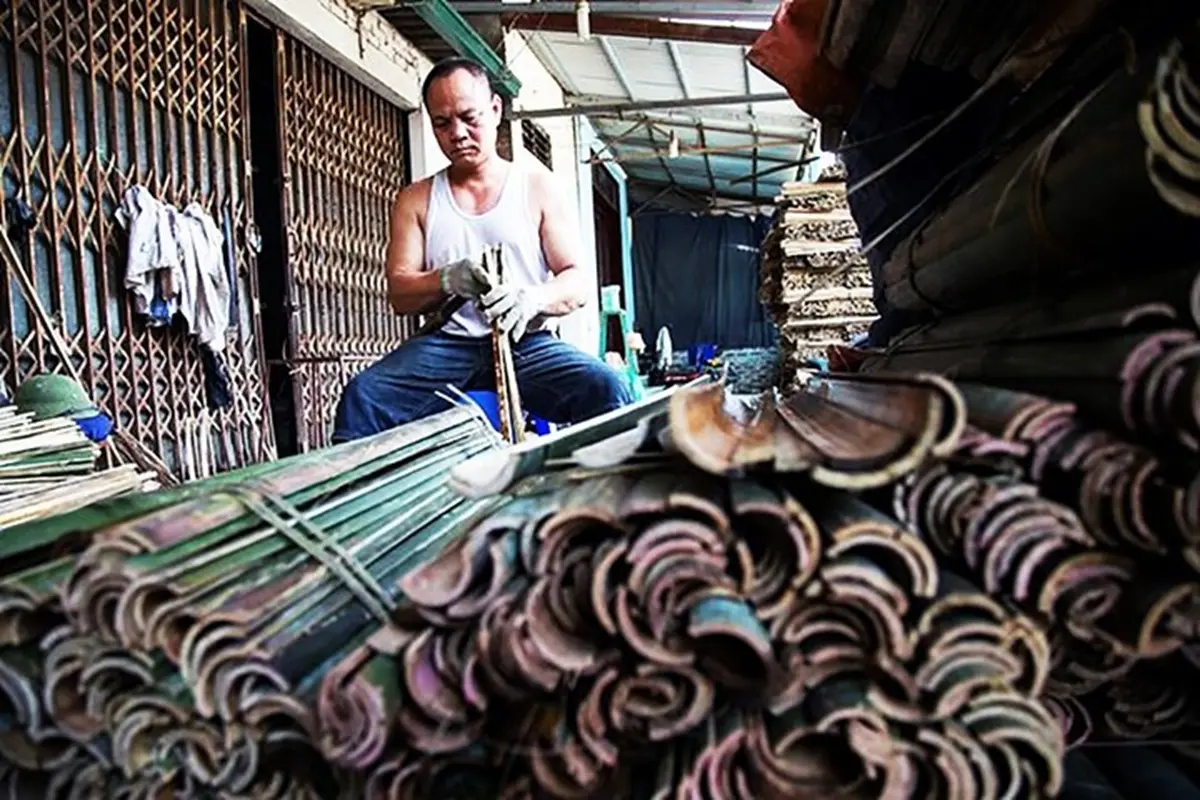
Hanoi Half-Day Group Tour with Lunch
Free Cancellation
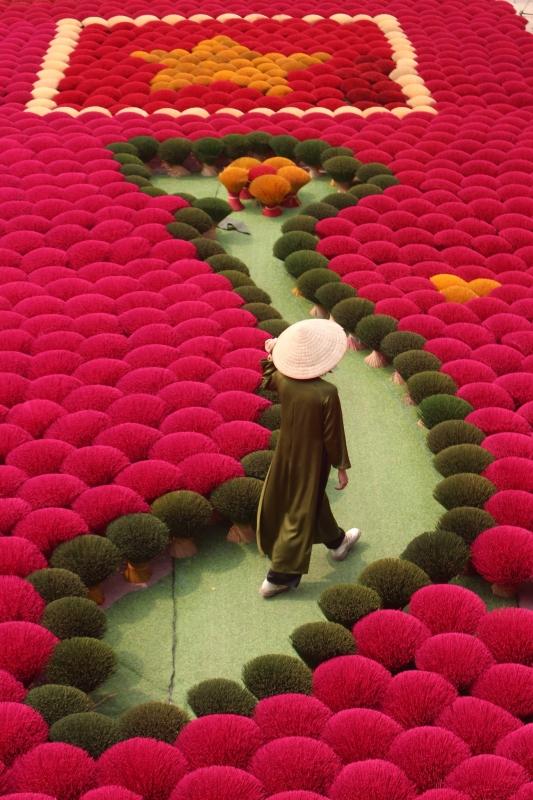
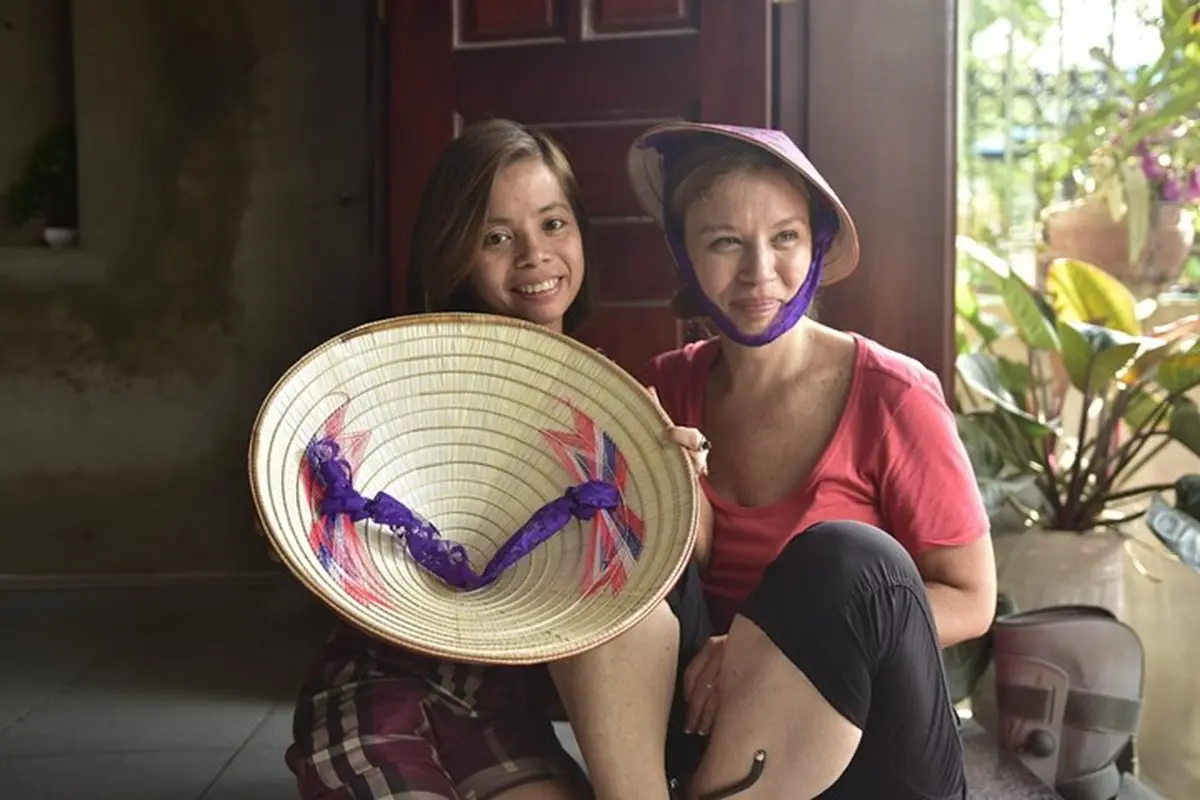
Handmade incense-making activity in local village from Hanoi
Free Cancellation
Tour to Chuong Hats Village with ancient feudal Hanoi countryside
-high.jpg&w=1920&q=75 "7 Days Vietnam Essential Tour")
Free Cancellation
7 Days Vietnam Essential Tour
-high.jpg&w=1920&q=75 "7 Days Vietnam Northern Tour")
Free Cancellation
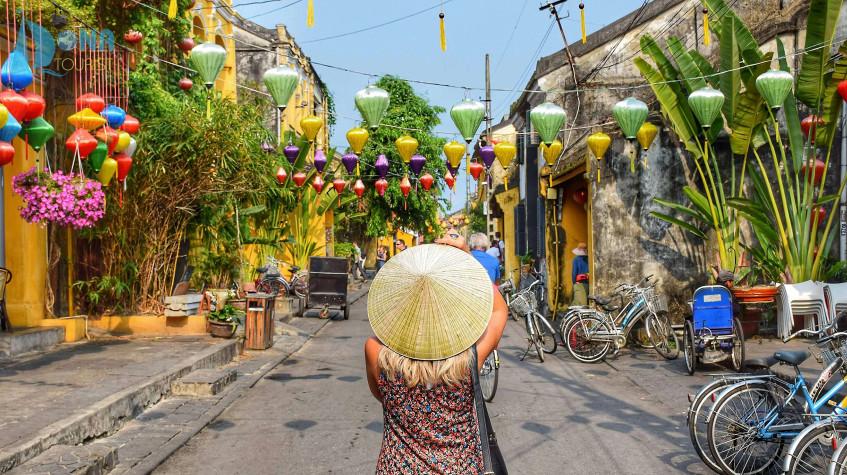
7 Days Vietnam Northern Tour
Free Cancellation
14 Days Vietnam Ultimate Experience Tour
-high.jpg&w=1920&q=75 "10 Days Vietnam Elite Tour")
Free Cancellation
10 Days Vietnam Elite Tour
Free Cancellation
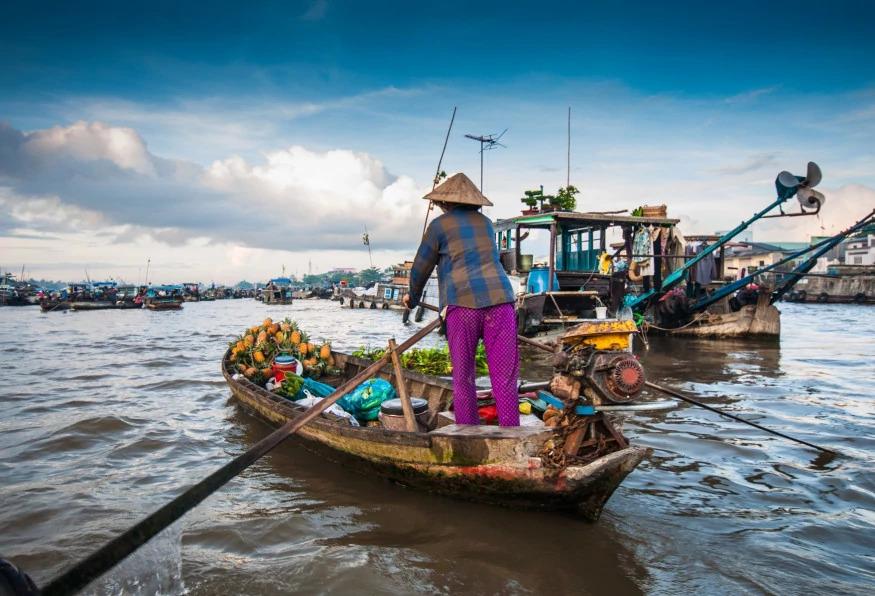
11 Days Vietnam Highlights Tour
-high.jpg&w=1920&q=75 "10 Days Vietnam in Style Tour")
Free Cancellation
10 Days Vietnam in Style Tour
Free Cancellation
14 Days Vietnam Beach Break Tour

Free Cancellation
7 Days - Vietnam Discovery
Free Cancellation
The Charming of Vietnam - 9 Days
Explore Hanoi Culture & Historical Tours
About Hanoi Culture & Historical Tours
Hanoi Cultural Tours offer an introduction to Vietnam's capital through its historic neighborhoods, temples, museums, traditional architecture and everyday cultural life. With more than a thousand years of history, Hanoi preserves influences from early Vietnamese dynasties, Confucian scholarship, French colonial development and modern Vietnamese society.
Cultural itineraries can combine major landmarks with experiences such as traditional water puppet performances, local markets, Vietnamese cuisine and walks through the Old Quarter. Travelers can explore the city's heritage through guided sightseeing, private tours or multi-day programs that connect Hanoi with other destinations in northern Vietnam.
Hanoi Historical Tours
Hanoi Historical Tours focus on the city's development as a political and cultural center, from its establishment as Thang Long in 1010 to the modern era. The city contains important sites associated with Vietnamese dynasties, education, religion, colonial history and the country's twentieth-century conflicts.
A historical itinerary may include the Imperial Citadel of Thang Long, Temple of Literature, Hoa Lo Prison and Ho Chi Minh Mausoleum Complex. Guided visits help explain the significance of each location and place Hanoi's history within the broader story of Vietnam.
Tours can be arranged as half-day or full-day programs, while longer itineraries allow more time for museums, traditional neighborhoods and nearby historical destinations.
Top Historical & Cultural Sites in Hanoi
Temple of Literature
The Temple of Literature is one of Hanoi's most important cultural landmarks. Founded in 1070, the complex is associated with Confucian learning and Vietnam's early educational traditions. It later became connected with the Imperial Academy, often regarded as Vietnam's first national university.
Visitors can explore courtyards, traditional gates, pavilions and stone stelae recording the names of successful scholars. The site provides insight into the importance of education and scholarship in Vietnamese society.
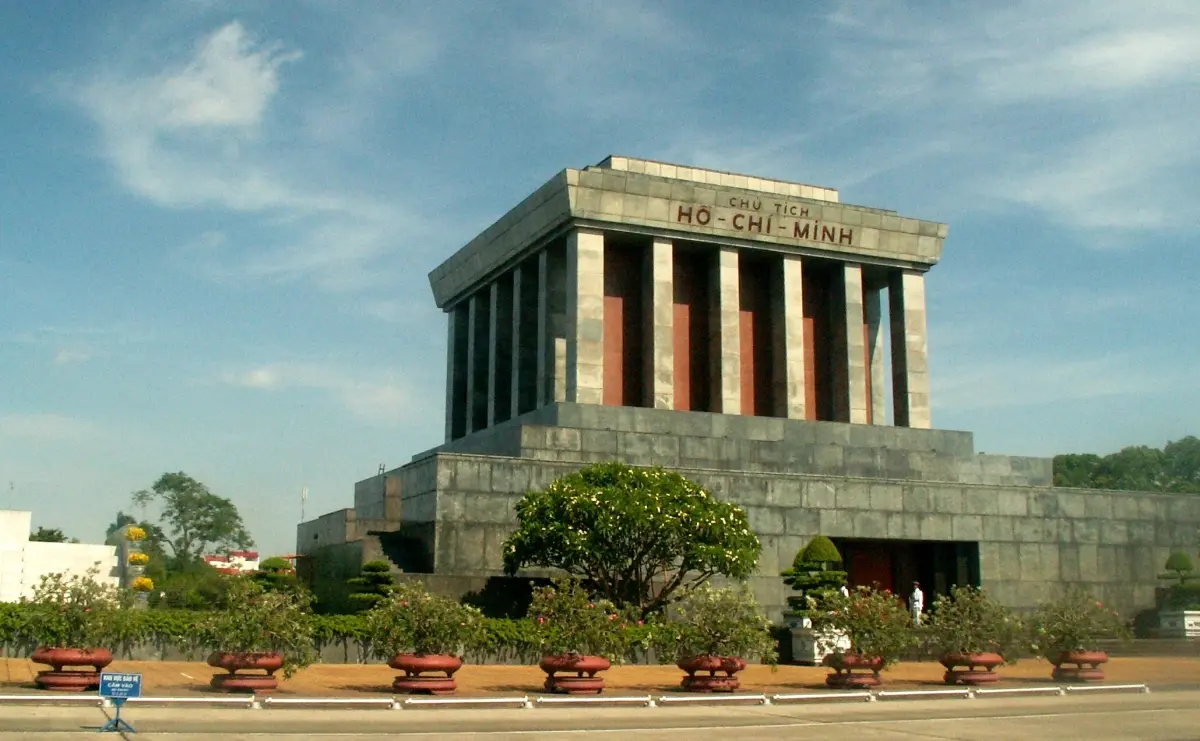
Ho Chi Minh Mausoleum Complex
The Ho Chi Minh Mausoleum Complex is a major historical and political landmark in Hanoi's Ba Dinh district. The complex includes the mausoleum, Presidential Palace grounds, Ho Chi Minh's stilt house and nearby cultural sites.
Guided visits provide context about Ho Chi Minh's role in modern Vietnamese history and the development of the country during the twentieth century. Entry procedures, opening schedules and access to individual buildings may vary, so itineraries should be planned accordingly.
Imperial Citadel of Thang Long
The Imperial Citadel of Thang Long is a UNESCO World Heritage Site and one of Hanoi's most significant archaeological and historical complexes. The site reflects the city's long history as a center of political power.
Visitors can explore surviving structures, archaeological remains and exhibitions that illustrate different periods of Vietnamese history. The citadel is particularly valuable for understanding the continuity of Hanoi's role as a capital over many centuries.
Hanoi Old Quarter
Hanoi Old Quarter is a historic commercial district known for its narrow streets, traditional shopfronts, markets and distinctive urban atmosphere. Many streets were historically associated with particular crafts or trades.
Walking tours provide an opportunity to explore the district's architecture, local businesses, temples and food culture. The Old Quarter remains an active part of the city, combining historical character with contemporary Vietnamese life.
Hoan Kiem Lake & Ngoc Son Temple
Hoan Kiem Lake is one of Hanoi's most recognizable landmarks and an important public space in the city center. The lake is associated with the legend of the returned sword, which forms part of Hanoi's cultural identity.
Ngoc Son Temple is located on an island in the lake and is reached by the distinctive red Huc Bridge. The temple and surrounding area are frequently included in walking tours of central Hanoi.
Hoa Lo Prison
Hoa Lo Prison is a historical site associated with French colonial rule and the Vietnam War. Originally constructed by the French colonial administration, the prison was used to detain Vietnamese political prisoners and later American prisoners of war.
Today, the museum presents exhibitions and preserved sections of the former prison. A visit provides insight into different periods of Vietnam's modern history and the experiences of those held there.
One Pillar Pagoda
One Pillar Pagoda is a distinctive Buddhist landmark located near the Ho Chi Minh Mausoleum Complex. Its design features a small wooden structure supported by a single pillar above a pond, symbolically associated with a lotus flower.
The pagoda's origins date to the Ly Dynasty in the eleventh century, although the present structure has been reconstructed. It remains an important religious and cultural site in Hanoi.
Vietnam Museum of Ethnology
The Vietnam Museum of Ethnology introduces visitors to the cultural diversity of Vietnam's ethnic communities. Exhibitions explore traditional clothing, tools, household objects, customs and ways of life.
The museum also includes an outdoor area with examples of traditional architecture from different regions of Vietnam. It is particularly suitable for travelers interested in anthropology, regional cultures and the country's ethnic heritage.
Hanoi Traditional Culture & Local Experiences
Hanoi's cultural heritage extends beyond its major monuments. Traditional performances, local cuisine, markets and neighborhood life provide opportunities to experience the city's living traditions.
Water puppet shows are among Hanoi's best-known cultural performances. This traditional art form uses wooden puppets performed over water, accompanied by music and storytelling. Performances often draw on rural life, folklore and Vietnamese legends.
Vietnamese food experiences can include visits to local markets, street food walks and cooking classes. Hanoi is particularly known for dishes such as pho, bun cha and cha ca, as well as its distinctive coffee culture.
Travelers can also explore traditional craft villages in the surrounding region. Depending on the itinerary, visits may introduce ceramics, silk production or other long-established crafts associated with northern Vietnam.
Private cultural tours can combine these experiences with historical sightseeing, allowing travelers to explore both Hanoi's major landmarks and its everyday traditions at a comfortable pace.