
Luxor City Sightseeing Tours
100+ tours & activities
Free Cancellation
4 Days Luxor Heritage Tour | Valley of the Kings & Ancient Thebes
-high.jpg&w=1920&q=75 "Luxor West Bank Tour | Valley of the Kings, Hatshepsut Temple & Colossi of Memnon")

Free Cancellation
Luxor Half Day Tour Karnak and Luxor Temples VIP
Free Cancellation
4 Days Kharga & Dakhla Oasis Desert Safari from Luxor
-high.jpg&w=1920&q=75 "6 Days Luxor, Dendera & Abydos Temples Tour | Ancient Egypt Heritage Experience")

Free Cancellation
3 Days Kharga and Dakhla Oasis Safari Tours from Luxor

Free Cancellation
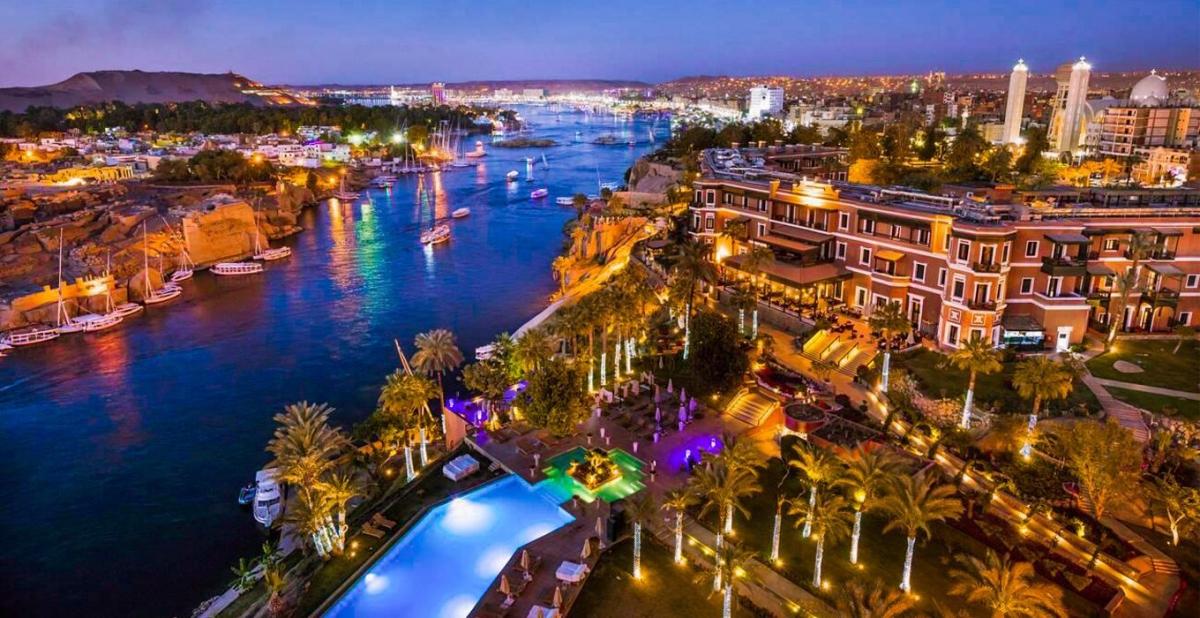
8 Days Trip to Luxor & Hurghada
Free Cancellation
5 Days 4 Nights Nile Cruise from Luxor to Aswan | Egypt River Cruise
Free Cancellation
5 Days Trip to Luxor, Dendera and Abydos
Free Cancellation
4 Days Trip to Luxor & Edfu & Kom Ombo Temples
Free Cancellation
5 Days Trip to Luxor & Edfu & Kom Ombo Temples
Free Cancellation
5 Days Tour to Luxor and Aswan

Free Cancellation
7 Days Trip to Luxor & Edfu & Kom Ombo Temples and Hurghada

Free Cancellation
7 Days Trip to Luxor & Cairo by Flight
Free Cancellation
4 Days Top Luxor & Aswan and Abu Simbel Temples Tour
Explore Luxor City Sightseeing Tours
.png)
About Luxor City Sightseeing Tours
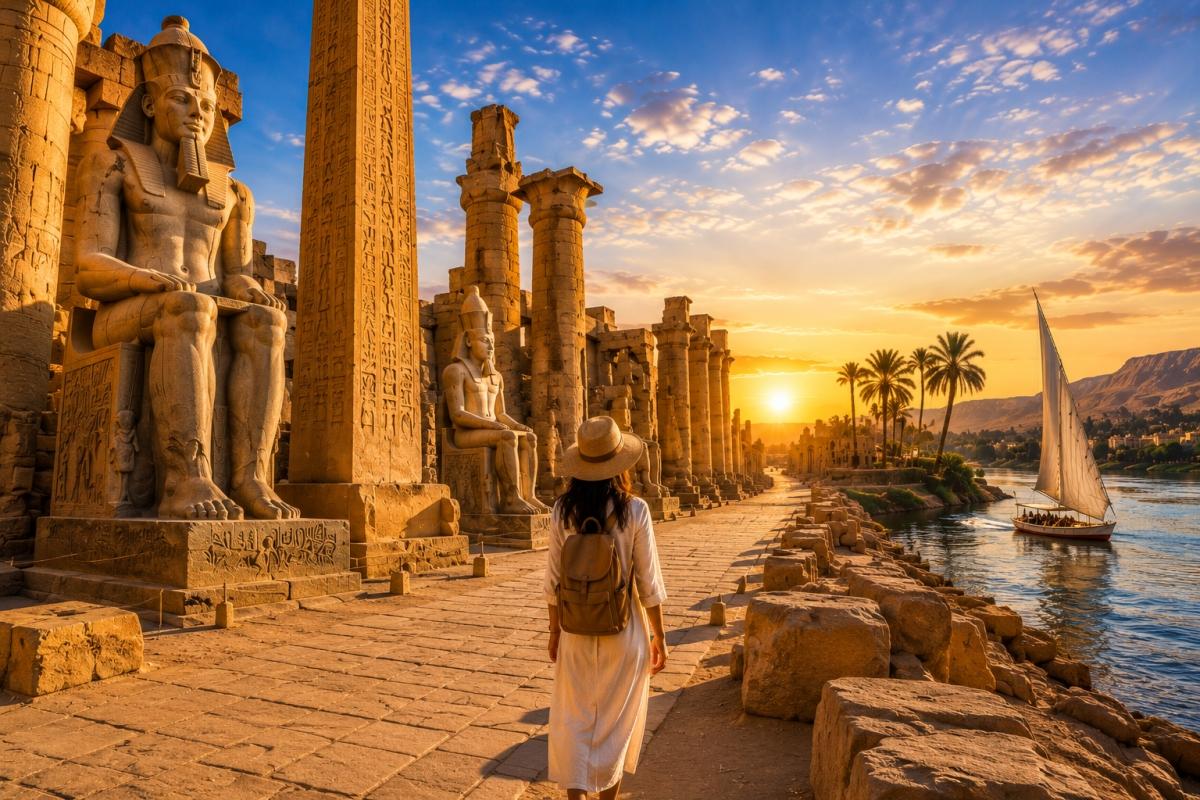
Luxor City Sightseeing Tours take travelers through one of Egypt's greatest concentrations of ancient temples, royal tombs and archaeological monuments. Located along the Nile in Upper Egypt, Luxor occupies part of the site of ancient Thebes and provides access to major attractions on both the East Bank and West Bank of the river.
The East Bank of Luxor is home to Karnak Temple and Luxor Temple, two monumental religious complexes that played important roles in ancient Thebes. On the West Bank, travelers can explore the Valley of the Kings, Temple of Hatshepsut, Colossi of Memnon, Valley of the Queens and additional archaeological sites.
Sightseeing tours in Luxor range from half-day visits concentrating on one side of the Nile to full-day programs covering major attractions on both banks. Travelers with more time can divide the sites across several days, allowing more time inside temples and tombs.
Guided tours are especially valuable in Luxor because the city's monuments represent different pharaohs, dynasties and periods of Egyptian history. An Egyptologist guide can explain the temples, hieroglyphs, royal tombs and religious traditions that transformed ancient Thebes into one of Egypt's most important centers.
Top Attractions Included in Luxor City Sightseeing Tours
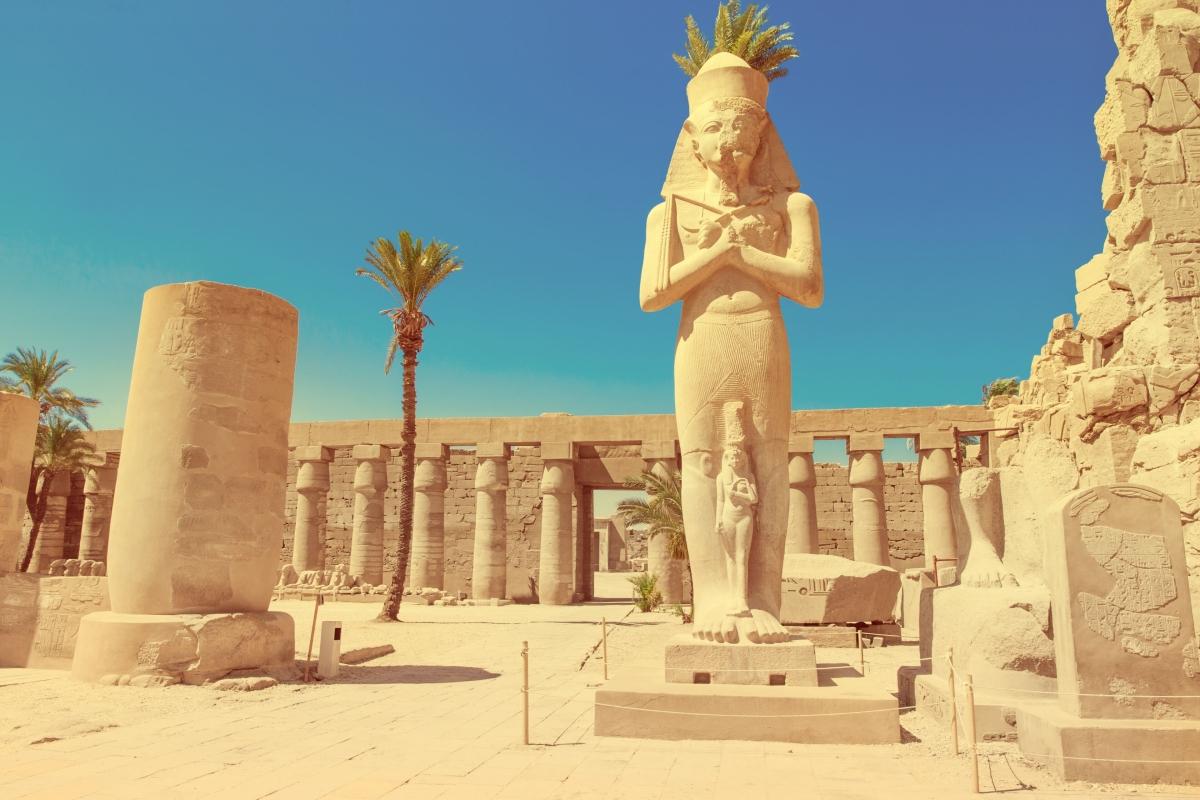
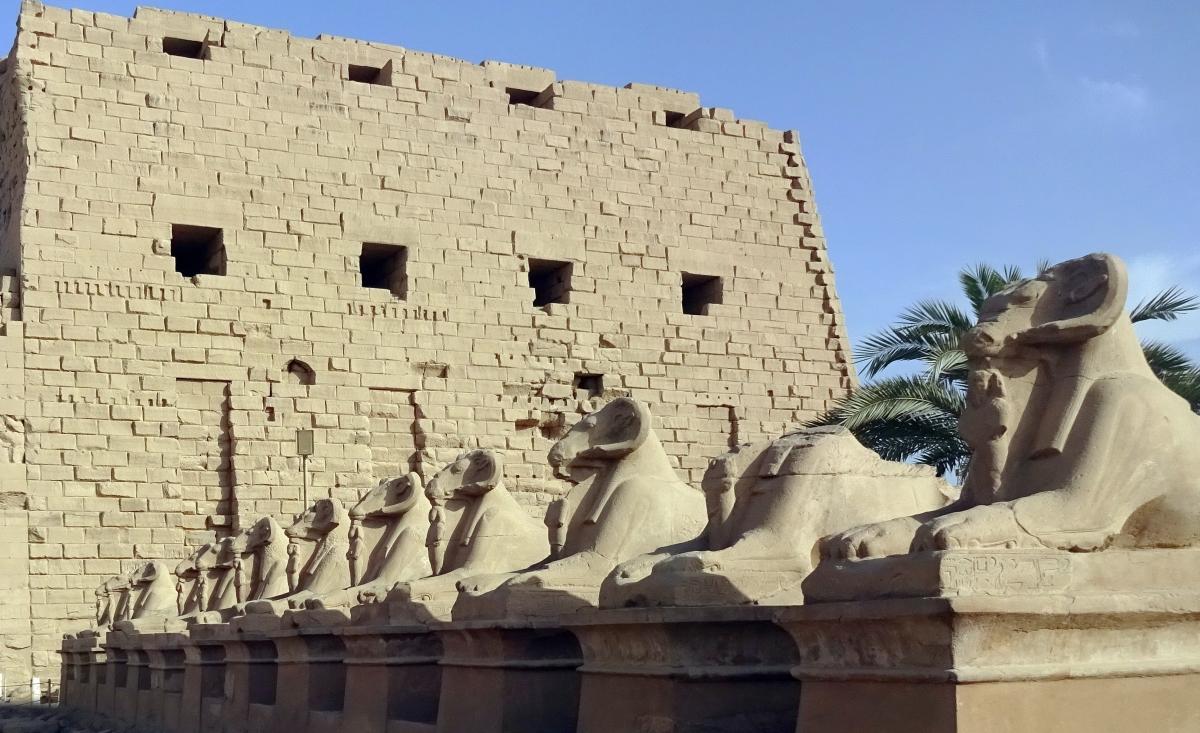
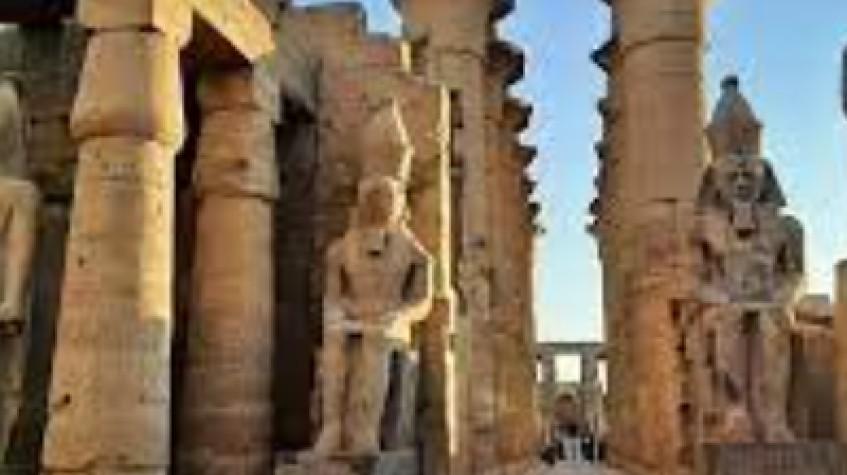
Karnak Temple: Karnak is an enormous temple complex developed and expanded by numerous rulers over many centuries. Its most recognizable features include monumental gateways, obelisks, sacred areas and the Great Hypostyle Hall with its massive columns.
Luxor Temple: Located closer to the modern city center, Luxor Temple is particularly impressive in the evening when illuminated. The temple was connected historically with Karnak through the Avenue of Sphinxes and played an important role in religious ceremonies associated with ancient Thebes.
Valley of the Kings: Situated on Luxor's West Bank, the Valley of the Kings contains royal tombs created for pharaohs and powerful figures of Egypt's New Kingdom. The tomb of Tutankhamun is the valley's most famous discovery, although numerous decorated tombs make the entire site historically significant.
Temple of Hatshepsut: The mortuary temple of Pharaoh Hatshepsut stands beneath dramatic limestone cliffs at Deir el-Bahari. Its terraces and architectural setting make it one of the most distinctive monuments on the West Bank.
Colossi of Memnon: These two enormous seated statues once guarded the entrance to the mortuary temple of Amenhotep III. They are a common sightseeing stop when traveling between the principal West Bank attractions.
Valley of the Queens: This archaeological area contains tombs associated with queens, princes and other members of royal families. Selected tombs may require separate entrance arrangements.
Medinet Habu: The mortuary temple of Ramesses III is known for its monumental architecture, reliefs and surviving inscriptions. It is an excellent addition for travelers who want to explore beyond Luxor's most frequently visited attractions.
Avenue of Sphinxes: The restored ceremonial route connecting Karnak Temple and Luxor Temple helps visitors understand the historical relationship between the two major East Bank complexes.
Exact entrance arrangements and accessible tombs can change, particularly in the Valley of the Kings and Valley of the Queens. Travelers should therefore check the individual tour itinerary and current ticket conditions before visiting.
Luxor Guided Sightseeing Tours
Luxor Guided Sightseeing Tours provide historical context for a city filled with monuments from different periods of ancient Egyptian civilization. Exploring these sites with an Egyptologist can make it easier to understand the relationships between temples, pharaohs, religious beliefs and royal burial traditions.
An East Bank guided tour typically concentrates on Karnak Temple and Luxor Temple. At Karnak, guides can explain the development of the complex and highlight important structures such as the Great Hypostyle Hall. Luxor Temple provides another perspective on ancient religious ceremonies and royal building projects.
A West Bank guided tour can include the Valley of the Kings, Temple of Hatshepsut and Colossi of Memnon. Depending on the itinerary, travelers may also visit the Valley of the Queens, Medinet Habu or other archaeological sites.
Guided tours are particularly useful when visiting royal tombs. Wall paintings, hieroglyphic texts and symbolic scenes contain detailed religious meanings that may not be immediately clear without historical explanation.
Travelers interested in archaeology can choose longer itineraries that explore less-visited temples and tombs. Those visiting Luxor for the first time may prefer a balanced program covering the principal highlights of both banks.
Private and small-group guided experiences are available depending on the selected package. Entrance fees, transportation and access to specific tombs should always be checked in the individual tour details.
Luxor City Trips
Luxor City Trips can be planned as half-day, full-day or multi-day sightseeing experiences. The number of archaeological sites around the city means travelers can easily adjust their itinerary according to available time.
A Luxor East Bank trip can focus on Karnak Temple and Luxor Temple. This is a practical option for travelers with limited time or those arriving in Luxor later in the day.
A Luxor West Bank trip usually includes the Valley of the Kings, Temple of Hatshepsut and Colossi of Memnon. Additional sites such as Medinet Habu and the Valley of the Queens can be included when time allows.
Travelers with one full day can combine selected East and West Bank attractions. A classic itinerary might visit the Valley of the Kings and Temple of Hatshepsut before continuing to Karnak Temple and Luxor Temple.
However, visitors interested in history should consider spending at least two days in Luxor. Separating the East Bank and West Bank allows more time to explore the monuments without moving quickly from one archaeological site to another.
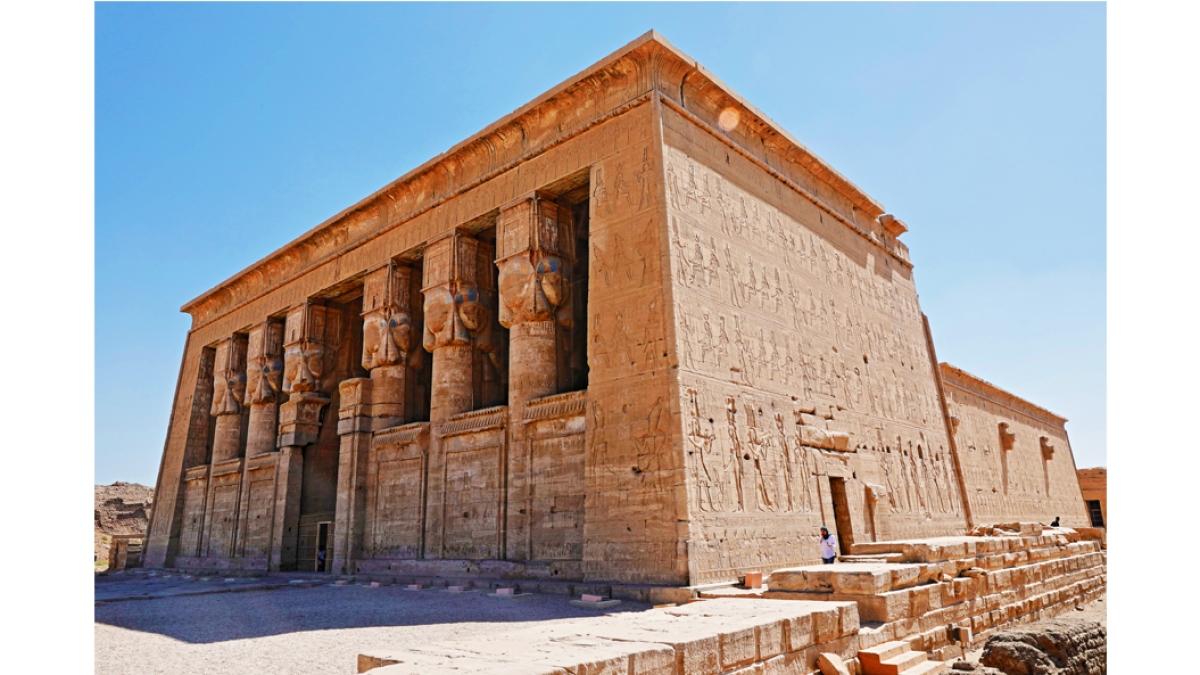
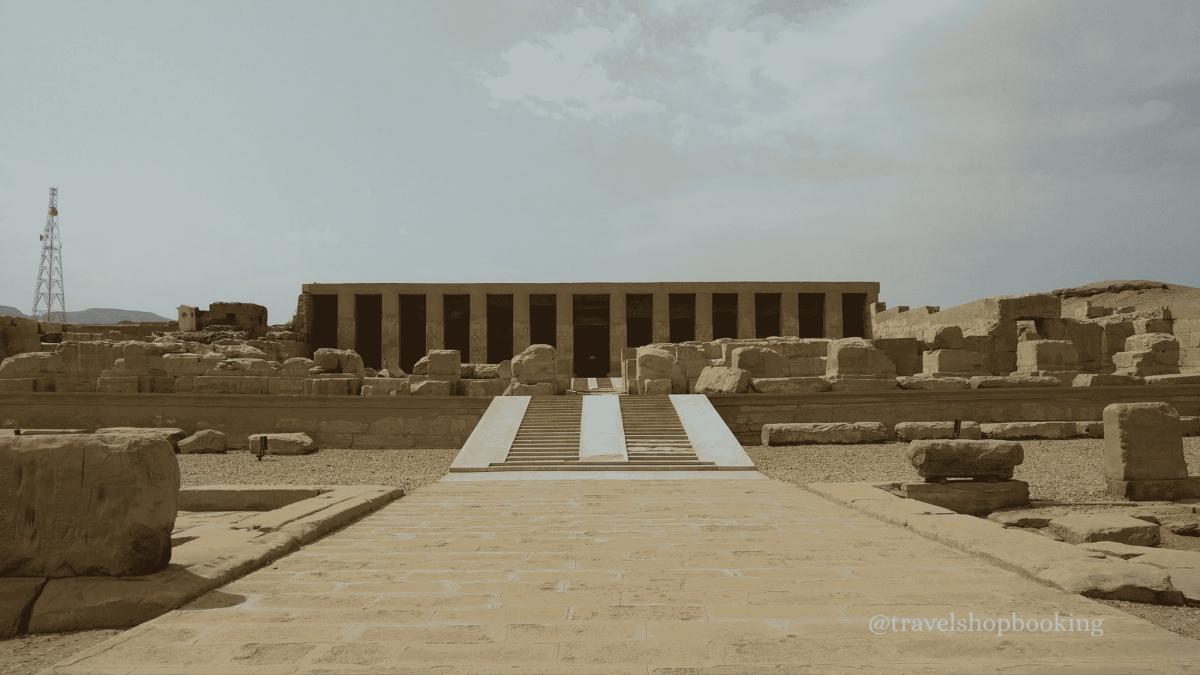
Luxor can also serve as a base for trips to archaeological destinations outside the city. Dendera Temple, north of Luxor, is known for its well-preserved temple complex, while Abydos is one of ancient Egypt's historically important religious sites. These destinations can be explored on longer day trips.
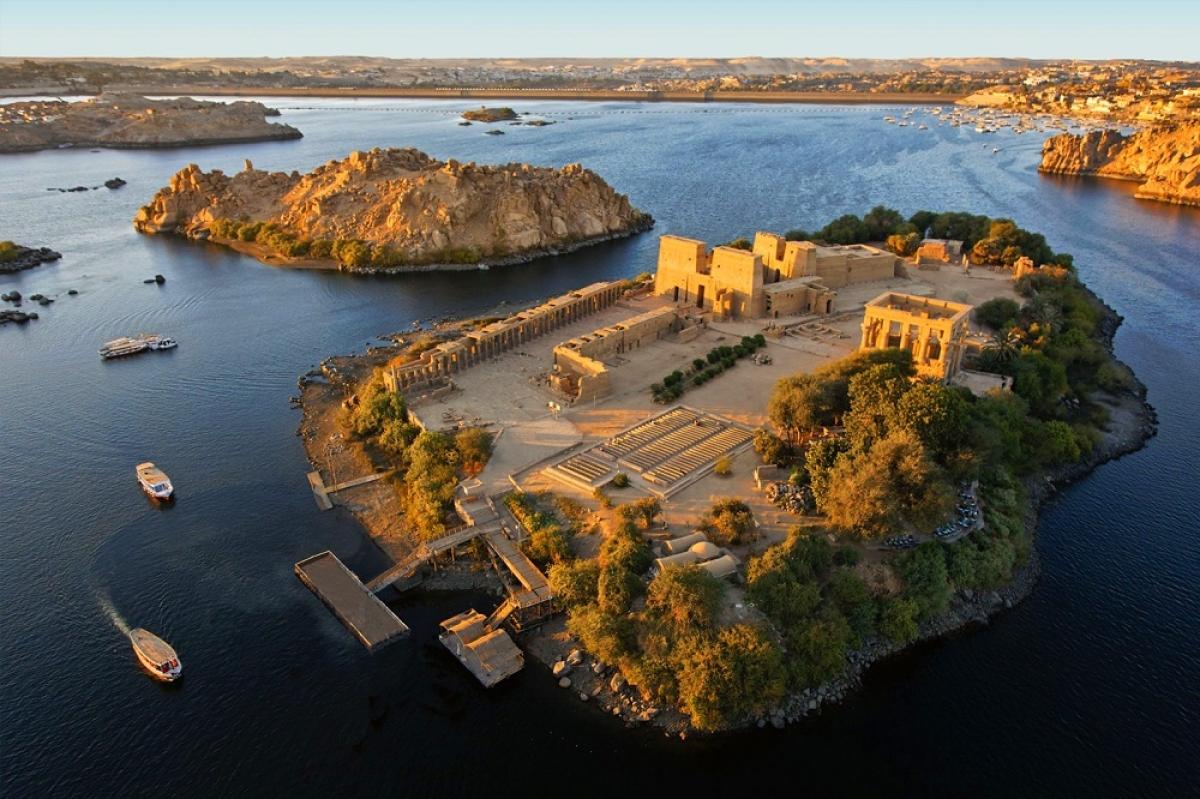
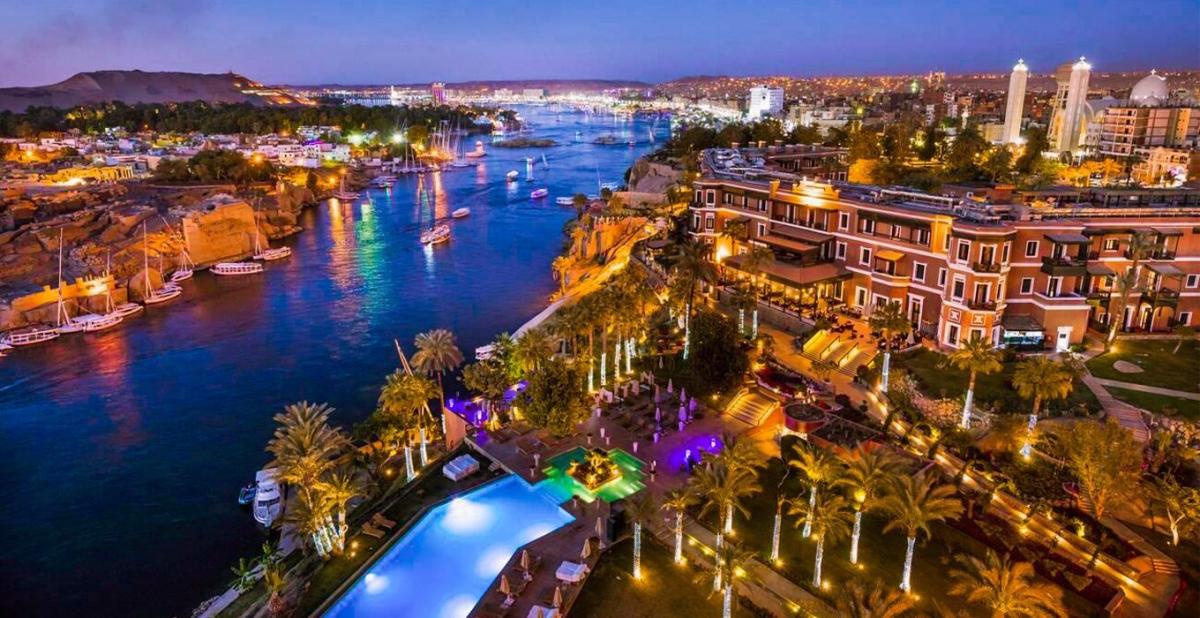
Nile experiences can also be incorporated into a Luxor stay. Depending on the itinerary, travelers may add a traditional felucca journey, Nile cruise or onward travel toward Esna, Edfu, Kom Ombo and Aswan.