Free Cancellation

-high.jpg&w=1920&q=75 "Karnak Temple Entry Ticket | Luxor's Most Iconic Landmark")




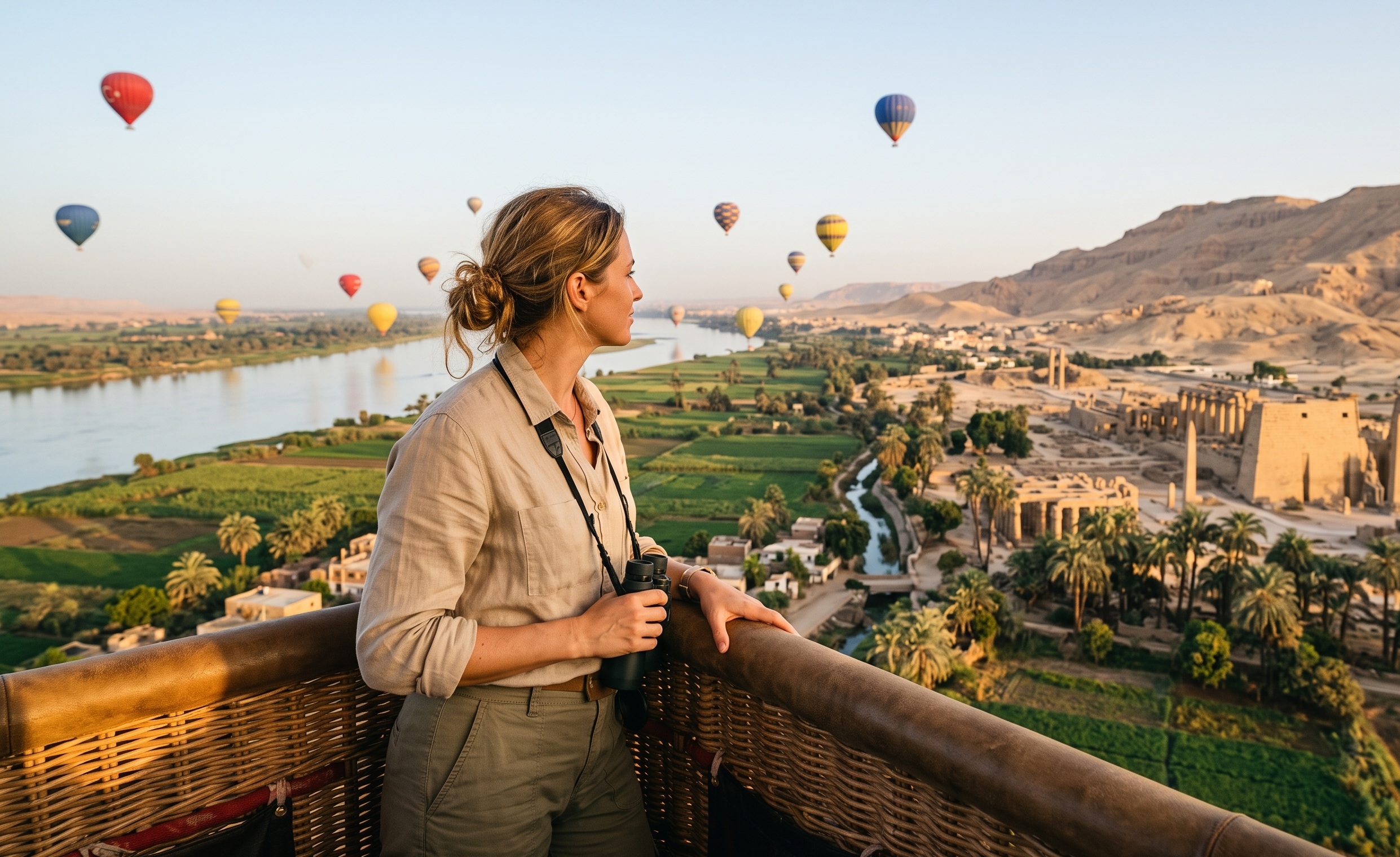
Luxor Culture & Historical Tours take travelers into the heart of ancient Thebes, one of the most important political and religious centers of ancient Egypt. Located along the Nile in Upper Egypt, Luxor contains an extraordinary concentration of temples, royal tombs, monuments and archaeological sites spanning thousands of years of Egyptian history.
The city is divided by the Nile into two main archaeological areas. On the East Bank, Karnak Temple and Luxor Temple represent the monumental religious landscape of ancient Thebes. On the West Bank, the Valley of the Kings, Temple of Hatshepsut, Valley of the Queens, Medinet Habu and numerous tombs reveal the funerary traditions and royal history of Egypt's New Kingdom.
Luxor Culture & Historical Tours can range from half-day visits to multi-day archaeological itineraries. Travelers can explore monumental temples, enter selected decorated tombs, study ancient reliefs and hieroglyphs and learn about pharaohs including Hatshepsut, Tutankhamun, Ramesses II and Ramesses III.
For travelers interested in archaeology and ancient civilizations, Luxor is one of Egypt's essential destinations. Guided tours with an Egyptologist can provide important context about ancient Egyptian religion, architecture, royal succession and daily life while connecting individual monuments to the wider history of Thebes.
A Luxor Cultural Tour provides an opportunity to understand the beliefs, traditions and society behind the city's monumental archaeological sites. Rather than simply visiting temples and tombs, cultural tours explore how ancient Egyptians understood religion, kingship, death and the afterlife.
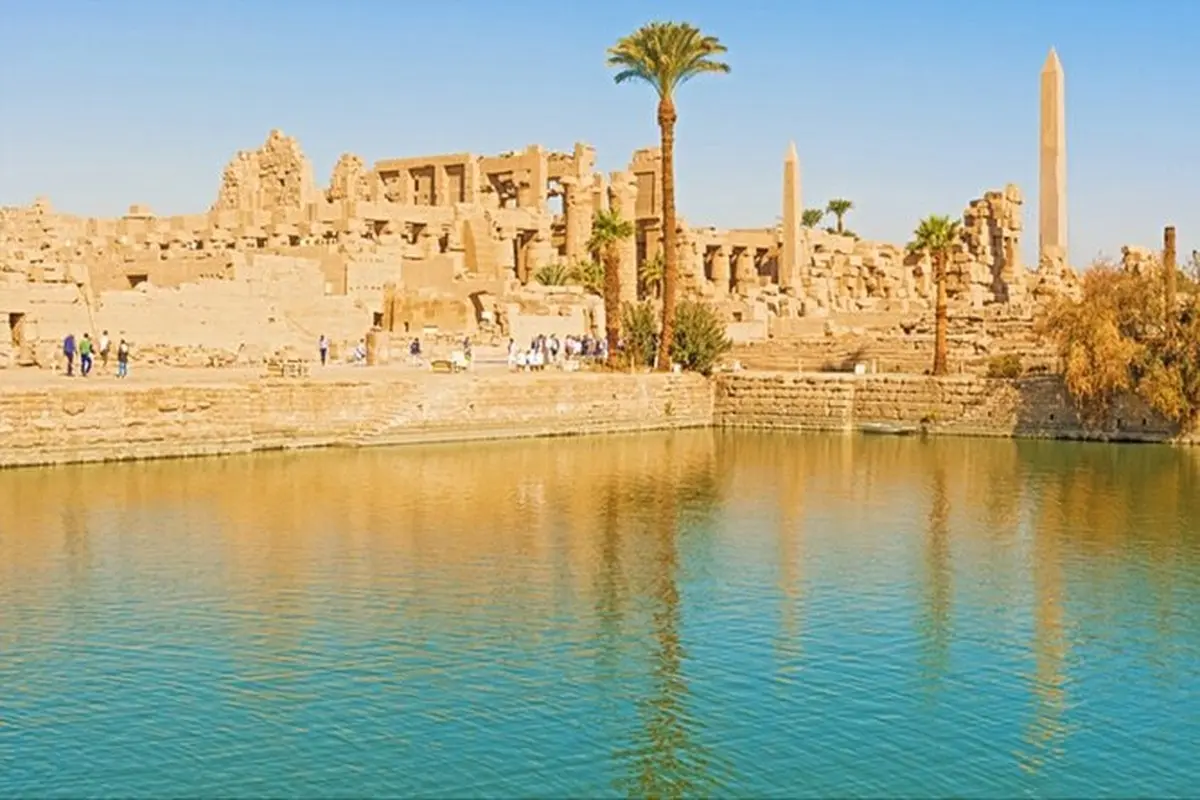
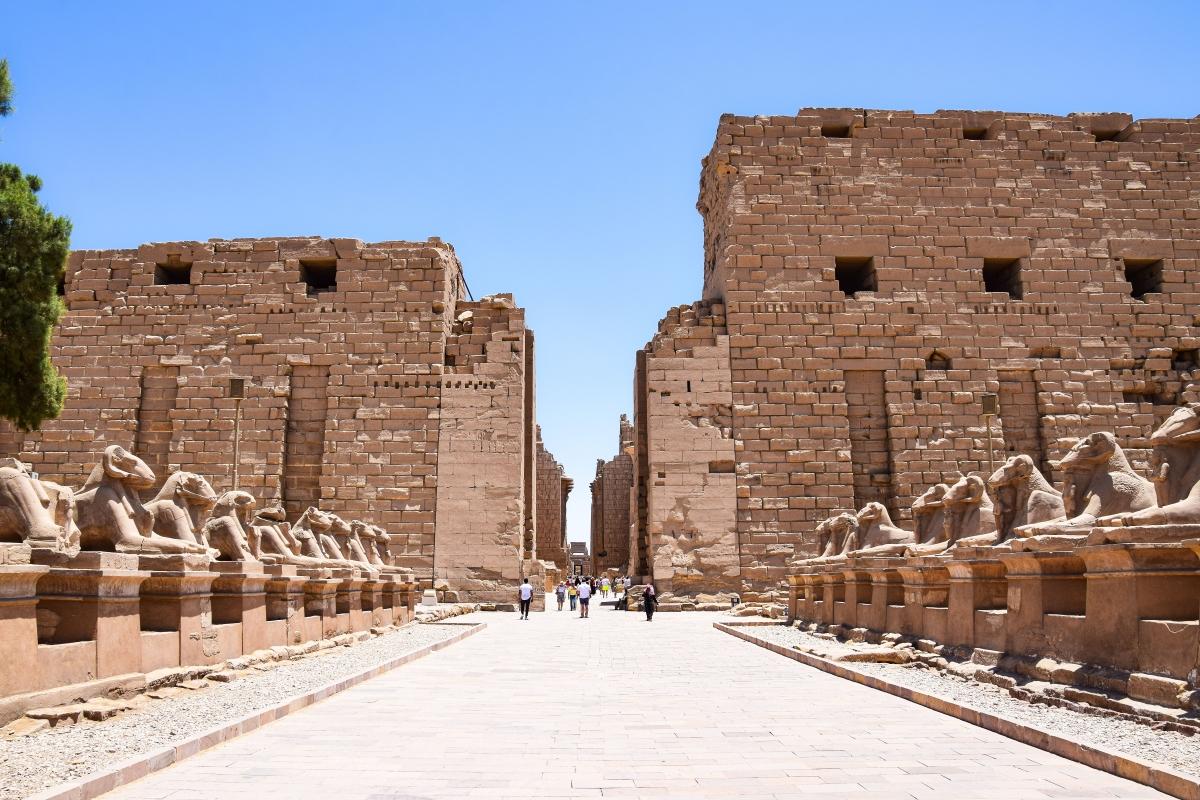
Karnak Temple is one of the most important places to begin. Developed over many centuries, the vast complex was closely associated with the worship of Amun and other deities. Monumental pylons, obelisks, sanctuaries and the Great Hypostyle Hall demonstrate the importance of religion and royal patronage in ancient Thebes.
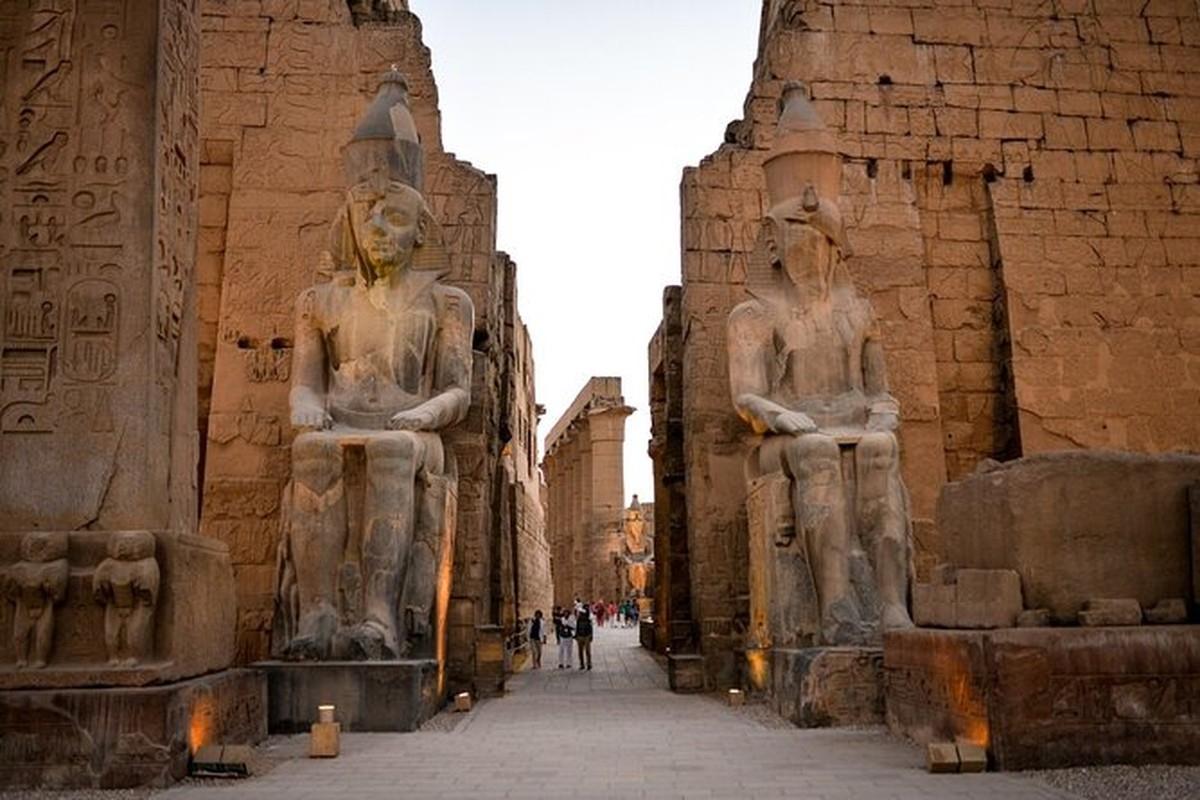
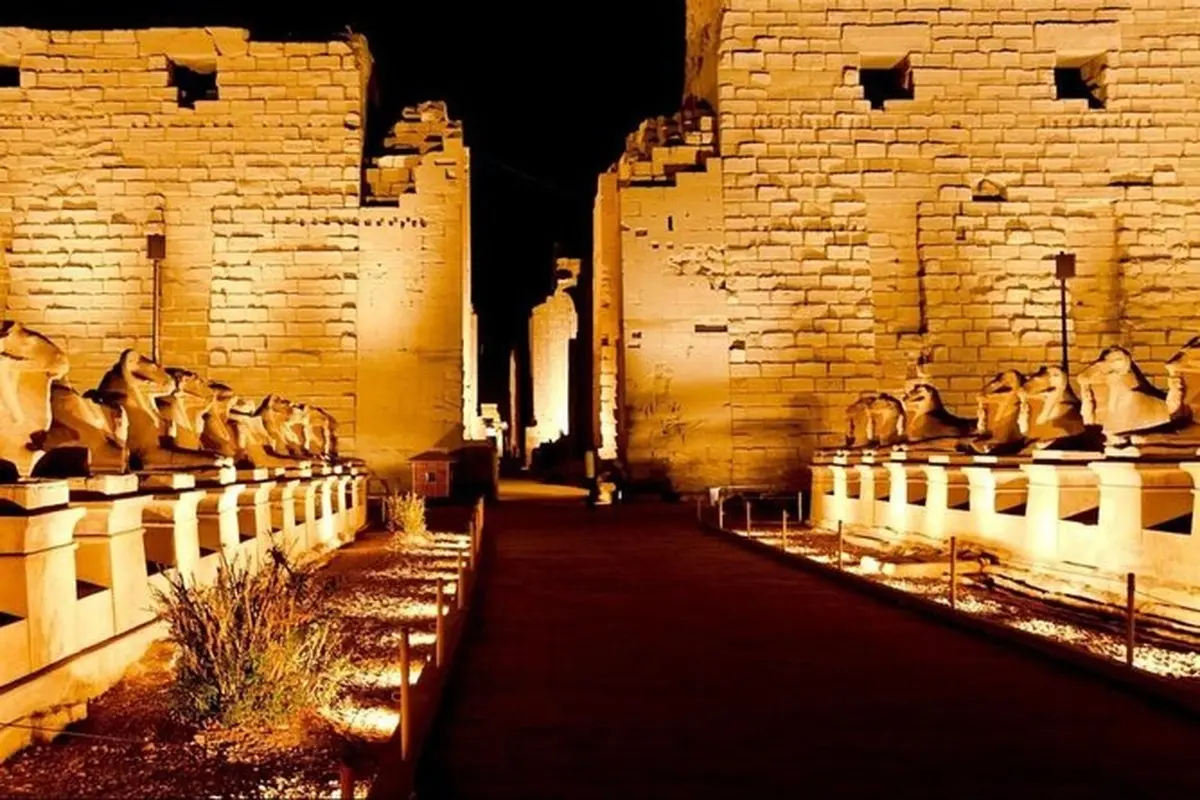
Nearby, Luxor Temple provides another perspective on ancient Egyptian ceremonial life. The temple was historically connected with Karnak by the Avenue of Sphinxes and played an important role in religious festivals and royal traditions.
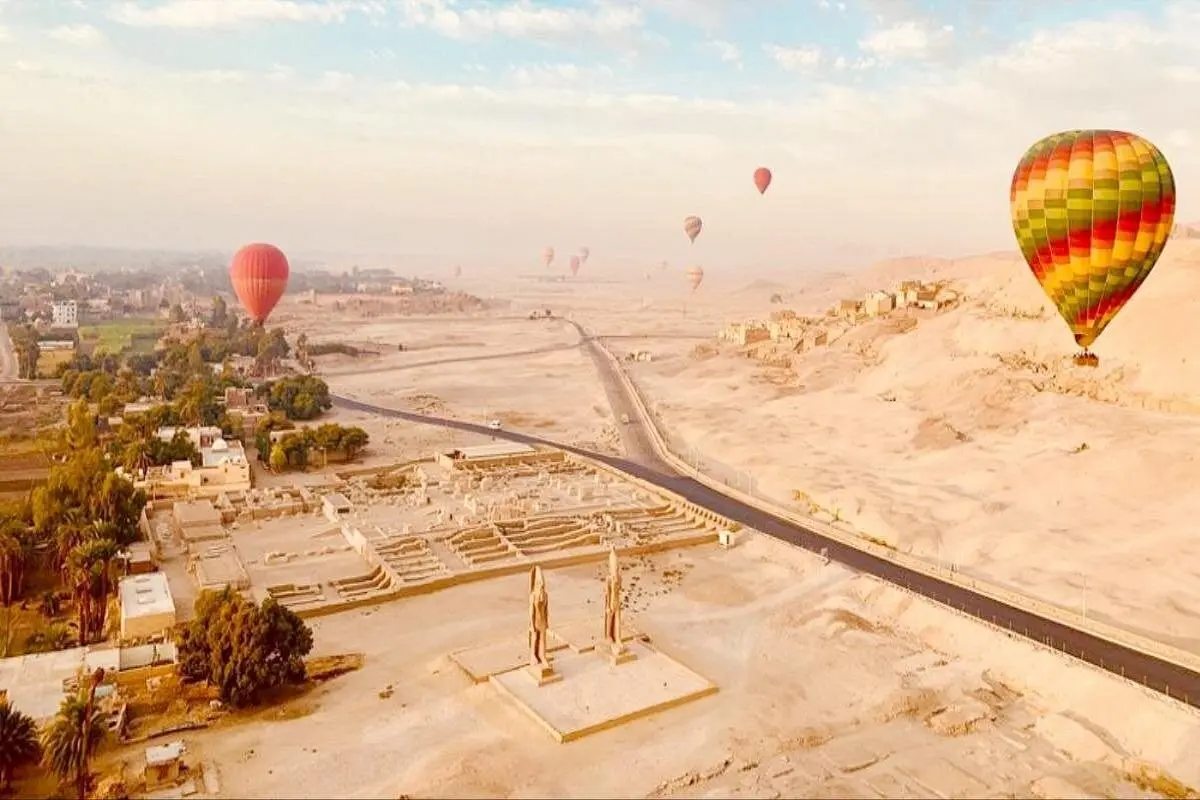
Crossing to the West Bank introduces travelers to the funerary landscape of ancient Thebes. Here, royal tombs and mortuary temples demonstrate how ancient Egyptians prepared their rulers for the afterlife.
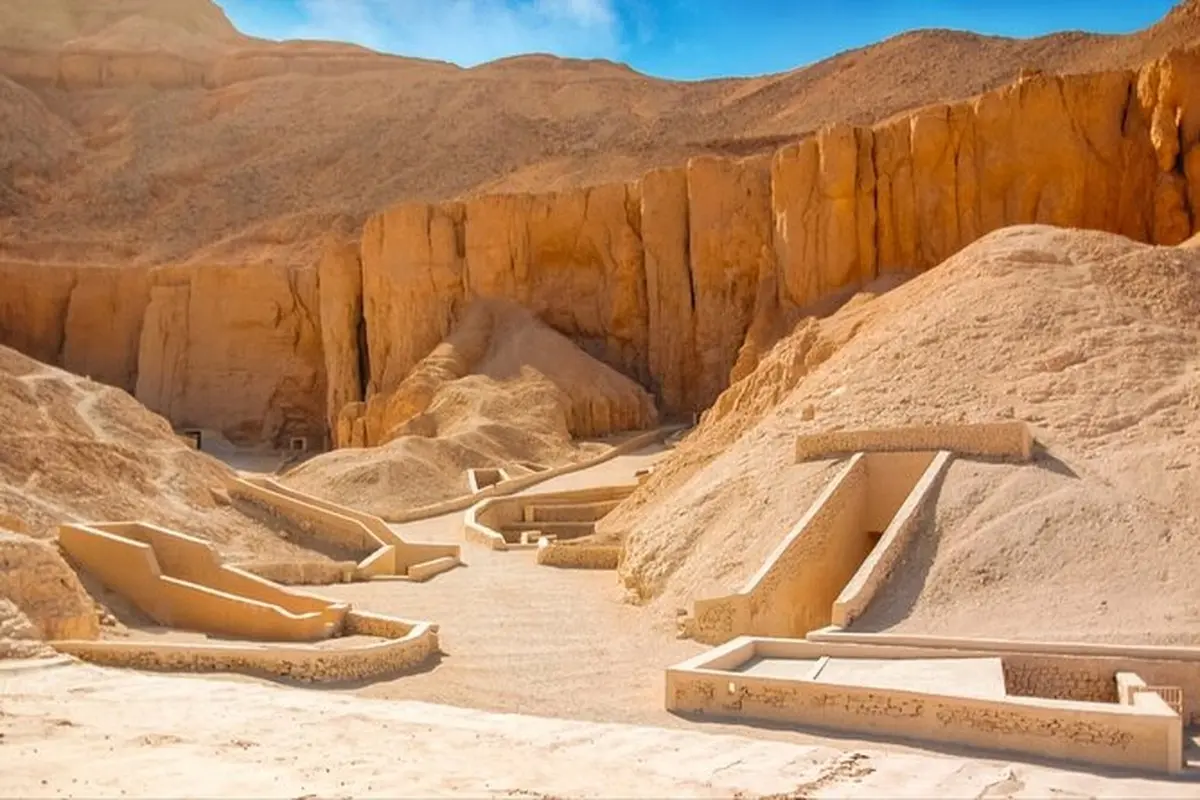
The Valley of the Kings is particularly important for understanding ancient Egyptian burial beliefs. Decorated tomb chambers contain scenes and religious texts connected with the pharaoh's journey into the afterlife.
Cultural experiences can also extend beyond archaeological monuments. Traditional markets, local neighborhoods, Nile journeys and encounters with modern Egyptian life can provide a broader perspective on Luxor as a living city rather than solely an archaeological destination.
Luxor Historical Tours explore the rise of Thebes and its importance during some of the most influential periods of ancient Egyptian history. The city became particularly significant during the Middle and New Kingdoms, when powerful rulers expanded temples, constructed royal tombs and transformed the region into a major religious center.
The East Bank contains some of the clearest evidence of this development. Karnak grew through the contributions of successive pharaohs, creating a vast complex containing temples, courtyards, obelisks and monumental gateways.
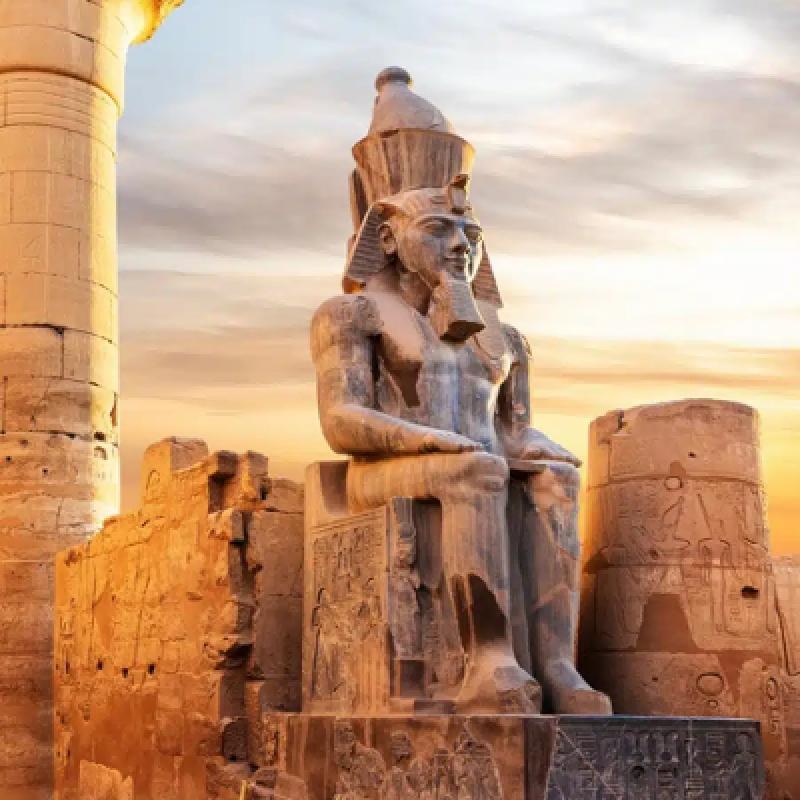
Luxor Temple was also expanded by important rulers, including Amenhotep III and Ramesses II. Its architecture provides visitors with another opportunity to study the relationship between kingship and religion in ancient Egypt.
The West Bank is closely associated with Egypt's New Kingdom rulers. The Valley of the Kings became the burial place of numerous pharaohs, including Tutankhamun. Instead of constructing enormous pyramids, New Kingdom rulers created hidden rock-cut tombs decorated with religious texts and scenes.
The Temple of Hatshepsut tells the story of one of ancient Egypt's most remarkable rulers. Its terraces rise dramatically against the cliffs of Deir el-Bahari and make it one of the most distinctive monuments in Luxor.
Historical tours can also include Medinet Habu, the Valley of the Queens and additional tombs belonging to nobles and officials. Travelers with more time can extend their historical exploration beyond Luxor to Dendera and Abydos, two important archaeological destinations that provide additional insight into Egyptian religious history.
Karnak Temple: Karnak is one of Luxor's largest and most significant temple complexes. Among its most impressive features is the Great Hypostyle Hall, where enormous columns create one of the most recognizable architectural spaces in ancient Egypt.
Luxor Temple: Located close to the modern city center, Luxor Temple was an important ceremonial complex. Its monumental statues, columns and connection with Karnak through the Avenue of Sphinxes make it a central part of Luxor's cultural landscape.
Valley of the Kings: The Valley of the Kings contains dozens of royal tombs carved into the desert landscape. Elaborate wall paintings and hieroglyphic texts provide insight into ancient Egyptian beliefs about death and the afterlife.
Temple of Hatshepsut: Built against the cliffs at Deir el-Bahari, this mortuary temple is associated with Pharaoh Hatshepsut. Its terraces, colonnades and dramatic setting distinguish it from many other ancient Egyptian monuments.
Valley of the Queens: This burial area contains tombs created for queens, princes and other royal family members. Some tombs are particularly celebrated for their surviving decoration, although access and ticket arrangements can vary.
Medinet Habu: The mortuary temple of Ramesses III contains monumental gateways, courtyards, columns and extensive reliefs. It is especially valuable for travelers interested in the reign and military campaigns of Ramesses III.
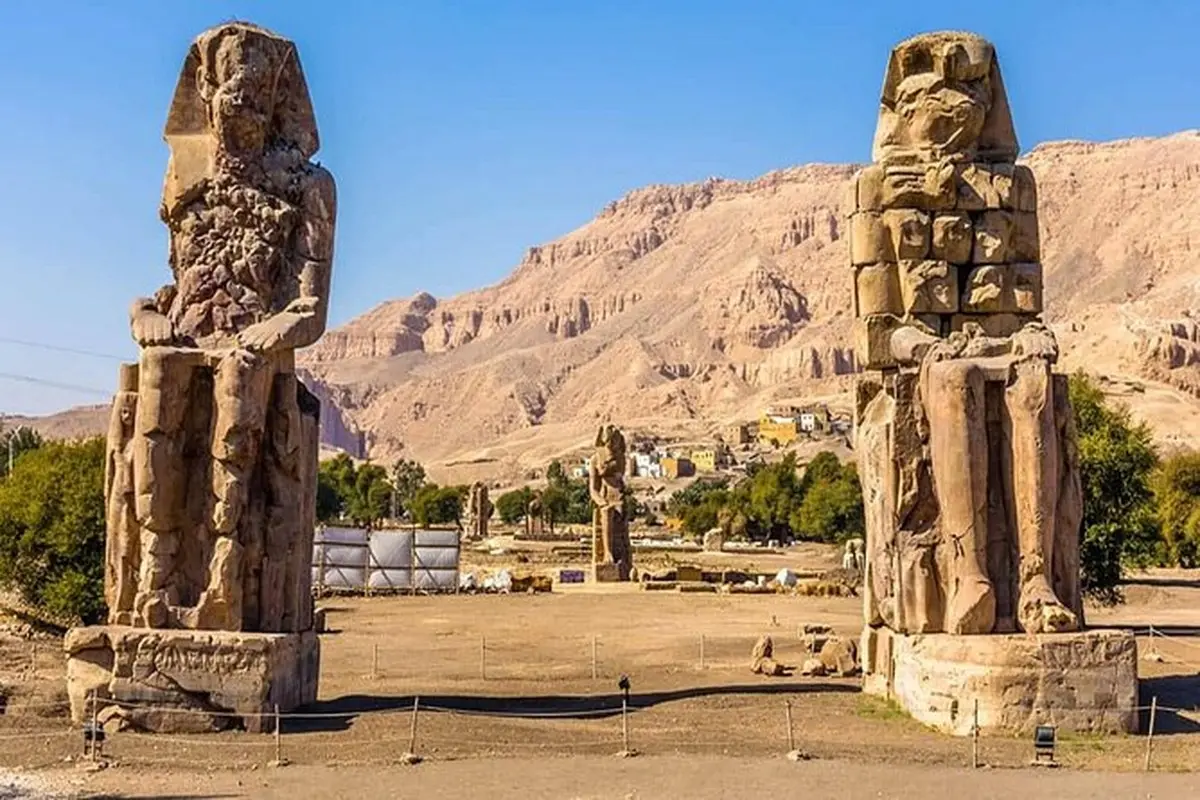
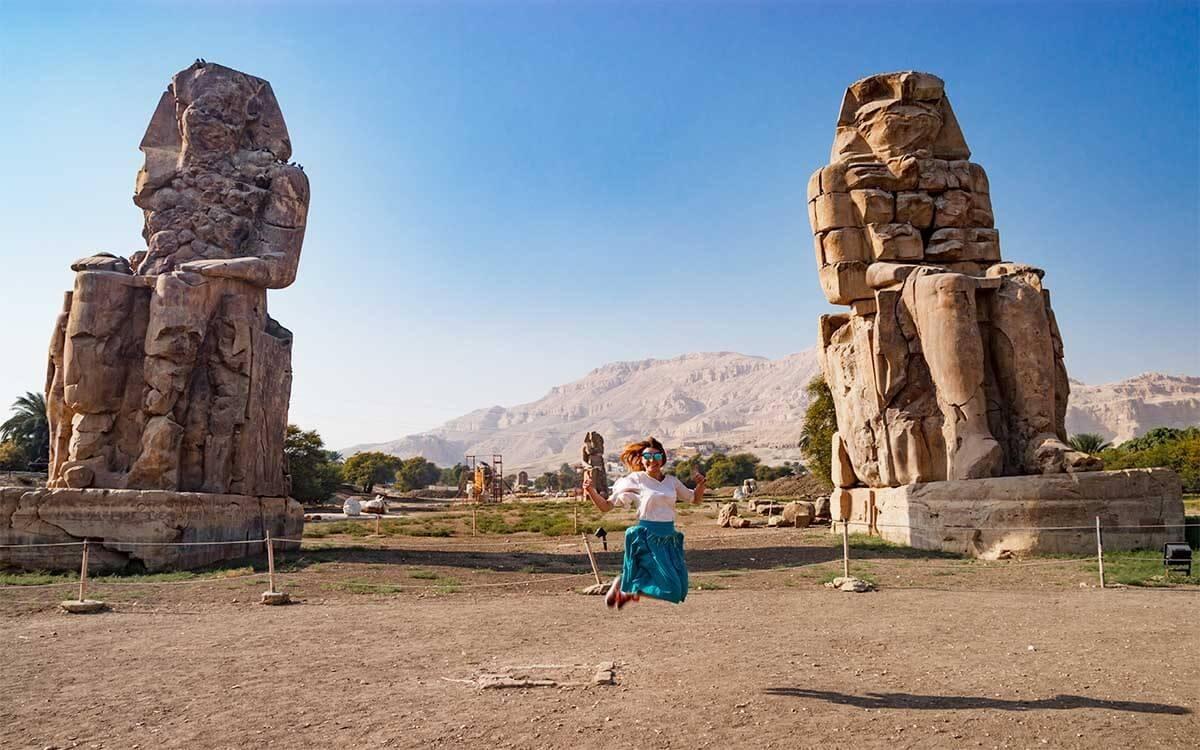
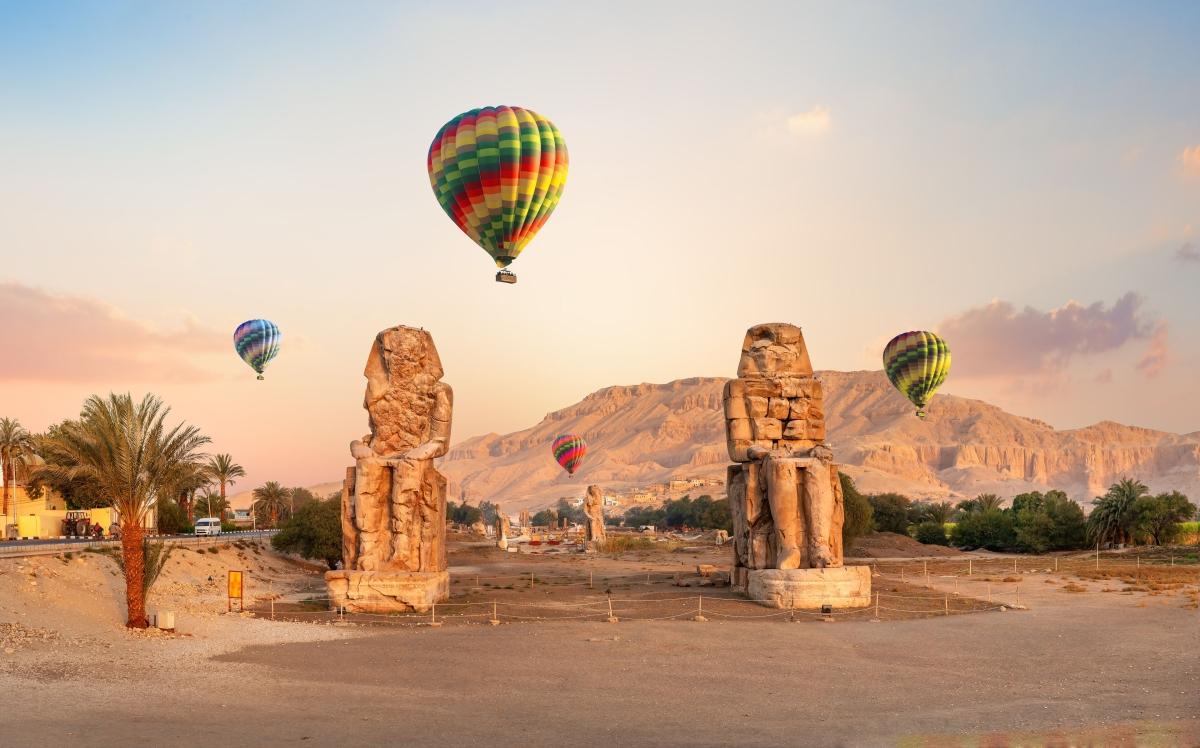
Colossi of Memnon: These two enormous seated statues represent Pharaoh Amenhotep III and once stood at the entrance to his mortuary temple. Today they remain one of the most recognizable landmarks on Luxor's West Bank.
Avenue of Sphinxes: This ceremonial avenue historically connected Karnak Temple with Luxor Temple. Walking sections of the route helps visitors understand how the major religious complexes of ancient Thebes were linked.
Tombs of the Nobles: Located on the West Bank, these tombs belonged to officials and other members of the ancient Egyptian elite. Their decorations can provide valuable information about daily life, occupations and social traditions beyond the royal court.
Because tomb access, opening arrangements and additional-ticket requirements can change, travelers should check current conditions before planning visits to specific archaeological sites.
.png)