
Free Cancellation
-high.jpg&w=1920&q=75 "17 Days Turkey Egypt Delight Tour")
-high.jpg&w=1920&q=75 "14 Days Istanbul to Cairo Combined Tour")
-high.jpg&w=1920&q=75 "15 Days Wonders of Turkey Egypt Combined Tour")
-high.jpg&w=1920&q=75 "18 Days Grand Greece, Türkiye & Egypt Heritage, Istanbul Highlights & Egypt Solar Eclipse With Nile Cruise Tour 2027")


Luxor Combined Country Tours allow travelers to explore Luxor's extraordinary archaeological heritage while continuing to other major destinations across Egypt. Instead of visiting Luxor as a standalone city break, combined itineraries can connect the temples and royal tombs of ancient Thebes with the Giza Pyramids, Cairo, Aswan, Nile Valley and Red Sea.
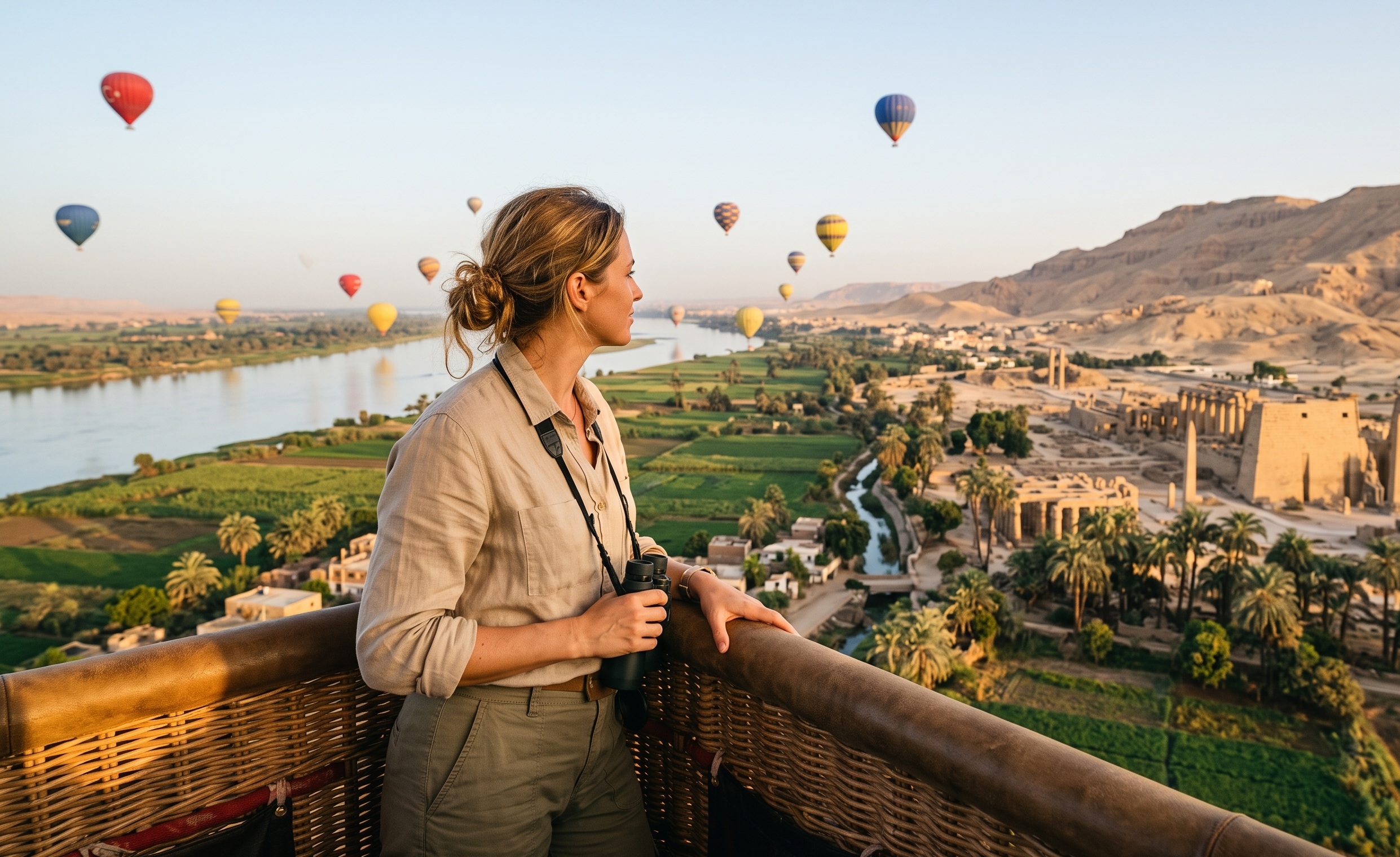
Luxor is particularly well positioned for multi-destination Egypt tours. The city sits on the Nile in Upper Egypt and provides access to Karnak Temple, Luxor Temple, the Valley of the Kings, Temple of Hatshepsut and other important archaeological sites. From Luxor, travelers can continue south toward Aswan, travel north to Cairo and Giza or combine cultural sightseeing with a Red Sea stay.
Combined tours can range from short itineraries visiting two destinations to longer journeys covering several regions of Egypt. Depending on the program, transportation may involve domestic flights, private road transfers, trains or Nile cruises.
These itineraries are suitable for first-time visitors who want to experience several sides of Egypt in one journey. Travelers can explore ancient monuments, museums, Nile landscapes, traditional cities and coastal destinations without organizing every stage separately.
Egypt Multi-Destination Tours from Luxor can connect the archaeological sites of Upper Egypt with the country's other major cultural and natural attractions.
A typical itinerary may begin in Cairo and Giza, where travelers can see the Giza Pyramids, Great Sphinx and major museums before continuing to Luxor. Alternatively, travelers already staying in Luxor can travel north to Cairo as the next stage of their journey.
South of Luxor, Aswan provides another important base for exploring ancient Egyptian history and Nile landscapes. Between Luxor and Aswan are significant archaeological sites such as Edfu and Kom Ombo, which can be incorporated into road journeys or Nile cruise itineraries.
Travelers with more time can extend their journey to Abu Simbel, famous for the monumental rock-cut temples associated with Ramesses II and Queen Nefertari.
Egypt multi-destination itineraries can also incorporate coastal stays. After several days of temples, tombs and museums, travelers may continue to a Red Sea destination for beaches, swimming, snorkeling or resort time.
The ideal route depends on trip duration. A shorter holiday may focus on Cairo, Giza and Luxor, while longer programs can include Aswan, a Nile cruise and the Red Sea.
Luxor & Cairo Combined Tours bring together two of Egypt's most important destinations for history and culture.
In the Cairo region, travelers can explore the Giza Pyramids and Great Sphinx, among the world's most recognizable ancient monuments. Museum visits can provide further insight into ancient Egyptian civilization, while Islamic Cairo, Coptic Cairo, the Citadel and Khan El Khalili introduce visitors to later periods of Egyptian history.
Luxor provides a very different archaeological experience. Rather than monumental pyramids, the city is known for enormous temple complexes and rock-cut royal tombs.
On the East Bank, Karnak Temple and Luxor Temple demonstrate the religious importance of ancient Thebes. Across the Nile, the Valley of the Kings contains tombs associated with New Kingdom pharaohs, while the Temple of Hatshepsut stands beneath the cliffs of Deir el-Bahari.
Combining Cairo and Luxor therefore provides a broader historical perspective than visiting either destination alone. Travelers can compare the pyramid-building age of ancient Egypt with the temples and royal burial traditions associated with later dynasties.
A typical combined itinerary may spend two or three days in Cairo and Giza followed by two or three days in Luxor. Domestic flights are commonly used to reduce travel time between the cities, although other transportation options may be available depending on the itinerary.
Travelers with additional time can extend the route south from Luxor toward Aswan rather than ending their journey after the two cities.
Luxor, Aswan & Nile Cruise Tours are among the most natural ways to combine several major destinations in Upper Egypt. The Nile connects archaeological sites, cities and landscapes that played central roles throughout Egyptian history.
A journey can begin in Luxor with visits to Karnak Temple, Luxor Temple, the Valley of the Kings and Temple of Hatshepsut before continuing south along the Nile.
Many cruise itineraries include stops near Edfu, where travelers can visit the Temple of Horus, and Kom Ombo, known for its distinctive temple complex overlooking the Nile.
The journey continues toward Aswan, a city known for its Nile scenery and access to important historical attractions. Depending on the itinerary, travelers may explore Philae Temple and other sites in and around the city.
From Aswan, an excursion to Abu Simbel can be added. The temples were constructed during the reign of Ramesses II and are among southern Egypt's most remarkable ancient monuments.
Nile cruise itineraries vary in duration and inclusions. Some operate from Luxor to Aswan, while others travel in the opposite direction. Travelers should check embarkation points, sightseeing programs, meals, cabin categories, entrance fees and guide services before selecting a cruise.
For a more extensive Egypt journey, Cairo and Giza can be added before or after the Luxor, Aswan and Nile cruise portion.
Luxor & Red Sea Combined Tours offer a balance between archaeological sightseeing and coastal relaxation. This combination is particularly suitable for travelers who want to explore ancient Egypt without spending their entire holiday visiting historical sites.
A combined itinerary can begin with several days in Luxor. Travelers can explore Karnak Temple and Luxor Temple on the East Bank before visiting the Valley of the Kings, Temple of Hatshepsut and other West Bank monuments.
After completing the cultural portion of the trip, travelers can continue toward the Red Sea coast. Hurghada is one of the best-known options and can be reached overland from Luxor, making it a practical combination for many itineraries.
At the Red Sea, travelers can relax at beach resorts or choose activities such as snorkeling, diving and boat excursions depending on the destination and package.
Longer itineraries may incorporate other Red Sea resort areas according to transportation arrangements and the overall route.
This combination works particularly well for couples and families because the itinerary can alternate between active sightseeing and slower resort days. It can also be incorporated into a larger Egypt journey beginning in Cairo and Giza before continuing to Luxor and the coast.
Exact transfer times, accommodation, activities and transportation arrangements vary between tours and should be checked in the individual itinerary.
.png)