
Free Cancellation
-high.jpg&w=1920&q=75 "6 Days Morocco & Turkey Highlights Tour | Casablanca, Marrakech & Istanbul")
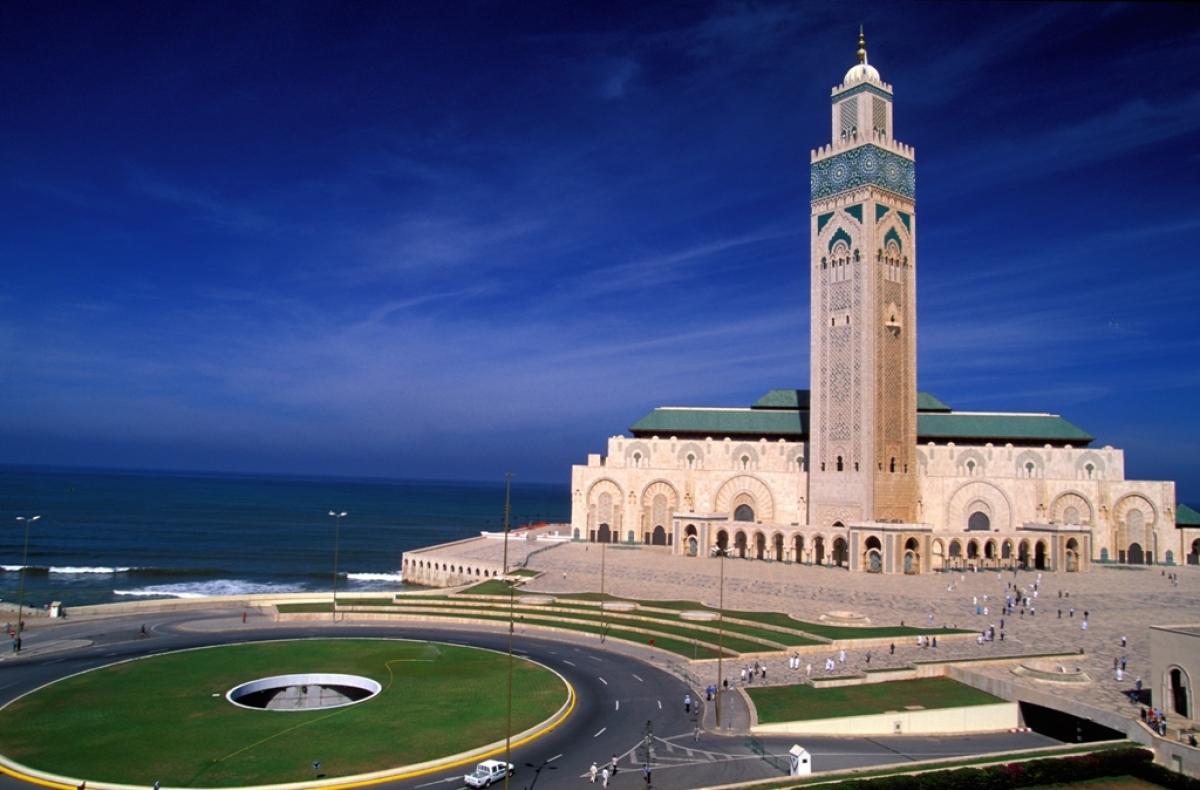
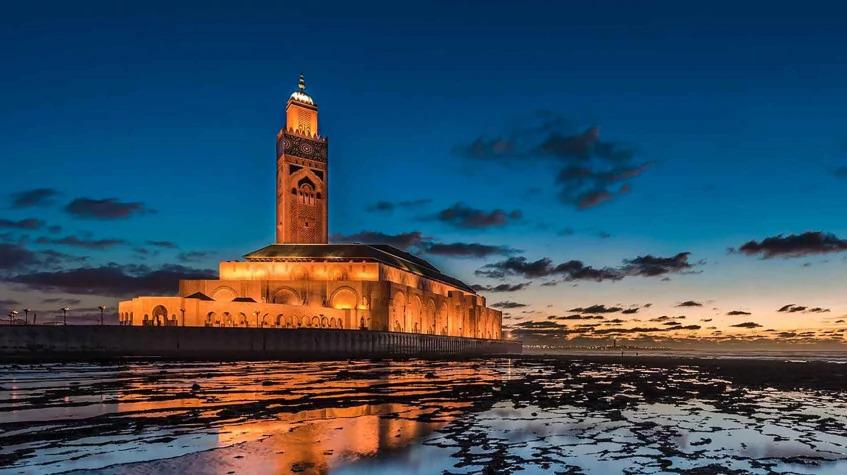
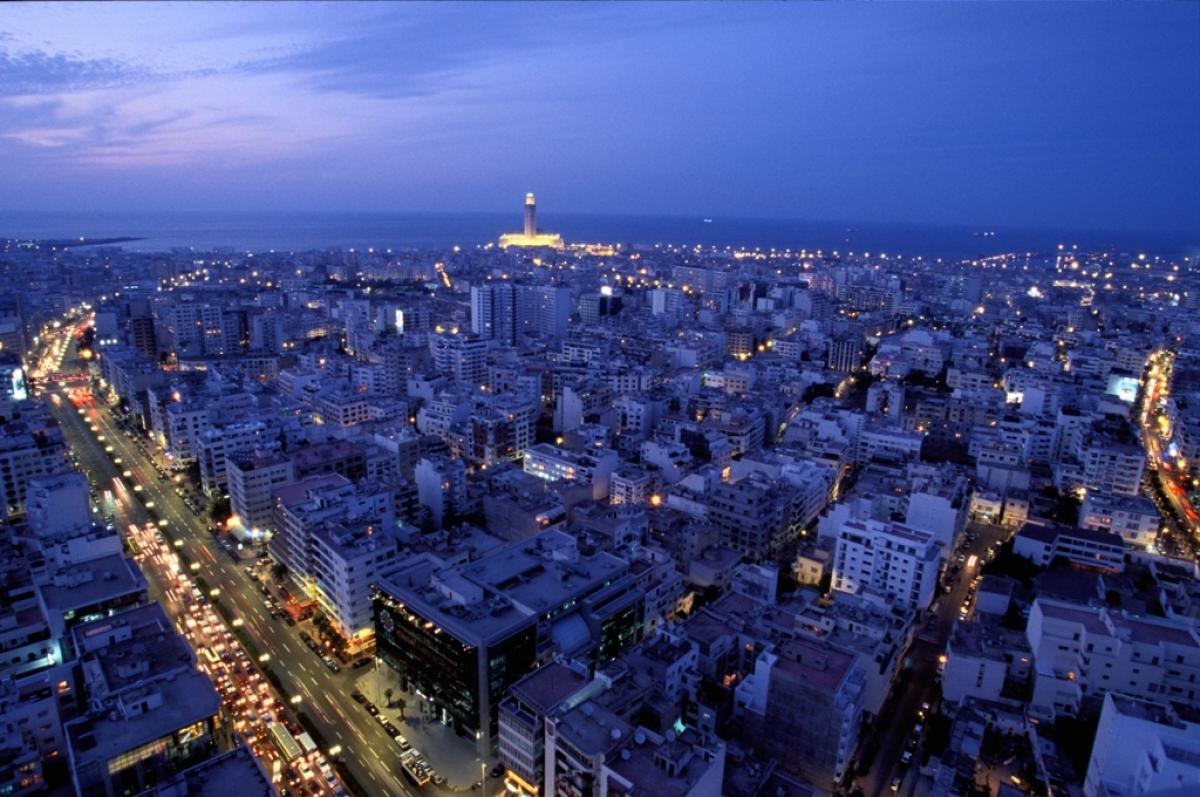
Casablanca is Morocco's largest city and its commercial capital, an Atlantic port that grew rapidly under French colonial planning in the early twentieth century and now serves as the country's main business hub. Its name, Spanish for white house, mirrors the Arabic Dar el Beida and refers to the pale buildings that have long marked the city's shoreline. The skyline is dominated by the Hassan II Mosque, one of the tallest religious buildings in the world, with a minaret over 200 meters high and a retractable roof over the main prayer hall. Many international flights land here, making Casablanca a frequent starting point for wider Morocco tours.
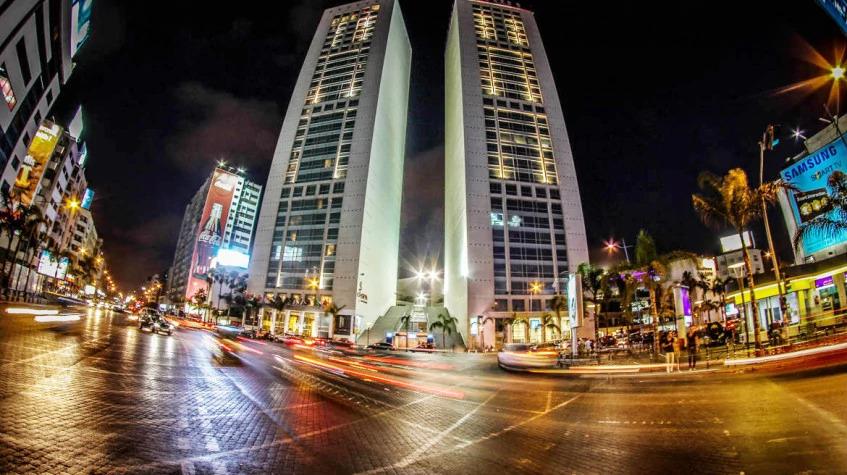
Unlike Marrakech or Fez, Casablanca is not built around a historic medina at its core, though a smaller old medina survives near the port. Its character comes instead from Art Deco streets, a long Atlantic corniche, and the working rhythm of a city that runs on commerce rather than tourism alone. Population estimates put greater Casablanca at well over three million people, making it by far the largest urban area in the country and one of the busier ports on Africa's Atlantic coast.
Completed in 1993 on a site partly built over reclaimed land along the ocean, the Hassan II Mosque took several years and thousands of craftsmen from across Morocco to finish, with room for around 25,000 worshippers inside the main hall and space in the outdoor courtyard for tens of thousands more. French architect Michel Pinseau designed the building, working alongside Moroccan artisans and engineers on both its structural work and its decorative detail.
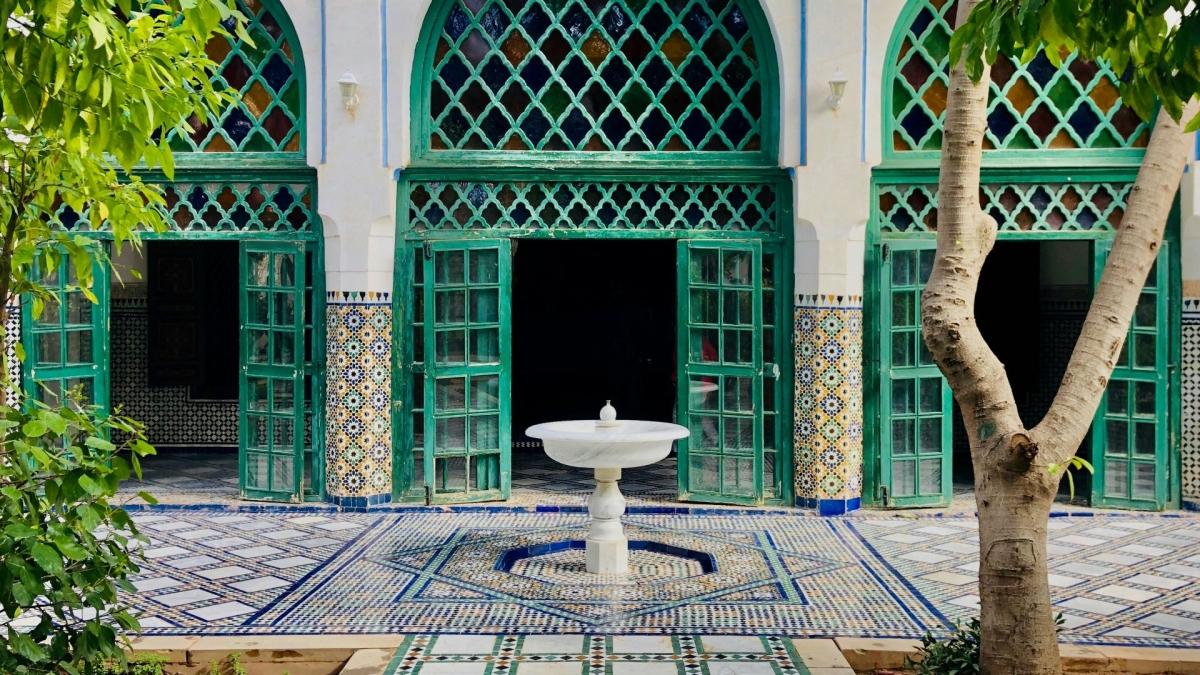
Zellige tilework, carved plaster, and painted cedar ceilings cover the interior, continuing techniques used in the country's older religious buildings but built at a much larger scale. Marble columns and a titanium-coated door lead into the main hall, and the ceiling opens on tracks during the busiest prayer gatherings.
Non-Muslim visitors can enter on guided tours outside prayer times, one of the few working mosques in Morocco open to non-Muslims. Tours cover the hammam and ablution halls beneath the main hall as well as the prayer space itself, and the building's position on a promontory means waves are visible directly beneath glass floor sections in parts of the structure.
Place Mohammed V and its surrounding streets hold one of the world's denser concentrations of Art Deco buildings, a legacy of French architects who designed the city's administrative core in the 1920s and 1930s. Wrought-iron balconies, curved corner facades, and the central post office building are among the more recognizable examples along the surrounding boulevards. The former Sacre-Coeur Cathedral, a white Gothic-influenced church completed in 1930 and deconsecrated after independence, stands near Parc de la Ligue Arabe and now hosts exhibitions rather than religious services.
Also called the New Medina, the Habous Quarter was built by French planners in the 1930s in a traditional style, with arcaded streets, a royal palace, and shops selling spices, leather goods, and pastries. It offers a calmer, more orderly version of a medina than the older quarters found in Fez or Marrakech, and it remains a working residential district rather than a preserved showpiece.
Bakeries in the Habous Quarter are known locally for cornes de gazelle and other almond pastries, and several shops specialize in argan oil and Fassi ceramics brought in from other regions. A regional court building and public library, both built in the same traditional style as the surrounding arcades, sit on the edge of the quarter.
Near the port, the old medina's narrow lanes contrast with the planned quarters found elsewhere in the city. La Sqala, an eighteenth-century bastion at the medina's edge originally built for coastal defense, now houses a garden restaurant set into the old fortification walls.
Casablanca's Corniche runs along the Atlantic at Ain Diab, lined with beach clubs, cafes, and restaurants facing the ocean. It draws Casablancans as much as visitors, particularly in the evening, and offers a straightforward way to see the city's more relaxed, modern side after a day of sightseeing downtown.
Morocco Mall, one of the larger shopping centers in Africa, sits along this stretch of coast with a wall of aquarium tanks and direct beach access. Surfers use several breaks along Ain Diab outside the main swimming areas, and the wide sidewalk along the water stays busy well into the evening.
A short drive from the Corniche, Rick's Cafe occupies a restored mansion near the old medina and recreates the setting of the 1942 film, though the restaurant itself opened only in 2004. It draws visitors curious about the connection even though the film was shot entirely in California studios rather than in Morocco.
Because Casablanca functions as both a destination and a gateway, package tours based here often extend into a wider look at the country. Discover Morocco from Casablanca is built around that pattern, using the city as a starting point for a broader route rather than keeping the itinerary confined to Casablanca alone. Itineraries built this way typically run across several days, taking in other Moroccan cities beyond Casablanca itself before returning travelers to the airport for departure.