
Free Cancellation
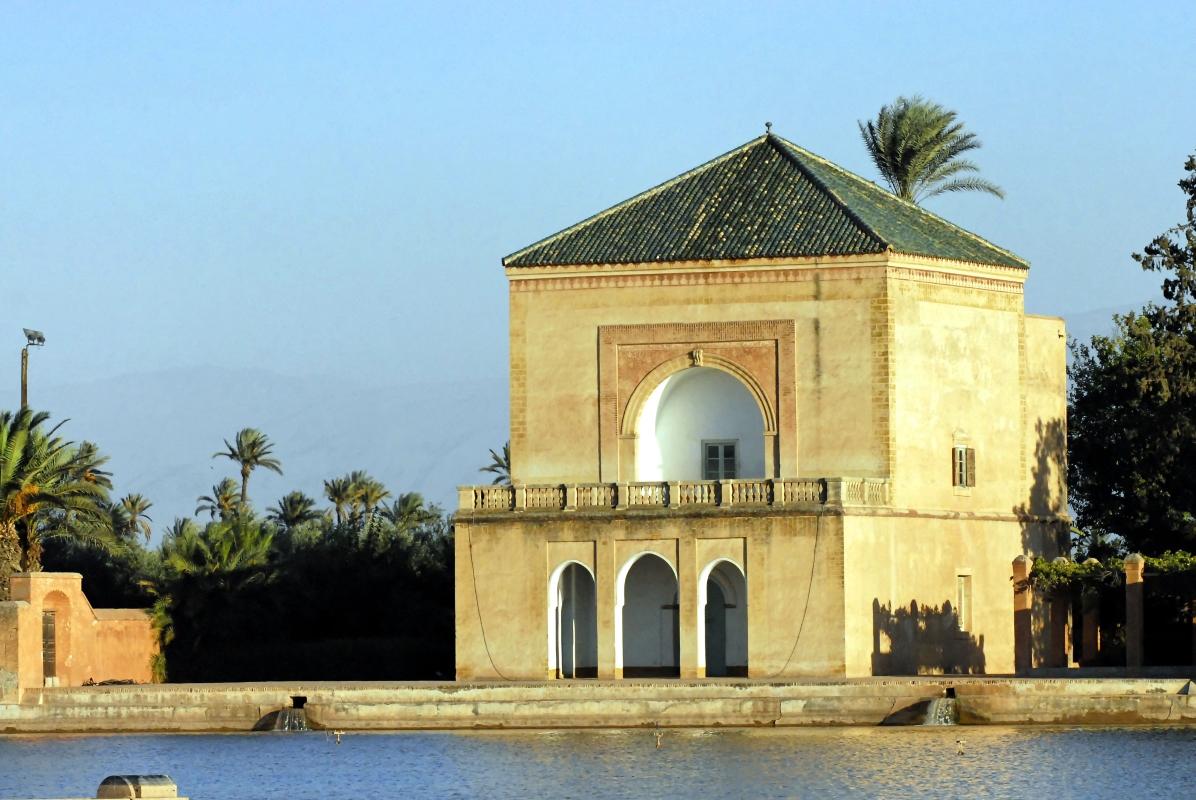
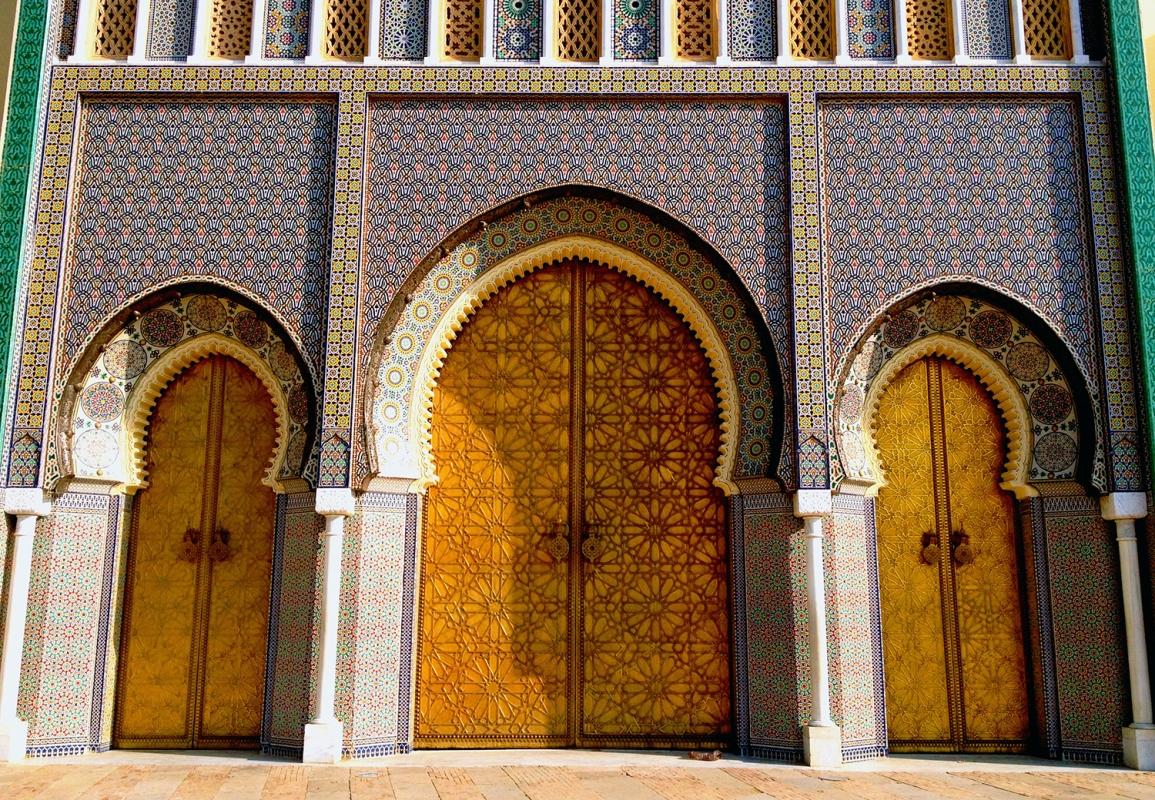
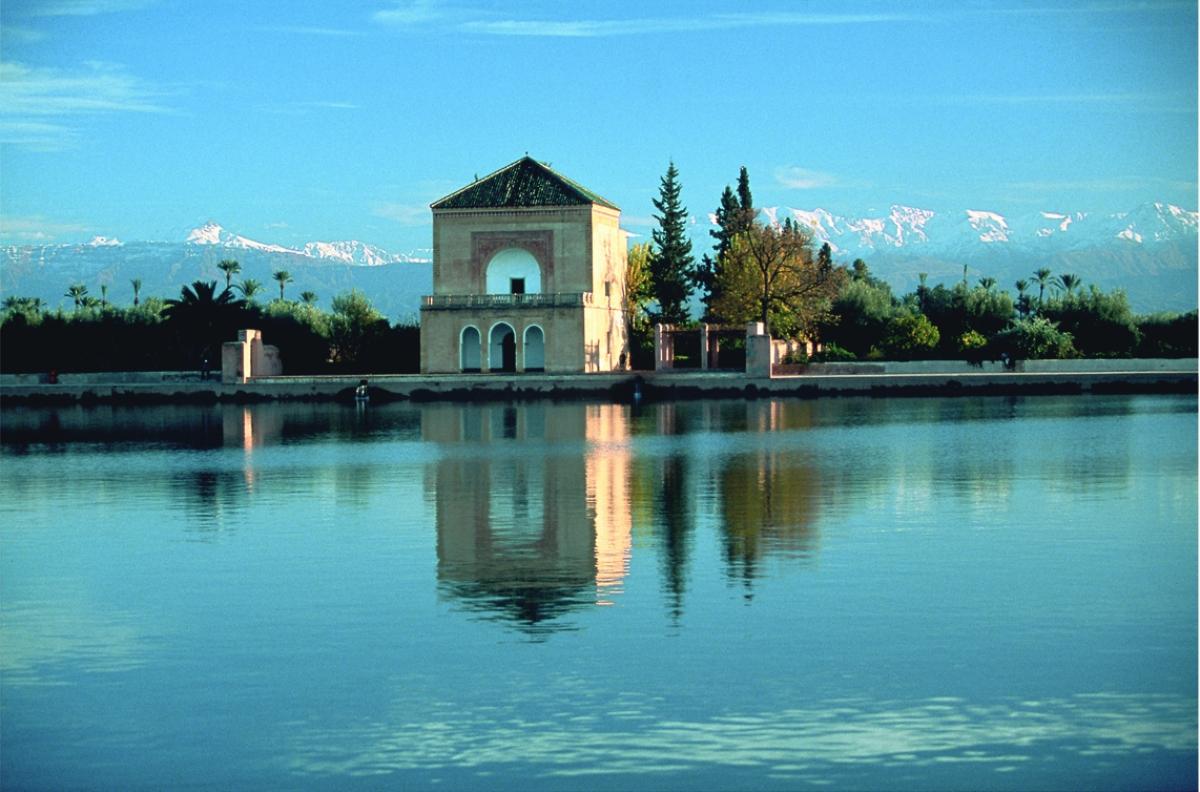
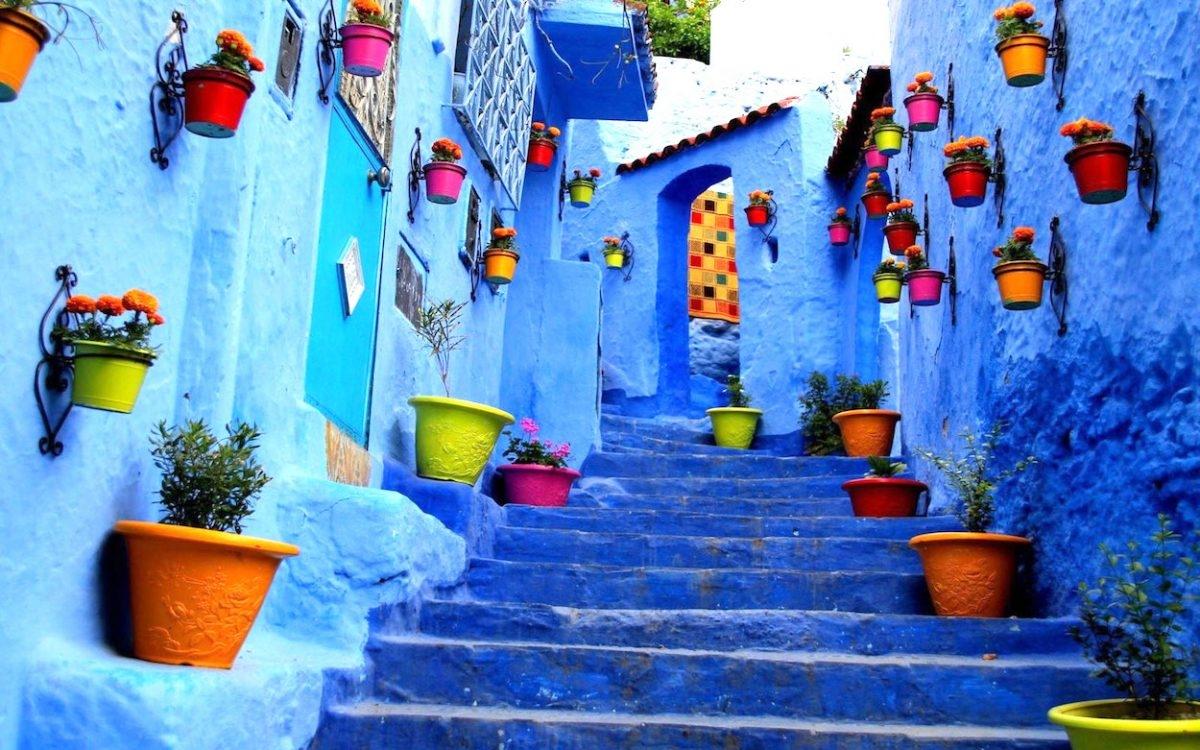
Rabat is Morocco's capital and seat of government, set on the Atlantic coast where the Bou Regreg River meets the sea. It draws a different crowd than Marrakech or Fes, with wide boulevards, government buildings, and a calmer pace, and travelers building Morocco tours often add a day here to see the royal and historic sites without the crowds found in the more heavily visited cities. Foreign embassies line many of its central avenues, a reminder of the city's role as the administrative center of the country since 1912.
Most Rabat tours combine the old town's fortified quarters with the newer administrative districts built during the French protectorate. The city's history stretches back to Roman and Almohad periods, and its layered past has earned much of the center recognition as a UNESCO World Heritage site. Rabat's population is smaller than that of Casablanca or Marrakech, which keeps its main sites within a manageable walking distance of one another.
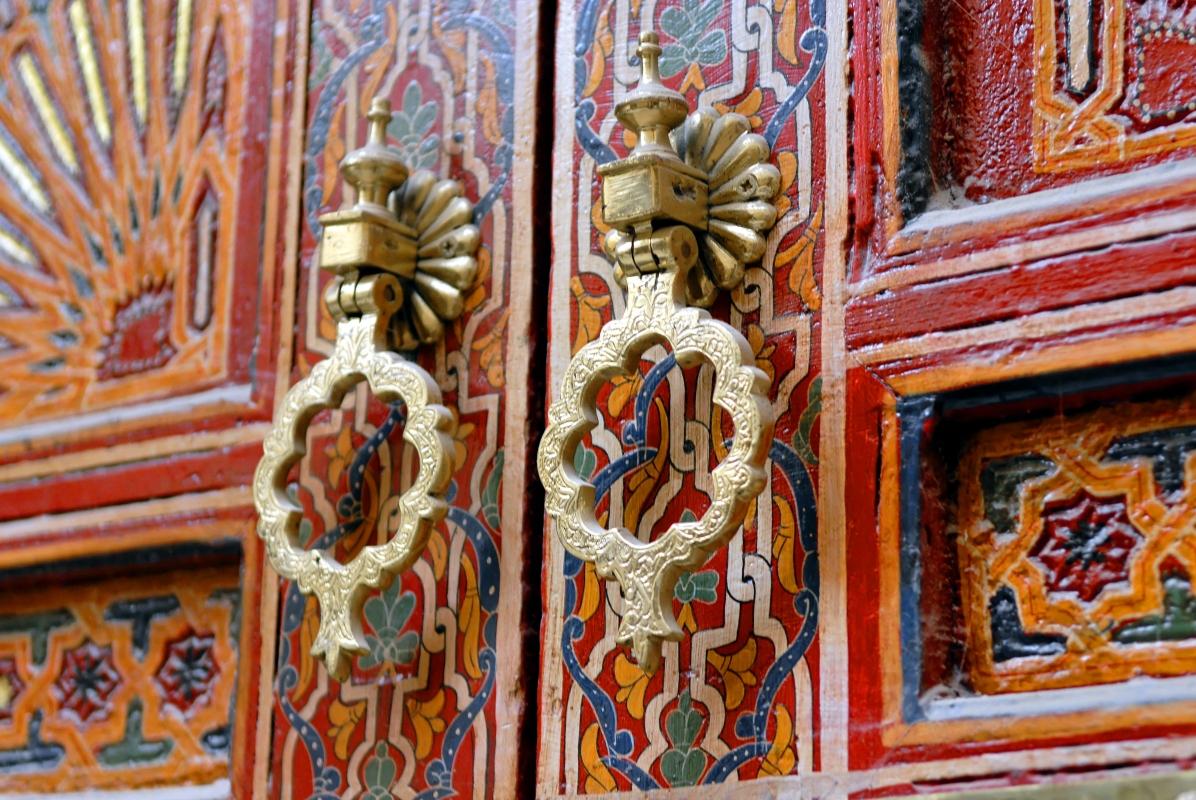
Perched above the river mouth, the Kasbah of the Udayas is a walled quarter of blue and white houses built originally as a 12th century fortress. Inside, narrow lanes lead past an Andalusian garden and a small museum, while the ramparts offer views across the water to Rabat's sister city, Sale. The quarter takes its name from the Udaya tribe, who were garrisoned here in the 17th century and left their mark on the fortifications that still enclose the neighborhood. Guided walks through the medina often highlight Andalusian-influenced doorways and ironwork, brought by refugees who settled in Rabat after being expelled from Spain in the 17th century.
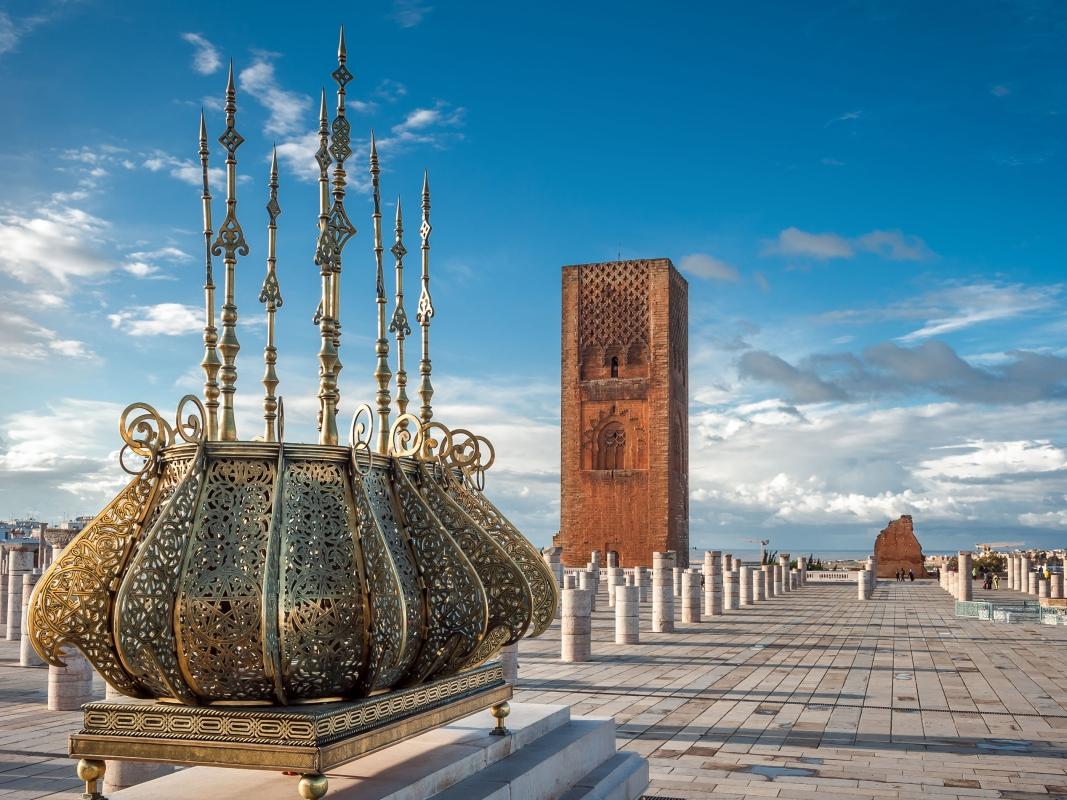
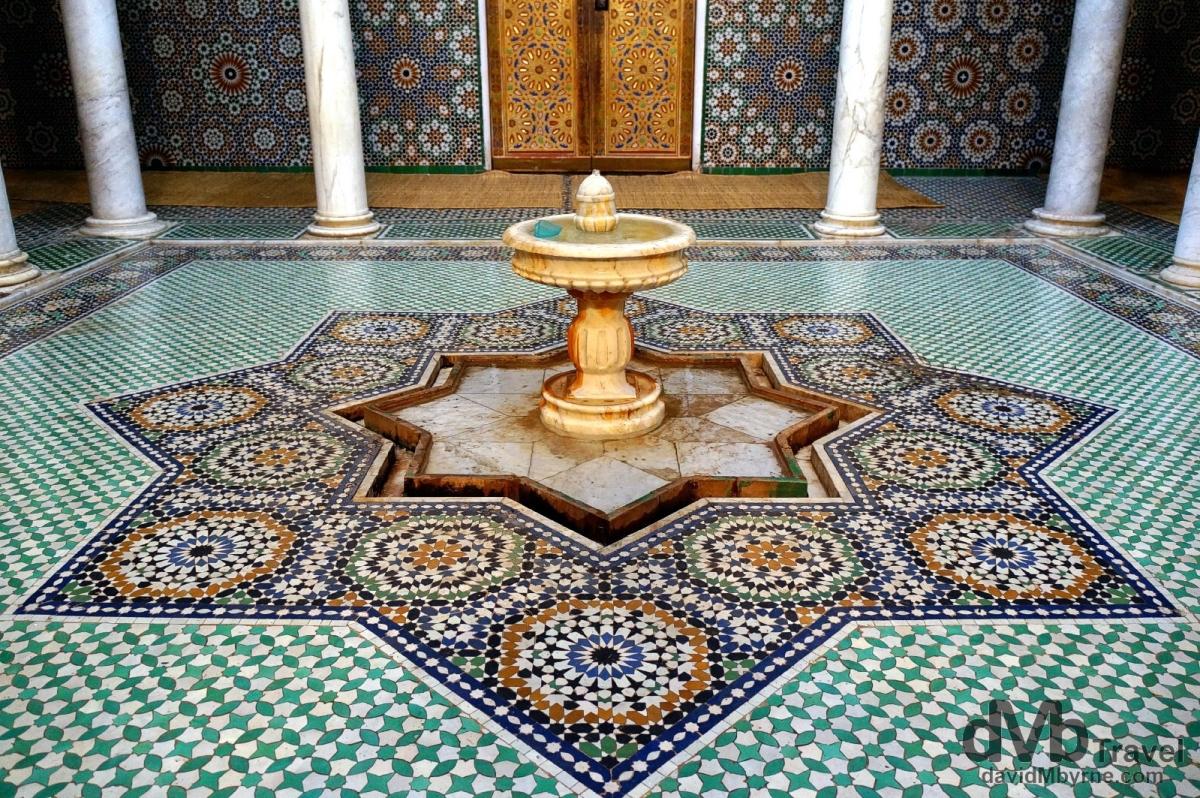
The Hassan Tower stands unfinished, its sandstone minaret abandoned in 1199 after the death of the sultan who commissioned it, surrounded by the remaining columns of what would have been one of the largest mosques in the Muslim world. Directly across the plaza, the Mausoleum of Mohammed V houses the tombs of the modern kingdom's founding monarch and his two sons, guarded around the clock by mounted royal guards in ceremonial dress. The mausoleum's interior, visible to visitors from a raised gallery, is finished in traditional zellige tilework and carved plaster rarely seen up close elsewhere in the city.
South of the medina, the Chellah occupies a walled site that layers Roman ruins, a medieval Merinid necropolis, and gardens grown wild around old minarets and tombs. Storks nest atop the ruined walls each spring, and the combination of Roman foundations with later Islamic architecture makes it one of the more unusual historic sites in the capital. Local tradition holds that eels living in a spring-fed pool within the grounds bring good fortune to those who feed them, a story still repeated by guides today.
Rabat's historic walls are punctuated by monumental gates, among them Bab er-Rouah, an ornately carved 12th century gate near the Kasbah that now hosts temporary art exhibitions inside its vaulted chambers. Several other gates from the same Almohad building campaign still stand around the old city, marking the boundary between the medina and the modern districts that grew up around it. Visitors can typically walk through the gate's interior free of charge, making it an easy addition to a morning spent around the Kasbah.
Rabat's Royal Palace, still an active residence, is viewed from outside its gates rather than entered, with its ceremonial plaza open to visitors. The city's medina, smaller and less commercial than those in Fes or Marrakech, holds a walkable grid of shops selling textiles, leather goods, and spices, with the 17th century Andalusian wall marking its western edge.
Near the train station, the Mohammed VI Museum of Modern and Contemporary Art opened in 2014 as Morocco's first national museum dedicated to modern art, with a collection spanning 20th century Moroccan painters alongside rotating international exhibitions. Its white geometric building stands out among the surrounding government architecture, and temporary exhibitions rotate several times a year, often pairing Moroccan artists with international names on loan from partner institutions.
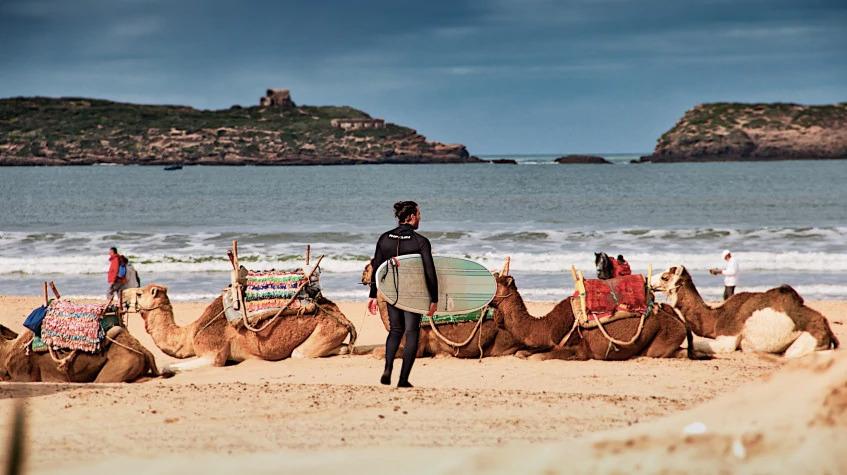
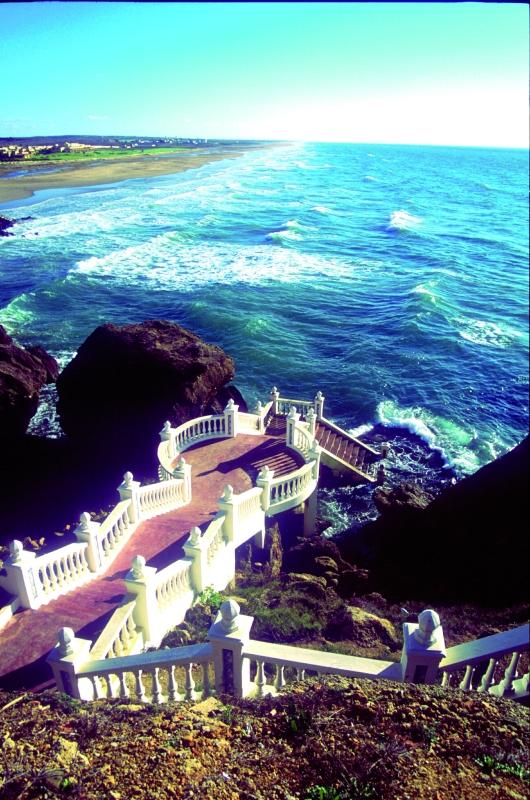
The coastline runs from the Kasbah of the Udayas south past long stretches of beach popular with local surfers and swimmers. Its Corniche area has developed in recent years with cafes and public space facing the ocean, giving the capital a resort feel that contrasts with its role as the seat of government.
A modern tramway connects Rabat with Sale across the river, making it easy to combine a visit to the capital with a look at its historic neighbor without arranging a taxi. Most of the central sights, including the Udayas, Hassan Tower, and the medina, sit close enough together to cover on foot in a single day, with trams running frequently enough to fill in the gaps between them.
Rabat is one of Morocco's four royal cities, and it pairs naturally with Meknes, Fes, and Marrakech on longer circuits, or with coastal towns further south. Travelers interested in that kind of route can look at a royal cities and Essaouira tour, which links the capital with other historic centers and the Atlantic port town.
Spring and early fall bring mild, dry weather well suited to walking the medina and Udayas quarter. Coastal breezes keep summer temperatures more moderate than inland cities like Marrakech, while winter brings occasional rain but rarely the extreme heat or cold found elsewhere in the country.